Walk into any tarp supplier and you’ll be buried in options. PE, PVC, canvas, mesh, TPU, woven, coated—the list goes on. Every material has its fans and its failure stories.
This guide sorts through all of it. I’ll cover the main tarpaulin material types, what they’re actually made of, how they perform in the field, and which applications they suit best. No fluff, just what you need to make a decision.
The Main Types of Tarpaulin Material
There are five categories worth knowing for commercial and industrial use:
- PVC (Polyvinyl Chloride) tarpaulin — Coated fabric, typically on a woven polyester base
- PE (Polyethylene) tarpaulin — Woven polyethylene strips with laminated film
- Canvas (cotton or blended) — Woven textile, natural or synthetic fiber
- Mesh tarpaulin — Open-weave fabric, various materials
- TPU (Thermoplastic Polyurethane) tarpaulin — Premium coated fabric, emerging environmentally friendly materials
Each has a role. Let’s go through them.
PVC Coated Tarpaulin: The Industrial Standard
What Is PVC Coated Tarpaulin?
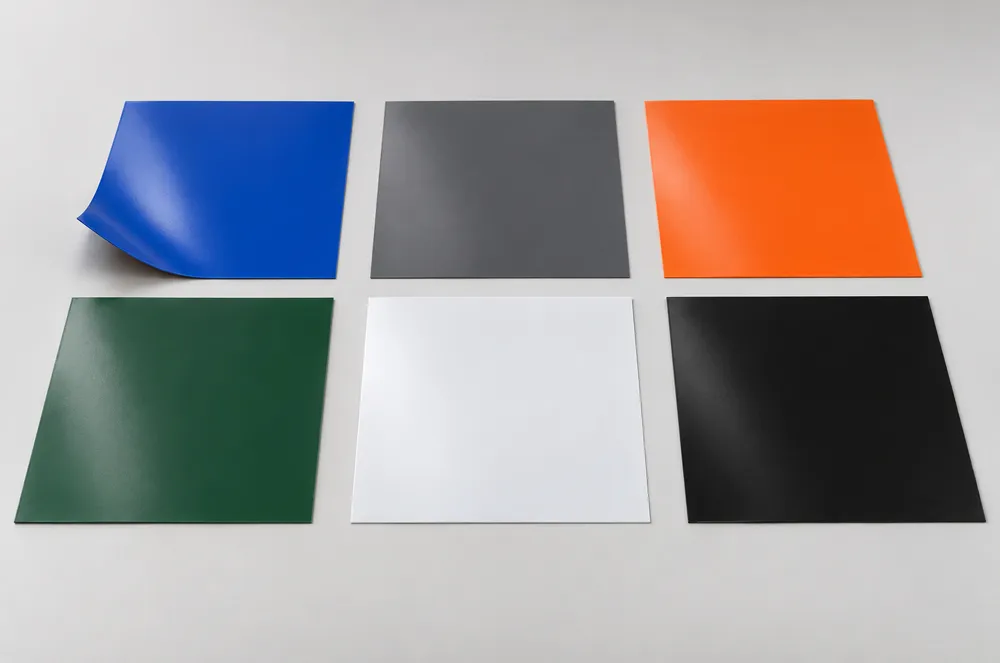
PVC coated tarpaulin is a fabric—usually woven polyester or polyester-cotton blend—with a polyvinyl chloride coating applied to both sides. The result is a flexible, waterproof, durable material that handles industrial conditions.
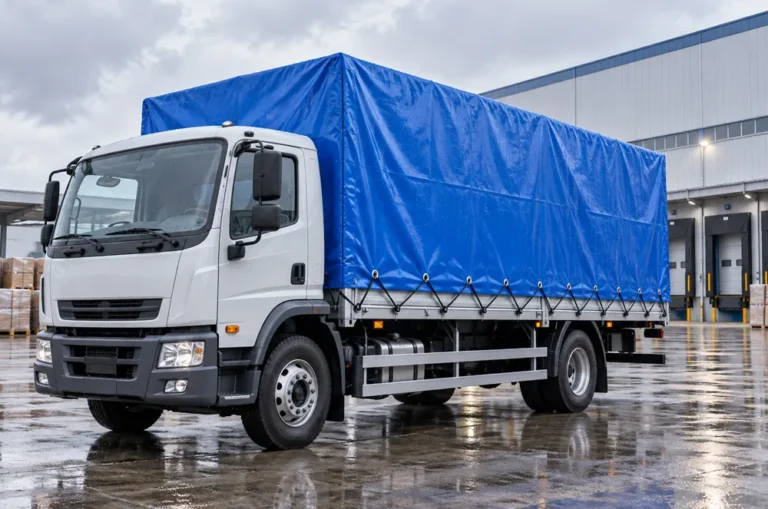
Vinyl coated fabric, as it’s also called, is the dominant material in commercial trucking, construction, and permanent outdoor applications.
Key properties:
- 100% waterproof
- Tensile strength: 2000-3000 N/5cm
- Temperature range: -30°C to +70°C
- UV stabilized options available
- Chemical resistant (oils, acids, salts)
- Repairable via heat welding
What Is PVC Coated Tarpaulin Used For?
The applications for PVC coated fabric span nearly every industry:
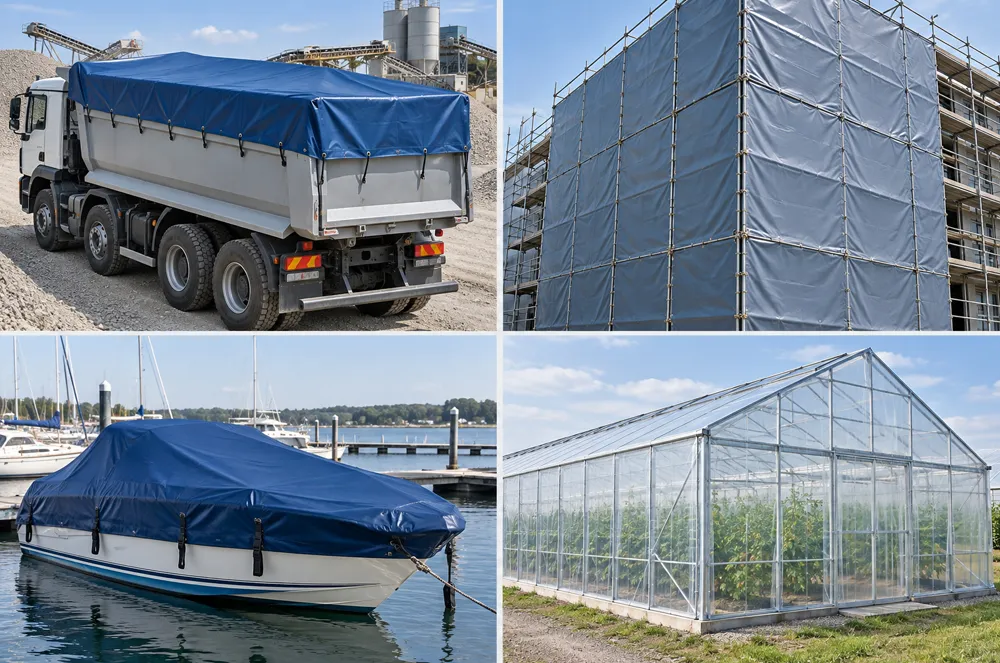
- Dump truck covers — Withstands impact and abrasion from aggregate materials
- Flatbed side curtains — Reduces wind resistance while protecting cargo
- Industrial equipment covers — Long-term outdoor storage and protection
- Construction scaffolding enclosures — Temporary weather barriers on job sites
- Marine applications — Boat covers, dock seals, water diversion
- Agriculture — Greenhouse cladding, livestock housing, grain storage
Advantages of PVC Coated Tarpaulin
I’ve worked with PVC tarpaulins across dozens of applications. The material consistently delivers:
- Long service life (5-10 years for heavy duty grades)
- Consistent performance across temperature extremes
- Customizable fabrication—grommets, reinforcements, welded seams
- Excellent chemical resistance for industrial environments
- Professional appearance that holds up over time
Disadvantages of PVC Coated Tarpaulin
- Higher cost than PE or canvas alternatives
- Heavier weight per square meter
- Requires heat welding or specialized adhesive for repairs
- Some formulations may stiffen in extreme cold
Polyethylene Tarpaulin: Budget-Friendly Option
Polyethylene Tarpaulin Properties
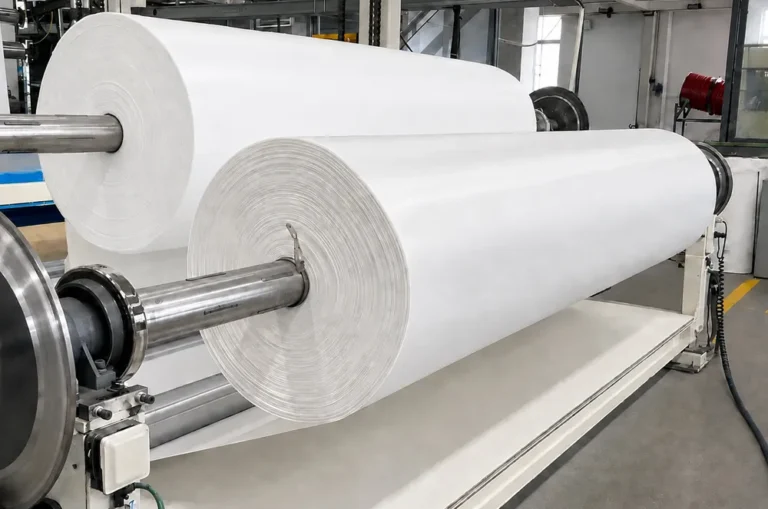
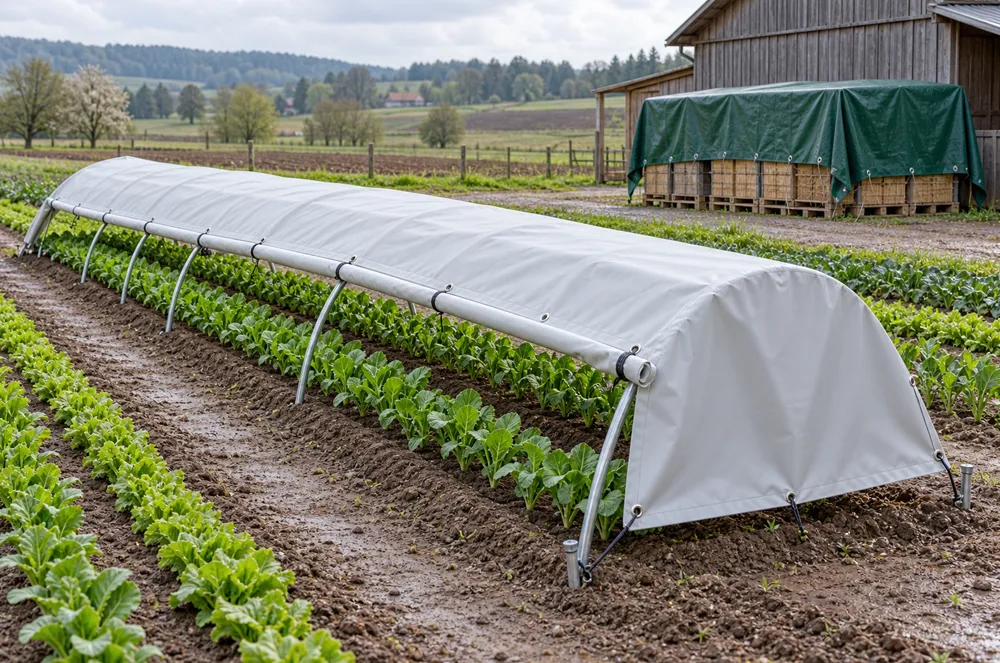
PE tarpaulin is made from woven strips of polyethylene, then laminated with a thin polyethylene film on both sides. The material is lightweight, water-resistant, and significantly cheaper than PVC.
Key properties:
- Lightweight, typically 60-200 GSM
- Water-resistant (not fully waterproof over time)
- Temperature range: -20°C to +60°C
- Limited chemical resistance
- UV degradation within 200-300 hours of exposure
When to Use Poly Tarp
Polyethylene tarp works well for:
- Temporary covers (one-time moves, short-term storage)
- Painting and drop sheets
- Ground covers during short construction phases
- Emergency flood protection
- Agriculture mulch and short-term crop covers
Polyethylene Tarpaulin Limitations
The lifespan of PE tarpaulin is its main weakness. Under continuous outdoor exposure, the material degrades rapidly. I’ve seen PE tarps fail within months in sunny climates. The lamination separates from the weave, creating leaks and tear points.
For anything beyond temporary use, budget for regular replacement or step up to PVC.
Canvas Tarpaulin: The Traditional Choice
PVC vs PE vs Canvas Tarpaulin Comparison
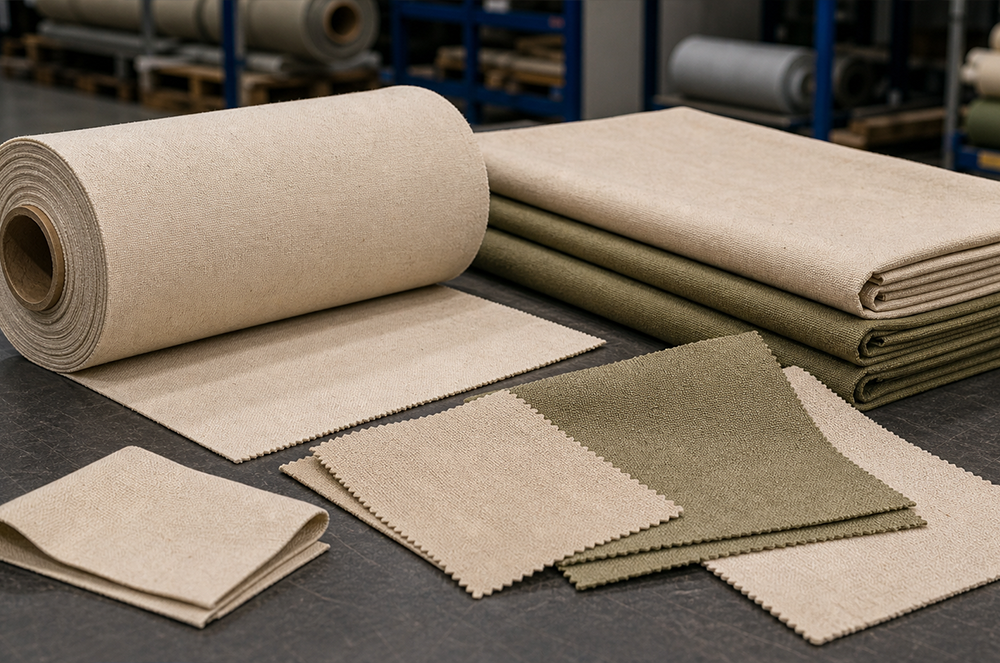
Canvas tarpaulins are woven fabrics, traditionally cotton, now often synthetic blends (polyester-cotton or acrylic-blended). They’re breathable, biodegradable, and have a long history in transportation and agriculture.
Traditional canvas properties:
- Natural breathability (reduces condensation)
- Good water resistance when waxed or treated
- Moderate strength (lower than PVC)
- Susceptible to mold and mildew if wet
- Natural fiber degrades faster than synthetic
Modern synthetic canvas:
- Improved UV resistance
- Better mold resistance
- Longer lifespan than natural canvas
- Still doesn’t match PVC durability
When Canvas Makes Sense
Canvas tarpaulins have a legitimate niche:
- Breathing applications — Where moisture buildup under the cover is a concern (some machinery, vehicles stored in enclosed spaces)
- Aesthetic preference — Some operations prefer the traditional look
- Insulation properties — Canvas provides some thermal insulation PVC doesn’t
- Acoustic dampening — Canvas absorbs sound better than smooth PVC
For commercial trucking and industrial applications, canvas has largely been replaced by PVC. The strength, durability, and cost advantages of industrial grade PVC tarpaulins are too significant to ignore.
Mesh Tarpaulin vs Solid Tarpaulin: Structure Matters
What Is a Mesh Tarpaulin?
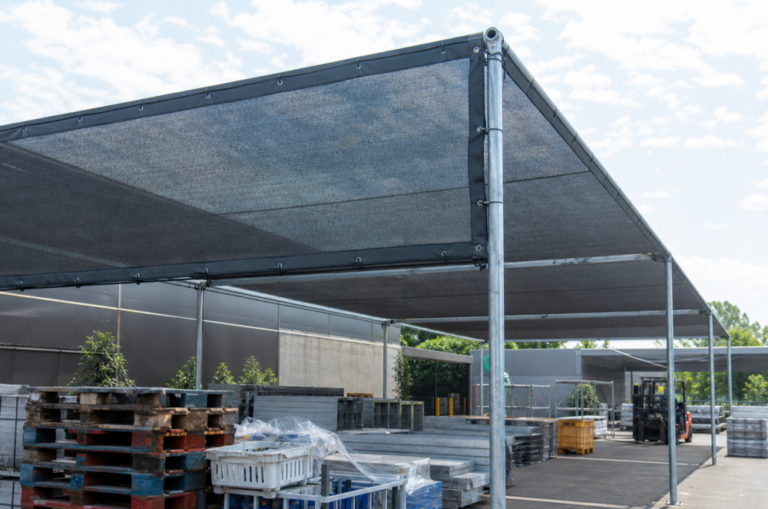
Mesh tarpaulins use an open-weave construction instead of a solid fabric. The weave creates a pattern of holes that allows air and light to pass through while still providing partial protection.
Mesh tarpaulin characteristics:
- High breathability—excellent airflow
- Lightweight despite apparent bulk
- Partial shade and privacy
- Not fully waterproof
- Reduced wind load compared to solid tarps
Solid Tarpaulin Characteristics
Solid tarpaulins have a continuous surface with no gaps:
- Complete waterproof protection
- Full UV blocking
- Higher wind load potential
- Better dust and debris containment
Mesh vs Solid: Which to Choose
| Application | Best Choice | Reason |
|---|---|---|
| Dump truck covers | Solid | Full weather protection required |
| Flatbed side curtains | Mesh | Airflow reduces wind resistance |
| Equipment requiring ventilation | Mesh | Prevents condensation buildup |
| Cargo needing dry protection | Solid | Waterproof barrier essential |
| Construction debris nets | Mesh | Allows air passage, contains debris |
| Vehicle covers (long-term) | Solid | Complete weather protection |
The choice between mesh and solid isn’t about quality—it’s about matching the structure to your ventilation requirements.
TPU Tarpaulin Material: Premium Choice
TPU Tarpaulin Material Advantages
TPU (Thermoplastic Polyurethane) is an emerging material in the tarpaulin space. It offers some advantages over PVC that matter for specific applications.
TPU advantages:
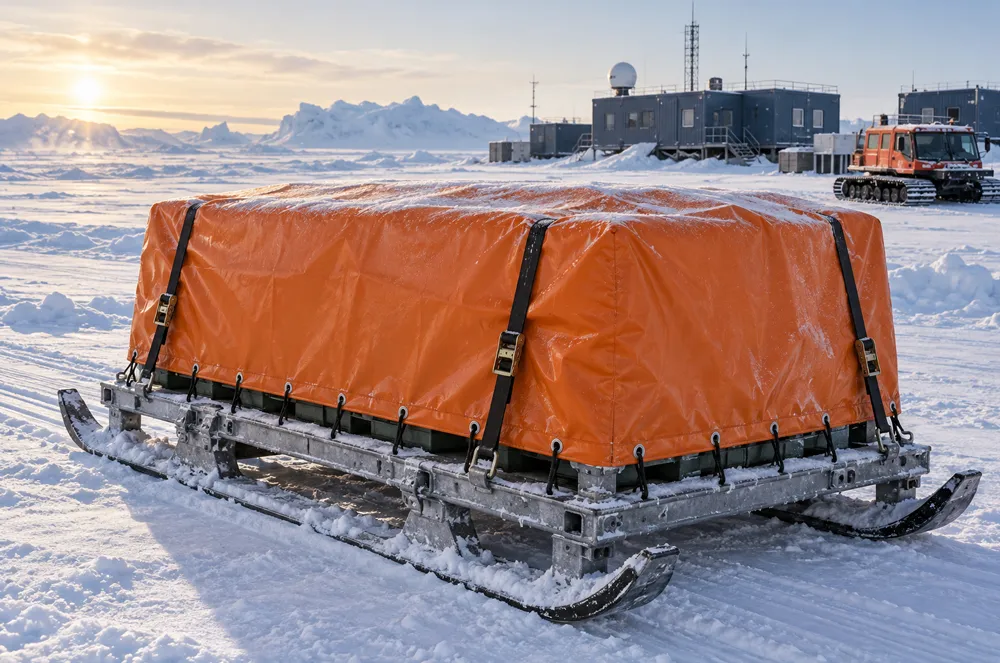
- Superior flexibility at low temperatures (remains flexible below -40°C)
- Better clarity options (transparent tarpaulins available)
- Higher tensile strength than PVC at equivalent weights
- More environmentally friendly formulation
- Excellent fatigue resistance for dynamic applications
TPU disadvantages:
- Higher cost than PVC (typically 2-3x)
- Less chemical resistance than PVC
- Limited UV stabilization options
- Smaller supplier base and longer lead times
Applications Where TPU Makes Sense
TPU tarpaulin is worth considering for:
- Arctic and extreme cold applications
- Marine environments with saltwater exposure
- Applications requiring flexible containment
- Temporary structures where transparency is valuable
- Food-grade and clean-room applications (TPU can meet certain certifications)
For most commercial applications, PVC remains the better value proposition. But TPU fills a real gap for specialized environments.
Industrial Tarpaulin Material Types: Beyond the Basics
Beyond Standard PVC
Industrial applications sometimes require specialized tarpaulin formulations:
Flame Retardant Tarpaulins
- Required in mining, tunnel construction, and certain manufacturing environments
- Standards: NFPA 701, EN 13501, or local fire codes
- Available in both PVC and PE formulations
- Typically +15-25% cost premium
Anti-Static Tarpaulins
- Required in hazardous environments with explosion risk
- Prevents static electricity buildup
- Essential for chemical storage and certain mining applications
Anti-Bacterial/Fungal Tarpaulins
- Treated surfaces resist microbial growth
- Important for food storage, healthcare, and agricultural applications
High-Temperature Tarpaulins
- Special coatings handle temperatures above 100°C
- Used in metallurgical and industrial furnace applications
Best Tarpaulin Material for Outdoor Use: The Real Answer
The question I get most: what’s the best outdoor tarpaulin material?
It depends on what you’re protecting and for how long.
For Short-Term Outdoor Use (Days to Weeks)
PE tarpaulin is the practical choice. The low cost makes replacement acceptable, and the material handles temporary exposure adequately.
For Medium-Term Outdoor Use (Months to 1-2 Years)
PVC coated tarpaulin becomes the better value. The extended lifespan justifies the higher upfront cost, and the superior weather resistance pays dividends in harsh climates.
For Long-Term Outdoor Use (Years)
Industrial grade heavy duty PVC tarpaulin is the clear winner. UV-stabilized formulations maintain integrity over 5-10 years of continuous outdoor exposure. No other material delivers comparable longevity.
For Extreme Environments
Consider TPU for extreme cold, flame-retardant PVC for fire-hazardous environments, or specialized chemical-resistant formulations as needed.
Tarpaulin Material Comparison by Strength
Strength hierarchy for common industrial tarpaulin materials:
| Material | Tensile Strength (N/5cm) | Tear Resistance | Abrasion Resistance | Lifespan (Outdoor) |
|---|---|---|---|---|
| TPU (high grade) | 3000-4000 | Excellent | Excellent | 8-12 years |
| Heavy Duty PVC | 2500-3500 | Excellent | Very Good | 5-10 years |
| Standard PVC | 1800-2500 | Good | Good | 3-5 years |
| Canvas (synthetic) | 800-1200 | Moderate | Moderate | 2-4 years |
| Canvas (cotton) | 500-800 | Low | Low | 1-2 years |
| PE (heavy) | 600-1000 | Low-Moderate | Low | 1-3 years |
| PE (light) | 300-600 | Low | Low | 3-12 months |
The numbers tell the story. For heavy duty applications requiring genuine strength—dump trucks, industrial equipment, construction—PVC dominates. Canvas and PE serve legitimate niches for lighter applications.
Tarpaulin Material Selection: Practical Decision Guide
Step 1: Define Your Conditions
- Indoor or outdoor use?
- Expected duration of use?
- Mechanical stress level (light, moderate, heavy)?
- Temperature extremes?
- Chemical exposure?
- UV exposure level?
Step 2: Match Material to Conditions
Outdoor + Heavy Duty + Long Term = Heavy Duty PVC** **Outdoor + Light Duty + Short Term = PE** **Outdoor + Medium Duty + Indoor Options = Consider Canvas** **Extreme Cold = TPU** **Chemical Exposure = PVC or Specialized
Step 3: Consider B2B Factors
For commercial buyers, practical factors beyond material performance matter:
- MOQ requirements — Custom specs typically require larger orders
- Lead times — Standard materials ship faster than custom formulations
- Certification requirements — Fire ratings, chemical compliance, quality standards
- Custom fabrication — Can the supplier cut, weld, and reinforce to your specs?
- Technical support — Does the supplier help with specification selection?
FAQ: Tarpaulin Material Types
1. What are the main types of tarpaulin material for industrial use?
The primary industrial tarpaulin materials are PVC coated fabric, polyethylene tarpaulin, canvas, mesh, and TPU. PVC dominates heavy duty commercial applications due to its strength, durability, and weather resistance. PE serves temporary and light-duty needs. Canvas has specialized applications where breathability is critical.
2. What is PVC coated tarpaulin made of?
PVC coated tarpaulin consists of a woven polyester base fabric coated with polyvinyl chloride on both sides. The PVC coating provides waterproofing, UV resistance, and chemical protection. Some formulations include additional stabilizers for specific environmental conditions.
3. What’s the difference between mesh and solid tarpaulins?
Mesh tarpaulins have an open weave structure that allows air circulation and partial light passage. Solid tarpaulins provide a continuous barrier that’s fully waterproof and blocks all light. Mesh reduces wind load but doesn’t prevent all weather ingress. Solid provides complete protection but traps heat and moisture.
4. Is canvas tarpaulin better than PVC?
Canvas is not superior to PVC for most industrial applications. PVC tarpaulin offers significantly higher strength, better waterproofing, longer lifespan, and greater chemical resistance. Canvas has advantages in breathability and traditional aesthetics, but these rarely outweigh PVC’s performance benefits in commercial settings.
5. What are the advantages of TPU tarpaulin over PVC?
TPU tarpaulin advantages include superior low-temperature flexibility (works below -40°C), better clarity options, higher strength-to-weight ratio, and more environmentally friendly formulations. However, TPU costs significantly more than PVC and has a smaller supplier base.
6. What is the best tarpaulin material for outdoor use?
For long-term outdoor use, heavy duty PVC tarpaulin is the best choice. It offers 5-10 years of outdoor service life with proper maintenance, excellent UV and weather resistance, and the strength needed for demanding applications. For short-term outdoor use, PE provides adequate protection at lower cost.
7. How do I compare tarpaulin materials by strength?
Compare tensile strength (N/5cm), tear resistance (N), and abrasion cycles from technical data sheets. Heavy duty PVC typically offers 2000-3000 N/5cm tensile strength. PE maxes out around 600-1000 N/5cm. These specifications tell you actual performance—not just what the material feels like.
Conclusion
No single tarpaulin material is “best” for all applications. The right choice depends on your specific conditions, performance requirements, and budget constraints.
For most commercial and industrial applications—dump trucks, flatbed trailers, construction equipment, long-term outdoor storage—heavy duty PVC tarpaulin delivers the best combination of strength, durability, and value.
Use PE for temporary applications where replacement is acceptable. Consider canvas only when breathability genuinely matters. Explore TPU for specialized environments with extreme cold or specific certification requirements.
The key is matching the material to the actual conditions it will face. A $500 PVC tarp that lasts 5 years beats a $150 PE tarp that fails in 6 months—every time.
Need help selecting the right material for your application? Our B2B team provides technical consultation, material samples, and custom fabrication services for industrial tarpaulin buyers worldwide.