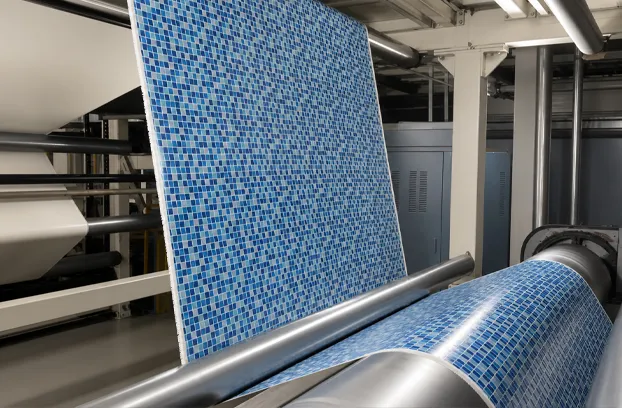
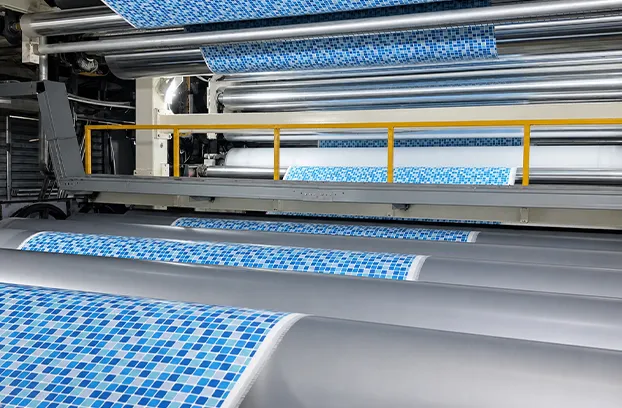
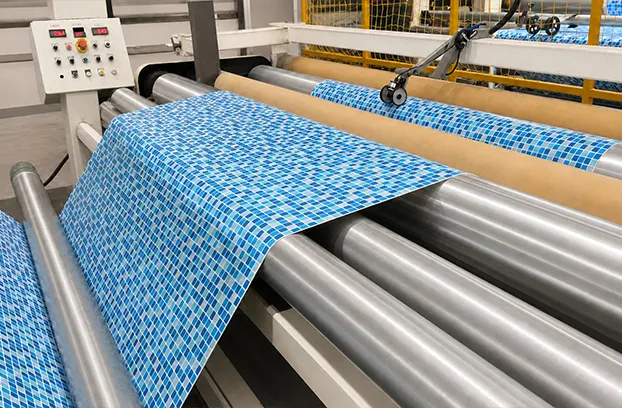
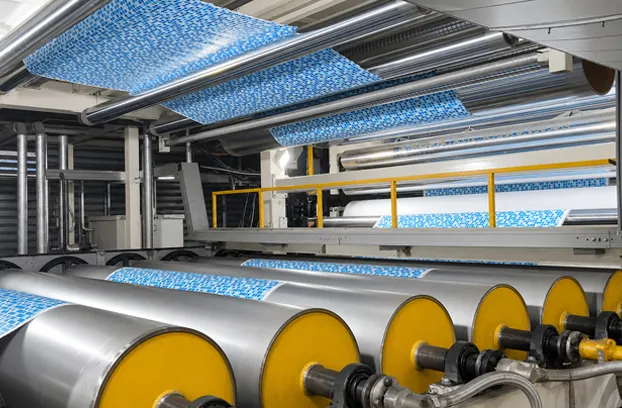
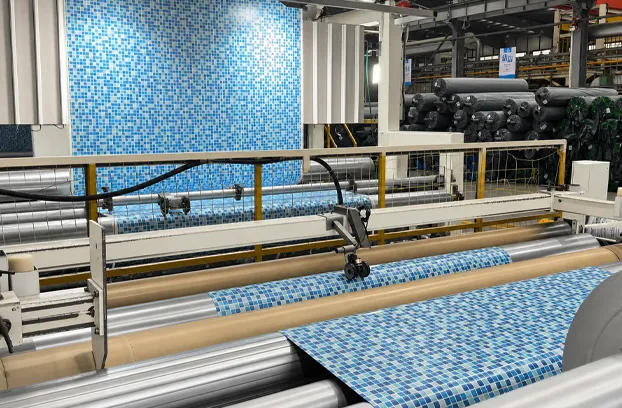
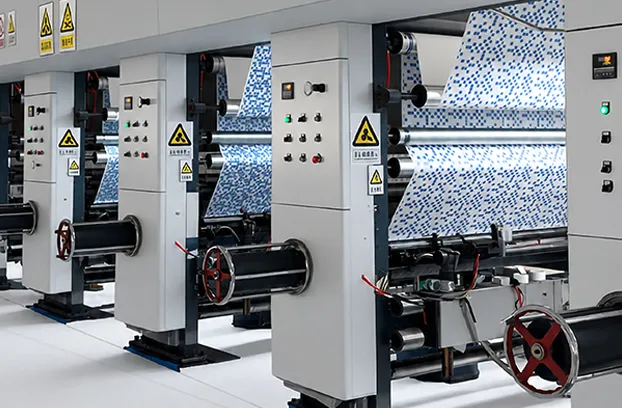
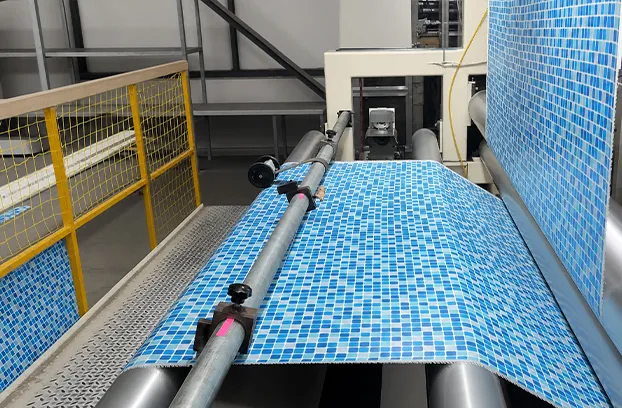
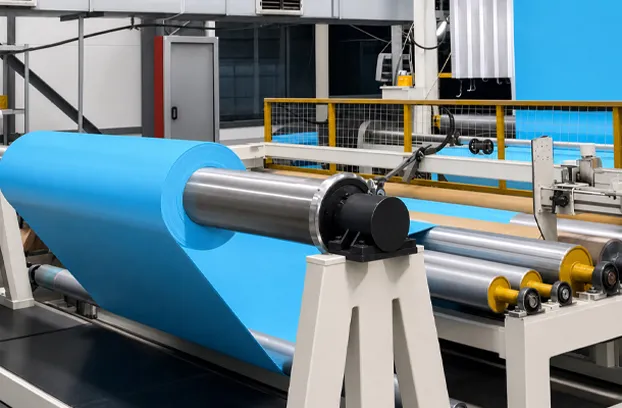
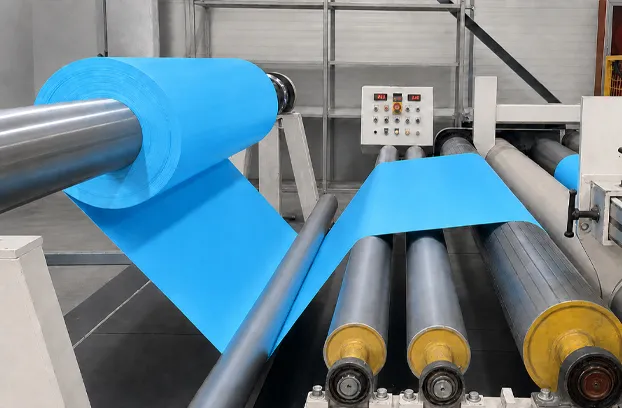
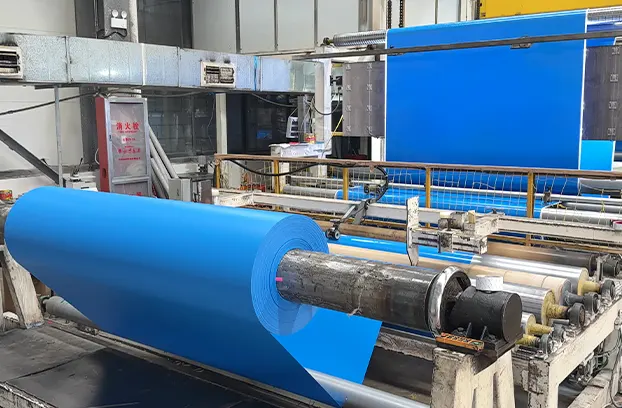
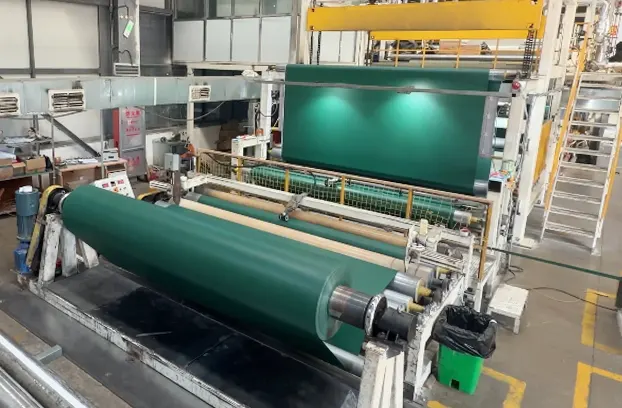
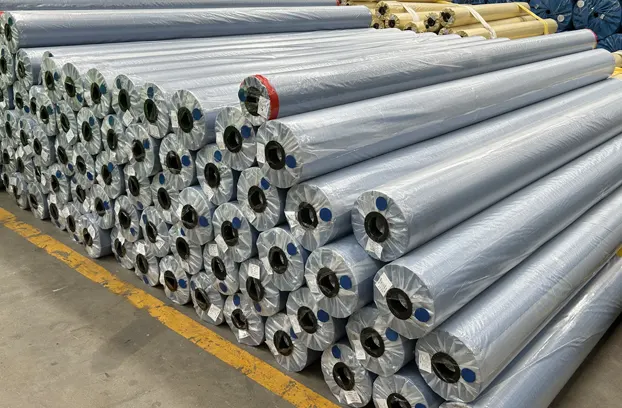
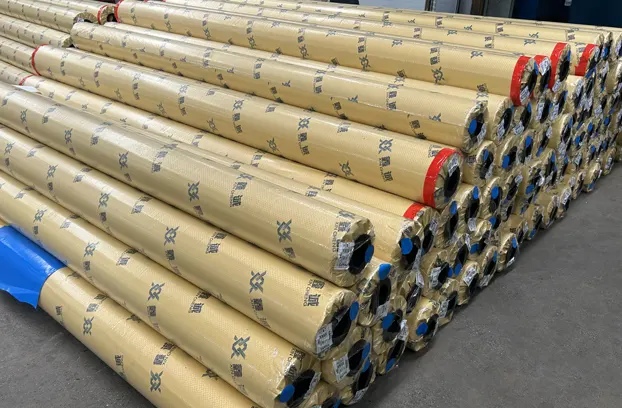
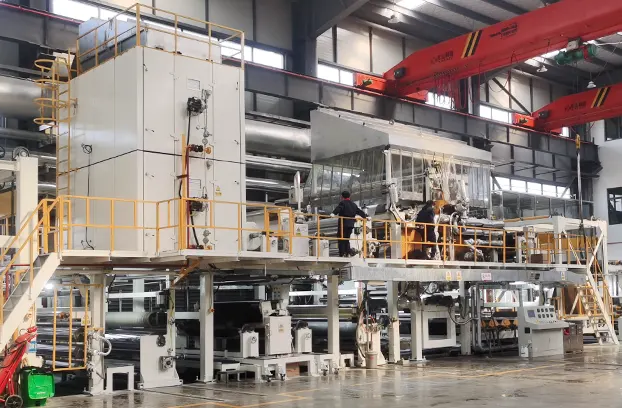
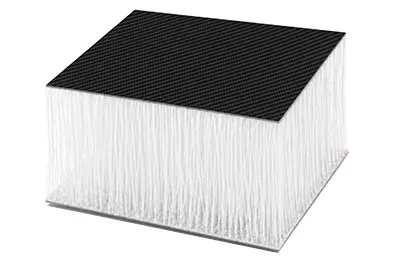
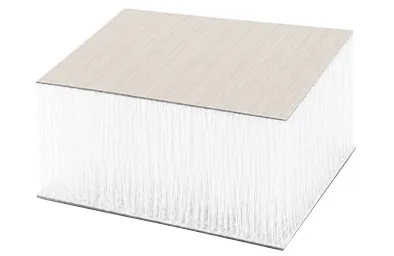
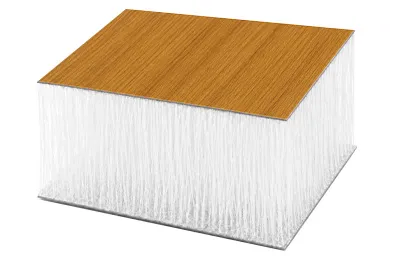
LonaTarp supplies pool liner materials in reinforced PVC rolls for professional fabrication and bulk distribution. Specify the thickness, color, printed pattern or 3D texture, together with roll dimensions, labeling and packaging requirements. We manufacture the material to the approved specification. Your team or its contractors handles panel planning, cutting, welding and installation. Roll Materials: MOQ 5,000 m².
Choose a Liner by Pool Application
The same phrase can describe different pool structures. When specifying a PVC liner for pool production, start with what your customer is building, how the material will be fabricated, and what the finished pool must withstand. These application routes help separate the first material questions before a grade is sampled.
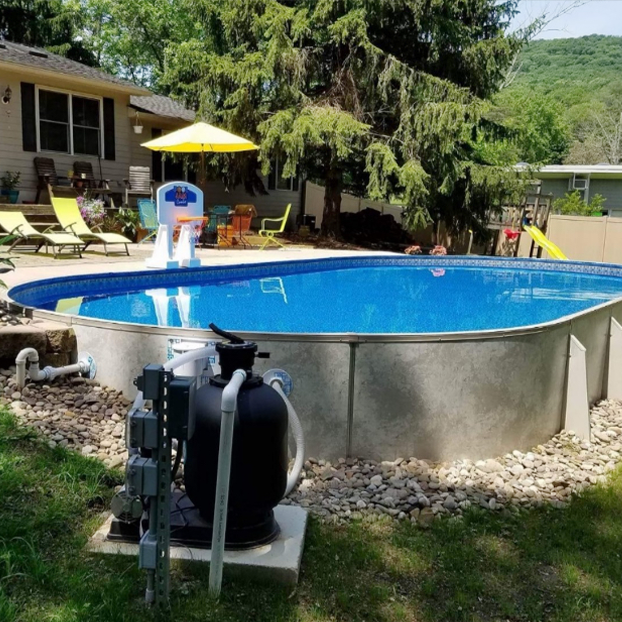
Above Ground Pool Liner Materials
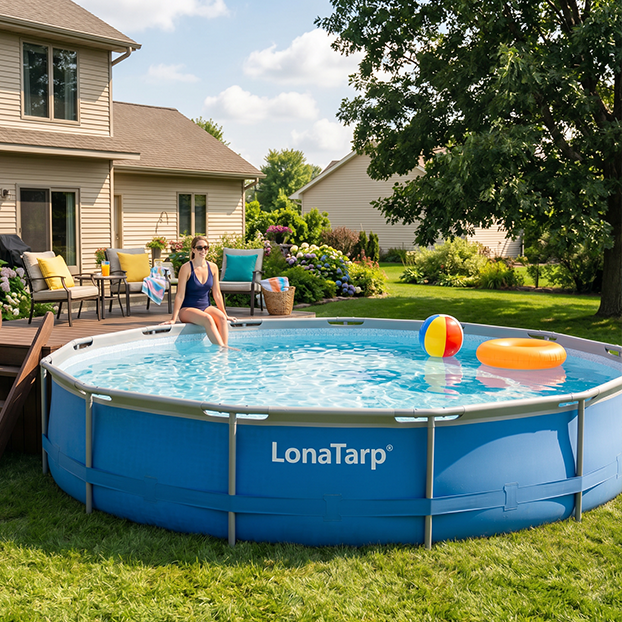
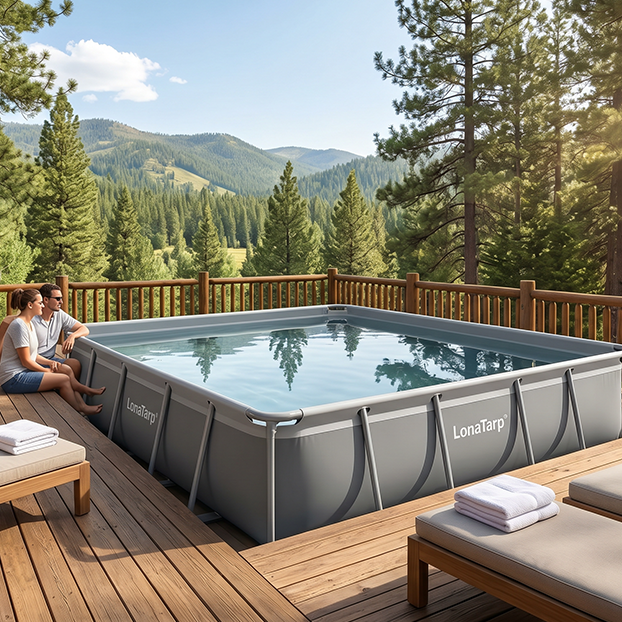
Above-ground pool products can use different liner constructions depending on the wall system, frame support, panel layout, folding method, and intended service conditions. Confirm whether the design calls for a non-reinforced film or reinforced material before comparing thickness. For reinforced roll programs, send the wall and floor design, cutting method, weld layout, folding and packing process, water treatment conditions, and the material sample already used on your line.
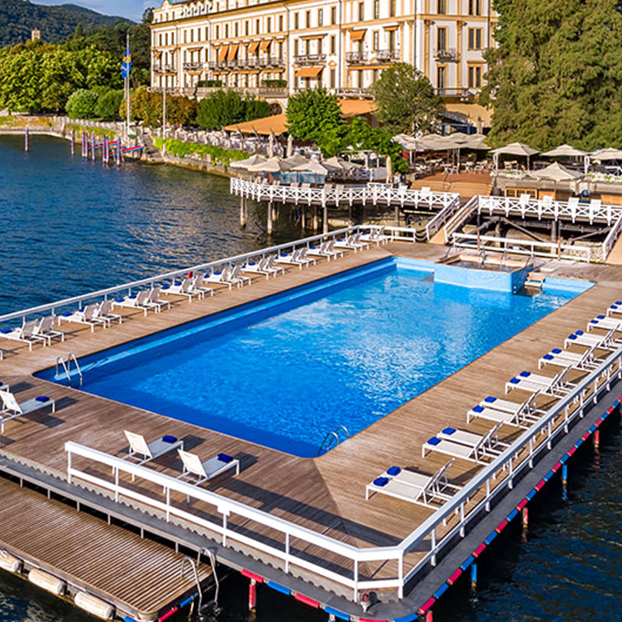
Inground Pool Liner Materials
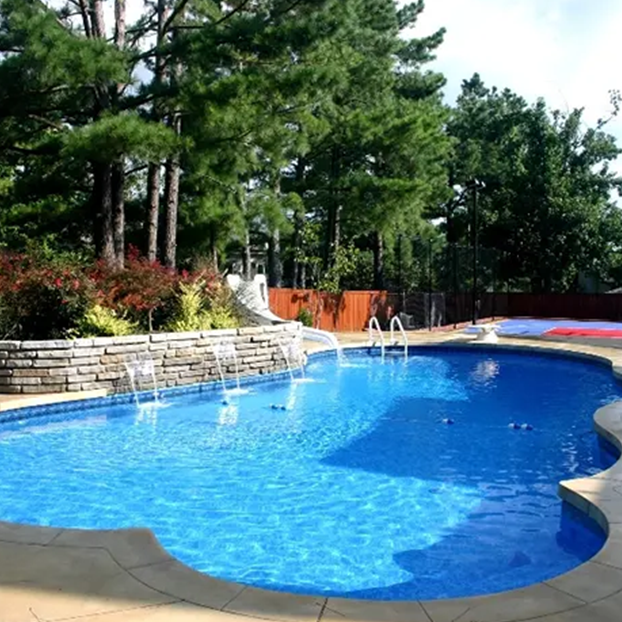
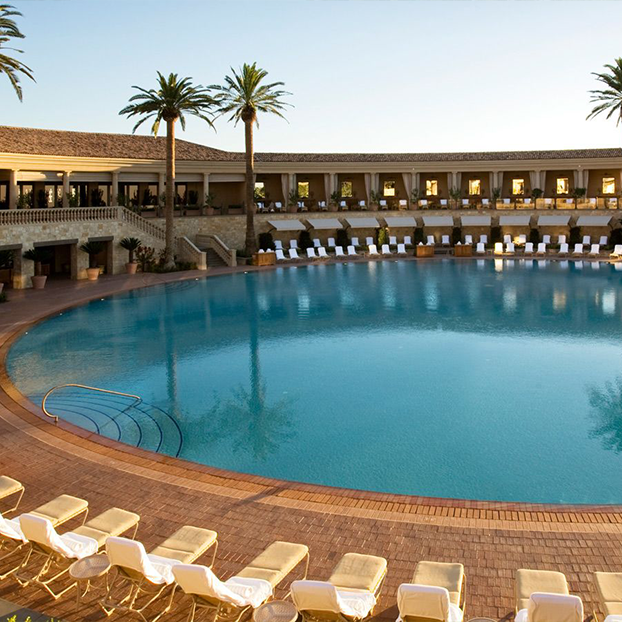
Inground and commercial pool lining projects require a close look at the shell, corners, steps, drains, overflow details, surface preparation, and welding access. A reinforced pool membrane liner can support stable handling over large panels, but the final result still depends on material selection, seam design, installation workmanship, and pool operation. For renovation projects, include the existing shell condition and the reason for replacement when requesting a material review.
Inflatable Spa Pool Materials
An inflatable spa may need more than a lining surface. If the pool body must hold air or maintain a defined shape under pressure, the project can require airtight reinforced fabric, sidewall material, or drop-stitch construction rather than a standard PVC membrane pool liner. Send the body structure, pressure target, welding route, water-contact side, temperature conditions, and supply boundary so the material families are not mixed during sampling.
Explore Pattern and 3D Embossed Surface Options
Surface selection belongs after the basic material and processing route are clear. A pattern, color, or texture can change how a pool looks and how panels are aligned, but it cannot compensate for the wrong reinforcement or an untested welding process.
Pattern Pool Liner Materials
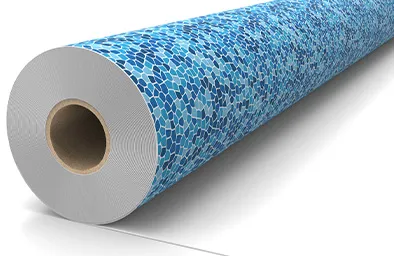
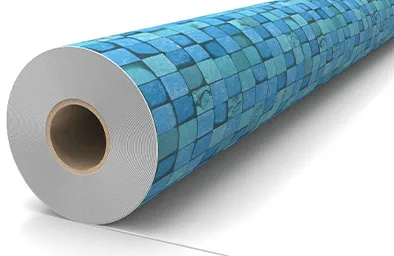
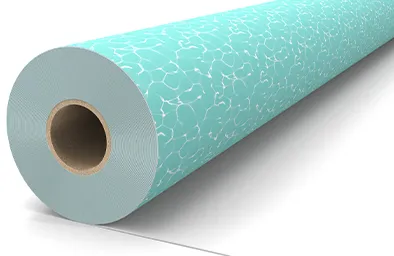
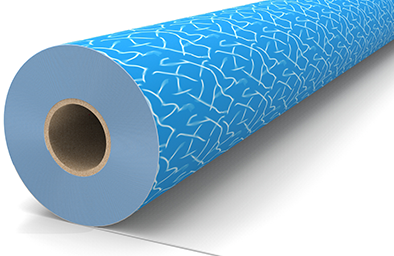
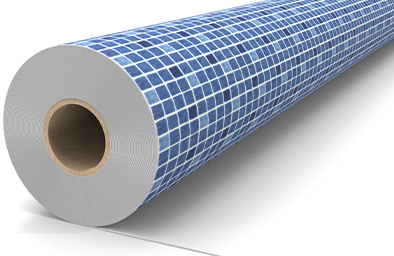
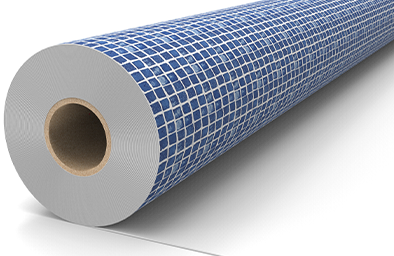
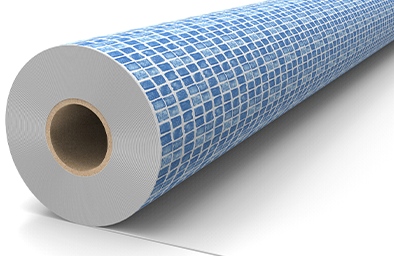
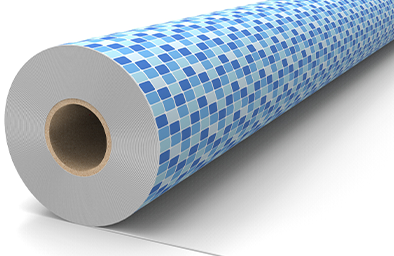
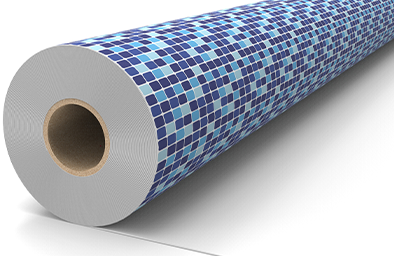
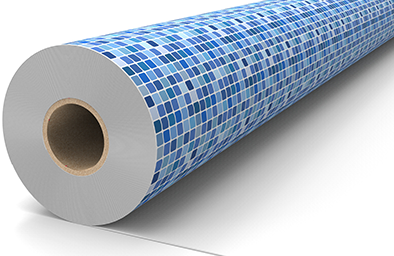
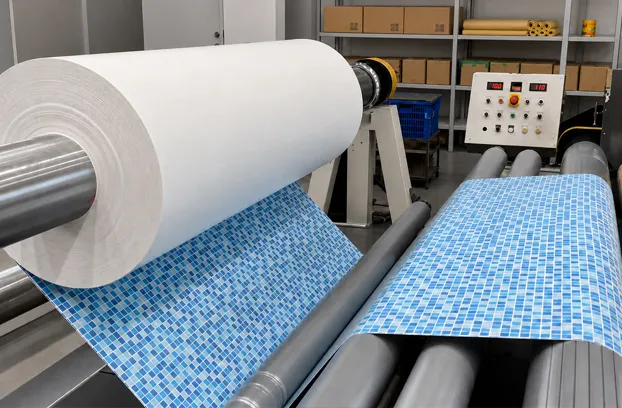
Existing patterns provide a faster starting point for distributors and project teams comparing mosaic, tile-inspired, wave, marble, or other visual directions. Review the pattern on a physical sample and note its repeat direction, scale, color reference, surface gloss, and planned seam layout. For a custom design, send the artwork or reference sample with the target construction so the print, protective finish, and welding area can be reviewed together.
Explore available pattern directions: View patterns
3D Embossed Pool Liner Materials
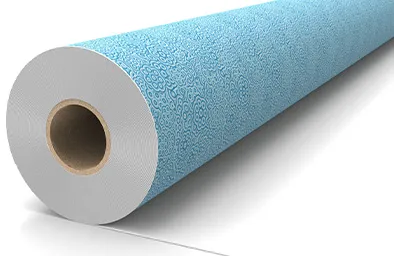
Three-dimensional embossing changes surface relief and touch as well as appearance. The right depth and pattern depend on where the material will be used, how it will be cleaned, and whether the raised surface affects overlap welding or pattern alignment. We review a physical embossing sample before bulk production and confirm whether the requested relief can be made on the selected reinforced construction.
What Makes Reinforced Pool Liner Fabric Different?
A reinforced PVC membrane pool liner combines PVC face and backing layers with a polyester reinforcing mesh. This pool liner fabric is supplied in rolls for cutting and welding into pool lining panels. Depending on the selected grade, a surface treatment can be specified for the required cleaning, weathering and pool-water exposure. Each layer serves a different purpose:
- The PVC face and backing layers form the continuous waterproof surface, carry the color or print, and provide the flexibility needed for fabrication.
- The polyester mesh supports dimensional stability and helps the material resist distortion while it is handled, cut, and welded.
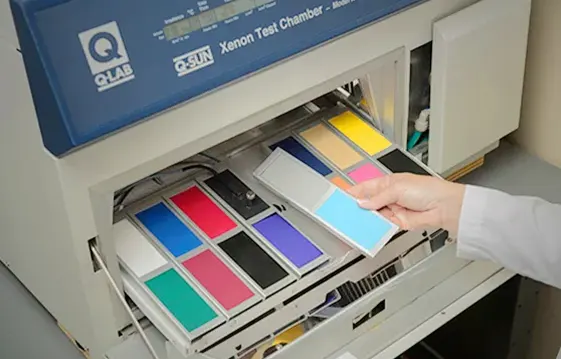
- The surface treatment is selected for the required cleaning, staining, weathering, or pool-water exposure and must be confirmed for the actual grade.
| Comparison point | Non-reinforced PVC film | Reinforced PVC composite |
|---|
| Internal construction | No textile reinforcement, unless another structure is specified | PVC layers combined with polyester reinforcement |
| Fabrication behavior | Depends on film formulation and thickness | Added dimensional support for panel handling and welding |
| Typical sourcing task | Confirm the exact film and product design | Specify rolls for fabricators, manufacturers, distributors, or professional projects |
| Selection limit | Thickness does not describe the whole material | Reinforcement, PVC build, surface, welding, and exposure must be reviewed together |
Neither construction is automatically right for every pool. A non-reinforced film may suit a product designed around that film, while an industrial pool lining system may call for reinforced material. Confirm the pool type and production route before substituting one for the other.
How to Select PVC Pool Liner Material for Production
Selecting this material starts with the finished pool and the fabrication process. Thickness is visible on a specification sheet, but it does not describe reinforcement, PVC formulation, layer bonding, surface protection, welding behavior, or batch control. LonaTarp can discuss a customizable thickness of 0.5–2.0 mm, then refine the construction around the conditions below.
| Selection input | What to provide | Why it changes the material decision |
|---|
| Pool application | Above-ground, inground, commercial, renovation, or inflatable structure | Separates liner membrane, reinforced fabric, and airtight structural material routes |
| Pool structure | Shell, wall, floor, curves, steps, drains, and fixing details | Affects panel handling, flexibility, seam access, and stress points |
| Thickness | Required value, tolerance, reference sample, or target standard | Influences handling and welding, but cannot establish quality alone |
| Reinforcement | Existing mesh structure or required dimensional behavior | Affects stability, distortion, and mechanical performance |
| Welding method | Equipment, overlap design, temperature/speed trial plan | Determines whether the material can run on the customer's process |
| Water conditions | Sanitizer, pH, temperature, and cleaning chemicals | Defines the chemical-exposure requirement to be tested |
| Exposure | Indoor/outdoor use, UV, climate, and operating schedule | Guides formulation and weathering evidence requirements |
| Surface use | Floors, walls, steps, entry zones, cleaning and abrasion | Helps select smooth, printed, or embossed surfaces |
| Appearance | Solid color, pattern, repeat direction, gloss, or 3D relief | Affects sample approval, seam alignment, and batch comparison |
| Roll planning | Required width, length, roll weight, joints, and packing | Affects cutting yield, handling, shipping, and production records |
| Acceptance | Test method, limit, sampling plan, and visual standard | Turns a general request into a measurable order requirement |
Two rolls with the same thickness can perform differently because their reinforcement, PVC layers, surface treatment, and weld window are different. Use thickness as one controlled variable, then approve the complete construction through a physical sample and processing trial.
Send Your Sample or Specification
We will review the construction, application, welding route, finish, and evidence needed before bulk production.
Compare Material Series by Construction and Approval Task
A useful material-series comparison should show more than a model name. It should let a fabricator identify the reinforced construction, thickness, available roll format, intended pool application, welding route, surface options, and supporting test evidence. We assign a series after reviewing the application and physical sample so its published parameters correspond to the selected construction.
For the first review, group samples by the decision that changes production:
| Review route | Main question | Evidence to compare |
|---|
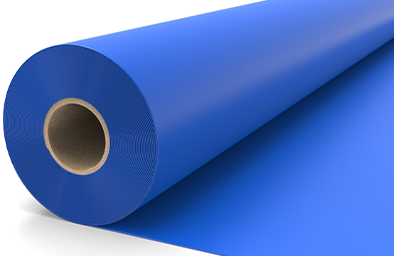
| Reinforced smooth or solid-color material | Does the construction fit the pool and welding process? | Cross-section, thickness, weld trial, surface and acceptance record |
| Printed or patterned material | Can color, repeat, seam position, and protective finish be repeated? | Dry/wet sample, artwork version, repeat direction and batch reference |
| 3D embossed material | Is the relief suitable for the location and still practical to clean and weld? | Physical texture sample, weld edge, cleaning requirement and project test |
After the application and sample are reviewed, the quotation identifies the applicable series and its confirmed parameters for approval.
Pool Liner Roll Specifications, Samples and Bulk Orders
Our pool liner sheet material is supplied in rolls for cutting and welding. A pool liner roll quotation should specify the thickness, roll width, roll length, roll weight, permitted joints, surface finish, color or pattern code, packaging, quantity and sampling requirements. Confirm these details before production so your team can plan cutting, handling and incoming inspection.
| Order stage | What to lock | Practical result |
|---|
| Inquiry | Application, structure, thickness, width, finish, quantity and market | Confirms whether the request fits the product and MOQ |
| Sample | Material build, color/pattern, surface, welding and requested tests | Creates a physical and written approval reference |
| Order confirmation | Final roll dimensions, joints, labels, packing and acceptance plan | Defines what production and inspection should follow |
| Shipment review | Roll identity, quantity, appearance, packing and agreed inspection records | Reduces receiving disputes and supports repeat-order comparison |
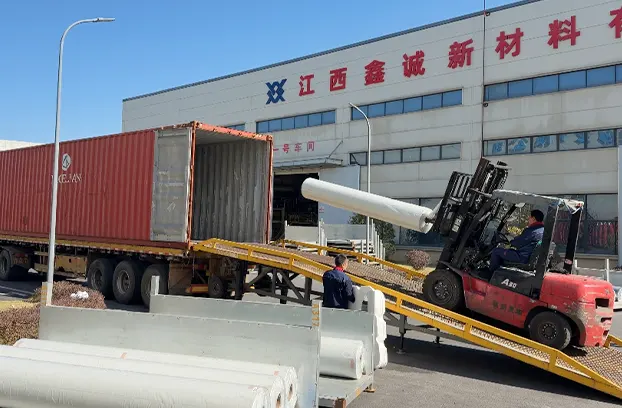
LonaTarp supplies made-to-order rolls rather than retail cut lengths. Roll Materials: MOQ 5,000 m². The production schedule is confirmed after the construction, finish, sample status, quantity, testing, packing, and order terms are clear.
Welding and Fabrication Compatibility
Material approval should include the process used by the customer. For hot-air welding, test the actual construction on the intended equipment and review temperature, speed, pressure, overlap, seam appearance, and seam-strength criteria together. A setting copied from another liner can produce a weak seam, surface marking, distortion, or poor pattern alignment.
Curves, walls, steps, corners, drains, and large open floors can place different demands on handling and seam layout. Printed and embossed surfaces add a visual check because repeat direction and texture can make a misaligned seam more noticeable. Agree who is responsible for panel planning, the trial method, and the acceptance result before the bulk roll is released.
LonaTarp supplies the roll material. We do not provide on-site measurement, pool installation, repair, replacement service, or a fitted liner cut and welded for one pool.
Request a Material Sample or Bulk Quote
Tell us what your company makes or supplies and where the material will be used. A current material sample is especially helpful when the existing roll already runs well on your line or when you need to correct a specific problem. If you are developing a new product, start with the pool structure and fabrication route.
Please provide:
- company type and target customer;
- pool application and structure;
- current material specification, physical sample, or problem to solve;
- required reinforced construction and thickness;
- roll width, roll length, and purchase quantity;
- color, pattern, 3D finish, label, and packaging requirements;
- cutting and welding method;
- water conditions, environment, and target market;
- required test method, standard, or acceptance limit;
- expected delivery schedule.
Roll Materials: MOQ 5,000 m². Once these inputs are reviewed, we can discuss the suitable sample route, production feasibility, and bulk quotation.