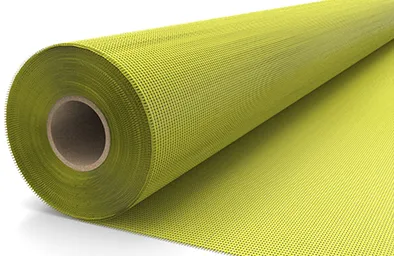
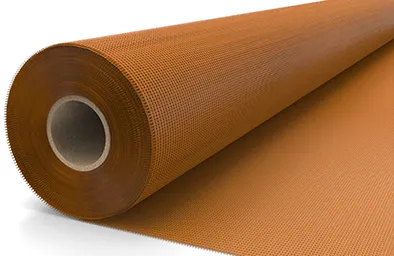
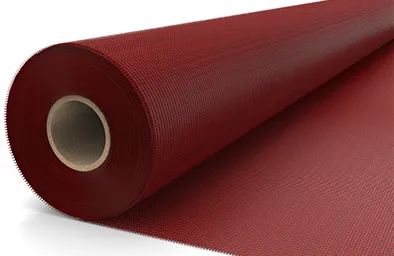
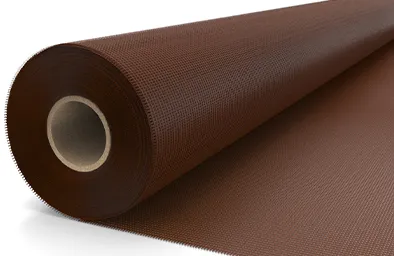
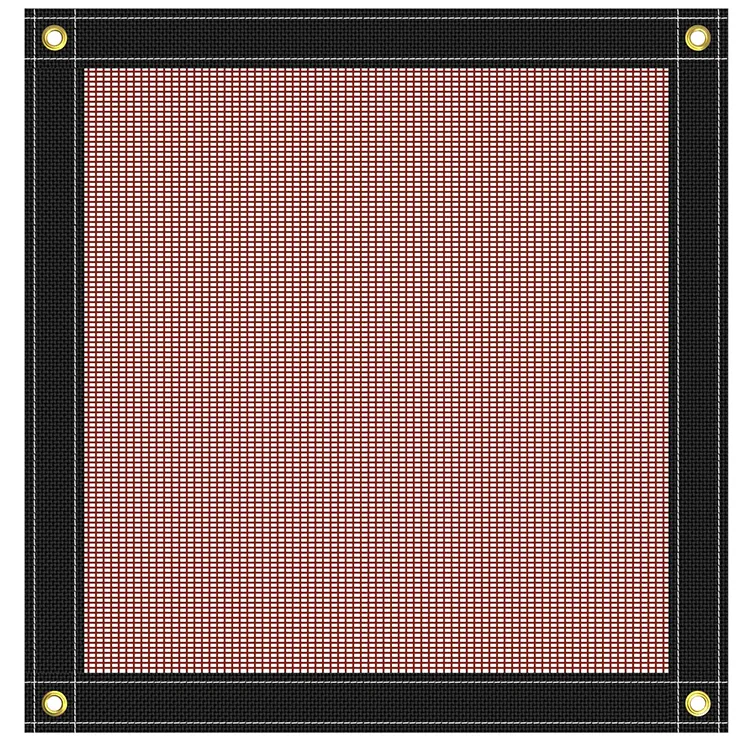
Vinyl Mesh and PVC Mesh Fabric Rolls for Industrial Products
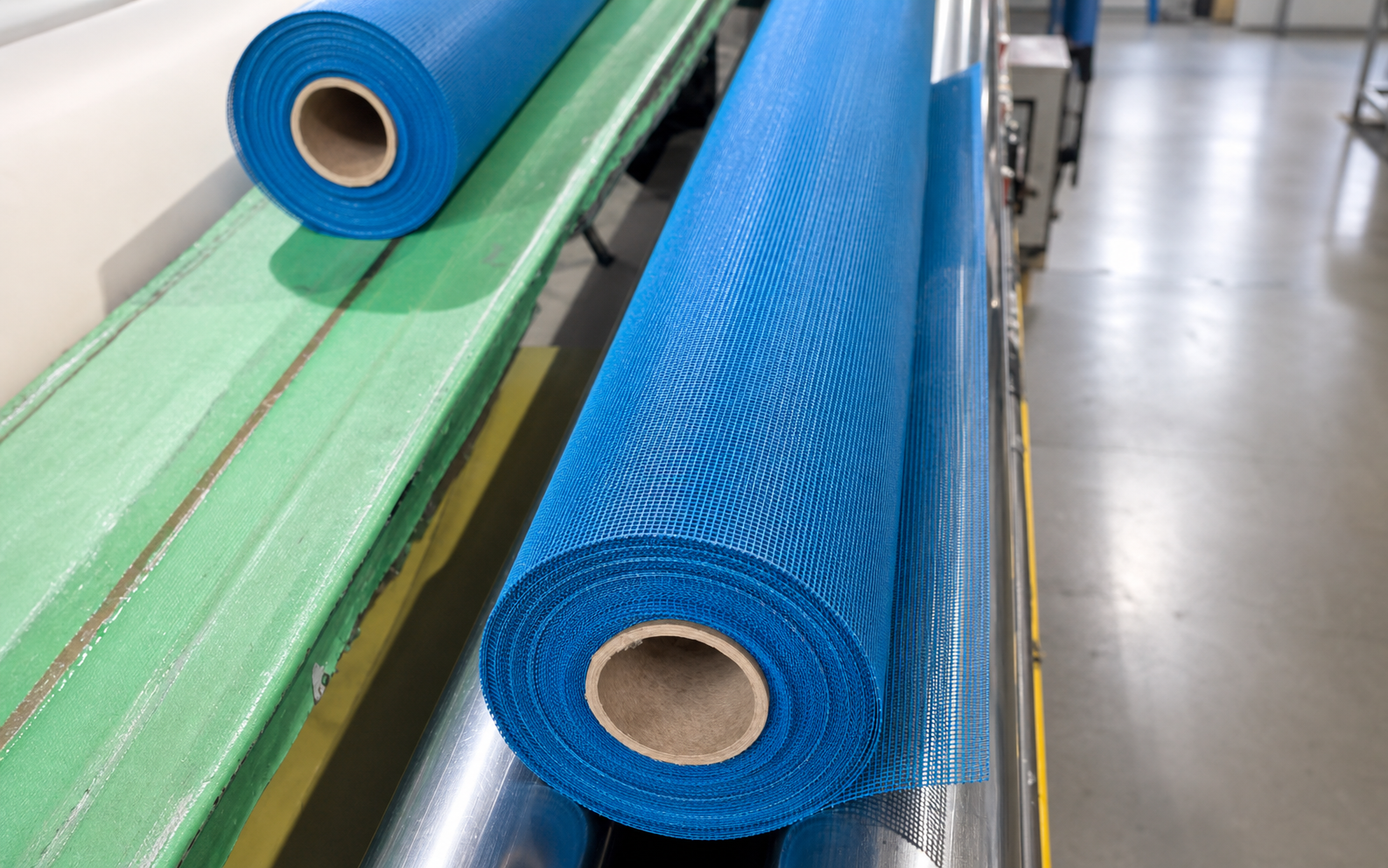
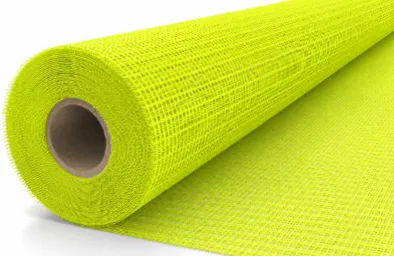
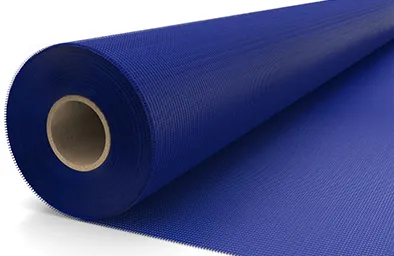
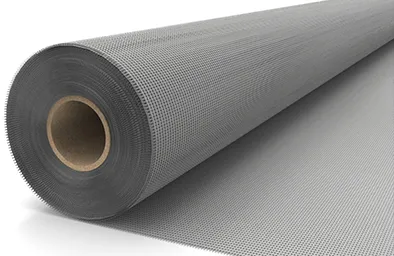
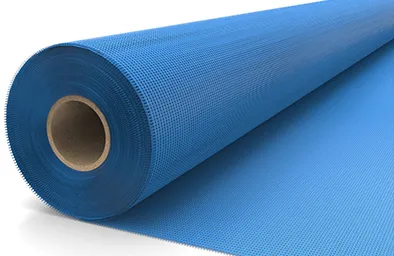
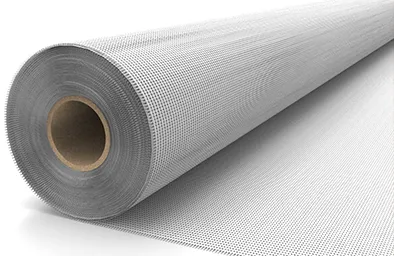
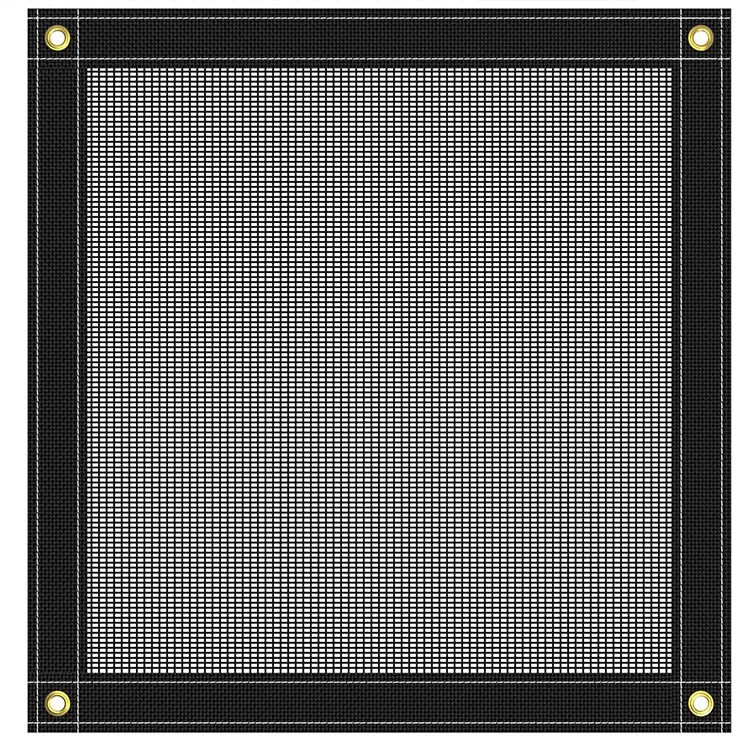
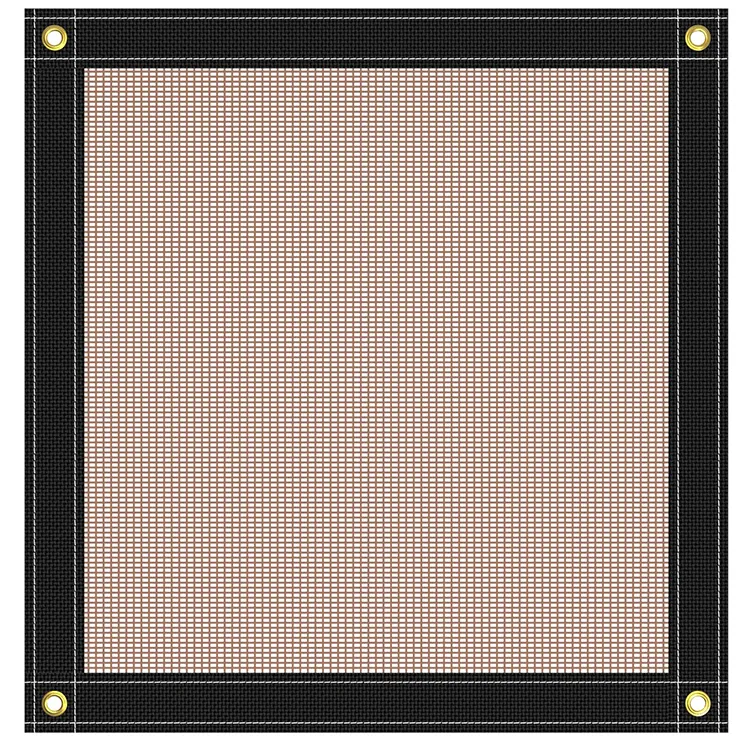
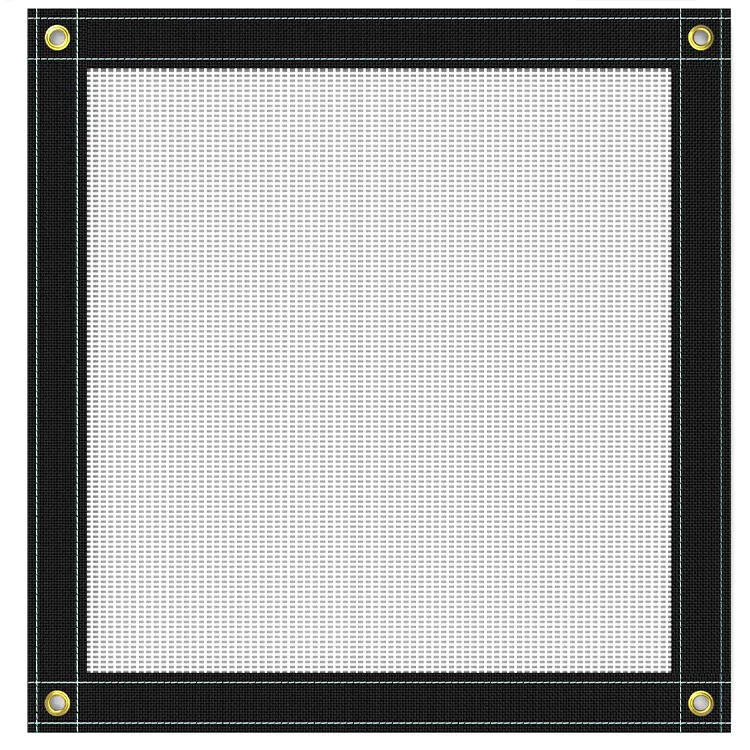
Vinyl mesh is an open textile material commonly made from polyester yarns protected with a PVC, or vinyl, coating. In industrial fabric sourcing, vinyl mesh fabric and PVC mesh fabric often describe the same coated open-mesh product. Its openings allow air, water and some light to pass, while the reinforced construction provides a practical base for shade, screening, fencing, printable mesh and ventilated cover products.
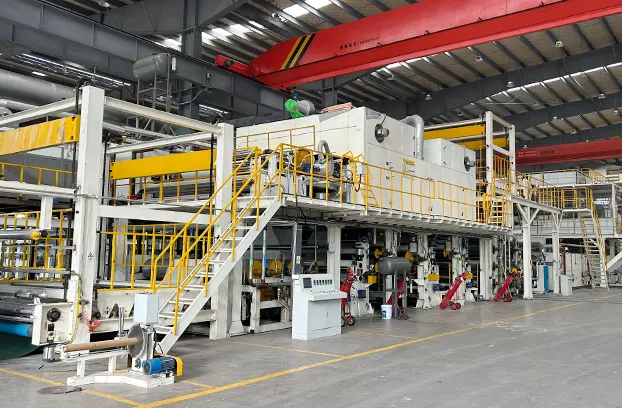
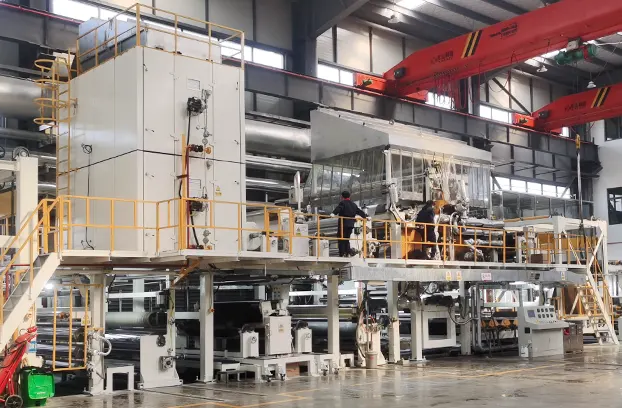
LonaTarp manufactures made-to-order mesh rolls for B2B converters, product manufacturers, importers and distributors. Our common PVC mesh programs are 550–650 GSM; the actual yarn structure, opening, width, color, surface and functional requirements are confirmed for each project. Roll Materials: MOQ 5,000 m².
Tell us what you manufacture, how the fabric will be processed and how much airflow, shade or visibility the finished product needs. We will use those details to review a suitable construction before sampling or quoting.
Need help choosing a vinyl mesh construction? Send the finished product, target opening or shade and airflow requirement, usable width, roll quantity, and any current sample or data sheet.
Start a mesh specification review. Are Vinyl Mesh and PVC Mesh Fabric the Same Material?
For the product family covered on this page, yes. Vinyl is the market term for the PVC coating, and the reinforcing textile is commonly polyester. Some RFQs use PVC mesh cloth, vinyl coated mesh fabric or simply vinyl mesh material for the same basic procurement object.
The names are not a complete specification, however. Two rolls sold as vinyl mesh can differ in yarn size, mesh construction, opening or shade factor, coating amount, total GSM, width, surface and functional formulation. Those differences affect airflow, visibility, strength, stiffness, printing and converting behavior.
There is also an important boundary between mesh and solid vinyl-coated fabric:
| Material form | Structure | Buyer selects it when the product needs |
|---|
| Vinyl/PVC mesh fabric | Deliberate open spaces between coated yarns | Airflow, drainage, reduced wind pressure, visibility or partial shade |
| Solid PVC-coated fabric | A continuous coated surface over a reinforcing textile | A water barrier, full visual coverage or a closed flexible panel |
If the finished product must exclude rain or contain water, do not replace solid coated fabric with open mesh merely because both contain PVC. If it must release wind or heat, the opening structure may be more important than total weight.
Choose the Opening Before You Compare GSM
Buyers often begin with GSM because it is easy to quote. For open mesh, it is only one part of the decision. A heavier roll may contain more or thicker yarn, more PVC, a different opening pattern or a combination of these. It does not automatically provide the airflow, shade or finished-product behavior you need.
Start with four questions:
- What must pass through the mesh? Define required airflow, drainage, light transmission and visibility.
- What must the mesh resist? Consider tension, edge loads, abrasion, wind, folding and repeated handling.
- How will your factory convert it? State whether you will cut, sew, weld, print, hem or install hardware.
- What must be verified? Name the dimensional, strength, weather, flame or market requirements that apply to the final program.
Then specify the roll as one system:
| Selection point | Why it matters | What to put in the RFQ |
|---|
| Mesh opening / openness | Controls airflow, visibility, drainage and wind-pressure reduction | Target opening, shade/visibility requirement or approved sample |
| Polyester yarn and construction | Carries load and affects dimensional stability and tear behavior | Yarn/construction direction or measurable performance target |
| PVC coating build | Protects and fixes the textile, adds color and affects handling and processing | Coating/surface direction, flexibility and processing requirement |
| GSM | Describes total mass, not the complete quality level | Target GSM and tolerance, linked to a defined construction |
| Width and roll format | Affects seams, cutting yield, handling, storage and container planning | Usable width, roll length, joint rule, core and packing requirement |
| Color and surface | Affects appearance, heat absorption, printing and repeat orders | Color reference, face/back requirement, texture or printable face |
| Project functions | May include UV, flame-retardant, mildew or cold-flexibility requirements | Target market, named standard, method and acceptance limit |
Our common PVC mesh fabric range is 550–650 GSM, but a number inside that range is not a universal recommendation. The finished product, mesh construction and acceptance method still decide whether a sample is suitable.
Comparing openings before you compare GSM? Send the finished product, target opening, shade or visibility requirement, usable width and roll quantity.
Review the mesh construction. Match the Vinyl Mesh Fabric to the Finished Product
Applications should define the material requirement, not serve as a generic list of possible uses. The same vinyl mesh outdoor fabric may work differently when it is stretched as a windscreen, sewn into a shade product or printed as a large-format panel.
Shade, Privacy and Ventilation Products
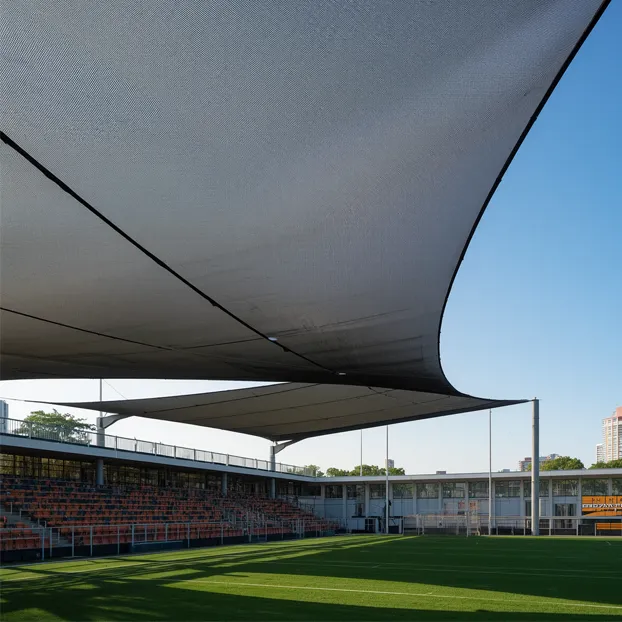
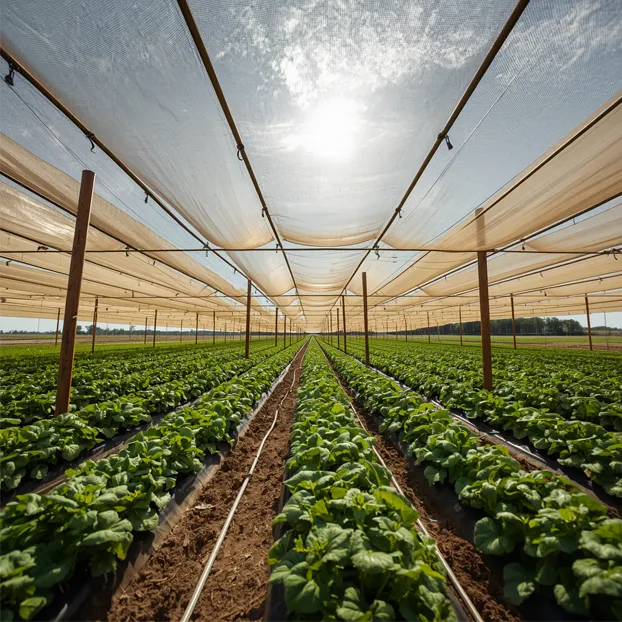
Shade screens, privacy panels, outdoor curtains and ventilated partitions need a planned balance among shade, airflow and visibility. A tighter construction may increase visual screening but also increase wind load. A more open construction releases more air but provides less coverage. Define which result matters most before selecting weight or color.
Fences and Windscreens
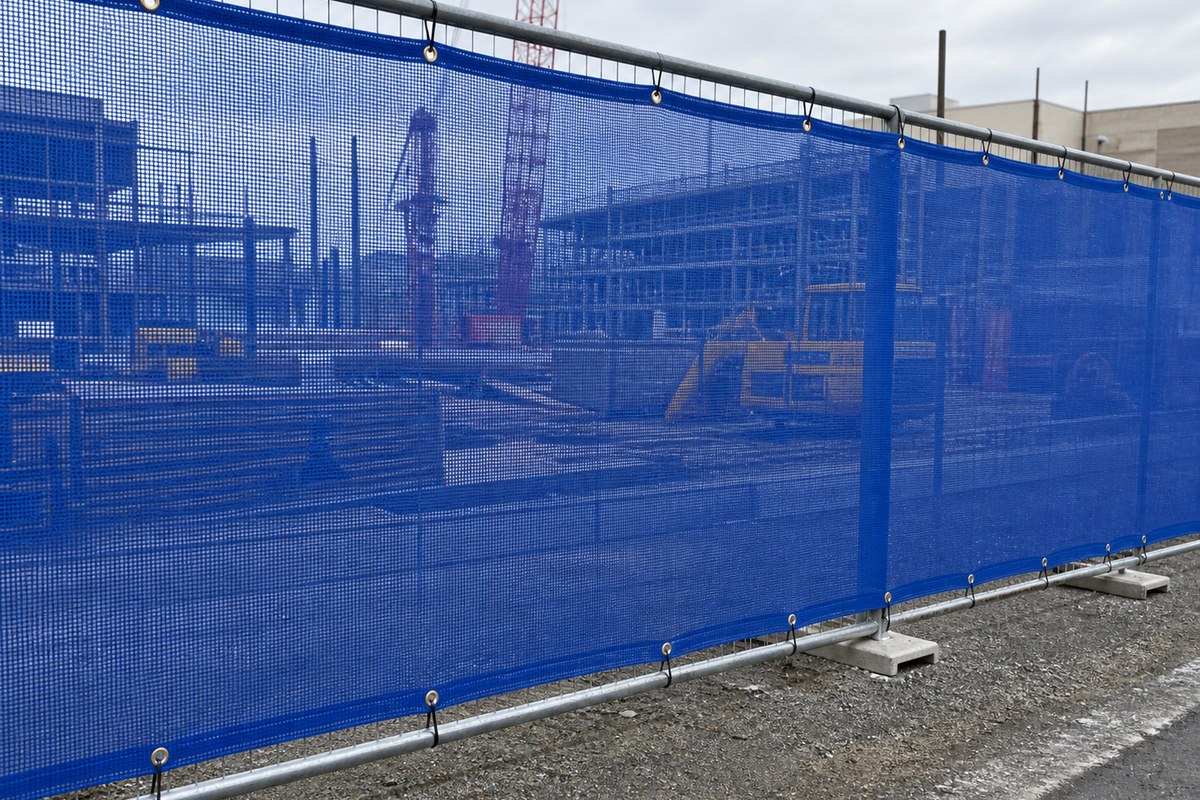
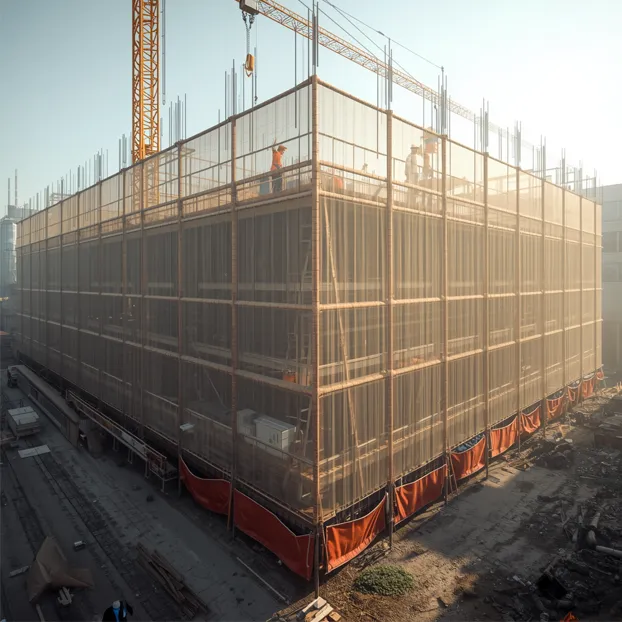
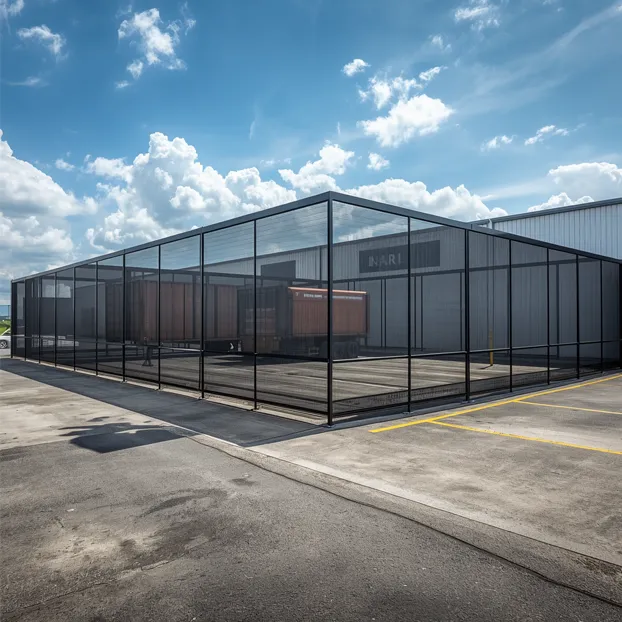
Construction fences, sports windscreens and perimeter screens place repeated tension on edges and attachment points. Ask for a fabric construction that matches span, fixing distance, local wind conditions and reinforcement design. For examples of the finished application, review our baseball field windscreens and mesh pool fence pages.
Mesh Tarps and Transport Programs
Ventilated mesh tarps can reduce wind pressure and allow loose material to breathe, but the fabric is only one part of the finished product. Edge reinforcement, webbing, grommet layout, seams and operating hardware determine where loads enter the mesh. Buyers sourcing completed covers can continue to custom mesh tarps for shade and ventilation or dump truck mesh tarps.
Printable Mesh and Display Products
Open mesh can be used for banners, event graphics and building screens when the surface and opening pattern suit the printing system. The buyer should confirm ink, curing route, liner requirement, print side, viewing distance and expected outdoor exposure. Use our custom tarp color and printing guide to prepare a more complete trial request.
Outdoor Furniture and Sewn Products
Outdoor seating, bags and other sewn products may require a different hand, stretch behavior, opening and surface feel from industrial fence or tarp mesh. Treat the final product as a separate application specification; do not assume that a heavy industrial mesh is suitable merely because it is also called vinyl mesh.
Confirm Cutting, Sewing, Welding and Printing on the Selected Construction
A mesh roll must fit the buyer's production line, not just match a swatch by color. Yarn layout, coating build, surface treatment, opening pattern and heat history can change how the material cuts, folds, feeds and joins.
Before bulk production, use the intended construction and equipment to check:
- cut-edge stability and whether yarns shift or fray;
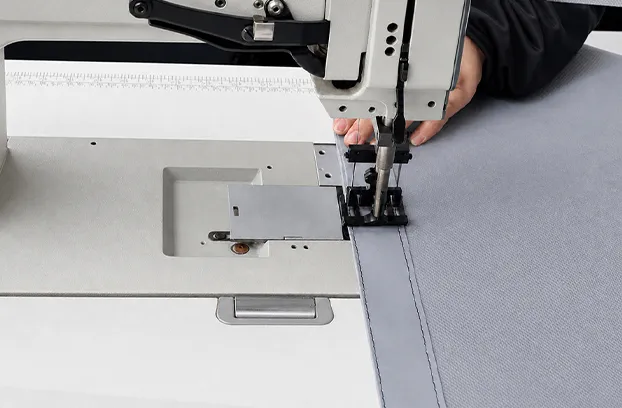
- sewing needle, thread, seam allowance and edge-reinforcement behavior;
- heat-welding or high-frequency-welding compatibility where the selected structure allows it;
- print adhesion, image definition and curing response on the intended face;
- distortion or coating damage around hems, seams and hardware; and
- the finished assembly under the buyer's actual load and acceptance method.
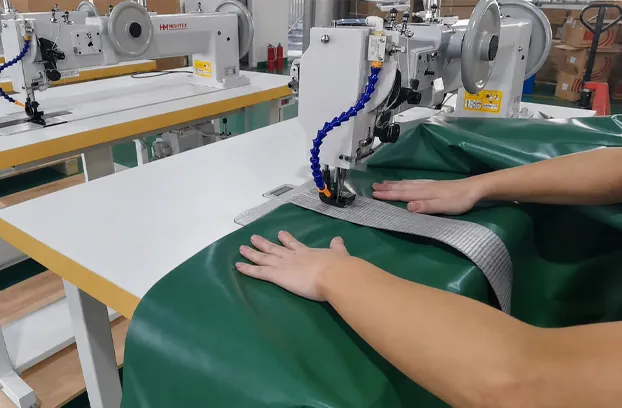
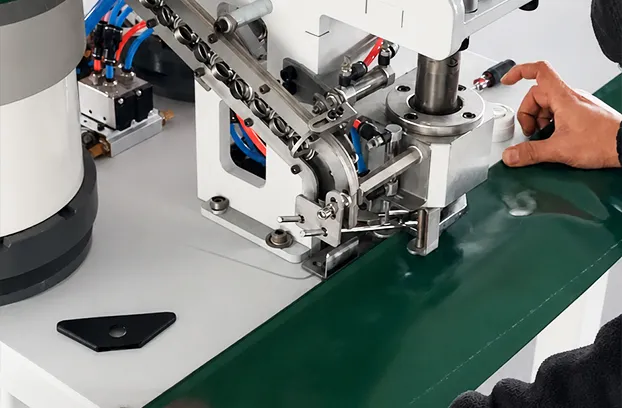
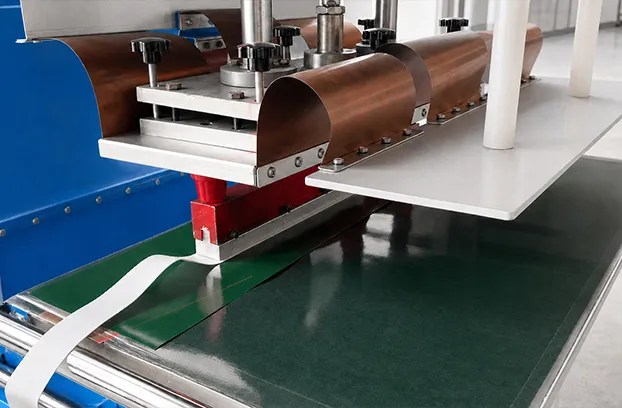
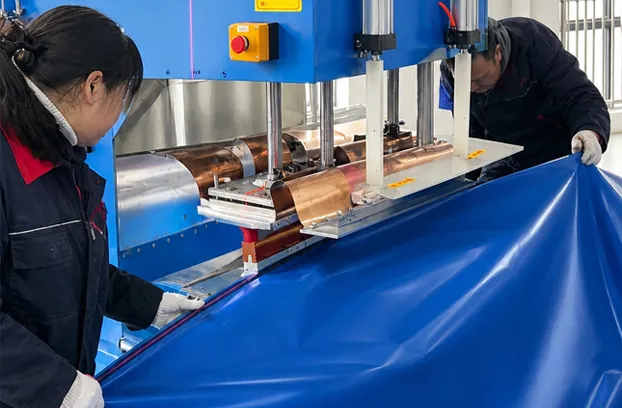
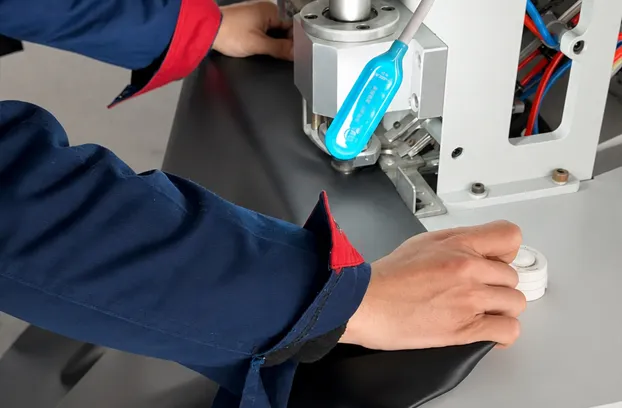
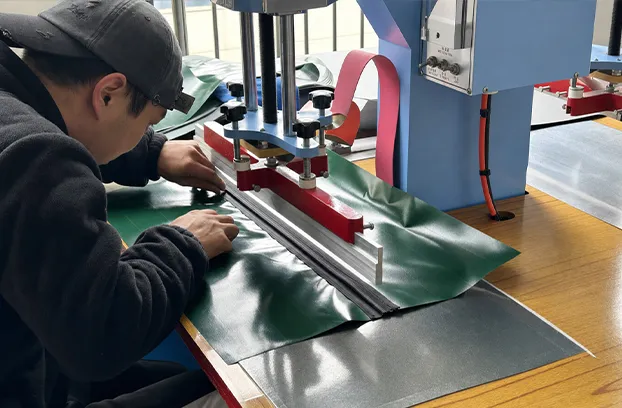
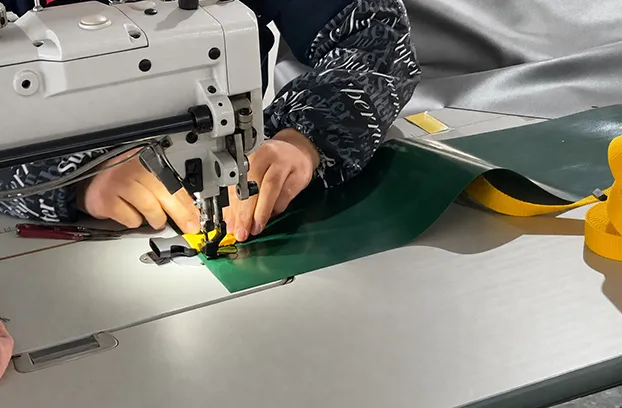
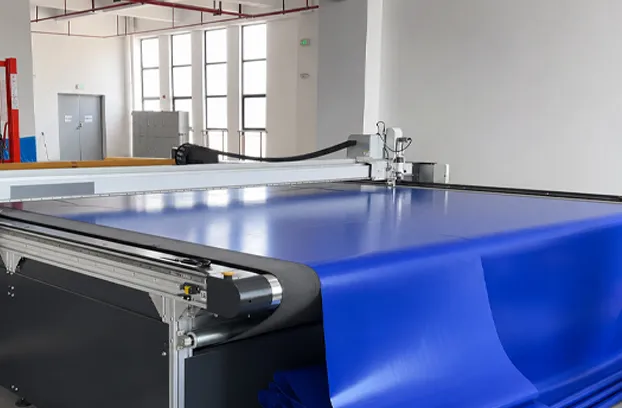
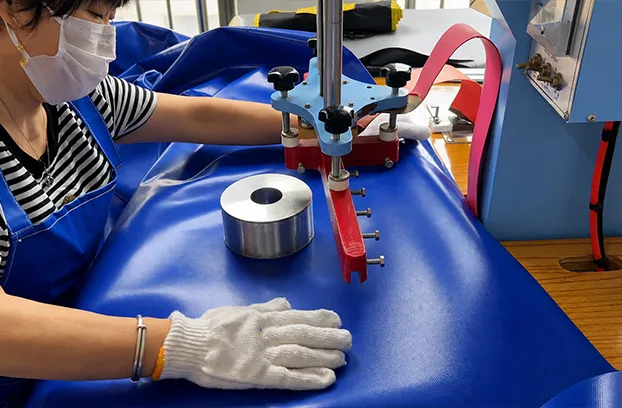
LonaTarp supports industrial cutting, sewing, high-frequency welding, hot-air welding, eyelet installation and printing. That capability does not mean every mesh construction should use every process. A trial made with the selected roll and the buyer's seam or print method is the safer approval basis.
Need to confirm converting compatibility? Send your cutting, sewing, welding or printing process, plus the seam and edge details.
Request a processing review. Validate Outdoor Functions Instead of Assuming Them
PVC-coated mesh is often selected for outdoor products, but outdoor is not a measurable grade. Exposure differs between a seasonal shade screen, a truck tarp system, a permanent fence and a printed building wrap.
When UV resistance, flame retardancy, mildew resistance or low-temperature flexibility matters, the RFQ should name:
- the target country or market;
- the applicable standard and version;
- the test method and acceptance value;
- the final material construction and color;
- whether the requirement applies to a flat roll sample or the finished product; and
- which report or document the buyer needs.
The PVC formulation, coating build, pigment, surface and exposure can all influence results. A functional additive or a supplier label does not by itself prove compliance. CE, SGS, ISO and other documents are reviewed against the exact product, report scope and project requirement.
Artificial-weathering hours should not be converted into a fixed outdoor life without considering the test cycle, climate, installation, color and service conditions.
Build Sample-to-Bulk Control Into the Purchase Order
Mesh defects can be visible immediately, but some of the most expensive problems appear only during conversion or repeat ordering. Uneven openings can distort printed graphics or shade performance. Yarn displacement can affect handling. Color variation, coating irregularity, unexpected roll joints or width variation can interrupt cutting plans and customer programs.
Use the approved sample and written specification together. A practical control plan can include:
| Control point | What to confirm |
|---|
| Material identity | Yarn/construction, PVC build, color, face/back and approved reference |
| Dimensions | Usable width, GSM or thickness tolerance, roll length and joint rule |
| Appearance | Opening consistency, coating uniformity, color and surface defects |
| Mechanical needs | Agreed tensile, tear or other project tests using the stated method |
| Converting | Trial seam, weld, print or edge assembly where relevant |
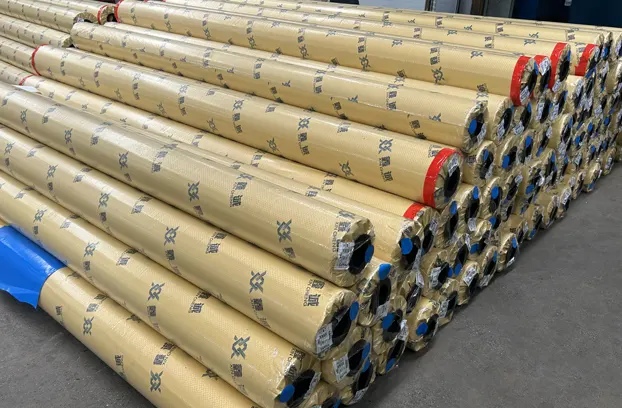
| Packing | Core, wrapping, label, pallet or container-loading requirement |
| Repeat order | Approved specification, color reference and documented change control |
LonaTarp supports sample confirmation before bulk production and pre-shipment inspection. Performance acceptance should follow the approved specification, sample, test method, contract or report—not a general claim on a webpage.
Custom Vinyl Mesh Roll Supply for B2B Buyers
LonaTarp produces PVC/vinyl-coated mesh for made-to-order roll programs. We work with fabricators, manufacturers, importers, wholesalers and industrial-fabric distributors that can define an end use and purchase in commercial quantities.
Available project directions include:
- GSM and mesh construction;
- usable width and roll length;
- opening, shade or visibility direction;
- color, texture and surface requirement;
- printing or converting direction;
- project-specific UV, flame-retardant, mildew or cold-flexibility requirements; and
- roll, pallet, label and export-packing requirements.
Roll Materials: MOQ 5,000 m². Samples are available for specification and processing confirmation. The typical lead time is 15 days after the construction, quantity and order details are confirmed; the final schedule is stated for the actual order.
To receive a useful recommendation or comparable quote, send:
- finished product and use environment;
- target opening, shade, airflow or visibility requirement;
- current GSM, yarn/construction, width or reference sample;
- roll length, total quantity and packing requirement;
- color and printable-face requirement;
- cutting, sewing, welding, printing or hardware process;
- target market, function, standard and report need; and
- required delivery date and destination.
Ready to source custom vinyl mesh rolls? Send the application, target opening, current GSM or sample, usable width, color, processing method and total quantity. Roll Materials: MOQ 5,000 m².
Request a vinyl mesh quote.