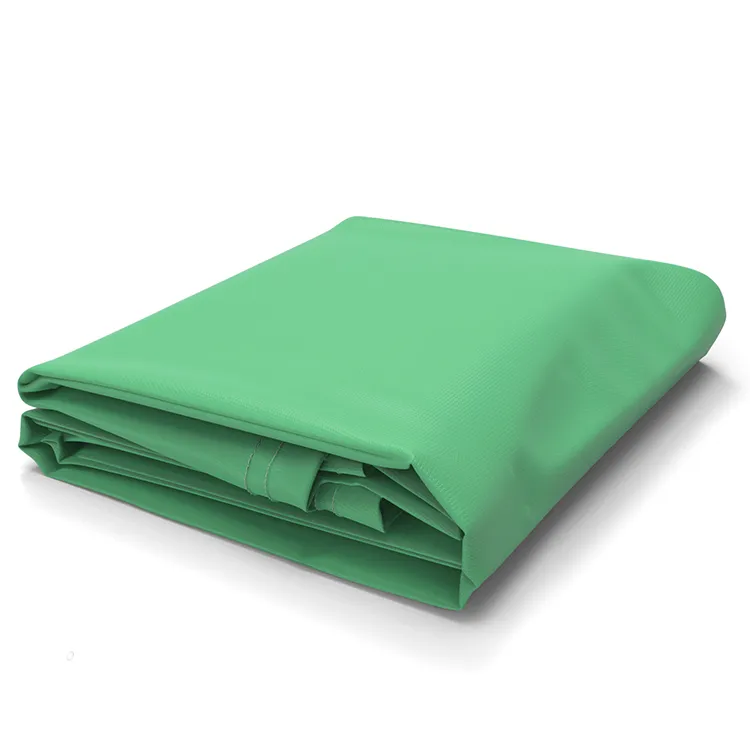
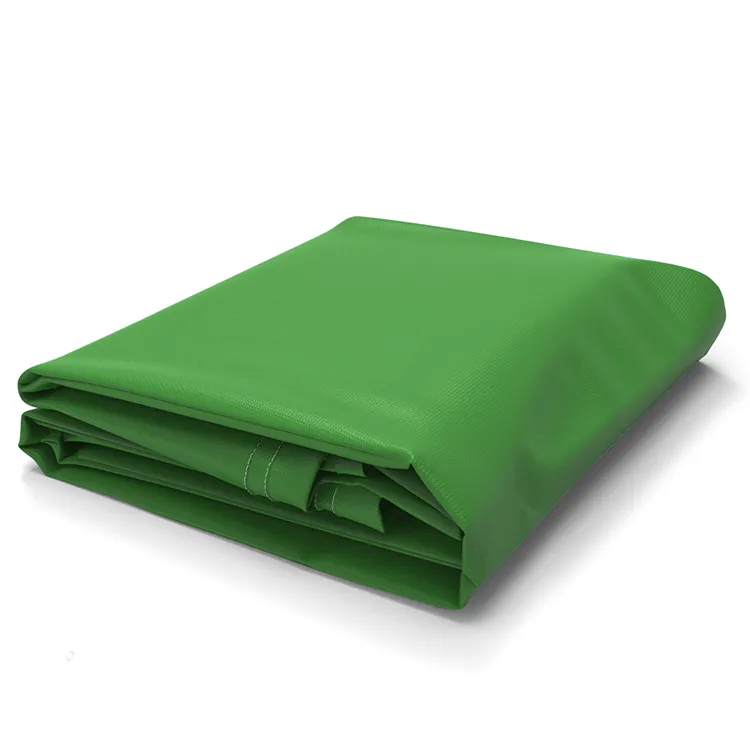
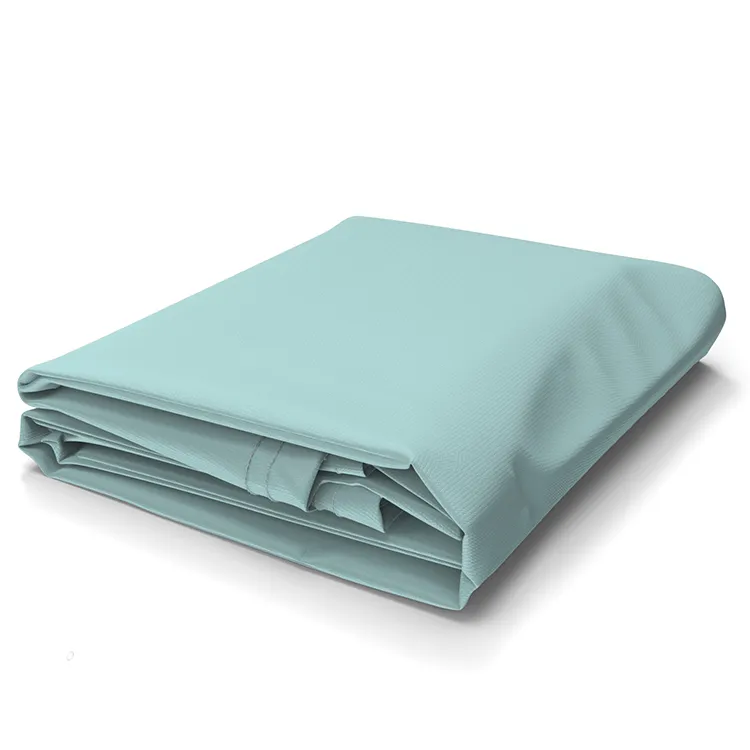
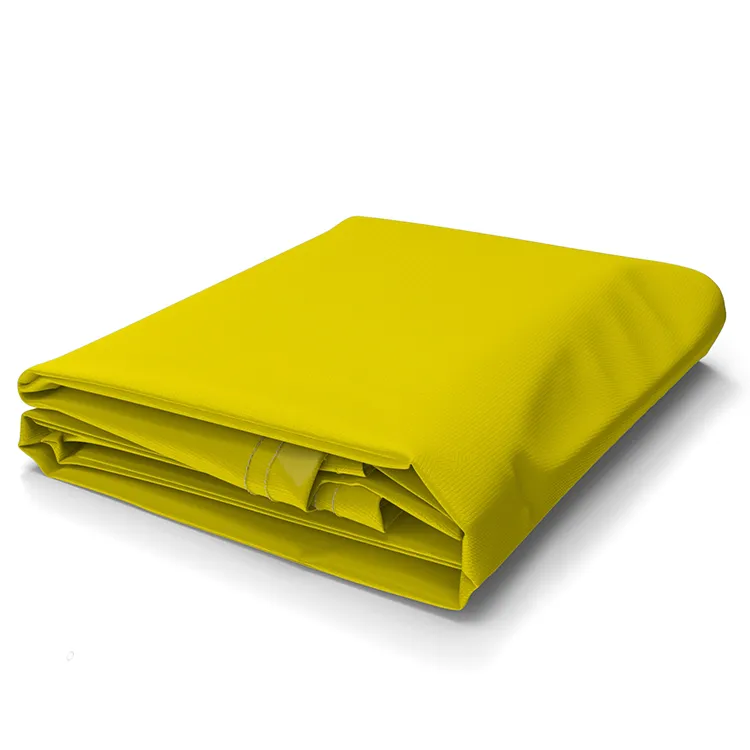
When Does a Project Need a Heavy Duty Vinyl Tarp?
When Is a Standard Finished Vinyl Tarp No Longer Enough?
Choose a heavy duty vinyl tarp when the main purchasing risk extends beyond routine rain or dust protection. Long-term outdoor exposure, strong wind, repeated handling, abrasion and concentrated loads can require a more carefully defined finished construction.
A standard cover may remain suitable for sheltered storage or limited handling. If the application mainly requires routine protection without demanding service conditions, begin with our standard finished Vinyl Tarps rather than automatically increasing material weight.
The decision should be based on the most likely cause of failure. In replacement projects, we first examine where the previous cover failed—such as the fabric, edge, seam or fastening point—before recommending a heavier construction.
How Should Buyers Distinguish Medium, Heavy and Super-Heavy Duty?
Treat medium, heavy and super-heavy duty as preliminary purchasing categories rather than universal technical grades. Suppliers may use the same label for products with different materials, reinforcement and finished construction.
Medium duty vinyl tarps may suit projects that exceed routine covering requirements but have moderate exposure and handling risks. Heavy duty products are more appropriate when repeated use, weather, abrasion or fastening loads become significant. Super heavy duty vinyl tarps should be considered where the consequences of failure are higher and the construction must be supported by defined evidence and acceptance requirements.
For distributor product ranges, we recommend linking each duty label to an internal specification or approved sample. This is more reliable than allowing different suppliers or purchasing teams to interpret “heavy duty” independently.
Is a Thick Vinyl Tarp Automatically Stronger?
A thick vinyl tarp is not automatically the stronger choice. Thickness or finished weight can be useful specification inputs, but neither one independently establishes tear resistance, seam performance or fastening-point reliability.
Buyers should review the polyester base-fabric construction, PVC coating, material adhesion, finished seams and reinforced areas together. Two products with a similar weight may perform differently if their base fabric and finished construction differ.
During sample review, increasing material weight cannot correct a fastening layout that concentrates force in the wrong location. Choose the construction that addresses the expected failure risk instead of selecting the thickest option by default.
Heavy Duty Selection Guide
Use working conditions to choose the correct purchasing route. The following table is a starting point; the final specification still requires project review.
| Working Condition | Purchasing Decision | Recommended Route |
|---|
| Sheltered storage with limited handling | Main need is routine dust or rain protection | Start with a standard finished vinyl tarp |
| Intermittent outdoor use with moderate handling | Exposure exists, but loading risks may remain limited | Review whether standard or medium duty is sufficient |
| Prolonged outdoor exposure or strong wind | Weather and fastening loads become primary risks | Evaluate a heavy duty vinyl tarp |
| Repeated transport, folding or installation | Handling fatigue becomes part of product selection | Evaluate heavy duty construction |
| Continuous contact with abrasive surfaces | Local wear may cause early failure | Specify contact-point protection and suitable construction |
| High-consequence protection | Failure could damage valuable goods or interrupt operations | Define performance evidence and acceptance requirements |
For replacement projects, use the existing failure pattern as evidence. A torn edge, pulled-out grommet and worn contact point do not necessarily require the same improvement.
Which Working Conditions Require Heavy Duty Construction?
Long-Term Outdoor Exposure, Rain and Wind
Heavy duty waterproof vinyl tarps are generally considered when rain protection must be combined with extended exposure, wind or sustained fastening loads. The buyer should evaluate the complete cover because fabric, seams, edges and attachment points all contribute to outdoor performance.
If wind is a major risk, describe the exposed area, expected tension direction and anchoring method. A heavier material alone does not resolve a fastening system that concentrates force at a small number of points.
When reviewing outdoor projects, we assess the proposed fixing arrangement at the same time as the cover construction. Leaving anchoring decisions until after production can make an otherwise suitable tarp vulnerable at its attachment points.
Repeated Handling, Folding and Daily Use
Prioritize handling behaviour when a cover will be installed, removed or folded frequently. Repeated operation may place more demand on seams, edges and fastening areas than a cover that remains stationary.
The buyer should explain who handles the product, how it is folded and which areas are pulled during installation. A product that performs well while installed may still be inconvenient or vulnerable during daily operation.
For repeatedly handled covers, a practical sample review should include the intended installation, removal and folding sequence. A flat visual inspection cannot show whether the access and fastening layout works for the people using the product.
Abrasion from Cargo, Equipment or Contact Surfaces
Start by identifying where the cover touches the cargo, equipment or supporting structure. Abrasion concentrated at one edge or protrusion may require a local solution rather than increasing the specification across the entire cover.
Photographs should show rough surfaces, corners and movement between the cover and the object. Buyers should also explain whether friction occurs during transport, installation or normal operation.
In replacement-cover reviews, close-up photographs of worn areas are often more useful than a general photograph of the complete tarp. They help distinguish local contact damage from insufficient overall material construction.
Equipment or Cargo Requiring Higher Reliability
Use a more controlled heavy duty specification when cover failure could damage valuable equipment, expose critical cargo or interrupt operations. The higher the consequence of failure, the less appropriate it is to rely only on a supplier’s grade label.
Decide which characteristics need documentary or sample evidence. These might include construction details, specified test data, finished dimensions or the position of reinforced areas.
For higher-consequence OEM orders, we recommend agreeing on the evidence list before approving the quotation. This gives the buyer, production team and inspector the same basis for evaluating the product.
Which Construction Details Affect Heavy Duty Performance?
Why Material Weight Alone Does Not Define Heavy Duty
Material weight should be evaluated together with the base fabric, PVC construction and finished-cover design. It can help identify a proposed material, but it does not explain how the complete product will perform at seams, edges and fastening points.
Buyers comparing two options should ask whether the products use the same base-fabric construction, reinforcement and fabrication method. A quotation based only on GSM or thickness may conceal meaningful differences in the finished product.
Choose the specification that addresses the expected failure risk. Do not use a single weight threshold as the sole definition of medium, heavy or super-heavy duty.
Edge and Corner Reinforcement
Prioritize edge construction when pulling forces are transferred through the cover perimeter. If an existing product fails along the edge, identify whether the damage begins at a fixing point, corner or unsupported section.
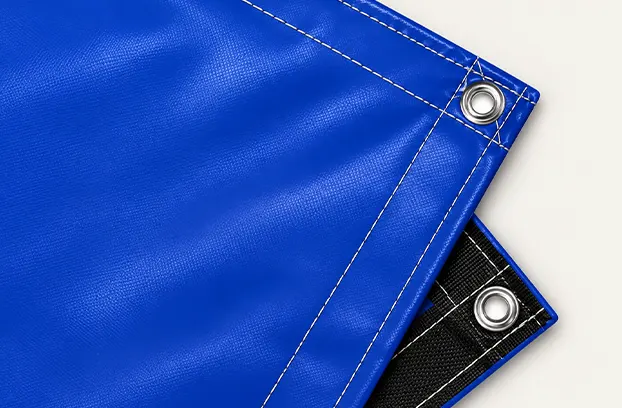
Corner reinforcement may be important where forces change direction or concentrate during installation. The required treatment should be shown on the drawing rather than described only as “reinforced corners.”
For custom production, agree where reinforcement begins and ends. A general statement such as “heavy-duty hem” may not provide enough information for manufacturing or inspection.
Grommets, Webbing and D-Rings
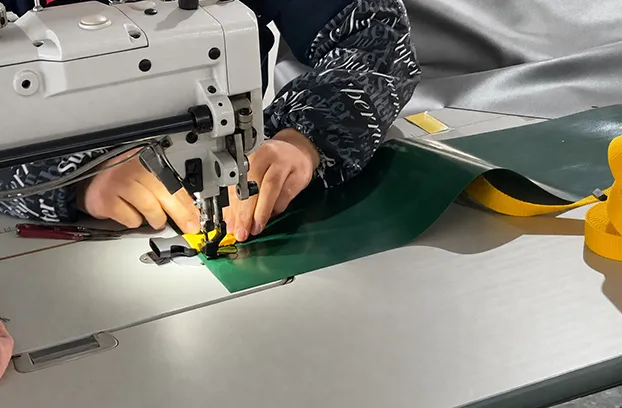
Choose grommets, webbing and D-rings as parts of a fastening system rather than independent accessories. Their position and spacing should reflect how the tarp will actually be tensioned.
When grommet pull-out is reported in a replacement project, we first review the load direction, spacing and local reinforcement. Simply installing a larger grommet may not solve a problem caused by uneven loading.
Mark the intended attachment points and principal tension directions on the drawing. This gives the factory a clearer basis for proposing the relevant fastening construction.
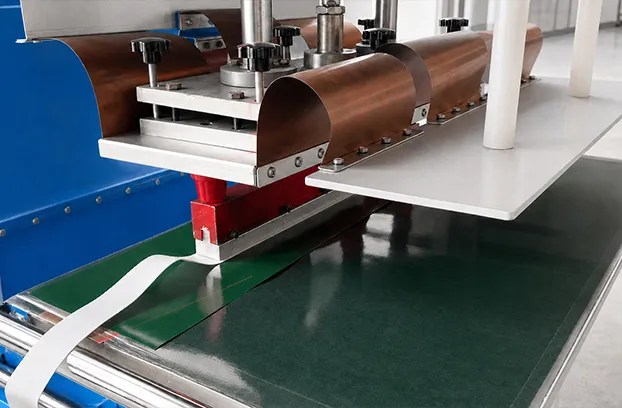
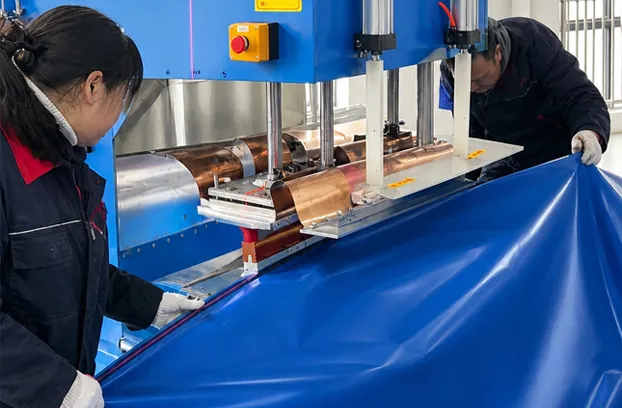
Welded Seams and Waterproof Finishing
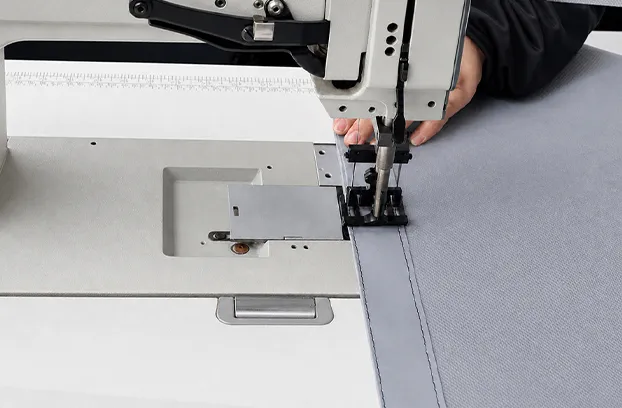
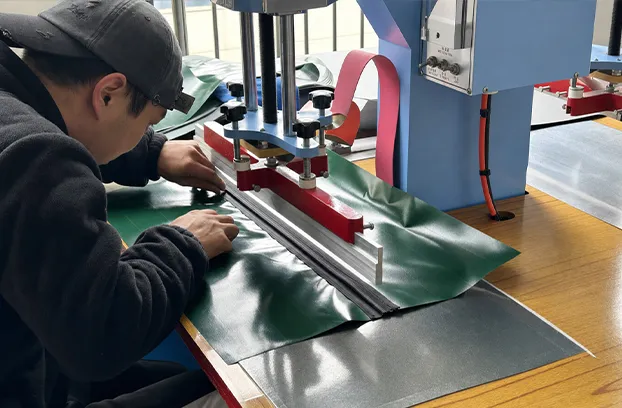
Panel joints become important when the finished dimensions exceed the available material width or when the design requires several shaped sections. Buyers should review seam position as well as the joining method.
Where waterproof performance is required, consider whether seams, openings and accessories are included in the acceptance requirement. Waterproof fabric alone does not establish the performance of the completed tarp.
If a seam crosses a primary load direction, identify that condition during design review. It is easier to adjust the panel layout before sampling than after the finished product has been approved.
Performance Data and Finished-Product Evidence
Select evidence according to project risk. Relevant information may include tensile strength, tear strength, coating adhesion, abrasion performance, temperature behaviour or other agreed test results.
Material data should be distinguished from finished-product evidence. A material test does not verify finished dimensions, reinforcement positions, grommet spacing or seam layout.
Not every order needs every test. Experienced procurement teams usually prioritize evidence connected to the most likely failure mode rather than requesting a broad collection of unrelated reports.
Common Upgrade Reasons
Use the failure pattern to decide which part of the specification should be reviewed.
| Existing Problem | What the Buyer Should Investigate | Possible Upgrade Direction |
|---|
| Fabric tearing | Tear location, load direction and contact surface | Review material construction and local reinforcement |
| Edge failure | Pulling direction and perimeter loading | Review hem and edge construction |
| Grommet pull-out | Grommet position, spacing and concentrated force | Review fastening layout and local reinforcement |
| Wind damage | Cover tension, exposed area and anchoring method | Review overall construction and fastening system |
| Seam failure | Seam position, joint method and load direction | Review seam construction and panel layout |
| Frequent replacement | Repeated failure pattern and actual service conditions | Build a verified specification around the identified risk |
For repeat OEM projects, record why an upgrade was made. This helps prevent future orders from reverting to an earlier construction that no longer matches the application.
How Should Buyers Specify a Heavy Duty Vinyl Tarp?
Define the Main Failure Risk and Required Service Conditions
Begin the RFQ by identifying what the heavy duty construction is expected to prevent. Examples include tearing, abrasion, edge failure, grommet pull-out, seam failure or deterioration during outdoor use.
Avoid relying only on descriptions such as “strong,” “thick” or “all-weather.” These terms do not tell the manufacturer where the cover is at risk or how the buyer will judge the finished product.
If an existing product has failed, provide photographs or a sample and describe how long it was used. In replacement projects, this evidence usually creates a clearer starting point than requesting a general increase in GSM.
Specify Exposure, Wind, Abrasion and Handling
Describe the working conditions that create the need for heavy duty construction. Instead of writing only “outdoor use” or “strong tarp,” provide the following information:
- Outdoor exposure: whether the cover is used continuously or intermittently outdoors.
- Wind and tension: the exposed area, anchoring method and expected load direction.
- Abrasion: the surfaces that contact or rub against the cover.
- Handling frequency: how often the tarp is installed, removed, folded or transported.
- Operating movement: whether the cover remains stationary or moves with equipment or cargo.
These details help the factory prioritize the parts of the design that carry the greatest risk. They also prevent unrelated upgrades from increasing cost without solving the actual problem.
Provide Drawings and Identify Load-Bearing Areas
A heavy duty drawing should show more than length and width. Mark fastening locations, contact points, openings, seam positions and areas requiring reinforcement.
If the design is based on an existing cover, distinguish the details that should remain unchanged from those requiring improvement. Do not ask the factory to reproduce a failed construction without identifying the problem.
For shaped products, state whether the submitted dimensions refer to the finished cover, cut panels or the object being protected. This measurement reference should remain consistent throughout sampling and production.
Define Evidence and Acceptance Requirements
Decide what must be approved before production and what will be inspected before shipment. Possible requirements include a material sample, finished sample, drawing, technical data or test report.
State the required test method when a particular result is mandatory. General requests for “certification” are insufficient unless the applicable product, standard and document scope are clear.
Acceptance criteria should focus on the risks that matter to the project. A cover whose fit or fastening layout is critical should not be approved solely through a general appearance check.
Confirm Quantity, Destination and Delivery Plan
Provide the quantity for each size and construction, together with the destination market and required delivery schedule. If the order contains several grades, make the product identification clear.
Buyers searching for heavy duty vinyl tarps for sale should distinguish ready-stock retail purchasing from made-to-order B2B supply. LonaTarp manufactures finished covers against confirmed requirements rather than offering a general retail-stock catalogue.
For an accurate quotation, submit the working conditions, failure risks, proposed construction and required evidence together with the commercial order information.
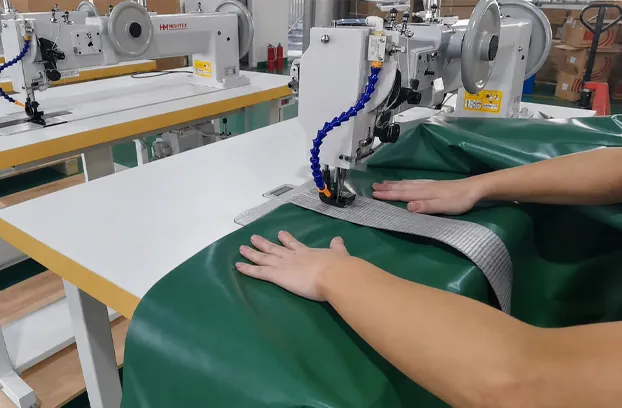
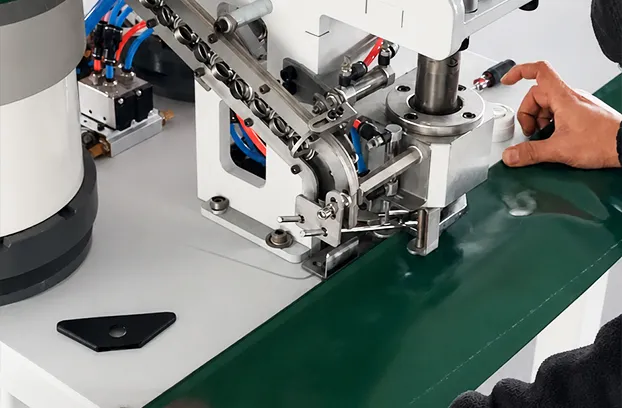
How Does Heavy Duty Production Differ?
Verify Construction with a Production Sample
Use the sample to verify the details that make the product heavy duty for the intended application. These may include reinforcement locations, fastening points, seam layout and fit around the covered object.
Where handling is important, assess how the sample is installed, removed or folded. Where contact-point abrasion is the main risk, check whether those areas align with the proposed protection.
Any requested changes should be documented before approval. An accepted sample should not contain unresolved notes that could be interpreted differently during production.
Approve the Final Heavy Duty Specification
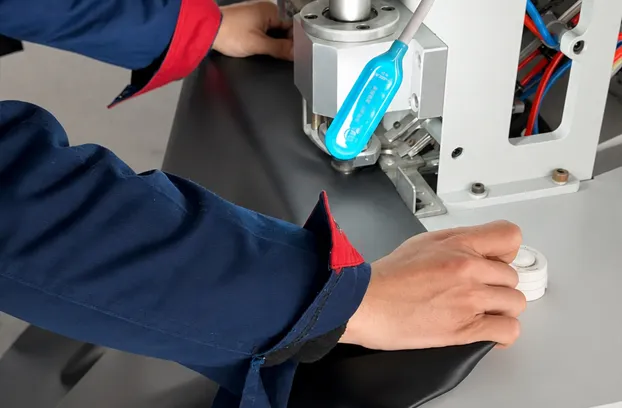
The approved production specification should combine the material, drawing and finished construction in one controlled reference. It should identify reinforcement, seams, fastening details and applicable performance requirements.
Record the final drawing revision and any approved deviations. Do not rely on messages or an earlier sample when they conflict with the signed-off specification.
For repeat orders, state whether the approved construction remains unchanged. If the application or failure risk has changed, review the specification again before authorizing production.
Inspect the Batch Against Agreed Acceptance Criteria
Batch inspection should focus first on details that could make the finished product unsuitable:
- Critical finished dimensions
- Panel and seam positions
- Edge and corner reinforcement
- Grommet, webbing and D-ring locations
- Openings and access points
- Required performance data or documents
- Printing, product identification and packaging
LonaTarp provides pre-shipment inspection. Buyers using their own inspection checklist should submit it before production so the factory and buyer evaluate the batch against the same criteria.
During pre-shipment inspection, critical-to-use details should be checked before general appearance. A visually acceptable cover may still be unusable if a fastening point or access opening is in the wrong position.
Control Changes for Repeat OEM Orders
Repeat orders should refer to an approved drawing, specification and sample version. If the new order changes the size, application, fastening method or operating environment, identify the change explicitly.
A product name such as heavy duty vinyl tarp does not guarantee that two order versions are identical. For distributors managing several SKUs, a clear product code should connect each item to its approved construction.
Consistent revision control is often more valuable than simply increasing material weight, because repeat production depends on purchasing, manufacturing and inspection teams working from the same approved specification.
Discuss your heavy duty vinyl tarp requirements with LonaTarp.
Send the application, working conditions, failure risks, drawings, quantity and destination. If an existing tarp has failed, include photographs or a sample and identify the areas requiring improvement.