TPU Fabric for Industrial Product Manufacturing
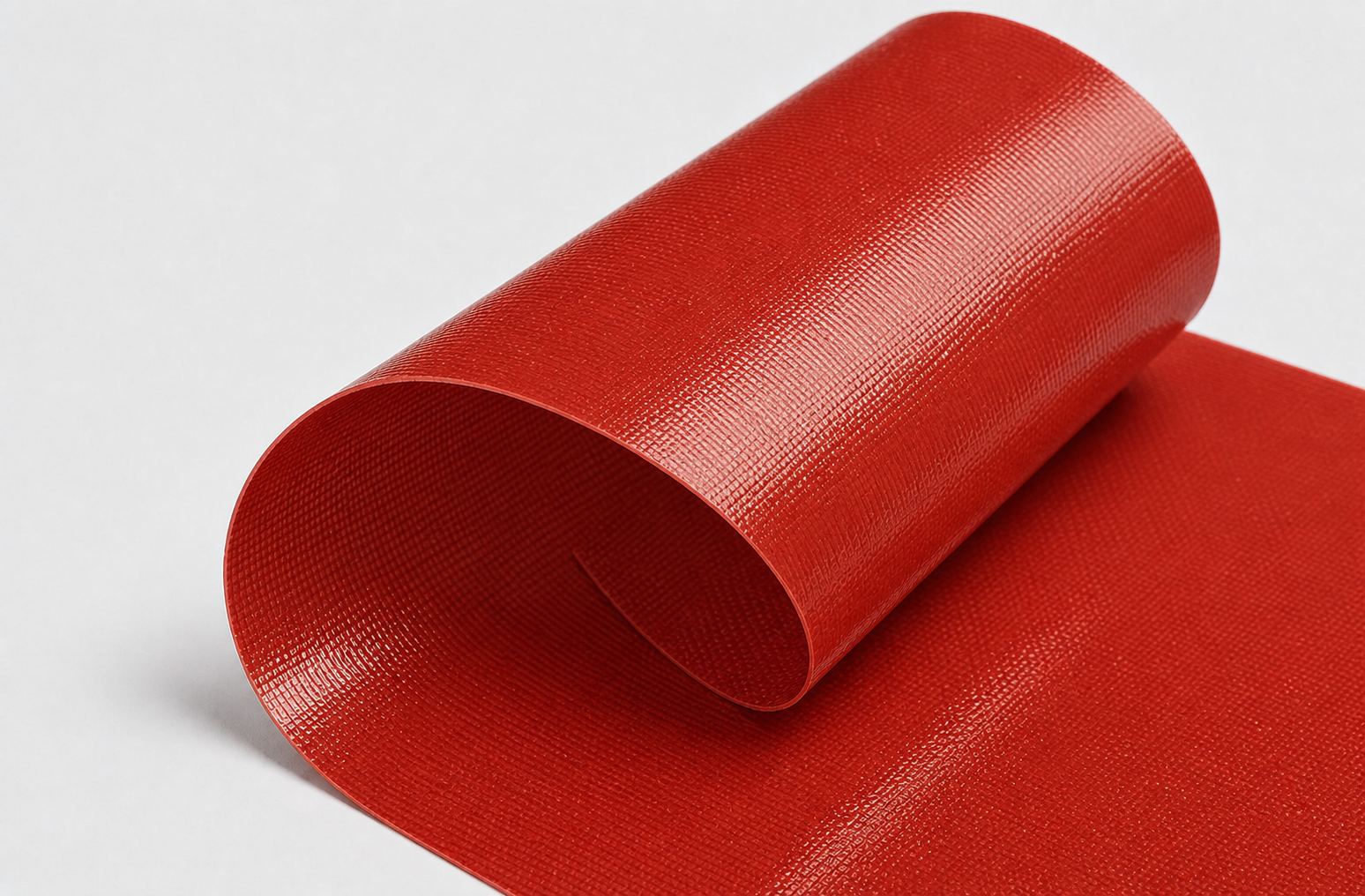
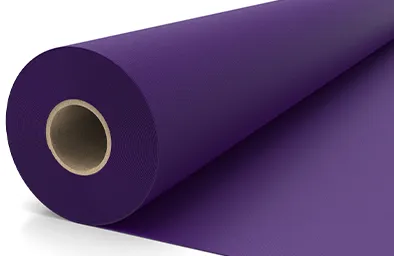
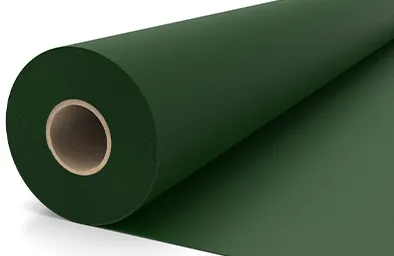
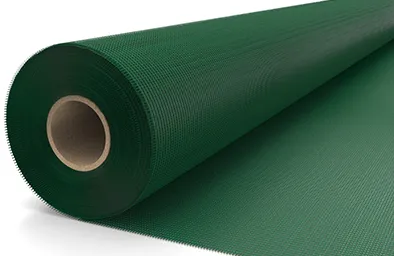
TPU fabric is a composite technical textile made by combining a fabric substrate with a thermoplastic polyurethane layer. The textile provides reinforcement and dimensional control, while the TPU provides a functional layer or surface. Actual performance depends on the TPU grade, base textile, layer construction, bonding quality, fabrication process and finished-product test—not on the material name alone.
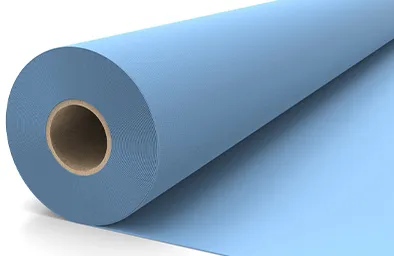
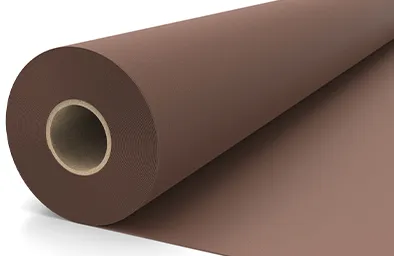
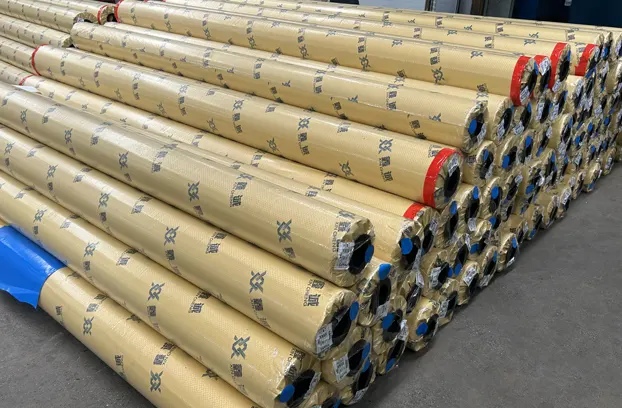
LonaTarp manufactures made-to-order TPU fabric roll goods for industrial product manufacturers, technical-fabric converters, importers and distributors. We do not supply retail cut yardage. Our standard minimum order for roll materials is 5,000 m² for each confirmed construction.
Need a TPU fabric recommendation? Send the application, quantity, joining method, and required test.
Start a material review. Choose a TPU Fabric Route for Your Product
The correct starting point is the construction and finished-product task, not a broad material label. Use the following routes to continue the same buying decision:
TPU-Coated Construction
Review a TPU-coated construction when the project calls for a TPU functional layer applied to a reinforcing textile. The available substrate, grade, side configuration and layer build must be confirmed for the specific requirement.
TPU-Laminated Construction
Review a TPU-laminated construction when a preformed TPU film is to be bonded to a textile. The film, bond, surface and finished joining process should be evaluated together.
Waterproof TPU Fabric Selection
Review waterproof TPU fabric selection when the main task is water control, liquid containment or finished-product leakage verification. A material barrier does not by itself prove that the completed product is watertight.
What Is TPU Fabric?
TPU is the full form of thermoplastic polyurethane. TPU resin, TPU film and thermoplastic polyurethane fabric are related, but they are not the same purchase object.
| Material level | What it is | What a B2B buyer needs to confirm |
|---|
| TPU resin | The polymer family before it becomes a film or functional layer | Chemistry, grade and processing route |
| TPU film | A formed sheet of TPU without a textile reinforcement | Thickness, surface, bonding and joining requirements |
| TPU fabric | A textile substrate combined with a TPU coating or bonded film | Base textile, layer construction, bond, width, weight, joining and finished test |
For buyers, the practical meaning of TPU fabric is not “fabric made entirely from TPU.” It is a composite material system. A useful TPU fabric material specification identifies the textile, the TPU layer, the construction and the acceptance method together.
That distinction matters because two materials carrying the same TPU label can behave differently during folding, welding, inflation, liquid containment or repeated handling.
Select TPU Fabric by Construction, Not by Name
A material review should begin with the finished product and its failure risks. Then define the construction that must be sampled and tested.
| Selection decision | Why it matters | Information to provide |
|---|
| Base textile | Changes tensile and tear behavior, stretch, dimensional stability and handling | Reference sample, product drawing, load direction and desired hand feel |
| TPU layer | Different TPU grades can respond differently to moisture, oils, cleaning agents, temperature and processing | Service environment, contact medium and target test |
| Coated or laminated construction | A coating is applied to the textile; a laminate uses a preformed film bonded to it | Preferred route if known, surface function and bond requirement |
| One- or two-side structure | Changes which surfaces require protection, joining or cleaning | Product cross-section, inside/outside exposure and seam design |
| Total construction | The balance of textile, TPU layer and overall weight affects barrier, flexibility and fabrication | Target weight or thickness, width, roll format and tolerance |
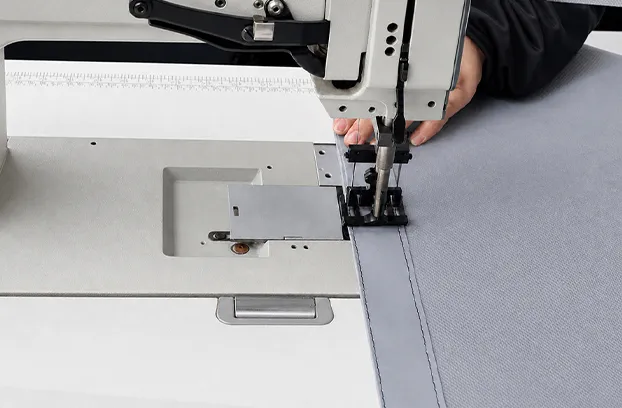
| Joining method | A structure that works on one machine may not behave the same way on another | RF, heat, impulse, ultrasonic, hot-air or other process; machine and trial details |
These decisions should be recorded for the exact project. LonaTarp does not publish one fixed base-textile, grade, GSM, thickness or width range for every TPU construction without product confirmation.
Verify Performance Against the Finished Product
Words such as flexible, abrasion-resistant, waterproof or weldable are useful starting points, but they are not complete specifications. The buyer and supplier should agree on what will be tested, on which sample and under what conditions.
| Requirement | What can change the result | Evidence to request before bulk production |
|---|
| Tensile and tear behavior | Textile structure, load direction, layer build and test method | Agreed test method and result for the approved construction |
| Flexing and abrasion | Surface, fold radius, cycle, temperature and contact point | Application-relevant sample or finished-part trial |
| Water or air barrier | TPU layer continuity, pinholes, edges, seams, valves and openings | Material check plus finished leak, water-entry or pressure-hold test |
| Bond integrity | Surface preparation, TPU/textile combination, process and conditioning | Bond or peel method agreed for the selected construction |
| Joining response | Grade, layer arrangement, equipment, settings and seam geometry | Trial joint made on the buyer's process or agreed sample equipment |
| Chemical or temperature exposure | Contact medium, concentration, time, cleaning method and temperature | Project-specific compatibility or test evidence |
Do not use GSM alone as a quality grade. A heavier construction may change stiffness, folding, joining and freight without solving the actual failure risk. Weight, layer design and reinforcement must be evaluated together.
Match TPU Fabric to the Application
An application name does not prove suitability. It helps define the loads, exposure, joining process and acceptance test that the material must pass.
| Industrial application direction | Main buyer question | Validation before scale-up |
|---|
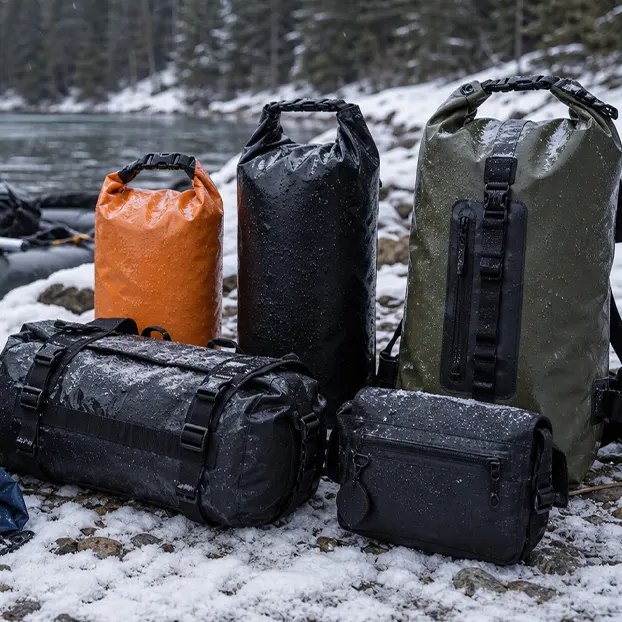
| Dry bags and waterproof bags | Will the panel be folded, dragged, welded and repeatedly opened? | Surface barrier, fold abrasion, actual seam, closure details and finished water-entry check |
| Inflatable panels and air bladders | What pressure, cycle, temperature and seam design will the product experience? | Material barrier, trial joint, cooled-seam strength and agreed pressure-hold or leak test |
| Flexible liquid containers and liners | What liquid, concentration, contact time and temperature are involved? | Material compatibility, bond, joint design and required project documentation |
| Outdoor or industrial protective components | Which surface faces weather, abrasion, oils or repeated movement? | Exposure conditions, reinforcement direction, joining method and product-specific test |
These are industry application directions, not blanket claims that every TPU construction is suitable. Food contact, potable water, skin contact or medical use must be evaluated against the exact formulation, finished product, target market and required report.
Use real, verified product or application images below this module. Captions must identify an application direction, not claim an unverified LonaTarp case study.
Waterproof, Airtight and Weldable Are Separate Requirements
Can TPU fabric be waterproof? A continuous TPU layer can support a water barrier. That does not make seams, holes, edges, closures or damaged areas automatically waterproof.
Can TPU fabric be airtight? Air retention is a separate engineering task. It must be checked on the material panel, joint, valve or opening and completed product.
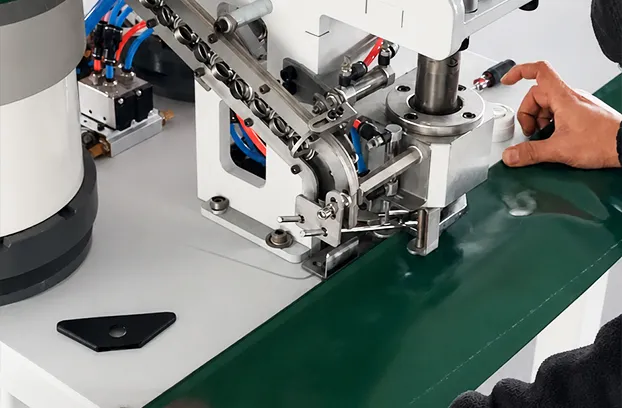
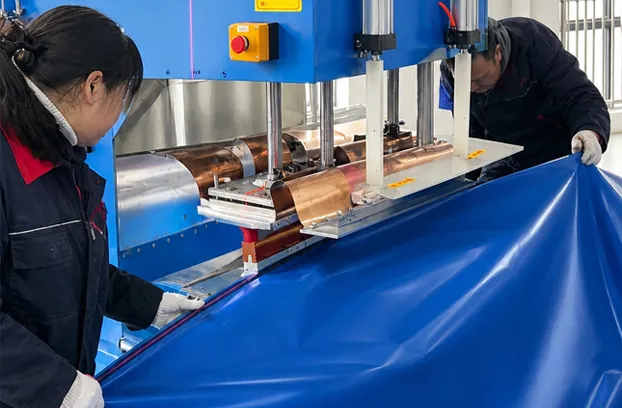
Can TPU fabric be welded? Compatible constructions may be evaluated for RF, heat, impulse or ultrasonic joining. The TPU grade, textile, layer arrangement, surface, equipment and process settings determine whether a stable joint can be made. Hot-air or another converter process must also be trialed rather than assumed.
Before bulk production, make the joint with the intended process and test the fabricated sample using the agreed water-entry, leak or pressure-hold method. The approved construction, sample and acceptance method should become the reference for repeat orders.
TPU, PU or PVC? Compare the Project Requirements
TPU, PU-coated and PVC-coated fabrics are material families rather than single specifications. None is automatically best for every product.
| Decision factor | TPU direction | PU/PVC comparison point |
|---|
| Flexibility and repeated handling | TPU is often considered when elastic response, flex behavior or low-temperature flexibility matters | Compare the actual grade and construction; a polymer-family name is not enough |
| Industrial fabrication | Compatible TPU structures may be welded, but the process window is construction-specific | PVC has mature large-area fabrication routes; PU routes also vary by chemistry and substrate |
| Cost and scale | TPU material and process costs can be higher, so the required performance should justify the route | PVC is often practical for cost-sensitive, large-area industrial products when its construction fits the service conditions |
| Compliance or environmental claims | Product-specific documents are required | Do not infer safety, recyclability or regulatory compliance from any polymer name alone |
Choose the route by defining the failure to avoid, the fabrication process and the acceptance method. A broad claim that TPU is always safer, greener or better than PVC is not a valid procurement specification.
Evaluate TPU Fabric Manufacturers and Suppliers
A useful comparison of TPU fabric manufacturers goes beyond a list of generic properties. It checks whether the supplier can connect the material construction to a sample, a written specification, a test method and repeat-order controls.
Use the same standard when comparing TPU fabric suppliers:
- Define the purchase object. Confirm that the quote covers reinforced TPU fabric roll goods rather than unsupported film or retail fabric.
- Confirm the construction. Record the base textile, TPU layer direction, side configuration, target weight or thickness, width and tolerance.
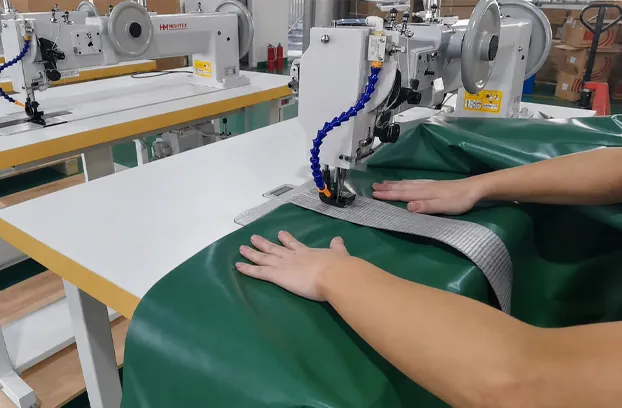
- Trial the fabrication process. Test the actual joining method and seam design before scale-up.
- Agree on acceptance evidence. Specify which test, sample and report will govern the order.
- Control sample-to-bulk consistency. Use the approved sample and written specification for production and pre-shipment inspection.
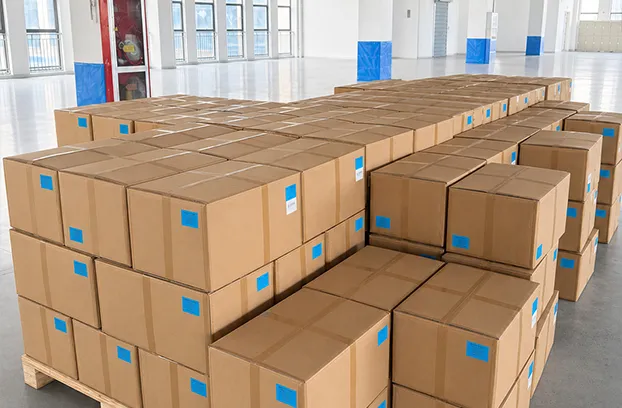
- Verify commercial fit. Confirm MOQ, roll format, packing, lead time, destination and required documentation.
LonaTarp supplies made-to-order roll materials for B2B projects. The standard MOQ is 5,000 m² per confirmed construction. Samples are supported for evaluation. A typical lead time is 15 days after specification and order confirmation, subject to material, quantity and production schedule. CE, SGS or other documentation must be checked against the exact product, report scope and project requirement.
Prepare a Quote-Ready TPU Fabric Specification
TPU fabric price is meaningful only when suppliers quote the same construction and commercial conditions. A lower price for a different textile, TPU layer, width, test requirement or order quantity is not a like-for-like comparison.
| RFQ information | Why it affects the material or quotation |
|---|
| Company and finished product | Confirms the B2B application and purchase object |
| Drawing, reference sample or current material code | Provides a physical and dimensional comparison point |
| Service environment and contact medium | Defines exposure and compatibility questions |
| Base textile or construction direction | Guides the material and sample route |
| Target weight/thickness, width, color and tolerance | Defines the production boundary |
| Joining equipment and seam design | Determines the required trial and process check |
| Target test, standard and destination market | Prevents broad claims from replacing an acceptance method |
| Quantity, roll format, packing and target date | Determines MOQ fit, production planning, freight and delivery review |
If some fields are unknown, send the product drawing and operating conditions first. We will identify which items are ready for quotation and which need sample verification.
Factory Review and Project Confirmation
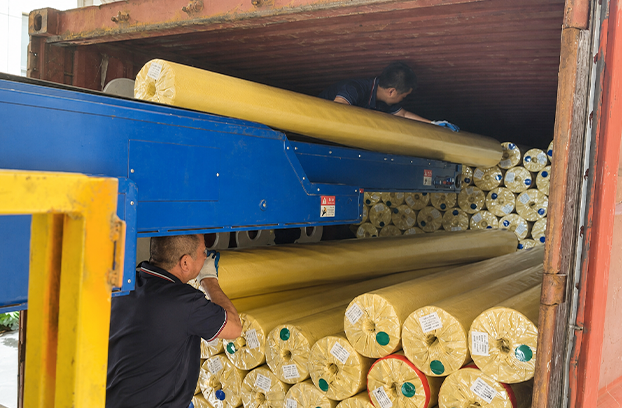
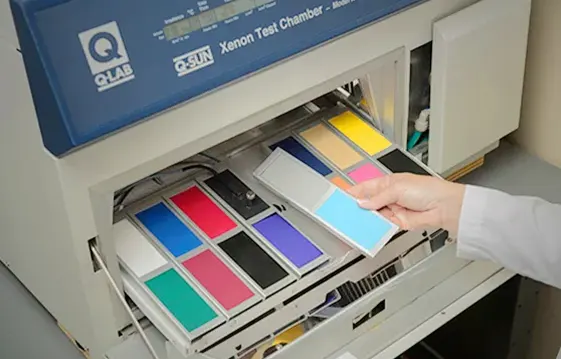
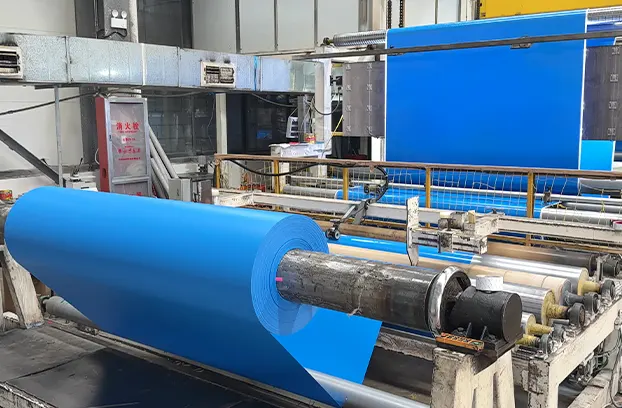
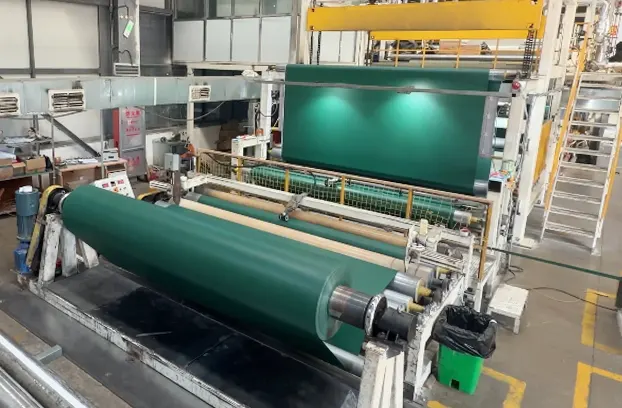
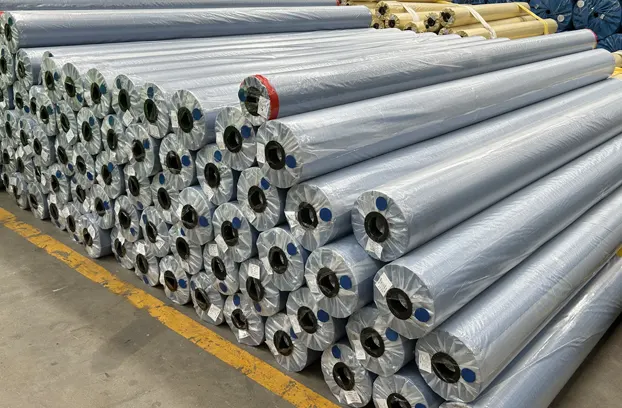
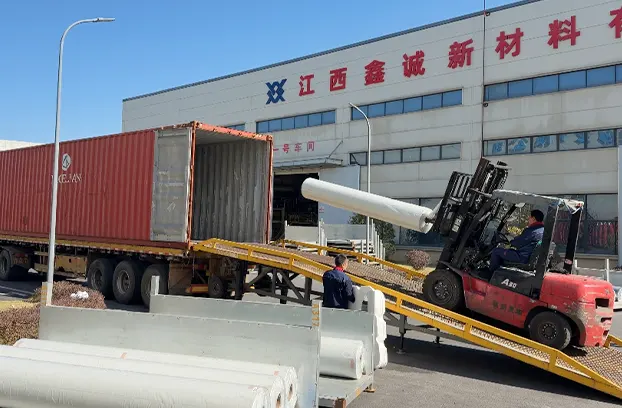
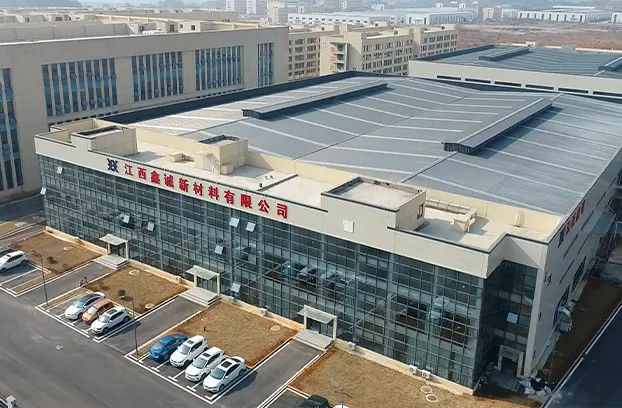
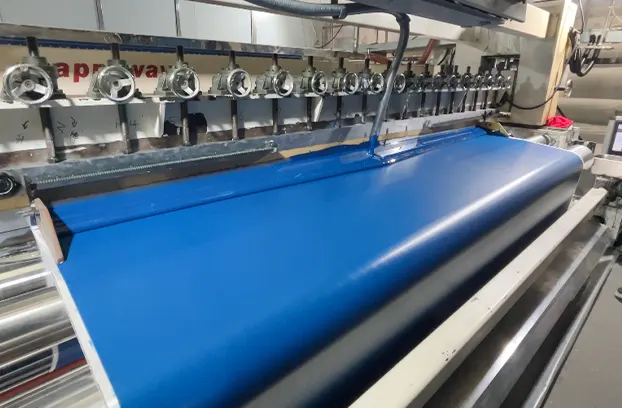
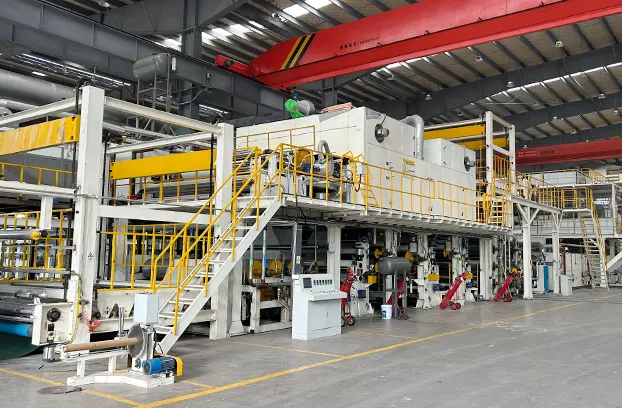
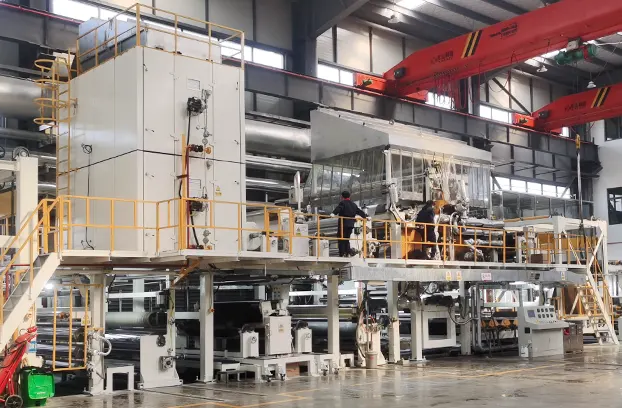
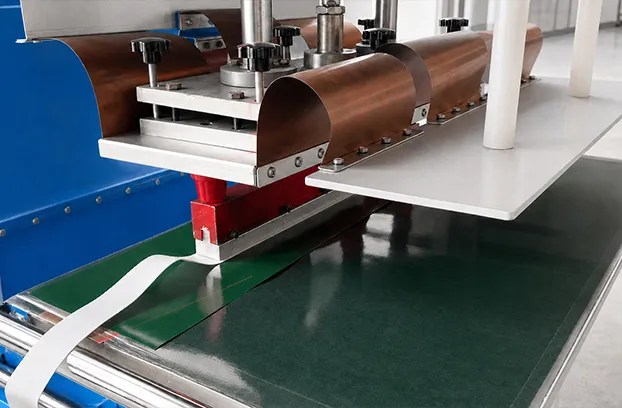
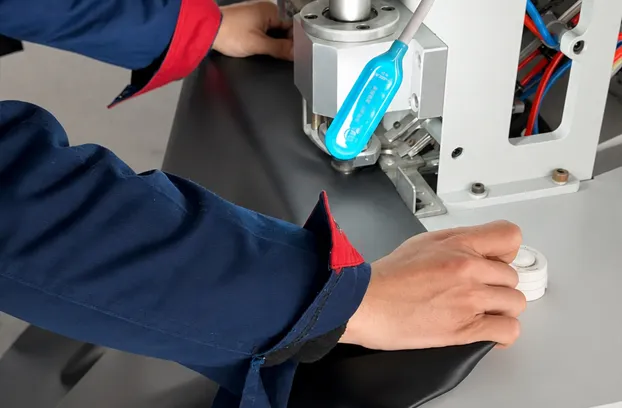
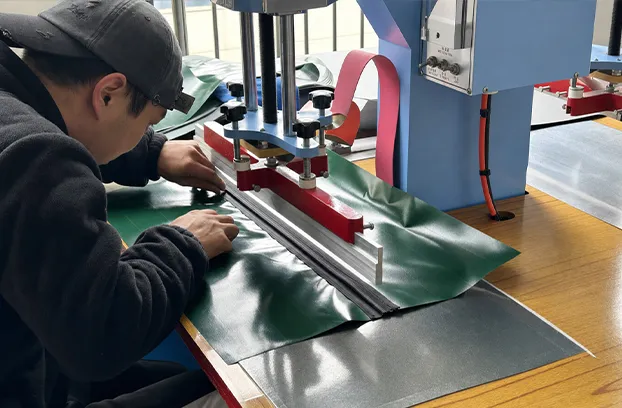
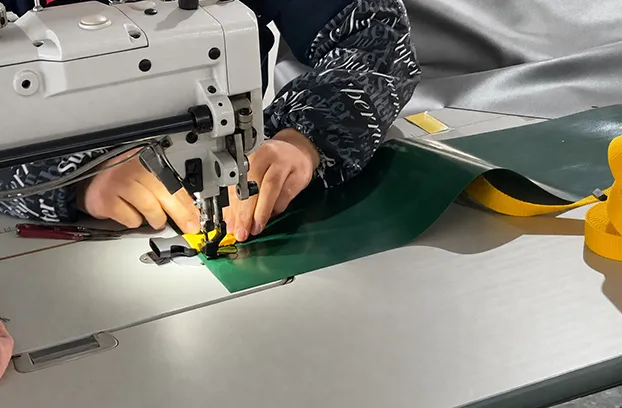
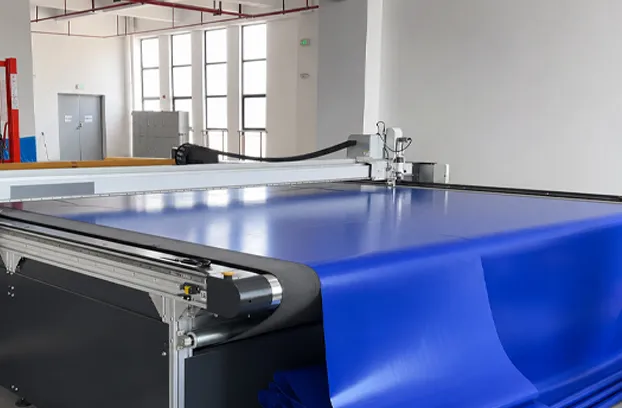
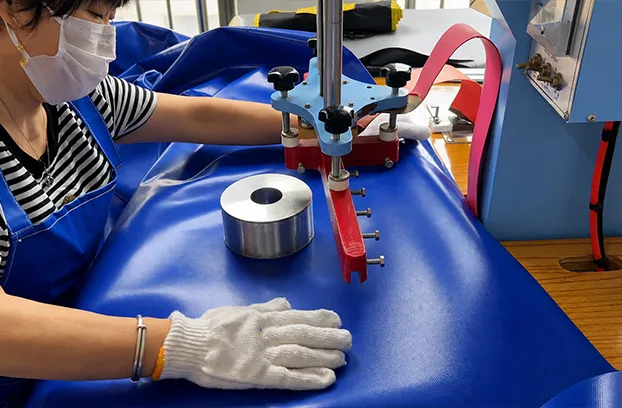
Factory and production-line media can help buyers review general coating, lamination and converting resources. They do not, by themselves, confirm that every TPU grade or construction runs on every line. We confirm the production route after reviewing the target construction, reference sample, joining method and acceptance requirement.
Keep the existing VR assets as media cards or captions under this single heading. Do not use four repetitive H2 headings to imply that an unconfirmed line is dedicated to the exact TPU product being quoted.
Turn Your Requirement Into a Testable Specification
Ready to define your TPU fabric? Send the product, construction, dimensions, test requirement, and quantity. MOQ: 5,000 m².
Send TPU fabric requirements.