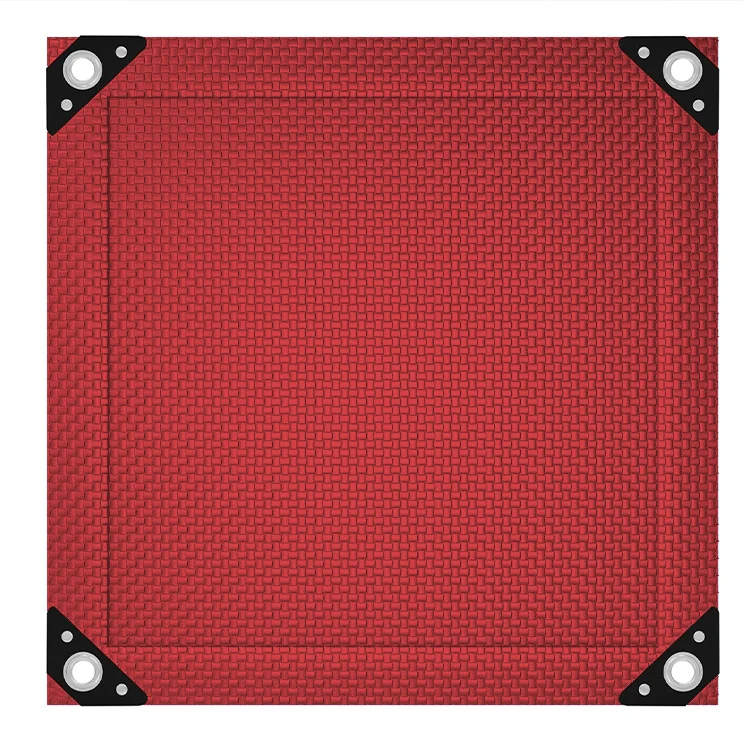
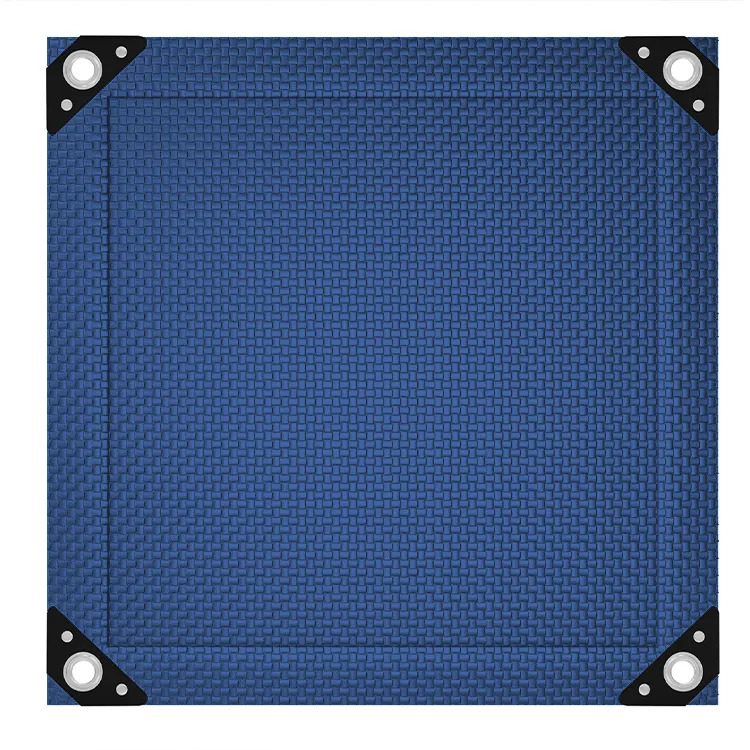
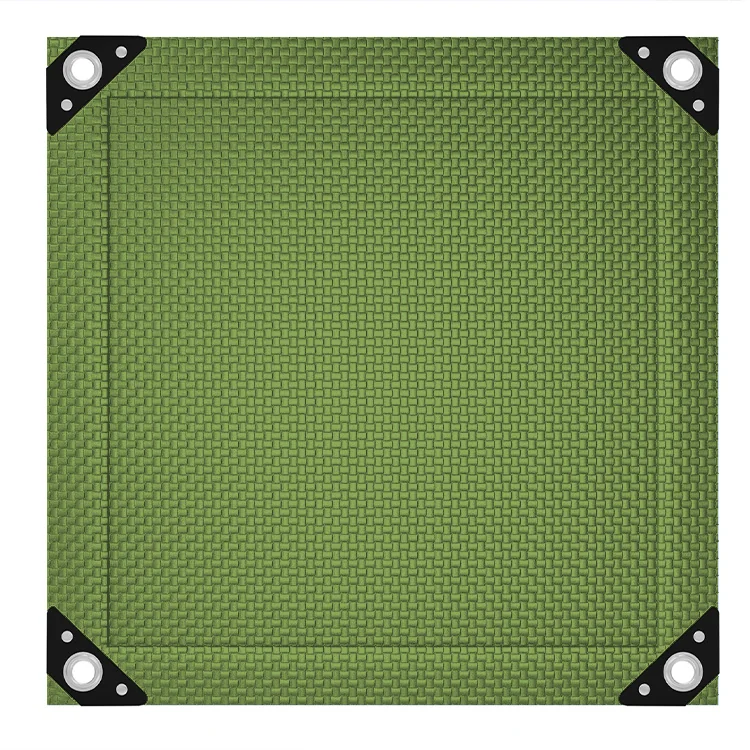
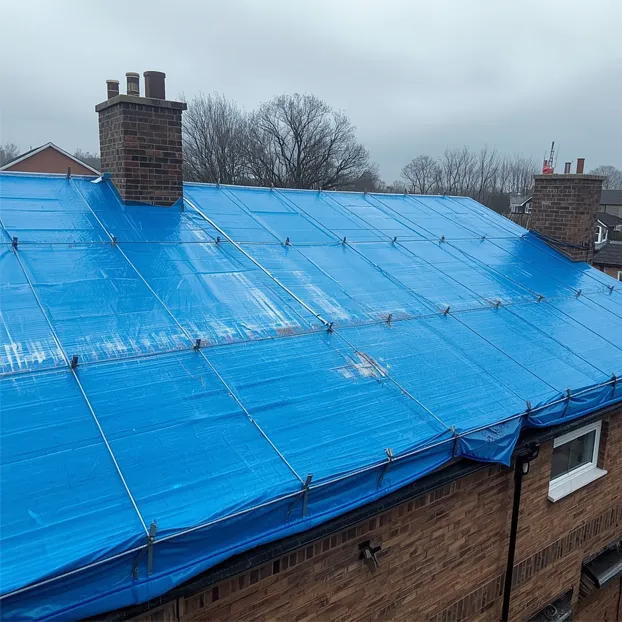
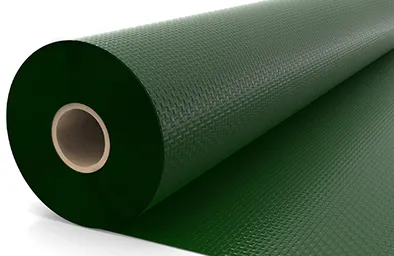
Poly Tarps for Bulk PE Covers and Custom Plastic Tarp Orders
If your purchase request says poly tarps, plastic tarp, or HDPE tarpaulin, the first job is to turn that wording into a usable cover specification. A low-cost PE cover may be enough for temporary storage, pallet covers, agriculture, seasonal site protection or distributor stock. For repeated tie-downs, large panels, cargo movement or long outdoor exposure, the order needs clearer details: GSM or mil, woven HDPE fabric quality, LDPE lamination, UV requirement, hem design, grommet spacing, joint plan, color, packing and sample checks.
LonaTarp can support PE/poly tarp sourcing as a B2B supply option. When the working condition is too severe for a light PE cover, our team can also review whether a PVC coated fabric or vinyl tarp direction is safer before quoting.
Match the Poly Tarp Name to the Real Cover Structure
A poly tarp can mean different things in different purchasing teams. Some buyers mean a light PE sheet for short-term covering. Some mean a woven and laminated cover with finished hems, eyelets and printed packaging. Some distributors use the same phrase for a broad economy tarp family.
Before we recommend a specification, we usually translate the buyer wording into a real structure:
| Buyer wording | What it may mean in a B2B order | What we need before quotation |
|---|
| Poly tarp | PE woven tarp, laminated cover, or finished economy tarp | Use duration, size, GSM or mil, fixing method |
| Poly tarps | A family of bulk PE covers for several applications | Application mix, color range, packaging and repeat-order plan |
| PE tarp | Cost-efficient polyethylene cover option | Temporary or repeated use, UV need, waterproof expectation |
| Plastic tarp | Broad phrase that may mean PE, PVC, vinyl or another plastic sheet | Material direction, duty level, exposure and edge finishing |
| HDPE tarpaulin | Woven HDPE base with lamination or coating in many supplier descriptions | Weight, weave, lamination, UV, color and packing standard |
If the buyer is unsure, send photos of the current cover, failure point and installation method. A torn grommet row, stretched corner or leaking joint tells us more than the word poly.
Plastic Tarp and Plastic Tarpaulin Specs Should Start With Use Conditions
A plastic tarp for indoor pallet dust cover should not be quoted like a plastic tarpaulin used over construction materials in wind and rain. The material may look similar in a photo, but the risk is different.
For short use, the buyer may care most about cost, handling weight and packing quantity. For outdoor or project use, we review UV exposure, rain direction, surface abrasion, folding frequency, fixing tension and whether the tarp will touch sharp edges. These details decide whether the order can stay with PE/poly, or whether a heavier PVC/vinyl direction should be considered.
| Use condition | Better specification focus | Risk if ignored |
|---|
| Short-term pallet or warehouse cover | Lighter weight, easy handling, economical packing | Over-specifying increases cost without real benefit |
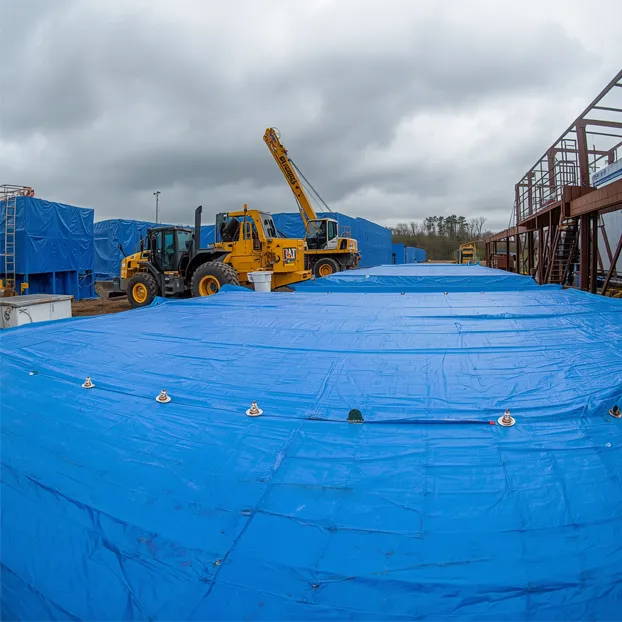
| Construction material cover | Higher GSM, UV review, reinforced edges, stable fixing | Tearing at corners or grommets during wind |
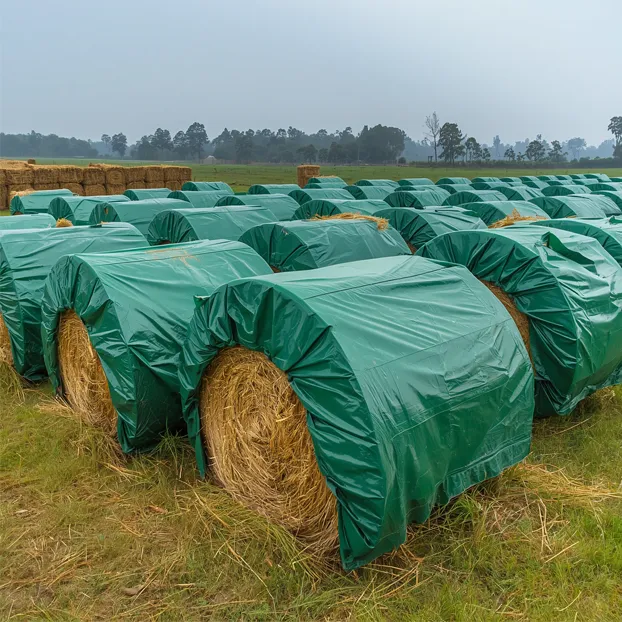
| Agriculture or hay cover | Water shedding, color choice, UV stabilization, large-size handling | Water pooling, sun aging, difficult installation |
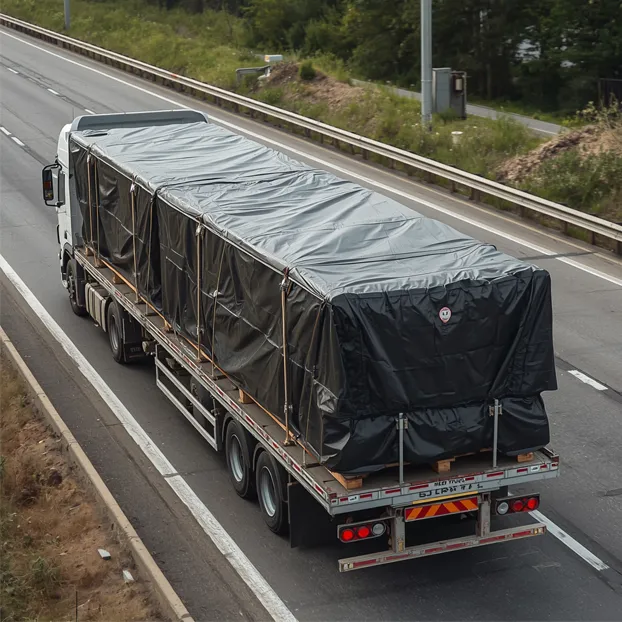
| Transport or cargo protection | Stronger hem, closer fixing plan, abrasion review | Edge damage, cover movement, cargo exposure |
| Distributor stock program | Repeatable colors, labeling, folded size, carton or bale packing | Inconsistent SKUs and customer complaints |
HDPE Tarpaulin and Woven Poly Tarp Structure Checks
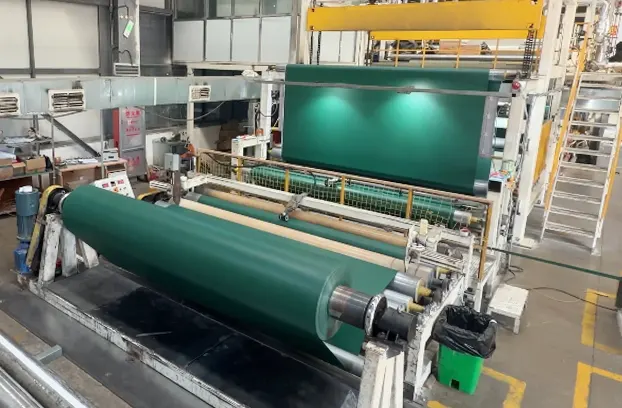
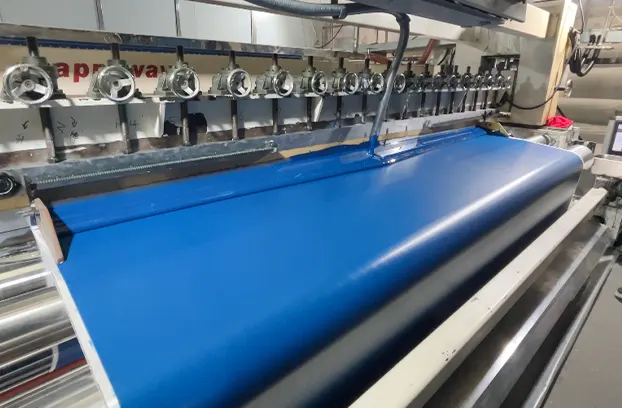
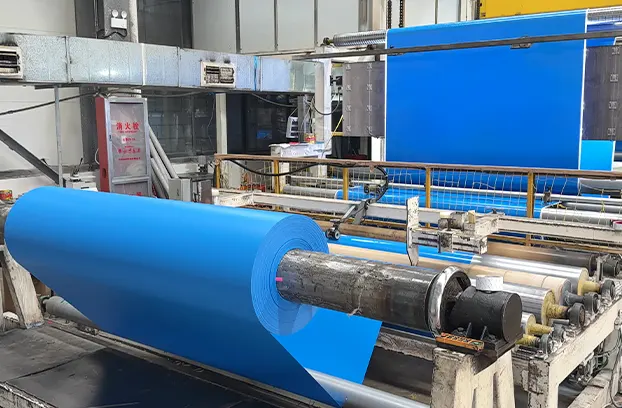
For an HDPE tarpaulin or woven poly tarp, the middle structure matters because the woven layer carries much of the pulling load. The laminated surface helps with water resistance and color, but the cover still depends on weave quality, lamination bonding, folding behavior and edge construction.
When we review a PE/poly specification, we check more than nominal weight. A 200 GSM cover with weak lamination or poor edge finishing may fail earlier than a better-balanced lower-weight cover in a lighter application. For B2B orders, ask the supplier to confirm the material structure, test method and sample condition instead of comparing one number alone.
| Structure point | What to confirm | Why it matters |
|---|
| Woven HDPE base | Yarn/weave direction, fabric stability, visible defects | Affects tensile behavior and tear spread |
| LDPE or PE lamination | Single-side or double-side lamination, bonding consistency | Affects water barrier and surface durability |
| GSM or mil | Confirm measuring method and tolerance | Weight alone does not prove field performance |
| UV package | Required exposure condition and color | Dark, bright and light colors may age differently |
| Surface and folds | Flexibility, whitening, cracking after folding | Important for repeated installation or packing |
Waterproof Plastic Tarp and Plastic Tarp Waterproof Checks Need Sample Review
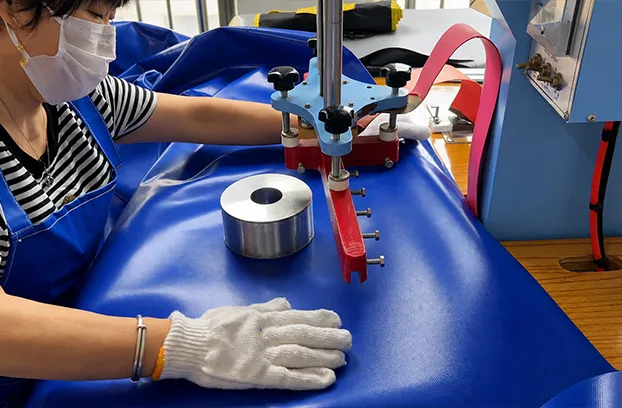
A waterproof plastic tarp should be checked from the surface, seams, holes and fixing points together. The laminated surface may block rain well, but water problems often appear around stitched areas, punched holes, edge folds, heat-sealed joints or places where the cover is pulled too tight.
When buyers search `plastic tarp waterproof`, they usually want a simple yes-or-no answer. For B2B projects, we recommend a safer question: what water pressure, rain direction, installation angle and service duration must the cover handle? If the tarp will be tied down, folded repeatedly or used on uneven cargo, sample testing and edge review are more useful than a broad waterproof claim.
Do not approve bulk production only from the word `waterproof`. Confirm material sample, seam method, grommet layout and the actual installation condition.
Heavy Duty Poly Tarps and Heavy Duty Plastic Tarp Orders Need Strong Edges
Heavy duty poly tarps should not be selected by weight alone. In many failed covers, the center sheet is still usable, but the grommet row, corner patch or hem has torn because the fixing stress was underestimated.
For a heavy duty plastic tarp order, we first ask where the load will pull: along the long side, at the corners, around cargo edges, through eyelets, or across a large unsupported span. Then we match GSM, hem width, corner reinforcement, rope edge, grommet material and spacing to that stress pattern. This is especially important for construction yards, outdoor storage, transport covers and exposed agriculture projects.
If the application is mainly an edge-stress problem, the deeper route is the heavy duty poly tarpaulin page. This parent page should help the buyer decide whether the project really needs that heavier route.
Large Plastic Tarp and Large Plastic Tarpaulin Orders Need Width Planning
A large plastic tarp is not just a small tarp with bigger dimensions. Once the cover becomes large, production and use risks move to width planning, joint placement, folding size, handling weight, packing volume and installation labor.
For a large plastic tarpaulin, tell us whether the cover must be one large panel, joined from several widths, or divided into modular pieces for easier handling. If workers need to move the tarp by hand, a very large single piece may save seams but create installation problems. If the site has strong wind, a joint and fixing plan should be reviewed before final size approval.
| Large-cover question | Why we ask before quoting |
|---|
| Finished size and tolerance | Controls cutting plan, joint count and packing |
| One piece or modular panels | Affects installation labor and repair convenience |
| Folded size and bale/carton limits | Affects loading, warehousing and distributor handling |
| Edge load and fixing distance | Prevents large panels from tearing under wind |
| Destination market | Helps confirm labeling, packing and compliance needs |
Reinforced Poly Tarps and Reinforced Poly Tarp Details Should Be Quoted Together
Reinforced poly tarps need reinforcement details to be quoted together, not added at the end. If the buyer asks for a reinforced poly tarp with grommets, we need to know the fixing method, rope direction, pull angle, spacing, hardware type and whether the tarp will be removed often.
Common reinforcement options include wider hems, rope-reinforced edges, corner patches, additional strips, closer grommet spacing, stronger eyelets and custom edge layouts. The best option depends on how the tarp is tied, not only on how thick the sheet is.
For repeat orders, approve one sample with the real edge design. A flat sheet sample can show material feel, but it does not prove whether the final grommet row will survive the job.
Tarp Polyethylene and Tarpaulin Polyethylene Terms Need Material Translation
Some RFQs use reversed phrases such as tarp polyethylene or tarpaulin polyethylene. These are usually import-search phrases rather than finished production specifications. We treat them as a signal that the buyer is looking for a polyethylene-based cover, then translate the request into material, weight, lamination, waterproofing, UV, edge and packing details.
If the buyer specifically needs a polyethylene tarp page, the more precise material route is available through the polyethylene tarp page. If the buyer is comparing PE with stronger PVC coated fabric, the PVC tarpaulin vs PE tarpaulin guide is a better next read.
Use Poly Tarps Where Cost and Handling Matter, Upgrade When Duty Changes
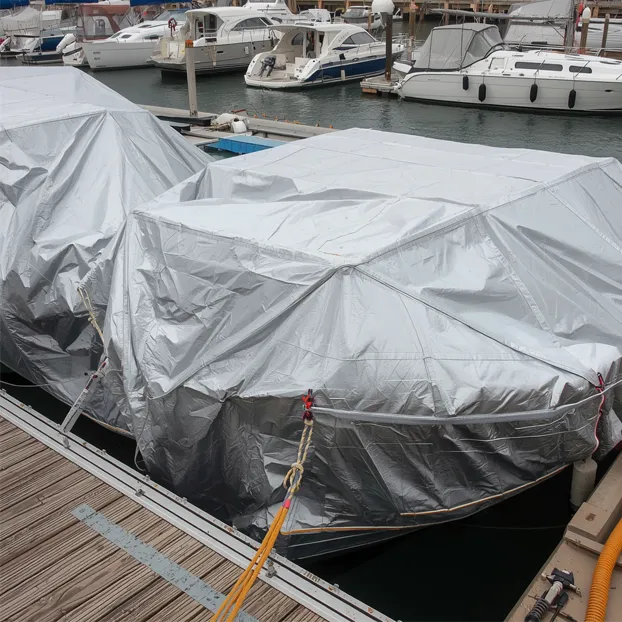
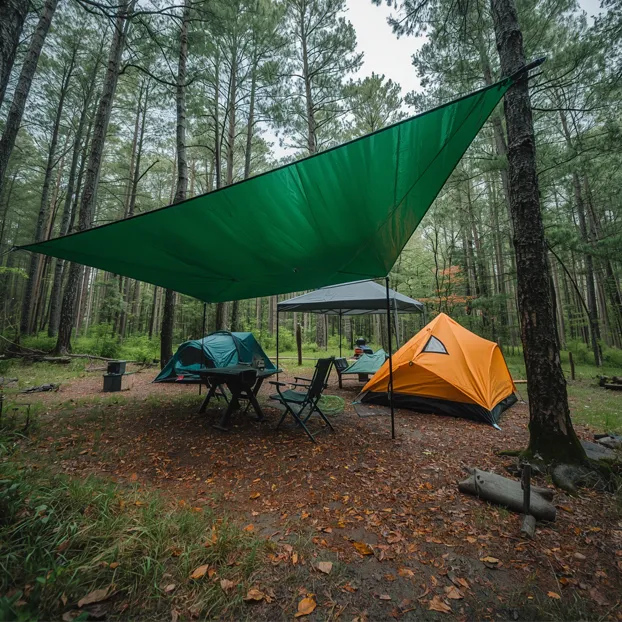
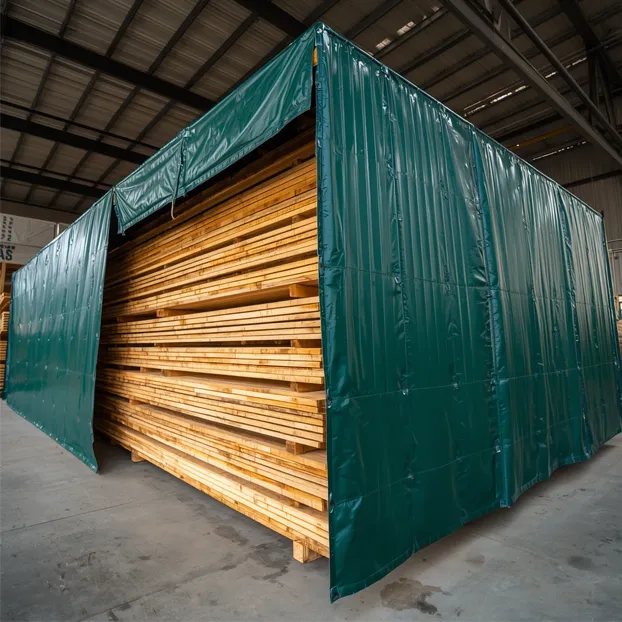
Poly tarps are often a good choice when the buyer needs economical coverage, light handling, short-to-medium use, distributor-friendly packing or a broad color range. They are common for pallet covers, temporary outdoor storage, agriculture covers, dust protection, construction material covers and low-cost stock programs.
The project may need an upgrade when the cover must handle frequent tie-downs, sharp cargo, high abrasion, long outdoor exposure, welding, stronger tear resistance or repeated industrial use. In that case, the buyer should compare PE/poly with vinyl tarps or PVC coated tarpaulin before approving the order.
This is not a one-way recommendation. A PE/poly solution can be the right choice when cost and handling are the main drivers. A PVC/vinyl solution may be safer when failure at the edge, weld, surface or cargo contact point would create higher project loss.
Request a Poly Tarps Quote With These Details
For a useful poly tarps quotation, send the project information that affects material, production and packing:
- Application: pallet cover, construction cover, agriculture cover, transport cover, warehouse cover, distributor stock or OEM cover
- Finished size and tolerance: one piece or modular panels
- Material direction: PE/poly, HDPE tarpaulin, plastic tarpaulin, or unsure
- Weight or thickness: GSM, mil, or sample reference
- Exposure: indoor, outdoor, UV intensity, rain, wind, temperature and use duration
- Edge and fixing: hem width, rope edge, corner patches, grommet material and spacing
- Waterproof requirement: rain shedding, water pressure, seam or hole concerns
- Color and branding: standard colors, custom color, logo or warning marks
- Order plan: estimated square meters, SKU range, packing method and destination market
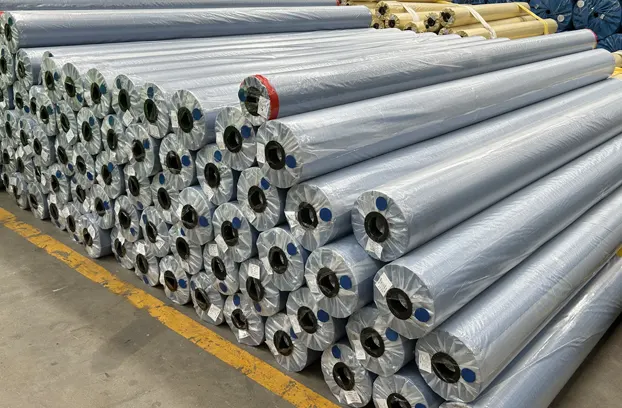
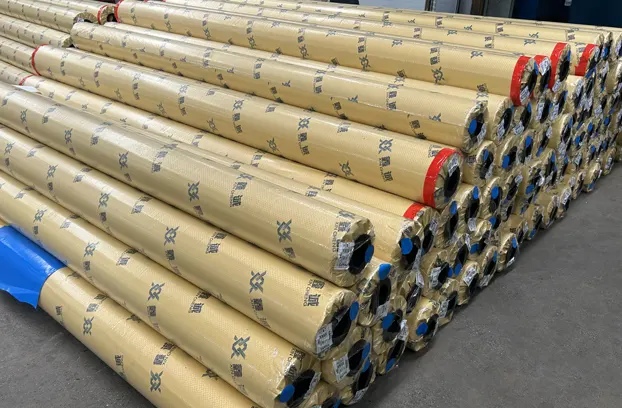
LonaTarp works on B2B bulk orders and made-to-order specifications. For this page, the normal project reference is MOQ 5,000 square meters, with sample confirmation before bulk production. If your order includes several colors or SKUs, send the full range together so the material and packing plan can be reviewed as one program.