In a vinyl tarp vs poly tarp comparison, buyers often receive very different recommendations. One supplier may suggest a lightweight poly tarp, while another recommends a heavier vinyl tarp. Some customers may also ask whether canvas would be more suitable.
Differences in price, weight and appearance are easy to see, but they do not explain which material will work better in the finished product. Start with what the customer needs the cover to do, and then consider whether the differences between the materials are worth paying for.
This guide first compares vinyl and poly tarps, then explains when canvas deserves consideration. It focuses on finished commercial covers rather than roll-material procurement.
I. What Is the Difference Between Poly and Vinyl Tarps?
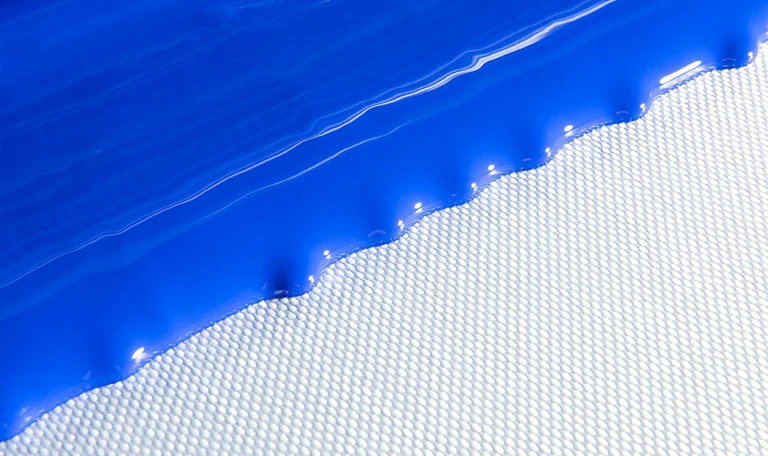
In a poly vs vinyl tarp comparison, the first thing to clarify is the material name. A vinyl tarp commonly refers to a finished tarp made from PVC-coated or PVC-laminated polyester fabric, while a poly tarp commonly refers to a finished tarp made from woven polyethylene material with a PE coating or lamination.
This is why a vinyl vs polyethylene tarps comparison should start with the actual product construction, not only the short material label. “Poly” does not always identify a product clearly. Polyester, polyethylene and other materials may appear in product descriptions, so the actual construction should be identified before two products are compared.
The vocabulary often creates more confusion than the materials themselves.
These are common differences between commercial product families. Individual grades can perform differently, so compare the proposed finished tarps rather than relying only on material names.
Water Protection and Outdoor Durability
Both vinyl and poly tarp materials can prevent rain from passing through an intact surface. The more useful comparison is how the proposed products respond to the complete operating conditions.
A common PE tarp combines woven polyethylene reinforcement with a lightweight coating or lamination. This construction can provide practical rain protection while
keeping the finished cover easy to move, fold and transport. It may suit temporary projects where mechanical stress is limited and frequent, low-effort handling is important.
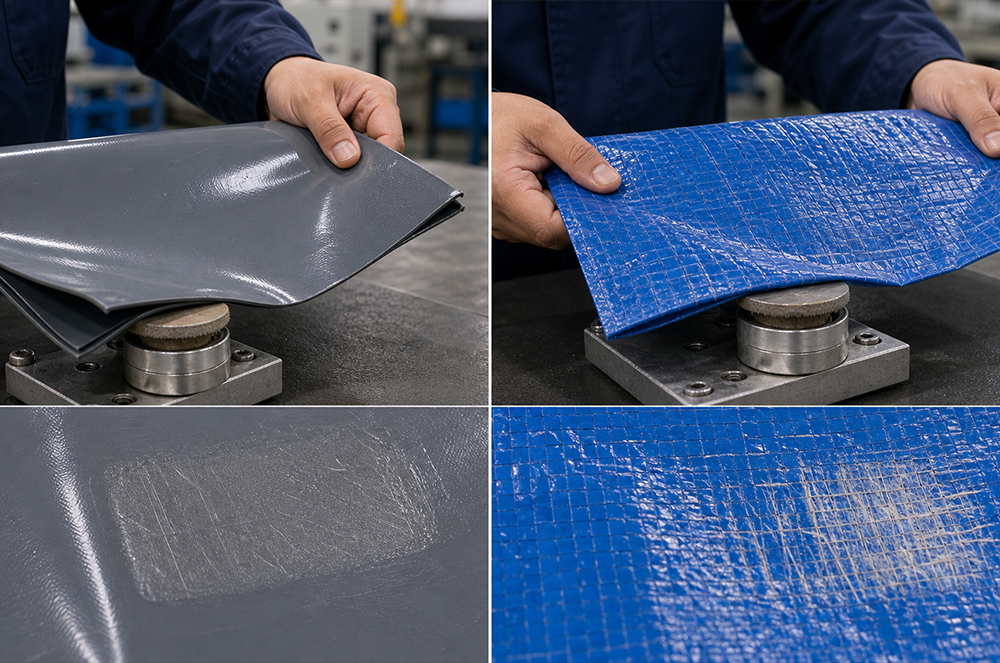
Vinyl tarps commonly use PVC-coated polyester and are often considered when the cover will experience repeated tension, surface contact, folding or longer outdoor exposure. Under these conditions, tear, abrasion and weathering performance become more important.
The difference becomes commercially important when the tarp must repeatedly withstand more than rain:
- For a short project with limited abrasion, a suitable PE tarp may provide the required protection without unnecessary weight.
- For repeated truck, equipment or industrial use, abrasion resistance, reinforced fabrication and repeat-use performance may justify considering vinyl.
- For continuous outdoor exposure, compare UV treatment, seams, surface durability and attachment loads instead of assuming either material has a fixed service life.
The finished cover still matters. Water may enter through seams or openings, and either material can fail early if wind movement, sharp contact points or water pooling are not controlled.
Weight and Everyday Handling
A small vinyl sample may feel more substantial than a poly sample, but the complete tarp may cover tens or hundreds of square metres. A small difference in material weight can therefore create a significant difference in the finished product.
Consider two equipment covers with similar dimensions. One remains installed for most of the season, while workers remove and fold the other every day. The first may justify additional weight if it faces continuous exposure and mechanical stress. For the second, handling effort may become just as important as durability.
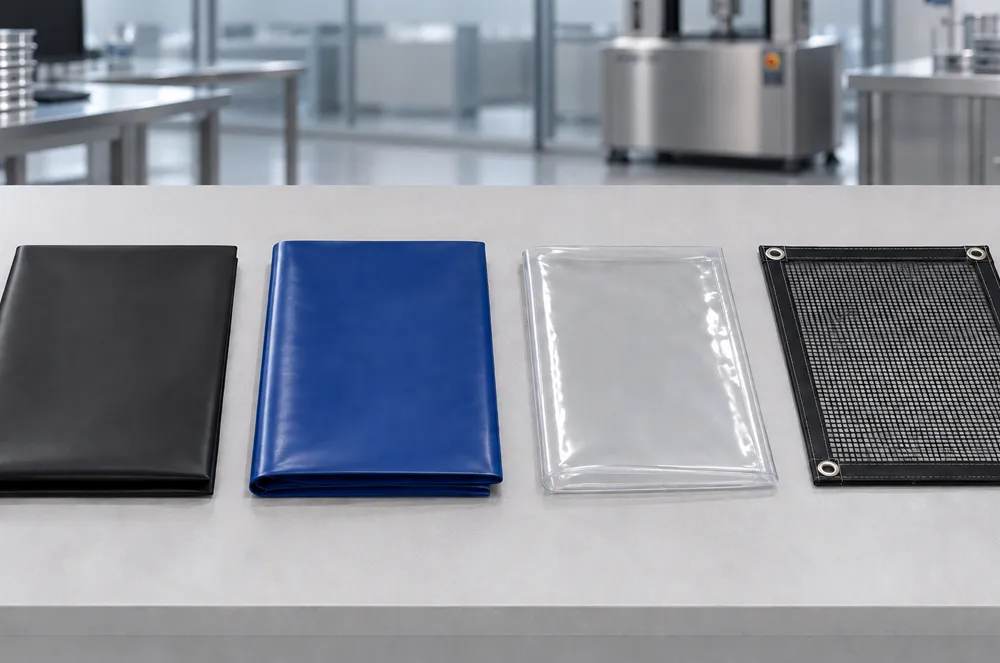
Compare:
- Finished tarp weight
- Number of people required for installation
- Removal and folding frequency
- Available lifting or rolling equipment
- Storage space
- Transport weight
Light weight can be an operational advantage. Greater weight is useful only when the application benefits from the additional construction or performance.
Will Changing the Material Affect the Finished Design?
Changing the material can affect more than the fabric description on the order.
Both PVC and PE products may be joined using heat-based processes, but the equipment, welding parameters and seam construction can differ. The correct method depends on the coating or lamination, material quality, thickness and finished-product design.
A cover originally designed in PE should not automatically be reproduced in PVC using every existing detail. The new material may change:
- Finished weight and handling
- Seam and joining requirements
- Folding or rolling behaviour
- Loads around hems and attachment points
- Repair materials and procedures
The dimensions and intended use may remain the same, but the design should still be reviewed before a replacement sample is produced.
Purchase Price vs the Cost of Repeated Use
Poly tarps are often considered when initial purchase cost and light handling are priorities. Vinyl tarps are more likely to be considered when the product will face repeated use, mechanical stress or more demanding fabrication.
The relevant question is not simply which quotation is lower. It is whether the price difference provides a benefit the customer will actually use.
For a temporary, low-risk project, paying for a heavier and more complex construction may provide little value. For a repeat-use cover exposed to friction, tension and outdoor conditions, replacement frequency and handling interruptions may matter more than the first purchase price.
Prices should also be compared on the same basis. Finished area, seams, reinforcement, attachment hardware, packaging and purchasing volume can all affect the quotation. A standard retail sheet and a customized industrial cover are not equivalent price references.
II. Vinyl vs Canvas Tarps: When Does Each Make Sense?
Poly is not the only alternative to vinyl. Buyers may also consider canvas when the covering task involves airflow, moisture management or a preference for a textile-like material.
Canvas is a broad product family. Its fibre content, weave, weight and surface treatment affect how it handles water, cleaning and storage.
Water Resistance and Breathability
Vinyl tarps commonly use a continuous PVC surface to block external water. This makes vinyl a practical starting point when the priority is preventing
rain from reaching the covered goods and the design can use suitable seams and drainage.
Many canvas tarps use woven textile structures with a water-resistant treatment rather than a continuous plastic surface. Depending on the weave and treatment, this can allow more vapour movement around the covered object. It can be useful where trapped moisture is a concern, but it does not mean every canvas tarp provides the same airflow or rain protection.
The customer’s main concern provides a practical starting point:
Changing to canvas does not automatically solve condensation. Temperature, humidity, ventilation and the way the cover is installed remain important. Likewise, using vinyl does not create a sealed waterproof system if the seams and openings are unsuitable.
Handling, Drying and Maintenance
Vinyl and canvas can create different maintenance routines.
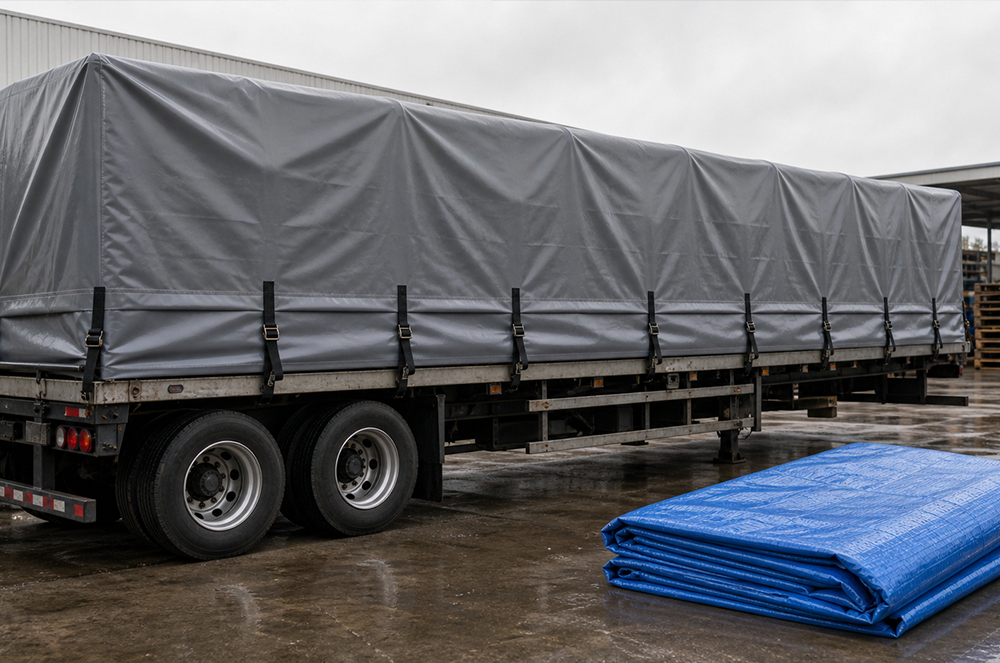
A smooth vinyl surface can often be rinsed or wiped with mild soap and water. Dirt is less likely to become embedded in the same way it can in a woven textile surface. Abrasive tools and strong chemicals should be avoided because they may damage the PVC surface. The tarp should still be dry before it is folded and stored.
Canvas often requires more attention after it becomes wet. Dirt may need to be removed with a soft brush or a cleaning method compatible with the material’s treatment. Harsh detergents can affect some water-resistant or flame-retardant finishes. Treated canvas should be allowed to dry completely before folding because retained moisture can contribute to odour, staining or mildew during storage.
This creates a practical difference:
- Vinyl may suit operations that need a surface that can be wiped down and returned to use relatively quickly.
- Canvas may suit customers who value textile handling or airflow and have suitable space and time for drying and storage.
- Where the canvas treatment must be maintained, its cleaning and retreatment requirements should be considered before purchase.
The customer’s maintenance routine can therefore be as important as the material’s initial performance.
III. Which Tarp Material Makes Sense for You?
After the main vinyl tarp vs poly tarp comparison, the following table turns the material differences into three common purchasing situations.
For short-term projects, first confirm the necessary protection. If several products meet it, handling and initial purchase cost may become the deciding factors.
For equipment and transport covers, repeated fixing, folding, abrasion and wind movement may justify closer consideration of vinyl. This does not mean every transport-related product requires the heaviest PVC construction.
For storage covers, canvas becomes a meaningful option when airflow and moisture management matter. Its treatment, drying requirements and expected rain exposure must still suit the customer’s operating conditions.
IV. Before You Order, Check the Material in the Finished Tarp
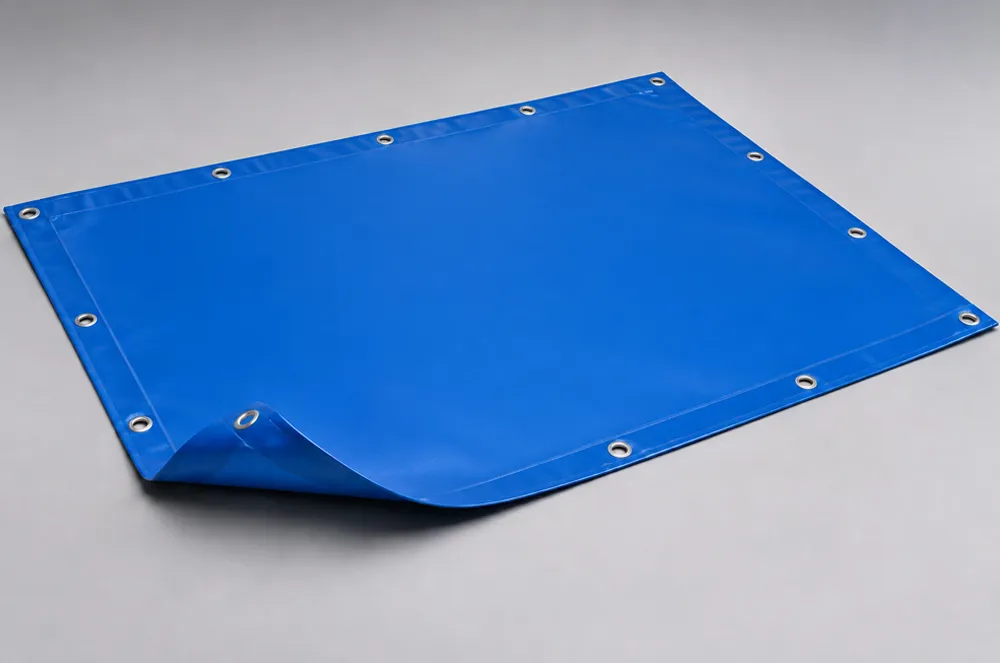
Selecting a material family does not complete the product decision.
The sample should represent the proposed material, finished dimensions, seams and attachment design. Supporting performance information should correspond to the selected construction.
When replacing one material with another, review the existing design before reusing the drawing. Changes in weight, joining and handling may require adjustments to the finished product.
Before ordering, confirm:
- The actual material and finished-tarp construction
- The expected exposure and handling method
- The finished dimensions, seams and fixing design
- Whether the sample represents the proposed bulk product
Buyers who have already selected vinyl can continue with our guide to choosing the best vinyl tarps for commercial use.
Conclusion: Which Tarp Material Should You Choose?
Start with the work needs the tarp to perform. Then compare how vinyl, poly and canvas affect protection, handling, fabrication and repeated use.
Poly may be a practical starting point for lightweight or temporary coverage. Vinyl may be more suitable for demanding, repeat-use or customized finished tarps. Canvas becomes relevant when the covering decision also involves airflow, drying and maintenance.
If your comparison leads to a custom PVC/vinyl finished tarp, share the application, finished dimensions and estimated order quantity with LonaTarp. Custom finished tarp orders have a 30-piece MOQ.
V. Frequently Asked Questions
What If I Do Not Know What My Current Tarp Is Made Of?
Check the original purchase documents, product labels and any available specification. A physical sample can also help the supplier understand the construction.
Do not identify the material only by its colour, surface feel or a photograph. Confirm the existing product before comparing replacement options.
Can the Same Logo-Printing Process Be Used on All Three Materials?
Not necessarily. Printing compatibility depends on the material surface, treatment, ink and production process.
Confirm the planned printing method against the selected tarp material before replacing vinyl, poly or canvas with another option.
Does a Vinyl Tarp Always Last Longer Than a Poly Tarp?
Not always. Vinyl tarps are often better suited to repeated use and demanding outdoor conditions, but actual lifespan depends on material quality, UV exposure, handling and finished construction. For short-term or lightweight applications, a suitable poly tarp may be the more practical choice.