When transporting steel, machinery, lumber, or oversized freight on flatbed trailers, choosing the right tarp is critical for cargo protection and transportation safety. Among the most commonly used truck tarps are smoke tarps and regular tarps. Although they may appear similar at first glance, their design, coverage area, and intended applications are quite different.
In this guide, we will compare smoke tarps vs regular tarps, explain their key differences, and help you determine which option works best for your cargo transportation needs.
I.Benefits of Using Fitted Smoke Tarps for Freight Protection
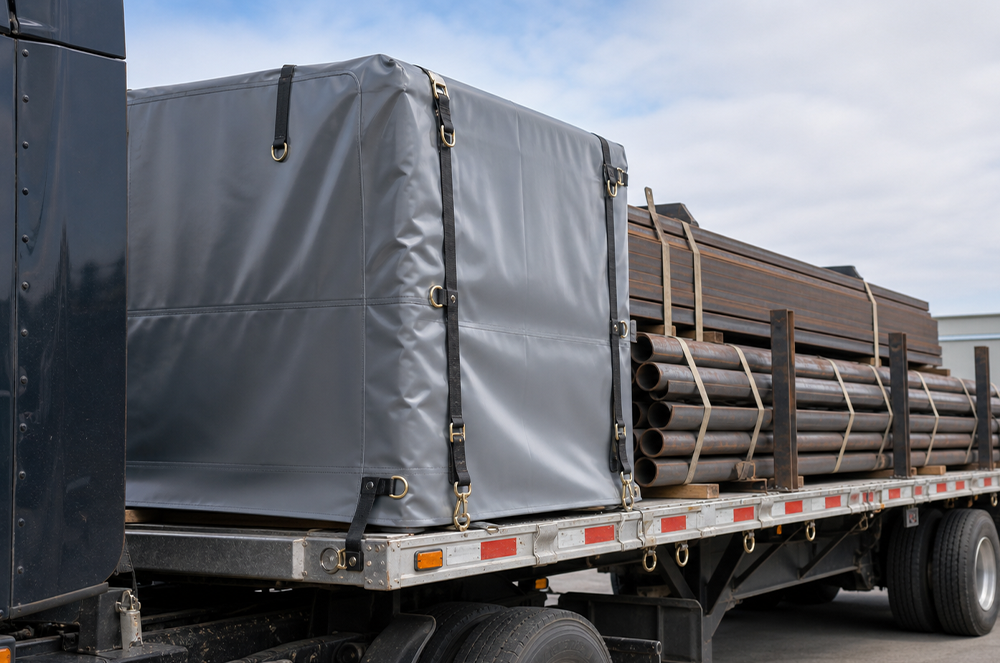
Smoke tarps are specially designed tarps used primarily to protect the front portion of flatbed cargo from road debris, smoke, dirt, rain, and wind during transportation.
 What Is a Smoke Tarp?
A smoke tarp, also known as a nose tarp, is a smaller fitted tarp installed at the front end of the load. It shields cargo from exhaust smoke, highway grime, and harsh weather conditions generated while driving.
Why Smoke Tarps Are Important for Flatbed Loads
During long-distance transportation, the front section of cargo is constantly exposed to:
- Wind pressure
- Tire debris
- Vehicle exhaust
- Rain and snow
- Dust and road contaminants
Smoke tarps help reduce cargo damage and keep products clean during transit.
Common Industries That Use Smoke Tarps
Smoke tarps are widely used in:
- Steel transportation
- Lumber hauling
- Machinery shipping
- Construction material transport
- Industrial equipment logistics
Advantages of PVC Smoke Tarps
PVC-coated smoke tarps offer several benefits:
- Excellent waterproof performance
- UV resistance
- High tear strength
- Long service life
- Better flexibility in cold weather
Compared with traditional polyethylene tarps, PVC tarpaulin materials provide superior durability for commercial trucking applications.
II.How Front-End Protection Differs Between the Two Tarp Types
Although both smoke tarps and regular tarps are designed for cargo protection, they serve different purposes.
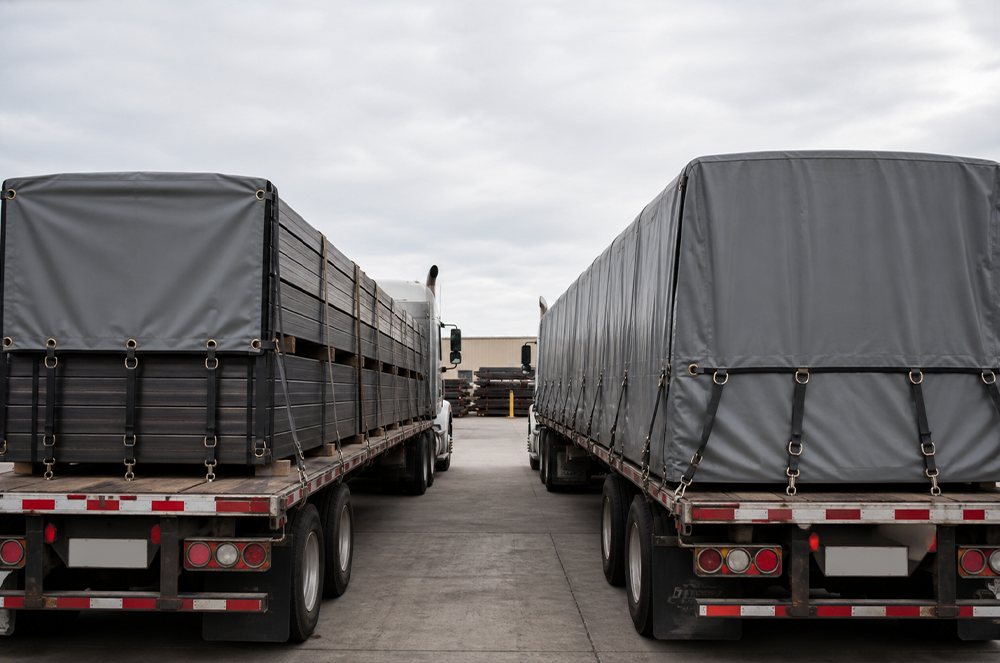
Coverage Area Comparison
Smoke tarps:
- Cover only the front portion of the cargo
- Typically smaller and more compact
- Focus on aerodynamic front-end protection
Regular tarps:
- Cover the entire load
- Available in larger sizes
- Provide full cargo enclosure
Installation and Handling Differences
Smoke tarps are generally:
- Faster to install
- Easier to fold and store
- Lighter in weight
Regular tarps may require:
- More tie-down points
- Additional installation time
- Multiple drivers for handling large covers
Protection Performance in Different Conditions
Smoke tarps are ideal for:
- Highway front-end protection
- Short-term weather exposure
- Reducing dirt accumulation
Regular tarps perform better for:
- Full rain protection
- Long-distance transportation
- Complete cargo coverage
Cost and Maintenance Comparison
Smoke tarps usually:
- Cost less due to smaller size
- Require less storage space
- Are easier to repair
Regular tarps:
- Have higher material costs
- Require more maintenance
- Experience greater wear over time
III.Which Option Works Better for Flatbed Transportation
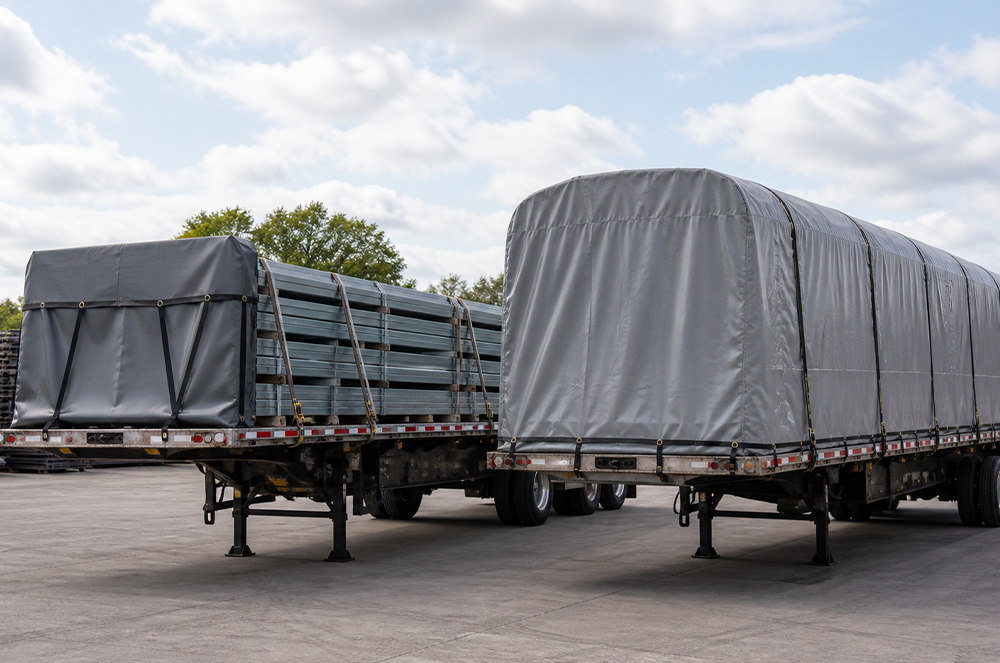 The right tarp depends on the type of freight being transported and the level of protection required.
When to Choose a Smoke Tarp
Smoke tarps are recommended when:
- Only front-end protection is needed
- Cargo is already partially protected
- Drivers want lighter, easier-to-handle covers
- The shipment is less vulnerable to weather exposure
When a Regular Tarp Is the Better Choice
Regular tarps are preferred when:
- Cargo requires full waterproof coverage
- Long-distance hauling is involved
- Freight is sensitive to moisture or UV exposure
- Complete load protection is necessary
Can Smoke Tarps and Regular Tarps Be Used Together?
Many trucking companies combine both tarp types:
- Smoke tarps protect the front section
- Full-size tarps cover the remaining cargo
This combination improves overall freight protection and reduces damage risks during transportation.
Choosing the Right PVC Tarpaulin Material
When selecting tarp materials, consider:
- Fabric weight (GSM)
- Tensile strength
- UV resistance
- Cold crack resistance
- Waterproof performance
High-quality PVC tarpaulin fabric can significantly improve tarp durability and transportation reliability.
IV.Material and Design Factors That Affect Cargo Coverage
Tarp performance depends heavily on material quality and structural design.
PVC-Coated vs Vinyl Laminated Tarps
PVC-coated tarpaulins generally provide:
- Better abrasion resistance
- Longer service life
- Stronger adhesion between layers
Vinyl laminated tarps may offer:
- Lower cost
- Lighter weight
- Basic waterproof protection
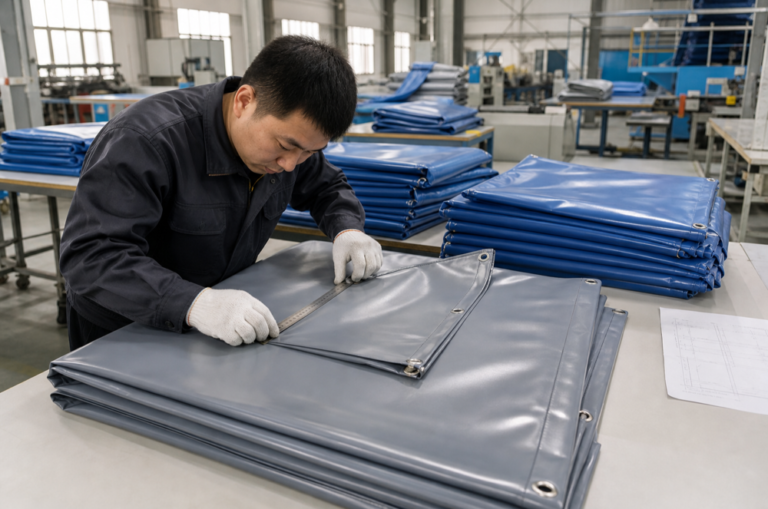
Importance of Reinforced Seams and Webbing
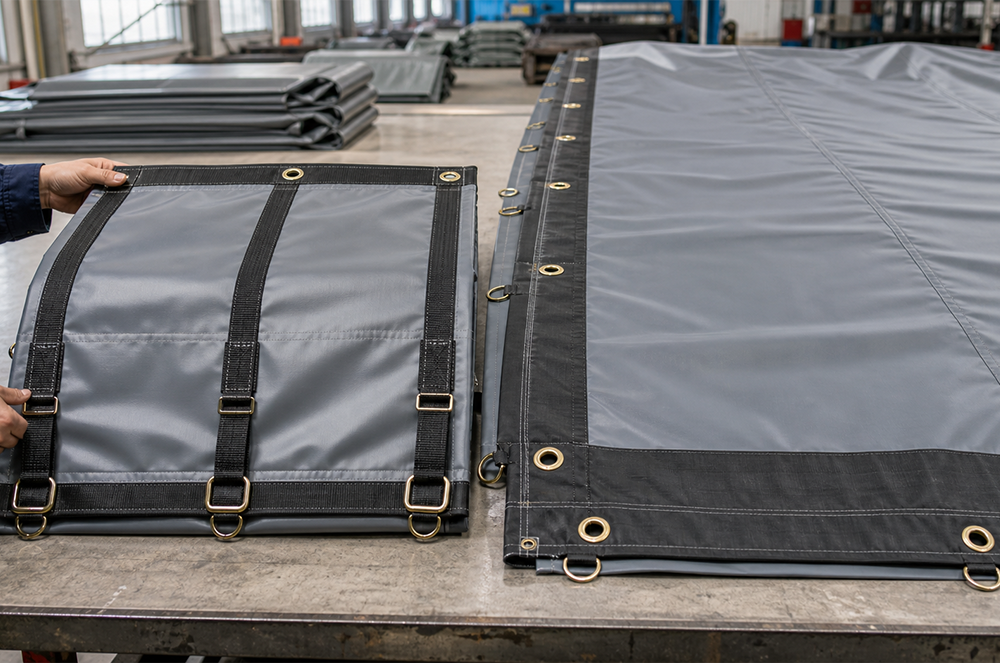
Heavy-duty transportation tarps should include:
- Reinforced hems
- Heat-sealed seams
- Strong webbing
- Rust-resistant D-rings
These features improve durability under high wind and tension conditions.
 Weather Resistance and UV Protection
Outdoor transportation requires tarps that can withstand:
- Intense sunlight
- Heavy rain
- Snow and freezing temperatures
UV-resistant PVC tarpaulin materials help extend product lifespan and reduce cracking or fading.
Custom Sizes and OEM Tarp Manufacturing
Many logistics companies prefer custom tarps designed for:
- Specific trailer dimensions
- Specialized cargo shapes
- Industry-specific applications
Professional PVC tarpaulin manufacturers can provide OEM and customized tarp solutions for different transportation needs.
V.Conclusion
Both smoke tarps and regular tarps play important roles in cargo transportation. Smoke tarps focus on front-end protection and ease of handling, while regular tarps provide complete cargo coverage for demanding transportation conditions.
Choosing the right tarp depends on your cargo type, transportation distance, weather exposure, and operational requirements. Investing in high-quality PVC tarpaulin materials can improve cargo safety, extend tarp lifespan, and reduce long-term transportation costs.