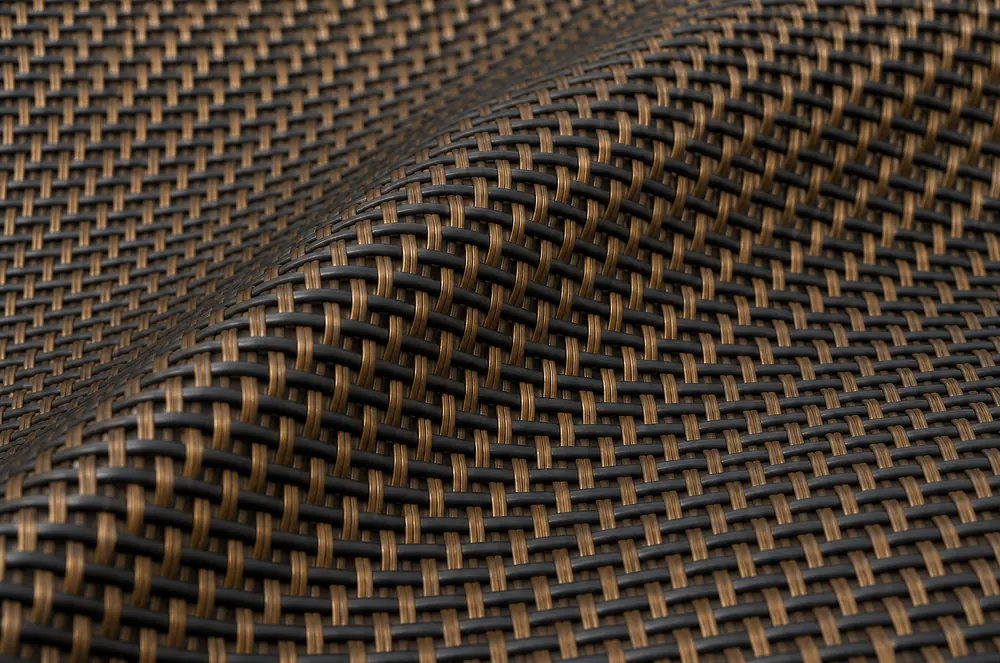
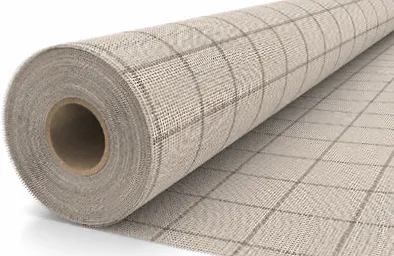
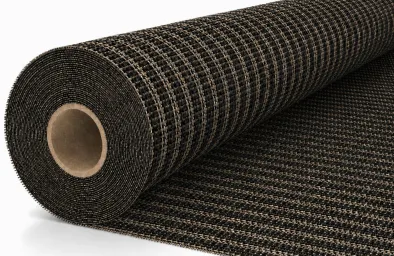
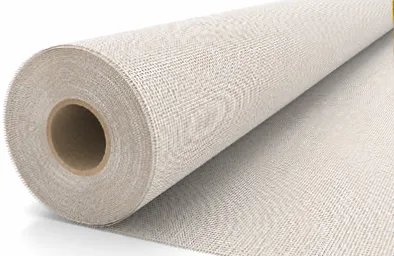
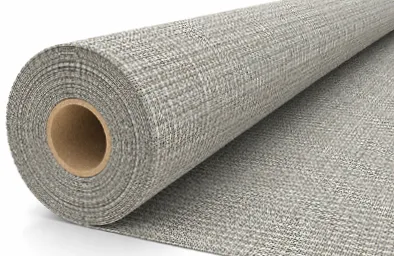
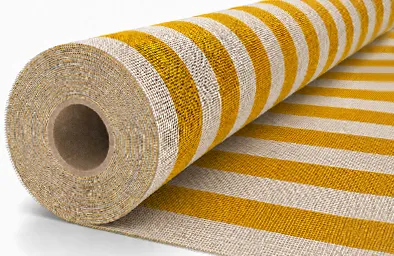
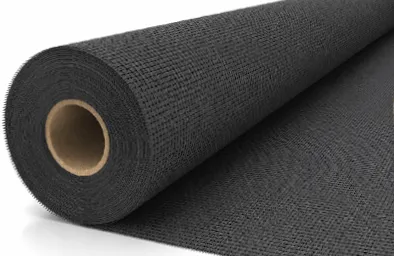
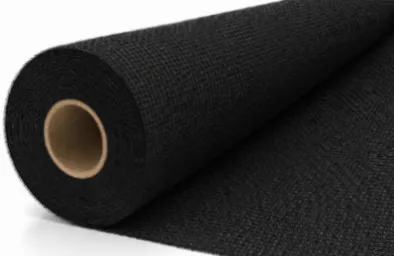
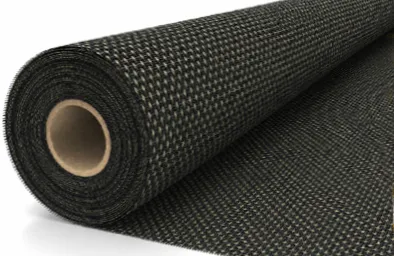
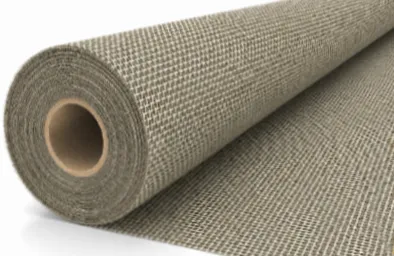
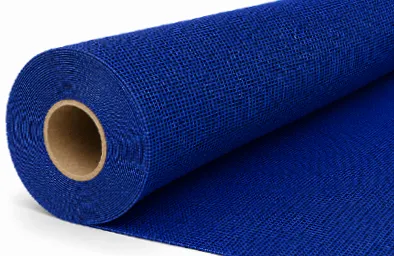
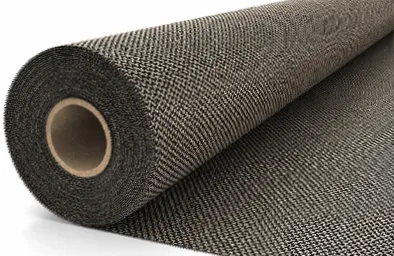
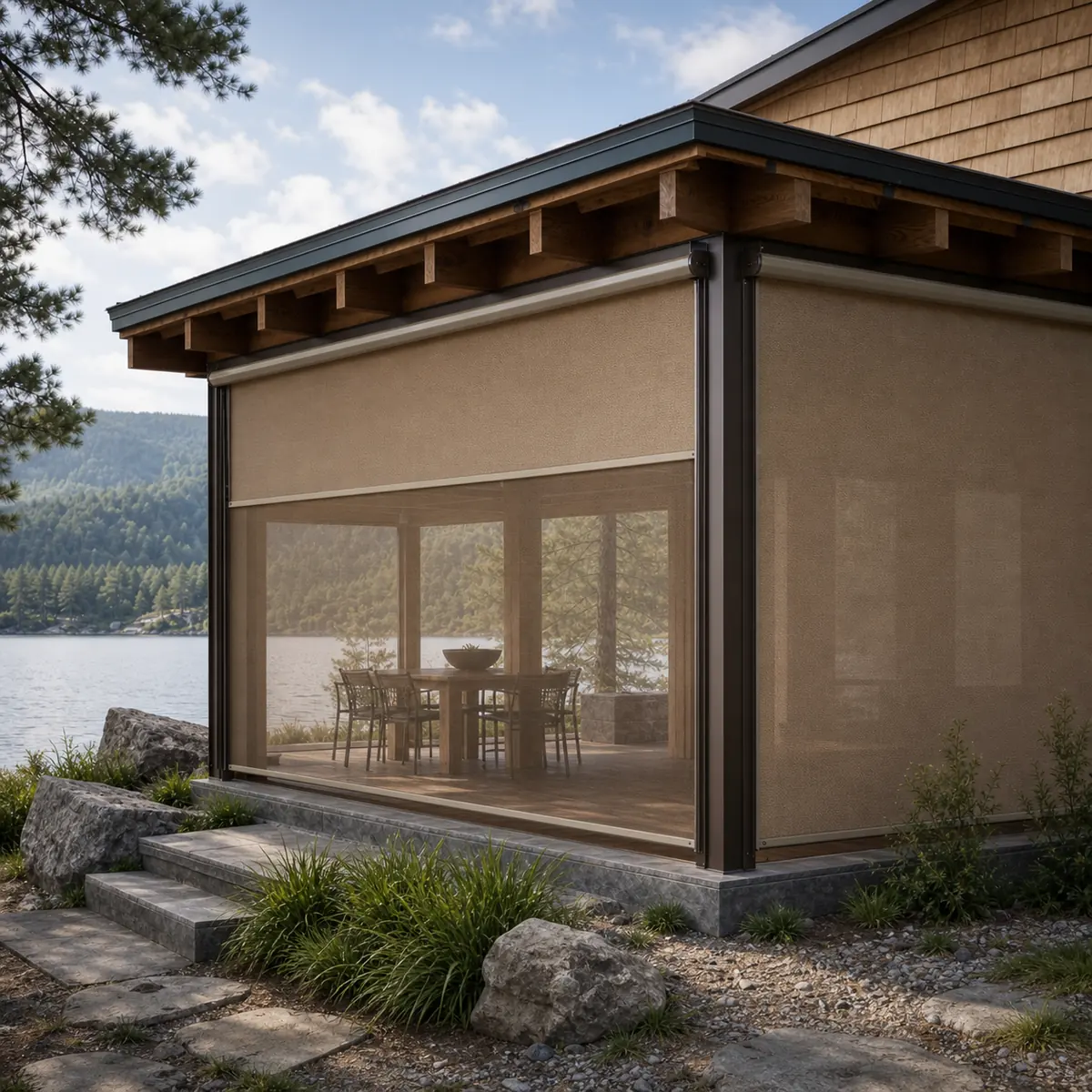
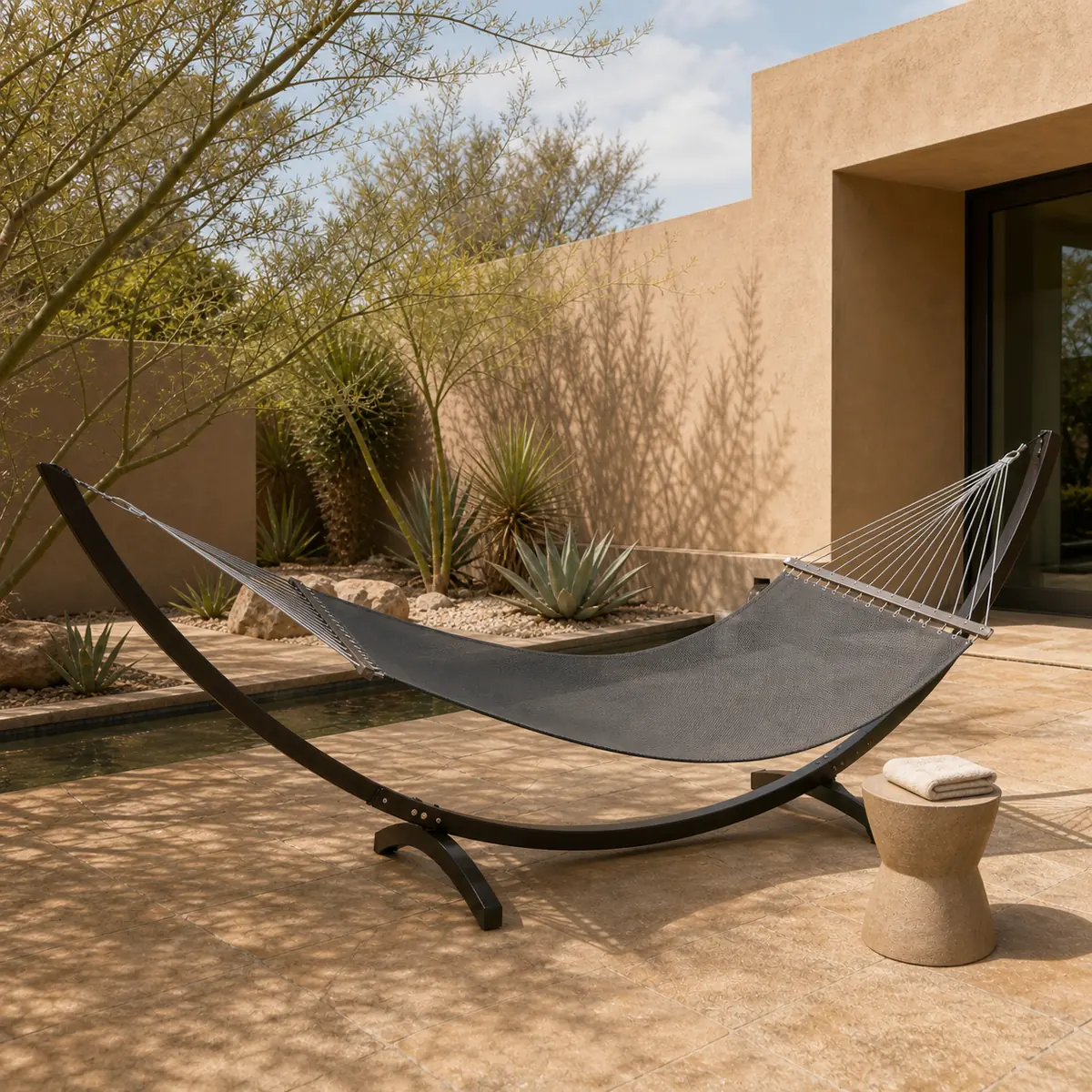
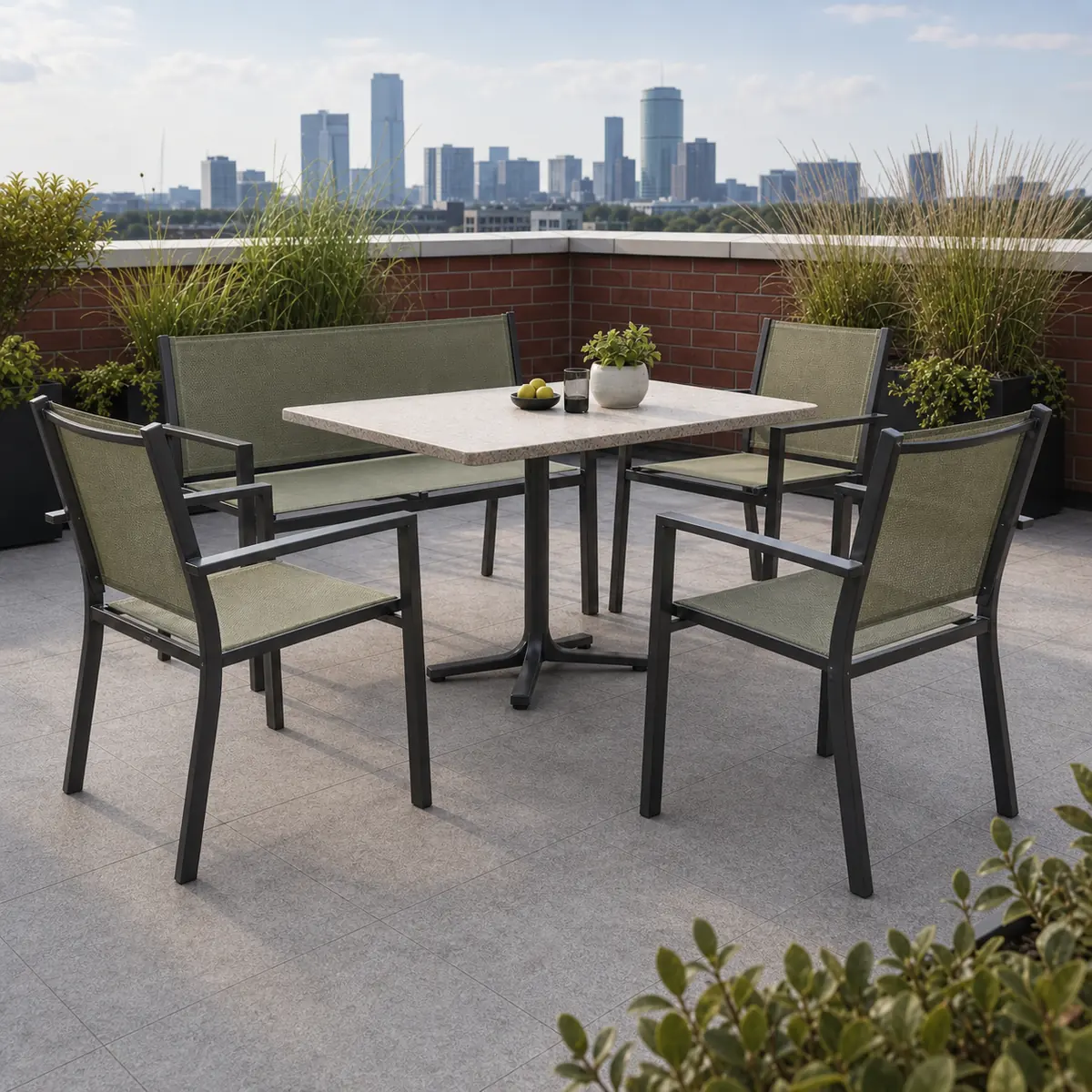
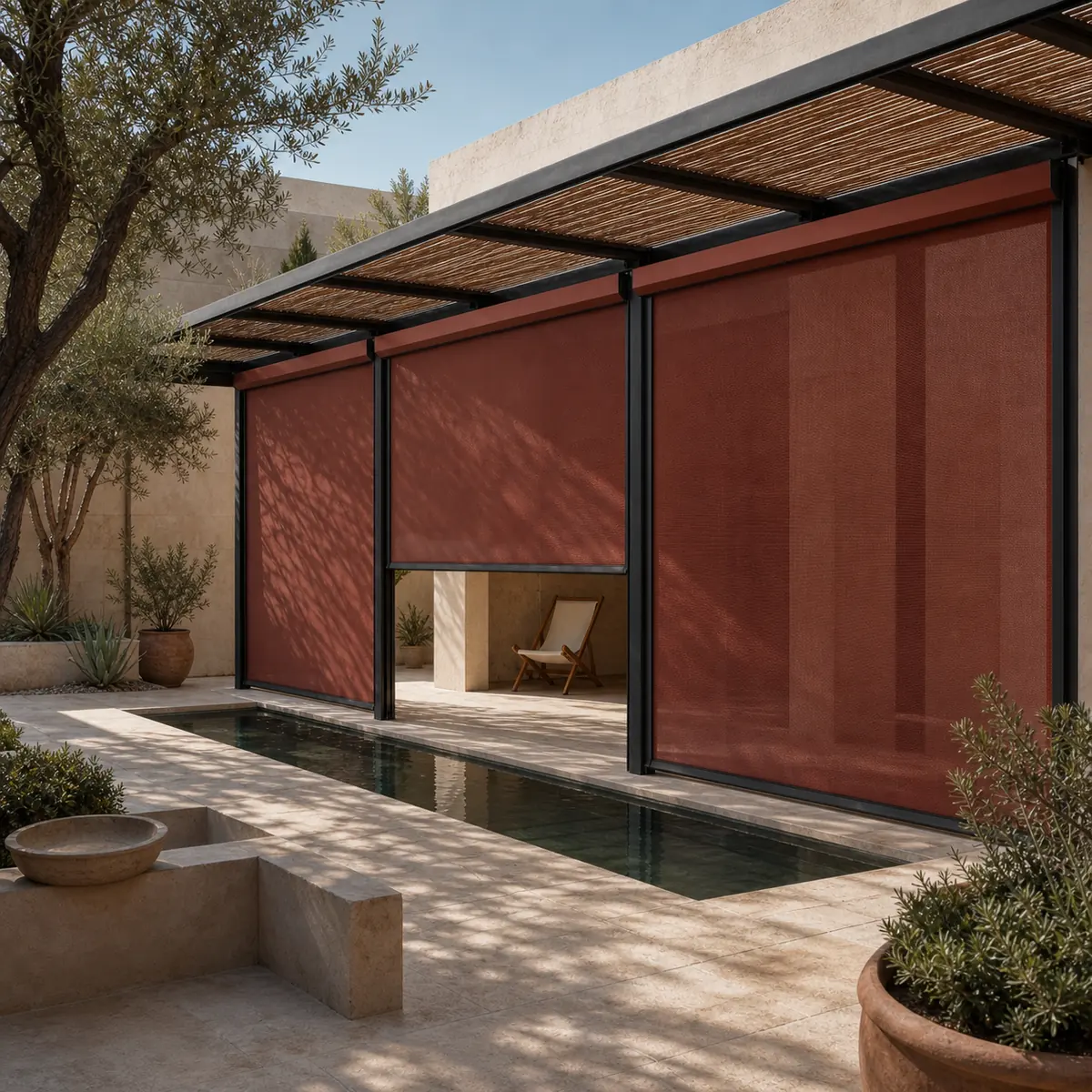
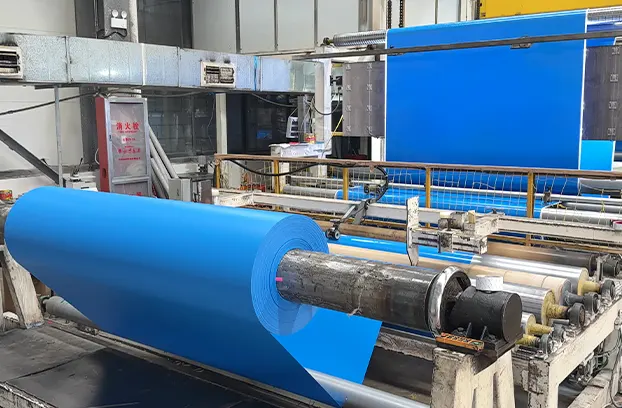
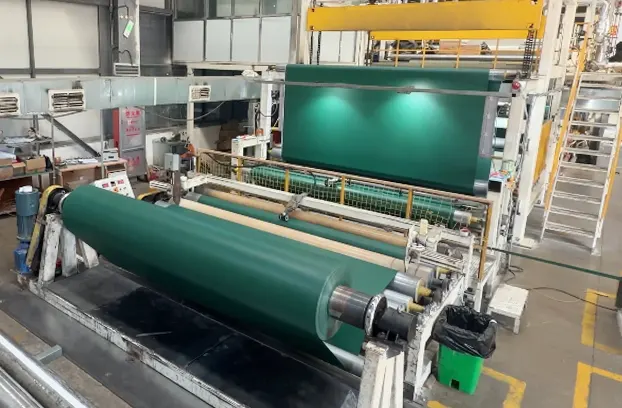
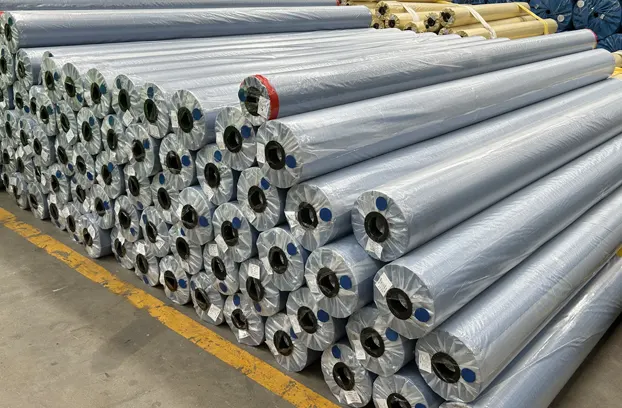
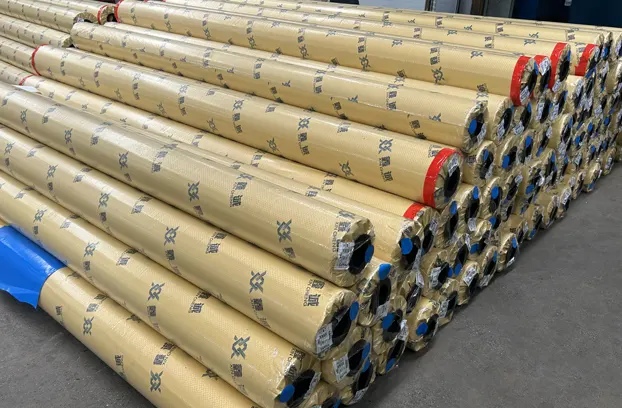
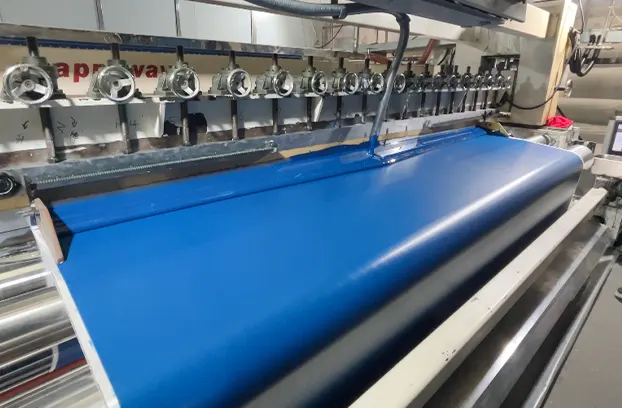
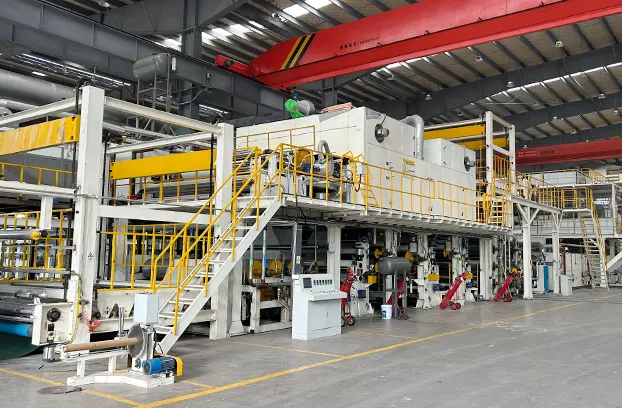
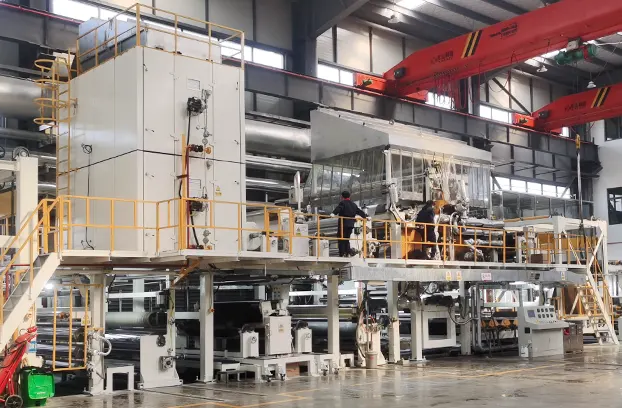
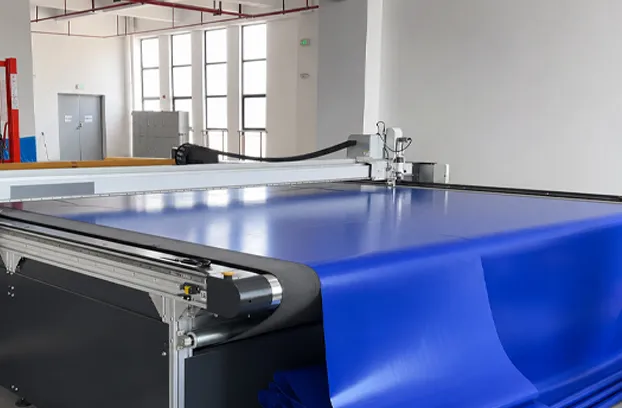
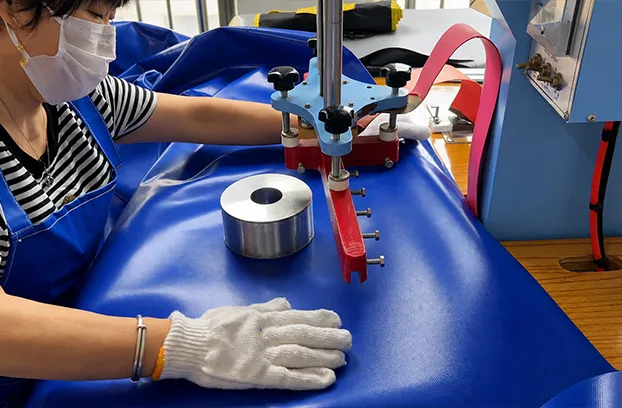
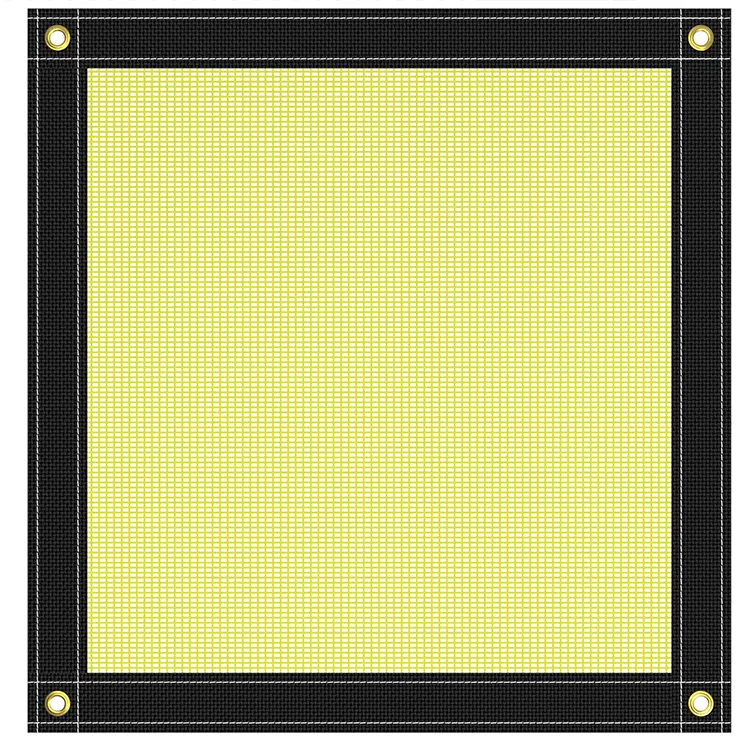
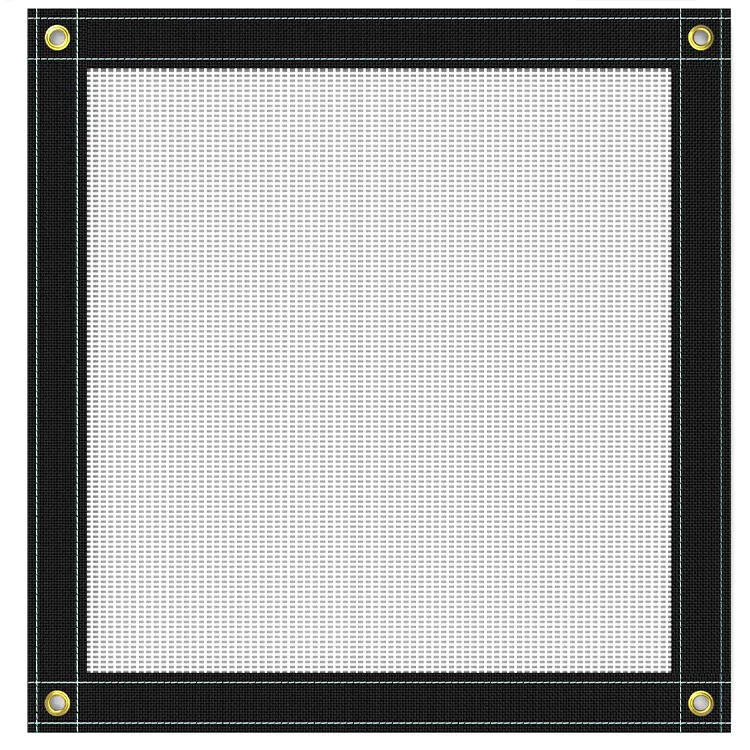
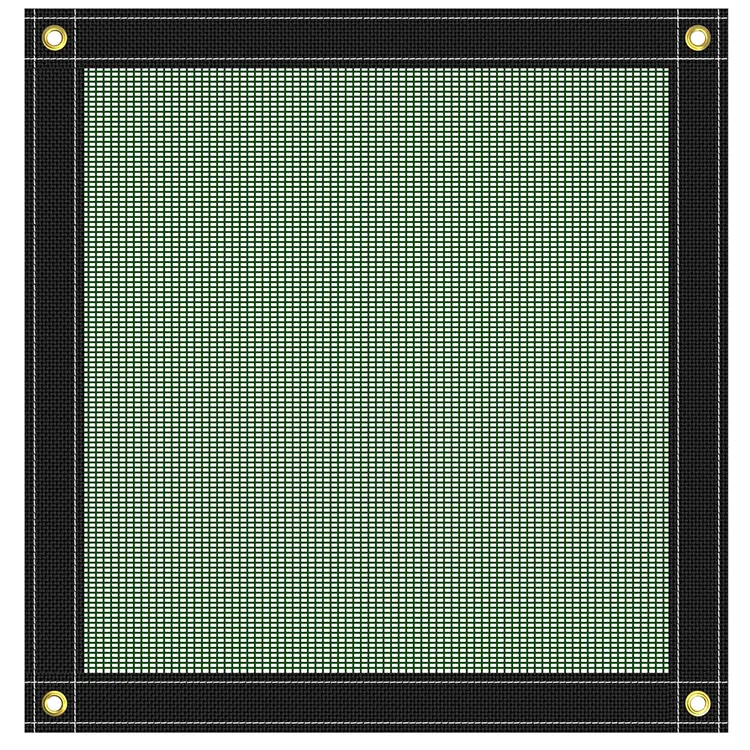
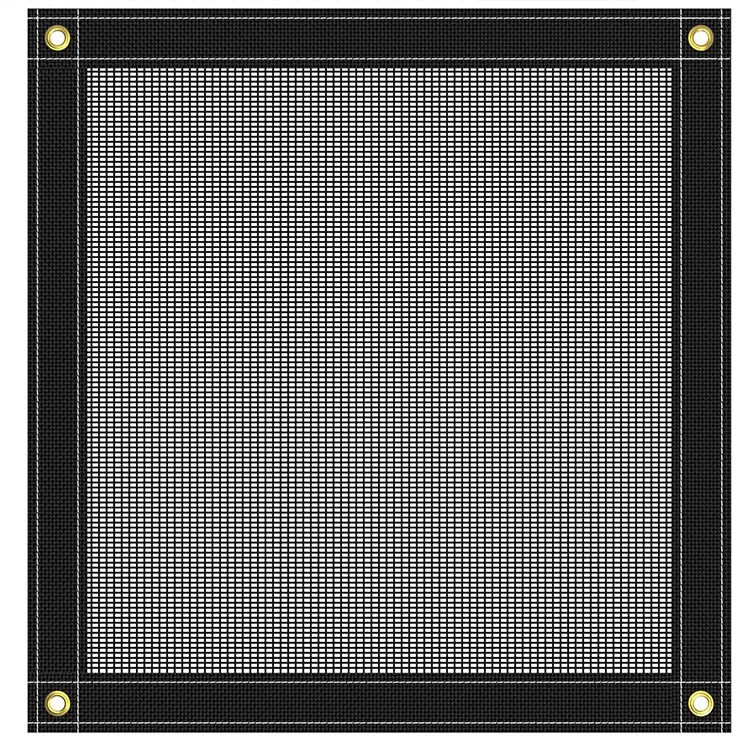
Textilene fabric is commonly used as a market term for open mesh woven from PVC-coated polyester core yarns. For manufacturers, the buying decision is not the name alone: yarn coverage, weave, open area, roll weight, width, color and downstream sewing or joining behavior must match the finished product. LonaTarp supplies made-to-order mesh rolls for outdoor furniture, solar-screen and industrial mesh production. We sell roll material, not replacement chair panels or retail cut lengths. Roll Materials: MOQ 5,000 m².
Trademark note: TEXTILENE® is a trademarked PVC-coated polyester fabric name of Twitchell Technical Products. LonaTarp is not affiliated with or authorized by Twitchell.
Need to confirm whether this mesh fits your product?Send the finished-product use, required opening or shade level, roll width and expected quantity.
Request a material review.
Start With the Yarn and Weave, Not the Trade Name
The word Textilene does not give a production team enough information to approve a roll. A workable purchase description starts with polyester core yarn, PVC coverage around the yarn, warp-and-weft construction, finished width and the opening that remains after weaving and heat setting.
Buyers also use textilene mesh fabric, textilene mesh and textilene material for closely related products. The terms may point to the same material family, but they do not prove that two rolls have the same yarn diameter, pick count, weight, stiffness, open area or tensile behavior. Ask the supplier to state the construction behind the name, then approve an actual sample.
Pattern labels such as 1×1, 2×1, 2×2, 6×6 or 8×8 are useful starting points, not complete specifications. Different suppliers may count yarns or describe patterns differently. Before comparing quotations, place the notation beside yarn diameter or denier, ends and picks per agreed unit, open-area target, finished width, weight tolerance and a reference swatch.
Open Area Changes Four Parts of the Finished Product
Open area is not simply a “more open or less open” choice. It changes how the finished product breathes, drains, shades, supports a load and looks through the mesh. The correct balance depends on what the converter is making.
| Buyer decision | More open construction generally favors | Denser construction generally favors | What to verify |
|---|
| Air and water passage | Faster ventilation and drainage | Lower airflow and slower drainage | Open area, yarn size and installed angle |
| Shade and privacy | More visibility and less shading | More visual screening and shading | Project shade/visibility target, not only a pattern name |
| Seating or panel support | Lower material contact and potentially more local yarn stress | More yarn contact and a firmer surface | Frame span, tension, edge attachment and load test |
| Handling and fabrication | Often easier to see alignment and stitch paths | May feel stiffer and carry more material at folds or seams | Cutting, sewing, edge and joining trial |
A higher GSM does not automatically solve a wrong opening. Weight may increase because of yarn size, PVC amount or weave density, while the finished-product behavior still depends on the construction and how it is tensioned. For an RFQ, state the performance task first and use GSM as one controlled variable, not the only quality grade.
Choose the Construction Route by What You Manufacture
Sling and Tensioned Outdoor Furniture
For sling chairs, loungers and tensioned panels, the mesh becomes part of the load path. The manufacturer should confirm frame span, installed tension, edge or spline method, repeated sitting load, abrasion points and the direction in which the fabric is cut. A decorative screen sample should not be approved for seating merely because the color and weave look similar.
Solar Screens and Shade Panels
For a solar screen, opening and color influence visibility, shading and visual comfort. The final result also depends on panel dimensions, mounting tension, orientation and exposure. Do not copy a competitor’s “80%” or “90%” branded series number into an RFQ for a different material. State the required shade or visibility outcome and the test or sample method used to approve it.
Industrial Screens, Partitions and Mesh Components
Industrial mesh products may prioritize airflow, debris control, visibility, cleanability or print appearance. In these cases, the edge, attachment spacing and contact with equipment can be more important than a furniture-style hand feel. Provide the actual part drawing and expected stress points.
If the project needs ordinary PVC-coated mesh for tarps, fencing or printable screens rather than a Textilene-style furniture or solar-screen construction, compare our vinyl mesh and PVC mesh fabric rolls instead. If the purchase object is a fabricated cover rather than roll material, use the custom mesh tarp route.
Prove Fabrication Compatibility on the Actual Weave
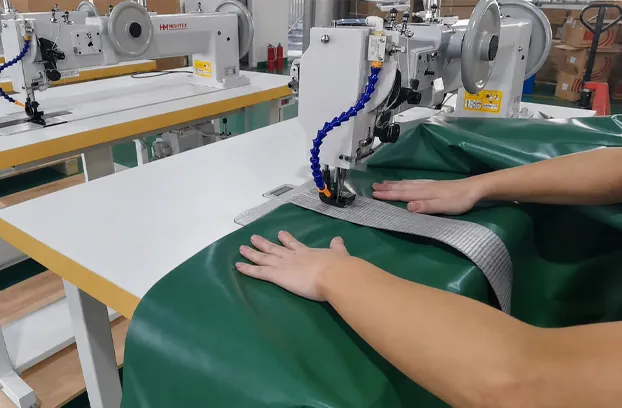
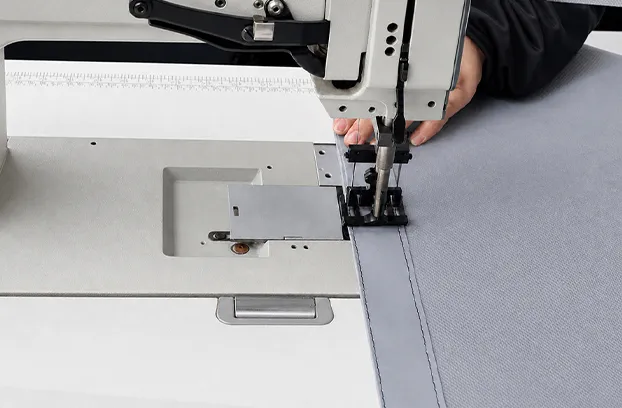
Cutting, sewing and joining cannot be approved from the material name. A more open weave leaves fewer yarns around a cut edge; a denser construction changes needle penetration, fold thickness and seam stiffness. The correct process depends on the selected yarn, PVC coverage, pattern and edge design.
Before bulk production, run the intended operation on the approved construction:
- cut in the production direction and check edge stability;
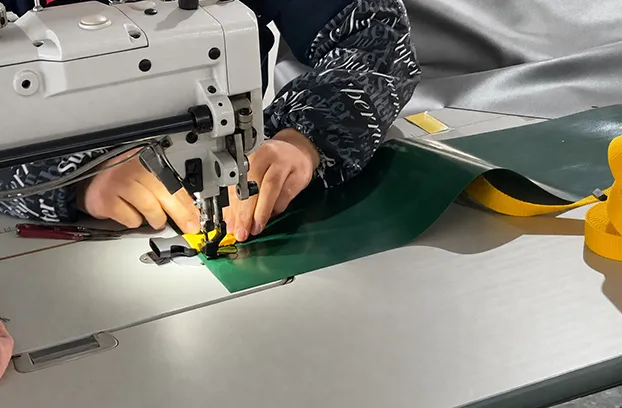
- sew with the planned needle, thread, stitch length and seam allowance;
- evaluate folds, splines, pockets or reinforcement where the finished product transfers tension;
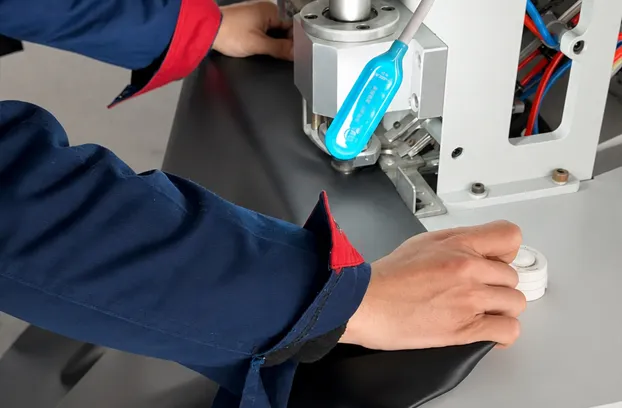
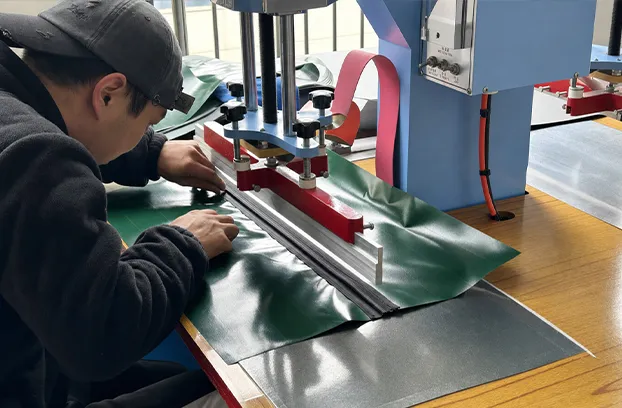
- trial heat or high-frequency joining only when the chosen construction and seam design support it;
- inspect yarn exposure, coating damage, seam distortion and pull-out after processing.
A successful trial on one weave does not authorize every Textilene-style roll. Record the tested sample code, process settings and acceptance result so the factory and converter are reviewing the same construction.
Need a mesh sample for your production line?Send the cutting, sewing or joining process, edge design and test method.
Request sample confirmation.
Translate Outdoor Claims Into Testable Requirements
Outdoor durability is a system result, not one adjective. PVC formulation, pigment, yarn coverage, weave, color, tension, cleaning chemicals, temperature, moisture and exposure all influence service behavior. A material described as UV resistant or mildew resistant still needs the exact target method, sample structure and acceptance limit when the claim matters to the project.
Use the finished product to define the verification plan:
| Requirement | Better purchasing question |
|---|
| UV and color retention | Which exposure/test method, color-change limit and target market apply to this exact color and construction? |
| Mildew requirement | Is the buyer testing the material surface, a treated formula or the finished product, and under which method? |
| Dimensional stability | What width, length, heat or tension tolerance is acceptable after processing? |
| Cleaning | Which cleaners, concentration, contact time and rinse method will the customer use? |
| Durability | Which tensile, tear, abrasion or cyclic-load method represents the actual product? |
The openings make the mesh breathable and allow water to pass through, but they also mean the fabric is not a continuous waterproof barrier. “Water resistant yarn surface” and “waterproof finished panel” are different claims. If a product must contain water or stop rain, an open Textilene mesh is the wrong material route.
Lock the Approved Sample to the Bulk Roll
A sample is useful only when its identity can be carried into the purchase order. Keep the approved swatch with a written construction sheet, then define which properties are checked at incoming inspection and which require a test report.
A practical roll-material acceptance plan can include:
- Identity: sample code, color reference, weave notation and approved face/back appearance.
- Construction: yarn description, open-area or count method, nominal weight and finished width with agreed tolerances.
- Processing: cutting direction, sewing or joining trial and any edge requirement.
- Performance: only the tests relevant to the end use, with method, sample conditioning and acceptance limit.
- Roll control: usable roll length, joints, edge condition, winding, labels, packing and lot traceability.
- Batch approval: shade and appearance comparison under agreed lighting, plus retained reference material when needed.
This approach is more reliable than approving a color photo or a standalone GSM value. It also gives production and quality teams the same basis for handling a claim if a later roll behaves differently.
Global B2B Roll Supply, Not Local Yardage Retail
Buyers searching for textilene fabric for sale should first separate retail cut lengths from production rolls. LonaTarp works with manufacturers, importers and industrial fabric distributors that can specify a repeatable construction and purchase at roll-material scale. We do not operate as a local by-the-yard shop.
Queries such as textilene fabric Canada, textilene fabric UK, textilene fabric Australia and textilene fabric suppliers South Africa often return a mix of local dealers, replacement-material sellers and branded distributors. Our route is different: made-to-order global B2B supply from China. Before quotation, we review the destination, target market, required documents, packing, roll dimensions and test expectations. Local stock, local installation and country-specific approval are not implied.
For a quote, send:
- company and finished-product application;
- reference sample or required yarn/weave/open-area direction;
- target GSM or weight, usable width, color and surface expectation;
- cutting, sewing, spline, edge or joining method;
- total square meters, roll-length preference, packing and destination;
- target market, applicable test method or required report;
- requested sample stage and delivery target.
Roll Materials: MOQ 5,000 m². Samples are supported for structure and processing confirmation. A typical production lead time is about 15 days after the specification and order are confirmed; the final schedule depends on construction, quantity, color, testing, packing and the current production plan.
Ready to turn the material name into a controlled roll specification?Send the application, weave or opening target, weight, width, color, processing method, quantity, market and test requirements.
Request a Textilene fabric roll quotation.