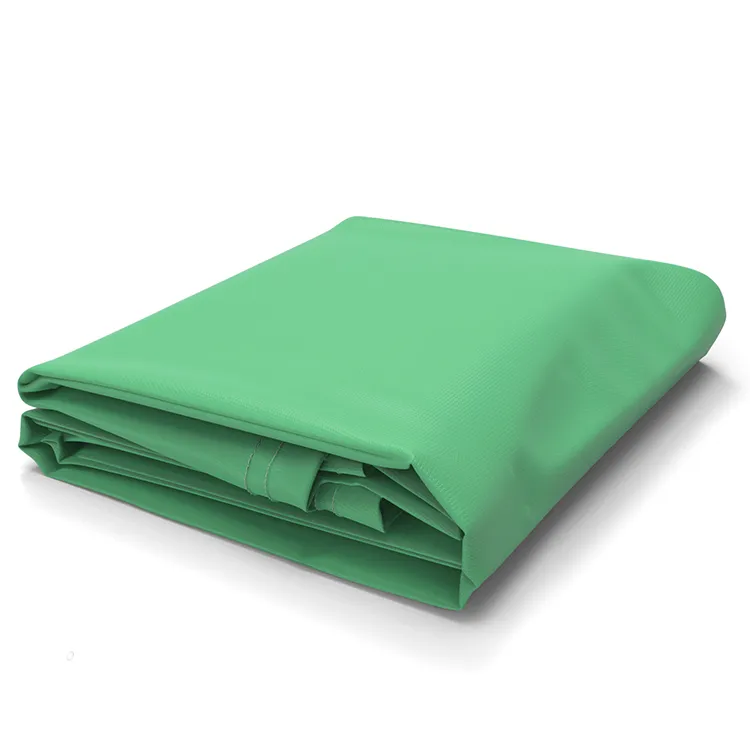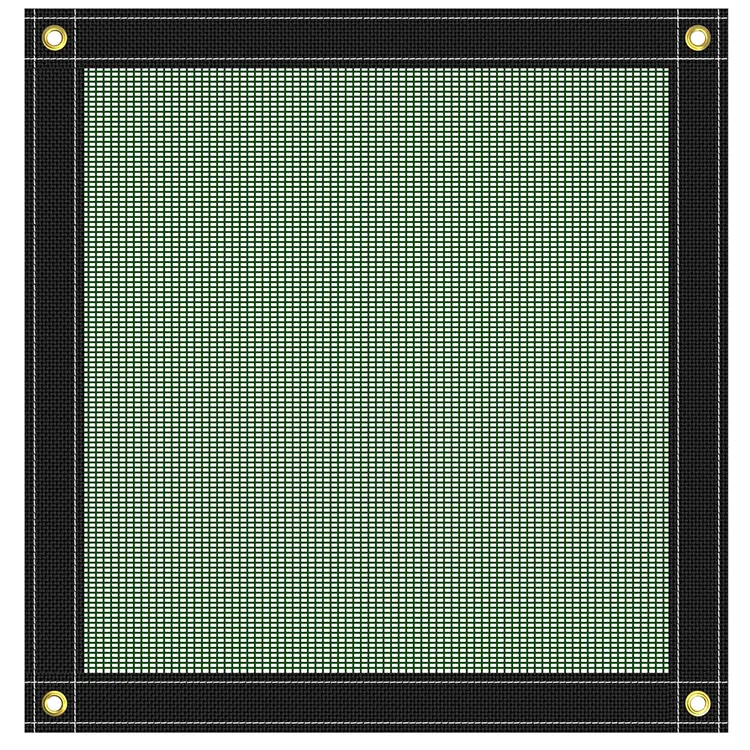
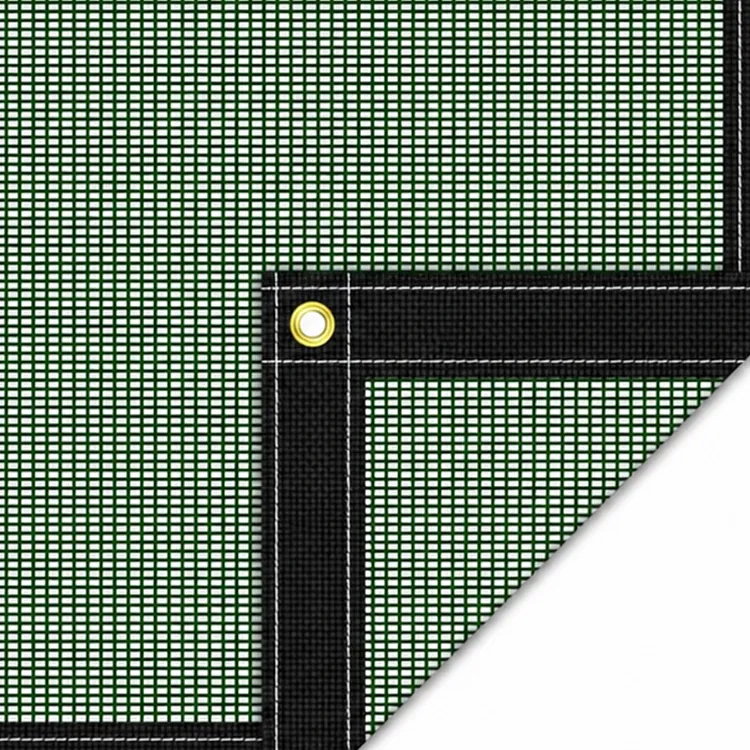
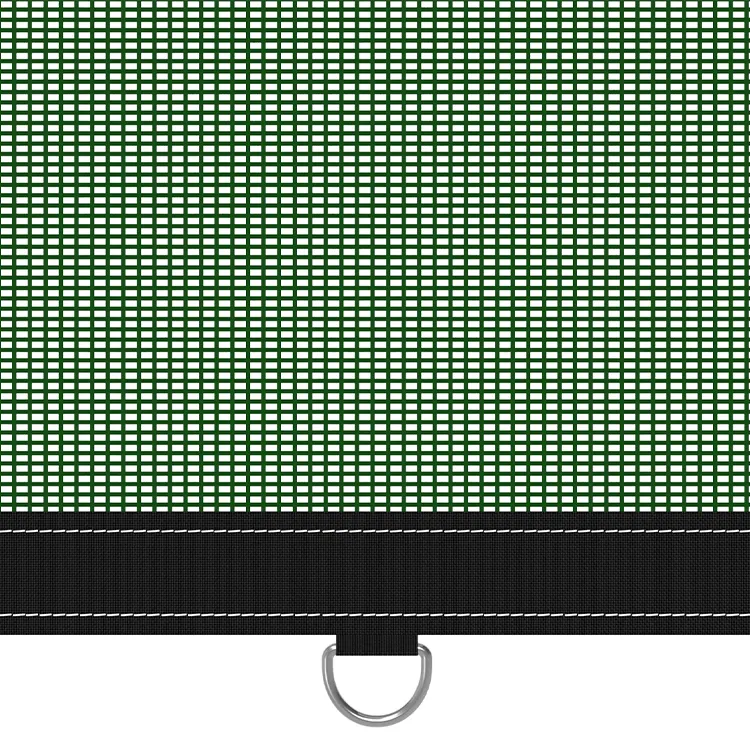
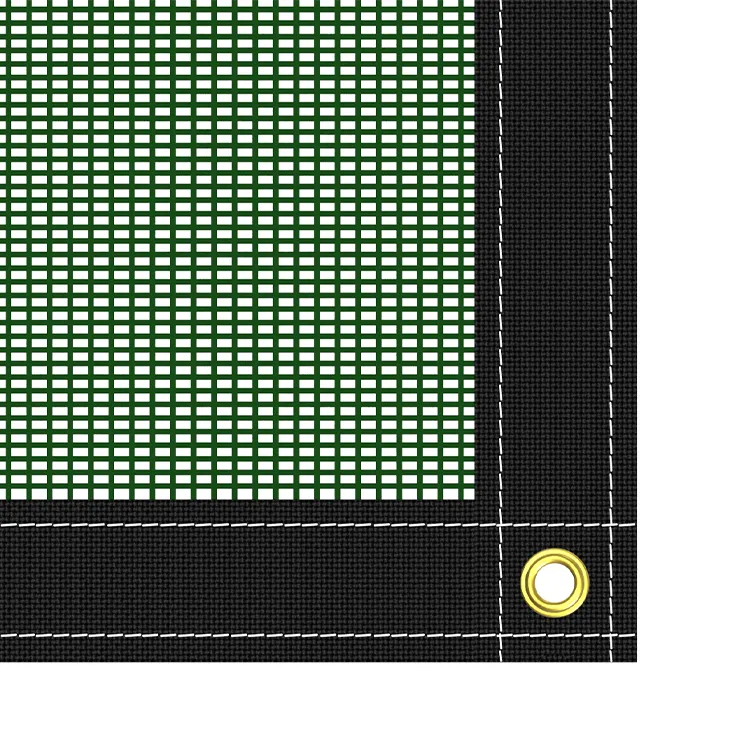
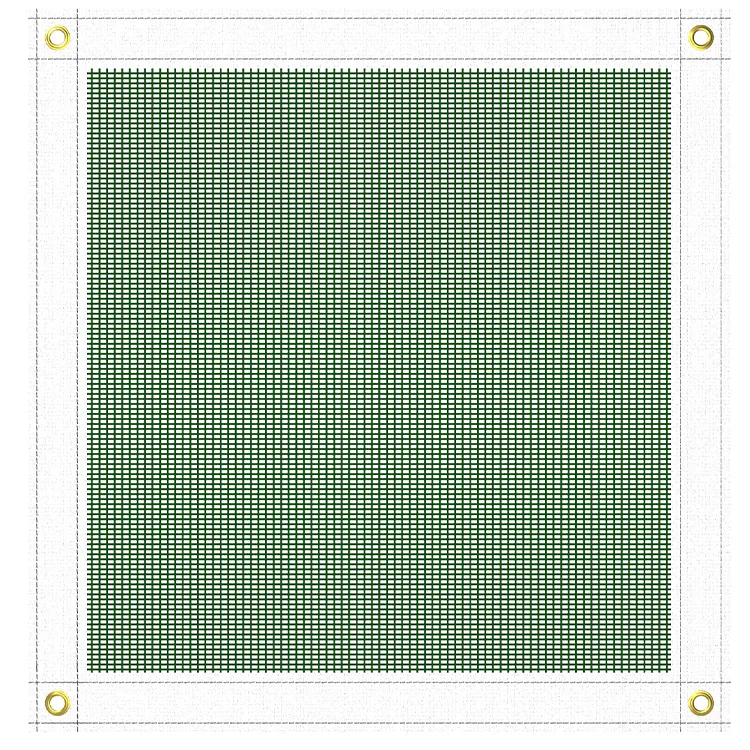


Green is not just a color choice when a shade mesh tarp will be used on a fence, nursery row, sports facility, storage yard or public-facing project site. It can make the cover blend into landscaping, reduce visual glare and look less industrial while still letting air pass through.
Green sun shade mesh tarps should be specified by what the green surface needs to do: soften the site appearance, provide shade, screen part of the view or match an existing outdoor color plan. After that, the buyer can choose mesh opening, shade target, UV exposure requirement, edge finishing and grommet layout.
Decide What Green Should Do on Site
A green sun shade mesh tarp should not be chosen only because the color looks familiar. In B2B projects, green often has a job. It can reduce the visual impact of storage yards, make a temporary partition less harsh, help nursery or agricultural areas look consistent, or create a calmer background for outdoor facilities.
If the project is close to landscaping, public walkways or retail garden areas, color consistency matters more than buyers often expect. Send the target green tone, acceptable color tolerance and whether the order needs repeat batches to match previous deliveries.
Match Shade Target With Airflow and Visibility
The right green shade mesh tarps should balance shade, airflow and visibility. A tighter mesh can give stronger screening and a calmer look, but it may catch more wind. A more open mesh can release wind better, but it may not reduce sunlight or visual exposure enough.
Project decision | What to confirm | What the wrong choice causes |
|---|---|---|
Site appearance | Target green tone, color tolerance, batch repeatability | Panels may look mismatched across a fence or project line |
Shade target | Shade level, sun direction, installation angle | Too open may not reduce glare; too dense may increase wind load |
Airflow | Mesh opening, open area, expected wind exposure | Poor wind relief can pull against edges and grommets |
Visibility control | Viewing distance, background color, privacy expectation | Too open may not screen; too dense may look like a solid barrier |
UV exposure | Outdoor duration, climate, color stability requirement | Color fading risk may be underestimated |
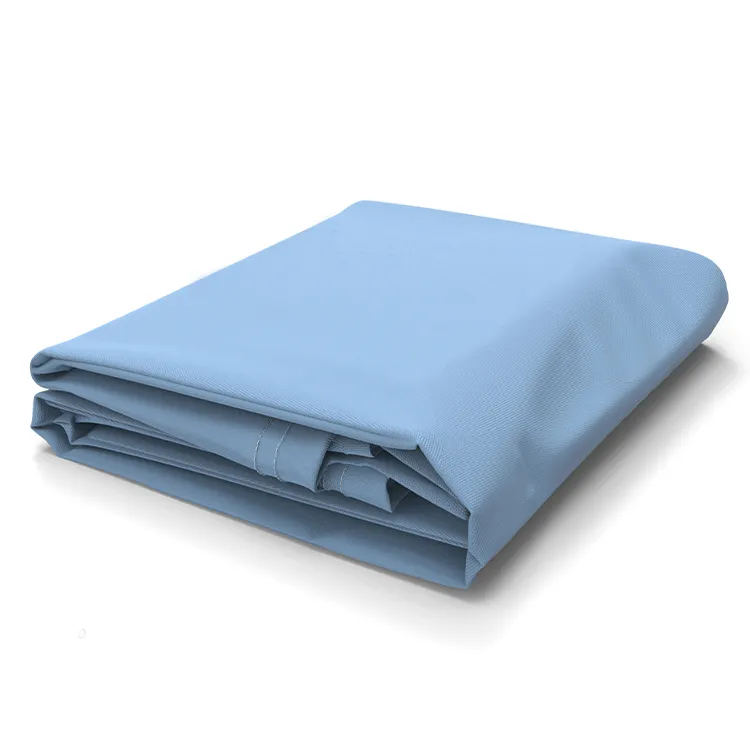
Packing plan | Folding, labels, cartons, pallets, OEM packing | Finished tarps may be hard to distribute or install consistently |
Green mesh tarps for outdoor shade should be checked by project layout, not by shade percentage alone. A panel used on a nursery row, a sports fence and a storage-yard screen may need different mesh density even if all three are green.
PVC Mesh Direction for Green Mesh Shade Tarps
Green mesh shade tarps are a better fit for repeat B2B orders when the material needs controlled color, coating consistency, sewing or welding compatibility and export packing. PVC mesh is part of LonaTarp's core product direction, so the discussion can include mesh opening, GSM, green tone, coating direction, edge finishing and packing.
PE or HDPE shade mesh may be discussed only as a sales option when the buyer needs a temporary or cost-sensitive shade screen direction. For LonaTarp, the stronger manufacturing discussion should stay with PVC mesh color control, coating consistency and finished-tarp processing.
Edge and Grommet Details for Green Shade Mesh Tarps with Grommets
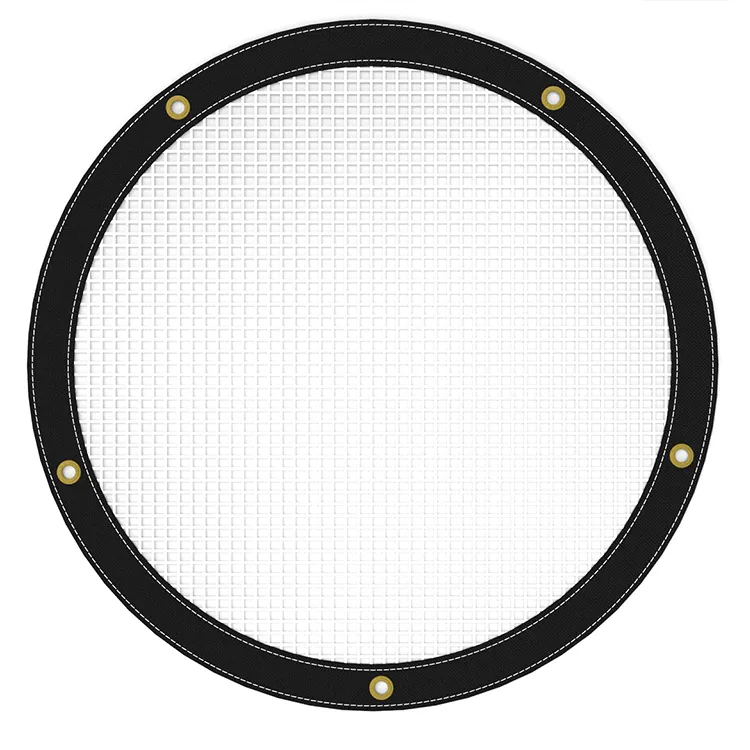
Green shade mesh tarps with grommets still need a stable edge structure. Outdoor shade panels may be pulled against fences, cable lines, frames or posts. If the edge is too light, the tarp can fail around the grommet row even when the center mesh looks acceptable.
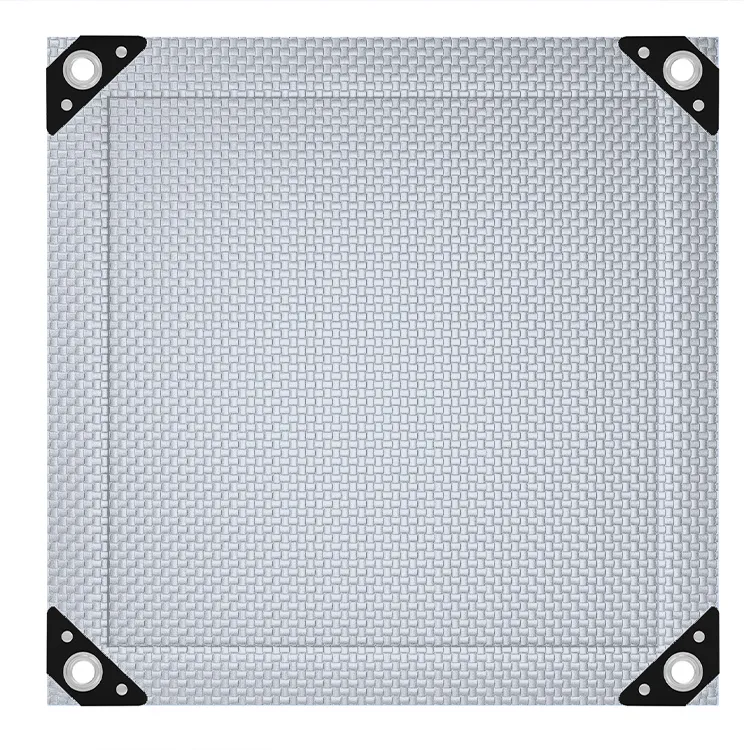
For edge construction, buyers can discuss sewn hems, welded hems, webbing reinforcement, rope edge, corner patches, metal grommets or plastic grommets. For long fence runs or repeated installation, the sample should be checked for edge thickness, grommet spacing, color appearance and the way the panel folds for packing.
Avoid These Green Shade Mesh Tarp Mistakes
The first mistake is treating all green shades as the same. A deep green, garden green or olive green can look very different after installation, especially across multiple panels. If the buyer needs a consistent project line, color tolerance and batch control should be discussed before production.
The second mistake is choosing dense mesh only for better privacy. A dense green privacy shade mesh tarp can screen more of the view, but it may also increase wind load. If the site is exposed, the buyer should confirm tie spacing, edge reinforcement and whether a more open mesh would be safer.
The third mistake is using UV claims as a simple outdoor-year promise. UV and color stability depend on pigment, coating formula, shade level, climate, rain, heat, pollution and installation stress. A UV resistant green shade mesh tarp should be discussed by requirement, sample and test method, not by a fixed lifespan promise.
Finished Tarps or Green Mesh Roll Material
Choose finished green sun shade mesh tarps when the order needs cut size, hems, grommets, labels, cartons and project-ready packing. Choose green mesh roll material when the buyer needs local fabrication, later cutting or stocking multiple panel sizes.
The quote path is different. Finished tarps need drawings, tolerance, edge finishing, grommet spacing, color requirement and packing details. Roll orders need roll width, roll length, GSM, mesh opening, green tone and pallet packing. If the same project needs both, send the finished panel layout and expected roll use together.