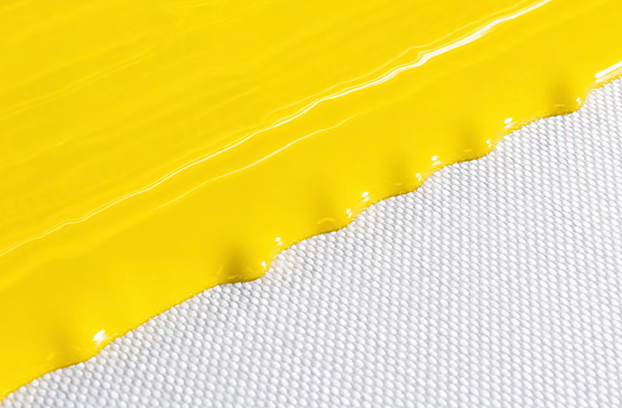
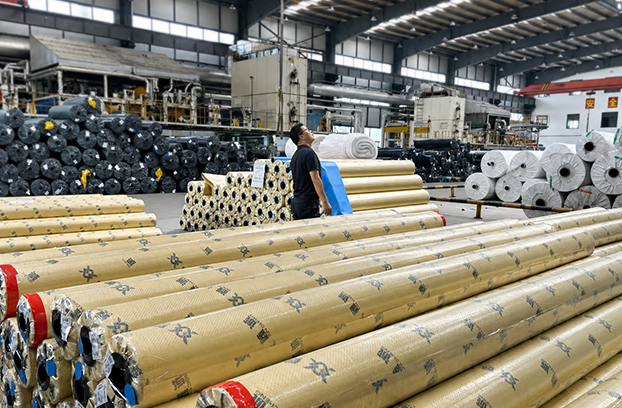
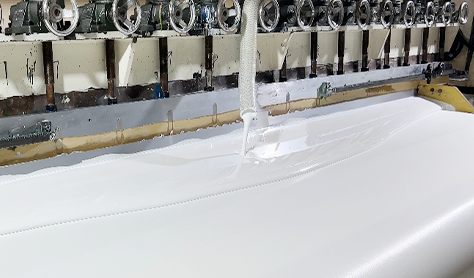
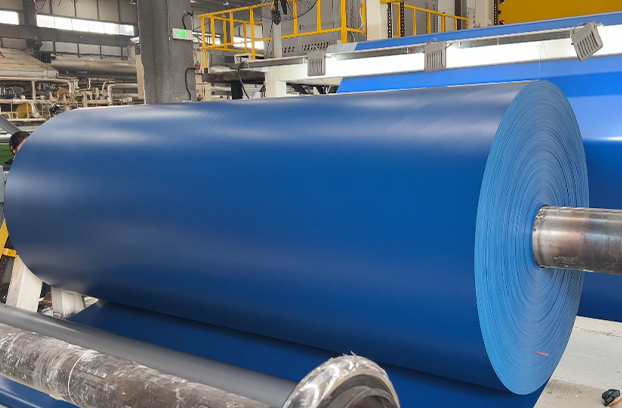
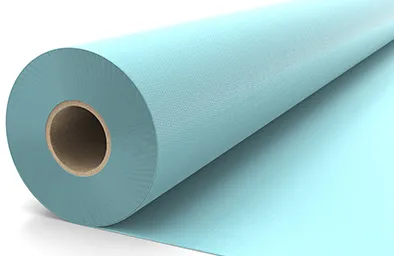
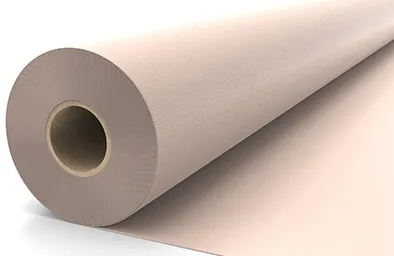
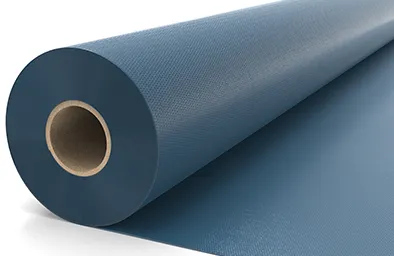
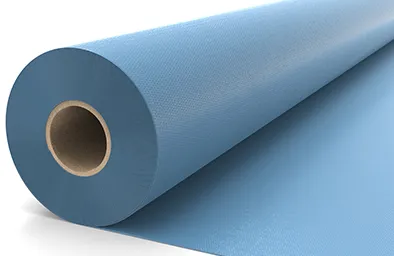
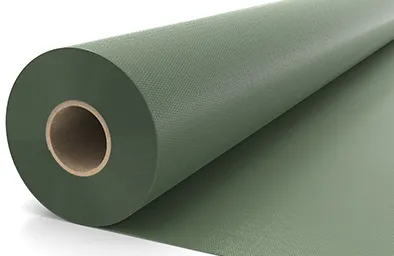
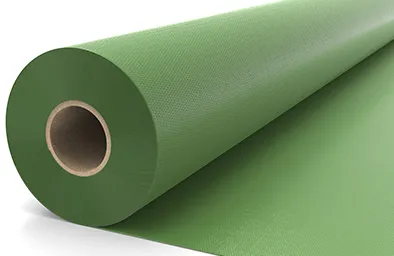
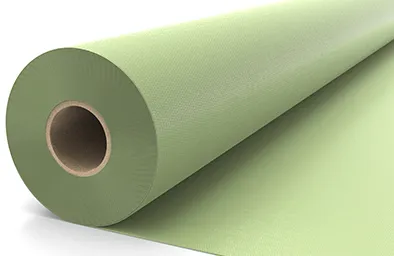
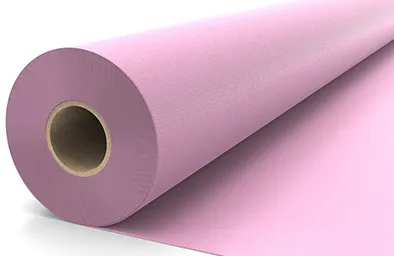
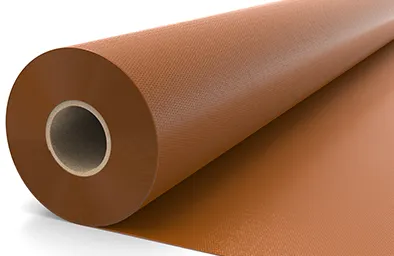
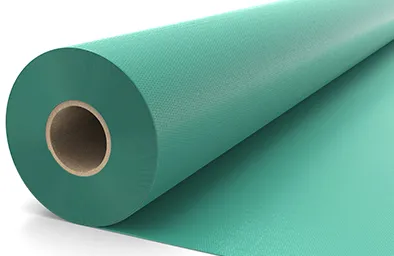
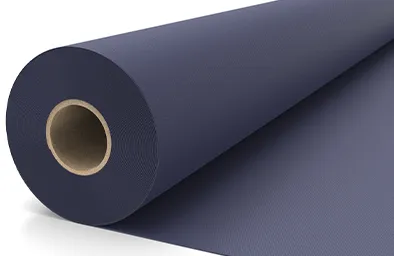
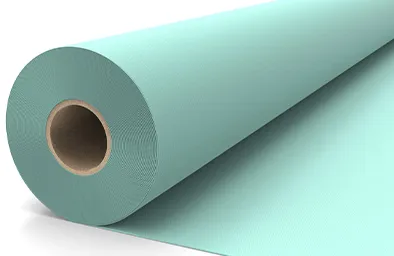
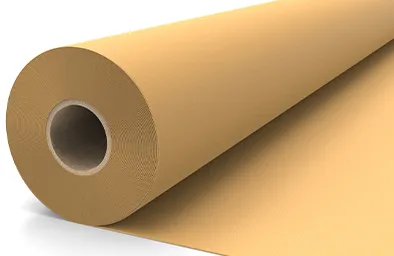
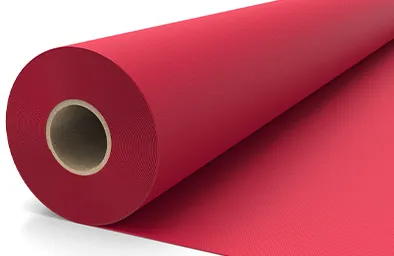
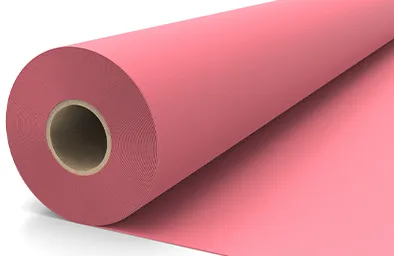
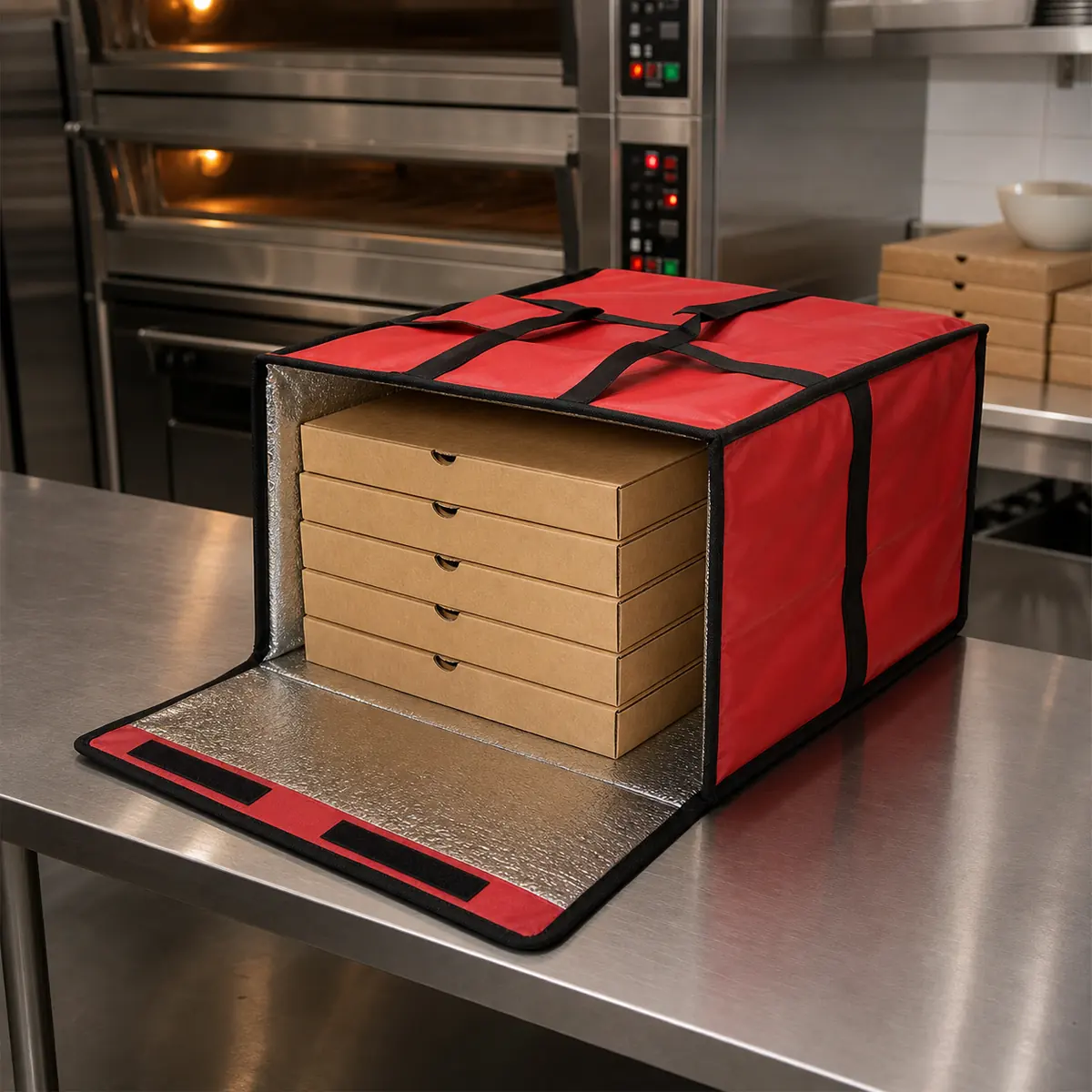
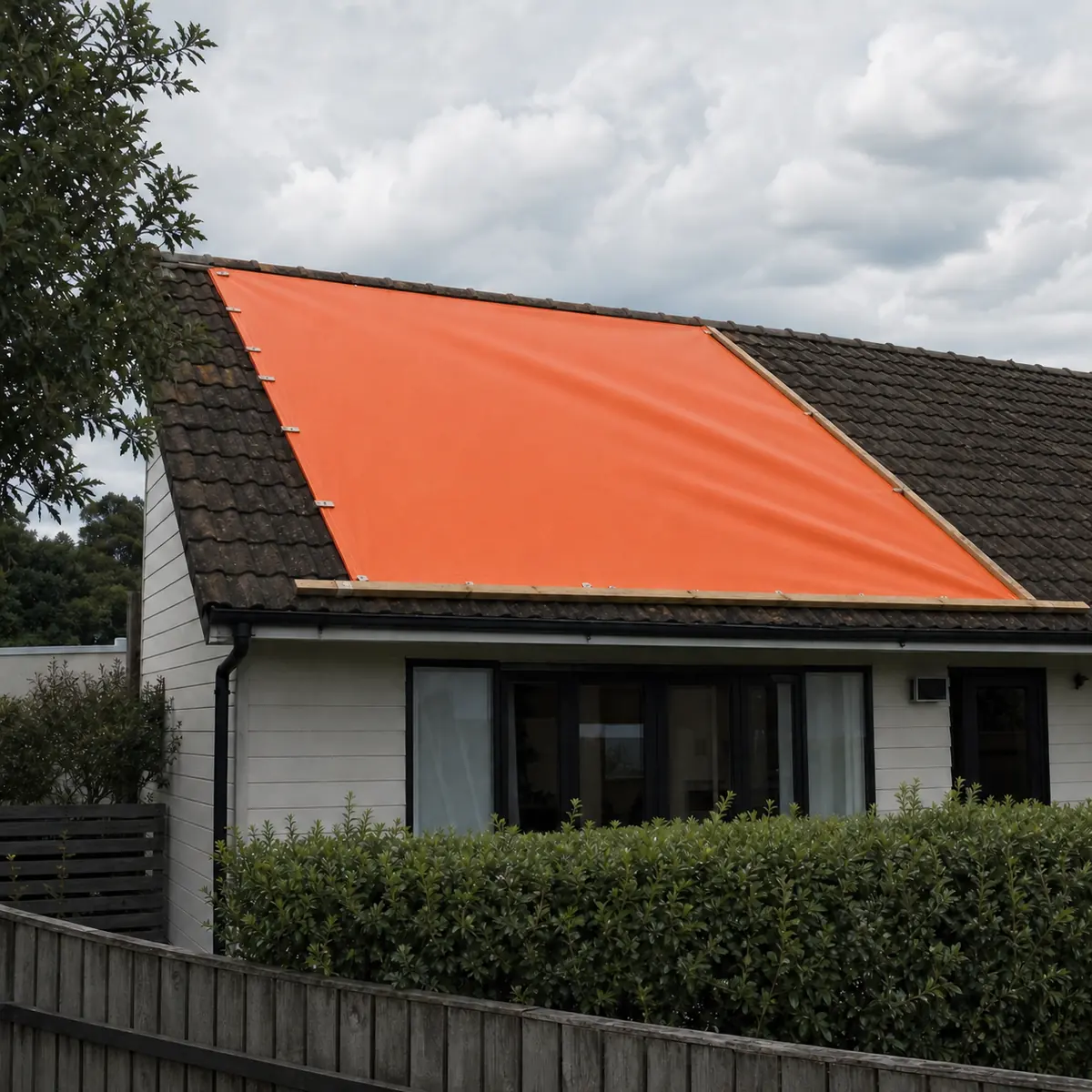
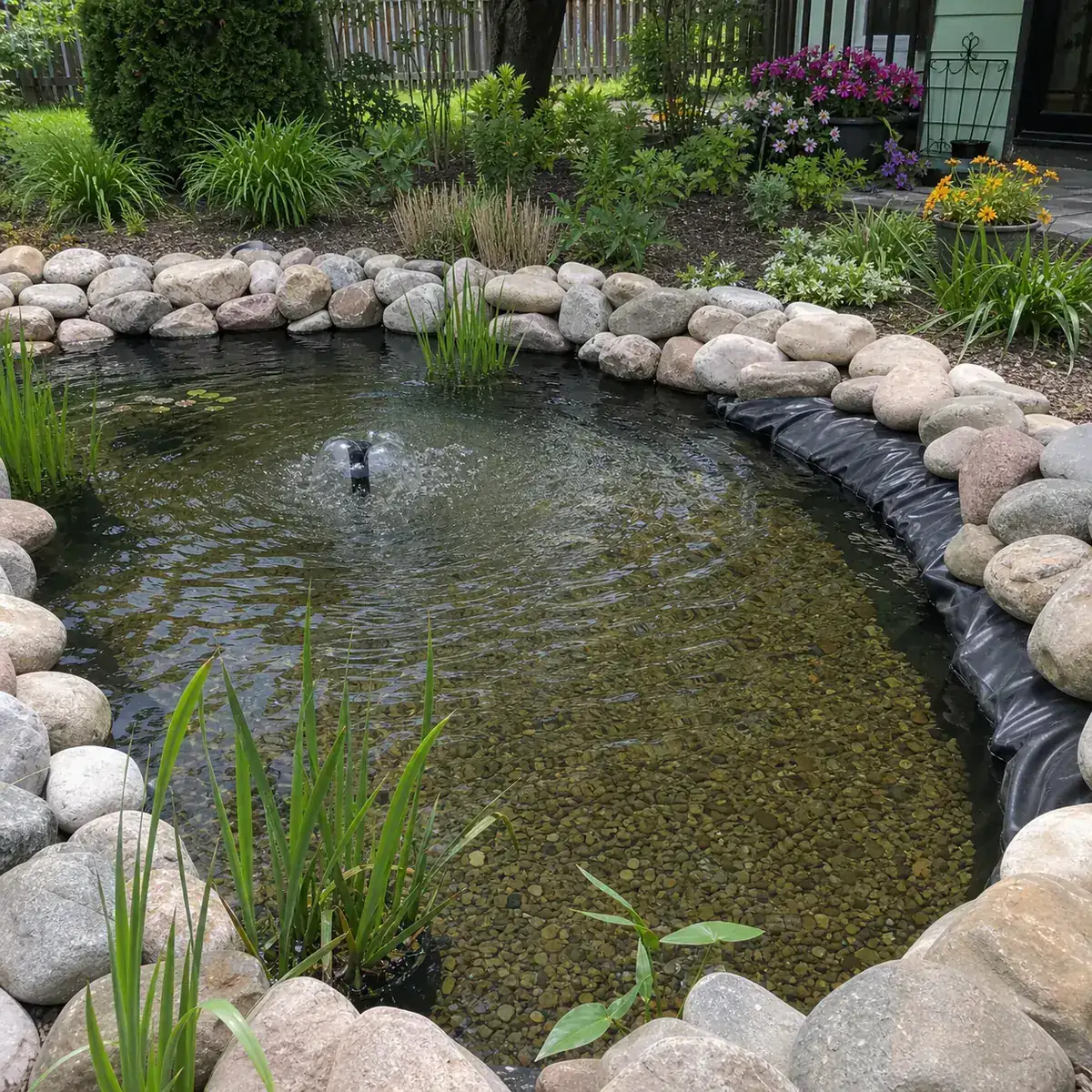
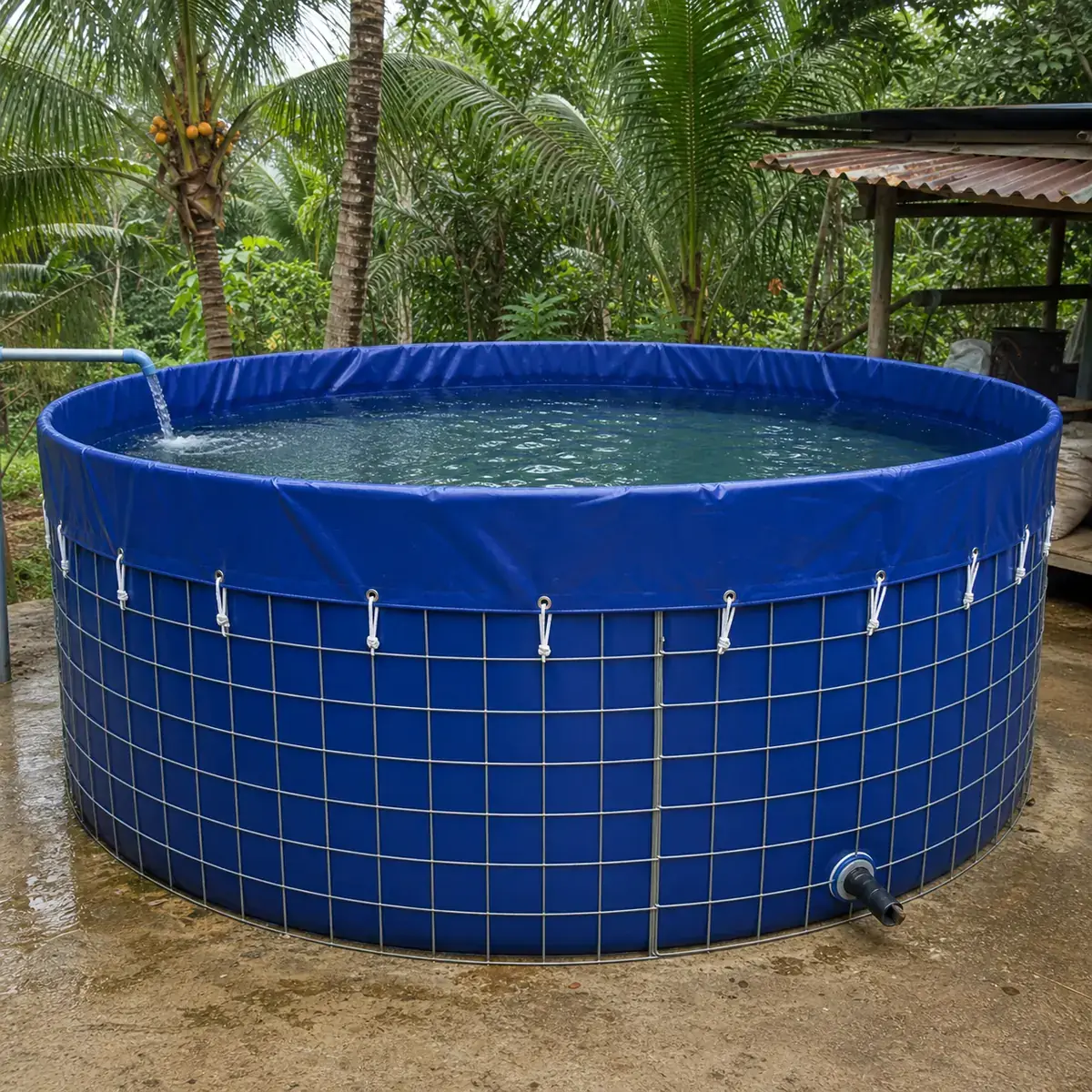
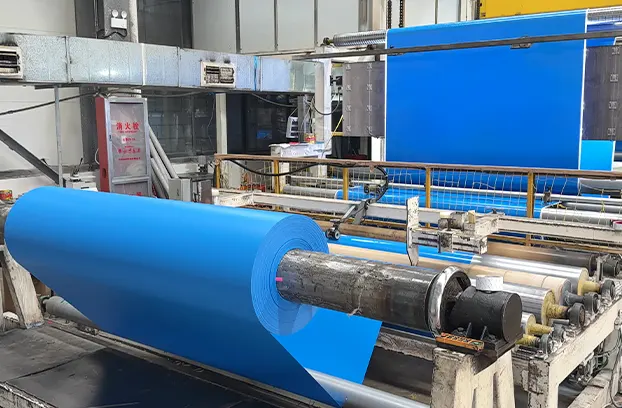
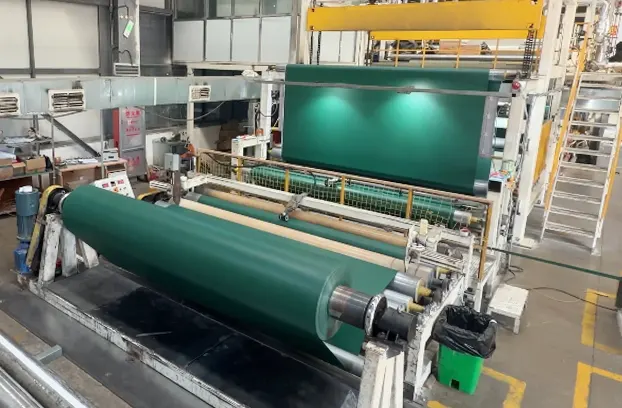
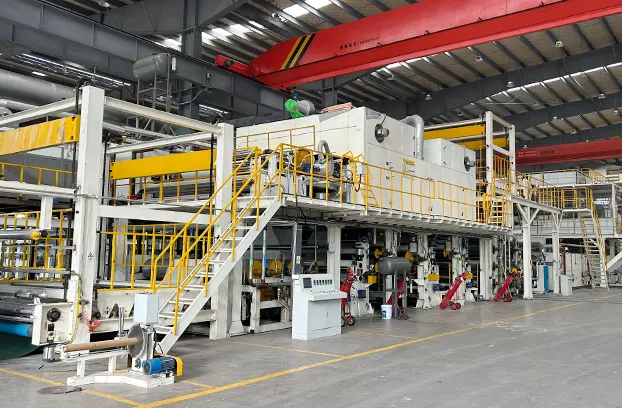
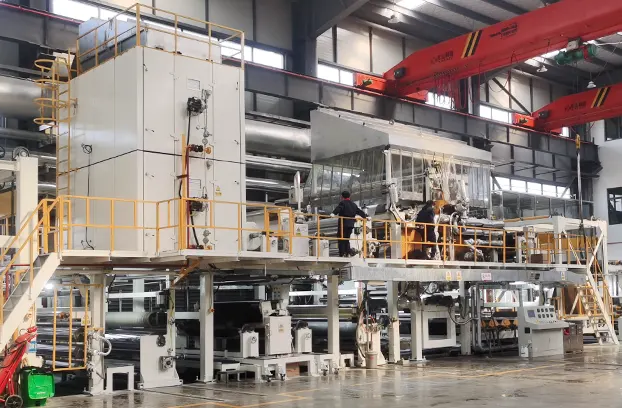
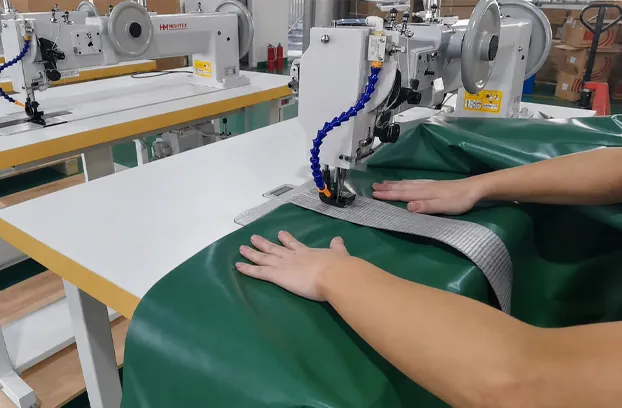
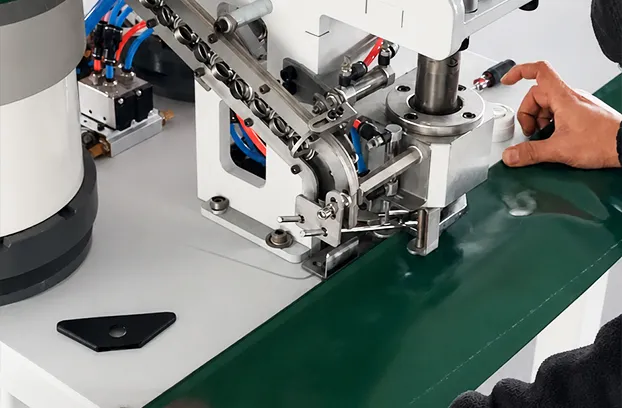
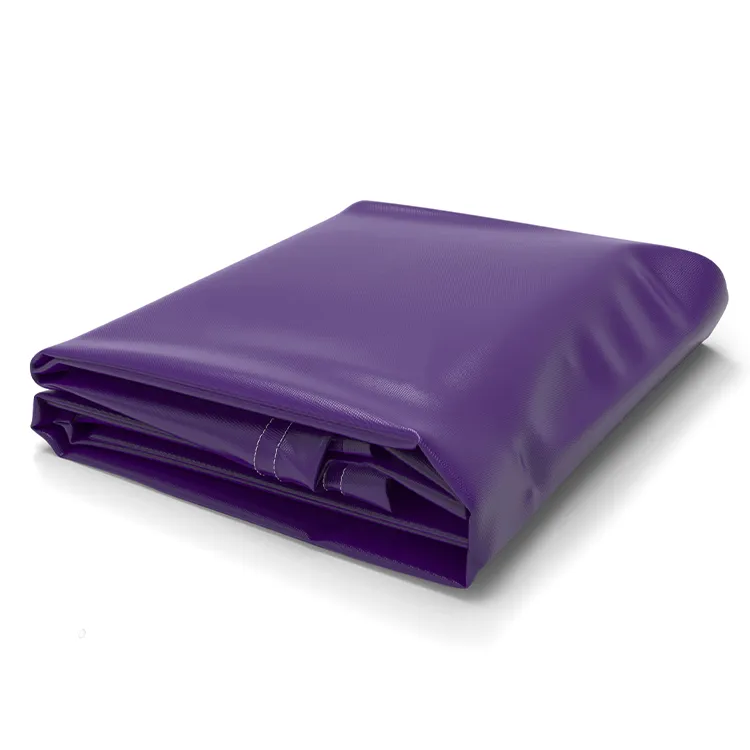
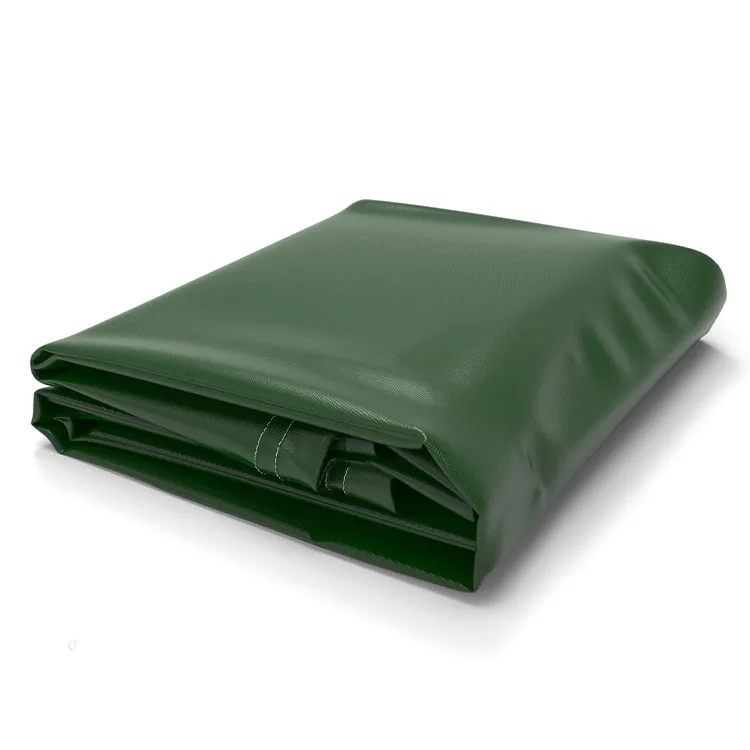
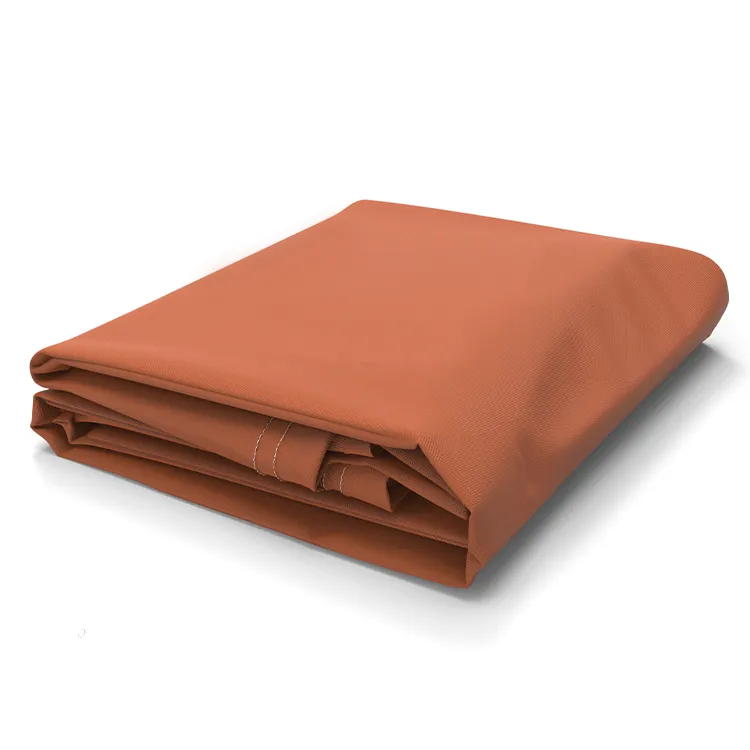
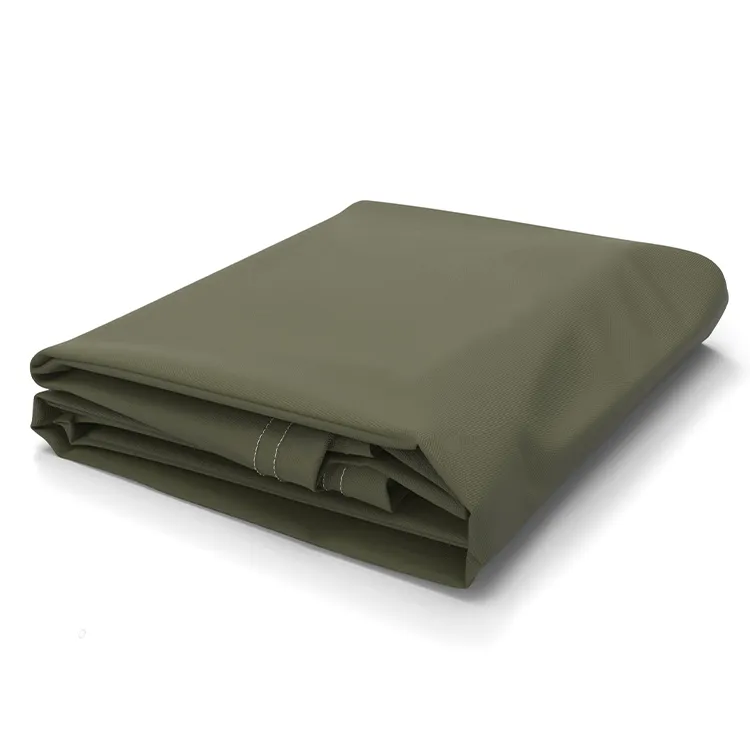
PVC coated fabric is a solid composite roll material made from a textile reinforcement—commonly polyester—and PVC functional layers. We produce it for manufacturers that weld, sew, cut, fold or print the material into industrial products. The right roll cannot be selected by GSM or a trade name alone: it must match the finished product, converting route, textile structure, PVC build, usable width, surface and approval tests. Drawing on 15 years of roll-material and fabricated-tarp production experience, our team helps buyers turn those requirements into a repeatable specification before bulk production. Roll Materials: MOQ 5,000 m².
Need a roll construction your production team can approve? Send us the product you manufacture, the process you use and your current sample or specification. We will identify what should be confirmed before sampling and quotation.
PVC Coated Fabric, Vinyl-Coated Polyester and Other Buying Terms
PVC, vinyl, polyester, cloth and tarpaulin labels are often mixed in RFQs. Some describe the same broad material family; others can point to a different product. We normalize the wording before comparing prices because two suppliers may quote different constructions under the same short name.
| Wording a buyer may use | Practical interpretation | What we still need to confirm |
|---|
| PVC coated polyester fabric / PVC coated polyester | Usually a polyester-reinforced PVC composite | Textile construction, PVC route/build and total construction |
| Polyester PVC material / PVC polyester material | Component words are present, but their order does not define a grade | Textile/PVC relationship, face/back build, width and roll format |
| Polyester and PVC fabric | Describes the two main material components | Confirm how they are combined and which performance the finished product requires |
| Vinyl coated polyester / vinyl coated polyester fabric | In industrial sourcing, vinyl commonly refers to the PVC layer | Confirm solid reinforced roll material and the processing route |
| Vinyl coated fabric / PVC coated vinyl fabric | Can describe this family, but can also be used for upholstery or unsupported sheet | Reinforcement, solid/open form, surface and delivery form |
| PVC vinyl coated polyester / vinyl coated PVC fabric | Redundant word order rather than a defined construction | Rewrite the RFQ around textile, PVC build, total weight/thickness and process |
| PVC coated cloth / PVC coated material | Broad coated-material wording | Textile, polymer, face/back build and converting route |
| PVC fabric / PVC vinyl fabric | Very broad product-family language | Distinguish industrial reinforced rolls from film, upholstery and fabricated products |
| Coated polyester fabric / plastic coated fabric | The coating polymer is not fully defined | State PVC, TPU or another polymer before comparing process and compliance needs |
For this page, PVC coated textile fabric and industrial vinyl fabric mean solid, textile-reinforced roll material. They do not mean open PVC mesh, faux leather, clothing vinyl, adhesive craft vinyl, clear gauge sheet or retail fabric sold by the yard.
Tarpaulin wording needs a product-form check. A PVC coated tarp or coated tarpaulin may refer to raw roll material or to a welded and finished cover. PVC coated tarpaulin fabric usually makes the roll form clearer, while PVC coated tarpaulins often describes fabricated products. Tell us whether you are buying rolls or completed covers before comparing quotations; cover manufacturers are routed to the dedicated selection path later on this page.
Choose the Textile Base and PVC Build Before You Compare GSM
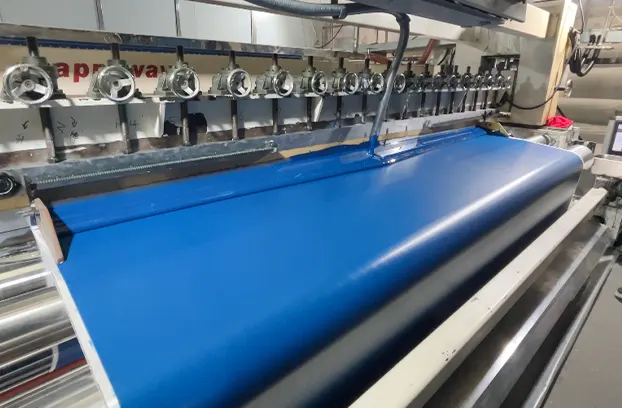
A PVC-coated roll is a system, not a single layer. The base fabric contributes load distribution, dimensional behavior and tear direction. The PVC build contributes the continuous surface, color, flexibility, barrier behavior and much of the welding response. Bonding, formulation, manufacturing route and surface treatment connect these parts and affect how the roll behaves during conversion.
| Construction decision | Why it affects the buyer's product | What to put in a useful specification |
|---|
| Textile reinforcement | Yarn size, density, weave or biaxial structure influence handling, dimensional control and strength direction | State the known construction or provide a performance target and approved reference sample |
| Film lamination | Can be a practical route for general programs, but film-to-textile bond, fold behavior and welding still need validation | Lamination route, face/back build, total construction and process trial |
| Knife coating | May offer a different way to control the applied PVC and surface; it is not automatically superior | Coating build, adhesion/peel requirement, surface, flexibility and converting test |
| Impregnation plus coating/lamination | May be considered where penetration, bond or barrier behavior matters | Textile penetration, total build and finished assembly test |
| Embossing, lacquer or print surface | Can change appearance, cleaning, scratch response, ink adhesion and welding behavior | Printable face, texture/gloss, color reference, ink/process and seam location |
| Usable width and roll construction | Changes cutting yield, seam count, roll weight, handling and container planning | Usable width/tolerance, roll length, joint rule, core, label and packing |
No manufacturing route is universally best. We compare it against the product, process and critical failure risk. A process name is useful only when it is connected to the agreed textile, PVC build, surface, converting trial and acceptance result.
GSM, denier and thickness are specification inputs, not quality grades. Two rolls with the same GSM can use different textile structures, PVC amounts, formulations or fillers and therefore behave differently in tearing, folding, welding, peel or long-term use. Start with the required result and use weight or denier to describe the agreed construction—not to replace it.
Use Weight and Denier as Selection Entrances, Not Quality Grades
A weight- or denier-specific roll such as 18 oz or 600D can be a useful next step when it matches the buyer's actual construction task. It is still not a complete recommendation. Before choosing a grade, compare its textile structure, total PVC build, surface, usable width, converting response and required evidence. Function terms such as flame retardant, airtight, anti-wicking or antibacterial should identify a defined product requirement and verification method—not act as unsupported grade names.
Start With the Industrial Product You Need to Manufacture
The end product tells us which variables deserve priority. We do not recommend one generic PVC build for every industry. We ask how the product is joined, where it is loaded or folded, what it contacts and how the buyer will approve it.
Tents, Tent Components and Temporary Structures
For tent and temporary-structure manufacturers, panel width, dimensional stability, repeated folding, seam construction, cleaning, appearance and climate exposure can interact. If flame-retardant or market-specific requirements apply, the RFQ should name the target standard, test method, product construction and report scope. Tent grade alone does not define an acceptable roll.
Bags, Pads and Sewn Industrial Products
PVC coated fabric for bags must work through the buyer's actual sewing or welding route. We look at hand and fold behavior, abrasion locations, edge finish, needle/seam design, printable surface and color repeatability. A heavier or deeply embossed roll may look robust but can be harder to fold, feed, sew or print; the approved sample should reproduce the intended part, not just the appearance of a flat swatch.
Flexible Dividers, Industrial Curtains and Protective Panels
Flexible dividers and industrial curtains may be moved, folded, hung or cleaned repeatedly. Buyers should define the supporting structure, movement frequency, edge and hanging loads, required opacity or color, joining method and cleaning environment. The best total build is the one that remains workable in the finished panel—not simply the heaviest heavy vinyl fabric available.
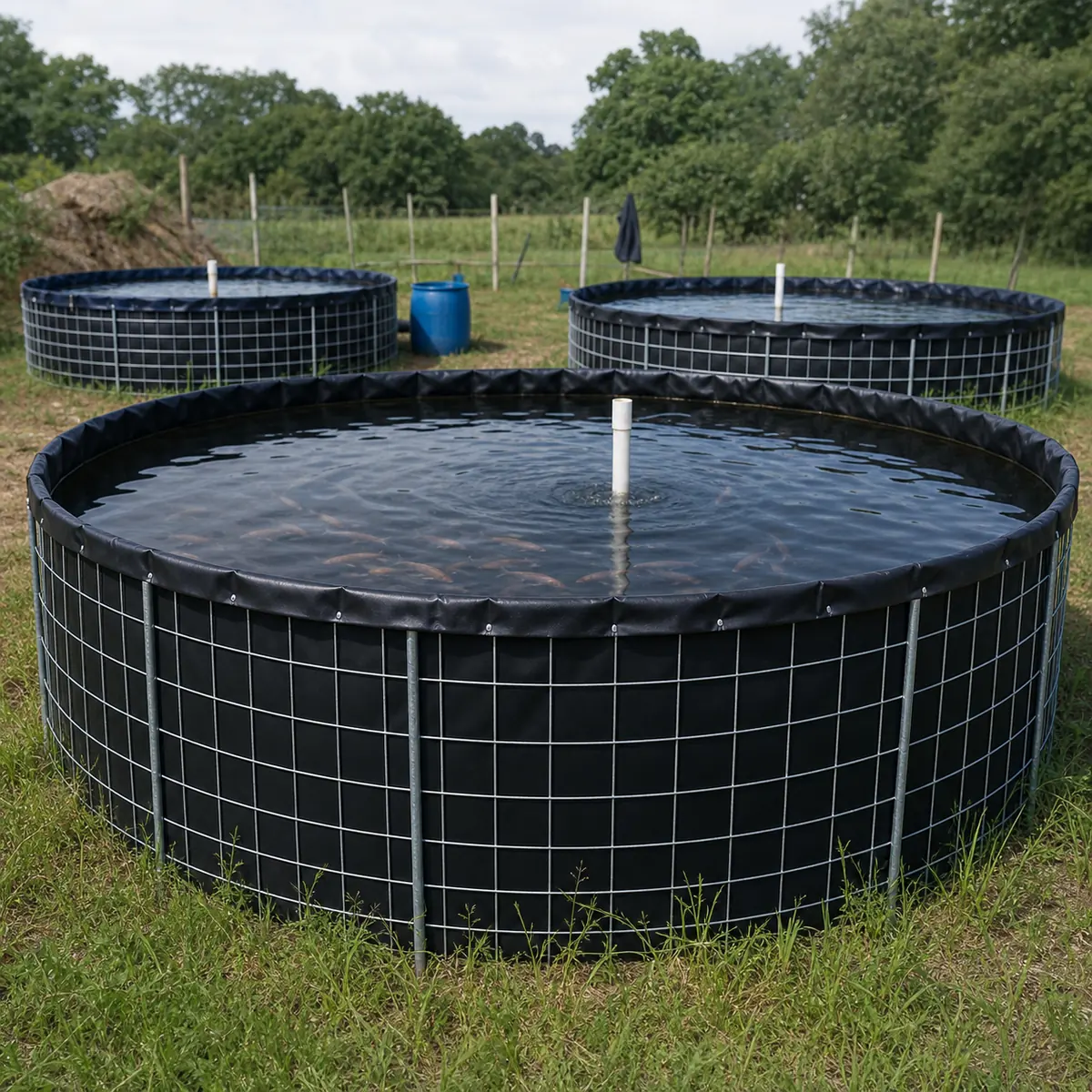
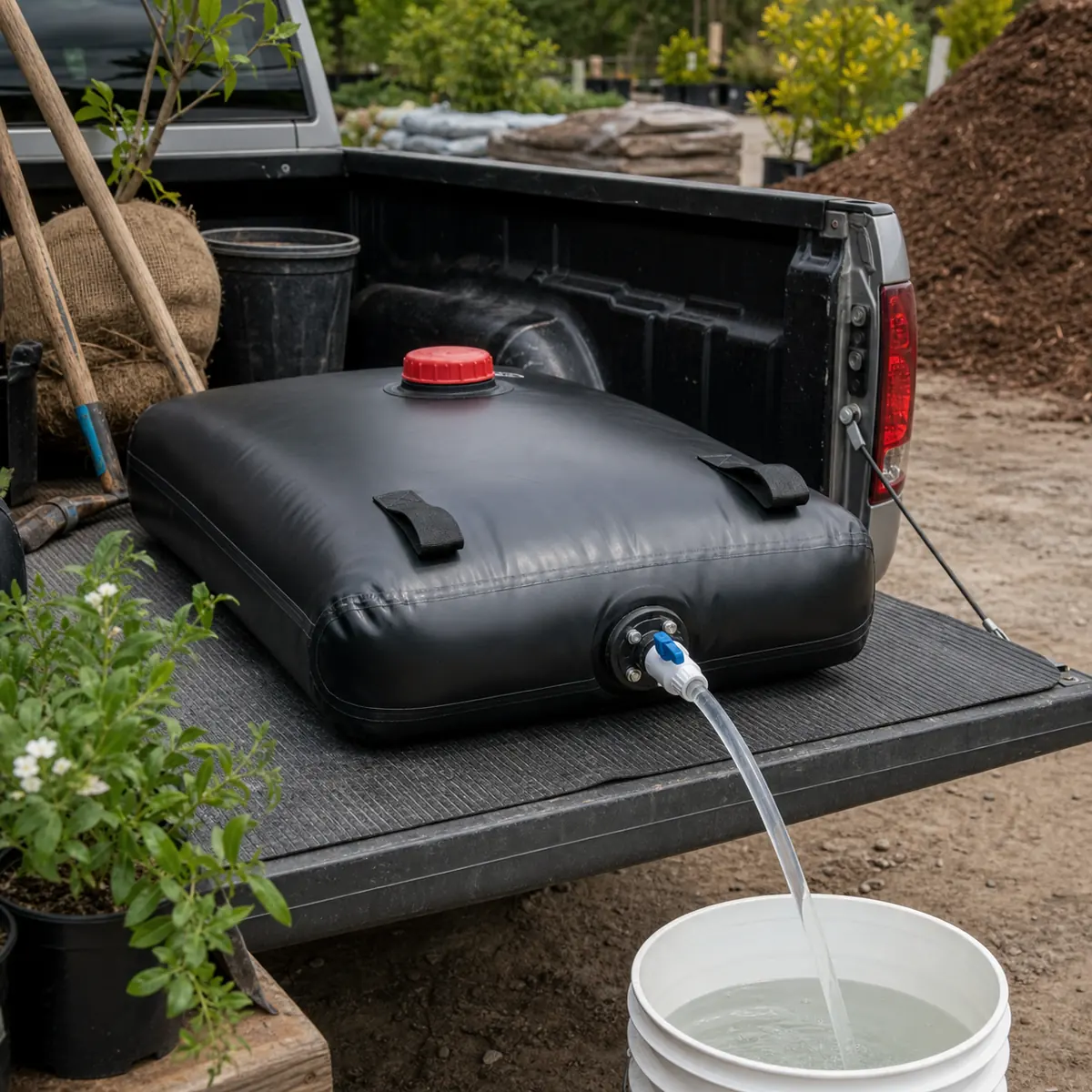
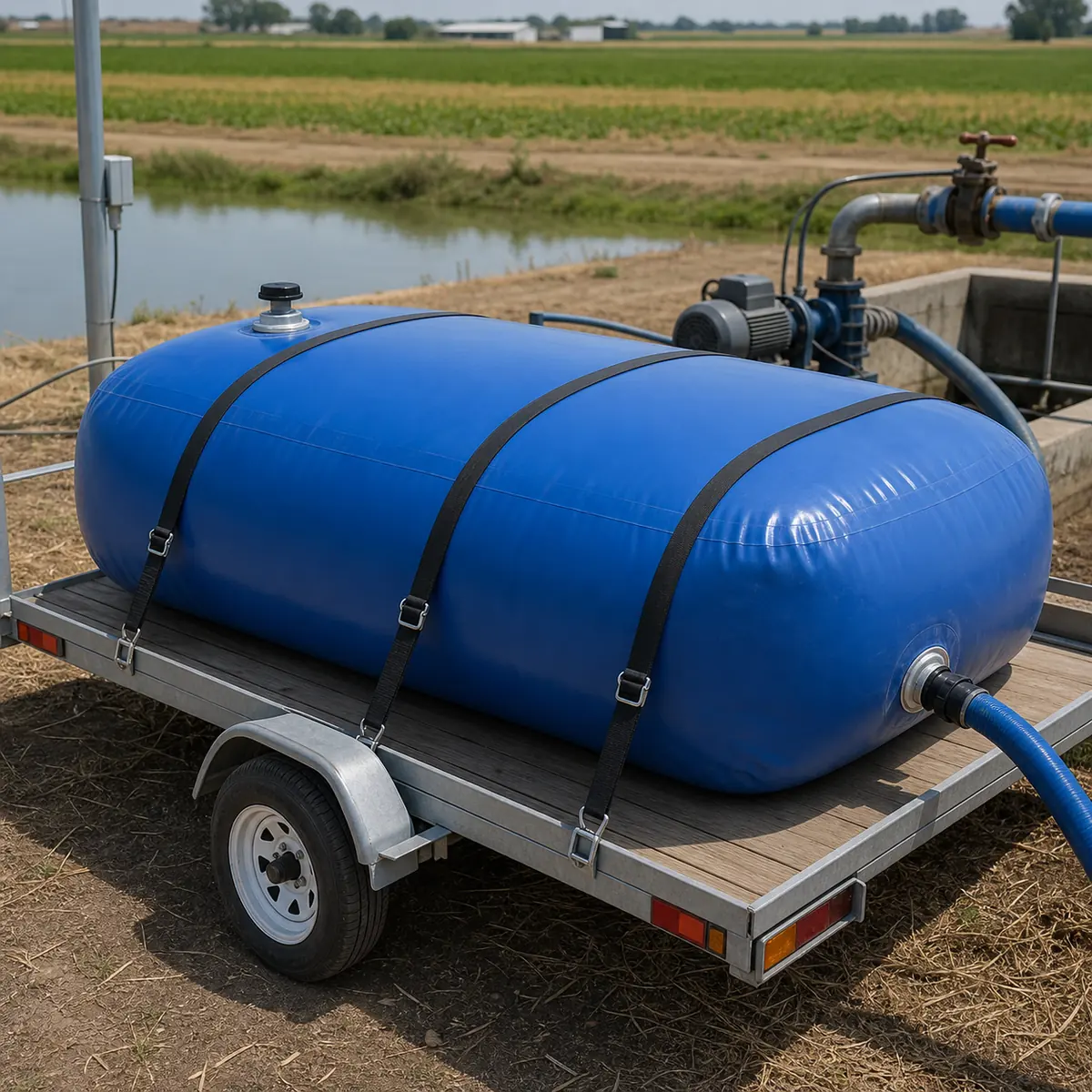
Airtight, Liquid-Barrier and Inflatable Components
For components that retain air or liquid, the roll is only one part of the system. Textile structure, PVC penetration/build, weld window, seam geometry, valves, fittings and the contained medium all affect the result. We can review dense or impregnated constructions for a project, but the completed assembly must be validated at the agreed pressure, medium, conditioning and leakage criteria. A flat sample cannot prove an assembled product is airtight or liquid-tight.
Importer, Distributor and Repeat-Roll Programs
Importers and industrial-fabric distributors need comparable specifications across colors, widths and repeat orders. Define tolerances, usable width, roll length, joint limits, labels, packing, approved color/surface references and change control before the first bulk order. These controls reduce disputes that a headline GSM or generic industrial vinyl fabric label cannot resolve.
When the Finished Product Is a Tarp or Cover
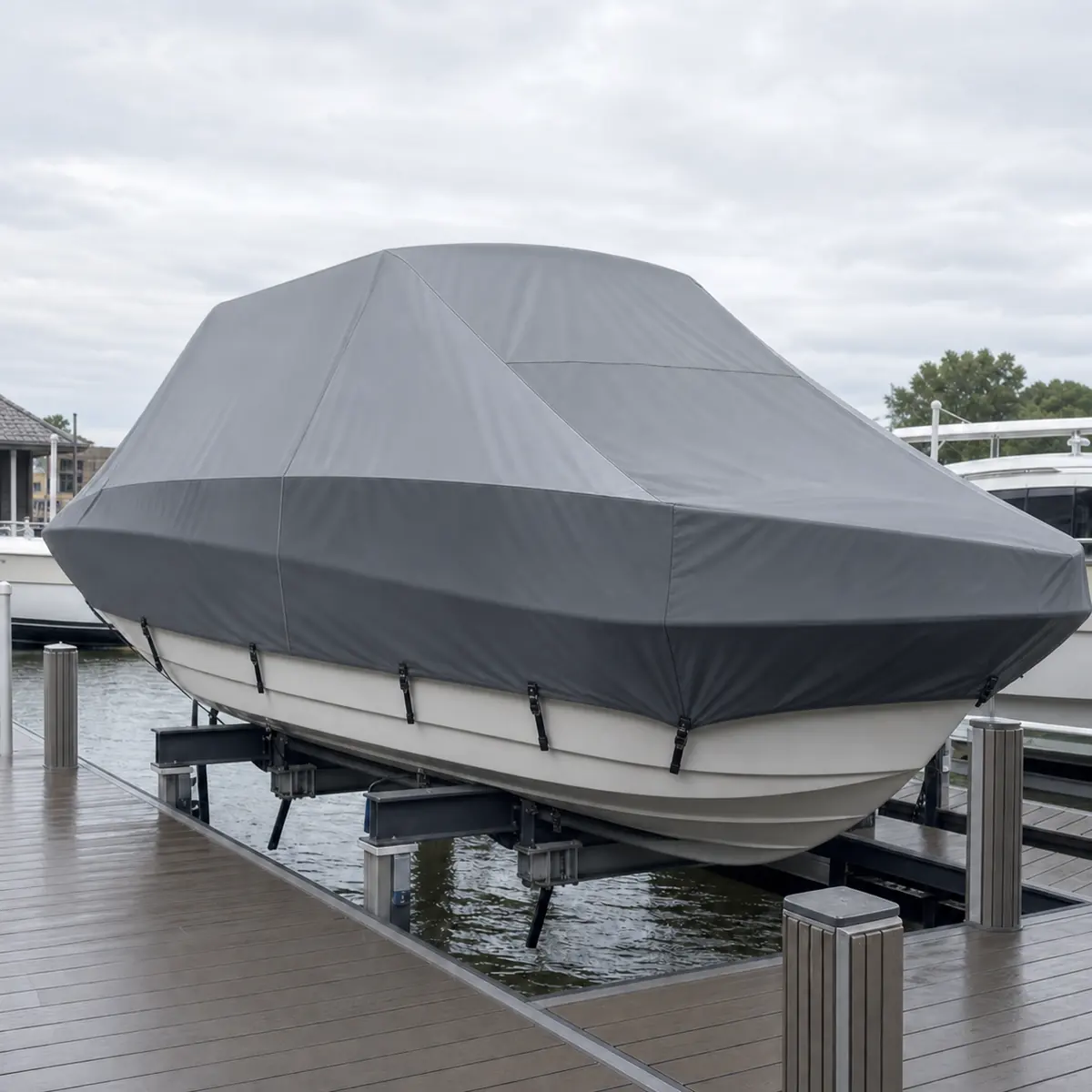
Tarp and cover fabrication adds cover-specific wind, tearing, abrasion, folding and exposure risks. Buyers making truck, construction or equipment covers can continue to our PVC Tarpaulin roll page for the corresponding roll-specification and seam-validation path.
Turn Performance Labels Into Conditions, Trade-Offs and Tests
Performance labels are useful starting questions, but they are not purchase specifications. Each label must be connected to the use condition, likely failure, verification method and boundary.
| Label in a search or RFQ | What it should become before approval | Important trade-off or boundary |
|---|
| PVC coated fabric waterproof | Identify the flat-material barrier requirement, seam construction, openings/fittings and assembly leakage or water-pressure test | A continuous panel can resist water while a sewn seam, weld, hole, fitting, worn area or installation detail leaks |
| PVC coated polyester fabric waterproof / PVC coated waterproof fabric | Treat these search-style phrases as a request for a measurable material-and-assembly requirement | The wording alone does not define pressure, seam, conditioning or an acceptance limit |
| Waterproof vinyl fabric / waterproof vinyl material | Confirm solid textile-reinforced PVC roll material, then define the panel and finished-product tests | These broad phrases can also describe upholstery, unsupported film or clear sheet outside this page |
| Heavy duty PVC vinyl fabric | State the load, tear direction, abrasion/fold cycle, seam stress, temperature and acceptance limit | Extra GSM can change handling, folding, welding and cost without solving the actual failure |
| Heavy duty vinyl fabric / heavy duty vinyl material | Identify the actual industrial roll entity and the failure it must resist | Heavy duty is not a universal material grade |
| Reinforced vinyl fabric | Define the textile structure and whether the product requires a continuous solid surface | Reinforced does not distinguish solid coated fabric from intentionally open mesh |
| Airtight or liquid-tight | Define medium, pressure, conditioning, seam/fitting design and completed-assembly test | Material data alone cannot approve a welded assembly |
UV resistance, flame retardancy, cold flexibility, mildew resistance, antistatic performance and restricted-substance compliance are project requirements, not automatic properties of every roll. Buyers should provide the target market and intended use. We then confirm the relevant construction, test method or standard, acceptance condition and product-specific report scope. Flame-retardant does not mean fireproof, and artificial-weathering hours do not equal a guaranteed outdoor service life.
When formal measurements are required, the purchase specification can name an agreed method. Examples include ISO 2286-1 for roll length, width and net mass, ISO 2286-2 for mass per unit area, ISO 2286-3 for thickness, ISO 1421 for tensile properties, ISO 4674-1 for tear methods and ISO 2411:2024 for coating adhesion. These standards describe measurement methods; they do not set the acceptance values for your product. The method, direction, specimen, conditioning and limit still need to be agreed.
Prove the Roll on Your Welding, Sewing, Cutting or Printing Line
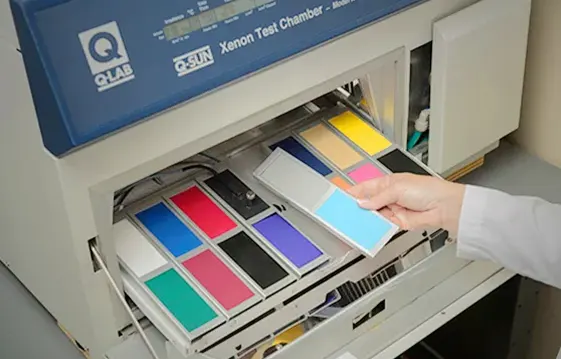
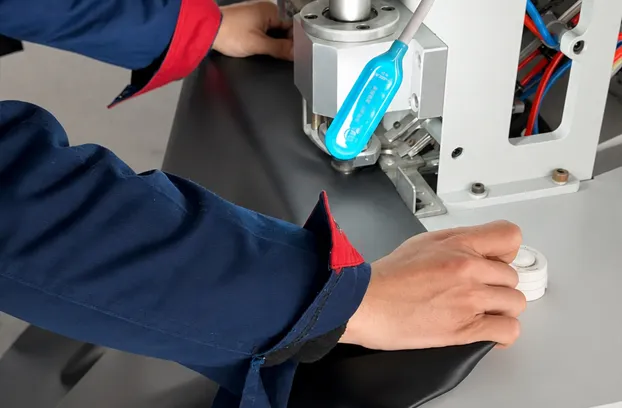
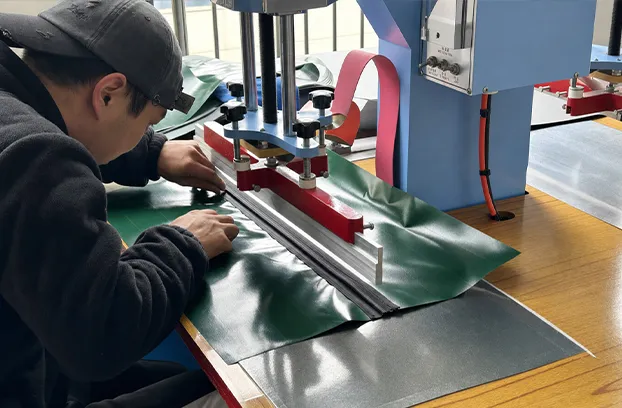
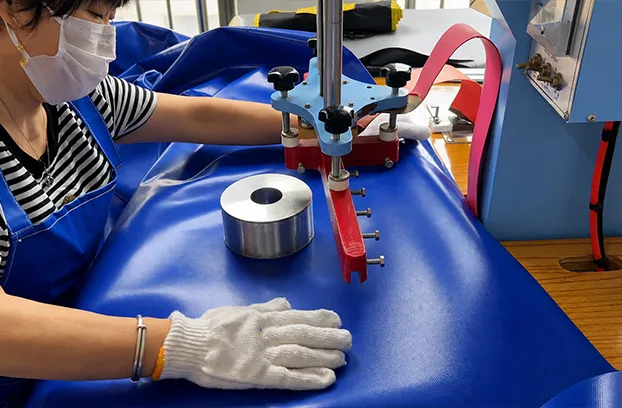
A roll can look correct on a sample table and still create problems on the production line. PVC formulation, coating build, surface treatment, textile structure and previous heat exposure may change the processing window. We build a representative trial around the intended construction, process and seam or print design. The buyer must still complete final approval on its actual production equipment; an agreed equivalent trial can screen compatibility but cannot replace line validation.
| Converting route | What to verify on the selected construction |
|---|
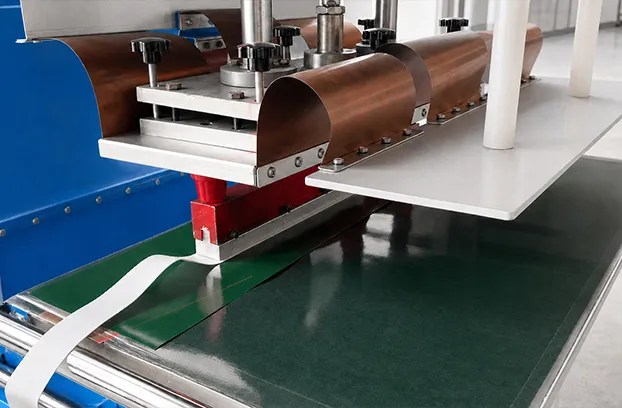
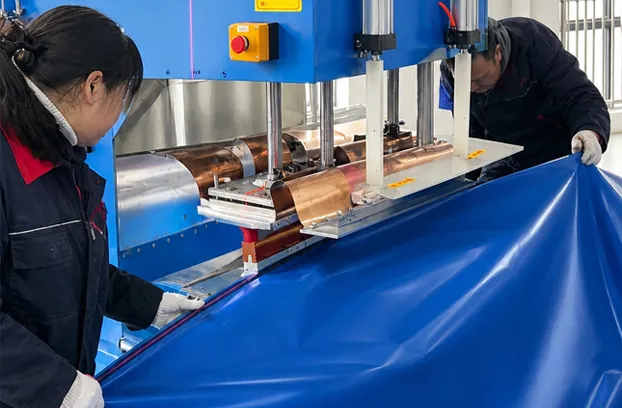
| High-frequency welding | Machine/electrode conditions, seam geometry, bond after cooling, distortion and surface marking |
| Hot-air welding | Temperature, speed, pressure, overlap, cooling and seam acceptance under the intended assembly test |
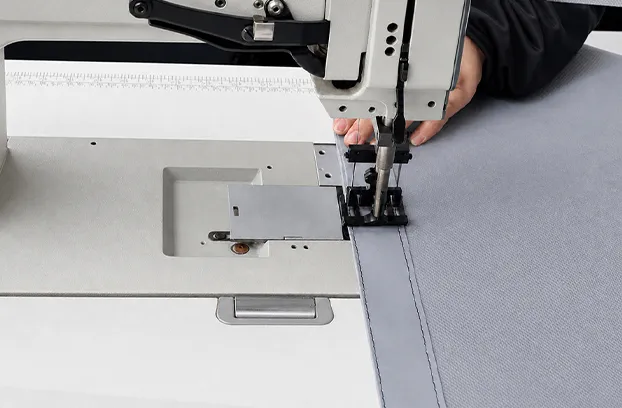
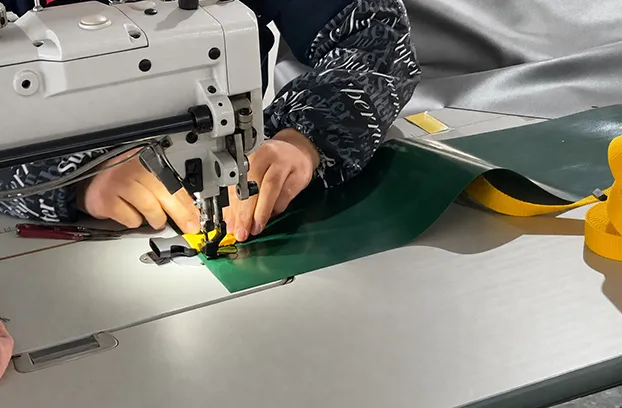
| Sewing | Needle and thread, stitch, seam allowance, edge reinforcement, hole/leak implications and local stress |
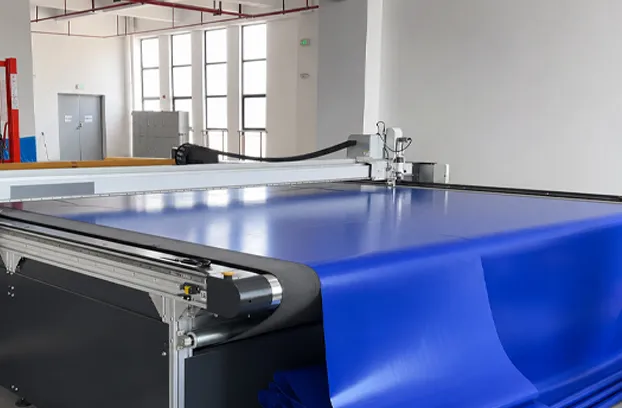
| Cutting and folding | Usable width, cut-edge stability, yarn movement, fold recovery and repeat handling |
| Printing | Printable face, surface treatment, ink system, curing, adhesion, appearance and effect on later joining |
Factory note: a successful weld on one machine or one surface does not prove that every roll carrying the same GSM will run the same way. Before bulk approval, make a representative seam or finished-part sample with the agreed material build. Record the settings and acceptance result so the trial can be compared with bulk and repeat orders. Buyers deciding between joining routes can use our hot-air and high-frequency welding guide.
Review the Converting Process Before Bulk Approval: Send the machine type, joining or printing method, seam drawing and required finished-part test. We will identify which part of the construction needs to be sampled first.
Control the Move From Approved Sample to Repeat Bulk Rolls
The approved sample is useful only when it is tied to a written specification. Before production, we align the physical sample, technical requirements, purchase order and acceptance method. For bulk and repeat orders, the same control points should remain visible to production, quality and receiving teams.
| Control point | What should be agreed | Procurement risk reduced |
|---|
| Material identity | Textile construction, PVC route/build, face/back and surface | A similar-looking but different roll is supplied |
| Total construction | GSM and/or thickness, test method and agreed tolerance | Sample and bulk differ or quotations are not comparable |
| Roll geometry | Usable width, width tolerance, roll length, joint limit and core | Cutting loss, unexpected seams, short rolls or handling problems |
| Appearance | Color reference, texture/gloss, printable face and defect criteria | Color or surface disputes between batches |
| Converting result | Approved seam/print/part sample, settings and acceptance result | Bulk material fails on the buyer's line |
| Functional requirement | Named condition, method/standard, limit and report/sample scope | A generic marketing label replaces evidence |
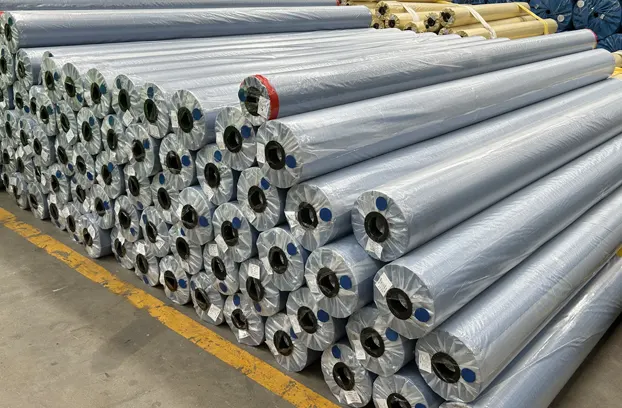
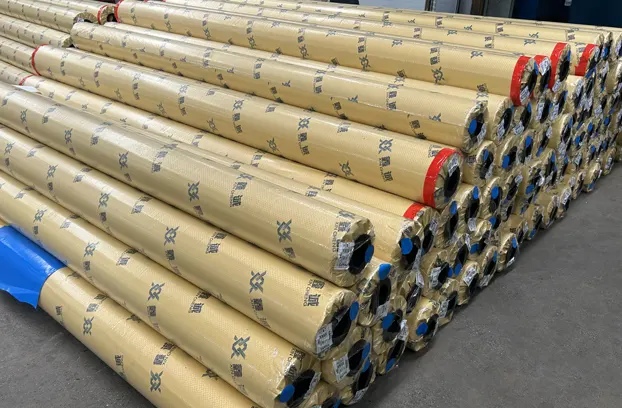
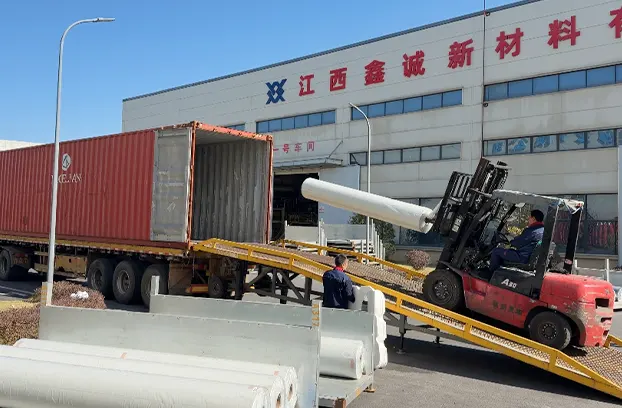
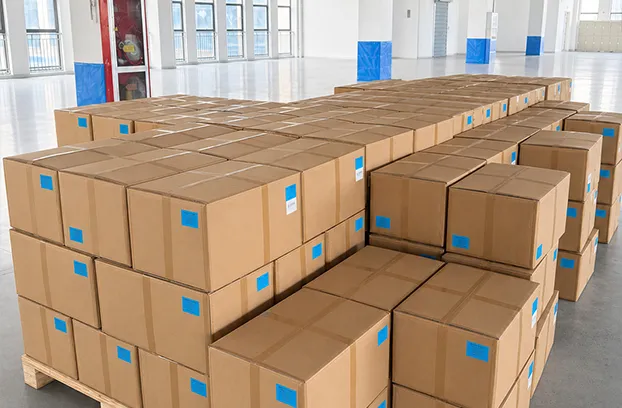
| Identification and packing | Roll label, batch traceability, protection, pallet/roll arrangement and loading plan | Mix-ups, transit damage or inefficient unloading |
| Repeat-order change control | Retained reference and notification/approval of material or process changes | The same product code behaves differently later |
Our production and quality teams can work from an agreed sample and written specification, with pre-shipment inspection based on the confirmed order requirements. The exact inspection plan, sampling scope and supporting documents must be agreed for the project; a general certificate or supplier logo does not prove every requested property.
Procurement tip: compare PVC coated fabric suppliers on the same written purchase object. A low square-metre price is not comparable if textile construction, usable width, roll length, joints, surface, process trial, testing or packing are different. For PVC coated fabric wholesale programs, repeatability and usable yield can matter as much as nominal unit price.