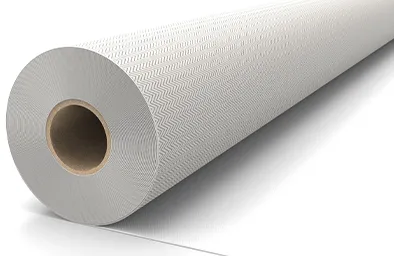
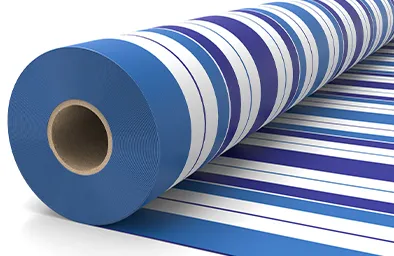
PVC Laminated Tarpaulin vs. PVC Coated Tarpaulin
Both laminated PVC tarpaulin and PVC coated tarpaulin use polyester reinforcement, but differ in how PVC is applied to the fabric. The comparison below highlights their construction and the factors buyers should consider when choosing between the two materials.
| Comparison | PVC Laminated Tarpaulin | PVC Coated Tarpaulin |
|---|
| Production method | PVC films bonded to polyester scrim | Liquid PVC compound applied directly to the textile |
| Surface | Usually smooth and uniform | Determined by the coating and finishing process |
| Available construction | Can range from lightweight to heavy-duty depending on the structure | Commonly selected for medium- to heavy-duty applications, depending on the structure |
| Typical selection priorities | Surface consistency, easy handling, fabrication efficiency and cost control | Repeated handling, abrasion, tension and demanding outdoor use |
| Common applications | Covers, tent sidewalls, ground sheets, curtains and fabricated products | Truck covers, industrial covers, large tents and other demanding products |
| Main quality consideration | Film adhesion and lamination consistency | Coating adhesion, uniformity and abrasion performance |
Neither process is automatically better for every application. A properly designed laminated PVC tarpaulin can outperform an under-specified coated material. Buyers should compare the complete construction, relevant performance data and a representative sample rather than relying only on the production method.
Some buyers search for PVC coated laminated fabric as a general name for polyester-reinforced waterproof PVC material. Technically, coating and lamination are different manufacturing processes. Buyers using this term should confirm whether they require laminated film construction, direct PVC coating or simply a reinforced waterproof material.
Choose by Application
The correct material should be selected according to how the finished product will be fabricated, installed and used. Products with similar appearances may require different constructions when their working conditions are different.
- General waterproof covers: Prioritize waterproofness, manageable weight, tear resistance and easy cleaning. The required construction depends on the cover size, fixing method and frequency of handling.
- Tent sidewalls and warehouse curtains: Consider appearance, flexibility, welding behavior and any applicable flame-retardant requirements.
- Tent ground sheets: Focus on waterproofness, puncture resistance and seam quality. Corners and attachment points may require additional reinforcement.
- Agricultural covers: UV resistance, mildew resistance and temperature performance become important when the material remains outdoors or is stored in humid conditions.
- Printed covers: Select the surface according to the printing method. Glossy, matte and embossed PVC laminated fabric may produce different ink-adhesion and appearance results.
- Transport and industrial covers: Review the required strength, fixing method, fabrication conditions and frequency of use. For demanding projects, material selection should be confirmed through specifications and samples.
The intended application should always be provided when requesting a recommendation. This helps avoid both under-specifying the material and paying for performance the project does not need.
PVC Laminated Tarpaulin Specifications
PVC laminated tarpaulin material can be customized according to the application, required strength, roll dimensions, surface appearance and fabrication method. The following table outlines the main specifications to confirm before bulk production.
| Specification | Available Options |
|---|
| Material structure | PVC film + polyester base fabric + PVC film |
| Base fabric | Woven or warp-knitted polyester, depending on the required construction and performance |
| Total weight | Selected according to structure and application requirements |
| Yarn and fabric density | Customized according to required strength |
| Width | Standard or customized roll width |
| Roll length | Standard or customized according to the order |
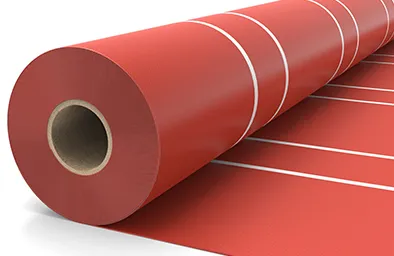
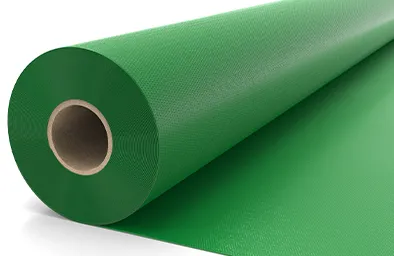
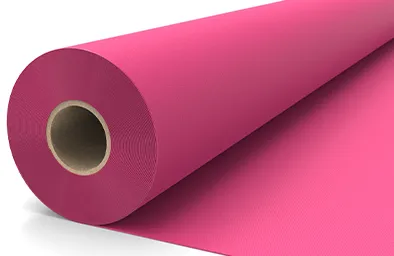
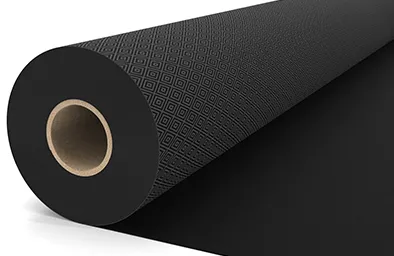
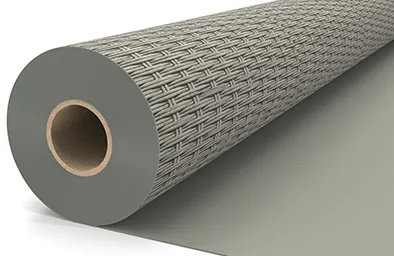
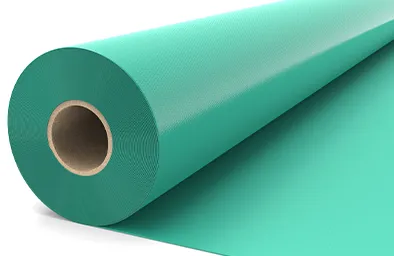
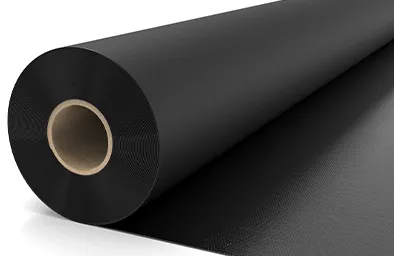
| Color | White, blue, green, grey, black, red, yellow or custom colors |
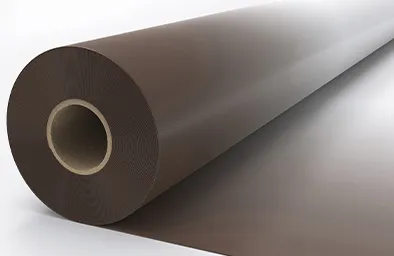
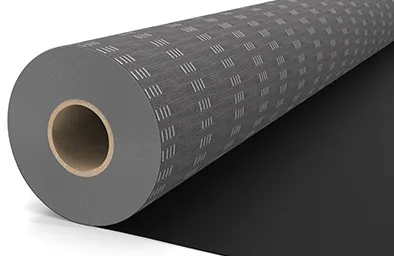
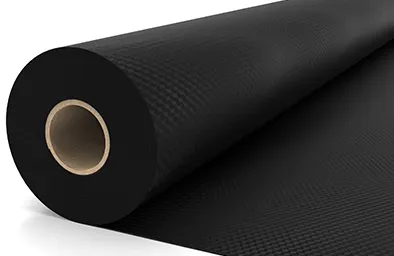
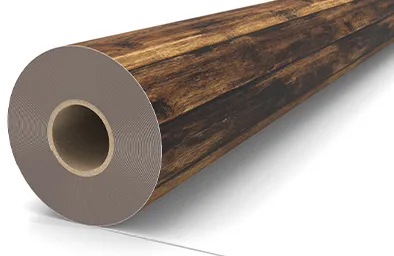
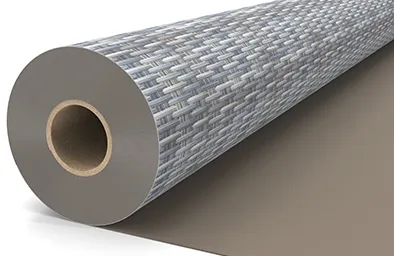
| Surface | Glossy, matte, smooth or embossed |
| Performance options | UV resistant, flame retardant, mildew resistant, cold resistant or anti-static |
| Fabrication | Welding, sewing, cutting, hemming, printing and eyelet installation |
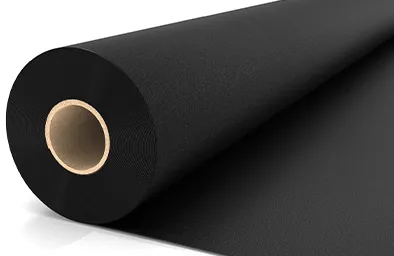
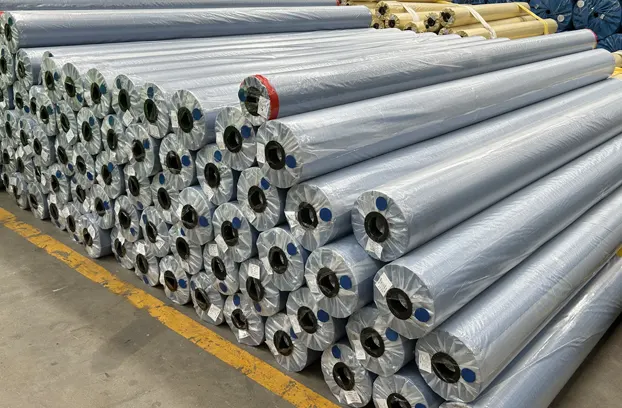
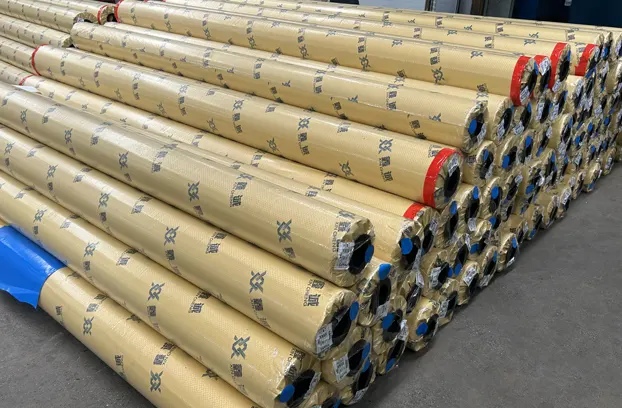
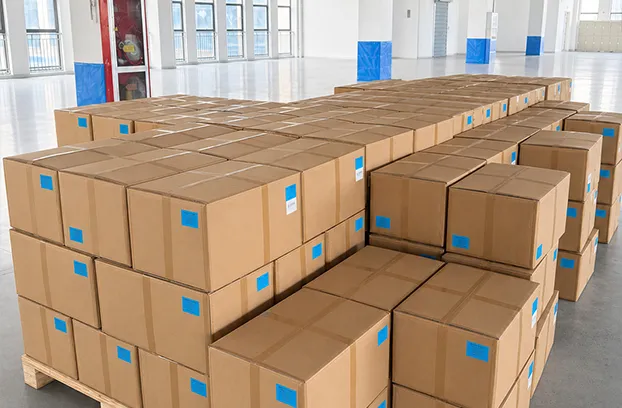
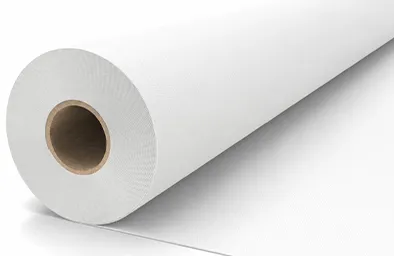
| Packaging | Export roll packaging with tube or paper core |
| Supply format | Roll material or further-fabricated products |
The polyester base fabric construction should be matched to the mechanical requirements of the finished product. Yarn strength and fabric density influence tensile strength, tear resistance and dimensional stability, while the PVC films affect surface protection, flexibility, appearance and total weight.
Roll width is also an important purchasing consideration. A suitable width can reduce cutting waste, decrease the number of seams and improve fabrication efficiency.
Why GSM Is Not Enough
GSM describes the total material weight in grams per square meter, but it does not show how that weight is distributed between the polyester reinforcement and the PVC films.
Two materials with the same GSM can use different yarns, fabric densities and film thicknesses. One may contain a stronger polyester scrim, while another reaches the same weight by using more PVC. Their strength, handling and fabrication performance may therefore be different.
For unit conversions and comparable measurements, see our PVC tarpaulin weight and thickness guide.
When comparing laminated PVC tarpaulin, buyers should review:
- Total GSM and roll dimensions
- Polyester yarn and fabric construction
- Tensile and tear requirements
- Film-to-fabric adhesion
- Required functional treatments
- Welding, sewing or printing compatibility
Performance Options
The performance of PVC laminated fabric can be adjusted through the PVC formulation, polyester construction and surface treatment. Functional options should be selected according to actual working conditions rather than added only for marketing purposes.
- Waterproof performance: The continuous PVC films provide a waterproof surface. The waterproofness of the completed product also depends on seams, hems, corners, eyelets and installed accessories.
- UV resistance: UV stabilizers can be added for outdoor use. The suitable formulation depends on exposure conditions and expected service life.
- Flame retardancy: Flame-retardant options are available for tents, curtains and partitions. The buyer should provide the required test standard, as flame-retardant does not mean fireproof.
- Mildew and cold resistance: Anti-mildew treatment is suitable for humid environments, while cold-resistant formulations help the material remain flexible at lower temperatures.
- Special requirements: Anti-static, oil-resistant or selected chemical-resistant options can be evaluated when required by the application.
Not every function is included in a standard construction. Functional additives may affect flexibility, welding behavior, material cost and production scheduling, so the required performance should be confirmed before sampling.
Fabrication Compatibility
PVC laminated fabric can be processed through hot-air welding, high-frequency welding, industrial sewing, cutting, hemming, eyelet installation and printing.
Hot-air and high-frequency welding can produce strong, waterproof seams when the formulation and machine settings are compatible. Welding temperature, speed, pressure and seam width should be confirmed through sample trials because processing conditions vary between machines and material constructions.
For a more detailed approach to evaluating welded seams before bulk production, see our tarpaulin welding quality guide.
Sewing is suitable for many covers and reinforced sections, but needle holes may reduce waterproofness. Sewn seams can be combined with seam tape, welded overlaps or other sealing methods when water resistance is required.
Particular attention should be given to areas that carry concentrated loads:
- Reinforced hems and corners
- Eyelet positions and spacing
- Webbing and attachment points
- Welded overlaps and seam widths
- Zippers and other installed accessories
A finished product may fail first at a corner, seam or eyelet even when the main material remains intact. For this reason, the fabrication design should be evaluated together with the roll material.
Printing compatibility should also be checked before volume production. Ink adhesion and finished appearance can vary between glossy, matte and embossed surfaces.
PVC Laminated Tarpaulin Price and Cost Factors
PVC laminated tarpaulin cost depends on the PVC film construction, polyester base fabric, required performance and order conditions. A quotation based only on GSM cannot confirm that two products contain the same polyester fabric, PVC formulation or performance package.
| Cost Factor | Effect on the Quotation |
|---|
| Polyester base fabric | Yarn strength and fabric density influence mechanical performance and cost |
| PVC films and formulation | Film construction, pigments, plasticizers and stabilizers affect weight, flexibility and durability |
| Functional options | UV, flame-retardant, mildew-resistant, cold-resistant and anti-static properties require different formulations |
| Color and surface | Custom colors, matte finishes and special embossing may require additional development |
| Roll dimensions | Custom widths and lengths affect production settings, utilization and packaging |
| Order quantity | Quantity affects material preparation, machine setup and unit cost |
| Testing requirements | Third-party tests and project-specific reports may add laboratory costs |
| Further fabrication | Cutting, welding, sewing, eyelets, printing and accessories are quoted according to the design |
The lowest price per square meter does not always create the lowest finished-product cost. An unsuitable width can increase cutting waste, while unstable welding or an under-specified construction may create rework and replacement costs.
When comparing PVC laminated tarpaulin prices, buyers should confirm equivalent polyester reinforcement, PVC film construction, GSM, functional requirements, order quantities, pricing units and delivery terms. Roll material quotations should also be distinguished from finished tarp prices, which include additional fabrication and accessories.
Manufacturing and Quality Control
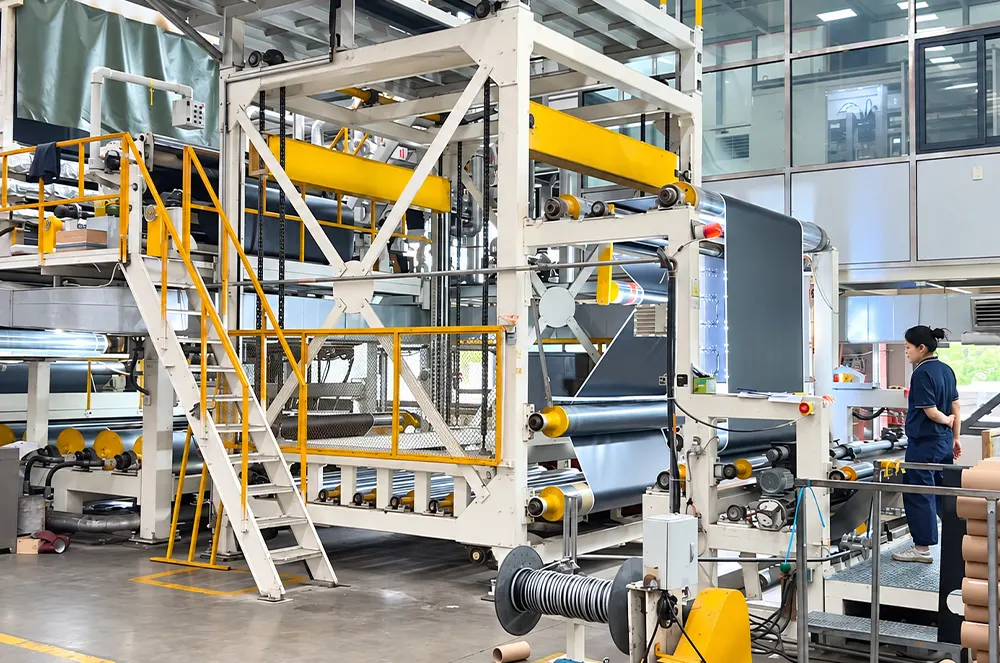
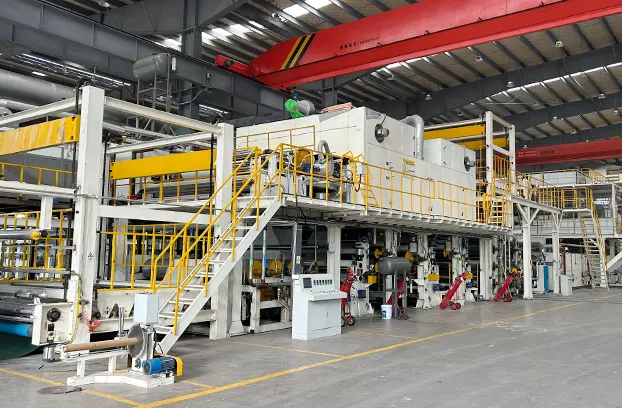
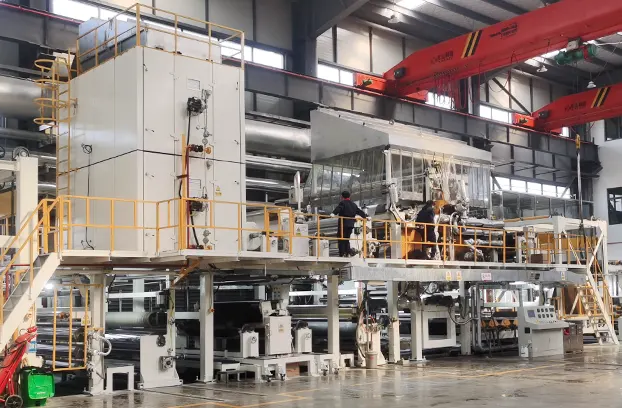
Consistent material quality depends on controlling the production process from raw-material preparation through final roll inspection.
- Raw-material inspection: Polyester yarns, woven or warp-knitted base fabrics, PVC films, pigments and additives are checked against the confirmed material specification.
- Base-fabric control: Yarn construction, fabric density, width and surface condition are monitored because the polyester textile provides the main structural reinforcement.
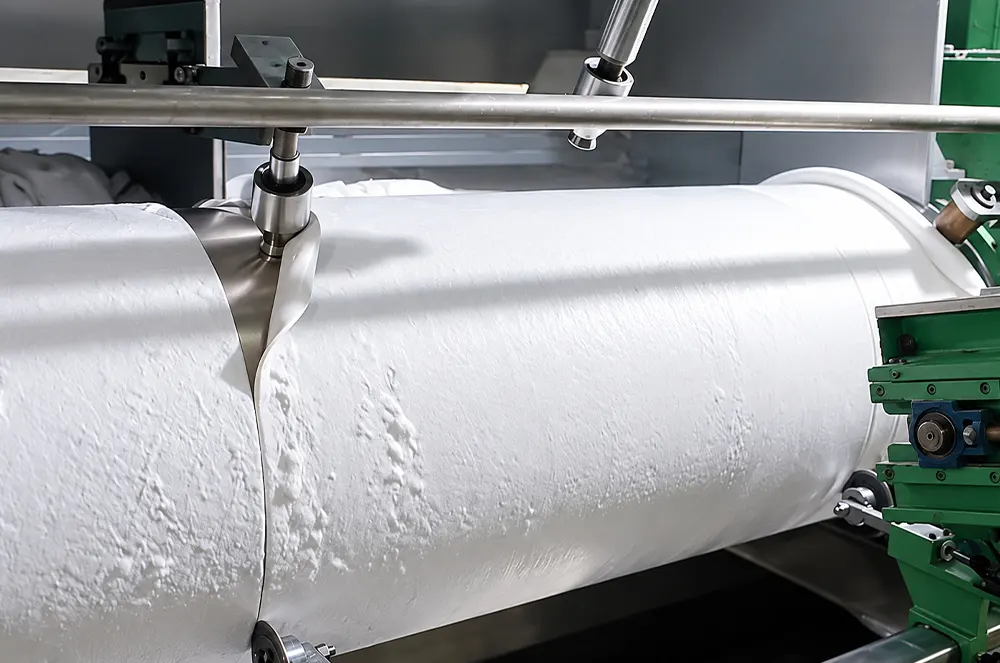
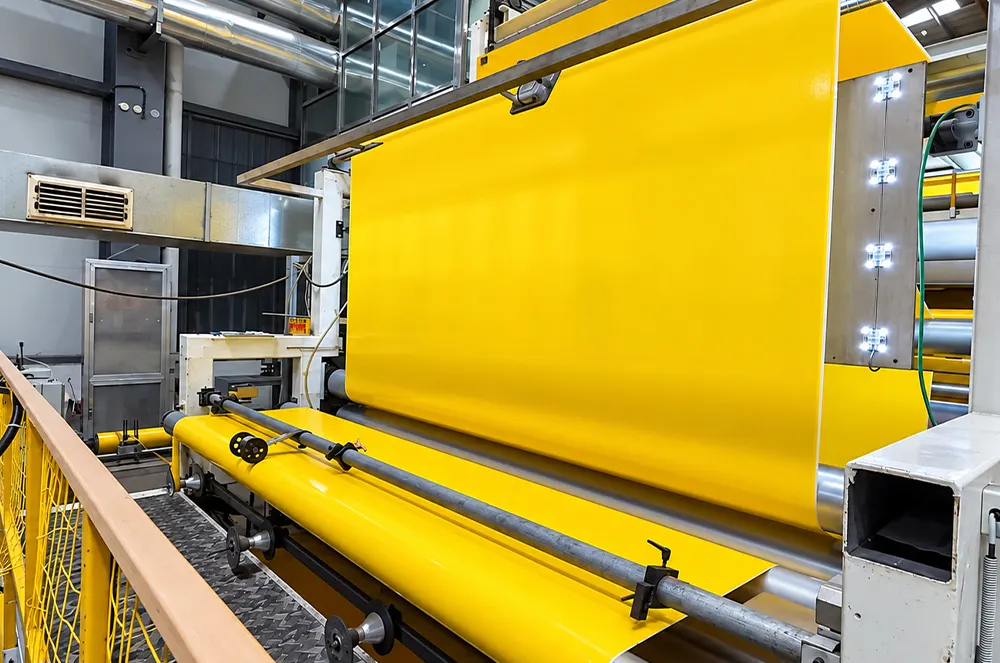
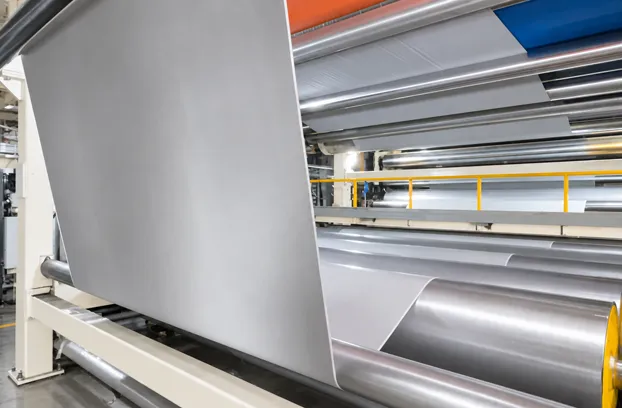
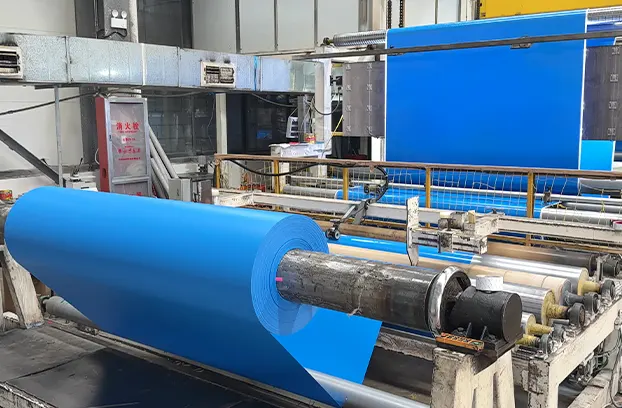
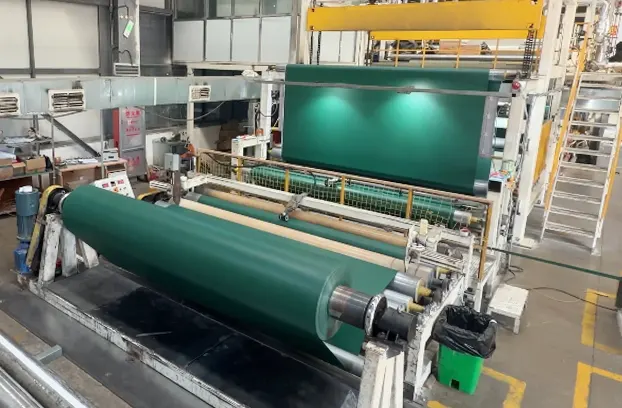
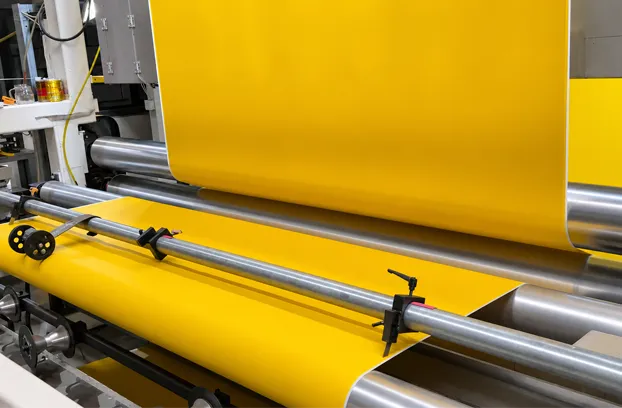
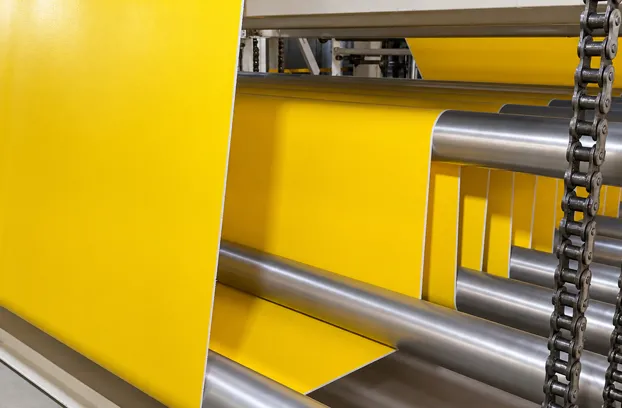
- Film preparation and lamination: The PVC formulation is adjusted for color, flexibility and required performance. Temperature, pressure and production speed are controlled to maintain surface uniformity and film adhesion.
- In-process inspection: Weight, width, thickness, color, surface condition, edges, roll tension and lamination quality are checked during production.
- Finished-roll approval: Completed rolls are inspected for dimensions, appearance, winding, packaging and label information. Additional testing is arranged according to the agreed order requirements.
For customized and repeat orders, an approved specification or golden sample can be retained as a reference for construction, color, surface and flexibility. This gives both parties a clearer standard for controlling batch-to-batch consistency.
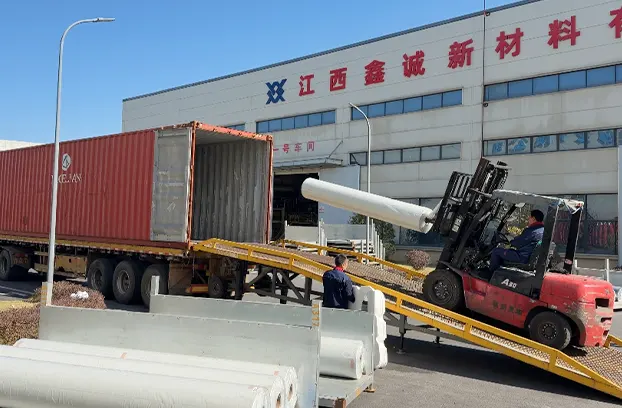
LonaTarp supports sample confirmation, pre-shipment inspection and third-party testing according to the project requirements.
Roll Supply, Samples and Ordering
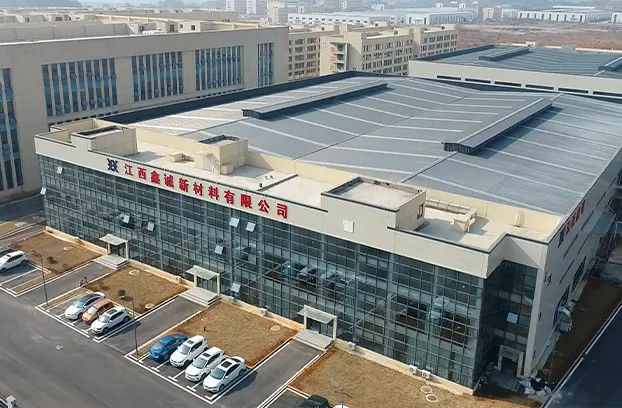
As a China-based PVC laminated tarpaulin manufacturer, LonaTarp supplies made-to-order fabric rolls for converters, finished-product manufacturers, importers and wholesale buyers. Our materials are produced according to confirmed specifications rather than supplied as individual retail tarps.
For customized PVC laminated tarpaulin orders, buyers can specify material weight, polyester base fabric construction, roll width and length, color, surface finish and functional requirements. Cutting, welding, sewing, reinforced edges, eyelets, logo printing and accessories can also be arranged when further fabrication is required.
A sample can be provided before bulk production to confirm:
- Color and surface
- Weight and flexibility
- Base-fabric construction
- Welding or sewing performance
- Printing compatibility
- Required product properties
For custom colors, formulations or constructions, sample production may be required. Buyers processing the material with their own equipment should test the approved sample under their actual production conditions.
| Ordering Information | Details |
|---|
| Minimum order quantity | 5,000 m² per color and specification |
| Production model | Made-to-order B2B manufacturing |
| Lead time | Depends on quantity, specification, testing and the current production schedule |
| Sample service | Available before bulk production |
| Customization | Weight, width, length, color, finish and performance |
| Fabrication services | Cutting, welding, sewing, eyelets, printing and accessories |
| Export markets | Worldwide |
To request a custom PVC laminated tarpaulin roll quotation, share your intended application, target GSM or existing sample, preferred roll width and length, color, required performance, estimated quantity and destination. If the exact specifications are not yet available, you can start by describing your product and working conditions.