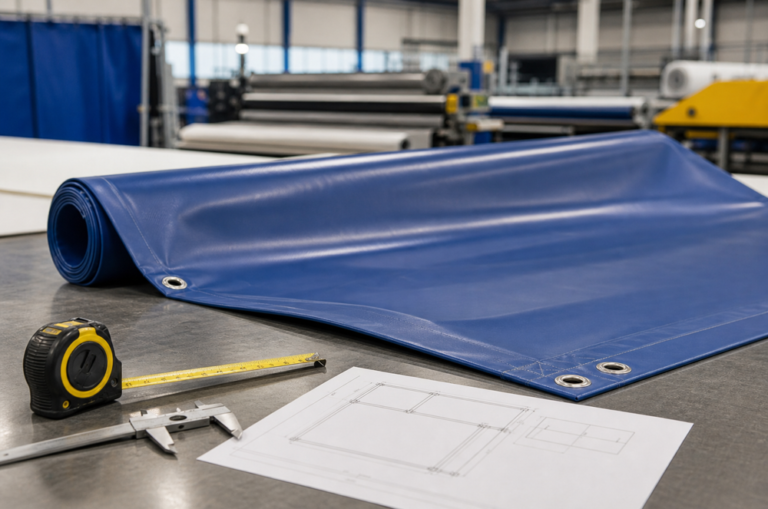
PVC tarpaulin is a reinforced flexible material made by combining a woven base fabric with PVC. The reinforcement gives the material strength and dimensional stability, while the PVC layers provide a waterproof and protective surface.
The name can be confusing, especially if you are comparing terms such as tarpaulin vs PVC. Tarpaulin describes a type of protective fabric or covering, while PVC is one of the materials used to make it.
PVC is not the only material used for tarpaulins. Depending on the required performance and application, tarpaulins can also be made from PE (polyethylene), canvas, TPU-coated fabrics and other technical textiles. Each material has a different construction and is suited to different working conditions.
PVC tarpaulin itself is also available in many constructions, weights, thicknesses and performance grades. Understanding these differences is important whether you are buying roll material for fabrication or ordering a finished tarp made to your required size.
What Is PVC Tarpaulin?
PVC tarpaulin is generally made from a woven reinforcing fabric combined with polyvinyl chloride, or PVC.
In most industrial PVC tarpaulins, the internal reinforcement is polyester fabric. The polyester structure carries much of the tensile load, while the PVC surrounding it forms the protective outer surface.
This combination gives PVC tarpaulin a useful balance of strength, flexibility, waterproofing and processability.
It is also important not to confuse PVC tarpaulin with a simple sheet of
PVC film.
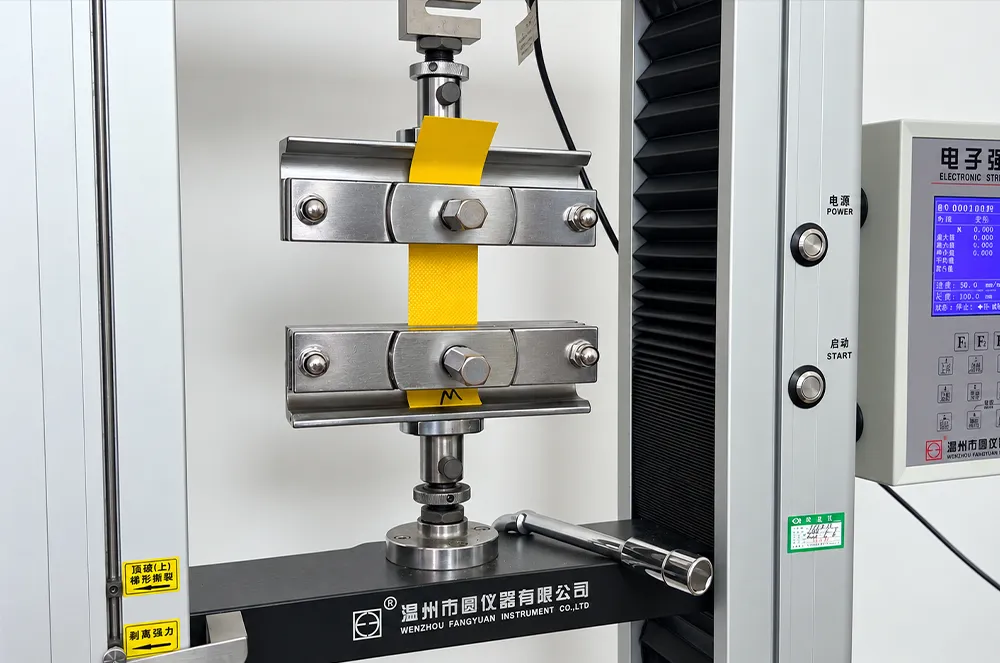
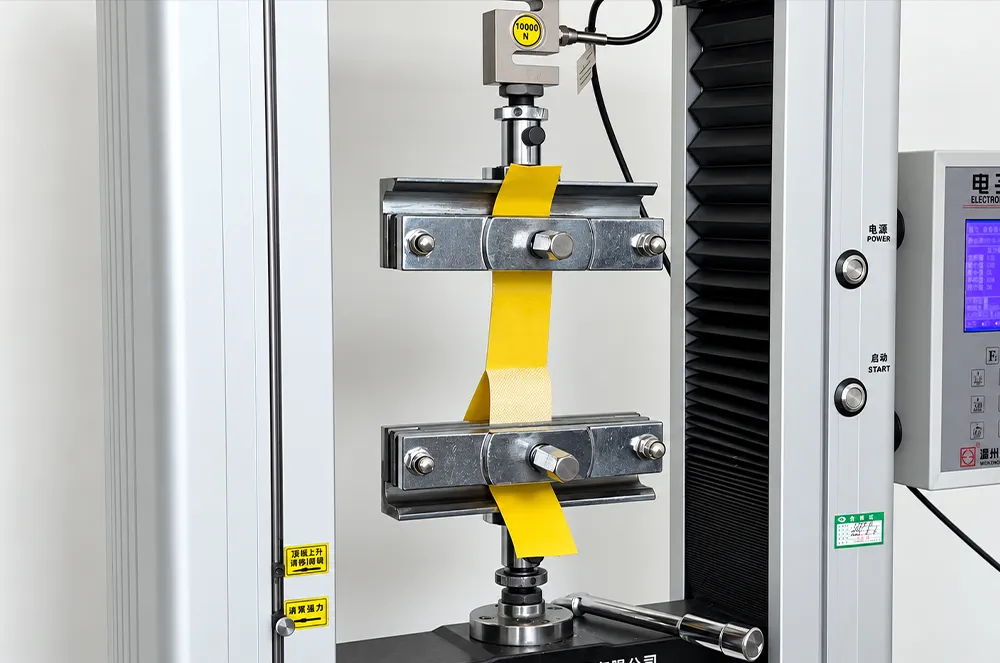
PVC film does not contain the woven reinforcing fabric found inside a typical PVC tarpaulin. Without that internal fabric structure, flexible PVC films can have much greater stretch and elongation characteristics.
Certain flexible PVC membranes, for example, are used in stretch ceiling systems and decorative ceiling applications, where the material needs to form a smooth, tensioned surface.
PVC tarpaulin is designed differently. Its reinforcing fabric helps control stretching and provides the strength required when the material is pulled, folded, welded, sewn or used across larger areas.
How Is PVC Tarpaulin Constructed?
A typical PVC tarpaulin begins with woven polyester reinforcement and PVC applied to both sides.
There are two main construction types commonly found in the market:
PVC coated tarpaulin has PVC coating applied directly to the reinforcing fabric.
PVC laminated tarpaulin combines the reinforcing fabric with PVC films through a lamination process.
Both are PVC tarpaulins, but the way the PVC layers are applied and bonded to the fabric is different.
For most buyers, the more important point is that PVC tarpaulin is not simply a thick plastic sheet. It is an engineered combination of base fabric + PVC layers.
Even two tarpaulins with a similar finished weight can behave differently if they use different polyester yarns, weave densities, PVC quantities or formulations. This is why experienced buyers usually look beyond GSM, oz or thickness alone when comparing materials.
What Does the PVC Layer Do?
The PVC layer forms the main protective surface of the tarpaulin.
It provides the waterproof barrier and helps protect the reinforcing fabric from direct exposure to water, dirt, weather and other environmental conditions.
PVC also allows the material to be produced in different colors, finishes and performance grades.
Depending on the formulation and intended application, PVC tarpaulin can be designed around many different performance requirements, including:
- Waterproof performance
- Tensile strength
- Tear resistance
- Abrasion resistance
- UV resistance
- Weather resistance
- Cold resistance
- Heat resistance
- Flexibility
- Dimensional stability
- Flame-retardant performance
- Chemical resistance
- Oil resistance
- Mildew resistance
- Color stability
- Weldability
Not every PVC tarpaulin automatically has all of these properties.
The final performance depends on the base fabric construction, PVC formulation, coating or lamination process, total material weight and any additional surface treatments or additives.
For commercial projects, this is why the intended application is usually more useful than simply asking for a “high-quality PVC tarpaulin.” Once the working conditions are clear, the material can be specified around the performance that actually matters.
Tarpaulin vs PVC: What Is the Actual Difference?
Tarpaulin describes a type of flexible protective material or covering. PVC describes the material used as part of its construction.
In other words,
PVC tarpaulin is one type of tarpaulin.
A tarpaulin can be made using different material systems. PVC tarpaulin uses PVC combined with reinforcing fabric, while PE tarpaulin, canvas tarpaulin and TPU-based technical fabrics use different constructions.
For a buyer, the important question is therefore not simply whether a product is a “tarpaulin.”
The important question is:
What material is the tarpaulin made from, and is that construction suitable for the intended application?
Tarpaulin Is a Product Category, While PVC Defines the Material System
The word tarpaulin alone does not tell you enough about the product.
For example, two products may both be described as tarpaulins but have very different:
- weight
- flexibility
- tear strength
- weather resistance
- expected service life
- fabrication methods
- cost structure
A PVC tarpaulin should therefore be identified by both its material type and its specification.
For B2B purchasing, a description such as:
650 gsm PVC coated polyester tarpaulin
provides far more useful information than simply:
heavy-duty tarpaulin
The more accurately the material is described, the easier it becomes to compare quotations from different suppliers.
Is Every Tarpaulin Made from PVC?
No.
PVC is only one material system used for tarpaulins.
Common examples include:
- PVC tarpaulin
- PE / polyethylene tarpaulin
- canvas tarpaulin
- TPU-coated technical fabric
These materials are not interchangeable in every application.
They differ in construction, weight, flexibility, durability, fabrication methods and cost.
A detailed comparison between PVC, PE, canvas and TPU is a separate material-selection question. When sourcing a product, the first step is simply to confirm which material family you actually need.
PVC Tarpaulin Material vs Finished PVC Tarps
Another important distinction is the difference between
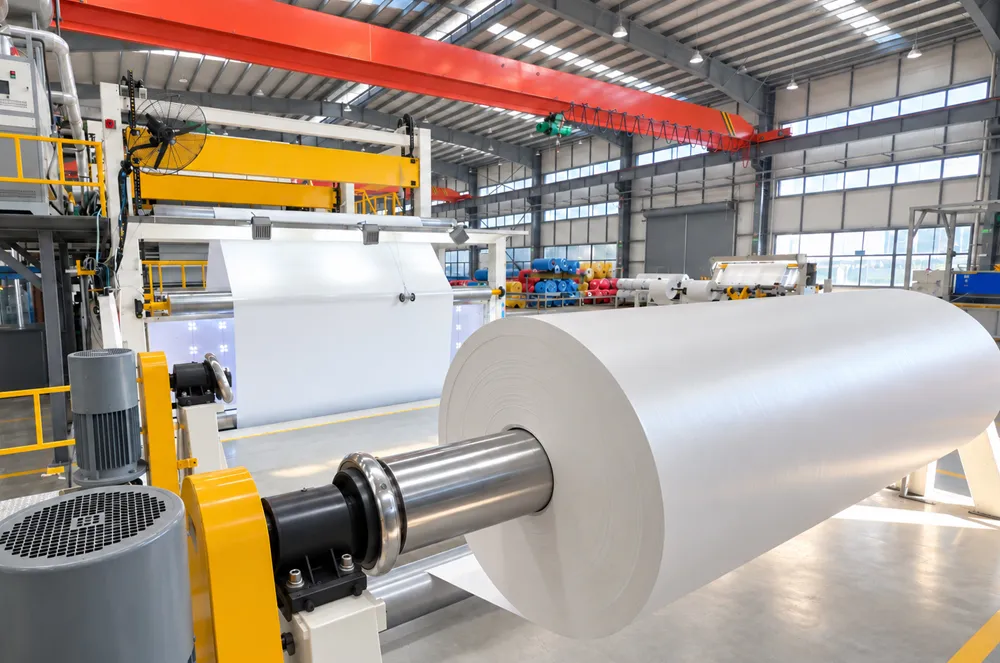
PVC tarpaulin roll material and a finished PVC tarp.
A fabricator buying a roll of PVC tarpaulin to manufacture covers is purchasing a different product from a contractor ordering finished tarps with reinforced edges, welding and grommets.
This sounds obvious once explained, but it is an important distinction when looking for suppliers.
In the PVC tarpaulin industry, some factories specialize only in producing PVC tarpaulin roll material. They manufacture coated or laminated fabric but do not have the equipment or production capacity to convert the material into finished tarps.
Other manufacturers can provide both the material and further fabrication.
So how do you make sure you are contacting the right supplier?
Start by identifying exactly which product you need.
If you are ready to source PVC tarpaulin in bulk, explore LonaTarp’s PVC tarpaulin products and supply options for roll materials and custom finished tarps.
PVC Tarpaulin Roll Material
Choose roll material when you already have your own cutting, welding, sewing or fabrication capability.
When requesting PVC tarpaulin rolls, useful information normally includes:
- Required material weight or thickness
- Roll width
- Roll length
- Color
- Coated or laminated construction
- Required base fabric
- Surface finish
- Required performance
- Final application
The more information you provide about the final product, the easier it is for the manufacturer to recommend an appropriate material construction.
Finished PVC Tarps
If you do not want to process the material yourself, you need a supplier with finished tarp fabrication capability.
A finished PVC tarp can involve much more than cutting material from a roll.
Depending on the design, processing may include:
- Cutting to required dimensions
- Heat welding
- High-frequency welding
- Sewing
- Hemmed or reinforced edges
- Grommets
- D-rings
- Corner reinforcement
- Straps or other fittings
- Logo or custom printing
When sending an inquiry for finished tarps, it is therefore useful to provide the finished dimensions, quantity, application and required accessories.
If you only have a drawing, sample or basic application requirement, that can also be enough to start the discussion.
LonaTarp manufactures PVC tarpaulin material and also provides custom fabrication. For buyers who do not have their own processing capability, we can manufacture the material and convert it into the required finished size and construction.
What Are the Basic Properties of PVC Tarpaulin?
There is no single specification that defines every PVC tarpaulin.
A lightweight laminated tarpaulin and a heavy-duty coated tarpaulin can both belong to the PVC tarpaulin family while performing very differently.
Several basic properties, however, are common considerations when evaluating the material.
Waterproof Surface
PVC creates a continuous protective surface around the reinforcing fabric, making the material itself waterproof.
This is one of the reasons PVC tarpaulin is widely used for outdoor covers, industrial protection and applications where rain or moisture needs to be kept out.
The finished product still matters.
A waterproof fabric does not automatically mean that every fabricated tarp will perform identically. Welded seams, sewn seams, openings, grommets and other details can affect the waterproof performance of the finished product.
Reinforced Structure
The woven base fabric gives PVC tarpaulin much of its mechanical strength.
A simple way to understand the structure is:
The polyester reinforcement carries the load, while the PVC protects and seals the surface.
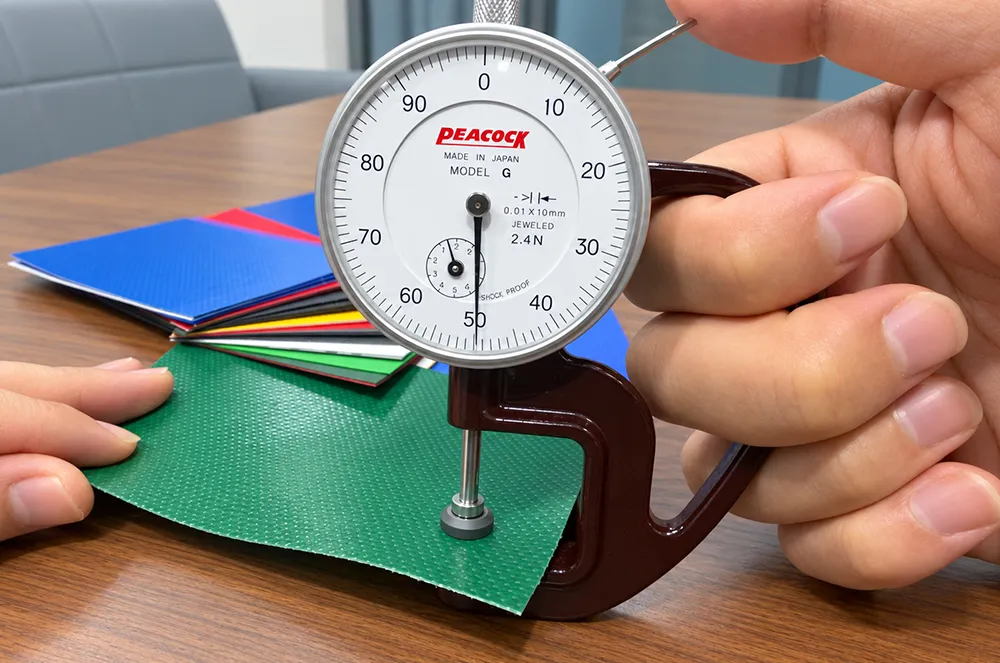
This is also why thickness alone cannot fully describe the strength of a PVC tarpaulin.
Two materials with similar thickness may use different yarn specifications, weave densities and fabric constructions.
For demanding applications, the reinforcement specification can be just as important as the amount of PVC.
Weight, Thickness and Flexibility Can Vary
PVC tarpaulin is available in a wide range of weights and thicknesses.
Increasing material weight does not automatically mean that one product is better for every application.
A heavy-duty material may be suitable for repeated industrial use, while another project may require a lighter and more flexible fabric that is easier to fold, handle or fabricate.
The appropriate construction depends on how the material will eventually be used.
That is why professional material selection should consider the complete specification rather than focusing only on GSM, oz or thickness.
How Long Does PVC Tarpaulin Last?
There is no single service-life figure that applies to every PVC tarpaulin.
Two PVC tarpaulins used in different environments can have very different working lives even if they look similar when new.
Service life is affected by several factors, as discussed in how long vinyl tarps last outdoors.
Base Fabric and Material Construction
The strength and density of the reinforcing fabric influence how well the tarpaulin tolerates repeated tension, movement and mechanical loading.
The PVC quantity and overall material construction also affect durability.
PVC Formulation
PVC is not one fixed formulation.
Different plasticizers, stabilizers, pigments and functional additives can be used depending on the required performance.
For example, a material intended for long-term outdoor exposure may require stronger UV and weather resistance than a tarp used mainly indoors.
UV and Weather Exposure
Long-term sunlight is one of the major factors affecting outdoor tarpaulins.
UV radiation, heat, rain, freezing temperatures and repeated temperature changes can gradually affect the PVC surface.
Materials designed for outdoor applications therefore need suitable weather-resistant formulations.
Mechanical Stress and Abrasion
Dragging, repeated folding, rubbing against sharp edges and constant tension can shorten the working life of a tarp.
Even a heavy-duty material can wear prematurely if it is continuously exposed to excessive abrasion.
Chemicals and Working Environment
Oil, acids, alkalis and other chemicals can affect PVC differently depending on their concentration and exposure time.
For industrial projects involving chemical contact, the actual working environment should be discussed before the material specification is confirmed.
Fabrication Quality
The material itself is only part of the finished product.
Poor welding, weak seams, insufficient edge reinforcement or incorrectly positioned grommets can become failure points even when the PVC fabric itself is still in good condition.
For custom finished tarps, material specification and fabrication quality should therefore be considered together.
What Is PVC Tarpaulin Used For?
PVC tarpaulin is used wherever a strong, waterproof and fabric-reinforced flexible material is required.
Because the material can be produced in different weights, widths, colors and performance grades, it can be adapted to many commercial and industrial applications.
Common examples include:
Truck and Transportation Covers
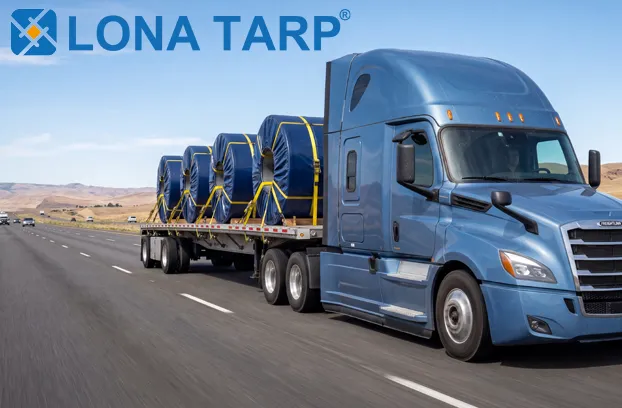
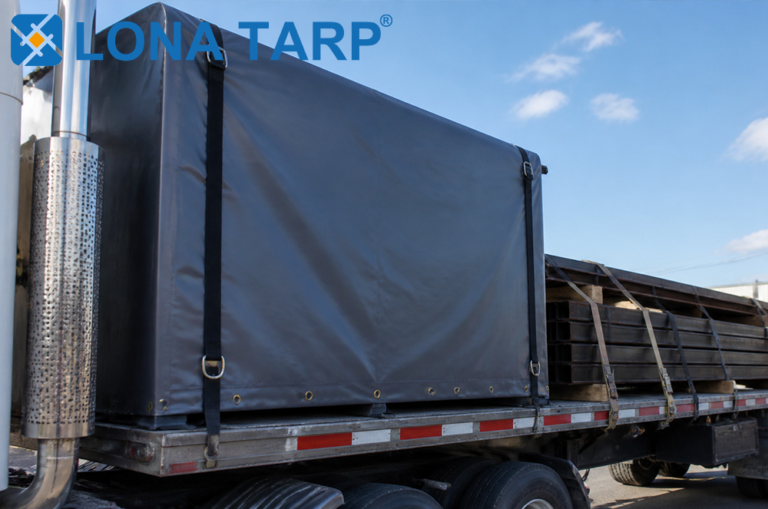
PVC tarpaulin is widely used for truck covers, side curtains, cargo covers and transportation protection.
These applications usually require a combination of waterproofing, tear strength, flexibility and outdoor durability.
Equipment and Machinery Covers
Custom vinyl tarps can be made to protect machinery, equipment and stored goods from water, dust and weather.
The finished product can be fabricated according to the dimensions and fixing method required by the equipment.
Industrial Curtains and Partitions
PVC tarpaulin can be welded or sewn into industrial curtains, warehouse partitions and flexible enclosures.
These applications may require specific colors, flame-retardant properties or customized attachment systems.
Construction and Outdoor Covers
Construction sites use PVC tarpaulin for temporary covers, weather protection, material covers and other protective structures.
Large sizes can be produced by welding multiple fabric panels together.
Agricultural Covers
PVC tarpaulin can also be used for agricultural protection, equipment covers and other applications that require waterproof flexible fabric.
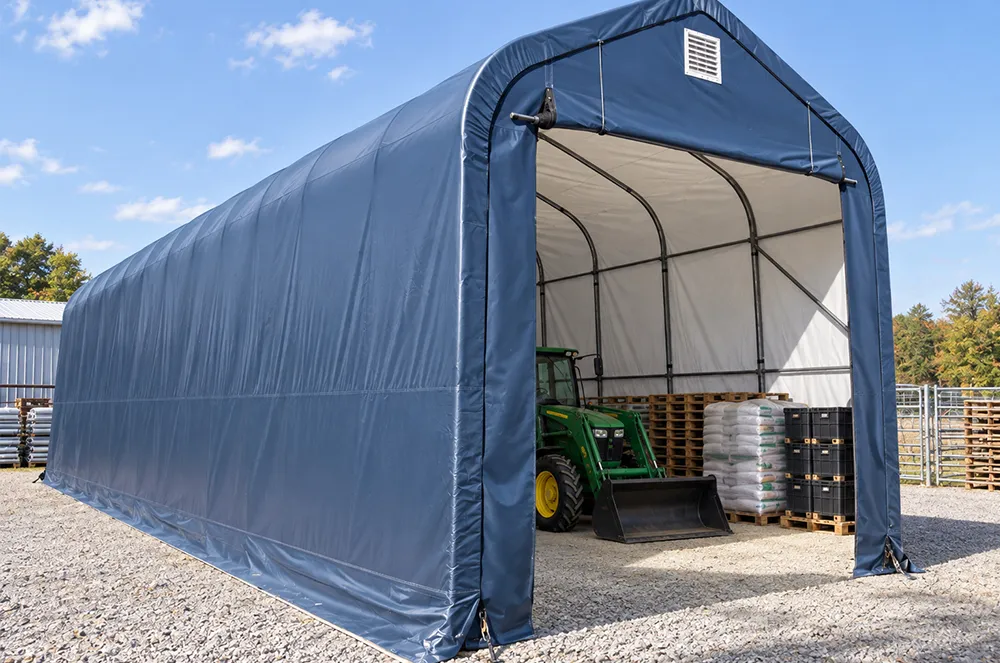
Tents, Shelters and Custom Structures
Different PVC tarpaulin grades are used for temporary structures, shelters and other fabricated textile products.
The exact material should be selected according to the required weight, strength, weather resistance and service conditions.
Custom Fabricated PVC Products
Many PVC tarpaulin projects do not fit neatly into a standard product category.
A customer may need a particular shape, unusual dimensions, reinforced sections, openings, straps, D-rings, grommets or a specific welding layout.
These applications can normally be produced from drawings, samples or project requirements.
Because LonaTarp manufactures the PVC material as well as providing cutting, welding, sewing and other fabrication services, we can support both roll-material buyers and customers who need finished custom products.
Frequently Asked Questions
What Do Americans Call a Tarpaulin?
In American English, tarp is the more commonly used everyday word for tarpaulin.
For example, you will frequently see terms such as PVC tarp, vinyl tarp and heavy-duty tarp in the U.S. market.
Tarpaulin is still commonly used in technical descriptions, international trade and material terminology.
Is PVC Tarpaulin the Same as a Vinyl Tarp?
The terms are closely related because PVC means polyvinyl chloride, commonly referred to as vinyl.
For this reason, PVC tarp, PVC tarpaulin and vinyl tarp can refer to very similar materials.
The difference is often in how the product is sold.
PVC tarpaulin can refer to roll material as well as fabricated products, while vinyl tarp is especially common in the U.S. market when describing finished tarps.
For B2B sourcing, it is therefore better to confirm the actual construction and whether you need roll material or a finished product rather than relying only on the product name.
If you already know that PVC tarpaulin is the material you need but are not sure which specification to request, you do not need to determine every technical parameter before contacting a manufacturer.
Tell us what the material will be used for, whether you need PVC tarpaulin rolls or finished tarps, the approximate size or quantity, and any important working conditions.
From there, LonaTarp can help narrow down the material construction, weight, width, performance requirements and fabrication method that fit the project.