 Steel coils are among the most valuable and challenging cargoes to haul. Weighing tens of thousands of pounds and carrying significant stored energy, these cylindrical metal products demand specialized handling and protection throughout every mile of transit. For flatbed operators, logistics managers, and fleet owners, the simple act of selecting and securing a steel coil tarps system can mean the difference between a profitable haul and a catastrophic loss.
Steel coil protection from moisture, road spray, and UV deterioration is just as important as load securement. A perfect coil can be devalued by rust and corrosion in a single trip, thus selecting the right covering material is crucial for both cost and safety. This thorough tutorial will walk you through the fundamental stages of tarping a steel coil, look at industry best practices, discuss how coil tarps for flatbeds enhance load protection, and point out typical errors that might jeopardize cargo integrity.
This article covers the handling sequence. For bulk buyers comparing cover construction, fit, and order specifications, see our steel coil tarp bag selection guide.
I. Step-by-Step Guide to Tarping a Steel Coil Properly
Proper tarping a steel coil requires systematic preparation, the right equipment, and careful execution. Following these steps ensures that your PVC tarpaulin performs as designed, protecting the cargo from the moment the load leaves the facility until it arrives at its destination.
Step 1: Inspect the Steel Coil and Prepare the Work Area
Examine the steel coil well before handling the tarp. Check for any indications of damage, such as dents, rust patches, cracks, or damaged coatings. Make sure the coil is compatible with your tarp and tie-down system by taking precise measurements of its diameter, width, and weight. To establish a clean, non-slip work surface, remove any ice, dirt, or standing water from the flatbed deck.
Step 2: Select and Inspect Your Coil Tarps
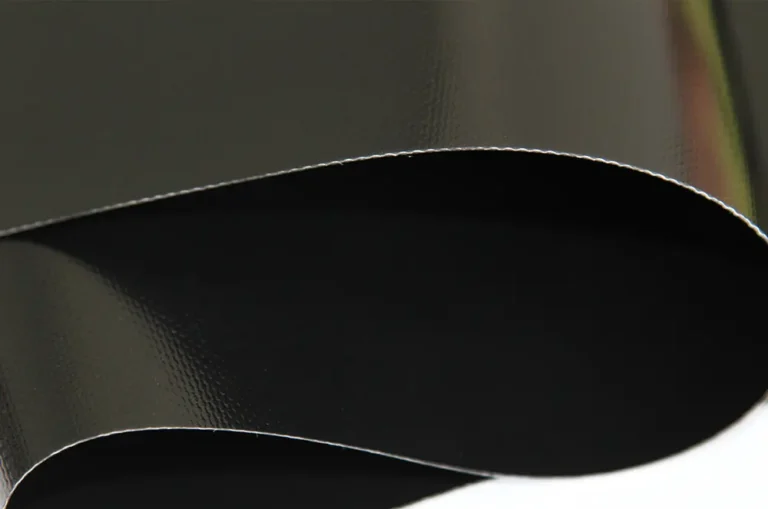
Choosing the proper tarp material is essential to successfully tarping a steel coil. Select a steel coil tarps product with a sufficient gsm (gram per square meter) grade that is constructed of heavy-duty, UV-stabilized PVC-coated polyester. A 600–750 gsm PVC tarpaulin offers the best compromise between handling weight and tear resistance for the majority of coil applications. 850 gsm or more is advised for big or extremely hefty coils. Examine the tarp carefully for rips, punctures, worn grommets, and disintegrating seams. Replace any damaged tarp before using it because a compromised cover cannot offer dependable protection.
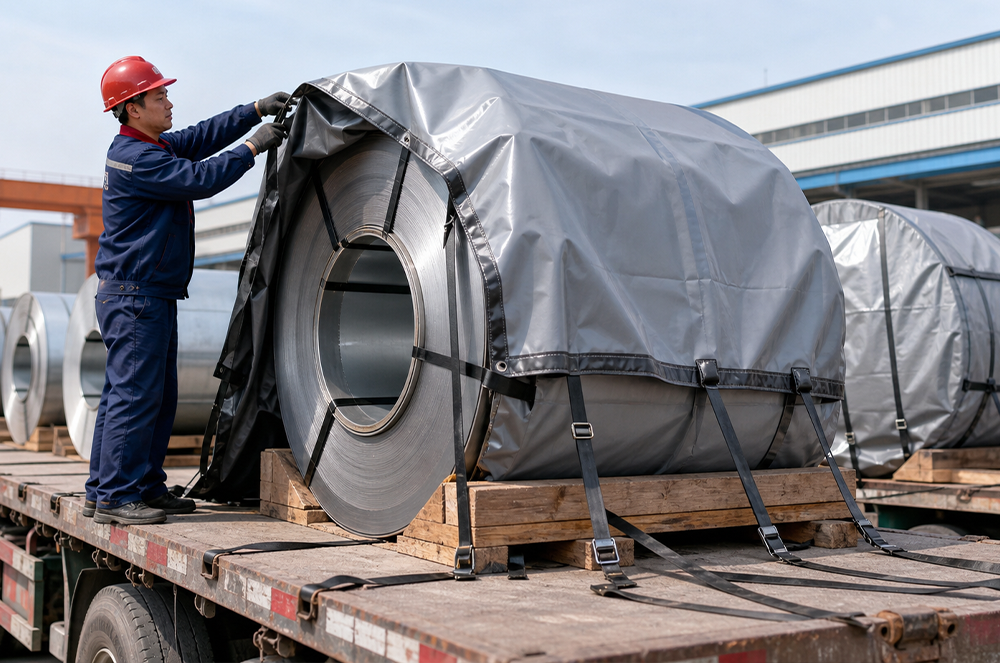 Step 3: Position the Steel Coil and Pre-Secure with Tie-Downs
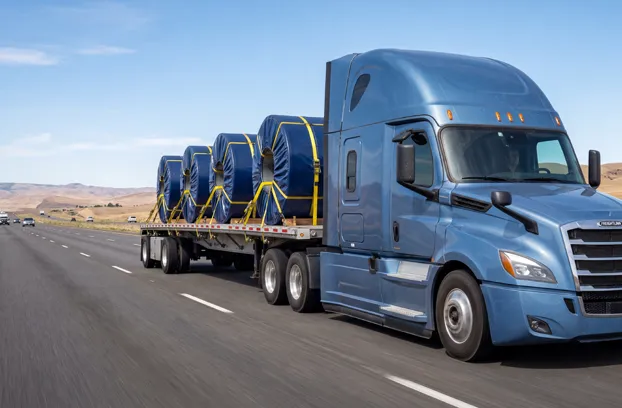
Position the steel coil in the middle of the flatbed deck, preferably in saddles or coil cradles that are made to keep it from moving laterally. Don’t tarp the load before fastening it. In compliance with FMCSA securement rules, secure the coil with heavy-duty chains, binders, or ratchet straps. According to FMCSA regulations, any load longer than five feet must have at least two tie-downs, plus an extra tie-down for every ten feet of cargo length. To stop straps from fraying or cutting into the coil, place edge guards at each point of contact.
Step 4: Unfold and Drape the Tarp Over the Coil
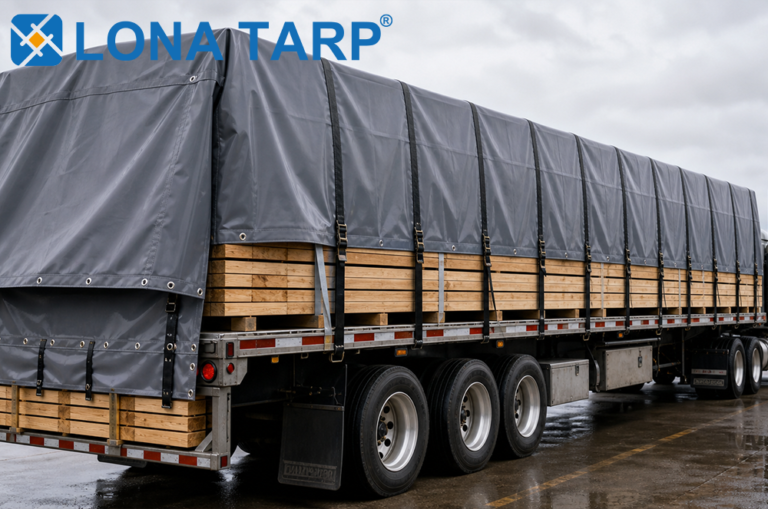
Unfold the PVC tarpaulin and evenly drape it over the steel coil after the load is secure. Make sure the tarp has a minimum of 12 to 18 inches of overhang on each side. For adequate protection against rain, snow, road spray, and flying debris, this overhang is essential. Flatten the tarp for tall or asymmetrical coils to remove bunching and wrinkles that could lead to water pooling or wind flutter.
Step 5: Attach the Tarp Using Integrated Hardware and Straps
The majority of professional steel coil tarps are made with reinforced grommets set 12 to 18 inches apart around the edge. To secure the tarp to the trailer’s anchor points, use premium ratchet straps through these grommets. Ratchet each strap until the PVC tarpaulin is taut throughout the entire coil, working from the front to the back and switching sides to ensure even tension. Avoid overtightening to the point of rupturing grommets or permanently stretching the cloth; instead, the tarp should feel snug against the load with no discernible slack.
Step 6: Perform a Short-Drive Check and Final Adjustments
Once a steel coil has been tarped, carefully drive the loaded trailer 50 to 100 feet before stopping and taking another look. Straps that seemed tight at a standstill may loosen during the first bumps and vibrations. Make sure there are no openings where moisture could seep in, tighten any loose fasteners, and look for indications of tarp flapping or movement. Repeat this inspection at each planned rest break for long hauls, particularly after traveling through areas with severe winds or heavy rain.
II. Best Practices for Tarping Steel Coils in Transit
Mastering tarping steel coils extends beyond the initial covering. Adopting proven best practices ensures that your PVC tarpaulin continues to perform throughout the journey, protecting the load against weather and road hazards while maintaining compliance with transportation regulations.
Use Coil-Specific Hardware and Reinforcements
Standard flatbed tarps are not optimized for the round profile of steel coils. Dedicated coil tarps for flatbed include features such as reinforced D-rings, strategically placed grommets, and corner reinforcements that distribute tension evenly across the curved load surface. These design elements significantly reduce the risk of tarp shifting, wind billowing, and edge tearing during transit.
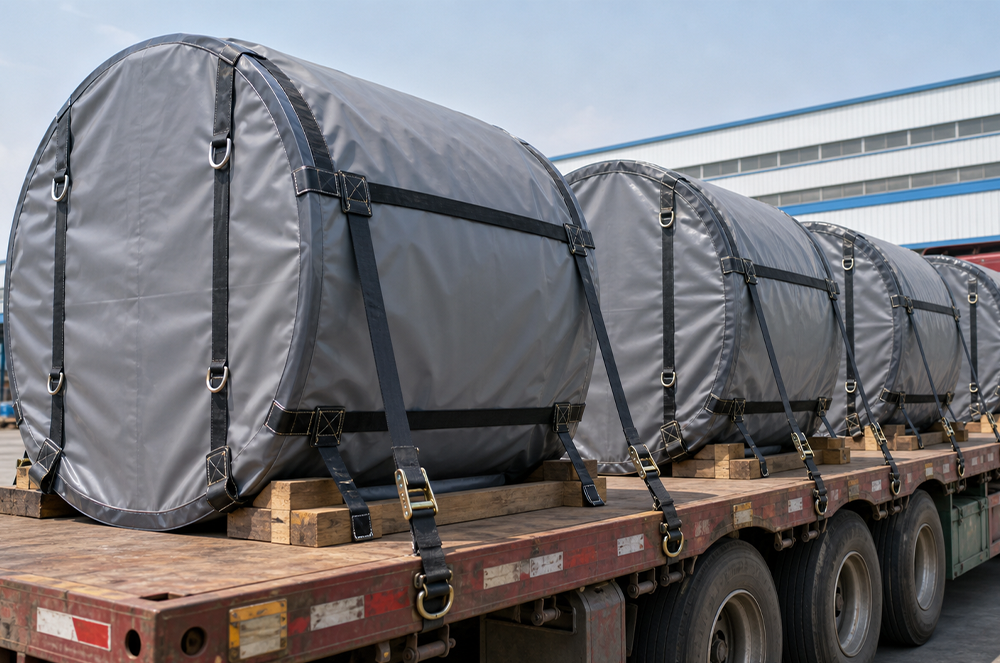
Apply X-Pattern Cross-Cording for Lateral Stability
Wind and crosswinds can easily lift the edges and corners of a tarp, creating a parachute effect that reduces fuel economy, accelerates tarp wear, and risks exposing the cargo. To combat this, add an extra strap in an X-pattern over the top of the PVC tarpaulin, criss-crossing from one side of the trailer to the opposite side. This bridging technique distributes tension more uniformly across the entire tarp surface and effectively prevents lateral cover movement, especially crucial for tall or wide steel coils.
Schedule Regular En-Route Inspections
During a long journey, even a well-made tarp may shift or come free. Create a systematic inspection schedule that includes visual inspections at each scale crossing, rest period, and fuel stop. Pay special attention to contact points where the tarp meets sharp edges. Retension any loose straps immediately. If a small tear appears, apply a heavy-duty repair patch as a temporary fix and arrange proper repair or replacement after the trip.
Consider Reinforced Tarp Systems for Repeated Routes
Investing in an engineered reinforced tarp system can significantly cut setup time and labor costs for fleets that regularly transport steel coils over the same routes. These systems typically incorporate specialized support frames, pre-positioned cable guides, and custom-fit coil tarps designed for faster deployment. They also reduce driver injury risk during tarp handling, especially in adverse weather or low visibility.
III. How Coil Tarps for Flatbed Improve Load Protection
Dedicated coil tarps for flatbed are not simply larger versions of standard truck tarps. They are purpose-engineered protective systems that address the unique challenges posed by cylindrical, heavy steel cargo. Understanding how these specialized tarps enhance load protection helps fleet operators justify the investment and select the right solution for their operations.
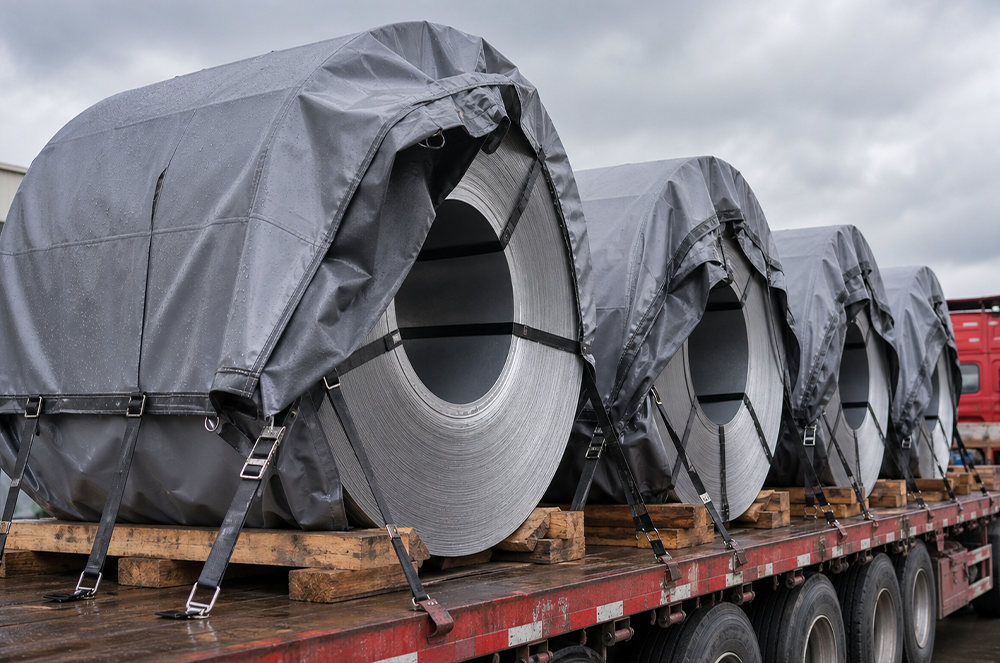 Superior Material Strength for Heavy-Duty Applications
Standard polyethylene or canvas tarps often fail under the abrasive forces and dynamic stresses of steel coil transport. In contrast, professional coil tarps for flatbed are manufactured from high-tenacity PVC-coated polyester with dense weaves (e.g., 20×20 or 24×22), delivering tear strength values of 2500–3500 N per 5 cm or higher. For the most demanding applications, cross-laminated constructions can achieve tensile ratings exceeding 8000 N, capable of securing and lifting extremely heavy loads without material failure.
Complete Weather Protection for Corrosion Prevention
Steel coils are highly susceptible to rust, oxidation, and corrosion when exposed to moisture, road salts, or chemical contaminants. Professional coil tarps for flatbed made from PVC tarpaulin provide a non-porous, fully waterproof barrier that blocks rain, snow, sleet, and road spray. UV resistance additives help prevent sunlight degradation, while optional surface treatments improve dirt and chemical resistance, extending service life.
Regulatory Compliance and Safety
Regulatory bodies, including the Federal Motor Carrier Safety Administration (FMCSA), require that loads be covered when exposed to potential airborne material or moisture damage. Using compliant coil tarps for flatbed helps avoid fines and out-of-service violations while improving load stability and reducing liability risks.
Customizable Fit for Diverse Coil Sizes and Configurations
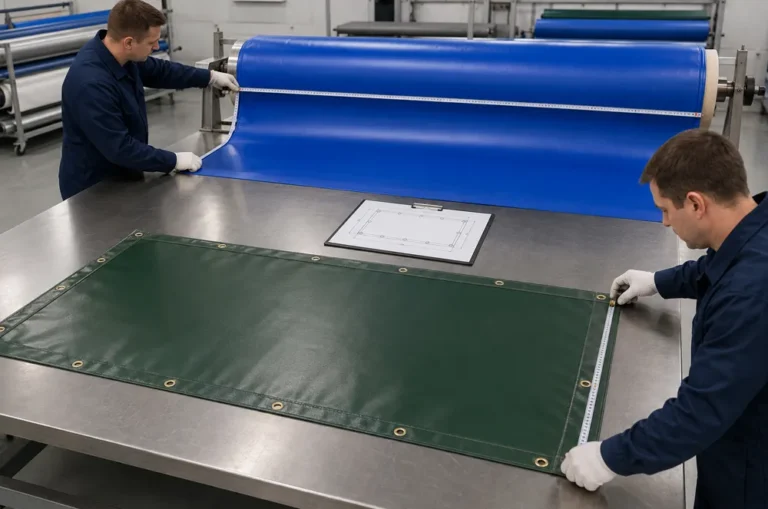
Coil tarps for flatbed are available in multiple sizes and can be fully customized for fleet requirements. Options include gsm weight selection, reinforced edges, branding logos, and tailored dimensions. This ensures optimal coverage with minimal excess material, improving tension control and reducing wind drag.
IV. Common Mistakes to Avoid When Covering Steel Coils
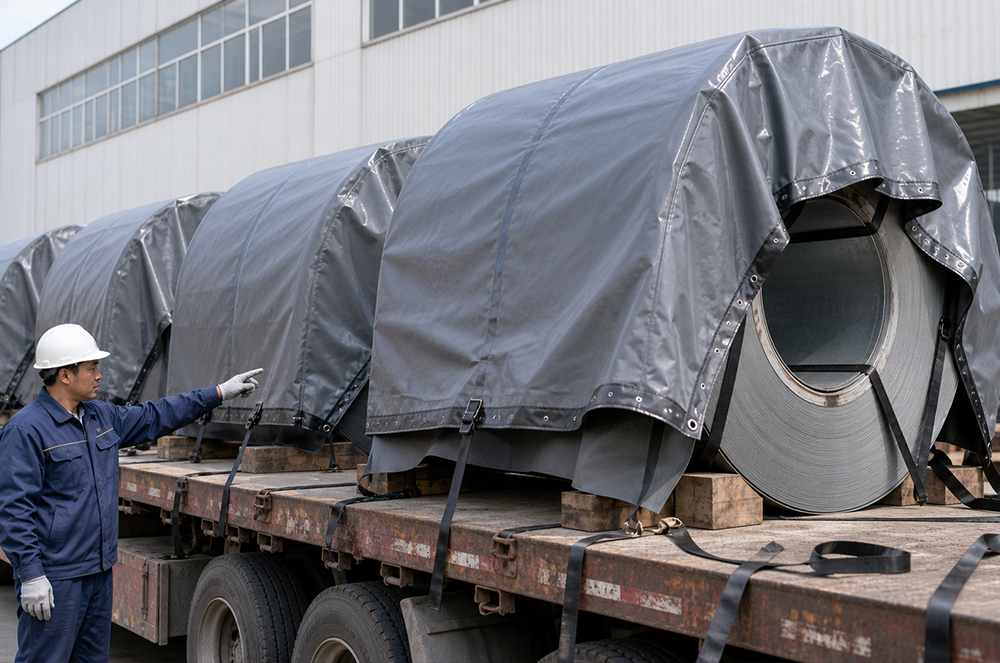 Even experienced operators can fall into recurring errors that compromise cargo protection and increase operating costs.
Using the Wrong Tarp Material or Size
A tarp that is too small leaves exposed gaps, while an oversized tarp creates excess slack and wind flutter. Always match tarp size and gsm rating to coil weight and dimensions.
Neglecting Pre-Securement of the Load
Tarping an unsecured coil is unsafe and non-compliant. Always secure the load first with chains or straps before deploying the tarp.
Omitting Edge Protectors and Padding
Sharp steel edges can cut through even heavy-duty PVC tarpaulin. Edge protection is essential at all contact points.
Over-Tensioning or Under-Tensioning the Tarp
Improper tension leads to either fabric tearing or wind-induced flapping. The tarp should be firm but not strained.
Skipping the Short-Drive Recheck
Initial vibration can loosen straps. A short recheck after the first drive segment is critical for safety.
Ignoring Tarp Damage Between Trips
Small tears or worn grommets should be repaired immediately. Damaged tarps compromise waterproofing and load protection.
V.Conclusion
Transporting steel coils safely and profitably demands more than brute force; it requires the right tools, proper technique, and a commitment to quality at every step. From systematically tarping a steel coil to adopting proven best practices for tarping steel coils, and from investing in purpose‑built coil tarps for flatbed to avoiding common handling errors, every decision matters.
At the heart of this protective system is the tarp itself. A high‑performance PVC tarpaulin delivers the superior tear strength, waterproof integrity, UV stability, and abrasion resistance that steel coils require to arrive rust‑free, undamaged, and ready for processing. Choosing the wrong material—or cutting corners on tarp quality—exposes valuable cargo to corrosion, contamination, and costly claims.
Haining Lona Coated Material Co., Ltd. has been manufacturing premium PVC tarpaulin, mesh fabric, and pool liner materials for the global transportation industry for over 13 years. Our products are REACH, ROHS, CE, and ISO certified, ensuring that they meet the highest international standards for safety, environmental responsibility, and performance. We offer complete customization of PVC formulations, gsm weights, colors, finishes, and printed graphics, with fast delivery times to support your fleet’s operational schedule.