







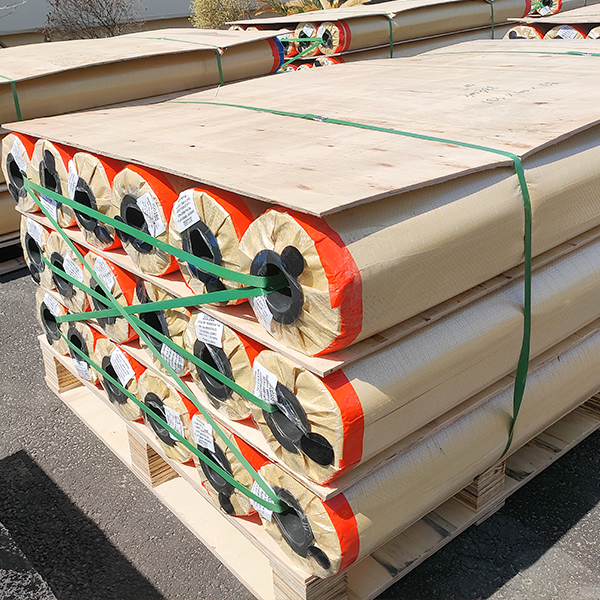
A polythene tarpaulin order usually goes wrong when the buyer only sends a size and asks for the cheapest option. For bulk covering jobs, the real decision is whether the cover will be used once, tied down repeatedly, packed for resale, or exposed outdoors long enough that a PVC coated tarpaulin should be considered instead.
LonaTarp supplies polythene tarpaulin as a B2B sales option for buyers who need PE-based waterproof covering material in volume. It is suitable for temporary stock coverage, construction material protection, agricultural covering, export packing and cost-sensitive transport protection. We do not sell one-piece retail tarps.
Before quoting, send the finished size or roll width, GSM or thickness direction, color, UV exposure, edge finish, eyelet spacing, order quantity and packing method. Standard MOQ is 5,000 sqm. Samples can be confirmed before bulk supply.
When Polythene Tarpaulin Is the Right Buying Word
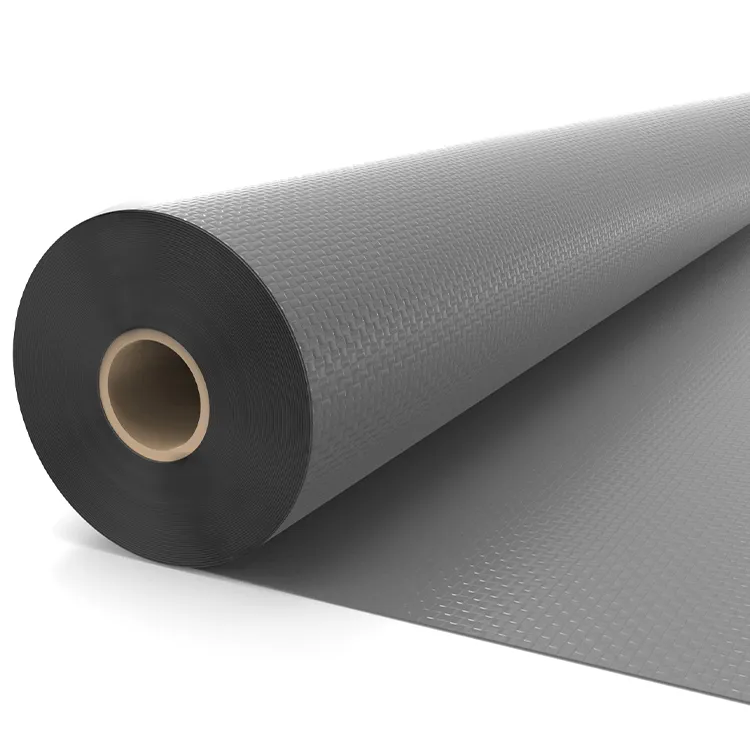
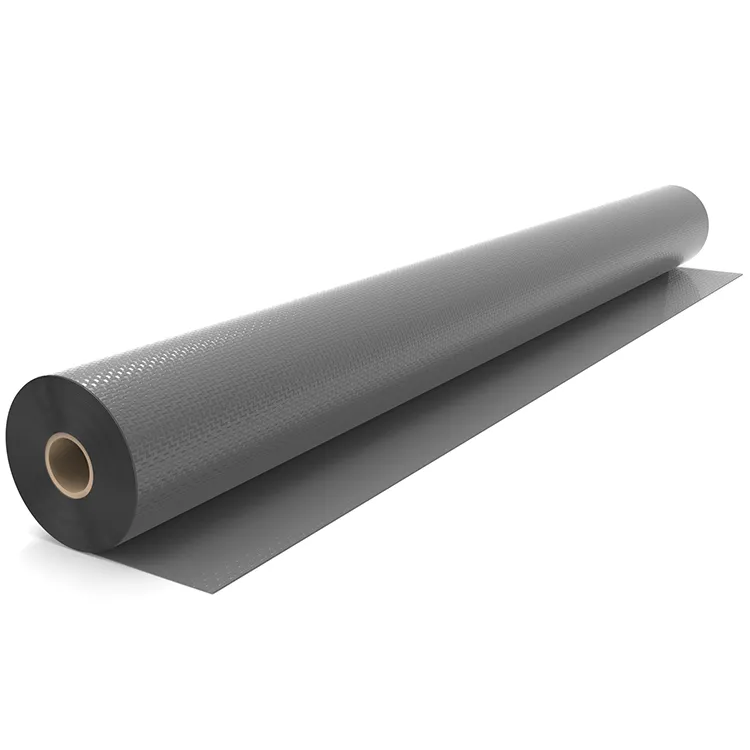
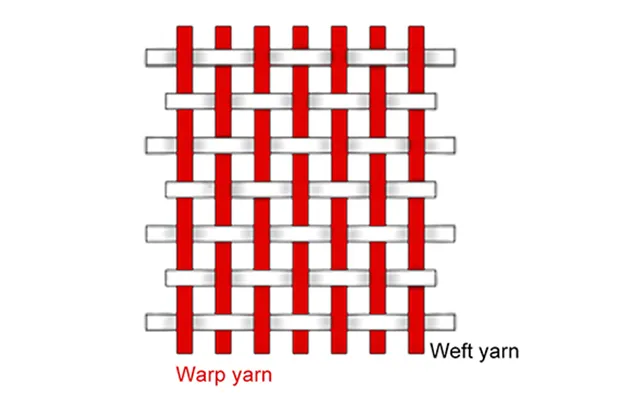
Polythene tarpaulin is common wording in markets where buyers describe PE-based tarps by the shorter material name. It usually points to woven polyethylene fabric with laminated surfaces, but the word alone does not prove the strength level.
Use this page when your inquiry is about PE-based tarpaulin supply, not PVC fabric production. If your project requires welded seams, long outdoor service, flame-retardant documentation or tighter coating control, mention that early so we can compare the PE sales option with PVC coated tarpaulin.
A useful inquiry normally says more than blue polythene tarpaulin. It should explain the job: covering warehouse stock for one season, protecting building material during transport, preparing folded retail packs for wholesale channels, or covering agricultural inputs in the field.
Match the Cover to the Failure Risk
A low-risk polythene cover may only need basic waterproofing and standard folding. A repeated tie-down job needs stronger edge construction. Outdoor storage needs UV discussion and drainage angle. A resale program needs consistent color, folded size, label direction and carton quantity.
Buyer situation | What to check first | Why it matters |
|---|---|---|
Short temporary cover | GSM, finished size, color, basic waterproofing | Keeps cost under control without over-specifying |
Repeated tie-down | Reinforced hem, corner patch, eyelet spacing | Reduces tearing around fixing points |
Outdoor stockpile | UV exposure, water pooling, slope and wind | Prevents choosing by thickness alone |
Wholesale packing | Folded size, label, carton, bale or pallet | Keeps repeat orders consistent for resale |
Borderline long-term use | Compare PE with PVC coated tarpaulin | Avoids using a cost option where a coated fabric is required |
If the tarp will be pulled tight, ask about the edge first. Center-panel thickness helps, but many early failures begin at the hem, corner or eyelet line.
Confirm Polythene Tarpaulin Specs Before Price
For a polythene tarpaulin quote, send the specification in a way that production and packing can understand. The same visible size can have different cost if the GSM, lamination, UV treatment, edge finish or packing changes.
Specification item | Buyer should send | Production meaning |
|---|---|---|
Size | Finished length and width, tolerance, or roll width | Controls cutting, folding and packing |
GSM / thickness | Target GSM, mil direction or sample reference | Sets weight, hand feel and cost range |
Material structure | HDPE woven base, LDPE lamination or requested PE structure | Affects tear behavior and waterproof surface |
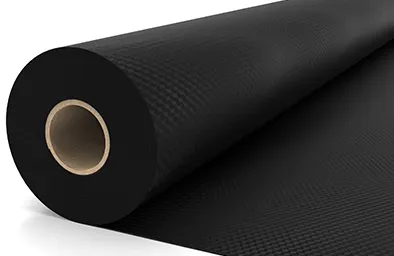
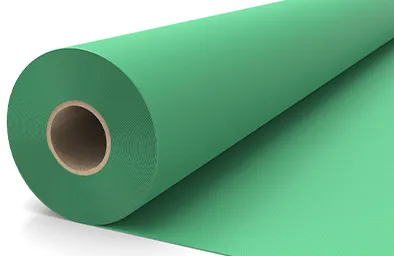
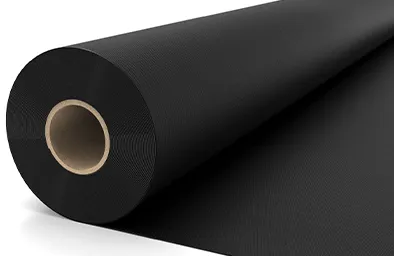
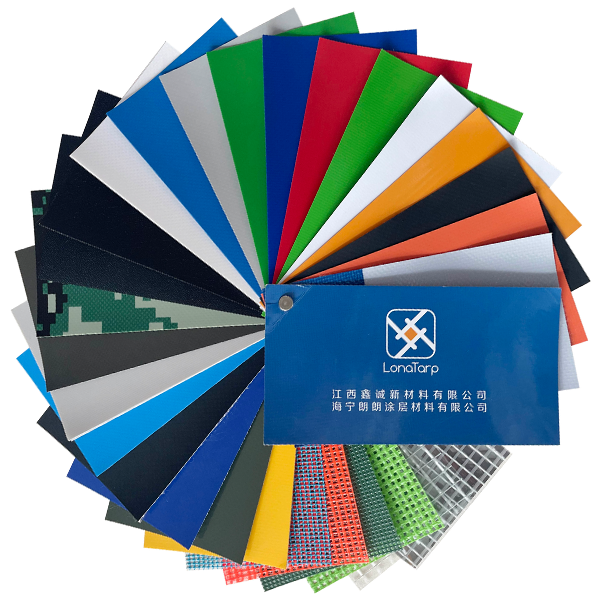
Color | Standard blue, green, white, silver, black or custom color | Affects market fit and repeat-order matching |
UV exposure | Indoor, seasonal outdoor or longer outdoor use | Decides whether UV treatment must be discussed |
Edge finish | Cut edge, hem, rope edge, reinforced hem, corner patch | Controls tie-down durability |
Eyelets | Metal or plastic, spacing and edge distance | Controls fixing method and installation strength |
Quantity | Square meters, pieces, cartons or container order | Affects planning and unit cost |
Packing | Folding, label, carton, bale, pallet or OEM packing | Supports export and resale consistency |
For repeat orders, keep one approved sample and one packing photo. That small habit prevents later disputes about color shade, folded size and eyelet layout.
Polythene Tarpaulin, Polyethylene Tarpaulin and PVC Coated Tarpaulin
Polythene tarpaulin and polyethylene tarpaulin often describe the same PE material family. On LonaTarp, this page keeps the polythene wording because that is the buyer's search phrase. The broader polyethylene tarpaulin wording remains connected to the separate polyethylene tarp page.
PVC coated tarpaulin is different. It uses a coated fabric structure and is the stronger direction when the project requires welding, coating control, flame-retardant options, higher tear performance or longer outdoor use. LonaTarp manufactures PVC coated tarpaulin as a core product, while PE / polythene tarpaulin is handled as a sales option.
This boundary is important for honest sourcing. If PE is enough, you should not pay for a heavier coated fabric. If the project needs welded seams or tougher field performance, a low-cost PE cover may create more replacement cost later.
Packing Controls for Wholesale Polythene Tarpaulin Orders
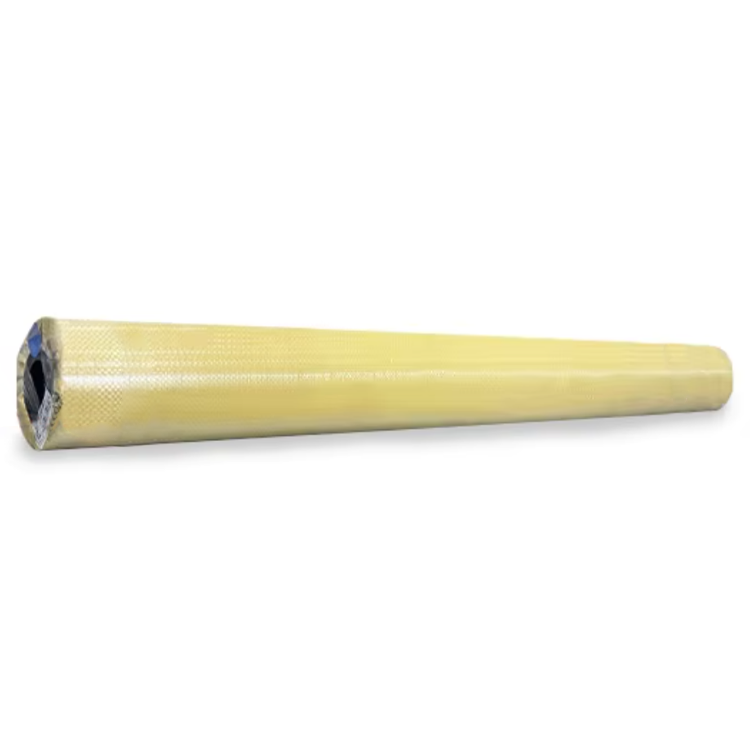
For wholesale polythene tarpaulin orders, packing is not an afterthought. A distributor may need each piece folded to a fixed size, with a label position, barcode space, carton count and pallet loading method. A contractor may prefer bales or simple export packing if the tarps will go directly to a jobsite.
OEM packing can include folding direction, labels, carton marks and outer packing details. Confirm these before production, not after the tarps are finished. Once a folded size is set, it affects carton size, loading quantity and the way warehouse teams handle the goods.
LonaTarp can discuss sample checking before bulk supply, then keep the approved specification for repeat orders.