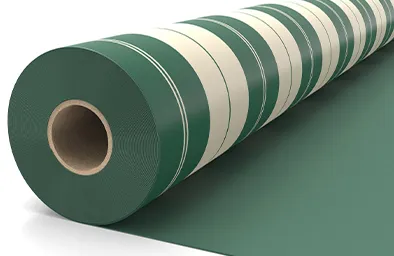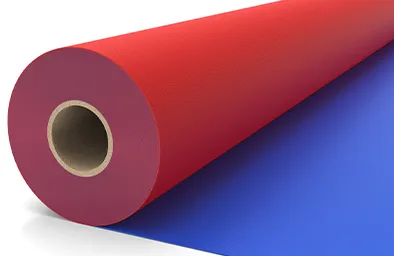








A heavy duty poly tarpaulin is rarely judged correctly by thickness alone. In real covering jobs, the first failure often happens where the tarp is pulled, tied, folded or dragged: the hem, corner patch and grommet line.
LonaTarp supplies heavy duty poly tarpaulin as a B2B PE sales option for buyers who need stronger waterproof covering material for construction sites, outdoor storage, agriculture, transport protection or wholesale programs. This page is for bulk order discussion, not retail one-piece purchases.
Before asking for price, confirm the job condition: wind exposure, tie-down method, water pooling risk, repeated folding, abrasion points, finished size, thickness or GSM direction, UV exposure, edge construction, grommet spacing, quantity and packing. Standard MOQ is 5,000 sqm. Samples can be confirmed before bulk supply.
Heavy Duty Poly Tarpaulin Is About Fixing Stress
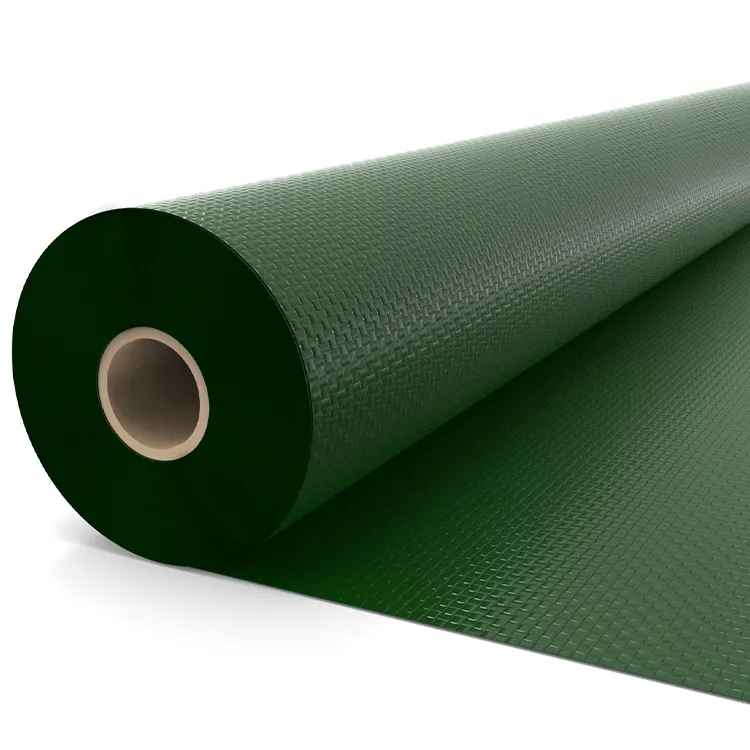
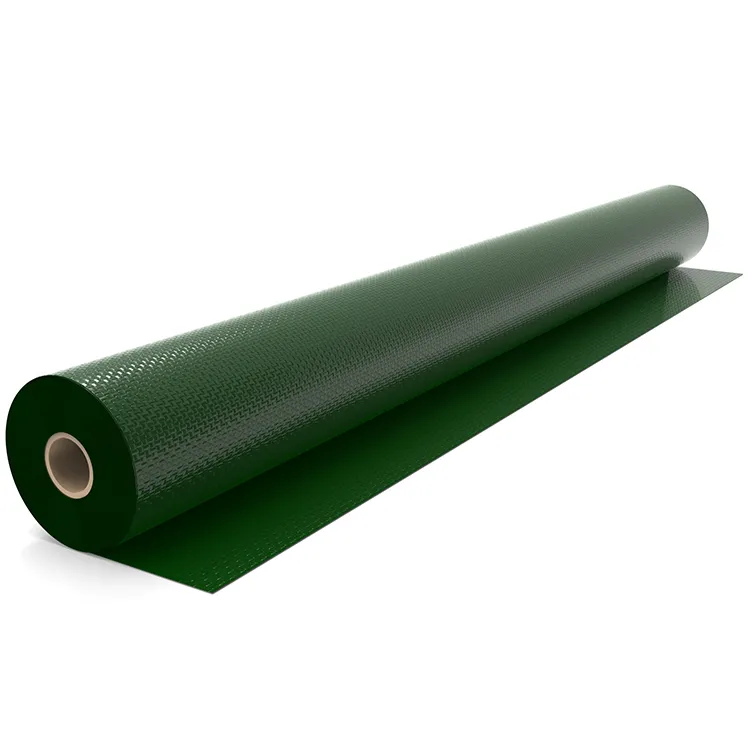
The phrase heavy duty poly tarpaulin usually points to a stronger PE-based cover with waterproof lamination, higher thickness or weight, reinforced edges and tie-down hardware. But a thick center panel does not help much if the grommet row tears out during use.
For construction material covering, check how the tarp will be pulled over sharp edges. For outdoor stockpiles, check wind direction and drainage angle. For transport protection, check whether the tarp will be folded and tied down every day. These conditions decide whether a standard heavy-duty PE cover is enough or whether PVC coated tarpaulin should be compared.
Choose Heavy Duty Poly Tarps by Failure Point
Heavy duty poly tarps can be cost-effective when the project needs stronger PE coverage but still values lighter handling than PVC. The buyer should choose by likely failure point, not by color or size alone.
Likely failure point | What to specify | Buyer note |
|---|---|---|
Grommet pull-out | Metal or plastic grommet, spacing, edge distance | Closer spacing helps distribute load but increases processing detail |
Corner tearing | Corner patch size and reinforcement material | Corners take diagonal pulling force first |
Hem splitting | Reinforced hem, rope edge or wider folded edge | Hem design matters more than center thickness for tie-down use |
Water pooling | Tarp slope, support points and waterproof surface | Heavy material can still fail if water load collects |
UV aging | Outdoor duration, color and UV treatment direction | UV resistance depends on formulation and exposure, not a simple promise |
Repeat packing | Folding direction, carton count and pallet method | Keeps distributors and contractors consistent across orders |
If you already know the tarp will be tied under tension, send the fixing plan with the size. It is better to adjust grommet spacing before production than to discover tearing after installation.
Heavy Duty Poly Tarp with Grommets Needs a Layout
A heavy duty poly tarp with grommets should have a layout, not just a note that says with eyelets . The buyer should confirm grommet material, spacing, edge distance and whether corner patches or webbing are needed near high-stress points.
Metal grommets are common for many tarp projects. Plastic grommets can be useful where corrosion, color matching or specific handling requirements matter. The right choice depends on the fixing method, environment and order requirement.
For windy areas, do not simply ask for more grommets. Ask whether closer spacing, stronger edge construction or a different fixing method is the better answer. More holes in a weak edge will not solve the problem.
Thickness, GSM and UV Are Only Part of the Spec
Thickness or mil rating helps compare heavy duty poly tarp options, but it should not be the only purchase rule. A tarp with a higher weight can still fail early if the UV exposure is underestimated, water pools on the surface, or tie-down force is concentrated at a few points.
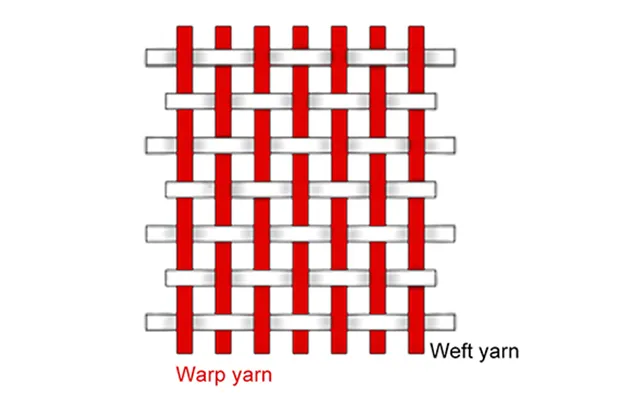
GSM, thickness, weave density, lamination, UV treatment, color and edge design should be discussed together. For long outdoor use, LonaTarp can also help compare PE sales options with PVC coated tarpaulin, which is our core manufactured material direction.
Packing Heavy Duty Poly Tarpaulin for Repeat Orders
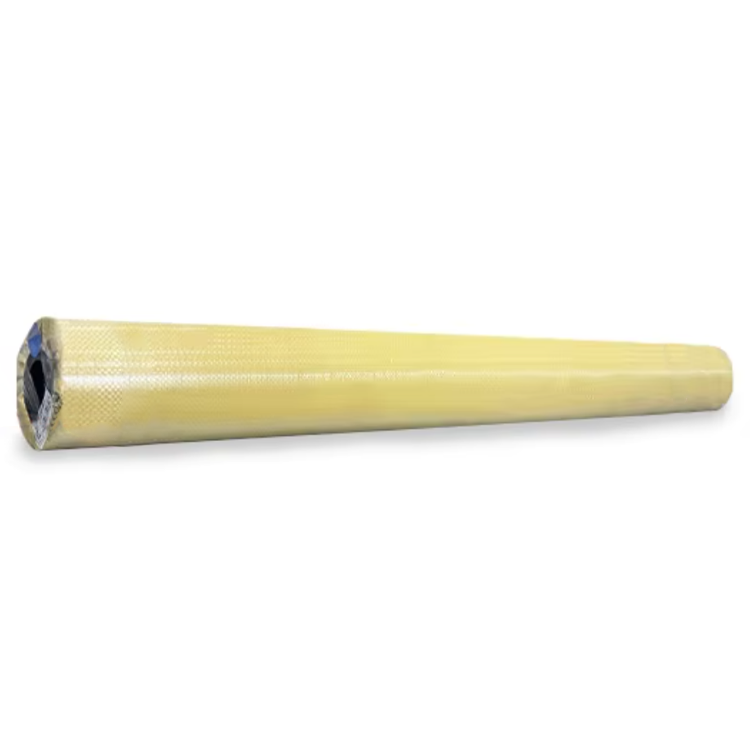
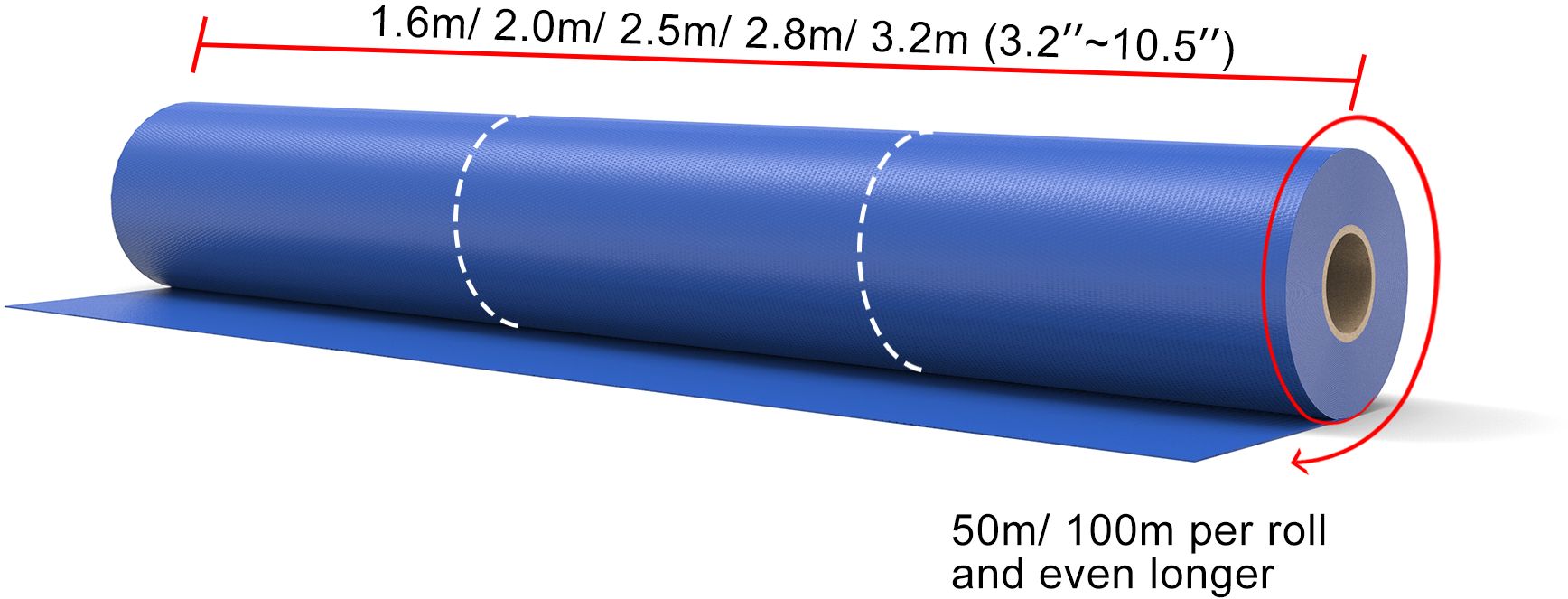
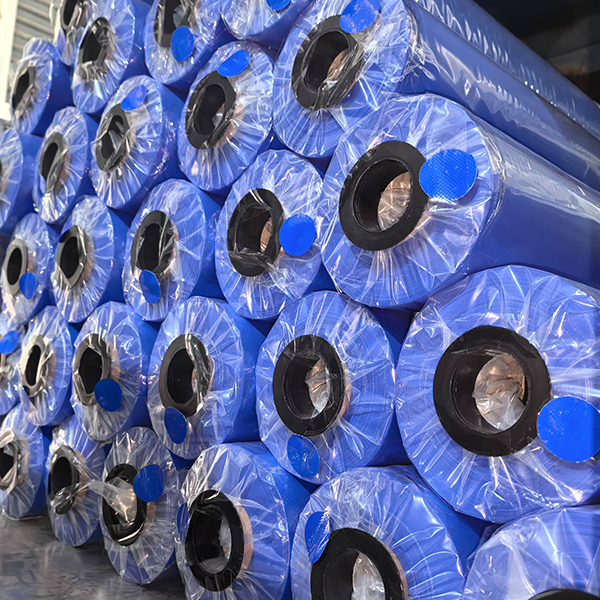
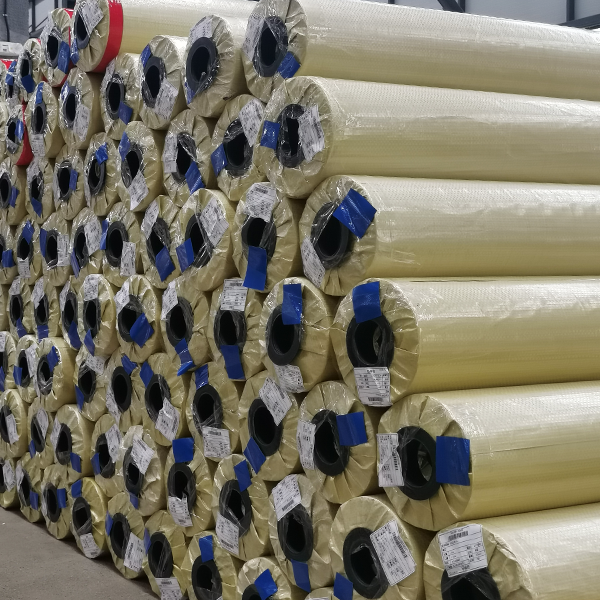
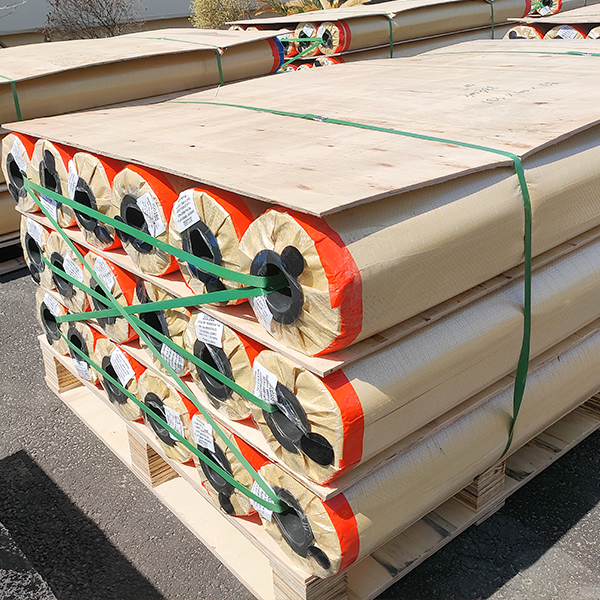
For distributors, heavy duty poly tarpaulin packing affects resale and warehouse handling. Confirm folded size, label direction, carton quantity, bale or pallet method, and whether OEM marks are needed.
For project buyers, packing should match site use. If the tarps will be opened quickly at a construction yard, simple export packing may be better than retail-style cartons. If the order is for wholesale channels, consistent labels and carton marks become more important.