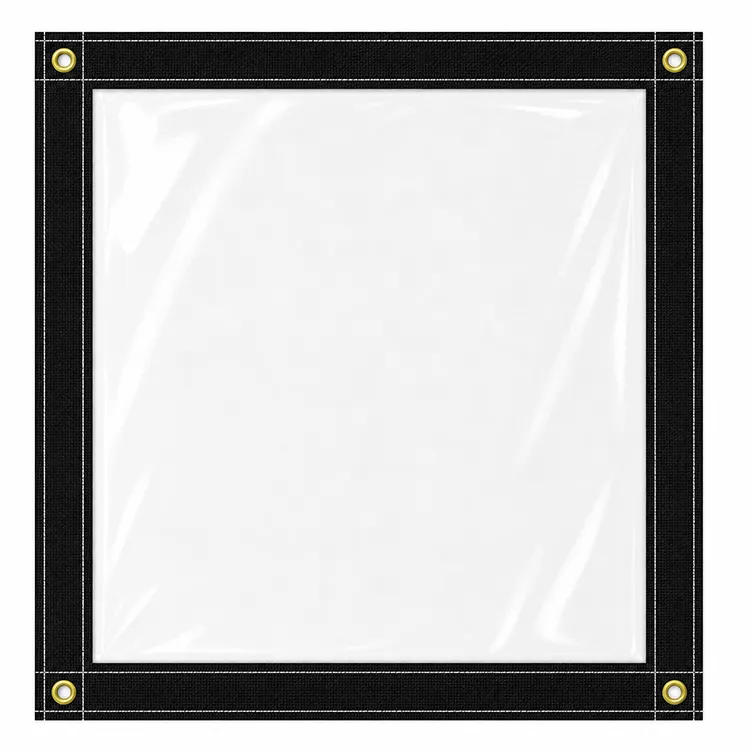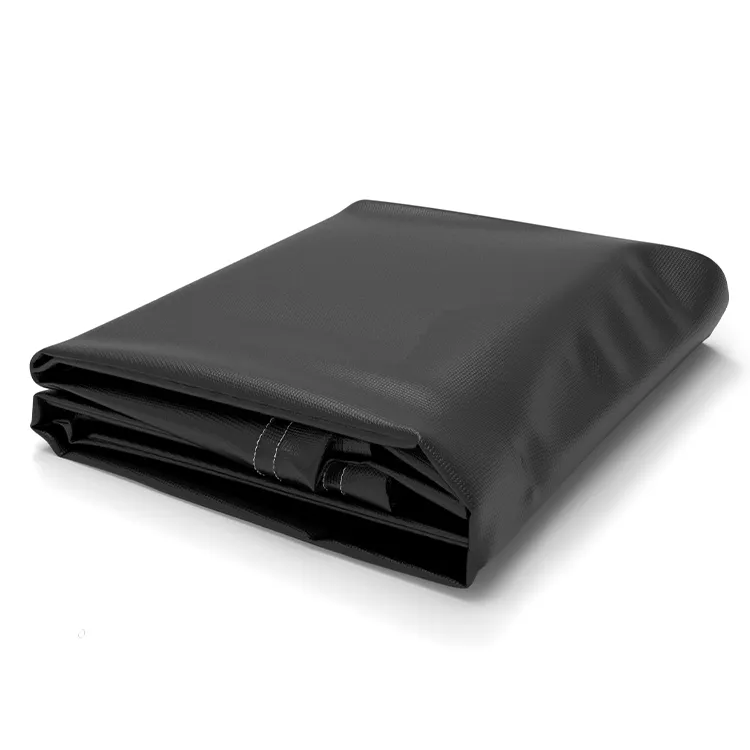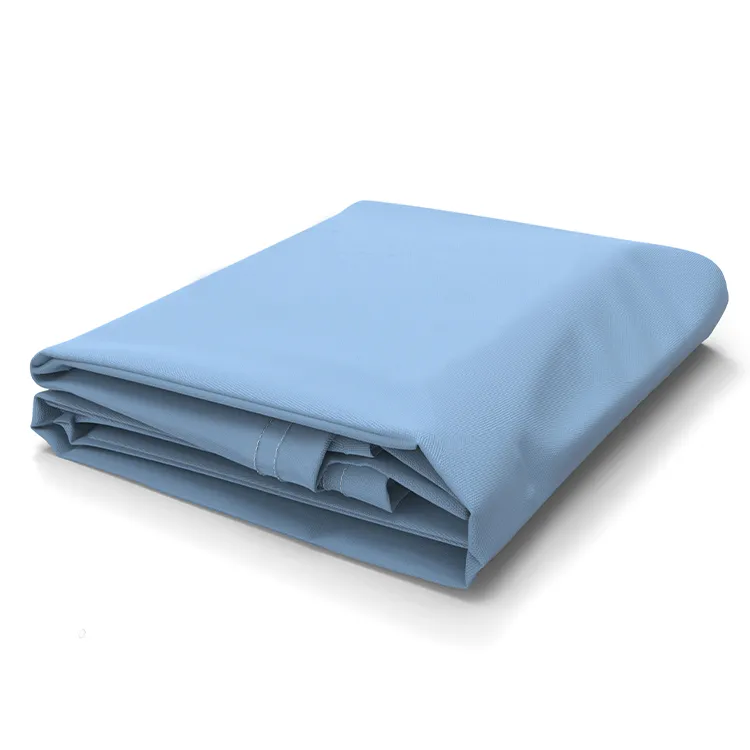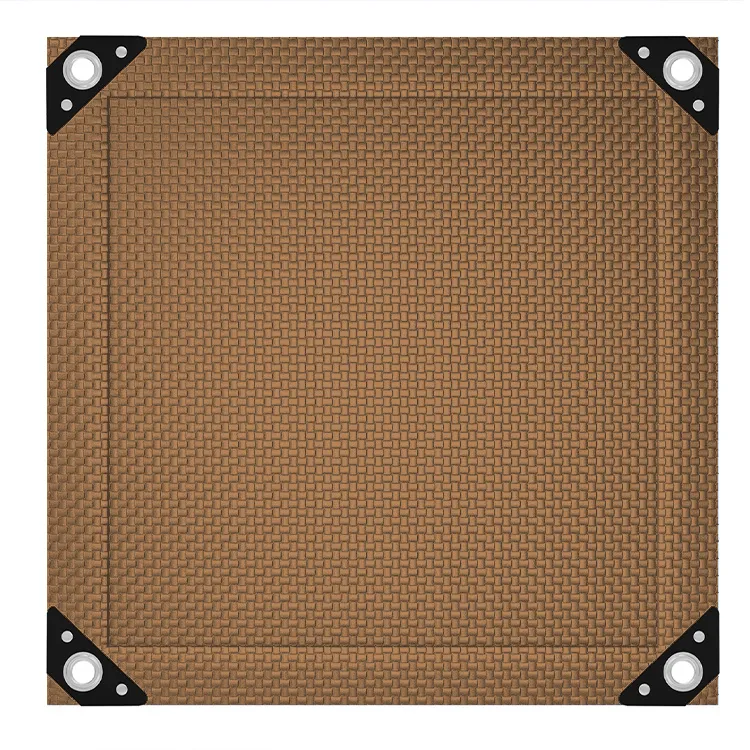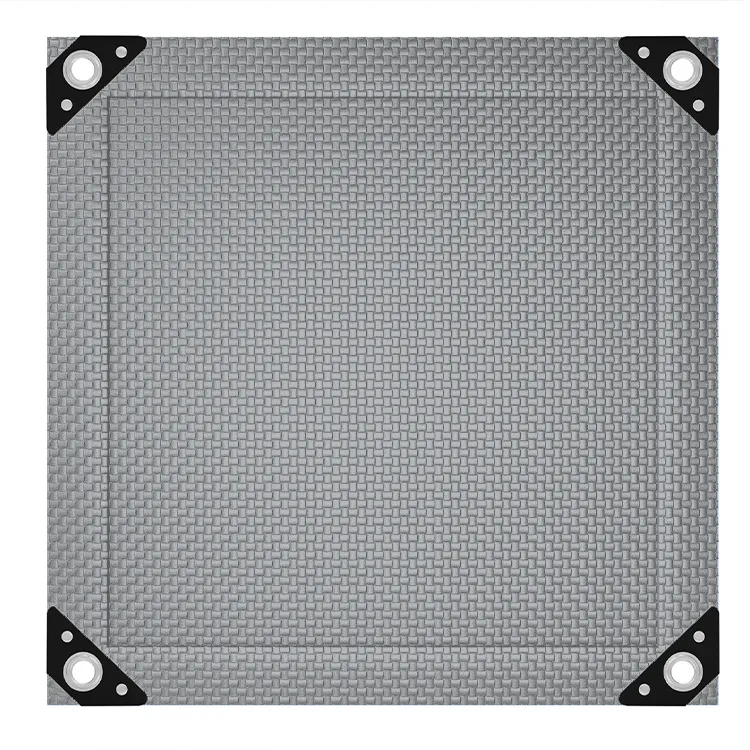


A 20×40 tarp gives a nominal 800 sq ft footprint for industrial storage and large equipment. The 40-foot edge behaves like a long wind-loaded boundary; seam orientation, staged unfolding and intermediate fixing matter more than a generic list of uses. LonaTarp supplies the 20×40 format as a made-to-order PE finished tarp for B2B importers, distributors and project buyers. The 20×40 supply program starts at 5,000 m² per approved specification and does not include single-piece retail sales.
The same intent appears as 20 x 40 tarp, 20 x 40 tarps, 40 x 20 tarp and tarpaulin 20 x 40. Buyers asking for a 20×40 heavy duty tarp still need an approved material, seam, edge and grommet specification; wording and reversed dimensions do not create a separate product grade.
Plan the 40-Foot Edge Before Material Selection
The 40 ft side should be treated as an installation run, not just a catalog dimension. Mark the long edge, finished length and width, tolerance, label direction and required side drop. For a storage row or hay stack, measure the actual crown and both slopes. An 800 sq ft cover can be difficult to reposition once opened, so orientation marks should be visible before the bale is fully unfolded.
Match PE Duty to Storage Duration and Site Exposure
A 20×40 heavy duty tarp needs a specification that matches exposure duration, wind, surface abrasion and the number of handling cycles. Review woven PE, weight or mil, lamination, color, requested UV direction and cold-folding conditions together. A thicker center panel cannot compensate for an under-built 40 ft hem. This PE tarp is a supplied finished product, while LonaTarp’s core self-manufactured material remains PVC coated fabric.
Approve Panel Joints, Reinforced Hems and Hardware
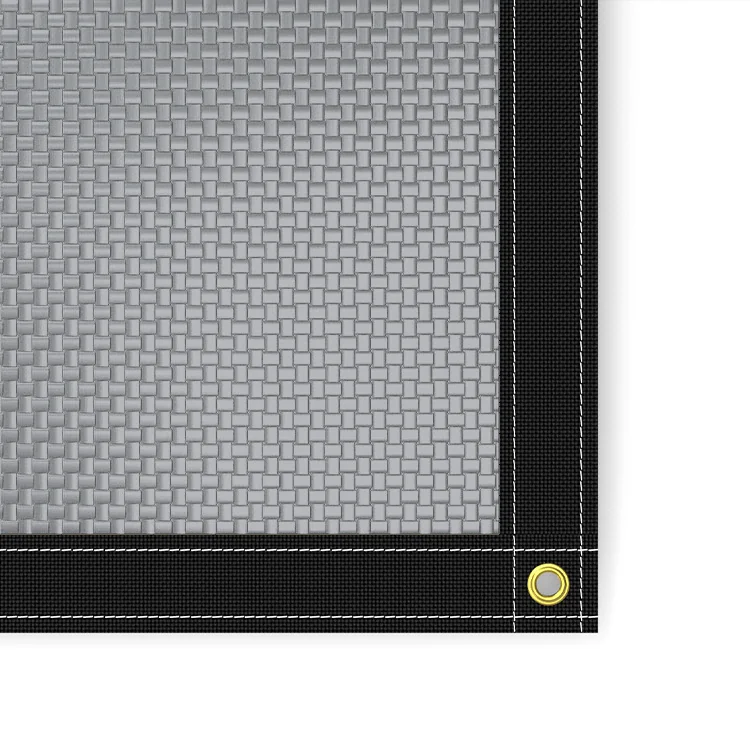
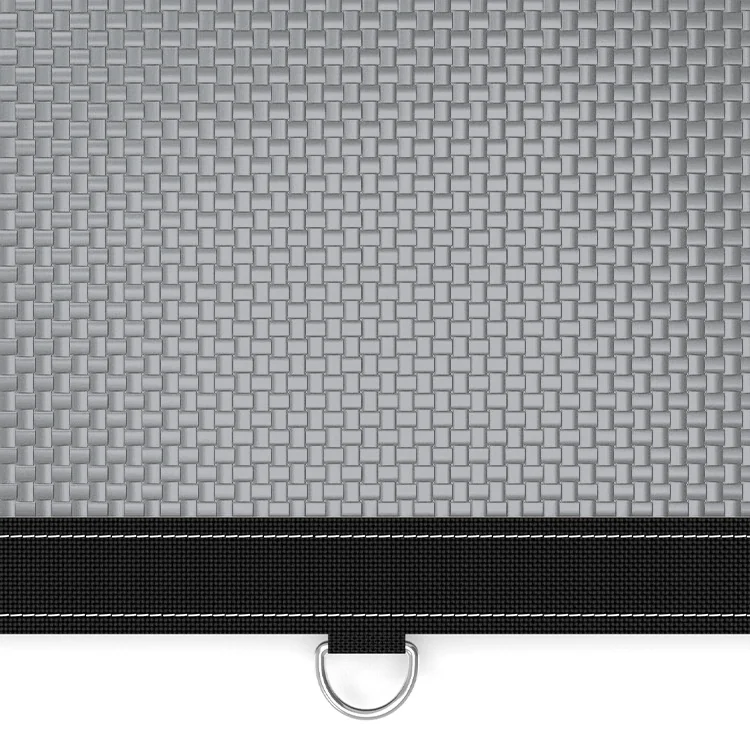
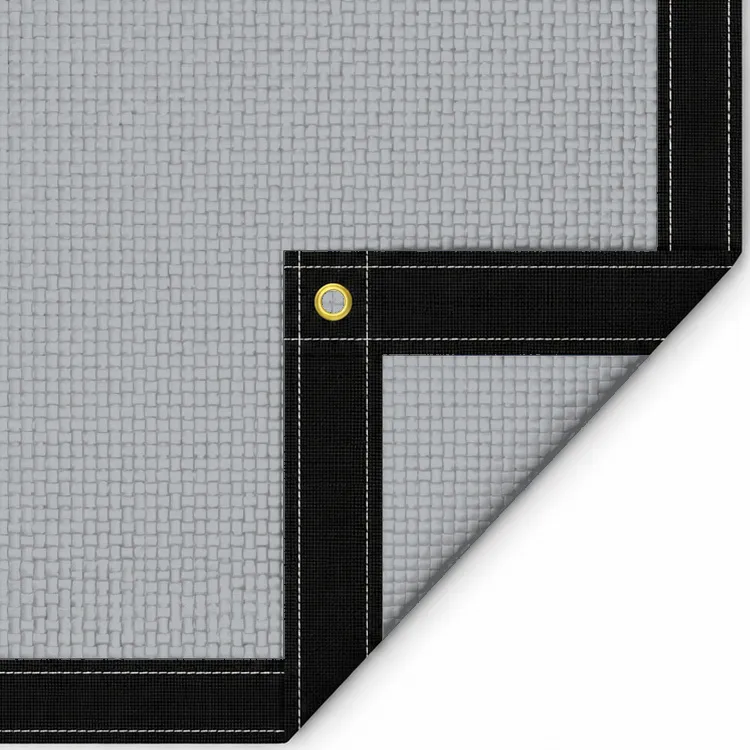
A long cover commonly needs multiple source widths. Approve the 20×40 panel map, heat-sealed joint direction and how seams cross folds or support points. The 40 ft hems need a dimensioned grommet row, corner reinforcement and any intermediate stress patches. If crews use a forklift or lifting bar to move packed units, specify the handling method and package limits without treating tarp eyelets as certified lifting points.
Deploy 800 Square Feet Without Wind or Ponding Damage
Eight hundred square feet can catch wind before the first side is anchored. Use a staged deployment plan: position the pack, secure the upwind edge, open sections progressively and stop work when site conditions are unsafe. Create drainage slope and prevent a broad center pocket. The tarp is a weather cover, not a structural roof or engineered restraint system.
Control Bale Weight, Lot Identity and Site Acceptance
For industrial programs, record finished dimensions, seam map, material identification, grommet coordinates, folded sequence, bale weight, label orientation and lot number. Site receiving teams can inspect one unfolded sample from the batch and compare packaging records for the rest. Send planned crew handling, storage geometry, annual quantity and container or pallet limits with the inquiry.
For a related 20×40 selection task, buyers can continue to storage cover sizing and installation questions when that adjacent application matches.
Bulk 20×40 PE Tarp Questions and Quotation
Is 20×40 the guaranteed finished size?
The 20×40 footprint is guaranteed as full finished size only when the approved order states that rule and its tolerance. A market listing for 20×40 may otherwise use nominal or cut dimensions.
What data is needed to quote a 20×40 business order?
For this 20×40 program, send use case, finished dimensions, material/duty target, exposure, grommet plan, quantity, printing, packing and destination. MOQ is 5,000 m² per approved specification.