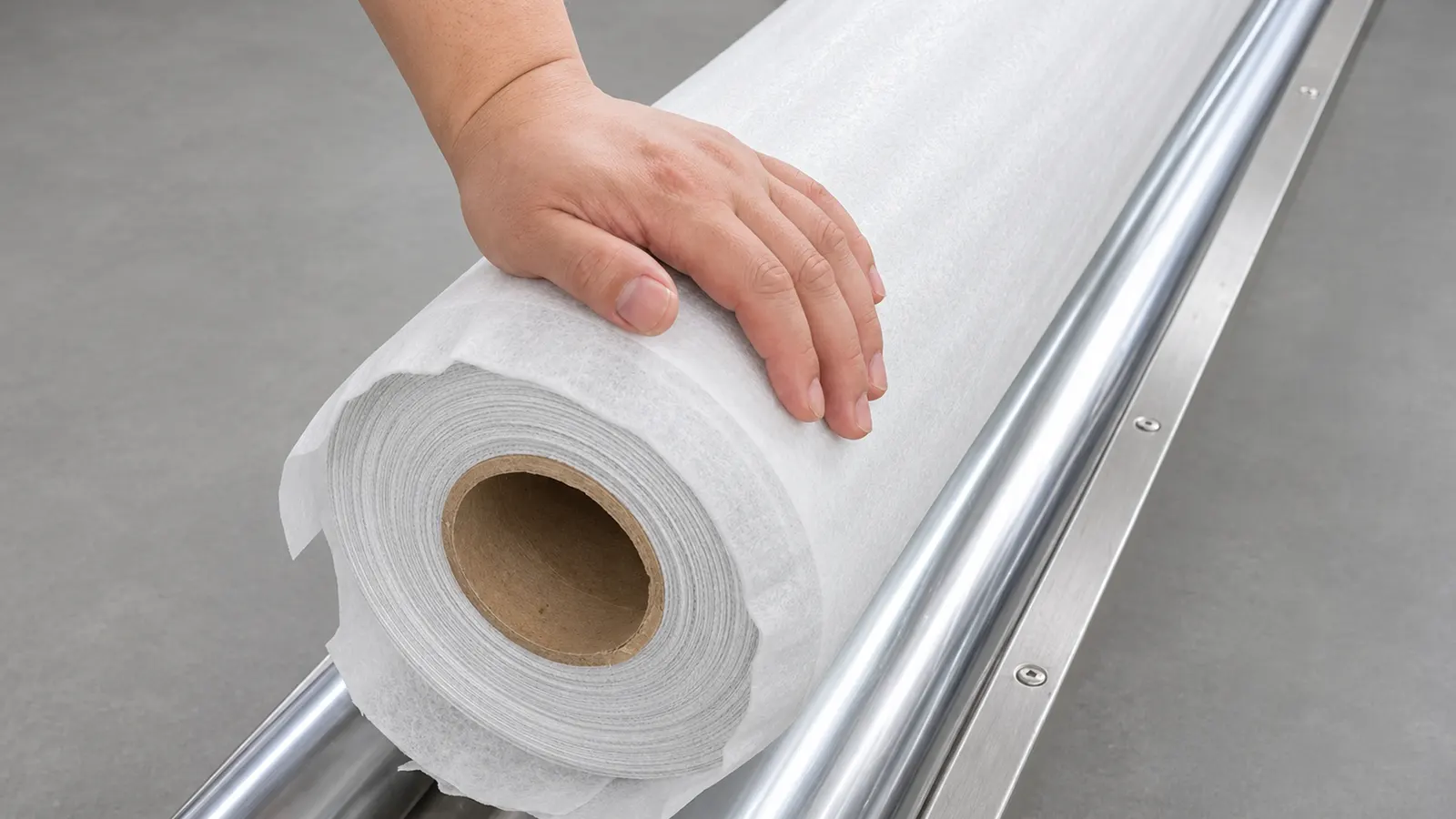
PVC Material Fabric & Vinyl Fabric Rolls
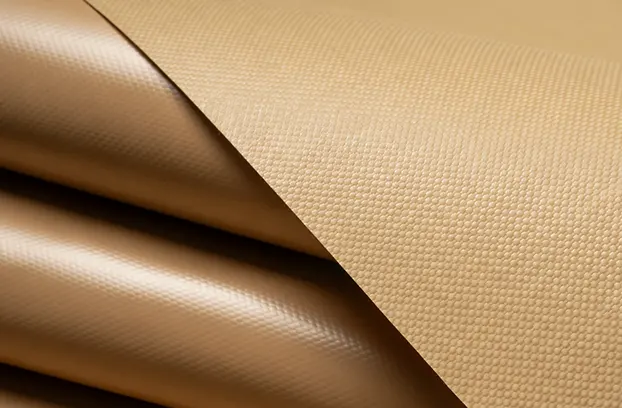
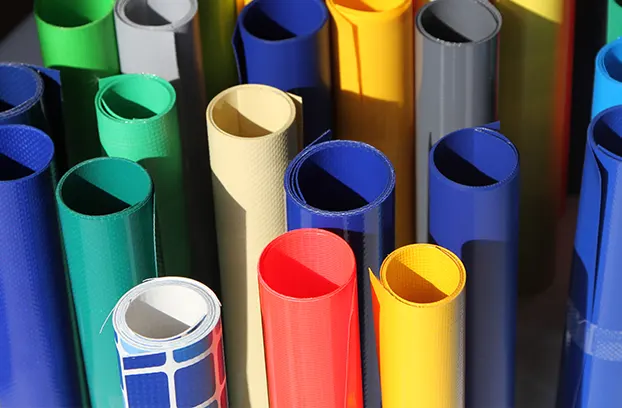
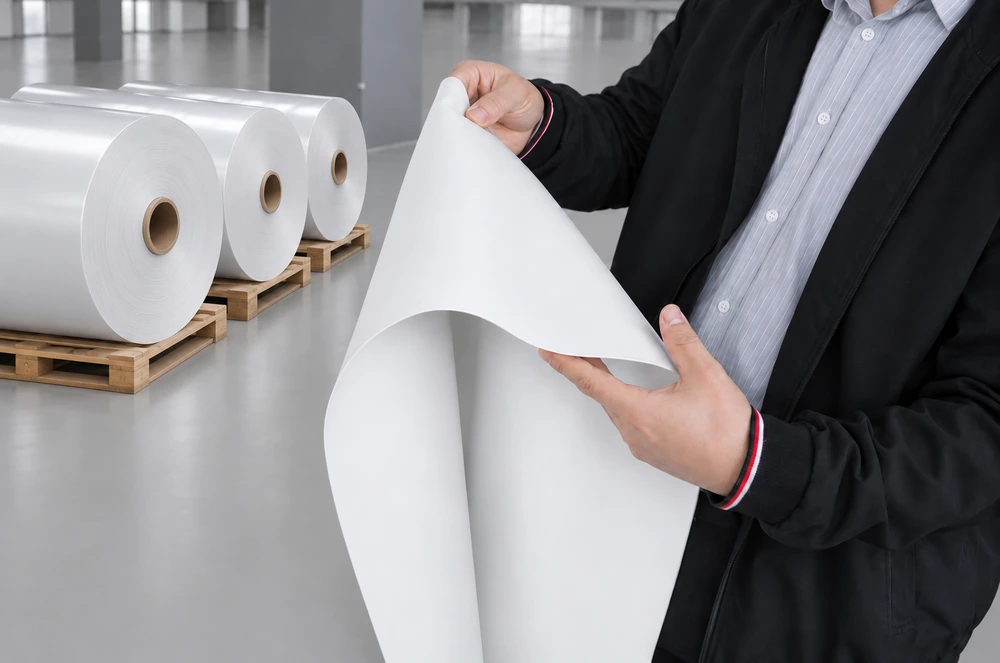
PVC material fabric is polyester coated or laminated with PVC. We manufacture industrial rolls with 42 million m² annual capacity.

Requirement & Quote

Free Samples Catalog

42M m² Annual Capacity

Global Shipping
What Is PVC Material Fabric?
In this product family, PVC fabric—also called vinyl fabric or vinyl textile in industrial sourcing—includes PVC-coated and laminated polyester fabrics, PVC mesh, and clear vinyl materials. Reinforced fabrics use polyester for strength and dimensional stability, while PVC coatings or films provide surface protection. Clear vinyl is available in unreinforced and mesh-reinforced constructions.
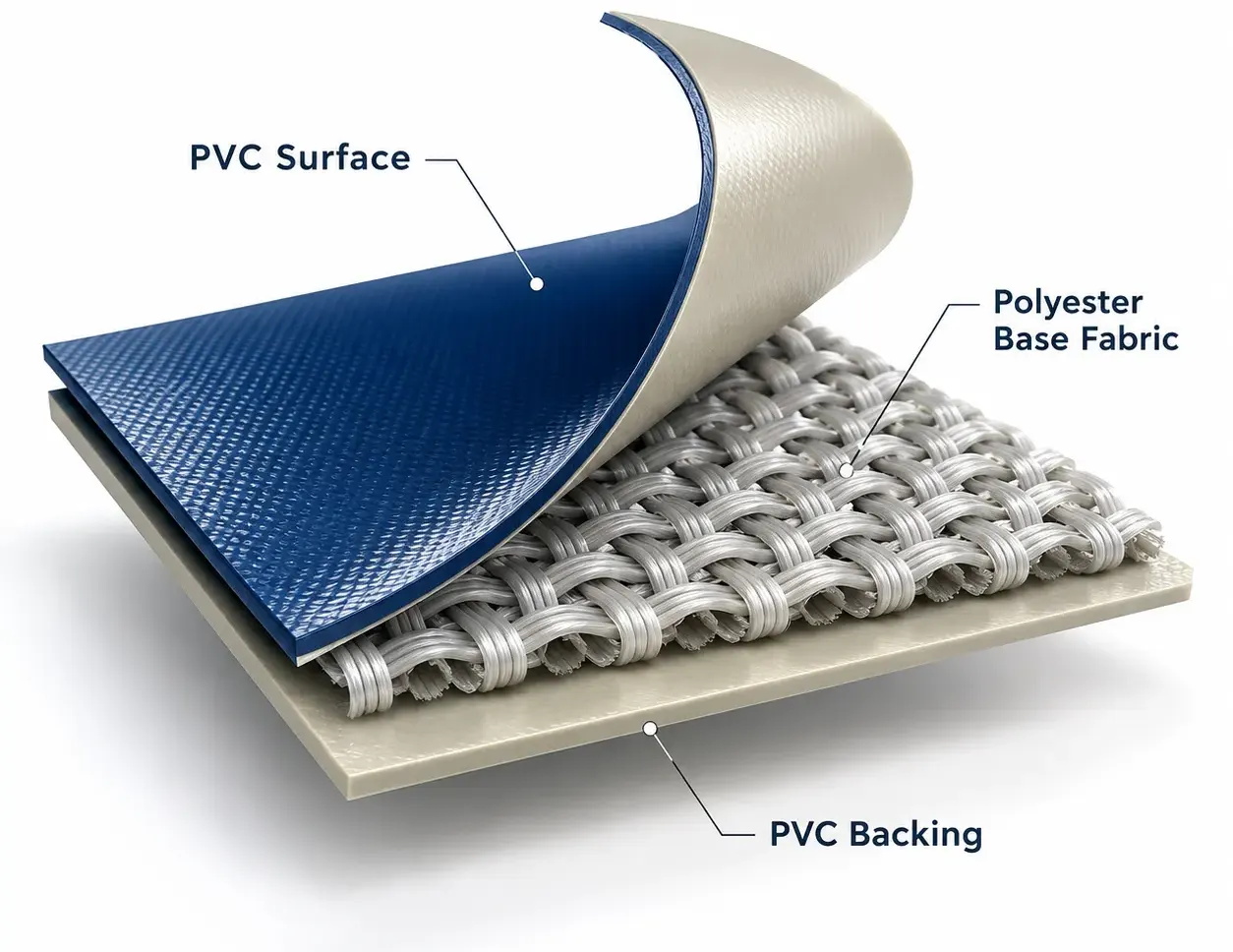
PVC and polyester are not the same material. In reinforced PVC fabric, the polyester scrim carries tensile and tear loads, while the PVC layer makes the surface waterproof, weldable and easy to clean.
Buyers may refer to reinforced materials as PVC polyester fabric, polyester PVC fabric, polyester-reinforced vinyl fabric, or industrial vinyl fabric. The actual material depends on its reinforcement, PVC construction, and manufacturing process—not the product name alone.
Our scope: Industrial PVC fabric and roll materials for tarpaulins, screens, curtains, and protective covers. We do not manufacture furniture upholstery vinyl, automotive interior vinyl, or marine seating upholstery vinyl.
Explore Our PVC Fabric Material Types
Explore PVC coated, laminated, mesh, and clear vinyl materials. Compare their structures and properties to select the right fabric rolls for your application.
Knife-coated rolls (300–1,500 gsm) suit truck curtains and tarps; laminated rolls (400–2,500 gsm) are more airtight for inflatables. See knife coating vs lamination.
PVC Coated Fabric
PVC compound is applied directly to woven polyester base fabric by coating.
PVC Laminated Fabric
PVC film is bonded to polyester reinforcement through the lamination process.
PVC Mesh Fabric
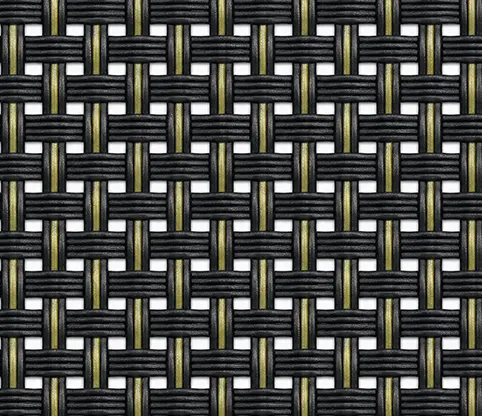
Open-structure PVC mesh fabric allows airflow and visibility, making it suitable for shade screens, windscreens, and outdoor applications.
Clear Vinyl Fabric
Transparent PVC material available in clear film and mesh-reinforced constructions for enclosure windows, curtains, and protective panels. See our clear vinyl gauge chart.
Specialty PVC Material Fabrics
Browse PVC vinyl materials by surface, structure and function.
Glossy Vinyl Fabrics
Glossy surface with a smooth, light-reflective appearance.
Matte Vinyl Fabrics
Low-gloss surface for a softer, less reflective appearance.
Textured Vinyl Fabrics
Raised surface textures for a distinctive look and feel.
Lacquered Vinyl Fabrics
Protective topcoats applied over the outer PVC surface.
Printed Vinyl Fabrics
Custom-printed patterns for bags, covers and other products.
Striped Vinyl Fabrics
Printed stripe patterns in your specified color combinations.
Printable Vinyl Fabrics
For printing your own patterns, graphics and logos.
Backed PVC Fabrics
PVC on one side, exposed fabric on the reverse.
Two-Color PVC Fabrics
Different PVC colors on the front and back.
Blackout Vinyl Fabrics
Internal black or grey PVC layer for light blocking.
Ripstop Vinyl Fabrics
Special base fabric designed for improved tear resistance.
PVC Strip Fabrics
190 mm reinforced PVC fabric rolls for fence privacy screening.
Drop-Stitch PVC Fabrics
Two airtight PVC faces joined by internal drop threads for rigid inflatable panels.
UV-Resistant Vinyl Fabrics
Helps resist sunlight damage during outdoor use.
Fire Retardant Vinyl Fabric
Flame-retardant options for specified fire performance requirements.
Anti-Static Vinyl Fabrics
Helps reduce static buildup during use and handling.
Waterproof Vinyl Fabrics
Waterproof PVC fabric that blocks water penetration.
Inflatable PVC Fabrics
Low air permeability for inflatable product fabrication.
Non-Phthalate Vinyl Fabrics
Non-phthalate plasticizer formulations, such as DOTP, available on request.
Anti-Wicking Vinyl Fabrics
Helps limit water wicking through exposed fabric edges.
PVC Vinyl Fabric for Industrial Applications
Our PVC plastic fabric rolls support the manufacture of covers, tents, flexible tanks, and industrial partitions. Select each material according to the application and fabrication requirements.
PVC Plastic Fabric for Industrial Storage Shelters
Build made-to-order storage shelters with plastic vinyl fabric suited to your frame design and fabrication process. Choose the fabric weight, width and color your project requires, with cutting and welding support for finished covers.
Custom Fabric Weight · Width & Color Options · Cutting & Welding Support
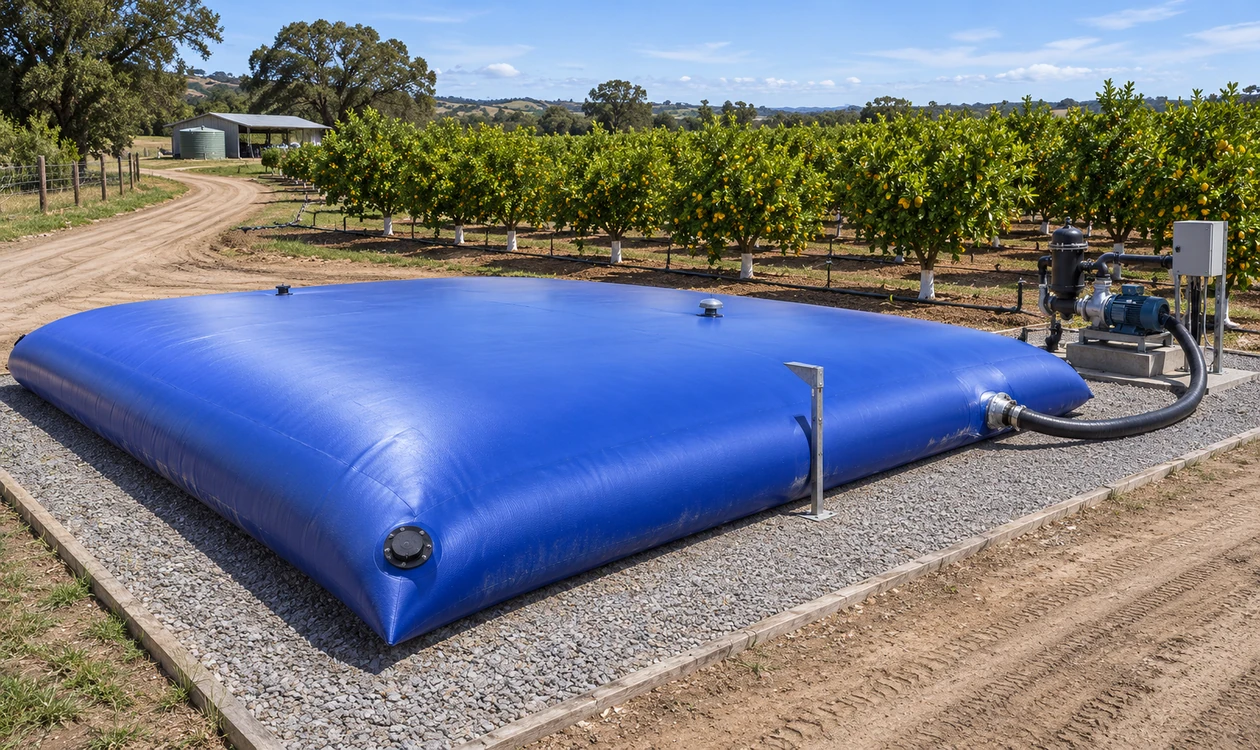
PVC Textile Fabric for Flexible Water Tanks
For irrigation and temporary water storage, vinyl textile fabric can be fabricated into flexible bladder tanks that fit the available space. Specify the fabric weight, width and color for your tank design, with cutting and welding support for made-to-order production.
Custom Fabric Weight · Flexible Sizing · Welding Support
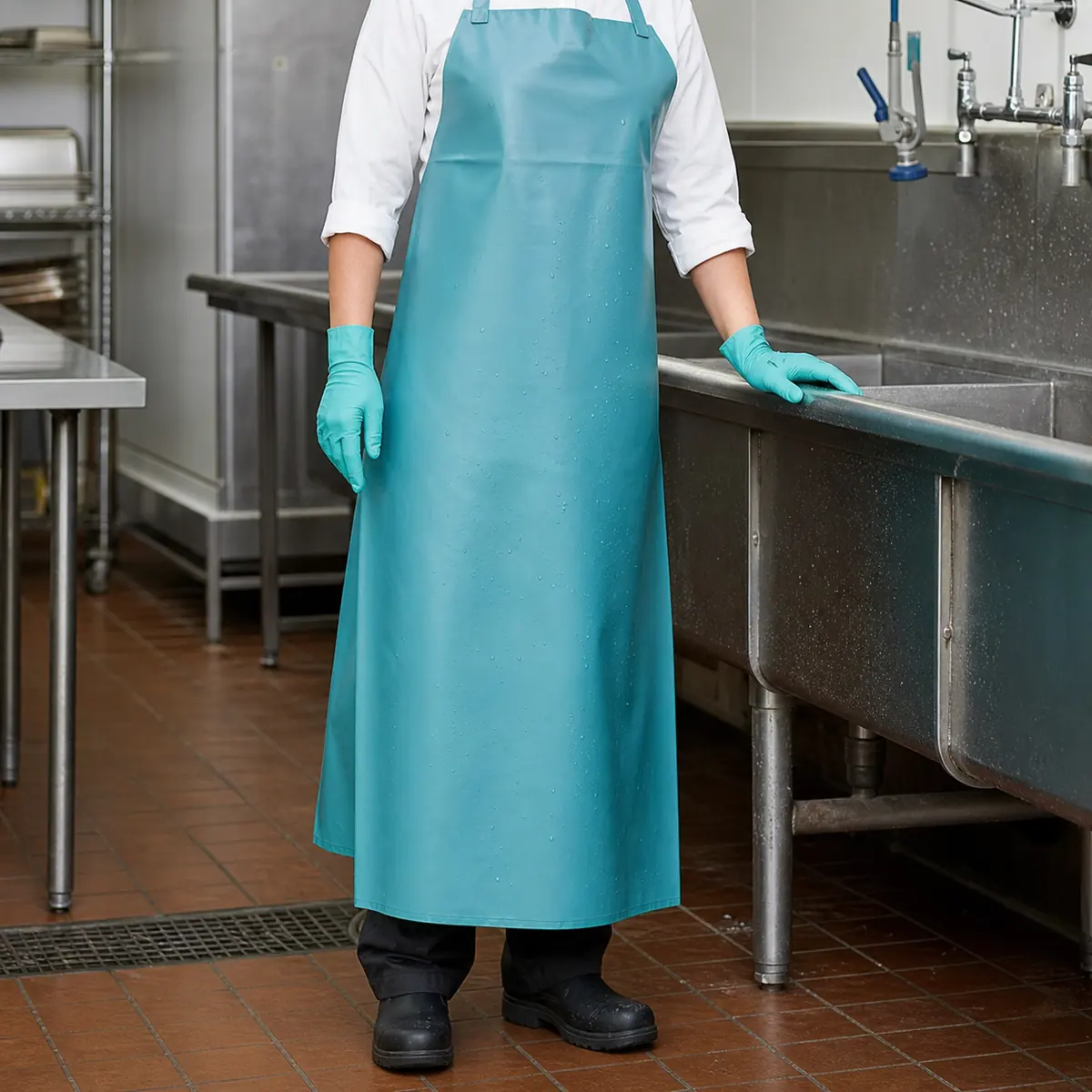
Vinyl Material Fabric for Protective Aprons
Identify the substances and work environment involved before selecting the fabric. Material flexibility, comfort-related design and verified barrier requirements all affect suitability.
Flexibility · Surface contact · Joining
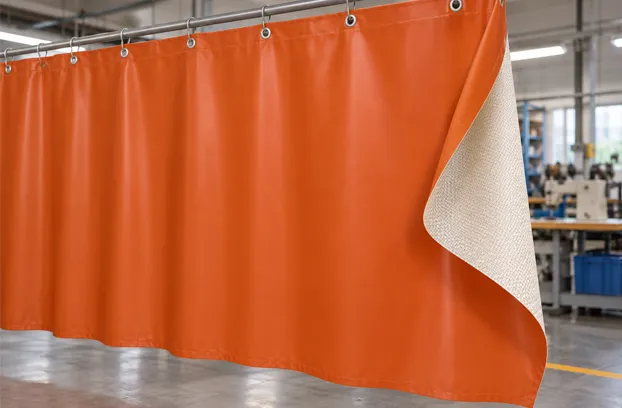
Vinyl Textiles for Flexible Partitions
For partition panels, confirm the intended suspension, joining method, cleaning conditions and repeated movement. An approved sample should be tested in the intended fabrication process.
Panel cutting · Joining · Handling
Custom Vinyl Fabric Roll Specifications
Specify custom plastic vinyl fabric by reinforcement, GSM, thickness, usable roll width, surface finish, and processing method. Share your specifications or reference sample for review.
Construction
Confirm the preferred PVC coating or lamination route.
Reinforcement
Share textile type, weave, denier or a reference sample.
Surface & Finish
Specify the face/back appearance, color, texture and printing needs.
Roll Format
Provide usable width, roll length, quantity and tolerances.
Processing
Tell us whether you weld, sew, cut, fold or print the material.
Verification
Confirm required tests and the sample approval method. Every order is tested for peel adhesion, trapezoid tear and tensile strength.
Industrial PVC Fabric Rolls: Manufacturing & Wholesale Supply
Custom PVC fabric rolls with sample approval, in-house production, and batch quality checks.
Sample Approval Before Bulk Production
We confirm color, surface finish, material construction, and performance requirements against approved samples before bulk production. Processing compatibility can also be verified.
In-House PVC Fabric Manufacturing
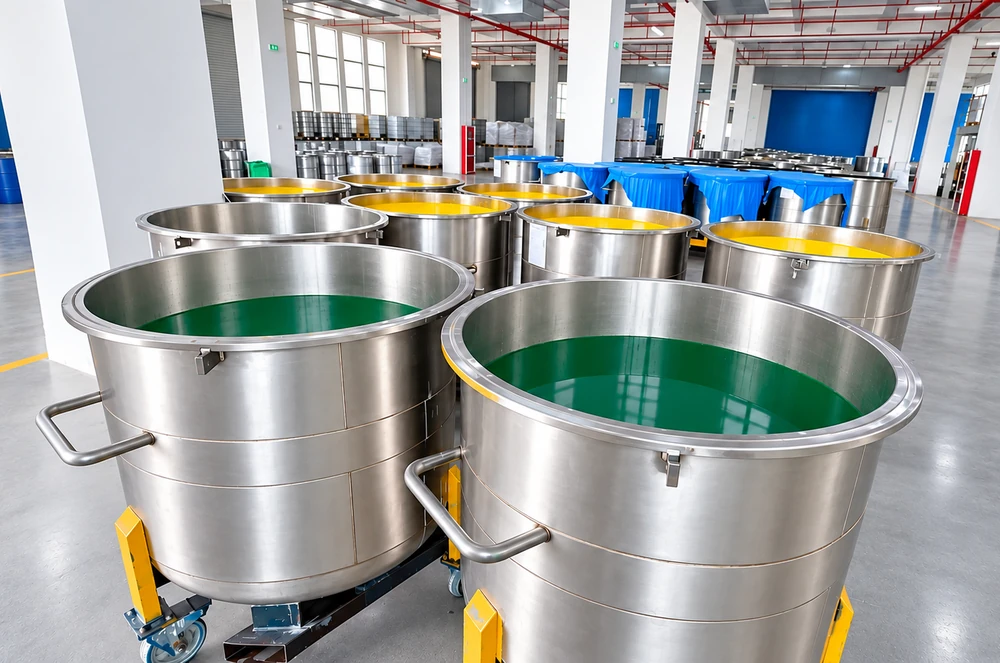
LonaTarp manufactures PVC-coated and laminated fabric rolls with custom weights, widths, colors, and finishes. Production follows the agreed material specifications.
Quality Checks for Consistent Bulk Supply
We inspect material appearance, coating or lamination quality, roll dimensions, and agreed performance requirements to support consistent wholesale supply.
PVC Fabric Roll Packaging & Bulk Supply
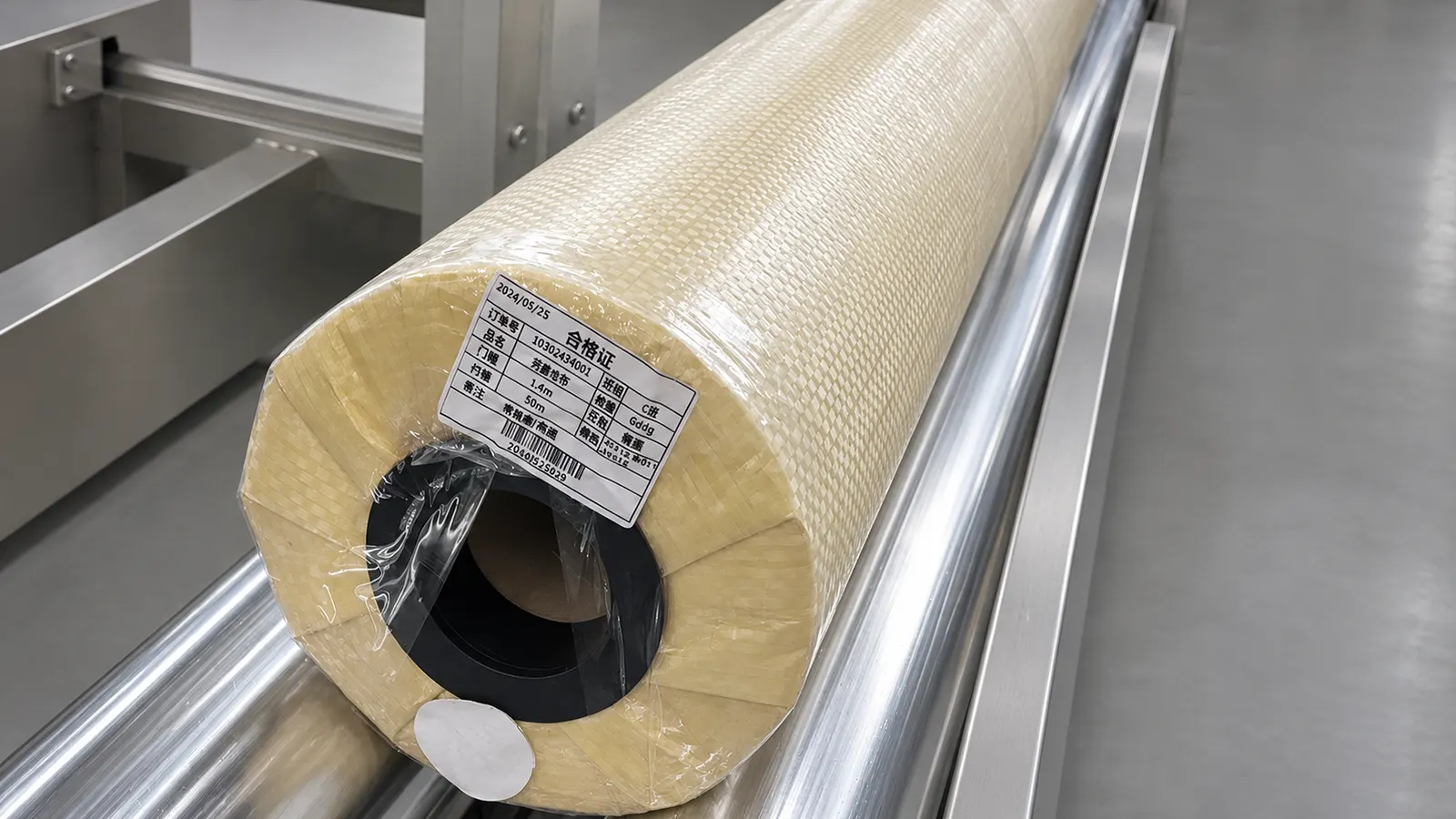
LonaTarp supplies custom PVC fabric rolls with protective packaging and clear material identification for bulk orders.
Fabric Roll Winding
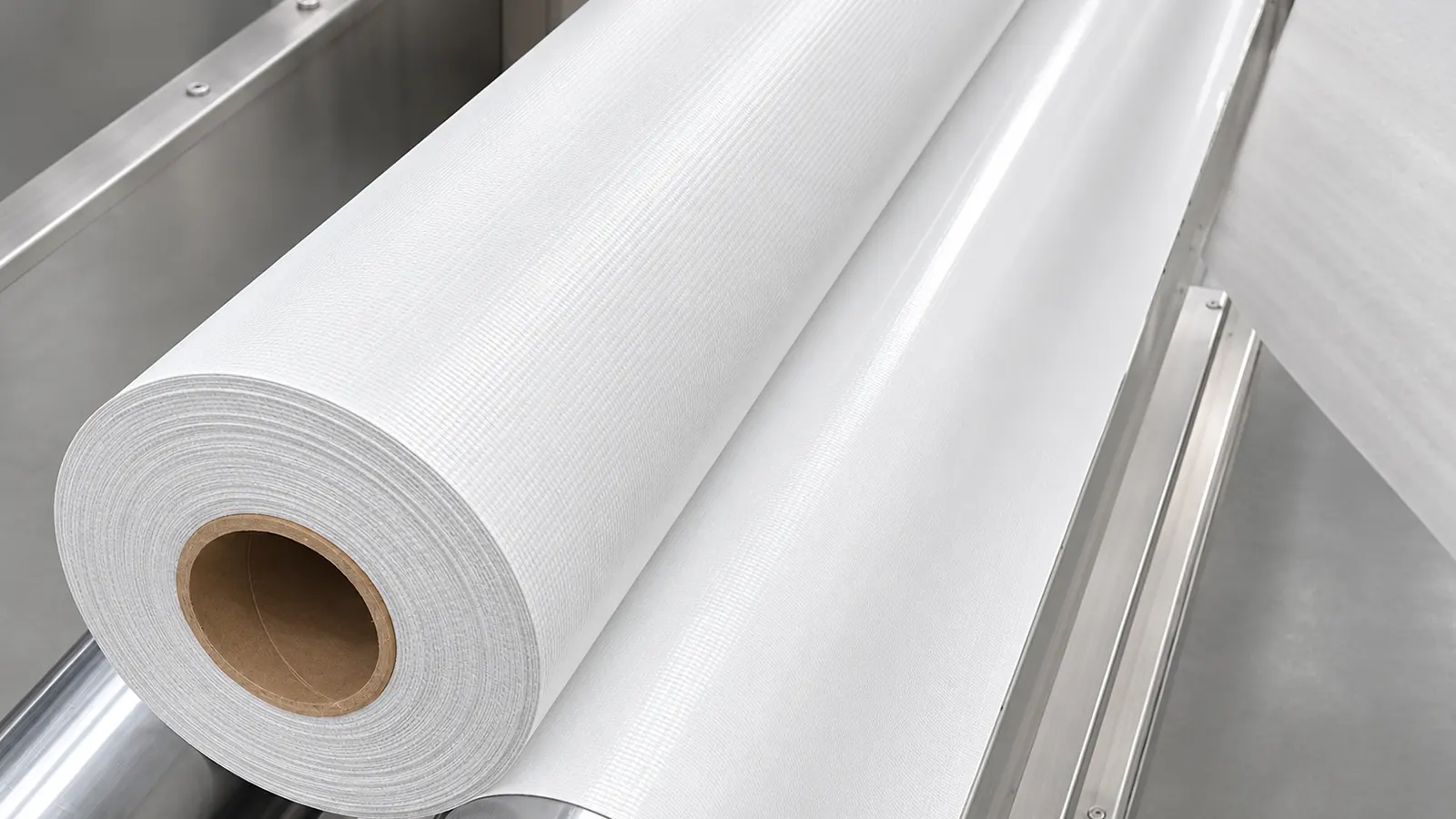
PVC fabric is wound into rolls up to 3.2 m (126 in) wide, with standard roll lengths of 50 m or 100 m, depending on the material specification. Custom lengths, such as 300 m rolls, are available on request.
EPE Foam Protection
Each roll is wrapped with 0.5 mm EPE foam to help protect the fabric surface from scratches and abrasion during handling and packaging.
Kraft Paper Packaging
The rolls are wrapped in kraft paper, with material information labels and reference swatches for easy identification and inspection.
How to Source PVC Fabric Material Rolls
LonaTarp manufactures reinforced PVC fabric rolls for industrial fabricators, importers, and OEM buyers. We support custom specifications, material verification, and bulk production.
Our plants have an annual capacity of 42 million m² and a team of 130+ employees, with coating and lamination lines producing roll widths up to 3.2 m.
Confirm the Material Before Comparing Quotes
Terms such as PVC fabric material, PVC vinyl fabric, and vinyl fabric material may describe different constructions. Our industrial vinyl textile fabrics use polyester reinforcement combined with PVC coatings or laminated films.
Before comparing suppliers, confirm the base textile, PVC construction, surface finish, and whether the product is supplied as continuous rolls. Industrial reinforced vinyl fabrics should not be confused with upholstery vinyl or unsupported PVC films. For the trade-offs of this material, see our guide to polyvinyl chloride fabric pros and cons.
Compare Material Grades and Processing Compatibility
A roll of vinyl fabric is not defined by GSM alone. Two vinyl PVC fabric rolls with the same weight may differ in reinforcement, coating construction, tear strength, and flexibility.
For custom PVC fabric, specify the target weight, thickness, usable width, finish, and processing method. Confirm the selected grade through representative samples and agreed performance tests.
Typical test data from our inspection records
| Material | Construction | Weight (gsm) | Tear, warp/weft (N) | Tensile, warp/weft (N/5cm) |
|---|---|---|---|---|
| Knife-coated fabric, 1000D 20×20 woven | Knife coating | 565 | 438 / 395 | 2,468 / 2,152 |
| Tensile-structure fabric, 1000D 30×32 woven | Knife coating | 964 | 876 / 793 | 4,042 / 3,752 |
| Airtight fabric, 1000D 23×23 woven | Impregnation + lamination | 839 | 538 / 445 | 3,639 / 2,919 |
| Liquid-bag fabric, 1000×1300D 30×26 woven | Impregnation + lamination | 1,098 | 822 / 836 | 4,296 / 3,974 |
Median values from 2024–2026 production inspection records. They are typical results, not guaranteed specifications; agreed values for your order are confirmed on the technical data sheet and approved sample.
Custom Manufacturing and Quality Control
As a vinyl plastic fabric manufacturer and supplier, LonaTarp produces coated and laminated polyester materials to agreed specifications.
Customization includes reinforcement, PVC construction, color, surface finish, roll dimensions, and selected functional properties.
When comparing PVC fabric suppliers or vinyl fabric manufacturers, review actual production capabilities, technical specifications, material samples, and quality requirements.
Our vinyl PVC fabric manufacturing process focuses on matching the approved construction with consistent bulk production.
Our PVC waterproof fabric production is certified to ISO 9001 (certificate 288SCC24Q-JXXC002994M, valid until November 21, 2027). Third-party tests by SGS on specific samples include EN 13501-1 B-s3, d0 (750 gsm PVC tent fabric, 2026), DIN 4102-1 B1 (1,020 gsm tensile-structure fabric, 2025), NFPA 701:2019 Method 1 (approx. 305 gsm PVC vinyl, 2021) and REACH SVHC screening with 250 substances not detected (PVC tarpaulin, 2025). Each result applies to the tested sample. See our certificates and test reports.
Wholesale Vinyl Plastic Material Rolls
For wholesale vinyl material and bulk vinyl fabric rolls, accurate quotations require a defined material construction, roll dimensions, and order quantity.
LonaTarp supplies industrial roll materials for further fabrication, with a standard MOQ of 5,000 m² per order. We supply full rolls for bulk orders and do not sell by the yard.
Share your application, technical requirements, reference sample, and destination to discuss material selection and bulk supply.

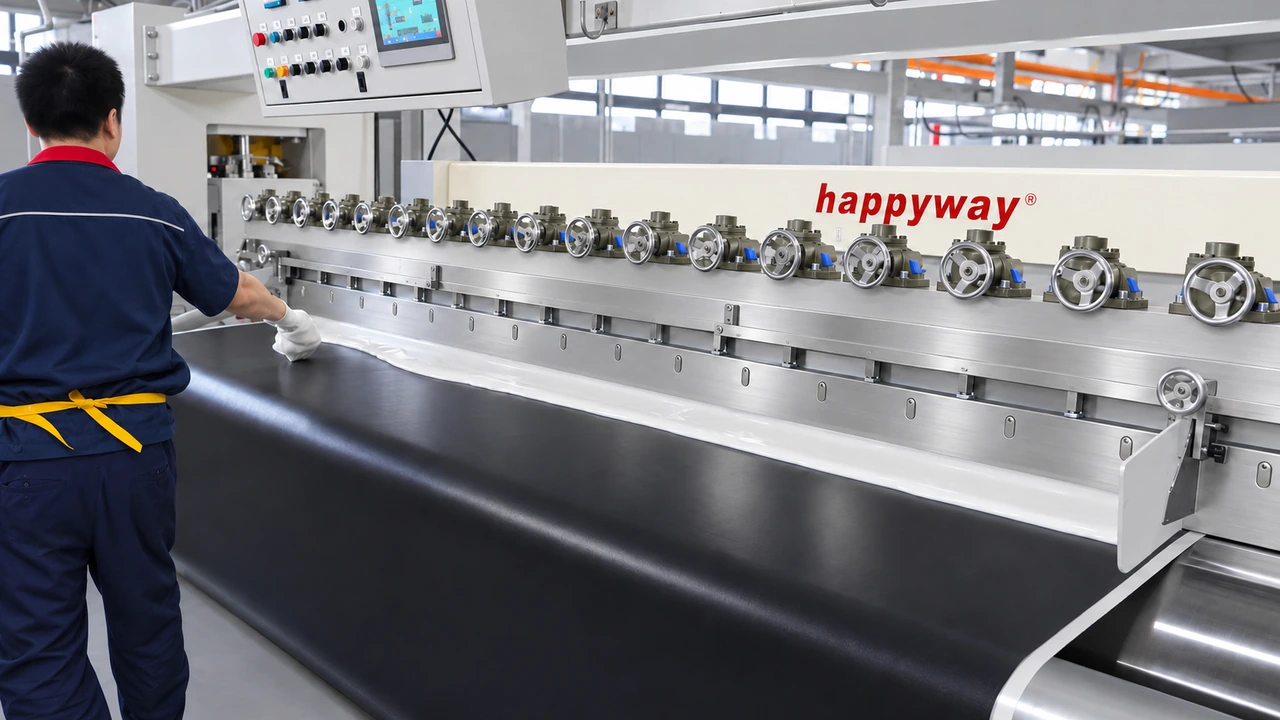
No.3 Knife Coating Production Line
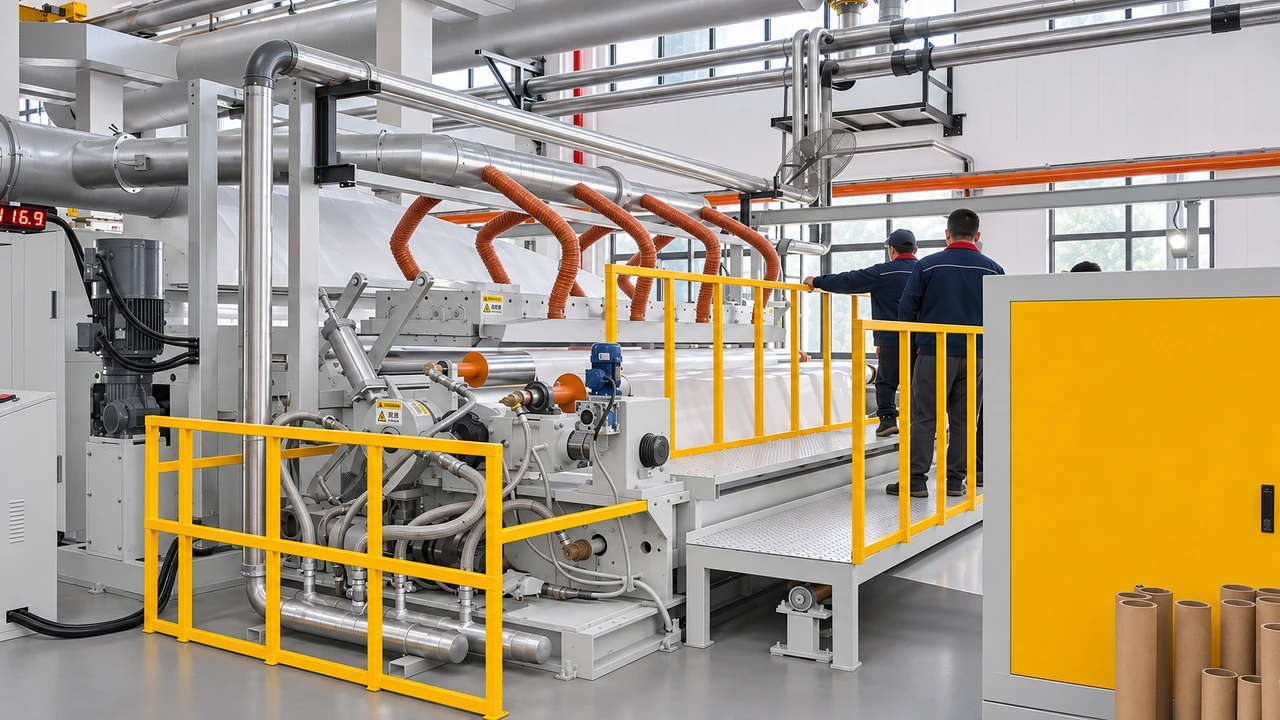
No.1 Hot Lamination Production Line
No.2 Hot Lamination Production Line
Finished Tarp Fabrication Line
PVC & Vinyl Plastic Fabric FAQs
Find answers about plastic vinyl fabric materials, roll specifications, customization, manufacturing, and wholesale supply.
In industrial sourcing, vinyl fabric often refers to PVC-based flexible fabrics. However, the term vinyl also covers other products, including unsupported sheets and upholstery materials. For roll procurement, confirm the textile reinforcement and PVC construction.
Two common construction routes are PVC-coated fabric and PVC-laminated fabric. The appropriate route depends on the complete material structure, downstream product and processing requirements.
Start with the product you intend to manufacture, the reinforcement, required performance, processing method and sample tests. Neither construction is automatically superior for every application.
These processing methods can be suitable for selected PVC composite fabrics. Compatibility depends on the specific material construction, finish and equipment settings, so verify the approved grade on your production line.
Provide the intended application, processing method, preferred construction or reference sample, target weight or thickness, usable roll width, quantity, surface requirements and any applicable tests.
No. In reinforced PVC fabric, polyester is the woven or knitted base textile that provides tensile and tear strength, while PVC is the coating or film that makes the surface waterproof, weldable and easy to clean. The two work together as one composite material.
The PVC surface is waterproof, and welded seams can keep finished products watertight. Two details matter: knife-coated fabric can contain micro-pores, so laminated or impregnated constructions are preferred for liquid bags and inflatables, and cut edges can wick water unless the base yarn has an anti-wicking treatment.
PVC fabric is not breathable, it stiffens in severe cold (our standard grades are designed for about -30 °C to +70 °C), and prolonged contact with oils can extract plasticizer. For a full comparison, see our guide to PVC fabric advantages and disadvantages.
Tell us what you manufacture and how you process the fabric. Share your material construction, target roll dimensions, surface requirements and order quantity—or send a reference specification for review.