What Does UV Resistance Mean for Your Material?
UV resistant PVC tarpaulin uses a UV-stabilized PVC formulation to help slow sunlight-related deterioration. The aim is to preserve the properties your material needs during exposure, including acceptable appearance, flexibility and mechanical performance.
UV resistance is incorporated into the PVC compound. The optional surface treatment is a separate part of the material specification. When comparing fabrics, consider the complete construction and supporting performance information rather than treating a surface finish or a “UV-resistant” label as a complete specification.
UV Resistance and Weather Resistance
UV resistance concerns damage associated with ultraviolet radiation. Weather resistance covers a broader combination of sunlight, heat, moisture and changing environmental conditions.
This distinction matters when selecting material for your market. A fabric exposed to strong sunlight in a dry location faces different conditions from one that remains outdoors in a hot, humid environment. Both may require UV resistance, but their additional material requirements may differ.
Waterproofness also needs separate consideration. A PVC surface that prevents water penetration has not, by that fact alone, demonstrated resistance to sunlight aging. Likewise, a UV exposure result does not establish the material’s waterproof performance.
For purchasing, identify which functions your application requires and review the evidence for each.
Appearance and Performance After Exposure
Sunlight-related deterioration can appear in several ways. Some changes affect appearance first; others affect the material’s ability to remain flexible or carry load.
| Change Being Evaluated | What It Means for Material Selection |
|---|
| Fading or color shift | The exposed material may no longer match the appearance required for the order |
| Loss of gloss or chalking | The surface appearance has changed; further evaluation is needed to understand the material’s condition |
| Hardening or cracking | Flexibility and surface integrity need attention, particularly where the material will bend or fold |
| Reduced tensile or tear strength | The material may retain less mechanical capacity after exposure |
These observations should not be treated as interchangeable. A fabric can retain an acceptable color while other properties change. It can also show a visible color difference while retaining the strength required for a particular use.
For appearance-sensitive orders, define an acceptable color change. Where mechanical performance matters, include the relevant measurements before and after exposure.
Match the Material to Your Sunlight Exposure
Selecting a UV-resistant material begins with the conditions it will face. The destination, exposure pattern and required material performance provide a more useful starting point than choosing a grade by weight alone.
Destination and Exposure Conditions
Continuous outdoor exposure and seasonal use should be described separately. A material installed throughout the year has a different exposure history from one used for a limited season and stored between deployments.
Also identify the exposed face. A horizontal upper surface, a vertical panel and a partly shaded surface can receive different combinations of sunlight, heat and moisture. If both sides will be exposed, state this when discussing the material specification.
The destination country or region helps establish the context, but more detail is useful. Mention whether the location is sheltered, frequently wet, unusually hot or subject to other conditions relevant to the material.
For importers and distributors supplying several markets, consider whether one material specification must cover all destinations. Where requirements differ substantially, separate grades may provide a clearer purchasing basis than one broadly described “outdoor” product.
Material Requirements for Your Application
Translate the application into the material properties that must remain acceptable.
For a visible surface, color consistency and surface appearance may be important purchasing criteria. For material subject to tension, the remaining tensile and tear performance may be more significant. Repeated handling can make flexibility another necessary evaluation item.
These requirements can apply together. A material may need to retain both its appearance and its mechanical function.
Describe the required project period as background information, then define how suitability will be assessed. A request for “several years outdoors” is incomplete unless the exposure, acceptable changes and supporting evidence are also understood.
Specify the Construction, Color and Surface Finish
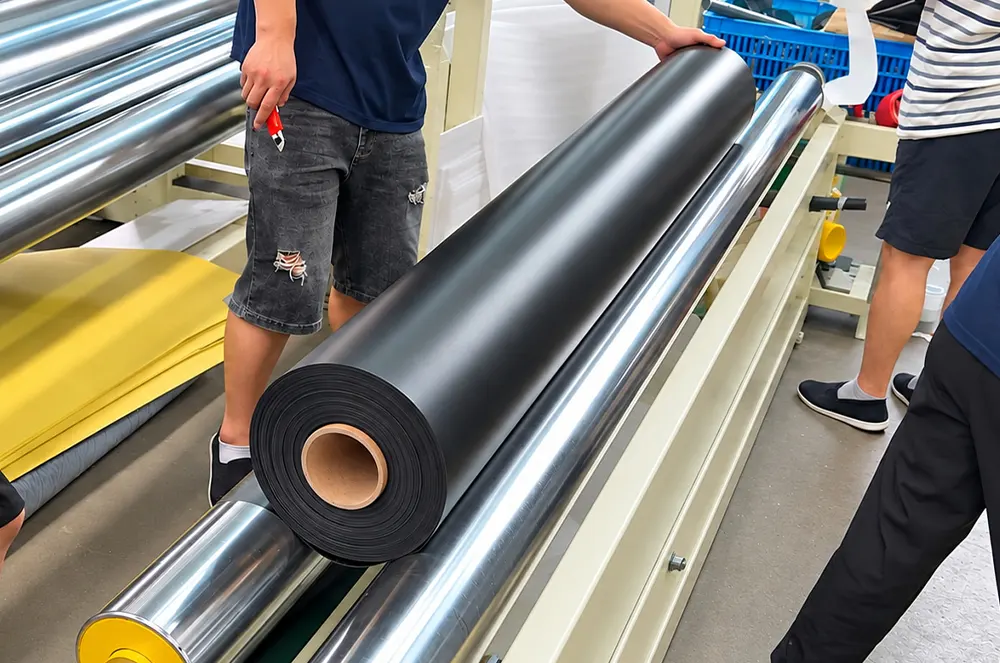
The UV requirement should be attached to an identifiable roll specification. This allows quotations, samples and performance information to refer to the same material.
Base Fabric, Weight and Roll Dimensions
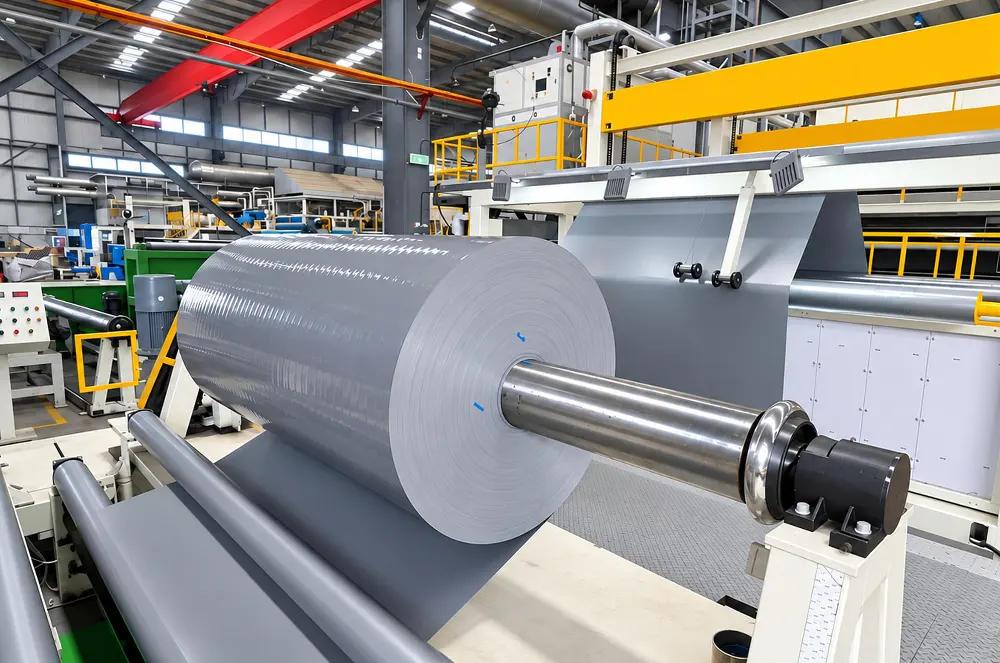
The polyester reinforcement supplies much of the fabric’s tensile strength, tear resistance and dimensional stability. The PVC compound provides the continuous protective surface and is formulated for properties such as flexibility, color and UV resistance.
Increasing total GSM does not necessarily improve all of these properties together. Two fabrics of the same weight can use different reinforcement, different PVC amounts and different formulations.
When comparing waterproof heavy duty uv resistant pvc tarpaulin fabric, assess the three requirements separately: waterproof performance, reinforcement and mechanical strength, and resistance to sunlight-related deterioration.
| Material Detail | Why It Matters |
|---|
| Base-fabric construction | Helps define strength, tear behavior and dimensional stability |
| GSM and thickness | Describe the material’s weight and dimensions, but do not establish a UV performance level |
| PVC formulation | Influences sunlight resistance alongside flexibility and other required properties |
| Face and back configuration | Identifies which surfaces are supplied and which will be exposed |
| Usable width and roll length | Establish the actual supply dimensions for purchasing and handling |
Compare complete specifications rather than assuming that the heaviest quotation provides the best UV performance.
For construction details, review our PVC coated tarpaulin and PVC laminated tarpaulin ranges. The process name alone does not establish the performance of the selected grade.
Color, Formulation and Surface Requirements
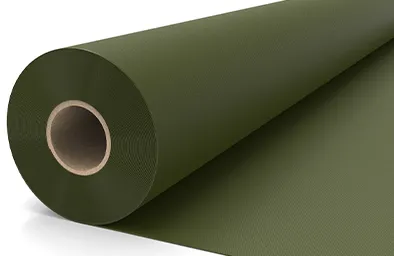
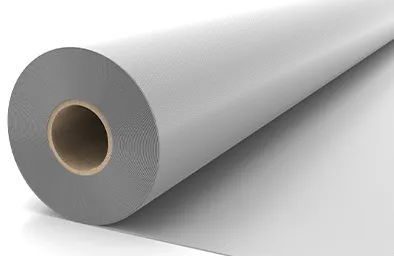
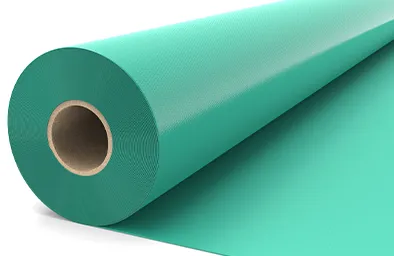
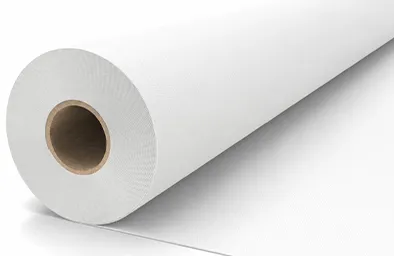
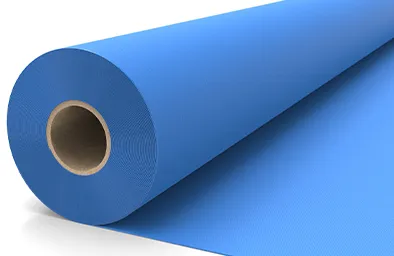
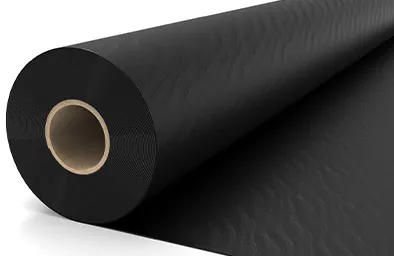
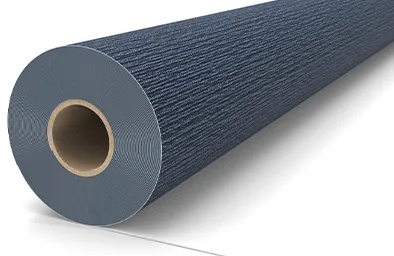
Approve the target color together with the exposure requirement. An initial color match shows how the new material looks; it does not establish how that shade will perform after exposure.
Where color retention is important, the verification should represent the proposed shade and formulation. A result obtained from another color should not automatically be applied to the entire range.
The optional surface finish should also be identified. Its appearance and compatibility with the intended processing need to suit the order, but the finish should not be treated as a substitute for evidence of UV performance.
If the color, formulation or surface treatment changes, review whether the existing performance information still applies. For an existing fading or yellowing problem, our guide to PVC tarpaulin discoloration explains the relevant causes in more detail.
How to Verify UV Performance Before Ordering
UV testing is useful when it shows how a defined material changes under defined exposure conditions. The exposure procedure describes what happened to the sample; the measurements describe the outcome.
Compare Exposure Conditions, Not Hours Alone
A statement such as “tested for 1,000 hours” leaves important questions unanswered. Which light source was used? What temperature and moisture cycle applied? Which properties were measured afterward?
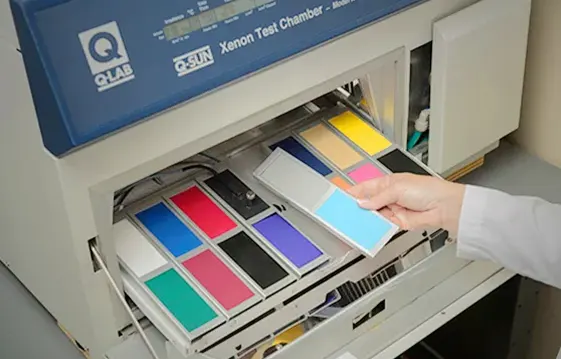
Fluorescent UV methods, such as ISO 4892-3, expose specimens to controlled UV radiation with heat and water conditions. Xenon-arc methods use filtered light covering UV and visible wavelengths. The appropriate method depends on the material and the purpose of the evaluation.
These are different exposure approaches. Equal test durations do not make their results equivalent. Even within one method, differences in the selected cycle can affect the comparison.
When reviewing quotations or reports, compare the specified conditions before comparing the number of hours.
Review Appearance and Retained Properties
A useful result explains both what was measured and how much it changed.
| Result | How to Read It |
|---|
| Color assessment | Review the measurement or rating method and the agreed appearance limit |
| Surface inspection | Check which defects were assessed and whether observations or photographs are provided |
| Tensile or tear results | Compare the original and exposed values, with test direction and units clearly identified |
| Property retention | Review the percentage together with the remaining absolute value |
For example, a high strength-retention percentage does not necessarily establish sufficient strength if the original value was too low for the requirement. Conversely, two materials with different starting strengths cannot be compared meaningfully from retention percentages alone.
Photographs help explain visible changes, but they do not replace mechanical measurements. A report that assesses only color supports that assessment, not an unmeasured claim about strength or flexibility.
Apply the Results to the Selected Material
Match the tested sample to the proposed order. Review its product identification, construction, weight, color and surface finish.
A standard number identifies a method; it does not, on its own, establish that the material passed your purchasing requirements. The exposure duration, evaluation procedures and acceptance limits must also be clear.
Agree on the criteria before testing. This prevents one party assessing appearance while the other expects retained strength, or interpreting the same result against different limits.
Laboratory exposure hours do not have a universal conversion into outdoor years. For broader service-life considerations, see how long vinyl tarps last.
Samples and Bulk Roll Supply
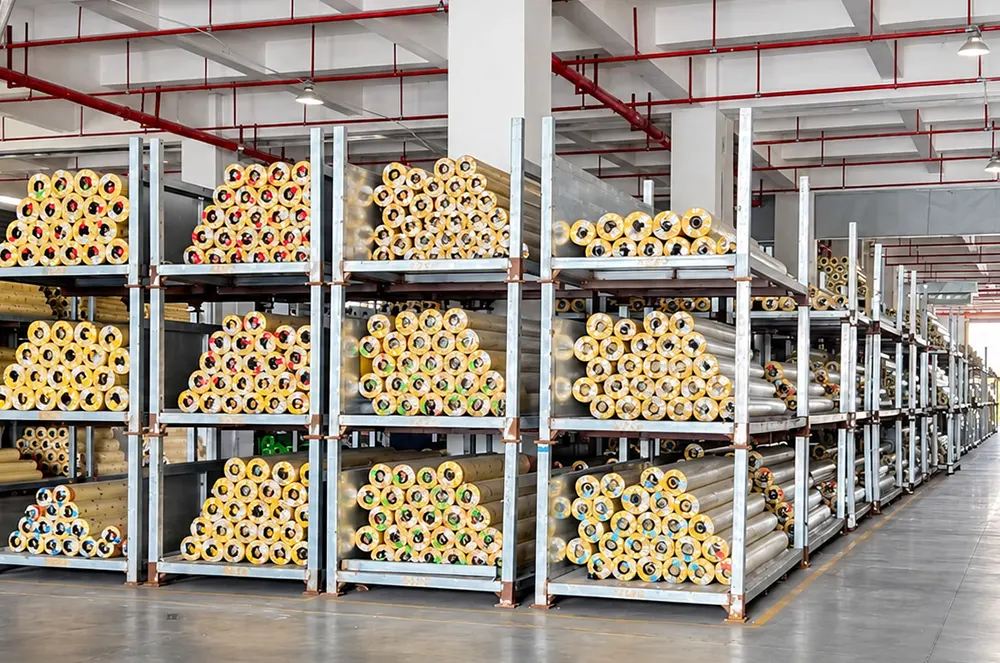
LonaTarp supplies custom PVC tarpaulin rolls for business purchasing requirements. The approved sample, written specification and applicable performance information should identify the same proposed material.
Review the Sample and Specification
Use the sample to examine the actual color, surface, flexibility and construction. Compare these features with the quotation so any difference can be resolved before the bulk order is confirmed.
An appearance sample cannot demonstrate long-term UV performance by itself. Review any relevant test evidence separately and connect it to the sample specification.
Where processing compatibility is important, provide the intended method so a suitable sample trial can be discussed.
Confirm Bulk Order Requirements
Record the approved material code, specification revision, color reference and surface finish. Include the UV requirement, any additional functions, and the agreed testing or acceptance arrangements.
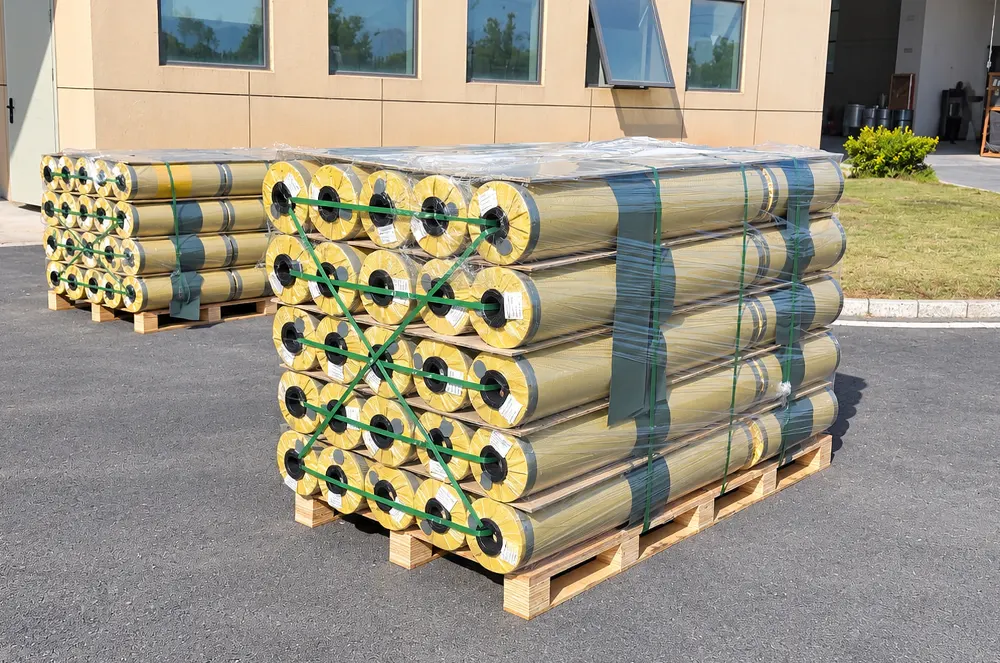
Also confirm roll dimensions, quantity, labels and packaging. The standard custom roll MOQ is 5,000 m² per color and specification.
For repeat orders, use the approved specification as the reference. Changes to color, formulation or construction should be reviewed before assuming that previous samples and performance evidence remain applicable.
Request a UV Resistant PVC Tarpaulin Quote
Send your application, destination, exposure conditions, target GSM or thickness, roll dimensions, color and quantity. Include any customer test specification or required performance results.
If the specification is incomplete, provide an existing sample or describe the material performance you need. LonaTarp can review the requirements and discuss a suitable roll specification.