PVC tarpaulin discoloration can come from changes in the pigments, degradation of the PVC compound, or staining at the surface. Sunlight, heat, chemical contact and damp conditions affect different parts of the material. Slowing the color change starts with protecting the part that is vulnerable.
At LonaTarp, we manufacture PVC tarpaulin rolls to your specifications. When you choose material for a tent roof, truck cover or industrial enclosure, I recommend selecting the color together with its protection against the conditions it will face.
I. What Does PVC Tarpaulin Discoloration Look Like?
Discoloration is the general term; fading is only one type. The original shade may become lighter, develop a yellow cast, shift in hue or change unevenly across the surface.
II. What Causes PVC Tarpaulin Discoloration?
Sunlight and Pigment Fading
PVC tarpaulin fading can begin in the colorants. In susceptible organic pigments, light-driven reactions alter the molecular structures that absorb certain wavelengths of light. As that absorption changes, the color can weaken or shift.
Lightfastness describes resistance to light-related color change. A blended shade can also shift when its colorants lose intensity at different rates, even before the whole surface looks noticeably faded.
Sunlight affects more than the pigment. The PVC compound can undergo photodegradation and photo-oxidation, involving light and oxygen. Reactions near the surface can alter the polymer structure, so pigment fading and deterioration of the coating may occur together. Outdoor color retention therefore depends on protecting both the colorants and the PVC around them.
PVC Degradation and Yellowing
White PVC tarpaulin can turn yellow because the PVC itself changes, rather than because the white pigment fades.
During thermal degradation of PVC, hydrogen chloride can be eliminated from vulnerable sites along the polymer chain. This process, called dehydrochlorination, produces sequences of alternating single and double carbon bonds. These conjugated polyenes absorb light differently and can cause yellowing or darker discoloration as degradation progresses.
One thermal-yellowing pathway: Heat stress → hydrogen chloride loss → conjugated structures form → yellowing or darkening.
Heat stabilizers help delay this process. Depending on the chemistry, they can protect unstable sites or capture substances that promote further degradation. This is why an anti-yellowing formulation needs to protect the PVC compound, not simply increase its initial whiteness.
Plasticizer Migration and Surface Discoloration
Plasticizers give PVC flexibility. Conventional external plasticizers are mixed into the compound rather than covalently bonded to the polymer chains, allowing their molecules to move within the material. Plasticizer migration in PVC depends on the formulation and exposure conditions.
When migration contributes to a tacky surface, dust and grime can stick more readily. A cover may then look gray or dirty while its original pigment remains largely unchanged. This is a surface-contamination problem, not necessarily pigment fading.
Chemical Contact and Changes to the Material Surface
A cleaner, oil or other contacting liquid can leave a stain. Some liquids can also extract plasticizer or affect the exposed finish, changing the surface itself.
The effect depends on the substance, concentration, temperature and contact time. Occasional splashes, repeated cleaning and continuous liquid contact create different demands on the material. For an industrial cover, identifying the actual contact substance is more useful than specifying “chemical resistance” on its own.
Moisture and Microbial Staining
Warm, humid conditions can support microbial growth when nutrients are available. Some plasticizing ingredients can provide a food source, allowing microbial activity to contribute to stains. This differs from light changing the pigment or heat degrading the PVC chain.
Antimicrobial protection for flexible PVC targets growth that can damage or stain the material. For mold-prone applications, a suitable antifungal treatment addresses this biological risk rather than the photochemical reactions responsible for fading.
III. Material Options for Better Color Retention
Use the expected exposure to identify the protection your material needs. A sunny, damp application may require more than one of the combinations below.
Materials for Prolonged Outdoor Exposure
For an outdoor cover, choose a pigment system with suitable lightfastness in the intended PVC formulation. UV absorbers can reduce UV-driven damage, but they do not replace the need for weathering-suitable pigments.
For a custom brand color, compare candidate formulations in the actual shade you need. Two pigment combinations may produce a similar initial match while behaving differently under exposure. We recommend approving the shade and the color-retention requirement together, rather than judging an outdoor material by its new appearance alone.
Materials for White and Light-Colored Applications
For a white tent roof, separate initial whiteness, color after fabrication and resistance to later yellowing. Each belongs in the material requirement.
PVC stabilizer selection depends on both processing and end-use conditions. A welded white outdoor fabric needs a compound that tolerates the intended heat processing, together with protection suited to outdoor weathering. For a pale custom shade, the pigment blend also needs suitable color stability.
The aim is to preserve the approved appearance through fabrication and use—not just deliver a brighter white sample.
Materials for Hot and Humid Conditions
For a canopy exposed to both strong sunlight and persistent dampness, combine outdoor stabilization with appropriate antifungal protection. A covered or shaded application may have less direct sun exposure but still need protection against mold-related staining.
The antifungal treatment should suit the PVC formulation and remain effective after processing. For your order, describe whether the material will dry regularly or stay damp for extended periods; this helps define the biological exposure that the material needs to withstand.
Materials for Dirt-Prone and Industrial Environments
For dust and frequent handling, prioritize a compatible plasticizer system with suitable migration resistance. An appropriate topcoat can further reduce dirt pickup. Select these properties alongside the flexibility your finished cover needs.
For oils or repeated cleaning, choose the compound and finish around the actual liquid contact. Acrylic-based and PVDF-containing surface finishes are options used in coated fabrics, but their behavior depends on the specific formulation. A finish chosen for dirt resistance still needs compatibility with the cleaner or industrial liquid.
Also consider fabrication: some finishes allow direct welding, while others need surface preparation. Printing compatibility is a separate requirement where applicable.
Materials for Welding and Heat Processing
For rolls that will be welded, select a heat-stabilized compound and a finish compatible with your welding method. The material needs to retain an acceptable appearance while forming a sound joint.
Hot-air and high-frequency welding involve different process controls. Rather than apply one temperature recommendation to every material, establish suitable conditions using the intended roll specification. Compare the fabricated seam with the unprocessed material for color, and assess joint strength separately. This keeps fabrication requirements distinct from long-term outdoor performance.
IV. Can PVC Tarpaulin Remain Completely Unchanged in Color?
Not permanently under all conditions. However, a suitable PVC tarpaulin formulation may retain its color without noticeable fading or yellowing over a defined period
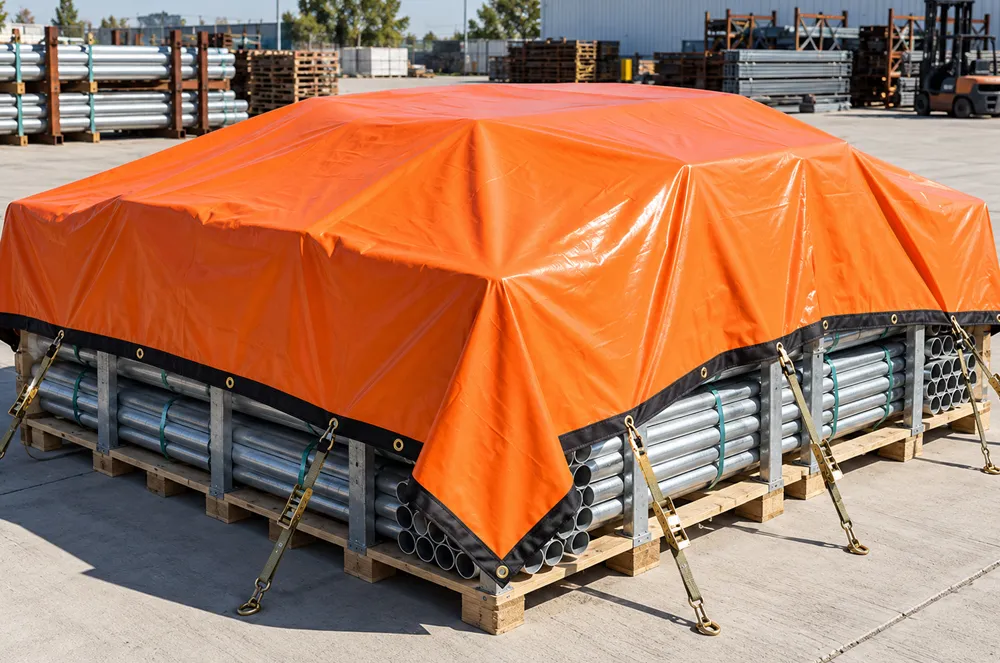
. That performance needs to be confirmed for the selected material, color and use environment.
Sunlight and heat can gradually affect the pigments and PVC compound. Lightfast pigments, UV protection and heat stabilizers help slow these changes. They improve color retention rather than make the material permanently immune to aging.
What can you realistically expect?
- Delayed fading and yellowing: A formulation matched to the exposure can provide better protection against the main causes of PVC tarpaulin discoloration.
- No noticeable color change during the required period: This can be an achievable result, but it is specific to the tested material and conditions—not a guarantee for every color, climate or application.
For your project, confirm how the selected color performs under exposure relevant to its use. A “UV-resistant” label alone does not establish a fade-free lifespan.
V. PVC Tarpaulin Color-Retention Solutions from LonaTarp
At LonaTarp, we customize PVC tarpaulin rolls around your target color, use environment and color-retention requirements.
- Application-specific materials: We offer suitable UV, heat-stability, antifungal and surface-protection options to address the discoloration risks your material will face.
- Samples and performance checks: We provide samples for color approval and fabrication trials, with any additional color-retention testing agreed for your project.
- Production to approved specifications: We manufacture your rolls to the confirmed material specification, functional requirements and color reference.
Send us your target color, application and fabrication method to discuss a suitable PVC tarpaulin material specification.
VI. Frequently Asked Questions
Does PVC Tarpaulin Fade or Change Color Over Time?
It can, but the rate varies with the formulation and exposure. For a color-critical order, ask for results covering the proposed grade and shade over defined conditions. These provide a more useful basis for approval than a general claim about how many years PVC lasts.
What Factors Should I Consider When Choosing Color-Stable PVC Tarpaulin?
Specify the target shade, use environment, fabrication method and acceptable appearance after use. Then match the pigment system, PVC stabilization and surface protection to those requirements. Weight and thickness remain relevant to the product specification, but do not establish color retention by themselves.
Does UV Resistance Prevent PVC Tarpaulin from Discoloring?
UV-resistant PVC tarpaulin can still need protection against heat-related yellowing, chemical contact or microbial stains. Check which property an exposure report measures: resistance to strength loss and resistance to color change are different outcomes.