










Air Track Material for Inflatable Training Mats
Air track material has to survive a different use pattern from SUP boards, boat floors or floating docks. An air track mat is repeatedly jumped on, folded, moved, cleaned and re-inflated, so the material decision cannot stop at GSM or a product photo.
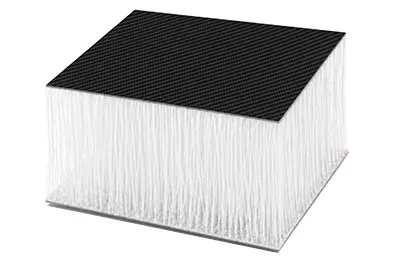
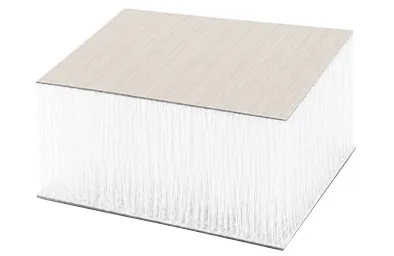
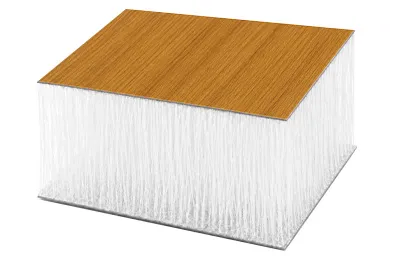
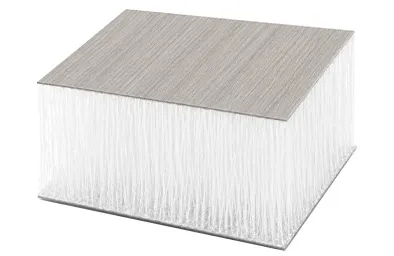
For this type of inflatable mat, we normally start with PVC drop stitch fabric, then check the chamber height, surface feel, peel strength, welding window and pressure-retention test plan together. Some buyers also search for airtrack material as one word; we treat it as the same sourcing question.
Tell us the finished mat size, target thickness, expected training use, surface requirement, logo printing plan and packing method. Our production team can review whether a roll material, pre-cut panel or sample welded panel is the better first step before bulk order.
Why Air Track Mats Need a Different Drop Stitch Material Check
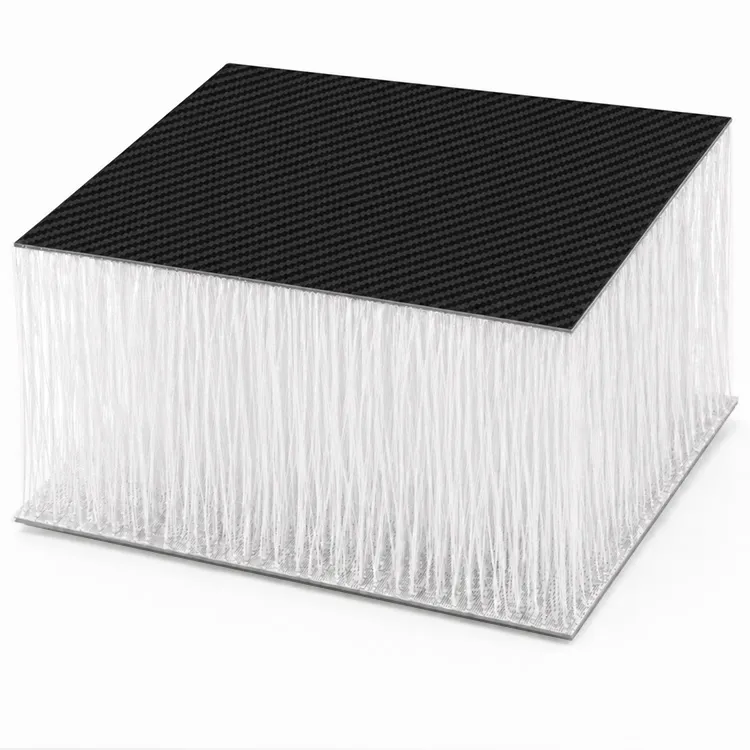
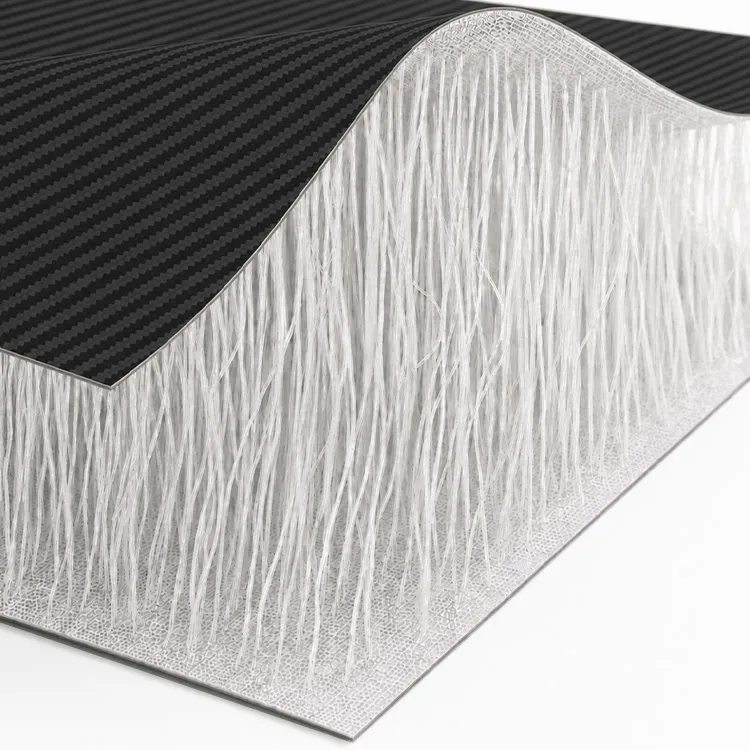
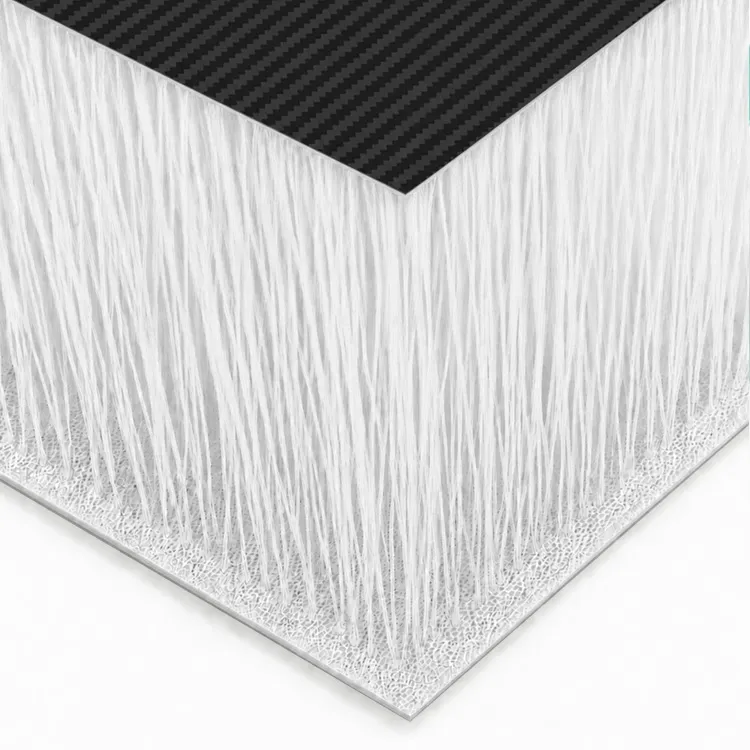
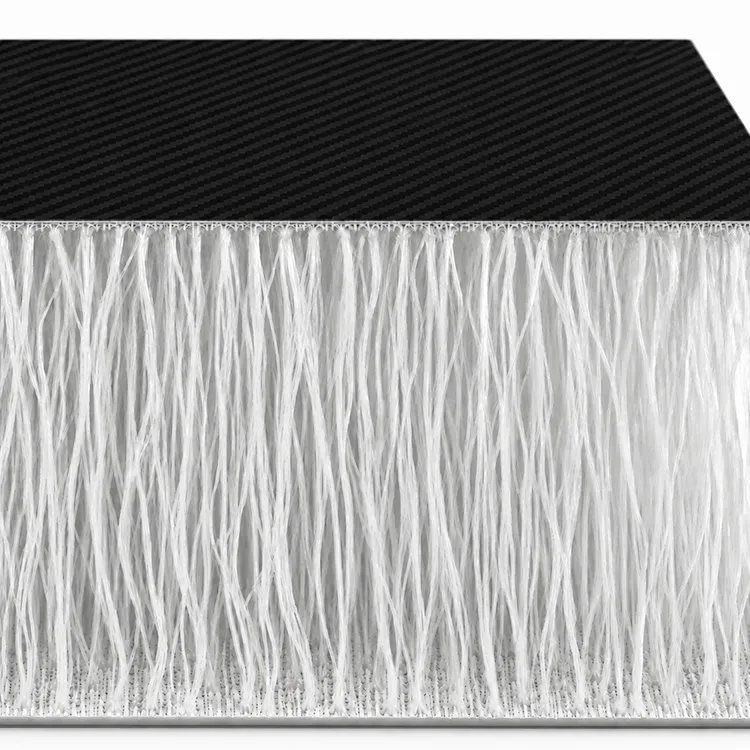
A stable air track mat needs two things at the same time: a flat pressurized panel and a surface that can handle repeated impact. The drop stitch core controls the distance between the top and bottom faces, while the coated outer layers and welded edges keep the panel sealed.
This is why material approval should include more than nominal weight. For air track production, we recommend checking:
- finished chamber height and target mat thickness;
- top and bottom PVC surface structure;
- peel strength between coating, yarn field and sidewall areas;
- welding compatibility for long straight seams and corners;
- fold marks after storage and transport;
- pressure loss after a sample panel test;
- surface grip, cleaning and optional printing needs.
If a material passes a flat sample check but fails after corner welding or repeated folding, the finished mat can lose shape before the buyer sees the problem in bulk production.
Material Options We Usually Review for Air Track Projects
The starting point is usually PVC drop stitch fabric for air track mat production, but the final selection depends on the mat design. A short home-use mat, a club training track and a commercial inflatable lane do not always need the same chamber height or roll width.
| Decision Point | What Buyers Should Confirm | Why It Matters for Air Track Material |
|---|---|---|
| Chamber height | Target inflated thickness and tolerance | Controls bounce feel, panel rigidity and packing size |
| Face material | PVC surface, optional print surface and hand feel | Affects grip, cleaning, logo work and welding behavior |
| Yarn and structure | Drop stitch construction and panel direction | Helps keep the mat flat under pressure |
| Peel and bond | Peel test method, failure mode and sample record | Reduces delamination risk near folds and seams |
| Welding route | Sidewall width, seam layout and corner treatment | Long seams and corners are common failure points |
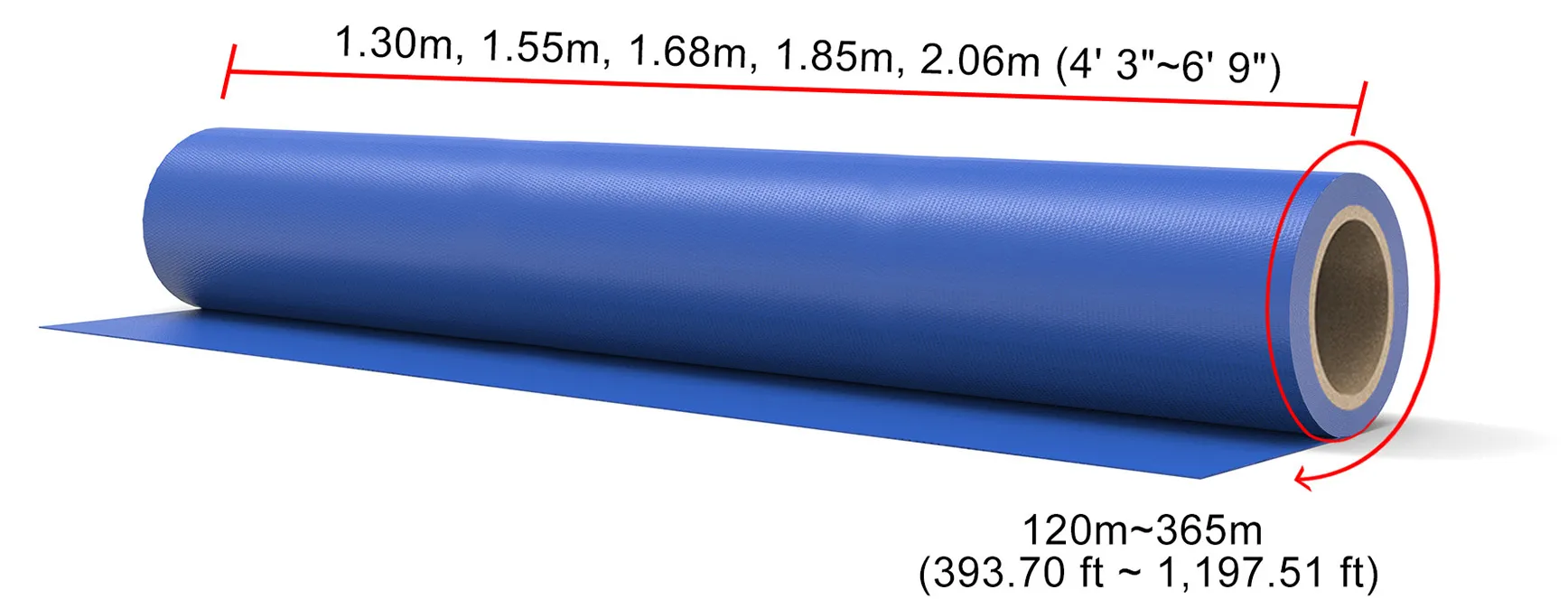
| Roll supply | Width, roll length, weight and packing | Influences cutting yield, handling and factory efficiency |
For early development, a small welded sample panel is often more useful than approving a loose material swatch. It lets the buyer check pressure retention, corner behavior and surface handling before placing a larger material order.
When to Choose Roll Material, Cut Panels or a Welded Sample
Not every buyer should start with the same supply format. If your team already has cutting equipment and welding fixtures, roll material may be the most efficient option. If you are developing a new size or testing a new mat thickness, pre-cut panels can reduce waste during trial work.
For first-time air track material sourcing, we usually suggest a welded sample panel before bulk rolls. The sample can show whether the selected material works with the planned sidewall, valve area, corner radius and packing fold. This is especially important when the mat will be used in clubs, training centers or OEM programs where repeat orders must match the approved sample.
LonaTarp can discuss roll supply, panel cutting and project-based sample preparation according to the confirmed specification. Final performance should be checked against the agreed sample, test method and finished-mat design.
Quality Checks Before Bulk Air Track Material Orders
Air track buyers often compare materials by thickness or surface appearance, but the hidden checks are usually more important. A material that looks clean on the table still needs to keep its bond and welding performance after heat, pressure and folding.
Before bulk production, we recommend confirming:
- material weight, width and chamber height tolerance;
- coating appearance, color and surface treatment;
- peel strength and failure mode, not only average value;
- welded seam peel or leakage test after sample welding;
- folding marks after packing simulation;
- pressure retention on a sample panel;
- printing or logo position if the mat needs branding.
For B2B orders, these checks make the quotation more accurate. They also help both sides agree on what will be inspected before shipment, instead of relying only on a catalog name.
Related Drop Stitch Materials
If you are still comparing air track mats with SUP boards, floating docks or boat floors, start from the full Drop Stitch Fabric collection first. It shows the wider material family and helps separate DWF, woven and MSL options before a single specification is chosen.
For a 15 cm SUP-style drop stitch material, the 500D and 1000D options may be useful references, but they should not be copied into an air track project without checking impact, folding and welding behavior.