Transporting steel products on flatbed trailers requires proper cargo protection and securement methods to ensure safety during transit. Steel loads are heavy, sharp-edged, and highly sensitive to moisture, making steel tarps one of the most essential accessories in flatbed trucking operations. Improper tarping can lead to cargo damage, tarp tearing, road hazards, and even transportation violations.
In the flatbed transportation industry, steel tarps are specifically designed for carrying steel coils, sheet metal, steel plates, pipes, machinery, and other heavy industrial products. Compared with standard lumber tarps, steel tarps are usually shorter but much heavier and stronger, featuring reinforced hems, thick PVC-coated fabric, multiple rows of D-rings, and high tear resistance.
Properly securing a steel tarp not only protects cargo from rain, dust, and road debris, but also improves transportation safety and extends the service life of the tarp itself.
I. Using Flatbed Coil Tarps the Right Way
Steel coil tarps are specially engineered to cover compact but extremely heavy steel loads. Their design differs from general flatbed tarps because steel cargo often has sharp corners and concentrated weight points that can easily damage ordinary covers.
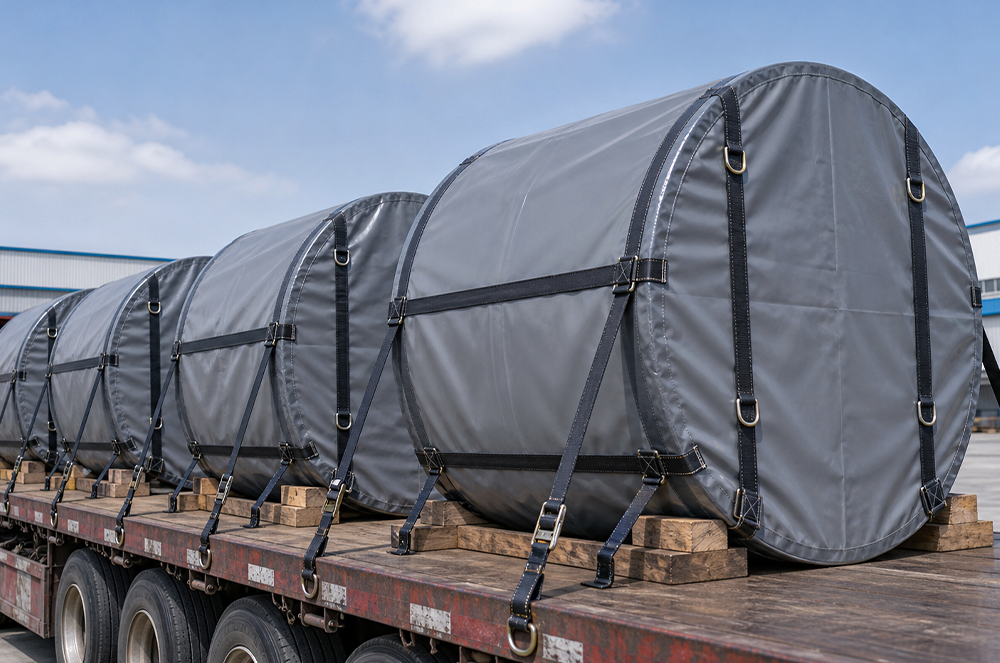
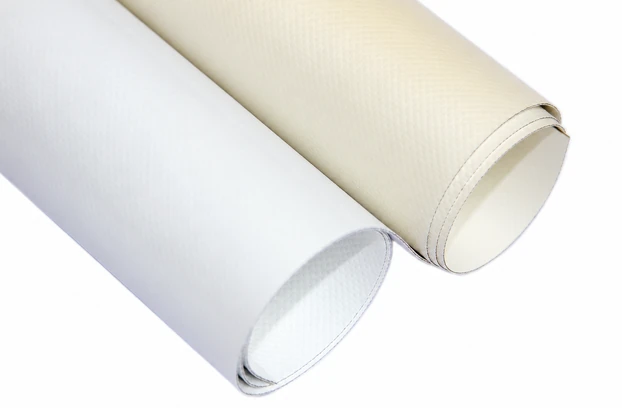
A typical coil tarp is manufactured from heavy-duty PVC-coated polyester fabric with reinforced webbing and abrasion-resistant patches. The material needs to maintain flexibility under different weather conditions while still providing excellent waterproof performance.
When using a coil tarp, drivers should first inspect the load carefully before installation. Any exposed sharp edge should be protected using corner protectors, edge guards, or padding materials. This prevents excessive friction between the steel cargo and the tarp during transportation.
The tarp should then be centered evenly over the load. Uneven placement can create excess wind drag at highway speeds, increasing stress on the tarp and tie-down system. Drivers should avoid leaving loose sections that may flap heavily in strong wind conditions.
High-quality steel tarps normally include:
- Reinforced D-rings
- Double-lock stitching
- Rip-stop reinforcement
- Heavy-duty brass grommets
- UV-resistant PVC coating
- Waterproof seams
These features help the tarp withstand continuous exposure to harsh outdoor transportation environments.
For long-distance hauling, additional tie-down straps are often recommended to reduce movement and improve overall load stability.
II. How to Pick Steel Tarps for Flatbeds
Choosing the right steel tarp depends on cargo type, trailer size, transportation distance, and climate conditions.
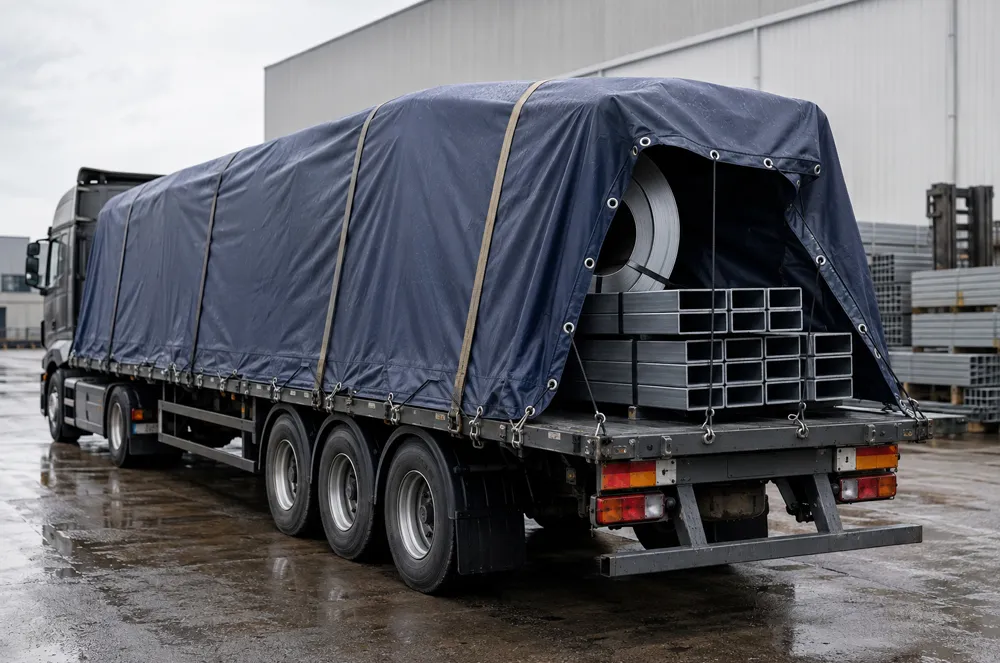
One of the first considerations is tarp material weight. Heavy-duty flatbed steel tarps are commonly available in:
- 18 oz PVC
- 22 oz PVC
- Multi-layer reinforced PVC fabrics
Heavier materials generally provide better puncture resistance and durability for industrial steel transportation.
The tarp dimensions must also match the cargo configuration. Oversized tarps create unnecessary wind resistance, while undersized tarps may leave sections of the load exposed to rain and road contaminants.
For steel coils and compact machinery, coil tarps are usually preferred. For longer structural steel or fabricated products, larger flatbed steel tarps offer better full-load coverage.
Businesses should also consider weather resistance performance. High-quality PVC tarps should provide:
- Waterproof protection
- UV resistance
- Mold resistance
- Cold-weather flexibility
In colder regions, low-temperature cracking resistance becomes especially important, as inferior PVC materials may become brittle during winter transportation.
Another important factor is reinforcement structure. Flatbed tarps experience constant tension from straps, ropes, and wind pressure. Reinforced hems and webbing significantly improve durability under heavy-duty use.
Professional trucking companies also increasingly request custom features such as:
- Extra D-rings
- Custom sizes
- Anti-static treatment
- Flame-retardant performance
- Logo printing
- Rip-stop reinforcement
Choosing a reliable tarp supplier with stable production quality can reduce replacement frequency and lower long-term operating costs.
III. Simple Steps to Secure a Tarp on a Flatbed
Securing a steel tarp correctly requires proper positioning and balanced tension distribution.
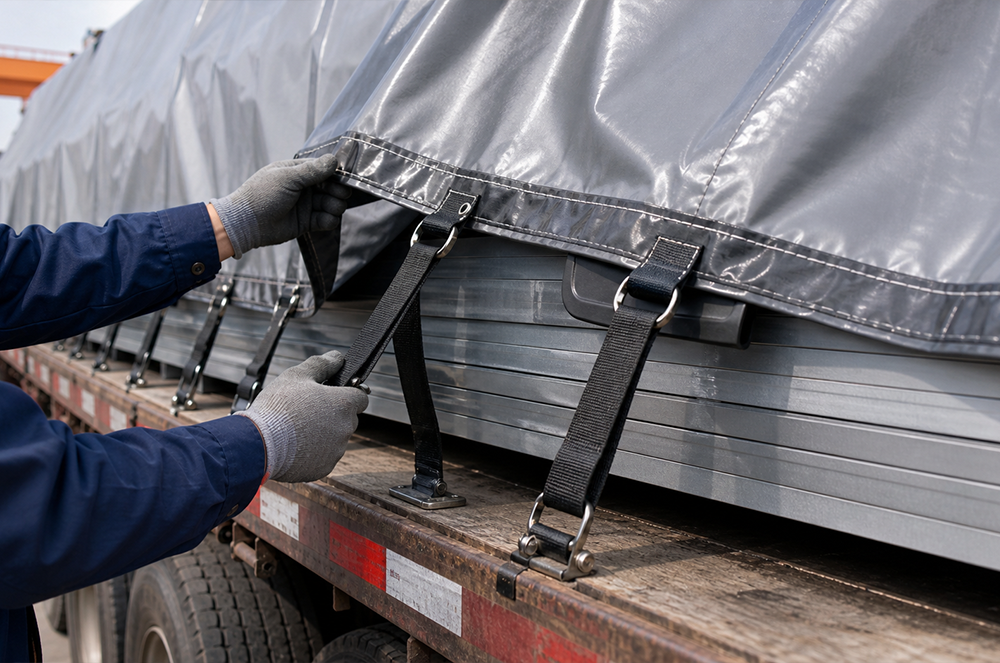
Step 1: Inspect the Cargo
Before placing the tarp, inspect the cargo carefully. Remove or cover any exposed sharp points that may puncture the tarp during transportation.
Step 2: Position the Tarp Evenly
Spread the tarp evenly across the load. Ensure both sides are balanced and the tarp fully covers the cargo surface.
Step 3: Secure the Front First
Begin fastening the front section to reduce wind uplift while driving. This helps stabilize the tarp during installation.
Step 4: Tighten Side Tie-Downs
Use rubber tarp straps, ropes, or ratchet straps to secure both sides evenly. Avoid over-tightening one side while leaving the other loose.
Step 5: Eliminate Loose Sections
Loose tarp areas can create heavy flapping at highway speeds, leading to premature wear and possible tearing.
Step 6: Final Inspection
Walk around the trailer and verify:
- All straps are secured
- D-rings are properly connected
- No sharp edges are exposed
- Tension is evenly distributed
Professional drivers often perform additional inspections after the first few miles of transportation because straps may loosen slightly during initial road vibration.
IV. Common Mistakes When Tarping Steel Loads
One of the most common mistakes is using the wrong tarp type for steel transportation. Standard lightweight tarps are usually unable to withstand the weight and abrasion caused by industrial steel cargo.
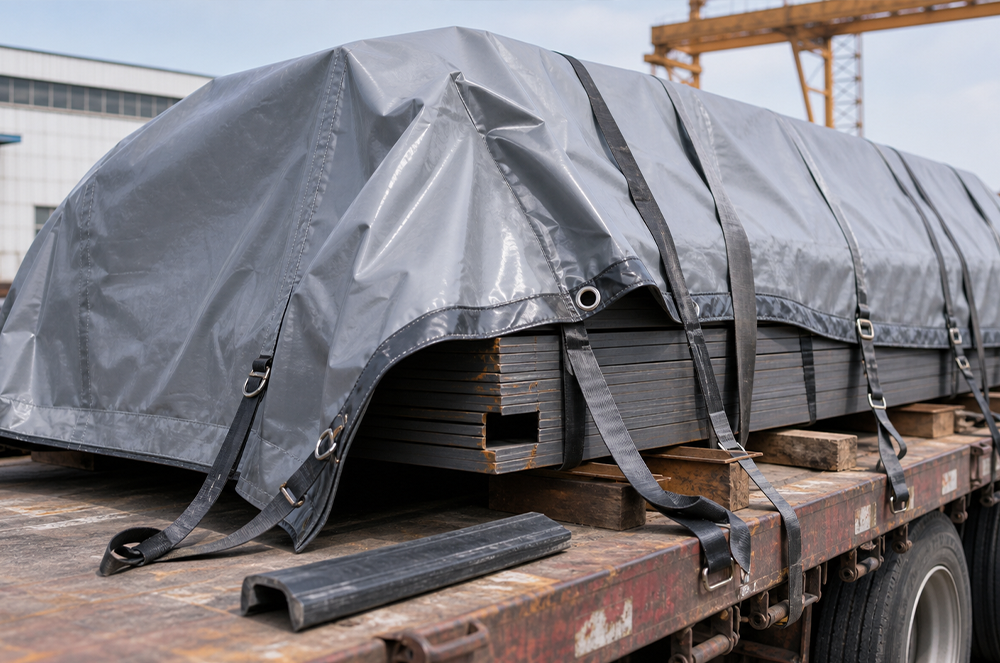
Another frequent issue is insufficient edge protection. Sharp steel corners can quickly cut through PVC fabric if proper corner protectors are not installed.
Improper tension distribution is also a major problem. Over-tightening certain sections creates concentrated stress points that may damage seams, webbing, or D-rings over time.
Some operators also fail to secure excess tarp material properly. Loose sections create strong wind drag during transportation, increasing fuel consumption and accelerating tarp wear.
Ignoring weather conditions can further increase risks. Rain, snow loading, and freezing temperatures all affect tarp performance during long-distance transportation.
Routine tarp inspection is equally important. Small tears, loose stitching, or damaged D-rings should be repaired immediately before they become larger failures.
V. Tips to Keep Steel Loads Safe During Transport
Keeping steel cargo safe requires more than simply covering the load. A complete cargo securement system combines:
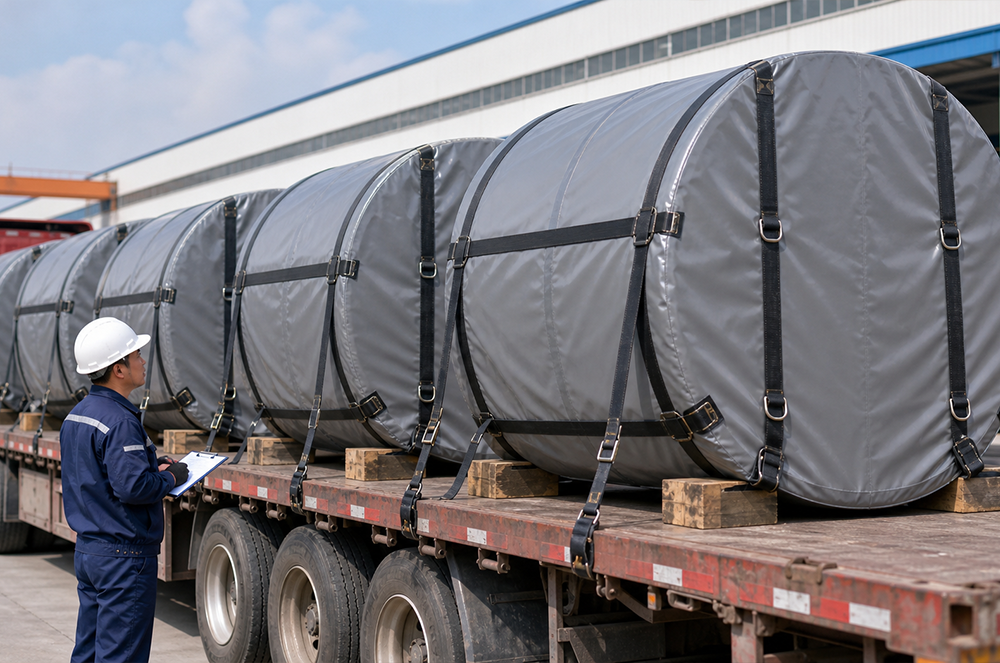
- Heavy-duty steel tarps
- Quality tie-down straps
- Edge protectors
- Proper trailer loading
- Regular inspections
Drivers should periodically check tarp tension during long trips, especially after strong wind or heavy rain conditions.
Using rip-stop reinforced PVC tarps can significantly improve durability by preventing small punctures from spreading into large tears.
For high-value steel cargo, many transportation companies also use additional waterproof layers or secondary protection systems.
Proper tarp storage is another key factor. After unloading, tarps should be cleaned, dried, and folded correctly to avoid mildew growth and material damage.
As transportation safety regulations become stricter, investing in high-quality steel tarps and proper securement methods is increasingly important for logistics operations. Reliable tarp systems improve cargo safety, reduce maintenance costs, and extend service life.