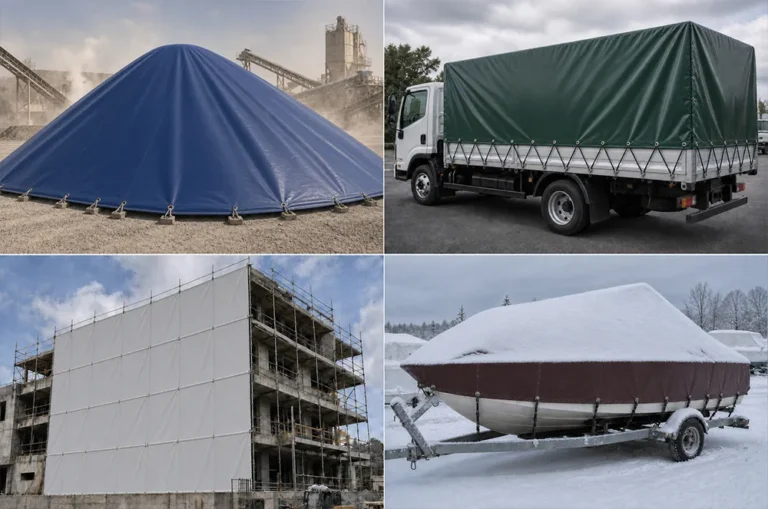
A heavy tarp for covering equipment is a reinforced protective cover used when ordinary light-duty fabric is not strong enough for machinery, tools, generators, construction equipment, industrial parts, or outdoor storage. The word “heavy” should not only mean a higher fabric weight. For equipment protection, it should also mean better edge strength, better fit, controlled waterproofing, and hardware that can survive pulling, wind, and repeated handling.
I usually treat equipment covers differently from general-purpose tarps because machines create their own risks. A loader bucket, generator corner, steel frame, hydraulic fitting, or exhaust area can damage a cover faster than rain does. If the buyer only asks for “the thickest tarp,” the finished cover may become hard to install while still failing at the corners.
This article explains how heavy equipment tarps work, when buyers need them, what material choices matter, and what details should be confirmed before custom production. LonaTarp supplies made-to-order B2B covers, so bulk projects should be planned around a 5,000 square meters minimum order quantity, sample confirmation, and clear drawings or measurements before mass manufacturing.
I. What Makes an Equipment Tarp “Heavy”
A heavy equipment tarp is built for exposure and stress. It is usually made from stronger coated fabric than a temporary dust sheet, but the real difference is the complete structure: fabric, coating, seams, reinforced edges, grommets, straps, corner patches, and the way the cover is shaped around the equipment.
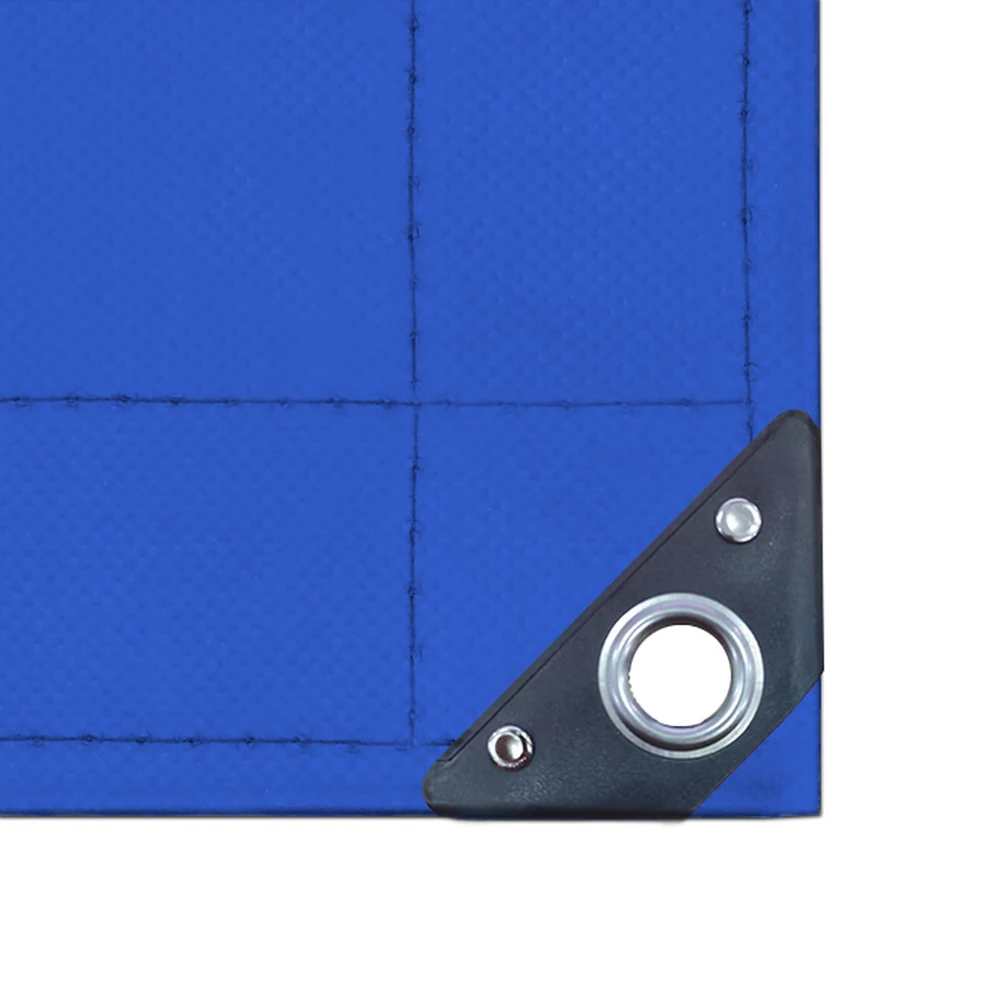
For many buyers, heavy duty tarps are the first reference point. They help explain stronger cover construction, but equipment protection adds another layer: the tarp must match the shape of the item being covered. A flat rectangular cover may work for stacked materials, but it may not sit well over a machine with handles, vents, arms, or uneven top surfaces.
The best heavy tarp is not always the heaviest tarp. If workers need to remove the cover every day, too much weight can slow down operations and increase damage from dragging. If the cover stays outdoors for a long storage cycle, heavier fabric and stronger reinforcement may be worth the extra handling effort. The right answer comes from the use pattern.
II. Equipment Risks That Change the Specification
Equipment covers fail in predictable places. Corners wear first because the tarp moves against hard points. Grommet rows tear when wind lifts the cover. Low spots collect water if the tarp is not supported. Oil, grease, dust, and metal edges can shorten fabric life if the material is not chosen for the actual environment.
Before discussing GSM, I prefer to know whether the equipment is stored indoors, outdoors, under a roof, near the sea, on a construction site, or inside a factory yard. Outdoor machinery may need UV and rain resistance. Equipment near metalworking or construction dust may need abrasion resistance. Stored engines or generators may need ventilation gaps so trapped moisture does not create corrosion problems.
Heat is another detail buyers sometimes miss. A tarp should not be placed on hot exhaust parts or recently used engines unless the material is designed for that condition. For many PVC-coated covers, the safer practice is to let equipment cool before covering. If heat exposure is unavoidable, the buyer should state the temperature and contact condition before production.
III. Material Weight, Coating, and Waterproofing
Material selection starts with the exposure condition. PVC-coated fabric is often used for heavy equipment covers because it can provide waterproofing, good tear resistance, weldable seams, and a smooth surface that is easier to clean than many woven-only materials. For buyers comparing material behavior, vinyl tarps are a useful reference because they show how PVC-coated covers perform in rain, sun, and industrial handling.
Waterproofing sounds simple, but equipment storage makes it more complicated. A fully waterproof cover can protect against rain, yet it may also trap condensation if the equipment is covered for a long time without airflow. A cover for short-term rain protection can be different from a cover for seasonal storage. Buyers should decide whether the priority is rain blocking, dust control, UV protection, or breathable storage.
If the buyer’s main problem is water exposure, the requirement may be close to a waterproof cover. If the main problem is sharp corners or repeated removal, reinforcement may matter more than coating thickness. This is where factory review helps: two covers with similar weight can perform very differently if one has stronger edge design and better stress distribution.
| Equipment condition | Cover direction | Buyer note |
|---|---|---|
| Outdoor seasonal storage | UV-stable waterproof PVC cover | Check ventilation and water pooling points |
| Sharp corners or steel frames | Reinforced corners and wear patches | Do not rely only on higher GSM |
| Daily removal by workers | Balanced fabric weight with handles or straps | Handling can matter more than maximum thickness |
| Repeated fleet or factory orders | Standardized custom pattern | Keep drawings, sample notes, and batch records |
IV. Fit and Fastening Matter More Than Buyers Expect
A heavy tarp that does not fit well will be pulled, folded, dragged, and tied in the wrong places. That creates early wear. For equipment covers, I want buyers to provide length, width, height, corner shape, protruding parts, tie-down points, and photos from several angles. If drawings are available, they are even better.
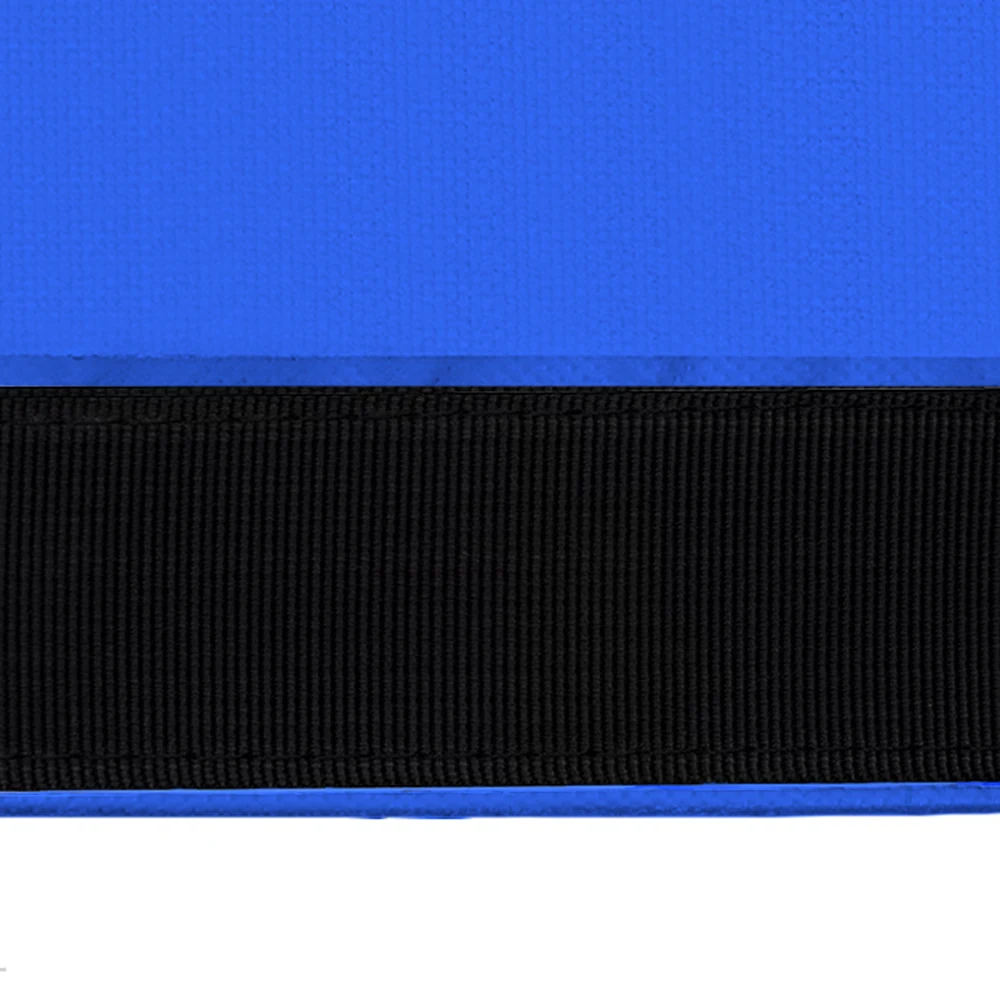
Custom-made tarps are often the better route when equipment has repeatable dimensions. A fitted cover can reduce wind lift, make installation faster, and protect the areas that actually wear. The buyer can also choose grommet spacing, webbing straps, buckles, D-rings, hook-and-loop closure, zipper access, or reinforced lifting points where needed.
Fastening should be designed for the storage method. A cover tied to a pallet frame is different from a cover fixed to a machine chassis. If workers use the wrong tie points, the fabric may tear even if the material itself is strong. A good specification shows not only the cover size, but also how the cover will be secured.
Access points should be discussed at the same time as the fastening system. Some equipment needs a cover that can be opened for inspection without removing the whole tarp. In that case, zipper access, flap openings, hook-and-loop closures, or split panels may be more useful than a single large sheet. These features add cost, but they can reduce worker frustration and extend service life because the cover is not dragged on and off unnecessarily.
V. Maintenance and Replacement Planning
Heavy equipment tarps should be inspected like other protective tools. Look for worn corners, loose eyelets, seam lifting, cracked coating, and water pockets. Small repair needs should be handled early because one torn corner can quickly become a larger failure under wind.
Cleaning also matters. Dust, oil, and cement residue can make a cover harder to fold and may damage the surface over time. Workers should avoid dragging the tarp across sharp ground or metal parts. If the cover is wet, it should be dried before long storage when possible.
Storage after removal is often ignored in the purchase stage. If a heavy tarp is folded with grit inside, the coating can be scratched from the inside. If it is stored under direct sun while rolled tightly, the surface may age faster. For fleets or factories using many covers, I like to define a simple packing method, label position, and repair process together with the first order.
For buyers sourcing tarpaulin rolls for local fabrication, maintenance feedback should be passed back to the material buyer. If covers fail at seams, the issue may not be the roll itself. It may be welding temperature, stitching layout, edge tape, or hardware spacing. Separating material failure from fabrication failure saves a lot of confusion.
VI. What to Confirm Before Ordering
Before ordering a heavy tarp for equipment, buyers should confirm the equipment type, storage location, cover size, exposure period, waterproofing priority, sharp contact points, fastening method, handling frequency, color, packing, and sample approval process. A photo set is useful; a sample or old cover is even better when replacing an existing design.
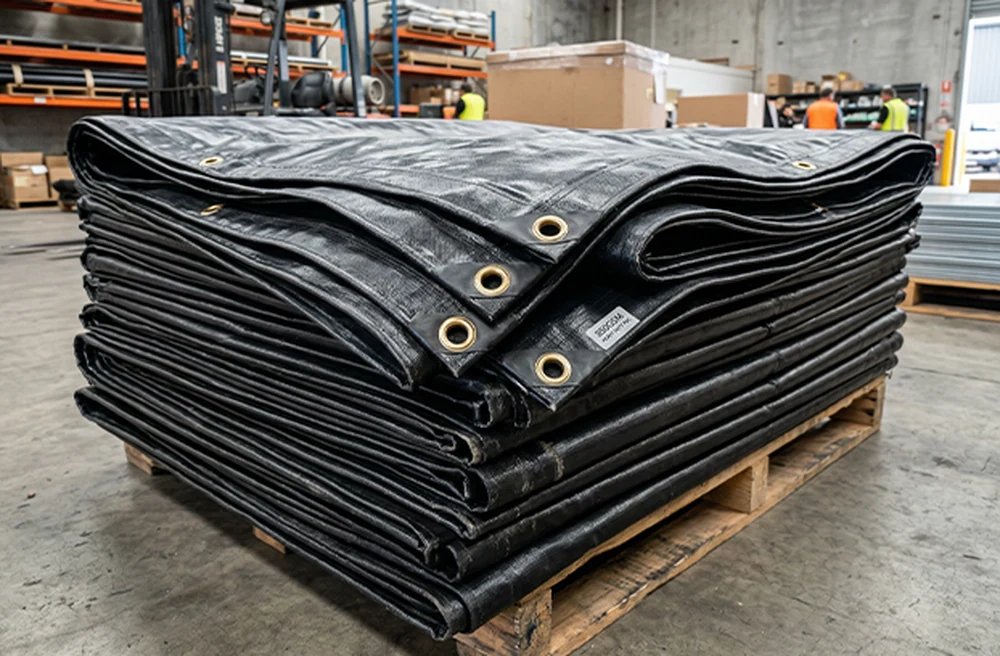
For production control, the sample should confirm fabric weight, flexibility, coating surface, edge reinforcement, hardware spacing, and the way the cover folds. This is also the right stage to check whether workers can handle the cover comfortably. A specification that looks strong on paper can still be poor if the crew cannot install it safely.
Replacement planning is another reason to document the order carefully. If the buyer operates many similar machines, keeping one approved pattern can make future purchasing faster. If each cover is made from memory, small differences in height, strap location, or corner reinforcement can create confusion at the jobsite. A clear pattern number or drawing is a small detail that saves time later.
LonaTarp can support B2B buyers with material selection, custom sizing, welding or sewing direction, grommet layout, straps, logo printing, packing, and quality control before shipment. For bulk orders, we normally work from confirmed samples and clear requirements, with a 5,000 square meters minimum order quantity. The more specific the equipment condition is, the more useful the heavy tarp becomes.