If you are choosing a custom tarpaulin manufacturer for a bulk order, the real question is not who can make a tarp to size. The real question is who can keep the same material, seam strength, hardware layout, sample standard, and packing logic consistent from the first discussion to repeat production. For B2B buyers, that is what separates a useful manufacturing partner from a website that only offers a custom-size form.
When I screen a supplier for a bulk custom tarp order, I start with the application and the failure risk, not the first price. Before you approve a 5,000-square-meter project, the factory should be able to explain how it matches PVC coated fabric, welding or sewing method, reinforcement, inspection records, and export packing to your actual job. If those pieces are disconnected, the quotation may look clear while the production risk stays hidden.
I. Start with the Application, Not the Price Sheet
The first thing I want from a buyer is the use case. A
custom tarp company that understands the job will ask where the cover will be installed, how it will be tensioned, whether it will face wind or abrasion, how often it will be folded, and where the stress points sit. Those answers tell us whether the project needs a simple waterproof cover, a reinforced transport tarp, or a shaped industrial cover with access points and special hardware.
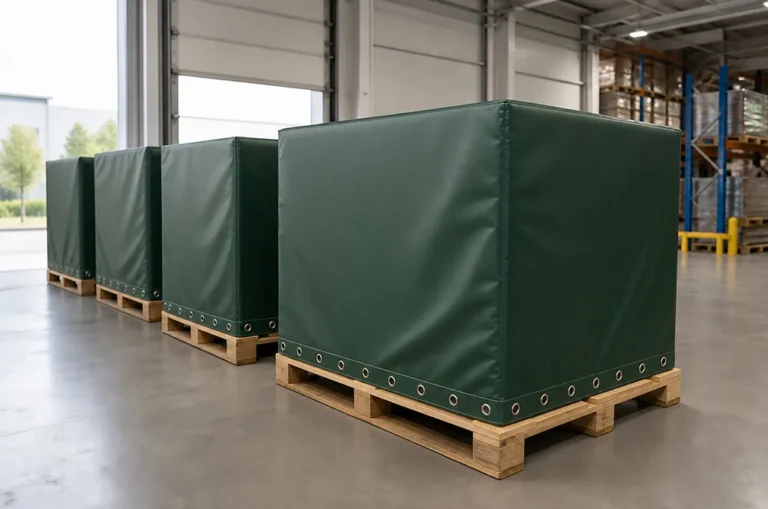
A supplier who asks only for length and width is usually missing the part that decides whether the tarp will work in the field. Equipment covers may need cutouts, inspection flaps, or abrasion protection around contact points. Truck and cargo covers may need reinforced hems, grommet spacing, or webbing that matches the tie-down method. Warehouse or project buyers often care just as much about handling and repeatability as they do about waterproofing.
That is why I compare custom tarp manufacturers by how they think through the application. If the supplier can identify likely weak points before quoting, the project is already on safer ground. If the supplier avoids those details and sends a fast price anyway, the risk is simply being pushed to the sample stage or to the shipment itself.
I also want to know how early the supplier raises boundary conditions. If the cover will sit over sharp metal, fold every day, or run through cold-weather handling, those details should appear before the quote is locked. A manufacturer that waits until production to talk about corner wear, seam orientation, or hardware pull points is usually asking the buyer to absorb avoidable risk.
II. Check Whether the Factory Controls Material and Fabrication
A serious
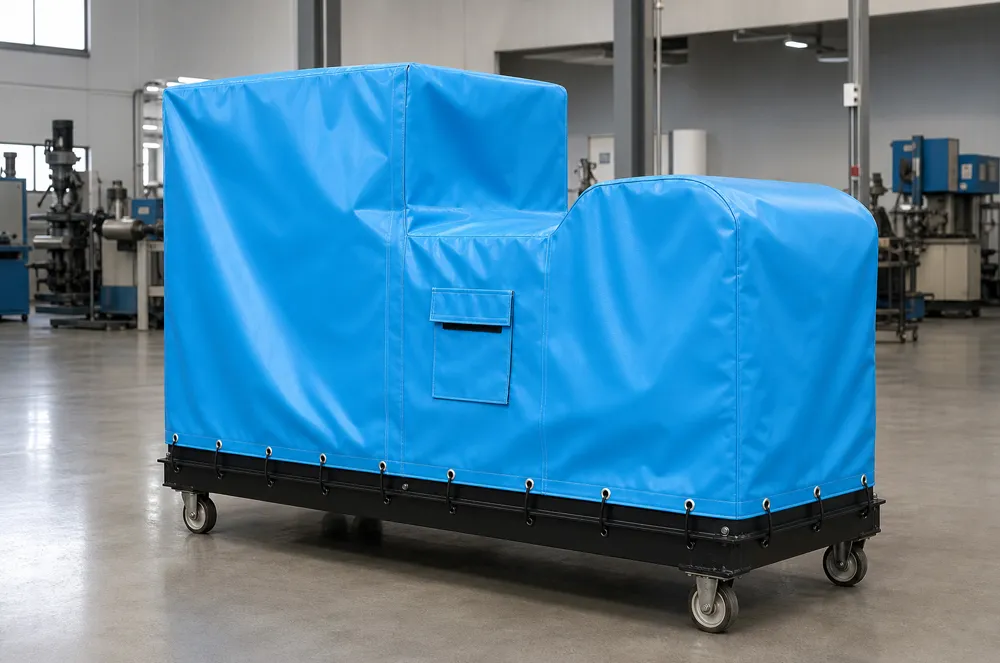
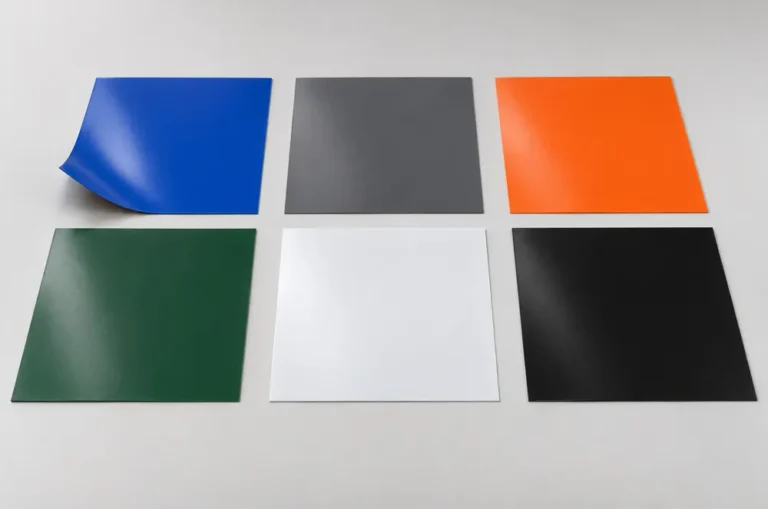
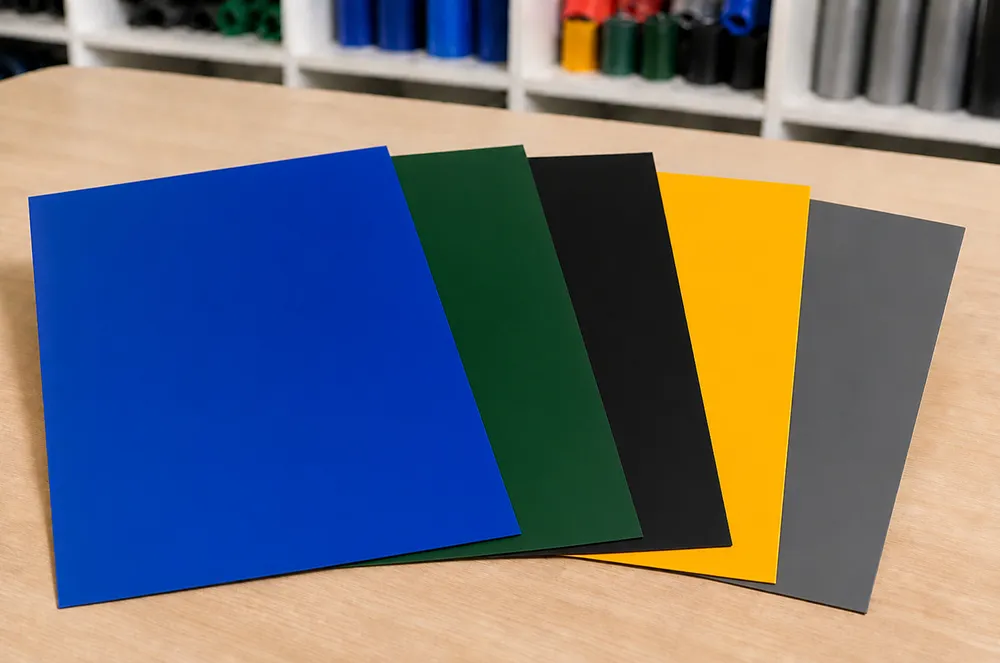
custom tarp maker should be able to connect the coated fabric to the finished cover structure. For many industrial orders, that means choosing the right PVC tarpaulin based on base fabric, coating formula, surface finish, flexibility, and the way the finished tarp will be welded, sewn, folded, and fixed in service. GSM matters, but it is not enough by itself. Two materials with similar weight can behave very differently if the polyester base fabric, filler level, or coating balance is different.
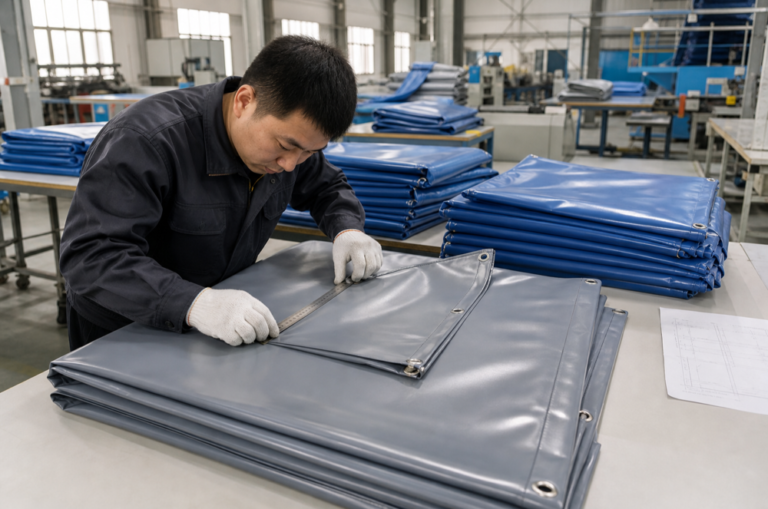
Fabrication control is just as important as fabric selection. Roll width affects cutting loss, seam count, and seam position. Edge construction affects tear risk around the perimeter. Grommet spacing, rope reinforcement, straps, or webbing must match the installation method. If the supplier can only talk about the raw fabric or only about the finished size, part of the manufacturing logic is still missing.
For buyers who may need both coated rolls and finished covers at different stages, it helps to work with a supplier that can support custom-made tarps as well as material decisions. That keeps the finished product closer to the real application instead of treating fabrication as an afterthought.
In bulk projects, I also compare how openly the supplier discusses tradeoffs. A lighter structure may lower cost and improve handling, but it can also reduce edge security or shorten service life in a high-abrasion job. A wider roll may reduce seam count, but it can change packing size or fabrication rhythm. The best factory discussion is not the one with the most confident language. It is the one that makes the tradeoffs visible before the order becomes expensive to change.
| What the manufacturer should confirm | Why it matters for bulk orders | What the buyer should send |
|---|---|---|
| Application and environment | Wind, abrasion, UV, rain, cold, and fold cycles change the construction logic. | Use case, installation photo, exposure conditions, and expected service environment. |
| Material structure | Base fabric, coating balance, and finish affect strength, handling, and weldability more than GSM alone. | Target GSM, current sample, color, and any performance requirement. |
| Finished size and seam layout | Panel width and seam direction affect appearance, cost, and long-term stress concentration. | Drawing, tolerance, quantity by size, and any seam-position preference. |
| Edges and hardware | Many field failures begin at hems, corners, eyelet rows, straps, and abrasion points. | Hem width, grommet spacing, corner detail, rope/webbing, and fixing method. |
| Packing and shipping format | Bulk orders fail late when labels, folding, palletization, or carton counts do not fit warehouse handling. | Label format, carton or bale preference, pallet needs, and destination country. |
III. Ask for Sample, QC, and Standard Evidence Before You Commit
A quotation becomes much more reliable once the supplier is willing to lock details into a sample and an inspection standard. For a first order, I trust sample approval more than a polished sales promise. A proper sample lets the buyer check hand feel, thickness impression, edge build, seam appearance, hardware spacing, color consistency, and packing method before the full production run starts.
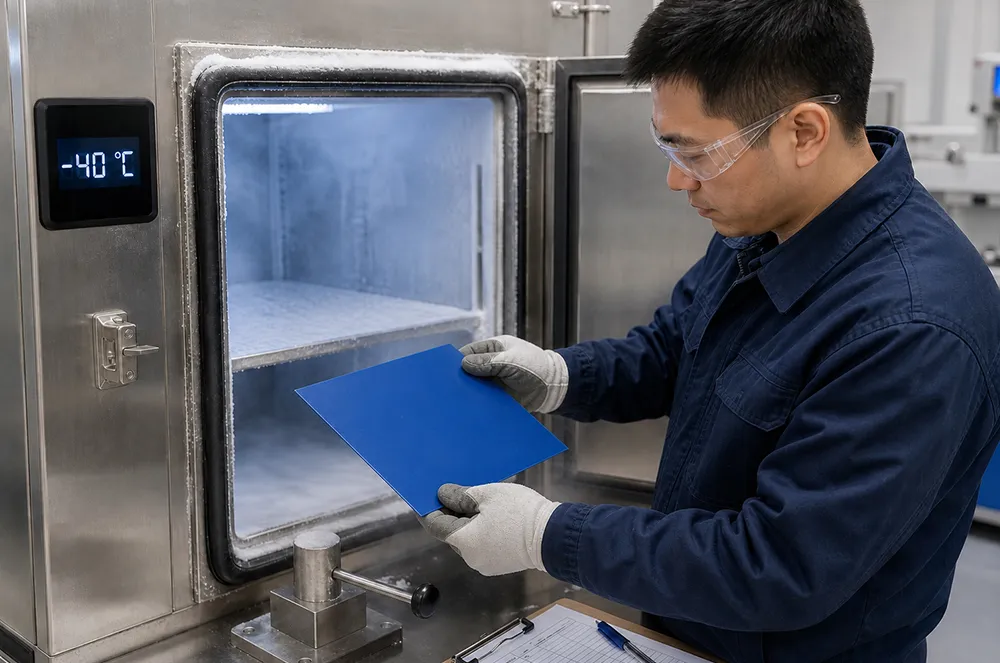
If the project includes UV resistance, flame retardancy, anti-mildew treatment, cold resistance, or other performance claims, the buyer should ask which test method or market requirement is being discussed. I would never treat “UV resistant” or “fire retardant” as self-explanatory phrases. A good factory should explain whether the requirement belongs to the base material, the finished tarp, a third-party report, or the approved sample itself.
The same rule applies to quality control. Before a bulk custom tarp order is approved, the supplier should be able to describe how it handles incoming material checks, finished-size verification, seam inspection, hardware placement, visual appearance, and final packing review. That is why pages like quality control and the relevant certificates page matter more than decorative factory photos. They tell the buyer whether the supplier can support the proof the project actually needs.
When the application carries more risk, I also ask how the factory documents deviations. If a seam sample changes, if a color lot shifts, or if a hardware substitution is proposed, the buyer should know how that change is recorded and approved. Clear change control is one of the quiet differences between a supplier that can handle repeat B2B work and one that is only good at sending fast quotations.
IV. Review Communication and Repeat-Order Control
One of the best signs of a dependable
custom tarpaulin manufacturer is how it controls information from the first inquiry to the repeat order. Bulk orders often fail because the drawing, sample, material code, or packing standard changes quietly between the sales discussion and production. When that happens, the second order may look close to the first one while still arriving with different seams, different color tone, or different labels.
I look for a supplier that can keep one revision path for the drawing, one approved sample reference, and one clear record for material, color, edge detail, hardware spacing, and packaging. This is especially important for distributors, contractors, and project buyers who expect consistent replenishment instead of a single shipment.
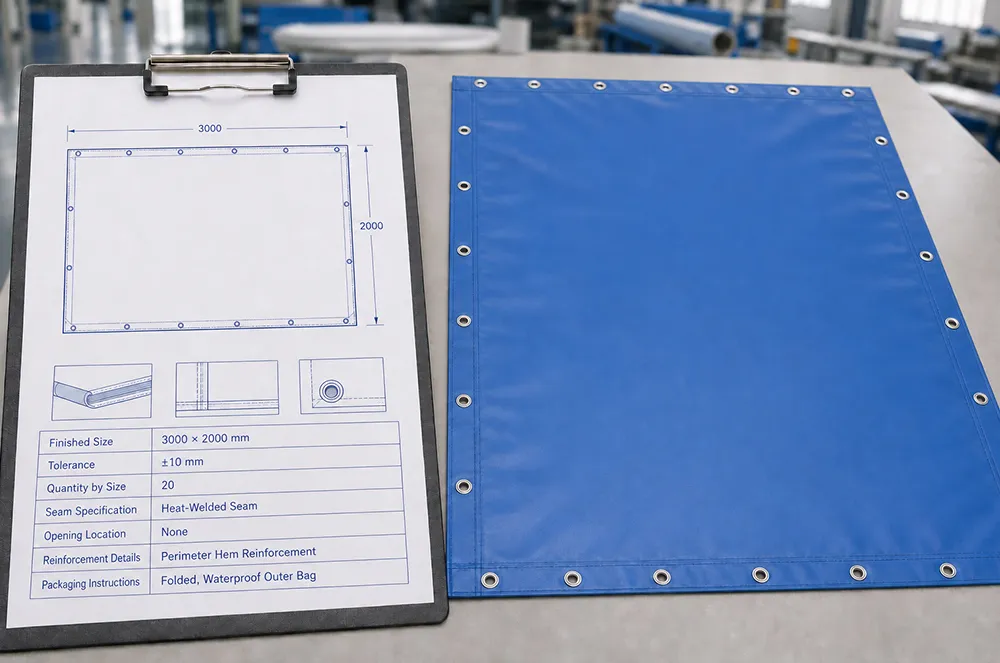
Good communication does not mean long emails. It means fewer assumptions. A workable custom tarp file usually includes the finished size, tolerance, quantity by size, seam notes, access openings if any, reinforcement details, and packing instructions. Photos of the installation area or the old cover often solve problems faster than a paragraph of broad description.
For repeat business, I prefer one approved sample path and one production reference that the supplier can retrieve quickly. That reference should cover the material code, color reference, seam arrangement, reinforcement details, label format, and pack-out logic. If the factory cannot tell which of those items controls the second order, the buyer may receive a tarp that looks similar in photos but behaves differently in service.
V. Confirm MOQ, Lead Time, and Packing Before Comparing Final Offers
The final comparison should include commercial fit as well as technical fit. At LonaTarp, custom production is handled as B2B manufacturing rather than retail stock. The usual MOQ is 5,000 square meters, and the working lead time is often around 15 days after the key details are confirmed, but the real timing still depends on material choice, fabrication work, sample approval, and the packing format requested for the shipment.
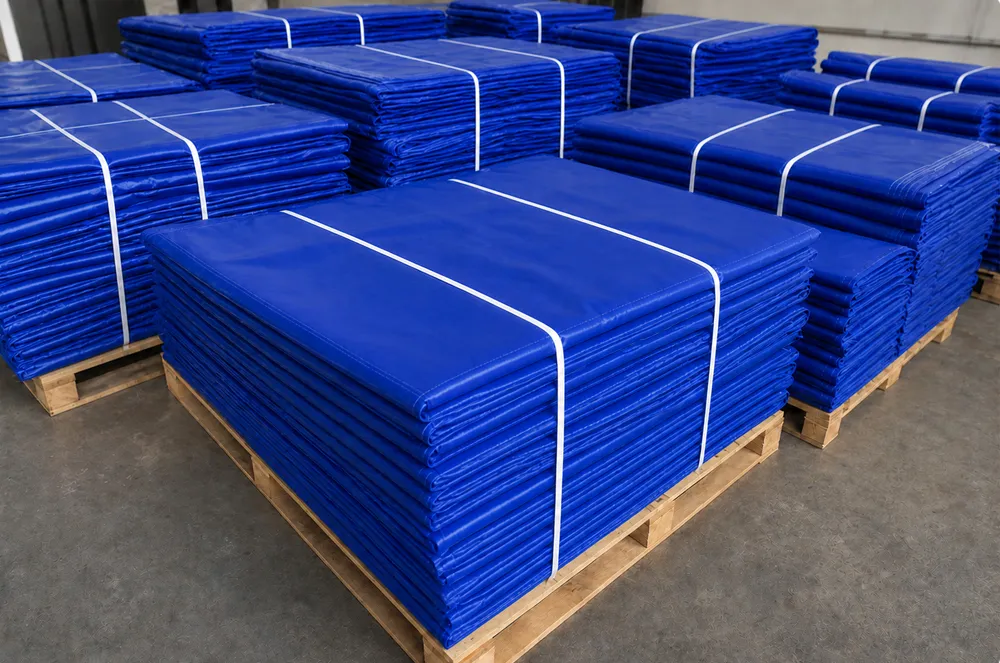
Packing should not be treated as a last-minute warehouse note. Fold size, carton or bale choice, pallet rules, loading pattern, and external labels all affect how smoothly the goods move through receiving and distribution. For some buyers, that matters as much as the seam method because poor packing creates damage, counting errors, or complaints before the tarp is ever installed.
Before production, prepare these details: application, size list, target material, edge and hardware requirements, destination, sample expectations, and packing format. That short preparation step makes it much easier to compare manufacturers on the same basis instead of comparing incomplete quotations.
If you are comparing suppliers right now, send the application, size list, quantity, target material, hardware details, destination, and any sample or testing requirement through the contact page. A manufacturer that can turn those inputs into a clear, connected production plan is usually a better long-term partner than one that competes only on the first unit price.
The practical goal is not to find the most impressive factory story. It is to find the supplier that can keep the same decisions intact from quotation to sampling, from sampling to production, and from production to the next repeat order. That is the standard I would use when choosing a custom tarpaulin manufacturer for bulk orders.