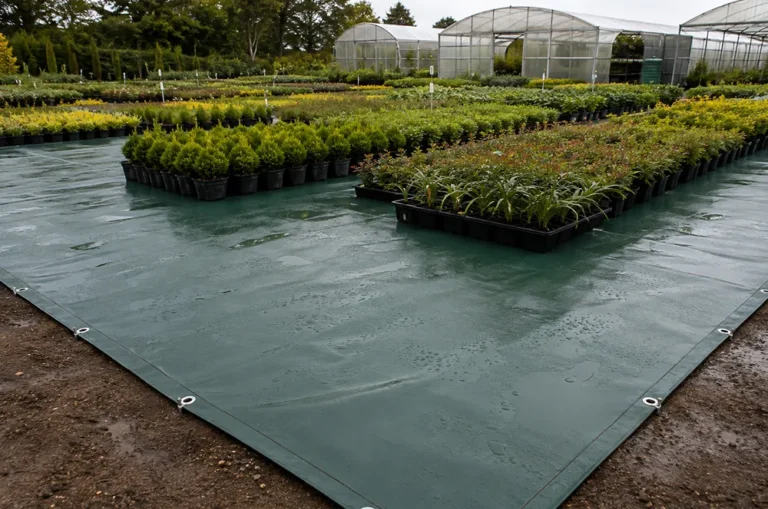
A waterproof roof tarp should match the roof condition first, not just the color or the word “heavy-duty” on a product name. If you need to stop a small leak for a few days, a light temporary sheet may be enough. If your project involves a construction roof opening, warehouse repair, or exposed commercial roof area, the real selection starts with slope, water path, edge stress, wind lift, and fixing method before GSM.
That is the difference between a tarp that only looks waterproof and a roof cover that can actually protect the building until permanent repair or the next project stage. The right choice usually comes from five decisions: where the water goes, what material carries the stress, how much overlap is needed, how the sheet is held down, and what the supplier can verify before bulk production.
I. Start With The Roof Problem, Not The Tarp Name
Start by deciding what the tarp must do on your roof: block rain, resist wind, control debris, create a temporary enclosure, or combine several of these jobs. A roof with a small puncture, a roof opening on a construction site, and a damaged warehouse roof after bad weather do not need the same specification.
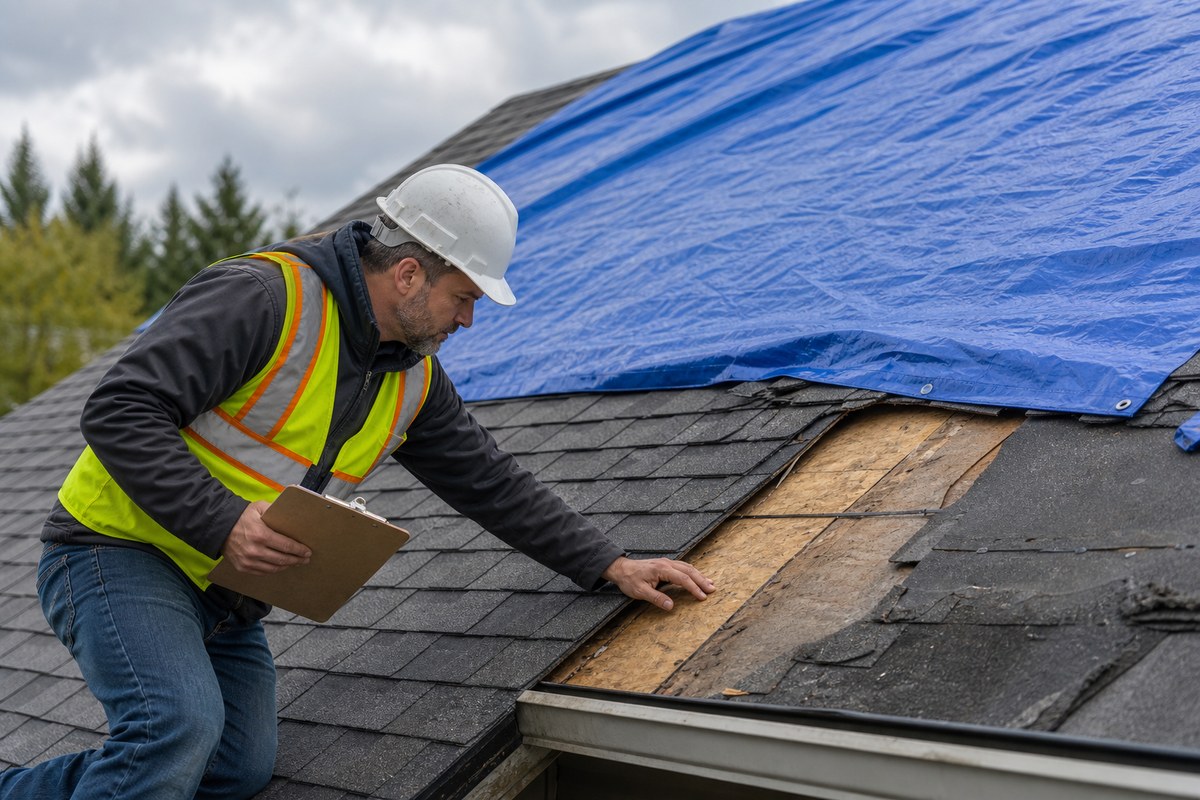
If the roof has a clear slope and water can run away, the tarp mainly needs enough overlap, edge strength, and secure fastening. If the surface is flat or has low spots, water can pool. In that case, a stronger sheet alone will not solve the problem; the layout must guide water toward a safe drainage path.
If you are comparing a general waterproof cover with a roof tarp, the roof version needs stricter attention to wind lift and abrasion. Roof edges, nails, broken tiles, steel purlins, and unfinished framing can cut or rub the fabric. Share these contact points early, because torn edges often create more failures than clean center-panel leaks.
A practical first check is simple: mark the leaking or exposed area, measure the safe overlap beyond it, note the fixing points, and decide whether workers will remove the tarp after a few days or leave it in place for a longer project period. That information gives a better starting specification than asking only for “the best tarp.”
II. Choose Material By Exposure, Handling, And Failure Risk
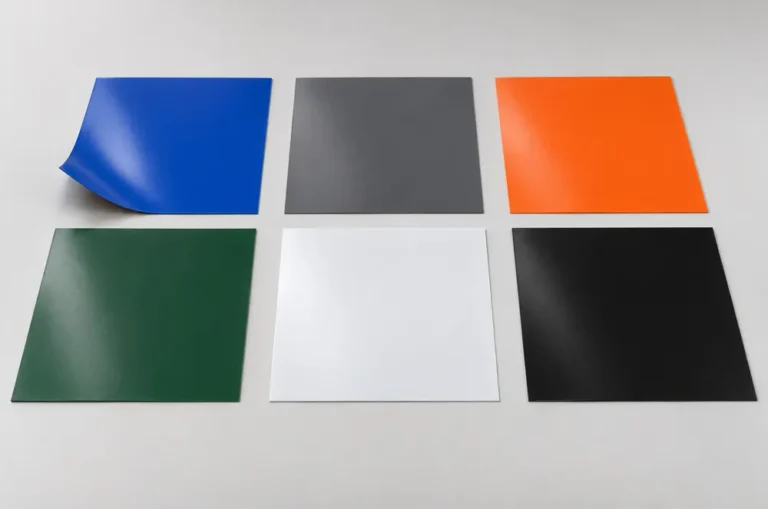
For a waterproof roof tarp that must resist rain, repeated folding, edge tension, and outdoor exposure, PVC coated tarpaulin or vinyl tarp directions are usually stronger choices. A properly formulated PVC coated fabric is waterproof, flexible, weldable, and suitable for reinforced hems or larger fabricated panels.
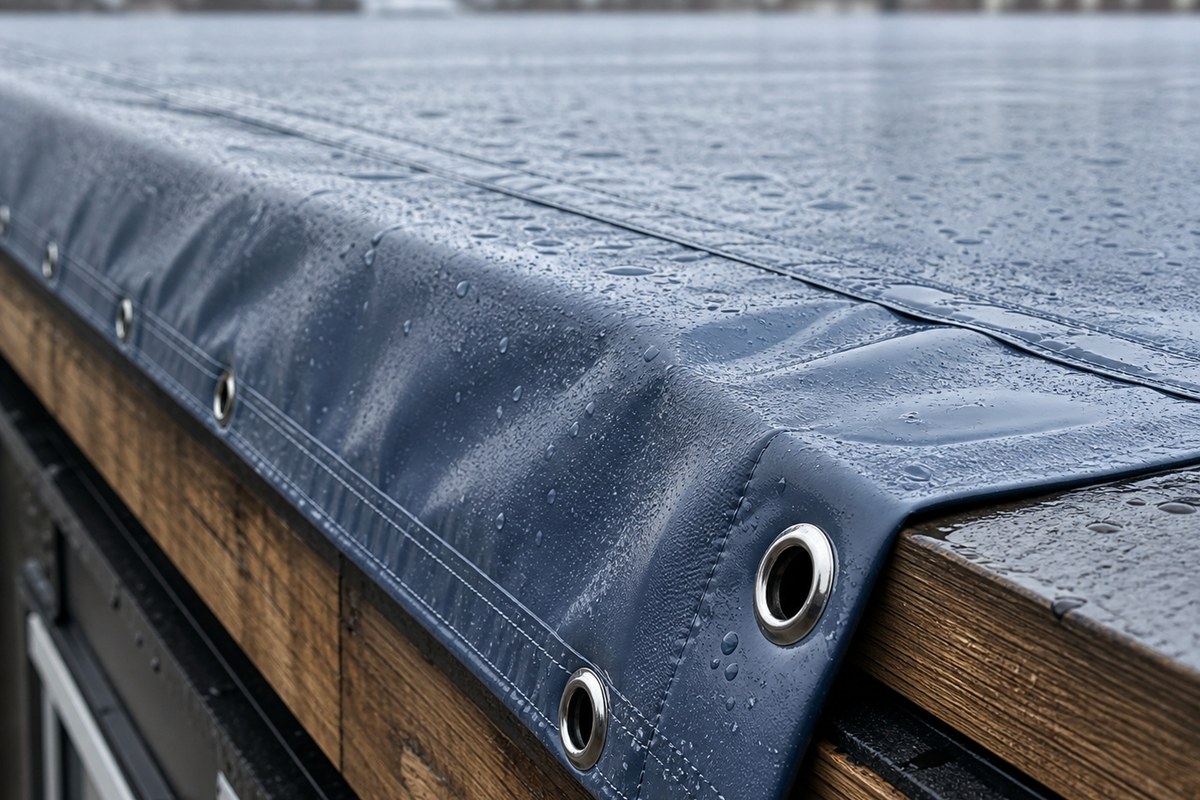
PE tarps can work for short and cost-sensitive temporary use, especially when your team only needs fast coverage for a low-risk area. They should not be treated as the same category as an industrial PVC roof tarp. PE is lighter and easier to handle, but it normally gives less confidence for longer roof exposure, repeated use, or high wind stress.
Canvas can breathe, but it is not the first direction we suggest when the main job is waterproof roof protection. Even treated canvas needs careful checking because water resistance, drying, mildew risk, and weight can become problems. Permanent bitumen or roofing membranes belong to another category; they can be suitable for fixed roofing systems, but they do not replace a removable tarp when you need temporary coverage, fast fabrication, or a custom finished sheet.
When you compare vinyl tarps, do not judge the material by GSM alone. Base fabric, coating formula, tear strength, peel strength, surface treatment, welding performance, and color stability all affect roof performance. A higher GSM made mainly from filler does not automatically mean better structural strength.
For roof projects with sharp contact points or longer exposure, we normally suggest reinforced polyester base fabric, stable coating adhesion, UV/weather formulation, and weldable edges. If the roof area will face heat, standing water, dust, or repeated worker traffic nearby, those conditions should be included in the specification so the material choice is not based on weight alone.
| Roof condition | Better tarp direction | What to confirm |
|---|---|---|
| Small short-term leak | Temporary sheet or adhesive patch system | Confirm clean surface, slope, and expected days of use |
| Open construction roof area | Reinforced PVC coated roof tarp | Confirm overlap, tie points, edge abrasion, and runoff |
| Longer outdoor exposure | UV/weather-resistant PVC or vinyl direction | Ask for sample and agreed performance requirements |
| Repeat project order | Custom finished panels with stable reinforcement | Lock size, hem, grommet spacing, packing, and sample approval |
III. Size The Roof Tarp For Runoff, Not Just Coverage
A roof tarp that barely covers the damaged area is usually underspecified. Water moves with slope, wind, and surface channels, so the tarp should include enough allowance beyond the exposed area to protect the edges and guide runoff away from the weak point.
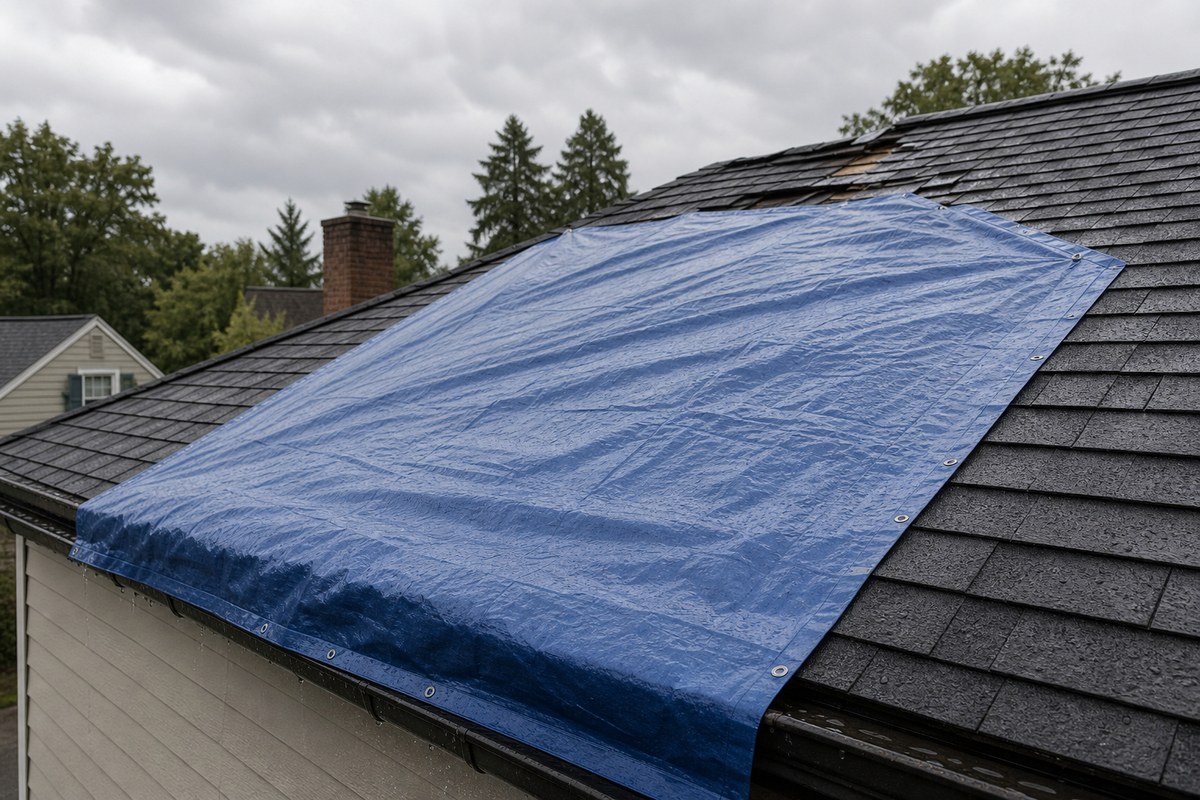
The correct size depends on the roof shape. A sloped roof may need upper-side overlap that reaches beyond the damaged area so rain cannot run under the tarp. A flatter roof needs more attention to pooling, because trapped water adds weight and can pull against grommets, seams, and roof-edge fixings.
For a custom roof tarp, the finished size is not only length and width. You should also confirm hem width, seam direction, corner reinforcement, grommet spacing, rope or webbing needs, and whether the tarp must be folded or packed for fast field handling. If your team will reorder the same cover, these details should be standardized early through custom-made tarps rather than changed casually from batch to batch.
I also ask whether workers will walk near the tarp, drag it over rough surfaces, or remove and reinstall it. Handling creates different stress from static rain protection. A tarp that is only strong enough while lying flat may fail when workers pull it across roof edges.
IV. Match Fastening Method To Wind And Roof Surface
Fastening is where many waterproof roof tarp projects fail. A good sheet can still tear if the grommet spacing is too wide, the edge is not reinforced, or workers tie it to weak points. Roof wind does not pull evenly; corners and loose edges take the worst stress.
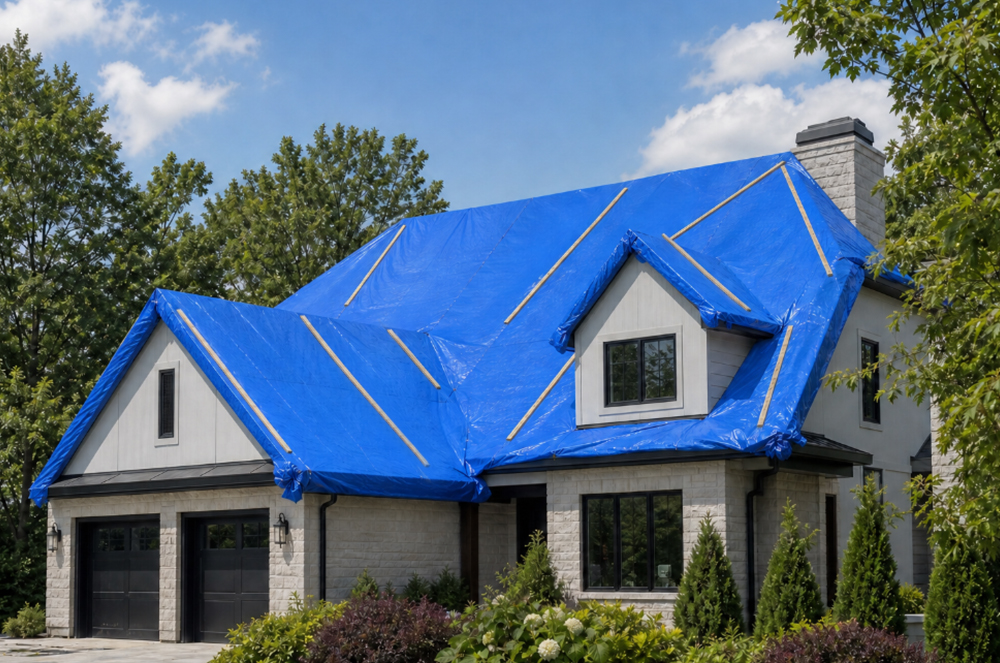
Mechanical fixing with battens, ropes, straps, or proper tie-down points is usually more reliable for larger roof areas. The tarp should be tensioned enough to reduce flapping but not pulled so hard that the grommet row becomes the failure line. If there are sharp edges, add wear protection or change the fixing route instead of relying only on a heavier fabric.
Adhesive roof tarps can be useful for quick sealing on small, clean, dry surfaces. The limitation is surface dependency. Dust, moisture, uneven roofing, heat, or weak substrate can reduce bonding strength. For that reason, adhesive options are better treated as short-term repair tools unless the adhesive system and roof surface have been verified together.
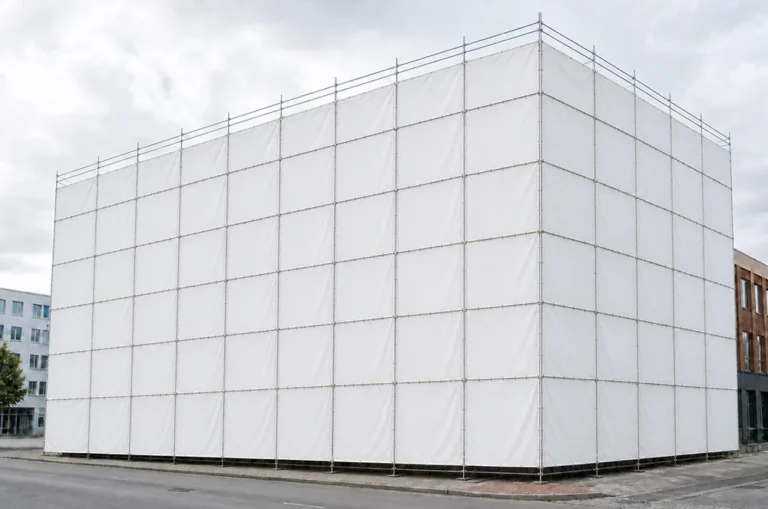
In construction projects, the roof tarp may be part of a wider temporary protection plan. If your project also uses construction tarps, keep roof coverage separate from wall enclosure, scaffold screening, or material storage because the fixing method and wind behavior are different.
V. Confirm Samples, Seams, And Production Details Before Ordering
For a single emergency sheet, you may only need a quick temporary cover. For a contractor, distributor, or facility team ordering repeated quantities, a sample or production detail sheet should be confirmed before manufacturing. This avoids many problems that only appear after the tarp reaches the roof.
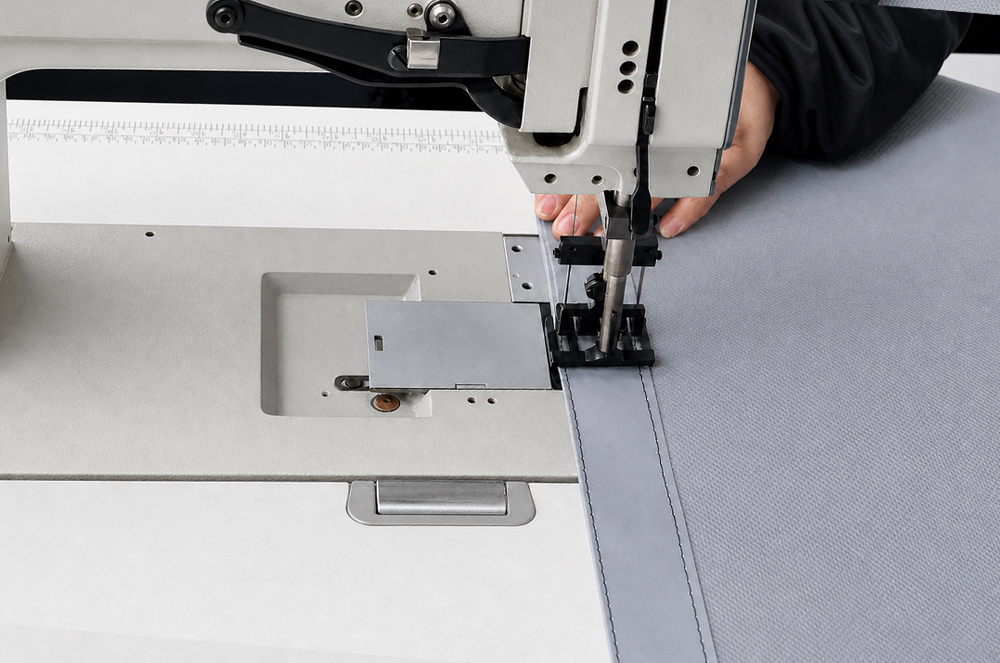
The sample check should cover hand feel, fabric weight, reinforcement, seam appearance, grommet position, color, packing, and how the tarp folds. If welded seams are used, we control surface cleanliness, welding temperature, pressure, and material compatibility. Poor welding can fail even when the fabric itself is waterproof.
For roof tarps, you may also need UV resistance, flame-retardant direction, anti-mildew formulation, low-temperature flexibility, or a specific inspection report. These requirements should be agreed before production, not added after the price is fixed. Weather claims should be tied to specification, sample, and test method rather than promised as a fixed number of outdoor years.
If the tarp will be used across several buildings or jobsite phases, keep one clear roof-tarp drawing for each size. A simple drawing showing finished width, finished length, hem direction, grommet spacing, and overlap allowance prevents later batches from drifting away from the approved sample.
LonaTarp makes roof tarp orders to confirmed specifications, with sample confirmation available for project orders. Custom production normally starts from 5,000 square meters. To help us recommend the right material and finishing, share the roof application, finished size, material direction, expected exposure, fixing method, color, quantity, packing needs, and any certificate or inspection requirement.
For repeat orders, keep a simple approved specification: fabric construction, GSM range, coating direction, finished dimensions, hem design, grommet spacing, reinforcement drawing, packing method, and inspection points. You can also review our quality control process when seam strength, waterproofing, and batch consistency are important.
The best waterproof roof tarp is not always the thickest one. It is the one matched to the roof surface, water path, wind condition, handling method, and order quantity. When those details are clear, the material choice becomes more accurate, the proposal is easier to compare, and the finished tarp is less likely to fail at the first hard rain or windy night.