If you are comparing truck tarp material for a bulk order, start with the cover job, not only the GSM. Truck tarps are usually built from a reinforced fabric plus a protective outer layer, but the right material direction changes with the load, the trailer format, the weather exposure, the edge design, and how often the cover will be opened and folded. A tarp that looks heavy on paper can still be the wrong choice if the material stack does not match the real transport work.
In our factory, I usually separate truck-cover decisions into five questions: what kind of truck cover is being made, what the material is actually made of, whether the cover needs airflow or full waterproofing, how the edge and seam will be built, and what should be checked in the sample before bulk production. This article explains those points for buyers who want better cargo protection without guessing from weight alone, and it gives a practical answer to the common question of how to compare one truck tarpaulin material with another before a quote is finalized.
I. Start With the Truck-Cover Job
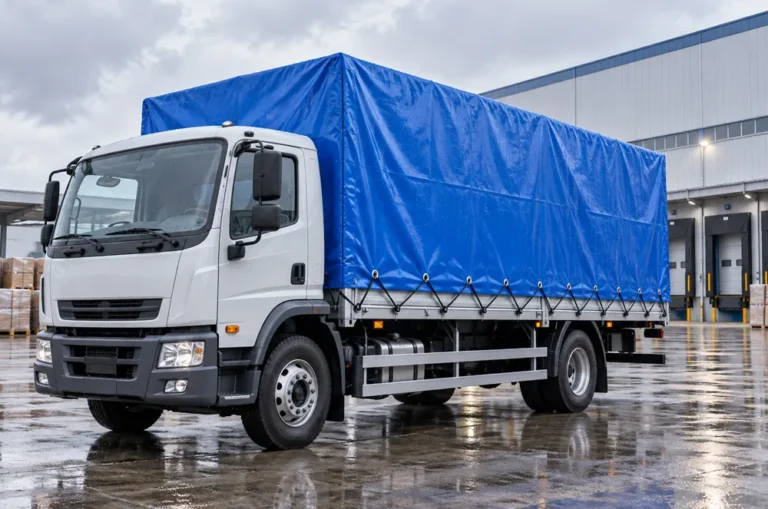
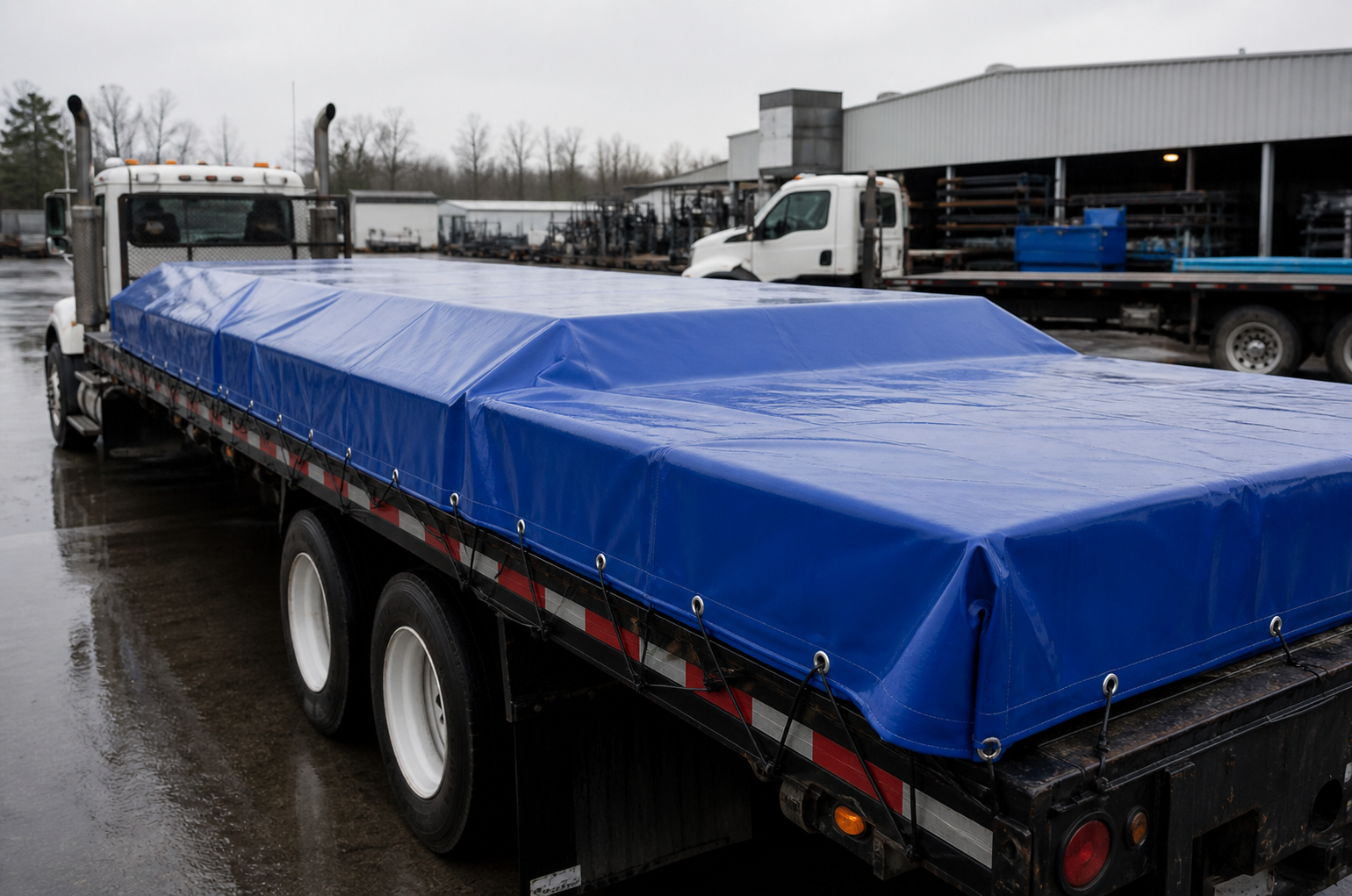
Not every truck tarp works the same way. For open-trailer work, flatbed truck tarps usually need a stronger solid waterproof material than short-term light covers because the fabric sees road wind, repeated folding, and edge tension every trip. A side-curtain system, a dump-truck cover, and a one-piece trailer tarp may all belong to transport, but the material logic is not identical.
The first decision is whether the cover must fully seal the load, block rain, and resist repeated abrasion, or whether it mainly needs containment with some airflow. Buyers who begin with the truck-cover format make better material decisions than buyers who start from one generic phrase such as heavy duty tarp.
For a repeat transport order, I want to know the load type, the cargo height, whether the tarp will be pulled over sharp corners, how often drivers open it, and whether the cover stays on the truck for long highway runs. Those details decide whether the material should prioritize solid waterproof protection, breathable mesh construction, or a stronger printable curtain fabric.
A semi truck tarp material choice can also change with the route and handling method. A cover used in daily fleet work may need better fold recovery and cleaner surface handling than a cover that is installed only for seasonal transport. Buyers who define the work pattern early usually avoid buying a material that is technically strong but operationally awkward.
II. What Truck Tarp Material Is Usually Made Of
In most B2B transport applications, truck tarp material means a coated construction rather than a simple raw sheet. For many repeat-use transport covers,
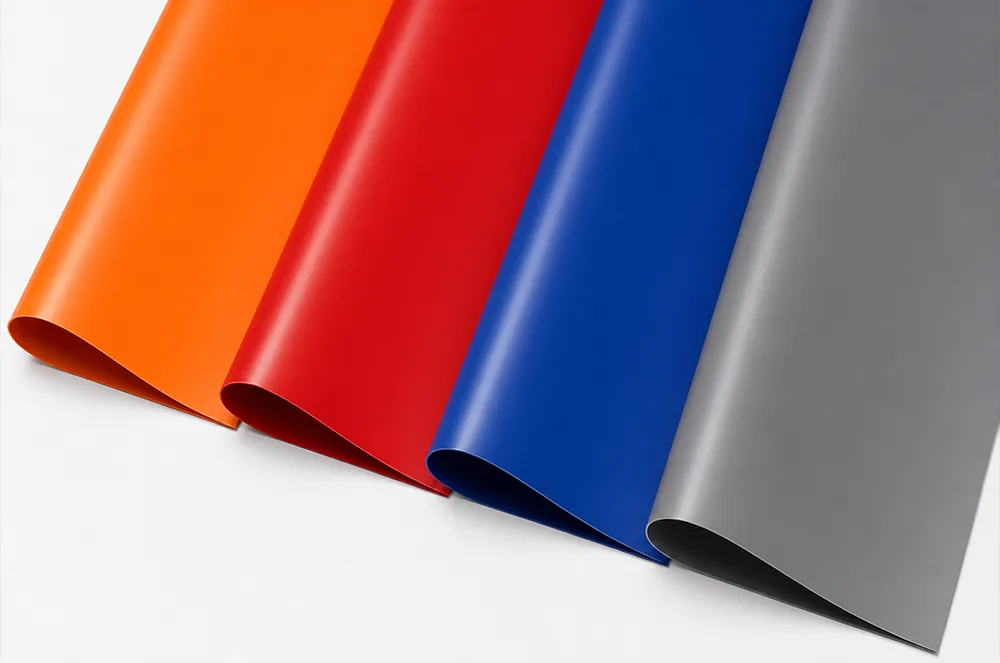
PVC tarpaulin is chosen because the polyester base fabric provides strength while the PVC coating supports waterproofing, weather resistance, color, and weldability. That combination is useful when the cover needs a clean surface, reinforced seams, and predictable handling.
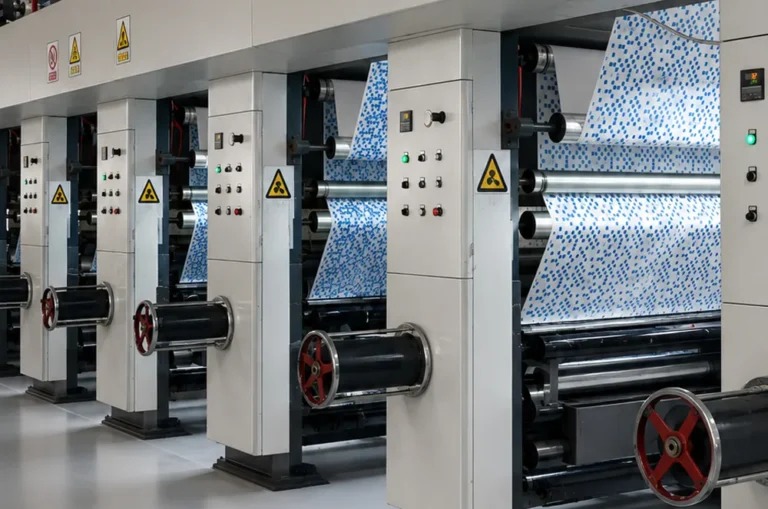
This is where buyers often ask, what are truck tarps made of? The useful answer is not only “PVC” or “vinyl.” A typical PVC coated polyester construction has two main parts: the reinforcement fabric and the coating system. The base fabric carries tensile and tear load. The coating controls waterproofing, surface feel, weldability, weather behavior, and some of the optional functions such as improved UV performance or cleaner surface handling.
That is why the same weight does not always mean the same result. One truck tarp fabric may feel heavier because of more filler or coating mass, while another may carry load better because the reinforcement fabric is stronger and the coating is more stable in real transport use. For buyers, the better question is how the material stack behaves on the truck, not whether one number alone looks higher.
When I review truck tarp material samples, I do not compare only the face side. I check flexibility after folding, the feel of the cut edge, the way the coating sits on the fabric, and whether the material is likely to weld cleanly when hems or reinforcement patches are added. That is where practical differences appear between two materials that look similar in a quotation sheet.
III. Match the Material to the Cover Type
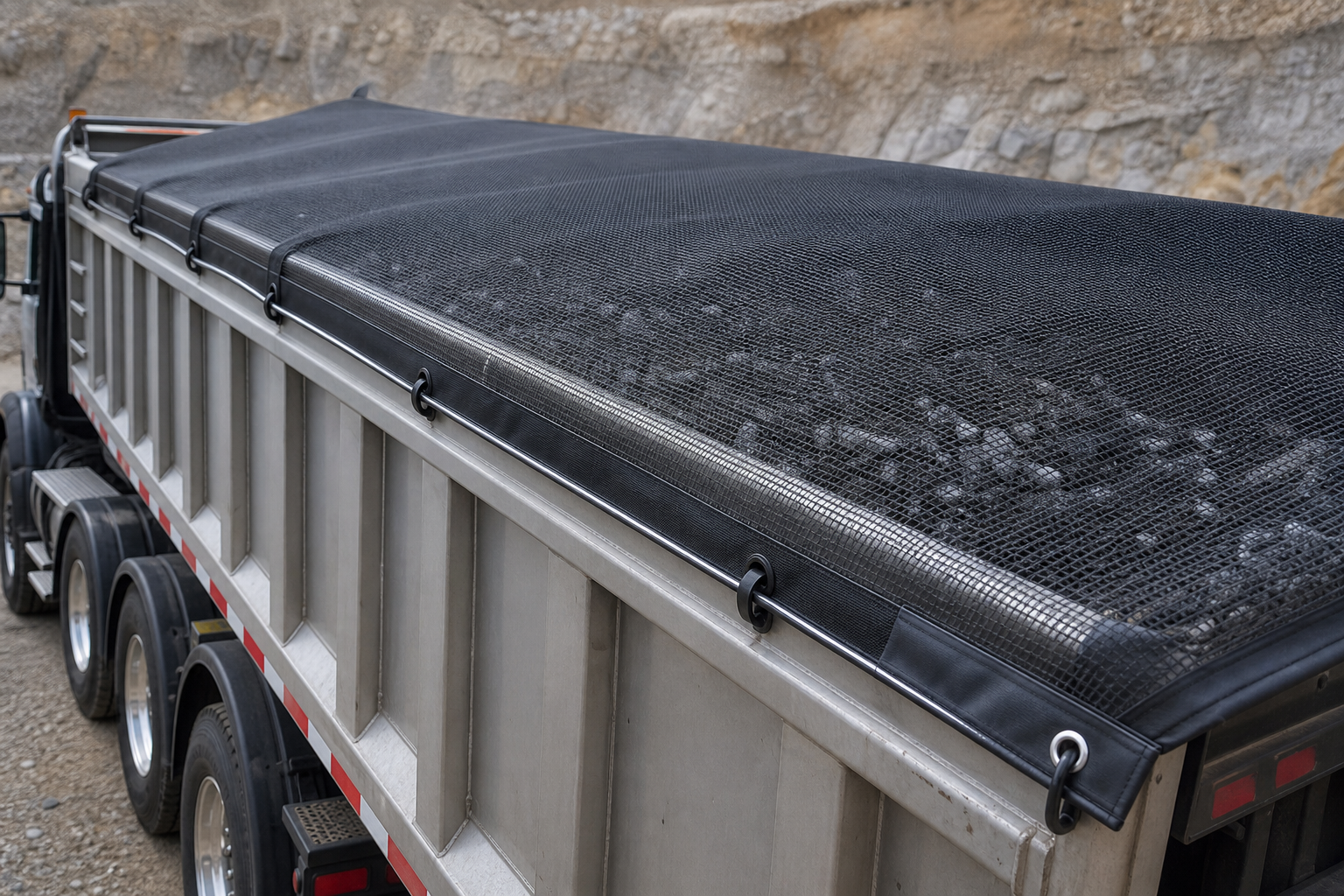
Different truck covers need different material priorities. Dump truck mesh tarps are a better direction when the buyer needs airflow and lighter debris control instead of a fully sealed waterproof cover. By contrast, flatbed and open-trailer cargo often need a solid coated fabric because the material has to block water, protect the load surface, and survive stronger edge tension during highway transport.
| Truck-cover format | Material direction | What the buyer should confirm |
|---|---|---|
| Flatbed or open trailer cover | Solid PVC-coated fabric for waterproofing, folding resistance, and edge strength | Load shape, wind exposure, corner rubbing, reinforcement, and tie-down layout |
| Dump-body cover | Mesh or breathable structure when airflow and debris control matter more than full sealing | Mesh openness, edge wear, rolling system, and working speed |
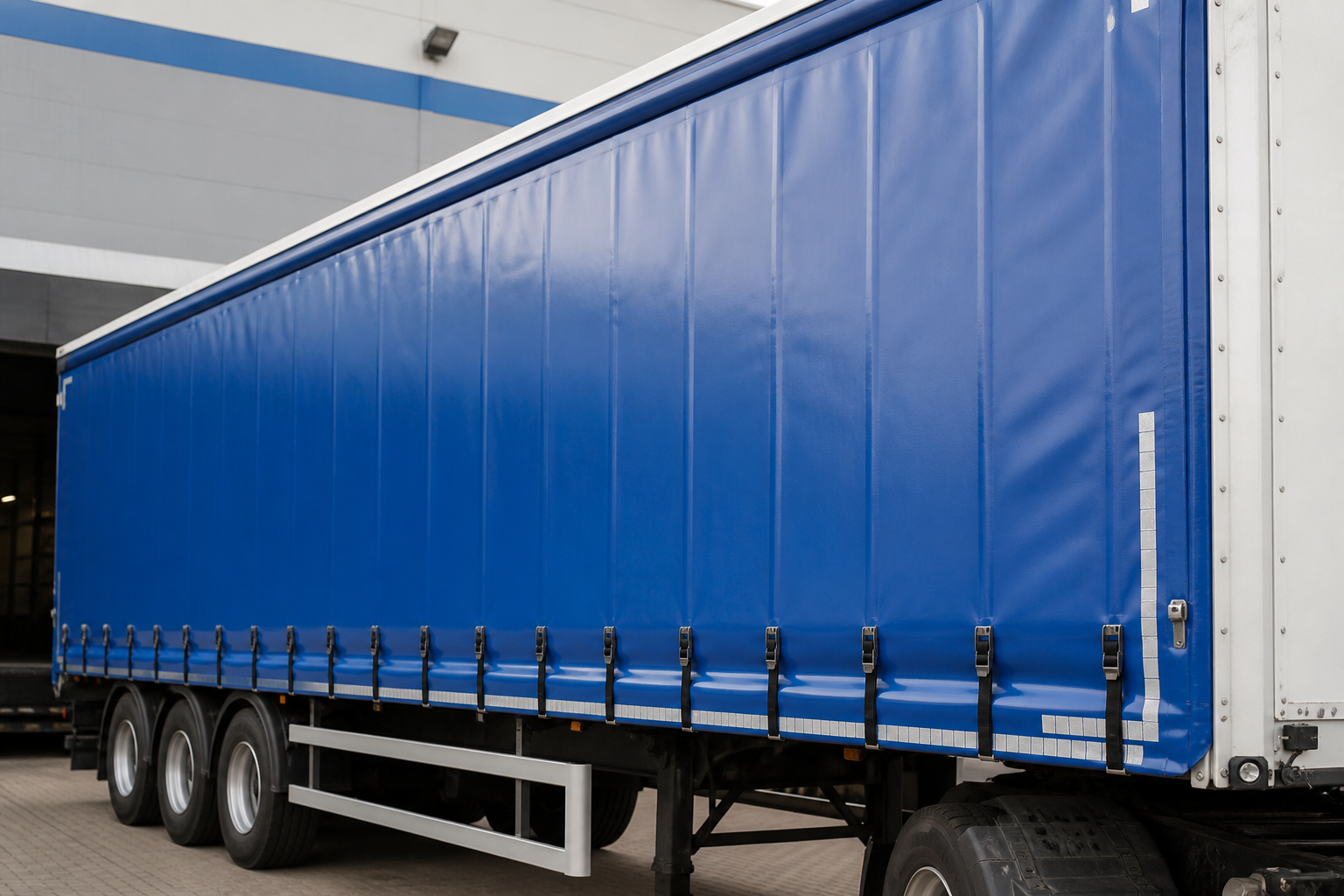
| Side curtain trailer | Printable, weldable coated fabric with stable surface and repeated opening performance | Curtain movement, print finish, strap layout, and long-panel stability |
| Short-term economy cover | Lower-cost option may be acceptable when service life and stress are limited | Outdoor duration, replacement frequency, and whether waterproof sealing is still required |
Truck side curtains need a stronger printable and weldable coated fabric because the curtain itself becomes part of the trailer side structure and is opened repeatedly. A buyer who mixes all truck covers into one material request usually receives a less precise quotation and more sample revisions later.
A dump truck tarp material request should also be separated from a flatbed request even when both buyers say they need a heavy-duty cover. One may care more about rolling speed and mesh openness, while the other cares more about water sealing, edge pull, and abrasion against cargo corners. Material selection becomes easier once the use case is divided this way.
IV. Do Not Judge by GSM Alone
GSM matters, but it is not the full answer. A buyer choosing truck tarp material should also confirm the reinforcement fabric, the coating behavior, expected weather exposure, fold frequency, and whether the finished cover will rely on welded seams, stitched parts, or a mixed edge structure. Those points change how the cover performs on the road.
For transport work, I usually check four specification layers before approving the material. First, does the base fabric carry the right tear and tensile load? Second, does the coating stay flexible enough for folding and handling? Third, will the surface and color hold up under the real weather and route conditions? Fourth, does the edge construction match the hardware and pull direction of the cover?
Truck covers that stay outdoors for long periods should also separate UV resistance from full weather resistance. Sunlight matters, but so do moisture, temperature change, dirt, road stress, and repeated tightening. The more honest approach is to confirm the use environment and the test method instead of turning one accelerated-lab number into a guaranteed service life.
I also ask whether the route includes cold mornings, wet loading yards, or high-heat summer exposure. Those conditions change how the coating behaves in folding, how the color ages, and whether the cover stays manageable after repeated use. Buyers who include climate and handling conditions in the specification usually get a more reliable truck tarp material recommendation.
V. Use a Sample to Verify the Finished Cover
Before a bulk order is approved,
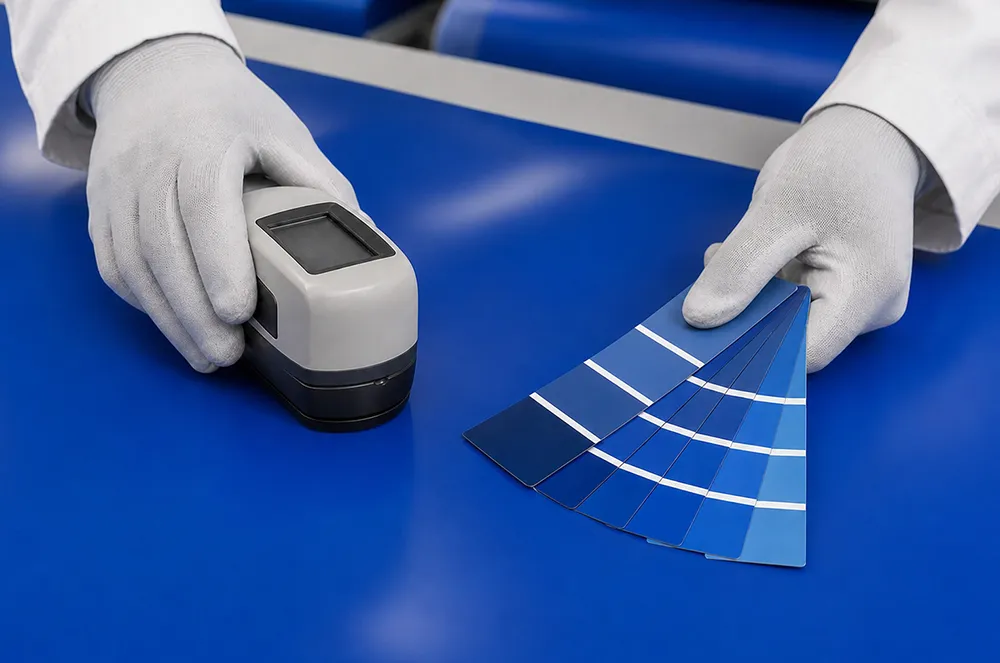
quality control should check the same material stack, seam behavior, edge structure, and hardware layout that appeared in the sample. For truck covers, a sample is not only for color approval. It is where the buyer can confirm fold behavior, edge shape, hardware position, rubbing points, and whether the cover still works after realistic tension is applied.
In our workflow, I would want the sample to show the actual hem construction, seam method, edge reinforcement, hardware spacing, and any critical corners. That is the stage where a buyer can still adjust the material choice if the cover feels too stiff, too light, or not stable enough for the route and cargo shape. It is much cheaper to correct the sample than to rework a full production batch.
Sample approval is also the right moment to compare the agreed material with the finished cover behavior. The buyer can check whether the tarp folds cleanly, whether the edge stays stable after tension, and whether the material still makes sense once the hardware and seam structure are added. That step is especially important for repeated fleet or distributor orders where one approved sample may control many finished pieces.
Before production, prepare these details
- Truck-cover type and real load shape.
- Need for full waterproofing or controlled airflow.
- Expected weather exposure, route condition, and opening frequency.
- Base material target, edge structure, and hardware layout.
- Sample approval points and any inspection or report requirement.
When those details are clear, the supplier can quote the right truck tarp material instead of a generic tarp sheet. For B2B custom production, LonaTarp normally works with a 5,000-square-meter MOQ, so the better the first sample and specification review are, the smoother the bulk order becomes.