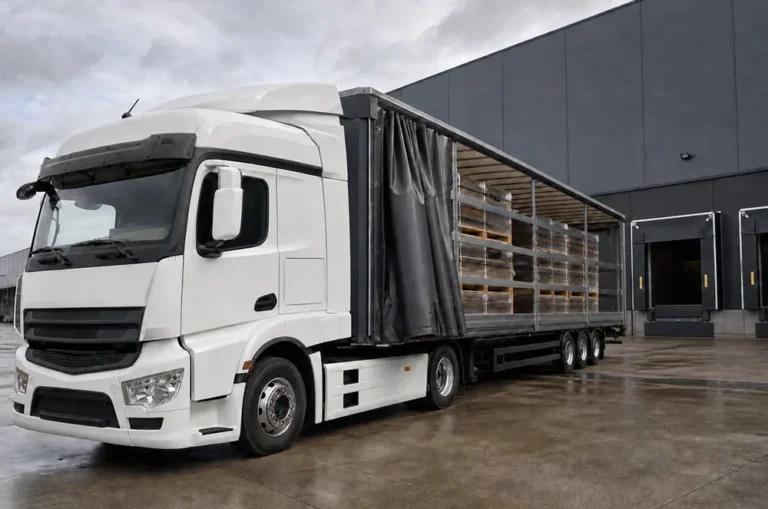
A loading dock seal is the contact system around a warehouse dock door that helps close the space between a backed-up trailer and the building. During loading and unloading, this seal helps reduce rain entry, dust, drafts, temperature loss, insects, and cargo handling disruption.
For warehouse buyers, the seal is not only a soft frame around a door. It is a contact point between building, truck, forklift workflow, and daily logistics. The fabric surface, foam shape, mounting method, wear zones, and trailer fit decide whether the dock remains clean and efficient after repeated truck contact.
This guide explains loading dock seals for warehouse operators, logistics facilities, cold-chain buyers, contractors, distributors, and procurement teams that need a durable B2B sealing solution rather than a decorative door accessory.
I. What Loading Dock Seals Do
A loading dock seal closes the open space around the back of a trailer during loading. Without a seal, wind, rain, dust, and outdoor temperature can enter the warehouse through the dock opening. In busy logistics sites, that gap can affect worker comfort, product protection, energy cost, and cleanliness.
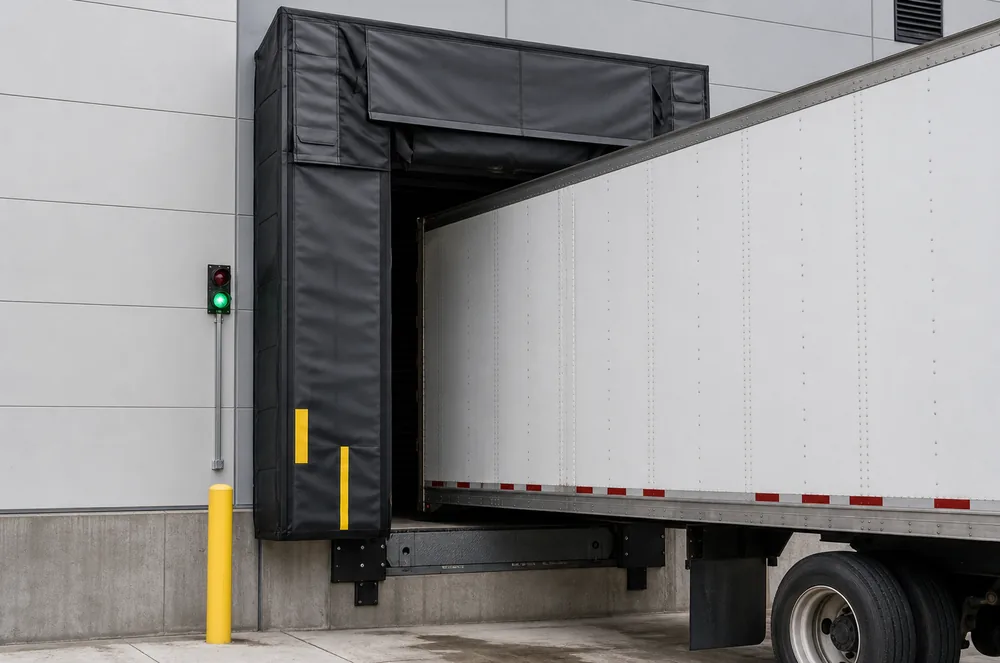
The seal works by compressing against the trailer. Side pads and a head pad contact the trailer body and reduce the open gap. The better the seal matches the trailer range, the more stable the protection becomes. If the dock serves many vehicle sizes, the buyer must consider that variation before ordering.
Loading dock seals are related to warehouse protection products such as warehouse curtains, but they solve a different problem. Curtains divide internal areas or control zones. Dock seals protect the door interface where outdoor trucks meet the building.
When the dock opening needs a hanging barrier instead of a compression seal against the trailer, a custom loading dock curtain is the closer product route.
The difference matters during purchasing. If a buyer only asks for “warehouse fabric,” the supplier may not understand that the product must handle compression and trailer contact. A dock seal should be reviewed as a wear product and a fit product at the same time.
II. Why Warehouses Use Dock Seals
Warehouses use dock seals to improve loading conditions. In dry goods warehouses, the goal may be dust and rain control. In cold-chain or temperature-sensitive facilities, the seal can reduce warm or cold air exchange. In busy distribution centers, it can help keep the dock area cleaner and more predictable.
The value becomes more obvious when trucks come and go all day. Every loading cycle can expose the warehouse to outdoor air and contamination. A proper dock seal does not replace a good dock door or shelter, but it reduces the uncontrolled gap during the most active loading period.
For buyers working across multiple facilities, this is part of a broader industrial and construction tarpaulin protection plan. Facilities may also need wall curtains, temporary barriers, equipment covers, or waterproof covers, but the dock seal should be specified around truck contact and doorway geometry.
Energy performance should be considered realistically. A dock seal can support temperature control, but it cannot fix poor door management, damaged dock equipment, or wrong trailer positioning. The best result comes when seal fit, traffic routine, and dock operation are aligned.
Dock seals can also support safety and workflow indirectly. When rain enters the dock area, floors may become slippery and cartons may get wet. When dust and insects enter, cleaning work increases. The seal helps reduce these interruptions, but only if the trailer compresses it correctly during loading.
For multi-site buyers, standardization can reduce maintenance cost. If several warehouses use the same dock size and seal construction, replacement planning becomes easier. If every location orders a slightly different seal without documentation, spare parts and future reorders become less predictable.
III. Fabric, Foam, and Wear Zone Requirements
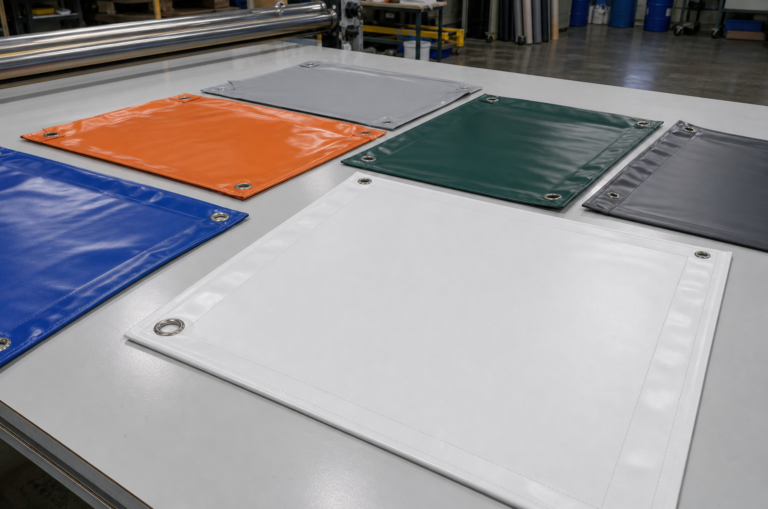
The face material must handle repeated trailer contact. A loading dock seal may be compressed, rubbed, scraped, and exposed to rain or road dirt. PVC-coated fabric is commonly used for wear faces because it can provide water resistance, abrasion resistance, and a cleanable surface.
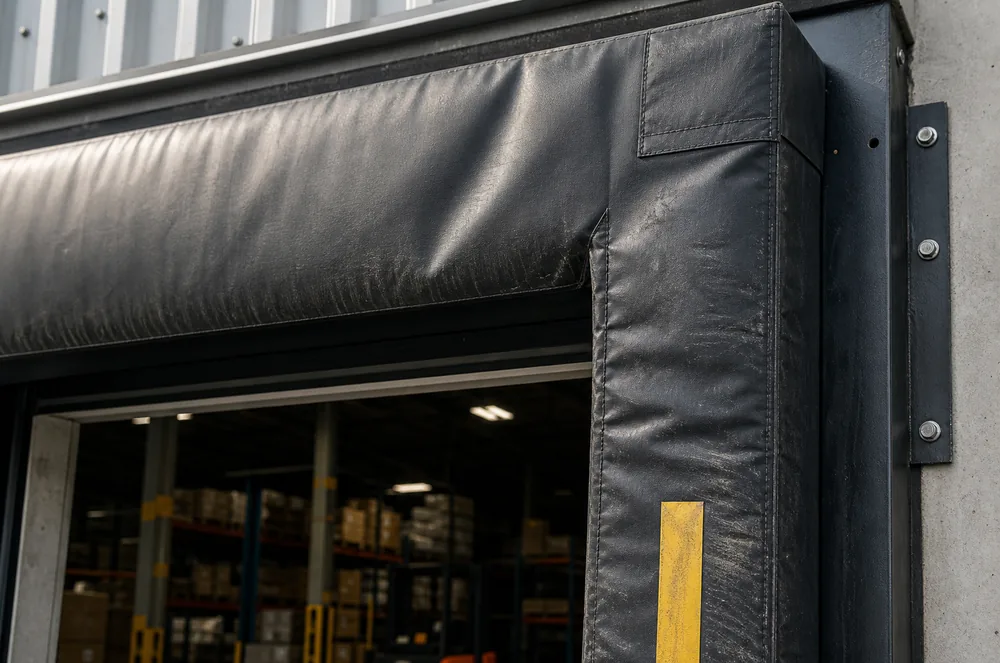
The foam core and fabric face should be reviewed together. Softness helps compression, but too little recovery can reduce sealing performance. A strong fabric face helps wear resistance, but it must still work with the foam shape. If the truck rubs the same area every day, that wear zone may need extra reinforcement.
For material comparison, vinyl tarps can help buyers understand PVC-coated waterproof fabric behavior. A dock seal, however, has more compression and abrasion than a normal cover, so the fabric should be judged by contact performance, not only waterproofing.
Wear strips and reinforced corners should be discussed before production. Truck trailers rarely contact the seal perfectly every time. If drivers approach at a slight angle, one side pad may wear faster. If bumpers are worn or dock height varies, the head pad may receive uneven pressure. These site details should influence the reinforcement layout.
Cleaning should be considered too. A dock seal face may collect road dust, tire residue, and moisture. A fabric surface that can be wiped or washed is easier to maintain in food, cold-chain, and distribution environments where cleanliness matters.
IV. Fit and Installation Factors
Fit is the main buying risk. The seal must match dock door size, trailer width and height range, dock leveler position, bumper depth, and vehicle approach. If the seal projects too far, it can wear quickly. If it does not project enough, the trailer may not compress it correctly.
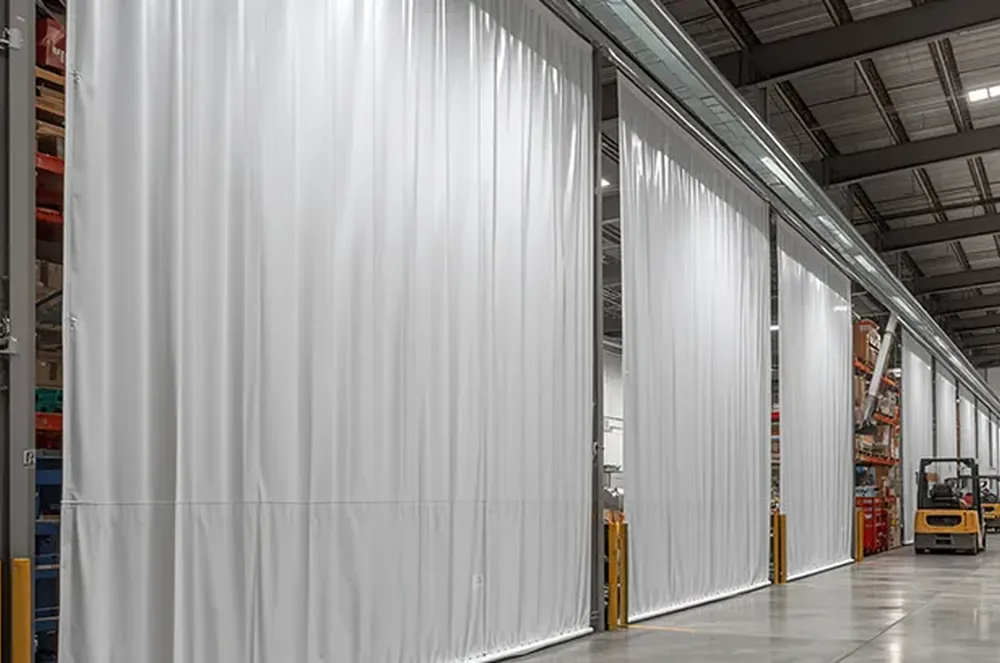
Before production, I prefer to confirm door dimensions, dock height, bumper position, trailer type, traffic frequency, and the common damage points around the door. Photos from the dock are useful because they show whether trucks approach straight, whether bumpers are worn, and where fabric contact will happen.
If the dock area also needs internal separation, a buyer may combine seals with custom made tarps or curtain-style barriers. The products should not be treated as the same item, but the same production logic applies: correct dimensions, reinforced edges, suitable fabric, and clear installation details.
Installation responsibility should be clear before ordering. Some buyers only need fabric-faced replacement pads, while others need a complete seal set ready for mounting. The order should state whether hardware, backing boards, mounting holes, or installation instructions are included. This prevents confusion when the shipment arrives at the warehouse.
Traffic frequency should also influence the specification. A quiet warehouse with a few trucks per day may not need the same wear protection as a high-volume distribution center. If the dock handles many trailer types, the seal needs enough tolerance to work across that range without wearing out too quickly.
V. What Buyers Should Confirm Before Ordering
Before ordering loading dock seals, buyers should confirm dock door size, trailer range, dock bumper position, seal projection, face fabric requirement, foam density direction, mounting method, wear reinforcement, color, quantity, packing, and installation responsibility. If an old seal is being replaced, photos of damaged areas are very useful.
For LonaTarp loading dock seal projects, the normal minimum order quantity is 5,000 square meters. Before larger production starts, the buyer should review the face fabric, pad construction, or first finished sample when repeated dock sizes, wear fabric, reinforced corners, or multi-location packing are required.
Quality inspection should focus on the areas that take contact. I would check fabric surface, seam quality, reinforcement placement, pad shape, mounting edge, packing condition, and whether the finished pieces match the approved sample. A seal that looks acceptable on the floor may still fail if the trailer contact area is weak.
For repeat orders, keep a record of door size, trailer range, seal projection, fabric type, foam direction, reinforcement zones, and damage photos from the old seal. This record gives the next order a practical basis instead of treating the replacement as a new design every time.
Maintenance feedback should also be collected. If one side pad wears faster, the issue may come from trailer approach angle, bumper depth, or repeated forklift contact near the doorway. If the head pad tears early, the buyer should check trailer height range and compression. These observations help improve the next specification instead of simply replacing the same weak design.
For incoming inspection, buyers can check pad dimensions, fabric face condition, seam quality, reinforcement placement, foam recovery, mounting edge, and packing labels. A clear inspection routine is useful when the same warehouse group orders seals for several dock doors or several facilities.
If the dock must handle rain exposure, buyers may also compare the face fabric with a waterproof cover requirement. The difference is that dock seals must combine water resistance with compression, rebound, and abrasion resistance.
Loading dock seals work best when the buyer treats the door, trailer, fabric, foam, mounting, and traffic routine as one system. If those details are confirmed before production, the seal is easier to install, easier to inspect, and more reliable for daily warehouse operation. Accurate records also simplify future replacement planning.
| Dock condition | Specification focus | Buyer note |
|---|---|---|
| Cold-chain dock | Tighter seal fit and durable face fabric | Confirm trailer size range |
| High traffic warehouse | Wear zones and reinforced contact points | Review old damage photos |
| Multi-site replacement | Standard sizes, packing, installation notes | Keep records for repeat orders |