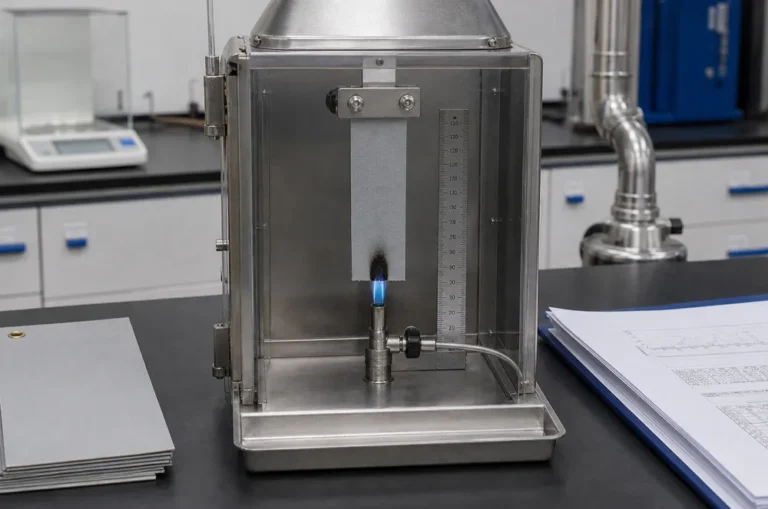
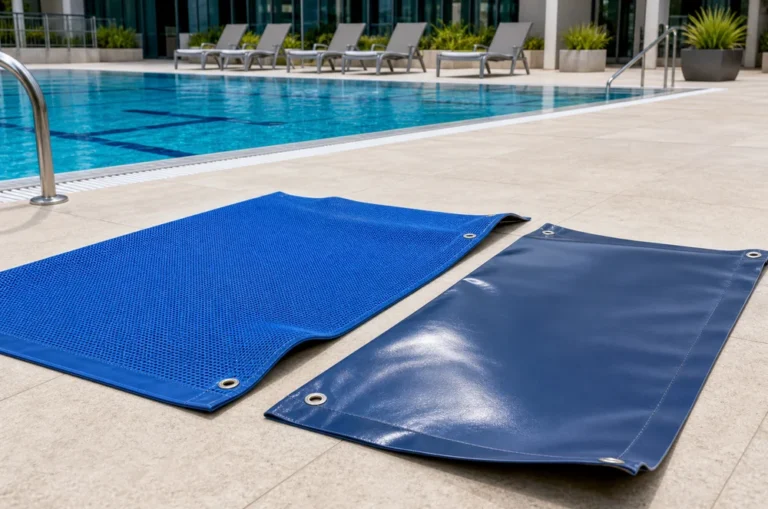
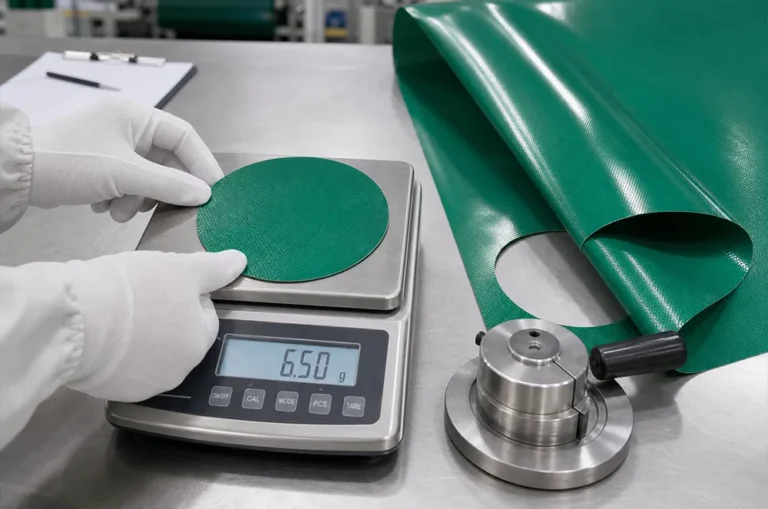
A fireproof tarp is usually a tarp designed to resist ignition, slow flame spread, or protect nearby materials from sparks and heat exposure. In real purchasing work, however, “fireproof” can be a misleading word. Most flexible tarp materials are better described as flame-retardant, fire-resistant, welding-protective, or heat-resistant depending on the fabric, coating, test method, and application.
When a buyer asks me for a fireproof tarp, I first clarify the risk. Is the tarp used near welding sparks, temporary hot work, industrial equipment, outdoor storage, emergency covering, or construction separation? A tarp that resists sparks for short contact is not automatically suitable for continuous high temperature. A cover that passes one flame test may still fail if it is used outside the tested condition.
This article explains what buyers normally mean by fireproof tarp, how it differs from flame-retardant tarps, what material and certification questions matter, and what should be confirmed before bulk production. LonaTarp supplies made-to-order B2B tarp projects, so normal production should be planned around a 5,000 square meters minimum order quantity, sample confirmation, and clear specification review before mass manufacturing.
I. What Buyers Usually Mean by Fireproof Tarp
In B2B communication, “fireproof tarp” is often a shortcut phrase. The buyer may want a tarp that will not easily ignite from sparks, a temporary barrier for welding work, a protective cover near industrial heat, or a flame-retardant outdoor cover for construction and storage. These are related needs, but they are not the same specification.
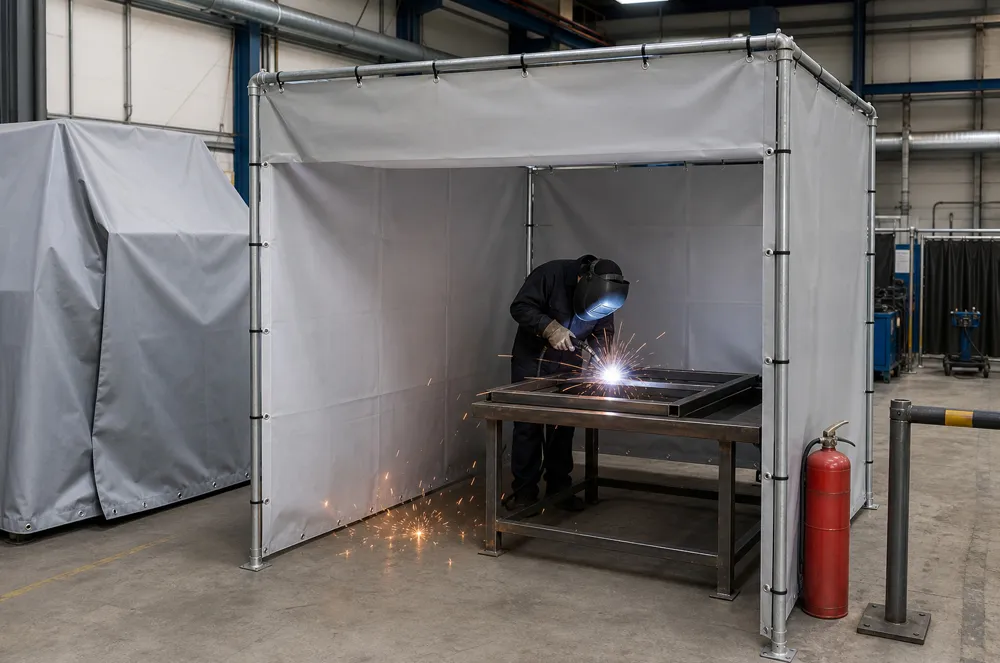
A practical definition is this: a fireproof tarp is a protective flexible cover selected for a defined fire or heat exposure condition. The important words are “defined condition.” Without that condition, the supplier cannot know whether the buyer needs flame retardancy, spark resistance, heat insulation, smoke limitation, or a non-combustible welding blanket.
For many tarp buyers, the closest product category is fire retardant tarps. These tarps are designed to reduce ignition and flame spread compared with standard covers. They may be used in construction, warehouses, industrial workshops, event structures, temporary enclosures, and transport projects where fire behavior matters.
I avoid telling buyers that a flexible coated tarp is absolutely fireproof unless the material, standard, and use condition support that claim. A safer and more professional approach is to define the expected exposure, choose a tested material, confirm documentation, and approve a sample. This protects both the buyer and the supplier from misunderstanding.
II. Fireproof, Flame-Retardant, and Heat-Resistant Are Not the Same
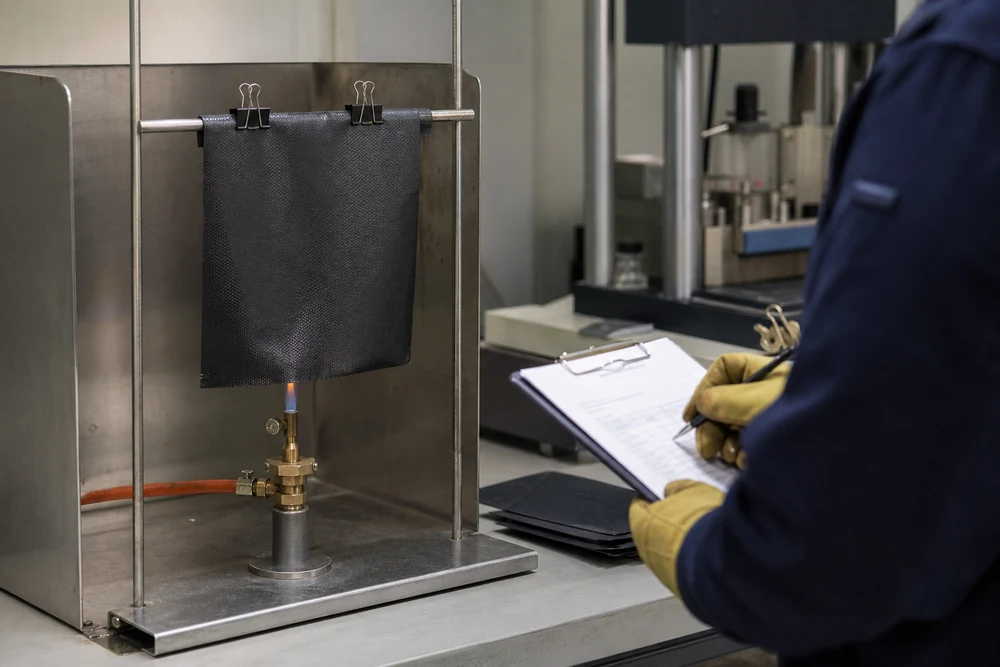
The first buying mistake is treating fireproof, flame-retardant, and heat-resistant as identical. Flame-retardant means the material is treated or formulated to slow ignition or reduce flame spread under a test condition. Heat-resistant means the material can tolerate a certain temperature range without rapid failure. Fireproof suggests complete resistance to fire, which is rarely accurate for flexible tarp materials.
For PVC-coated products such as vinyl tarps, flame-retardant performance depends on the base fabric, coating formulation, thickness, additives, and test standard. The surface may resist flame spread in one direction, while seams, edges, printed areas, or accessories may behave differently. This is why the finished tarp construction should be reviewed, not only the fabric roll.
Heat exposure also changes the conversation. Short sparks from grinding are different from repeated welding spatter. Radiant heat near equipment is different from direct flame. Outdoor sunlight and high ambient temperature are different from industrial hot work. If the buyer only says “fireproof,” the supplier may quote the wrong material because the real risk has not been described.
The best specification usually states the application, exposure type, required standard, tarp size, edge design, installation distance from heat, and expected service duration. This turns a vague request into a production plan that can be checked by the buyer’s safety team or project engineer.
| Buyer wording | What to verify | Procurement note |
|---|---|---|
| Fireproof tarp | Actual exposure and test standard | Avoid absolute claims without documentation |
| Flame-retardant cover | Flame spread behavior under a named test | Common for construction and warehouse use |
| Spark protection | Spatter type, distance, angle, and duration | May need special fabric beyond standard PVC tarp |
| Heat-resistant cover | Temperature range and contact condition | Continuous heat is different from brief exposure |
III. Where Fire-Retardant Tarps Are Commonly Used
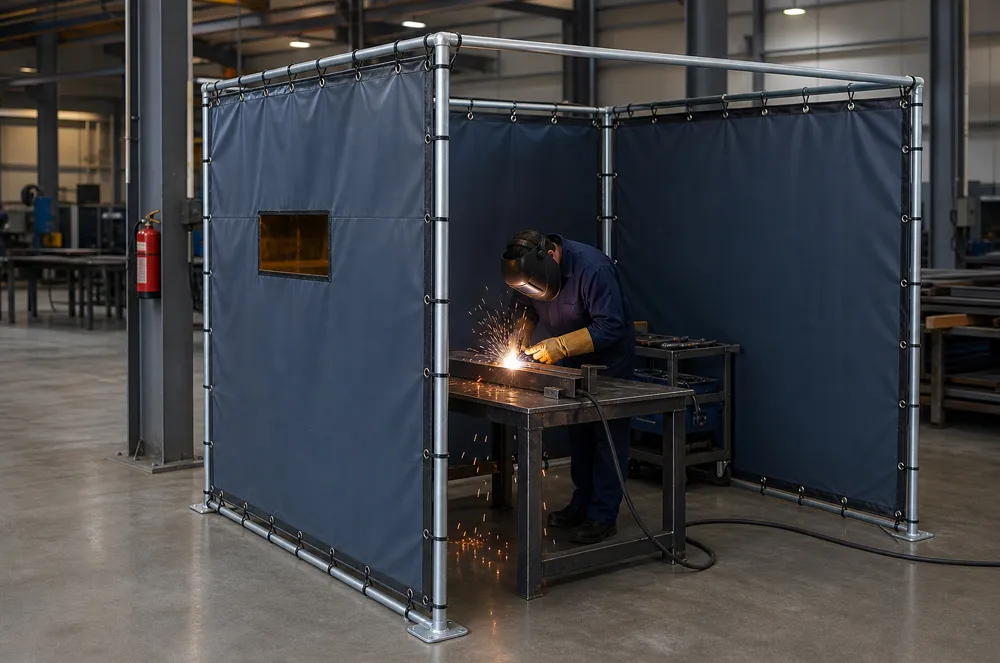
Fire-retardant tarp materials are used where ordinary covers may create unnecessary risk. Common examples include temporary construction enclosures, industrial curtains, equipment covers, warehouse partitions, event structures, transport covers for sensitive goods, and project areas where sparks or heat sources may exist nearby.
In industrial work, buyers sometimes combine flame-retardant requirements with abrasion resistance, waterproofing, UV stability, and custom fixing points. A tarp near a welding area may need reinforced edges and strong hanging hardware. A cover for outdoor machinery may need weather resistance and enough weight to stay stable. A temporary partition may need easier handling and a cleaner appearance.
When strength is part of the requirement, buyers may compare flame-retardant materials with heavy duty tarps. Heavy construction alone does not guarantee flame-retardant performance. A thick tarp can still burn if the coating and additives are not designed for fire behavior. The buyer should confirm both mechanical strength and flame behavior instead of choosing only by GSM.
For contractors and distributors, repeatability is important. If the same customer orders replacement tarps later, the color, fabric weight, edge layout, and test documentation should match the approved sample. This is why I prefer to keep production records, material references, and sample notes together for repeat orders.
IV. Material, Certification, and Quality Control Questions
The material discussion should include base fabric, coating formulation, fabric weight, surface finish, temperature expectation, edge reinforcement, and accessories. Grommets, straps, webbing, thread, hook-and-loop strips, and labels may not have the same fire behavior as the main fabric. If the finished tarp is used near heat, these details need review.
Certification questions must be specific. Buyers should ask which standard is required, whether the certificate applies to the material or finished product, whether the tested weight and color match the order, and whether the report is current. General statements such as “fireproof certified” are not enough for a serious B2B purchase.
LonaTarp maintains document support through pages such as certificates, but buyers should still match documents to their own market and project requirement. A construction buyer, a warehouse operator, and a public event contractor may face different approval conditions. If the project has a mandatory local standard, that standard should be shared before quotation.
Quality control should not stop at certificates. The factory should check fabric appearance, coating consistency, thickness, weight, seam quality, edge reinforcement, hardware spacing, packing, and sample matching. For flame-retardant orders, I also want the buyer to approve a physical sample before bulk production so color, flexibility, smell, surface finish, and handling can be reviewed.
A clear quality control process reduces risk when orders are made in large quantities. It also helps the buyer compare suppliers more fairly. A low price without clear material traceability, sample approval, or inspection records can become expensive if the finished tarp fails a site safety review.
V. What to Confirm Before Custom Production
Before ordering a fireproof or flame-retardant tarp, buyers should confirm the real application, heat or flame source, exposure distance, required standard, size, color, fabric weight, edge design, fixing method, accessories, packing, and inspection documents. If a project engineer or safety officer must approve the tarp, involve that person before the sample is finalized.
For custom-made tarps, the drawing or specification should show where the tarp will be hung, folded, pulled, or tied. Holes placed too close to the edge may tear under stress. A cover that is too heavy may be difficult for workers to handle. A tarp that is too stiff may not fit around equipment. Fire behavior is important, but the tarp still has to work as a practical cover.
Sample confirmation is the safest step before mass production. A sample can verify material hand feel, flame-retardant direction, edge construction, welding or sewing quality, grommet spacing, color, and packing method. If the buyer needs third-party testing, the sample stage is also the right time to confirm the test material and report requirements.
Buyers should also define where the finished tarps will not be used. For example, a flame-retardant PVC cover may be suitable for temporary separation or equipment covering, but it should not be treated as a substitute for a certified welding blanket if direct molten metal contact is expected. Clear exclusion notes prevent the purchasing team from using the tarp outside its safe design purpose.
Packing and labeling can support compliance work as well. When each roll or finished tarp is marked with batch information, material reference, and order details, the buyer can connect the delivered product with the approved sample and inspection record more easily.
LonaTarp normally handles these projects as made-to-order B2B production with a 5,000 square meters minimum order quantity. We can help review the material direction, size plan, fabrication method, document needs, and inspection points before bulk manufacturing. The more clearly the buyer defines the risk, the more accurately the factory can recommend the tarp structure.
The correct question is not only “Is this tarp fireproof?” A better question is “Which fire or heat condition must this tarp resist, and what proof do we need before production?” That question leads to safer material selection, clearer quotations, and fewer problems when the tarp arrives at the project site.