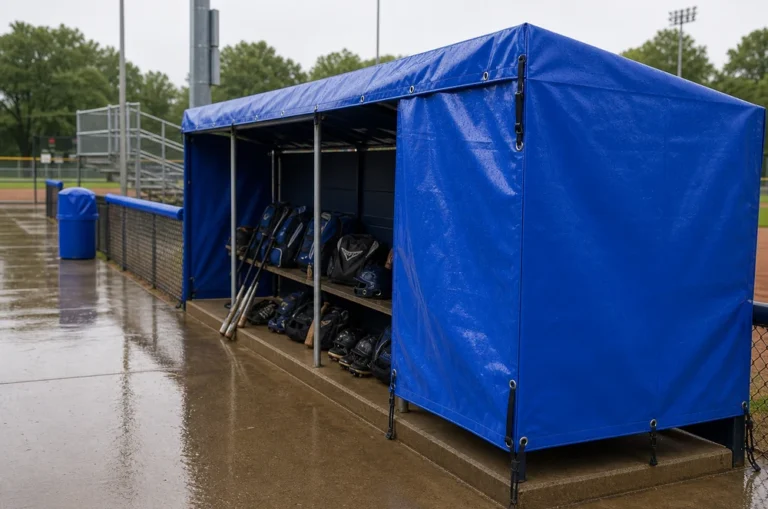
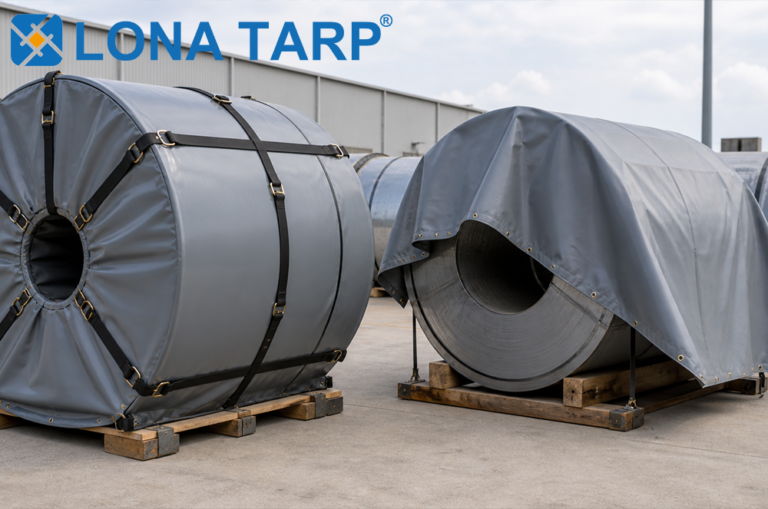
A repeat custom tarp order should not depend on memory or on the same salesperson still being involved. If the first order worked well, the next order can still drift when the buyer reuses only a PO number and the factory rebuilds the job from assumptions. Consistent reorders come from one controlled package: the approved sample, the material code, the roll width, the drawing revision, the hardware map, the color reference, the packing label format, and the inspection limits. When that reorder pack exists, repeat purchasing becomes faster and much easier to scale.
This topic serves distributors, project buyers, and OEM customers who already have a successful tarp design and want the next batch to match it. It is different from a first-order quote checklist. The buyer is no longer asking “what can you make?” but “how do we make the next order behave like the approved one?” That distinction changes what should be recorded, what must be frozen, and what should be checked before shipment.
I. Keep a Reorder Pack, Not Only the Previous PO Number
The most common repeat-order mistake is assuming the previous order reference contains enough information by itself. A PO number tells the factory when the order happened, not what made the product successful. A strong reorder pack should include the approved sample, the signed drawing, installation photos, the last inspection note, the exact label format, and any field feedback from the first shipment. If the first order had a small correction during approval, that correction must live inside the reorder pack rather than inside someone’s memory.
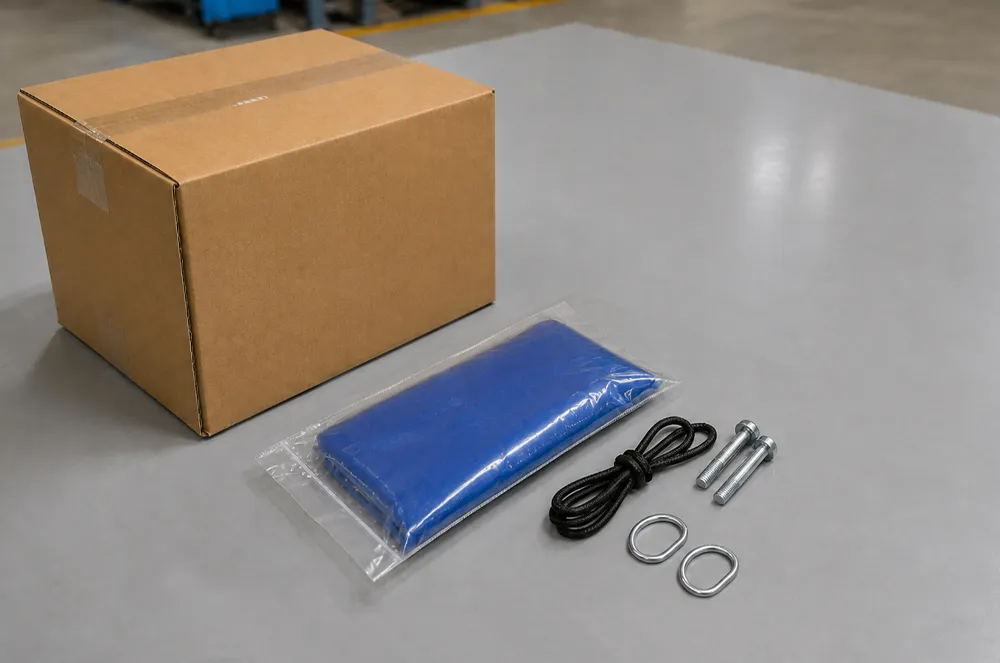
For B2B buyers, this pack is what turns a repeat order into a controlled production job instead of a fresh interpretation. It also shortens the conversation because the factory can check the current request against a real baseline. If the buyer wants the same tarp but a different size mix, export mark, or installation label, the changes can be isolated instead of rewriting the whole specification from scratch.
| Record to keep | Why it matters on the next order | Best source |
|---|---|---|
| Approved physical sample or sealed counter-sample | Confirms handle, color, seam appearance, and finishing details that photos miss | Factory sample archive plus buyer sample |
| Signed drawing with revision date | Prevents drift in size, corner shape, hole position, and access details | Shared PDF or controlled CAD export |
| Material code and roll-width note | Stops the factory from substituting a close-looking but different fabric route | Production BOM or approved quotation sheet |
| Packing label and carton standard | Keeps warehouse receiving and repeat distribution consistent | Shipment photos and carton artwork file |
| Final inspection record | Shows the limits that were accepted on the previous order | QC report tied to the shipment lot |
The pack should be stored where both sides can reference it quickly. If the reorder relies only on a message such as “same as last time,” one missing detail can quietly change the product. That risk grows when personnel change, when lead time is compressed, or when the new order is produced from a different raw-material lot.
II. Lock Material Code, Roll Width, and Fabrication Route
Buyers often think material consistency means repeating the same GSM. That is not enough. The current product knowledge sources make clear that finished behavior depends on the base fabric, PVC formula, width, adhesion, surface treatment, and fabrication route. For repeat orders, the safest instruction is to lock the material code and the relevant construction details instead of asking for “the same heavy PVC tarp.” If the supplier has internal lot codes, reference them. If not, describe the approved structure in a way that is hard to misread.
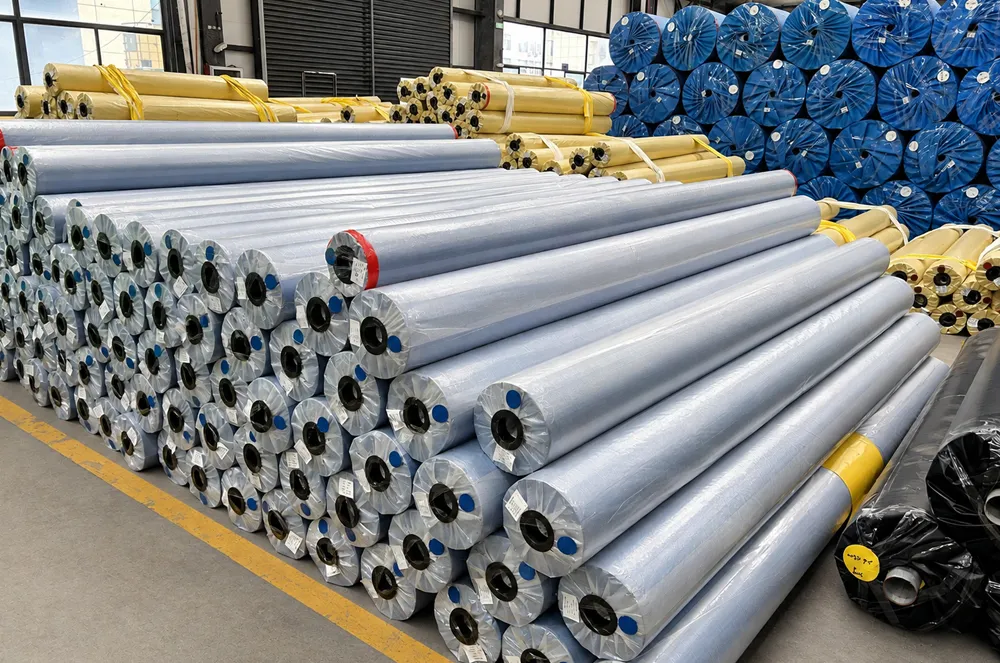
Roll width deserves special attention. A wider or narrower roll may still meet the target weight, but it can shift seam layout, panel count, fold behavior, and visual symmetry. On some covers, that change is harmless. On others, it moves a seam into a high-stress or highly visible area. The product page for PVC tarpaulin is the right place when a buyer needs the material family explained first, but a repeat-order buyer usually needs the narrower instruction: keep the same material route unless a change is documented and approved.
The same principle applies to welding and sewing logic. A cover built with hot-air welded hems and specific reinforcement tape should not be reinterpreted as a general sewn edge just because the final shape looks similar. Consistency comes from freezing the fabrication route that created the approved performance, not from looking at the finished outline only.
III. Freeze the Drawing Revision, Hardware Map, and Edge Build
Once the material route is stable, the next control point is geometry. Repeat custom tarps often drift because the buyer updates one dimension or one hardware position informally, but the production drawing remains on the older revision. The factory then has two truths: the archived drawing and the new email comment. The only reliable way to avoid that conflict is to freeze a single current revision and mark every change against it.
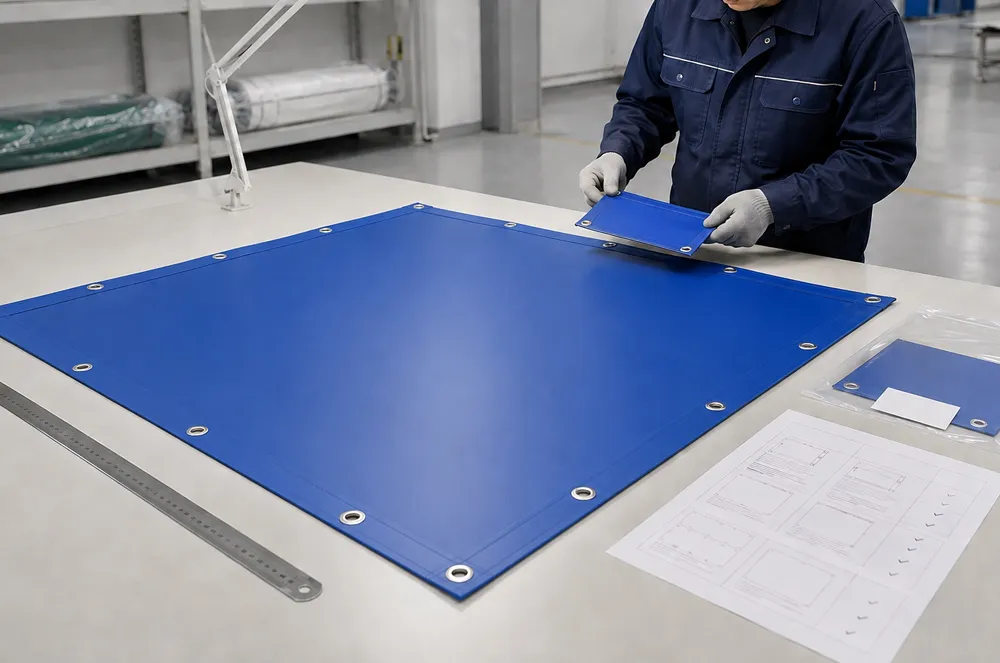
The frozen drawing should cover more than overall size. It should confirm grommet spacing, offset from the edge, corner treatment, strap length, sleeve depth, zipper or flap position, and any “no seam” or “no hardware” zones. Buyers who reorder for multiple installation crews should also record orientation marks and how the tarp is identified once folded. Those small details reduce field confusion and also help the quality team inspect against the right standard.
If the previous order exposed a weak point, the correction should be written into the new revision rather than handled as an oral reminder. A reinforced corner, a different edge webbing width, or a moved inspection opening is exactly the kind of change that disappears when repeat orders are rushed. The published guide on how manufacturers inspect custom tarps supports this section because inspection only works when the reference drawing is stable enough to measure against.
IV. Keep Color, Printing, Label, and Packing Standards From the Approved Lot
Repeat-order consistency is not only about dimensions. Buyers also notice color drift, print placement changes, carton marks, and different folding logic immediately, especially when the tarps are resold or distributed across multiple sites. The current product knowledge notes were important here: color performance, print durability, and outdoor ageing depend on pigment choice, UV package, surface treatment, and the interaction between printing and later fabrication. That means the approved appearance should be documented just as carefully as the approved size.
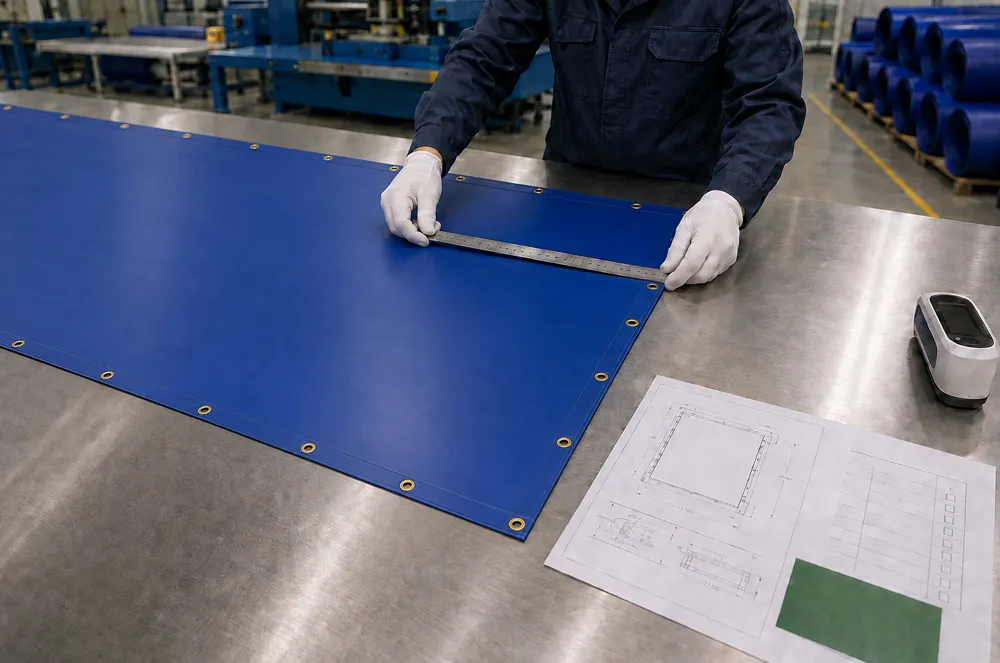
For repeat orders with branding, keep the artwork file version, the logo position reference, the print color target, and whether the print sits near any weld or fold line. If the buyer uses multiple colors, note which colors face stronger outdoor exposure because fade risk is not identical across the palette. The related article on custom tarp color and printing is useful for that specific decision path, while the packaging standard should be locked through the same approach used in custom tarp packaging for export orders.
Labels and packing should also stay controlled from lot to lot. That includes item code, size mix, carton quantity, pallet pattern, outer mark, and the way hardware is isolated from the tarp surface. A repeat order that arrives with a different label system can create receiving mistakes even when the product itself is correct. For distributors and contractors, that is a real commercial failure, not a minor warehouse issue.
V. Run a Repeat-Order First-Article Check Before Full Release
Even with a strong reorder pack, the safest repeat-order process still includes one controlled checkpoint before the entire batch is released. On a large or sensitive order, I prefer a first-article confirmation against the approved sample and the current drawing revision. That review should check seam appearance, finished size tolerance, hardware position, edge build, label format, and packing method before the lot is allowed to move into final packing.
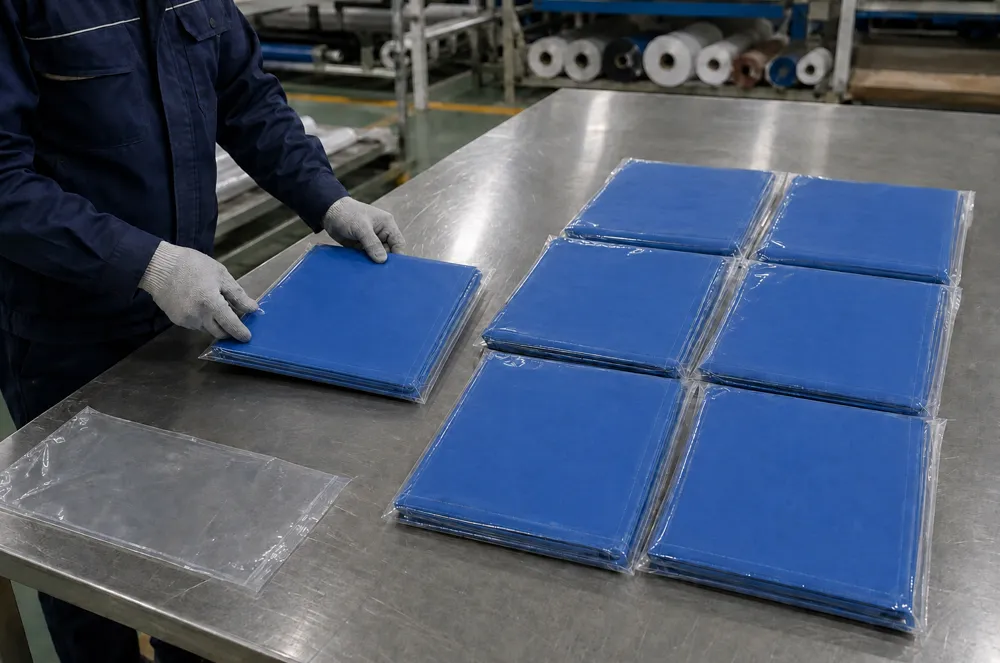
This step is where a buyer can catch quiet drift. A substitution that looks close in a photo, a moved grommet row, or a changed carton label is easier to correct before the full batch is packed. If the order is highly visible or tied to resale, a few comparison photos and measurement records should be retained with the new shipment file. That makes the next repeat order even cleaner.
When the reorder package is complete, repeat business becomes much less dependent on memory and much more dependent on controlled records. Buyers who need the factory to review those records before the next run can route the file through the quality control reference path first, then send the final production request through the main contact page. That sequence keeps the conversation focused on consistency instead of re-explaining the original job from zero.