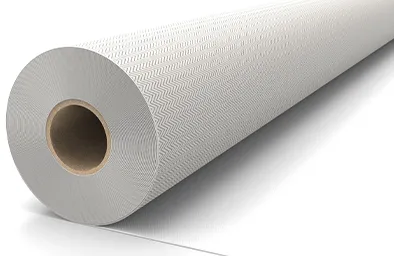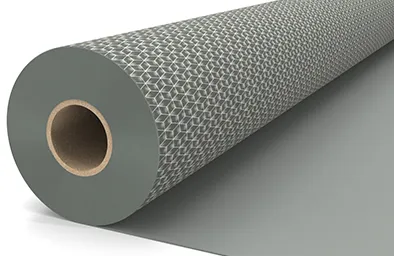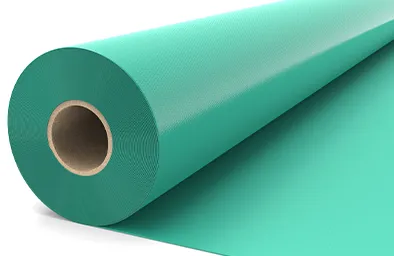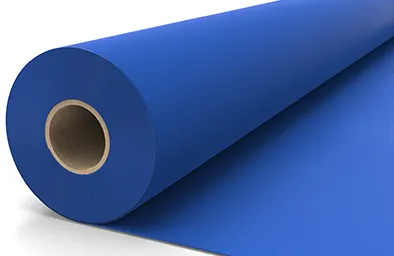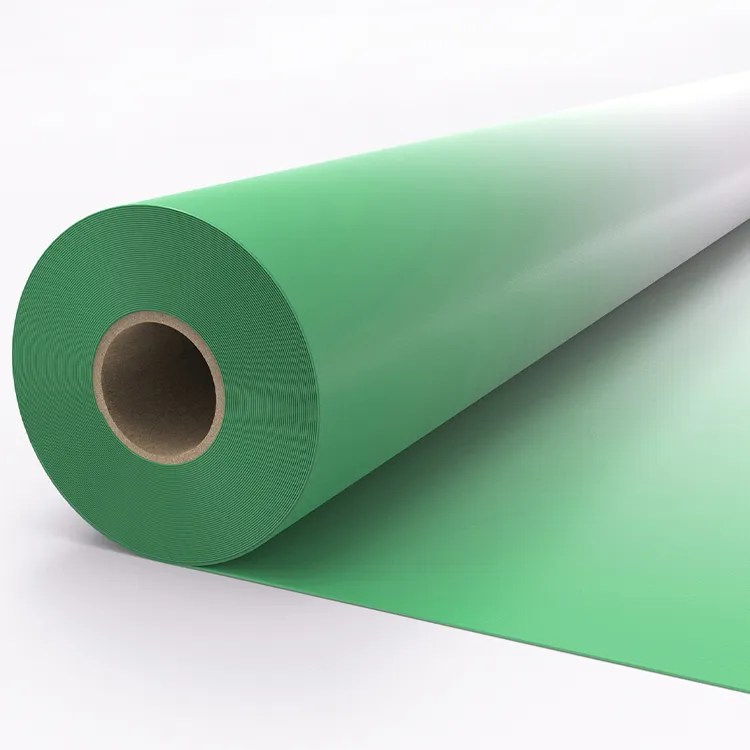
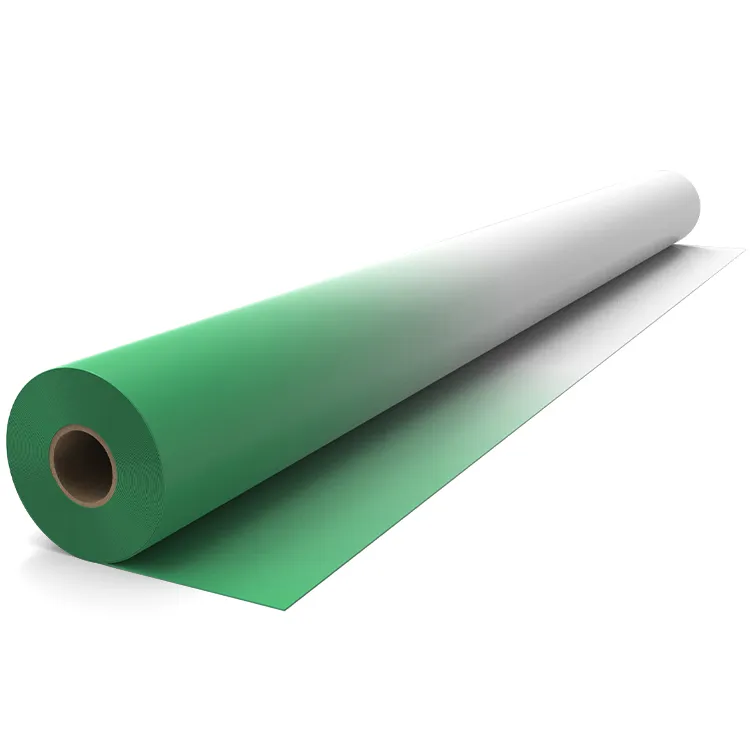













RV Awning Fabric Roll for Local Cutting and Replacement Panel Programs
Ordering an RV awning fabric roll is different from ordering one finished replacement canopy. The buyer is purchasing conversion space: how many panels a workshop can cut from each roll, whether the face direction stays consistent, and whether the packed material arrives ready for local welding or sewing.
LonaTarp can review PVC or vinyl-coated awning fabric rolls for B2B replacement programs. If you need the wider fabric range before choosing a roll route, start from our RV awning fabric options.
Start an RV Awning Fabric Roll Order With the Cutting Map
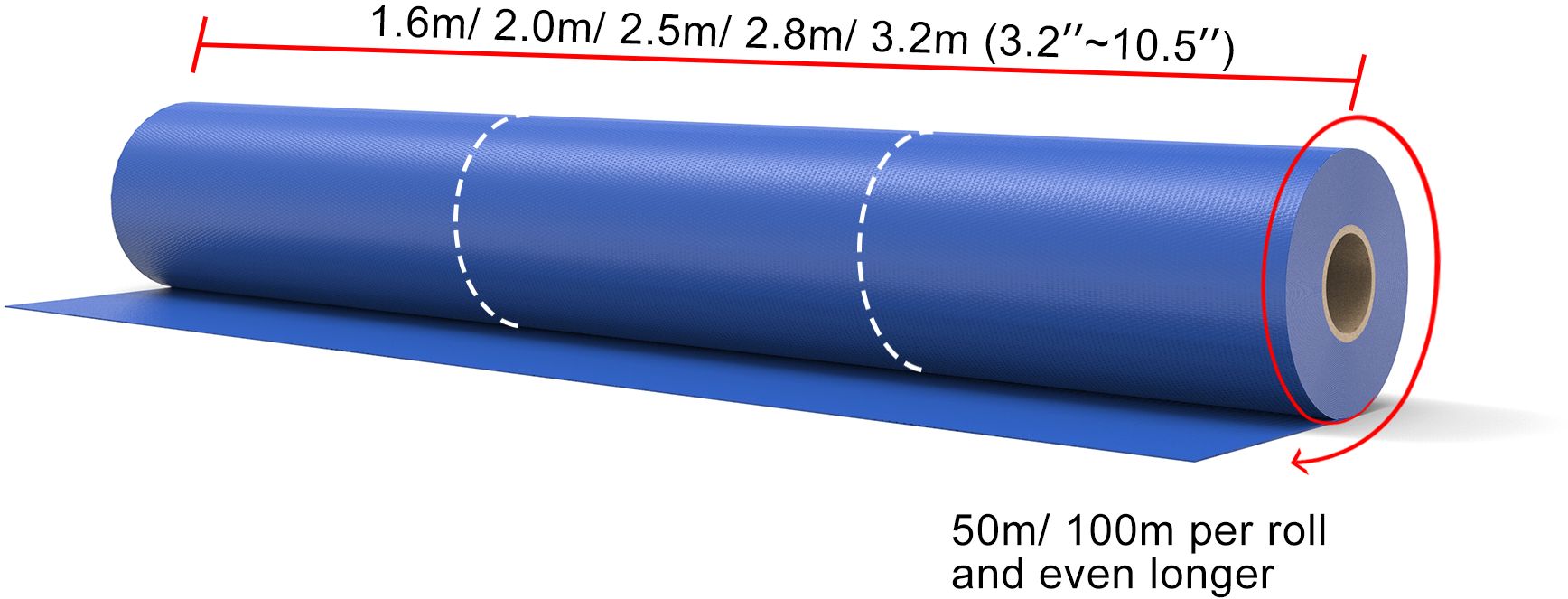
Before comparing GSM or price, build a simple cutting map. List the finished canopy sizes, projection, valance allowance, rail or bead position, trimming tolerance and expected quantity for each size.
This tells us whether the requested roll width can create clean panel layouts or will leave narrow unusable strips. It also helps your workshop keep left-right direction and coated face orientation consistent across a replacement program.
PVC RV Awning Fabric and Vinyl RV Awning Fabric Roll Options
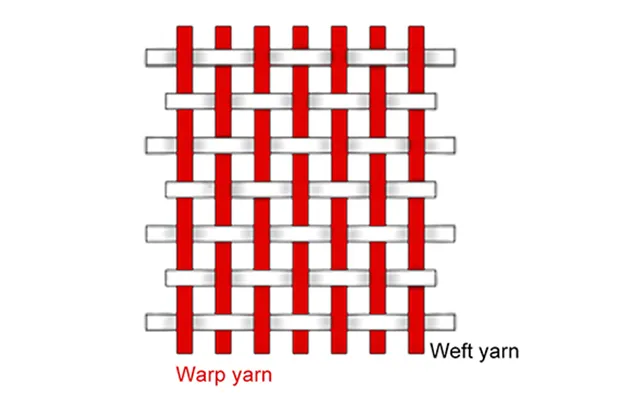
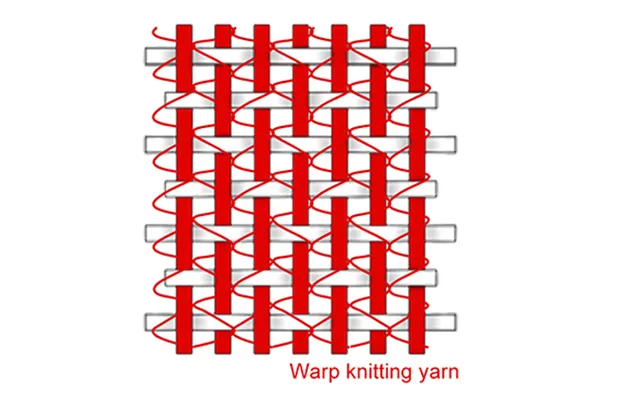
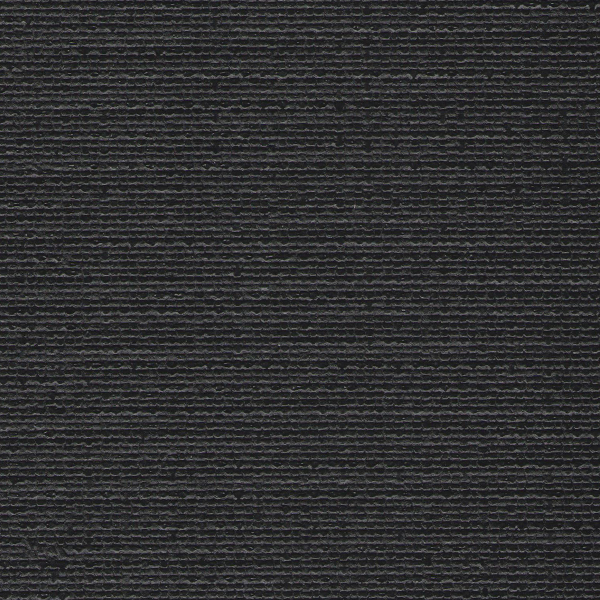
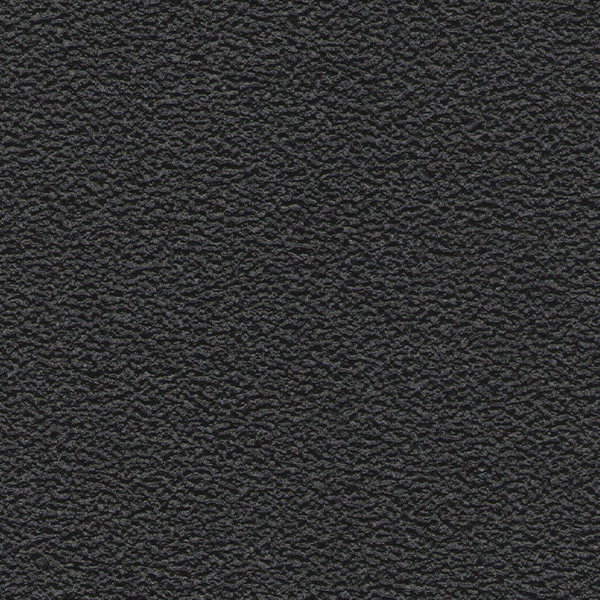
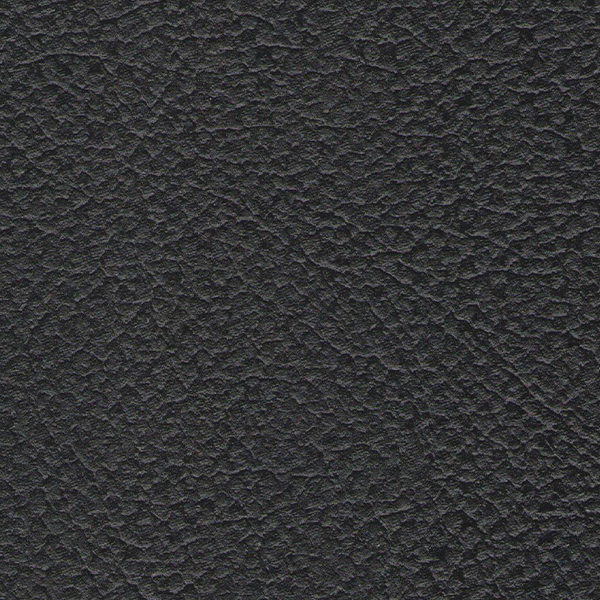
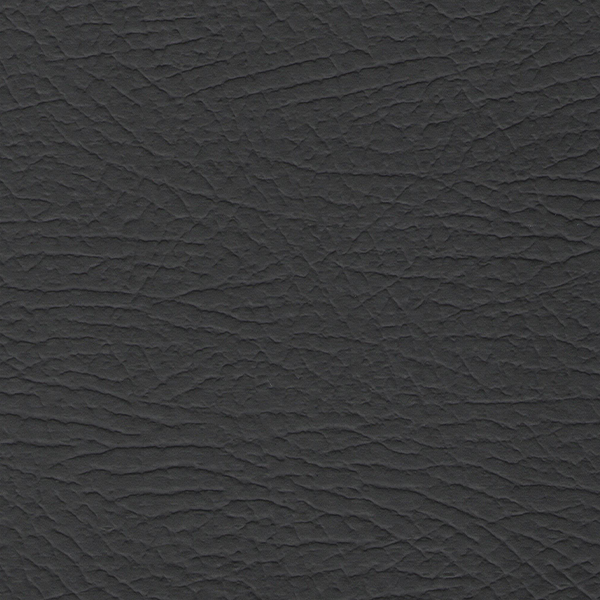
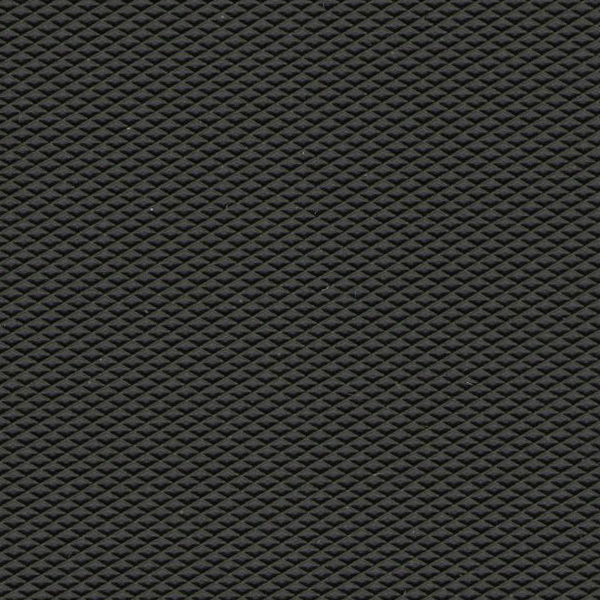
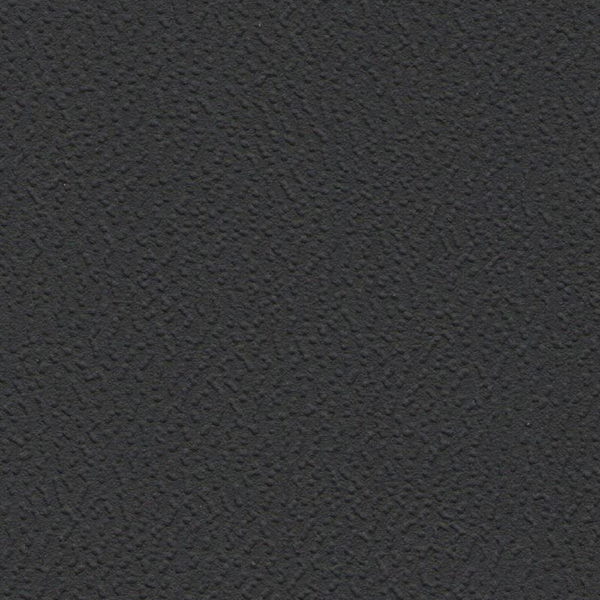
Many buyers use PVC RV awning fabric and vinyl RV awning fabric for the same coated polyester category. For roll supply, the useful check is the actual structure: polyester base, coating weight, surface gloss, hand feel, cold flexibility, UV additive direction and whether the material will be welded or sewn after cutting.
If your team has existing equipment, we can review sample strips with your welding temperature or sewing route before confirming the roll specification. For broader material background, compare the PVC tarpaulin material structure.
Roll Width, Batch Direction and Packing Control the Real Cost
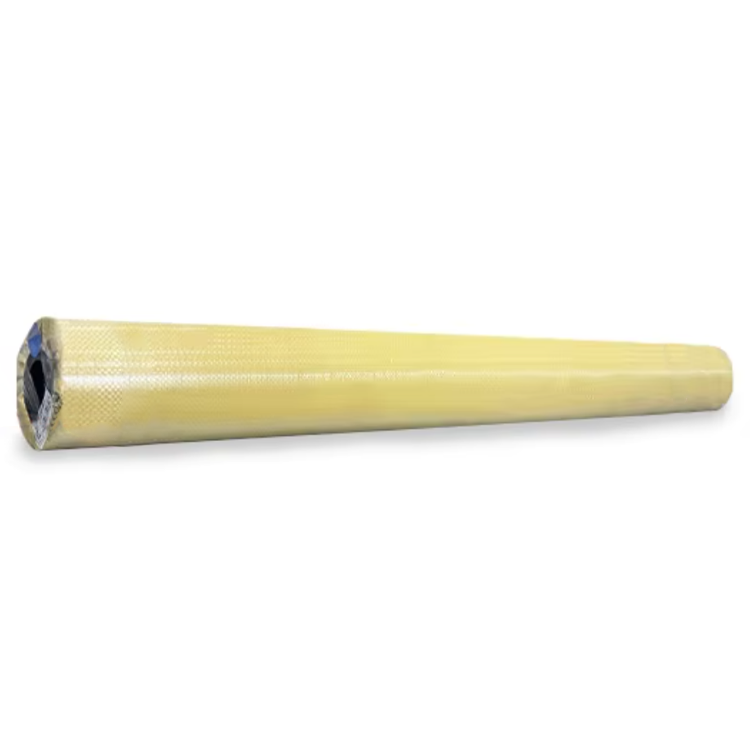
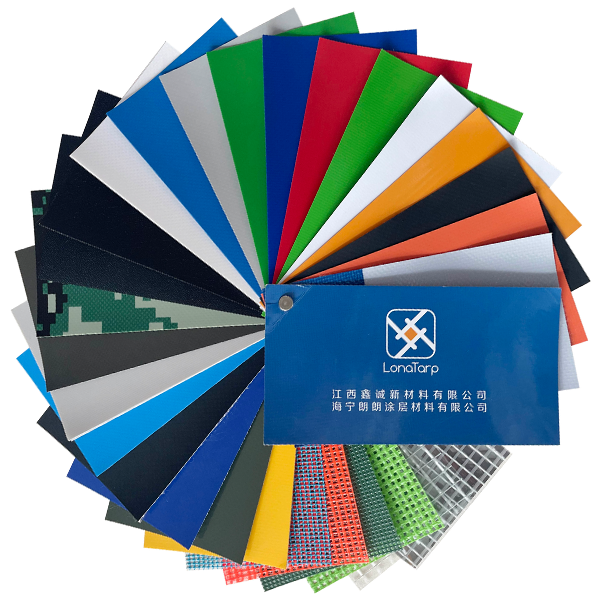
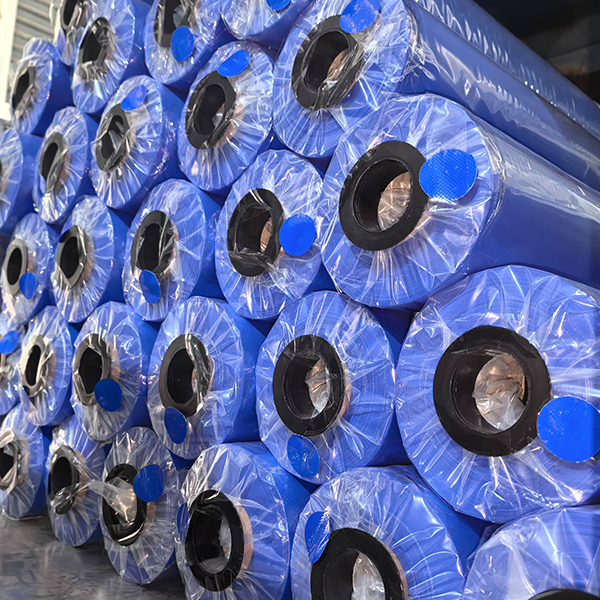
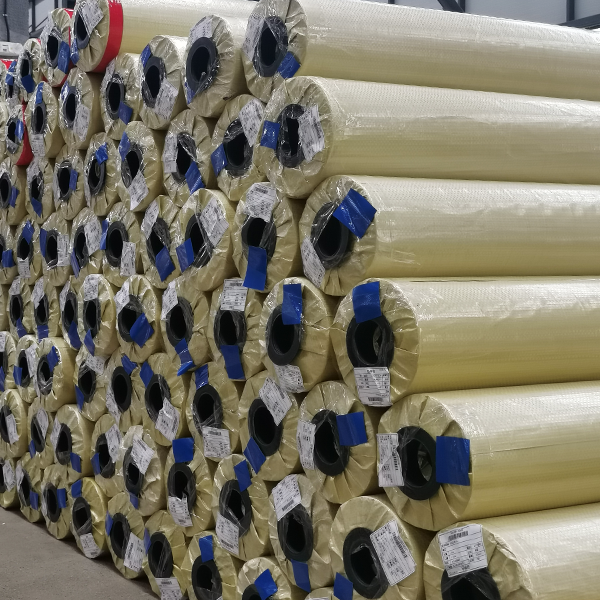
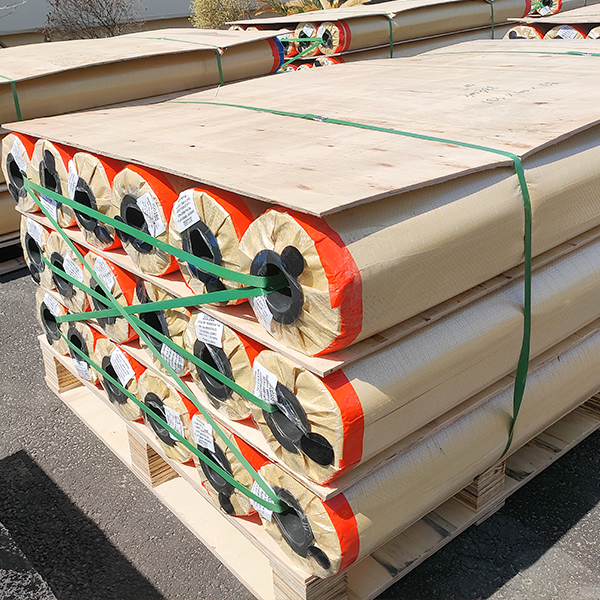
Roll price matters, but conversion cost is often hidden in waste, color sorting and handling. For repeat orders, keep one approved sample and record the roll face direction, color batch, edge condition, label format and pallet protection.
We usually check roll width tolerance, surface marks and coating adhesion before shipment because these details affect the workshop after the material is unrolled. For non-RV roll goods, the broader tarpaulin rolls page is the better hub. Batch inspection can also be reviewed through our quality control process.
| Roll decision | What to confirm | Procurement risk it prevents |
|---|---|---|
| Panel size mix | Largest size, repeated sizes and expected quantity | Buying a roll width that creates excessive side waste |
| Roll direction | Face side, stripe or fade direction, cutting orientation | Panels looking inconsistent after installation |
| Fabric structure | Base fabric, coating, flexibility and welding route | Material working on paper but failing in local fabrication |
| Batch control | Color sample, batch label and reorder rule | Different rolls matching poorly in the same program |
| Packing | Roll wrap, pallet protection and label details | Edge damage, dirt marks or warehouse confusion |
When Finished Panels Are Safer Than Roll Supply
Finished replacement panels are better when the buyer needs bead insertion, valance shape, hem style, final length tolerance or branded packing controlled by the factory. Roll goods make sense when your local team already cuts and converts awning fabric.
If those steps are new to your business, send one drawing first so we can decide whether roll supply or finished panel production will reduce rework. This keeps the page honest: RV awning fabric roll is not always the lower-risk choice.