PVC Tarpaulin for Tarp and Cover Fabrication

300-2000 GSM | 5000 ㎡ MOQ
CE/ SGS/ ISO Support | OEM/ ODM

Knife Coated Tarpaulin
Laminated Tarpaulin
Laminated Tarpaulin
Requirement-&-Quote

Requirement & Quote

Tarps-Approval

Free Samples Catalog

Roll-Production

1.86M m/ Month

Global-Shipping

Global Shipping

Home > PVC Tarpaulin

Custom PVC Tarpaulin Material

Thickness & Weight
Color
Properties
Tensile Strenght Warp

22oz PVDF PVC Tarpaulin

0.9 mm TiO2 PVC Tarpaulin

0.55 mm Acrylic PVC Tarpaulin

18 oz PVDF Vinyl Coated Polyester Fabric

2000D NFPA 701 Flame Retardant PVC Tarpaulin

1100D Rip Resistant PVC Tarpaulin

600D Moistureproof PVC Tarpaulin

1000D Anti-Static PVC Tarpaulin

500D -30°C Cold-Resistant PVC Tarpaulin

1000Gsm Reinforced PVC Tarpaulin

850Gsm PVC Blockout Tarpaulin

900Gsm Heavyweight PVC Tarpaulin

PVC Tarpaulin Fabric for Commercial Cover Projects

111

Why Choose LonaTarp PVC Tarpaulin Manufacturer

Our Certificates

ce1
iso 9001 certified tarpaulin
sgs
rohs certified tarpaulin

Certification and test documents are confirmed for the selected material and project. Before production, we review the requested standard, target market and report scope, then confirm which available CE, SGS, ISO or other documents are relevant. A general certificate or logo does not replace the agreed product specification, sample approval or product-specific test evidence.

PVC Tarpaulin Roll Specification FAQ

Start with the cover type, load direction, abrasion and folding points, exposure conditions, and the intended welding or sewing route. We then review the reinforcement, PVC layer build, usable width, surface, color and acceptance method as one specification instead of selecting by GSM alone.

No. Rolls at the same GSM can use different reinforcement, PVC construction, surface treatment and production controls. Compare the approved construction, weight or thickness tolerance, usable width, converting result and representative sample before treating two quotations as equivalent.

The material can be selected for HF welding, hot-air welding, sewing or printing, but process fit depends on the construction, surface, equipment, settings and seam or print design. Approve a trial weld, sewn edge or print sample on the intended production route before bulk production.

Use a sample that represents the finished-cover risk: for example, a welded and tensioned edge, an equipment-cover corner, a fixing-point section or a repeatedly folded curtain panel. Tie the approved sample to the written roll specification, test method and acceptance limits.

Confirm usable width and tolerance, target roll length, permitted joints and prohibited joint locations, core or roll-handling limits, product and lot identification, wrapping or pallet preference, quantity, destination and unloading requirements.

Send the cover being manufactured, operating environment and failure risk, current sample or specification, target construction or weight range, usable width, roll length, quantity, color, surface, converting method, required test or standard, packing, destination and required date. Roll Materials: MOQ 5,000 m²; the typical lead time is about 15 days after the specification and order are confirmed, subject to construction, quantity and production schedule.

For roll-material buyers, PVC tarpaulin is a textile-reinforced PVC composite supplied to fabricators making truck tarps, industrial covers, construction covers and flexible curtains. We manufacture made-to-order rolls for B2B converters, importers, wholesalers and industrial-fabric distributors. The right construction is selected from the cover's loads, exposure, converting method and failure risk—not by GSM alone. We review the reinforcing textile, PVC layer build, width, surface, color, welding or sewing route and acceptance evidence as one specification. Roll Materials: MOQ 5,000 m². Send your cover type, current sample or specification, converting method, quantity and target market for a material review.

Need a PVC tarpaulin roll recommendation?Send the cover type, current sample or specification, converting method, quantity and target market. Request a PVC Tarpaulin Material Review

If you need ready-to-use covers rather than rolls, follow the separate route for finished PVC and vinyl tarp covers.

PVC Tarpaulin Rolls for Cover Fabricators

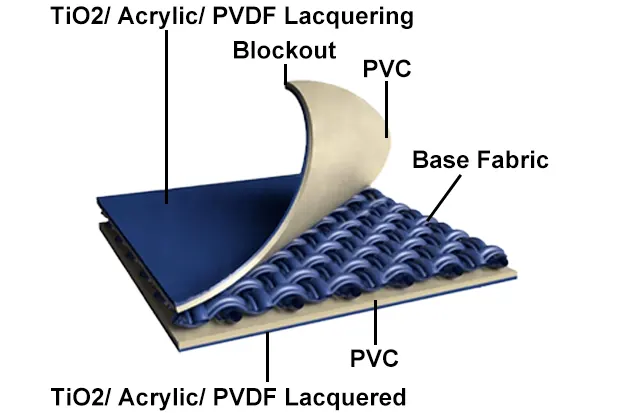
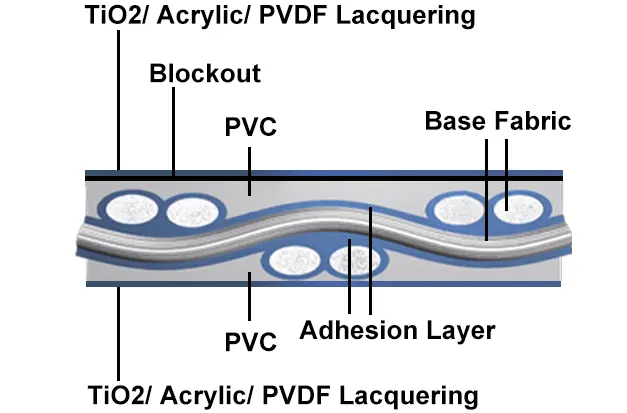
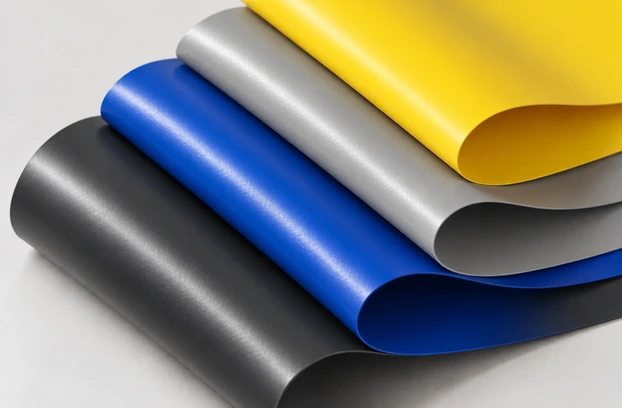
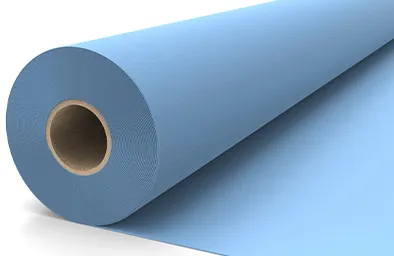
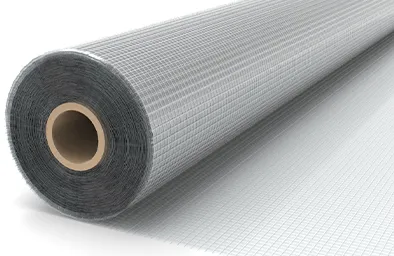
PVC tarpaulin material is a composite rather than a plain plastic sheet. A woven reinforcement carries load and helps control dimensions, while PVC functional layers create the surface and contribute to water resistance, color, flexibility, weld response and project-specific functions. Polyester is commonly used as the reinforcement in this material family, but the exact textile and construction must be confirmed for the cover being manufactured.

After 15 years of manufacturing roll materials and fabricated covers, we have learned to start with the finished cover rather than a GSM number. Before recommending a construction, we ask where the cover carries load, where it rubs or folds, and how its panels will be joined.

Buyers use several names for these roll goods, including PVC coated tarpaulin, coated PVC tarpaulin and PVC tarpaulin fabric. None of these names is a complete specification. A useful order still identifies the reinforcement, PVC construction, overall weight or thickness, usable width, surface, converting route and acceptance method.

If an RFQ uses the inverted wording tarpaulin PVC fabric or tarpaulin PVC coated, we first restate the product as PVC-coated tarpaulin roll material. We then confirm the cover use, construction and test requirement. This prevents two suppliers from quoting different materials against the same vague name.

PVC coated canvas tarpaulin also needs clarification. In some markets, “canvas” is used loosely for a heavy flexible cover material; in others, it implies a different textile family. We confirm whether the buyer means polyester-reinforced PVC tarpaulin, PVC-coated canvas, or another construction before recommending a roll. Buyers sourcing technical textiles for products beyond tarps and covers can continue to our broader PVC coated fabric material platform.

Factory Note

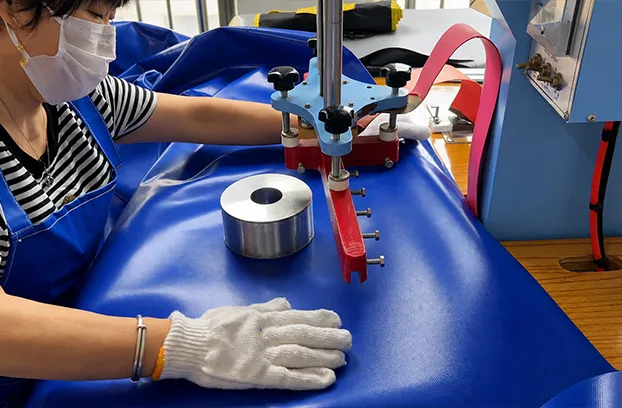
A roll can look correct on a sample table and still cause trouble on the production line. The cover's load direction, edge design, seam layout, folding pattern and actual welding or sewing process must be considered before the material is approved.

Truck, Equipment, Construction and Warehouse Covers Need Different Roll Builds

PVC tarpaulins made for different cover programs do not need the same roll construction. A truck tarp, a fitted machine cover, a temporary construction enclosure and a warehouse curtain may all use reinforced PVC material, but they do not experience the same loads or fail in the same places. We therefore build the roll recommendation from the cover program.

Cover programDominant conditionsFailure risk to discuss firstRoll decision that follows
Truck tarps and trailer coversWind, road vibration, pulling, cargo-edge contact, repeated rollingEdge tear, abrasion, seam failure, print or batch-color variationReinforcement direction, tear/abrasion target, flexibility, welding, width and print surface
Industrial equipment coversIrregular profiles, sharp edges, repeated removal, dust or specified contact mediaWear-through, poor drape, seam fatigue, difficult cleaningFlexibility, local abrasion requirement, surface, reinforcement and joining route
Construction covers and temporary enclosuresWind, rain, sunlight, temperature change, repeated installationTear at fixing areas, seam failure, cold stiffening, exposure-related declineTear requirement, PVC construction, width, weather/cold requirement and project standard
Warehouse curtains and dividersFrequent opening, folding, hanging load and joined panelsTear at suspension points, fold fatigue, dimensional change, seam damageFlexibility, dimensional control, width, surface and edge-processing compatibility

Truck Tarps and Trailer Covers

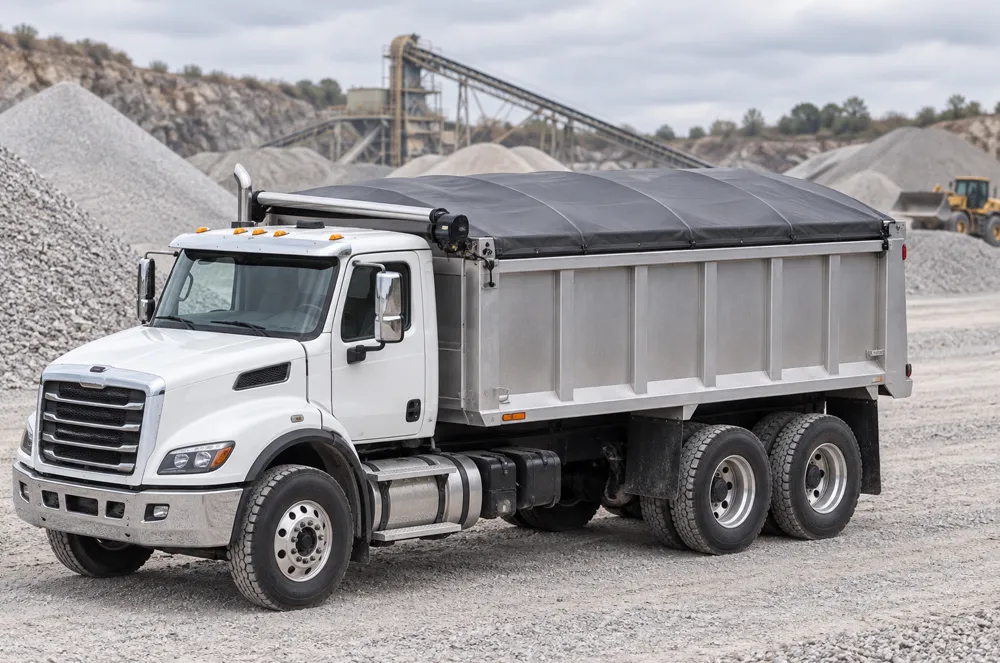
Road covers face a combination of wind pressure, vibration, tensioning, cargo contact and repeated rolling. A stronger-looking or heavier roll does not automatically solve all five. If the base reinforcement does not match the load direction, a small cut near an edge can propagate. If the coating is too stiff for the climate or rolling cycle, folding areas may become the weak point. If the width creates unnecessary longitudinal seams, fabrication time and seam exposure increase.

For truck-tarp fabricators, we normally review:

  • where the cover is tensioned and where it rubs against cargo or hardware;
  • whether the material will be frequently rolled, folded or dragged;
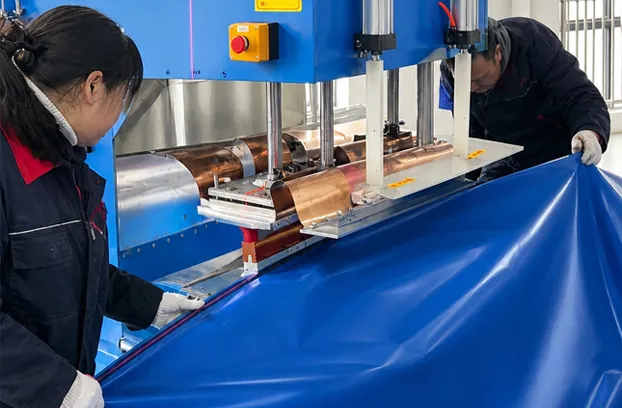
  • the intended HF or hot-air welding equipment and seam geometry;
  • usable width and cutting layout, not only nominal roll width;
  • color consistency and surface suitability when a fleet logo will be printed; and
  • the target climate, with low-temperature or weather requirements defined by an agreed test rather than a general claim.
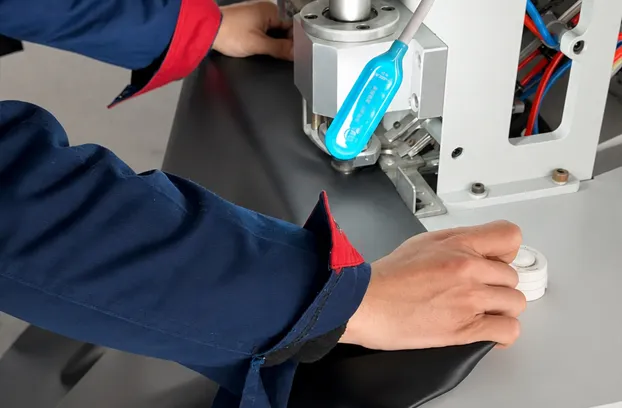
Before bulk production, approve the material on the intended machine and evaluate a representative seam or reinforced area. Buyers who need an assembled road-cover program should use the finished-cover route; the present page remains the roll-material route.

Industrial Equipment Covers

Equipment covers often wrap around irregular shapes, corners, hoses or moving access points. The material may need to drape around the product without becoming so soft that it loses handling stability. Abrasion can be concentrated at one small edge rather than spread across the whole panel, so simply increasing total GSM may add weight without addressing the actual wear point.

We ask the buyer to identify contact zones, removal frequency, cleaning method and whether the cover will be welded, sewn or use both processes. From there, we can review the reinforcement, surface, flexibility and local edge or patch strategy. If the cover may contact oil, fuel, cleaning agents or another chemical medium, suitability must be checked for the named substance, concentration, contact time and temperature. ISO 175:2010, for example, defines an immersion method for evaluating the effects of liquid chemicals on plastics; its scope does not replace the buyer's actual contact conditions or a finished-cover test. We do not turn a generic “chemical resistant” request into an unconditional promise.

A local mock-up around the difficult corner or contact point is often more useful than approving a flat swatch alone. It shows whether the selected PVC tarpaulin material folds, joins and recovers as the finished cover requires.

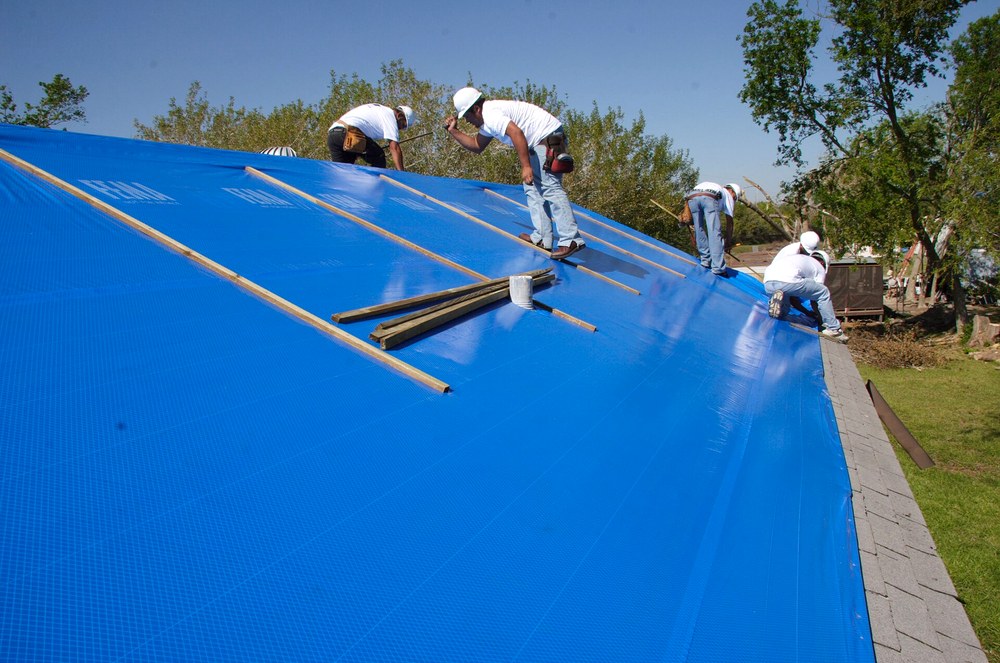
Construction Covers and Temporary Enclosures

Construction covers and temporary enclosures experience changing wind, rain, sunlight, installation tension and handling damage. Failure often begins at a fixing point, reinforced edge or seam rather than through the center of a new sheet. The material decision therefore needs to consider the planned attachment layout and panel size along with tear, flexibility and weather requirements.

For a repeated-use project, wider material may reduce seams but can change roll handling and cutting efficiency. A weather requirement must define the location, expected exposure and validation method. A low-temperature requirement needs a target test temperature and method. If flame-retardant performance is required, the buyer must provide the target standard and intended product; compliance must be confirmed for the agreed construction and supporting report. NFPA 701, for example, is a test-method standard for flame propagation of textiles and films; naming it does not mean every cover complies or is fireproof. An artificial-aging result is also not a guaranteed outdoor lifespan.

We recommend approving an edge or seam sample that represents the real installation load, not only the flat panel. For project work, the written specification should also state which performance documents are required before production.

Warehouse Curtains and Dividers

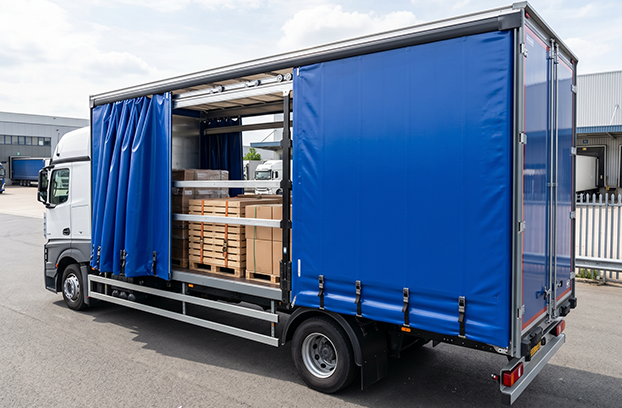
Warehouse curtains and flexible dividers are repeatedly opened, folded, pushed and left hanging. This creates a different problem from a static outdoor cover. The suspension area carries concentrated load, folds repeat along similar lines, and joined panels need to remain manageable during movement.

The roll decision should balance flexibility with dimensional control. Width can reduce panel joints, but it must also suit the buyer's cutting and handling equipment. Surface selection may affect cleaning, appearance and printing. If the curtain will be sewn and reinforced near suspension points, the buyer should confirm the needle, thread, edge construction and load path instead of judging the flat fabric only.

Before release, trial a representative panel or edge section under the expected hanging, folding and seam conditions. Track, eyelet and attachment details affect the material choice, but they belong to the finished curtain design; they are not sold as a fixed accessory package on this roll-material page.

Need to match the roll to your cover program?Send the cover type, operating conditions and welding, sewing or printing route. Send Your Cover Type and Converting Method

What Belongs in a PVC Tarpaulin Roll Specification

Our PVC tarpaulin portfolio covers 300–2,000 GSM directions, but the weight range is a starting point, not a quality ladder. Two rolls at the same GSM can use different reinforcement, PVC build, surface treatment and production control. They may behave differently in tearing, folding, welding and long-term handling.

Question to settleWhy it affects the finished coverRisk if left vagueWhat to lock before bulk production
What load must the reinforcement carry?The textile controls much of the tensile, tear and dimensional behaviorA heavier roll may still tear in the critical directionBase-fabric construction or agreed strength/tear requirements and test direction
What must the PVC construction do?Layer build and formulation affect flexibility, surface, bond, weld response and project functionsPoor process fit, cracking, peeling or unsupported functional claimsApproved construction, service conditions and applicable test method
What GSM or thickness range is useful?Total build affects handling, stiffness, coating amount and costOver-specification adds weight/cost; under-specification may miss the load or barrier taskTarget value, tolerance and approved sample—not GSM alone
Which usable width fits the cutting plan?Width changes cutting yield, seam count and line handlingExcess waste, more seams or material that does not fit equipmentUsable width, tolerance and cutting layout
Which surface and color are required?Surface affects appearance, cleaning, welding and printing; shade affects repeat ordersInk adhesion problems, face/back confusion or batch-color disputesFace identification, finish, color reference and print trial where needed
How will the roll be handled?Roll length, joints, core, diameter and weight affect usable yield and equipmentShort usable output, unexpected joints or handling difficultyAgreed roll-format and packing fields for the order

Common Buyer Mistake: Treating GSM as the Whole Specification

GSM combines the mass of the reinforcement and PVC system; it does not show how that mass is distributed or how the material will process. When a buyer sends only a weight, we ask for the cover type, current failure, converting method and reference sample. This lets us recommend where strength, coating, width or surface control matters more than simply adding mass.

For a PVC coated tarpaulin or coated PVC tarpaulin order, the practical goal is not to choose the most impressive label. It is to freeze a construction that the buyer's production and quality teams can recognize, test and repeat.

Will the Roll Weld, Sew and Print on Your Production Line?

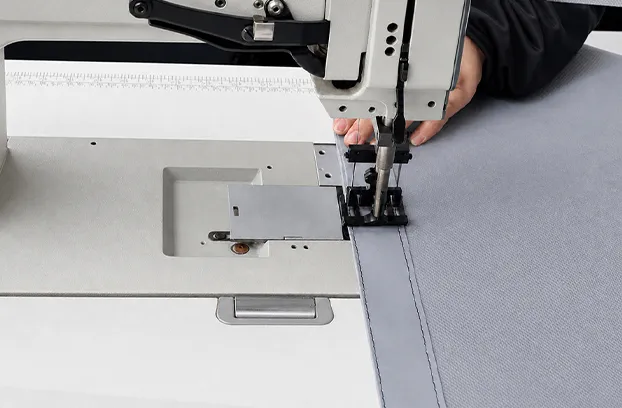
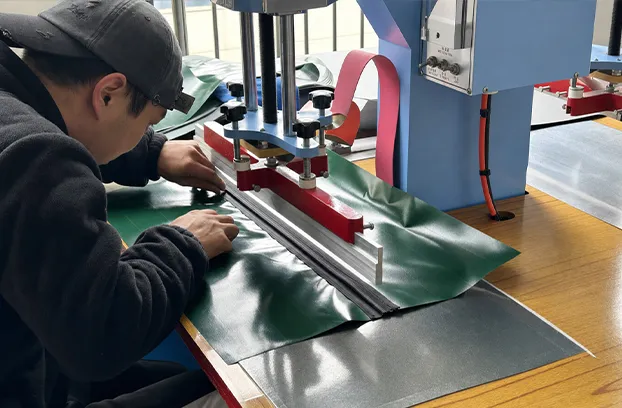
PVC tarpaulin fabric must work on the buyer's actual production route. Welding performance can change with the material construction, surface, machine, settings and seam geometry; sewing and printing introduce different risks. We can review the proposed equipment, seam and sample requirement, but we do not assume that one setting fits every coated construction.

Converting routeCore issuePre-bulk action
HF or hot-air weldingPVC construction, surface, equipment and seam design affect the jointMake a trial weld using the intended process and agreed seam
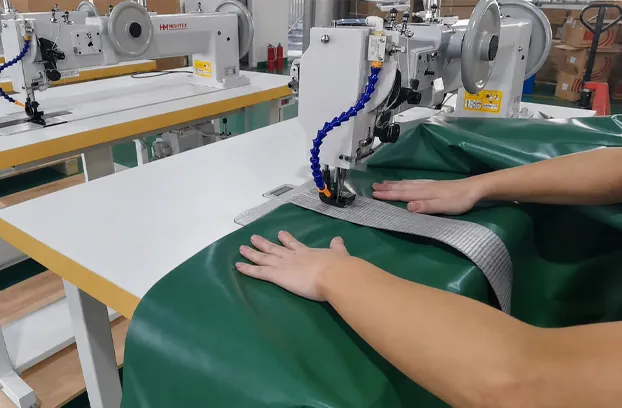
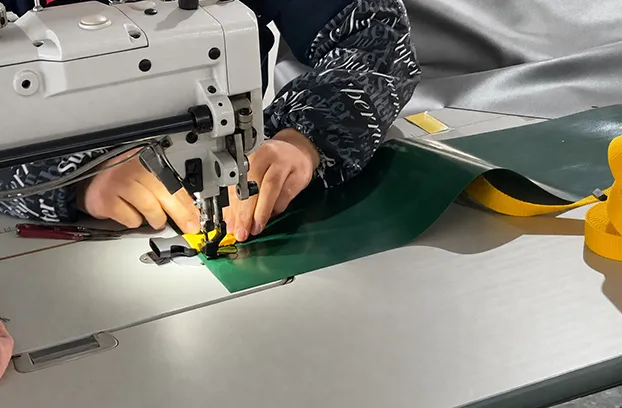
Sewing and edge reinforcementNeedle holes and concentrated edge loads can become failure pointsConfirm reinforcement, stitch/edge design and representative load area
PrintingSurface treatment, ink and curing route affect adhesion and appearanceApprove a print and color sample before the production run

For a deeper acceptance procedure, use our guide to tarpaulin welding quality checks. This page only establishes the material-selection decision; the guide explains how to evaluate the joint.

A Flat Swatch Is Not Enough for Cover Approval

A flat swatch can confirm color and hand feel, but it cannot represent every cover risk. Match the approval piece to the product: a welded and tensioned edge for a truck cover, a corner mock-up for an equipment cover, a fixing-point or seam sample for a construction enclosure, and a suspended, repeatedly folded panel for a warehouse curtain. Tie that approved piece to the written roll specification and any agreed test method. Otherwise, the buyer and factory may approve the same material for different reasons.

Before production, record the items that matter to the cover:

  • approved construction or retained reference sample;
  • GSM or thickness and the agreed tolerance;
  • usable width, surface, face/back identification and color reference;
  • weld, sewing or print result when those processes are critical;
  • the test method, specimen and acceptance limit for any required function;
  • roll length, joint and packing rules; and
  • change-control requirements for repeat orders.
When buyers ask for the best PVC tarpaulin or the best PVC coated tarpaulin, we do not point to one universal weight. We define “best” as the construction that performs the required cover task without adding unnecessary weight, processing difficulty or cost. For us, high quality PVC tarpaulin is not a label; it is supported by an approved construction, written tolerances, a representative converting sample and bulk-roll checks tied to the approved reference.

We support sample review before bulk production. Sample size, availability, freight and testing are confirmed for the specific inquiry; this page does not promise free samples. If CE-, SGS- or ISO-related documentation is requested, we first identify the exact document and verify its issuer, scope, validity and relevance to the selected construction. A logo or general certificate does not replace the agreed product specification or test evidence.

Factory Note

When a repeat order changes color, surface, width, formulation requirement or converting route, the earlier approval may no longer cover every risk. Record the change and decide whether a new material, seam or print sample is needed before production resumes.

Plan Roll Width, Length and Joints Around Cover-Panel Yield

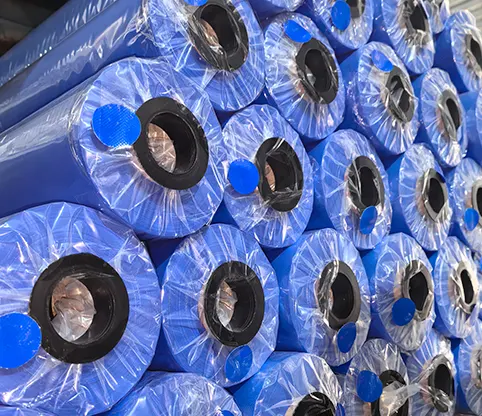
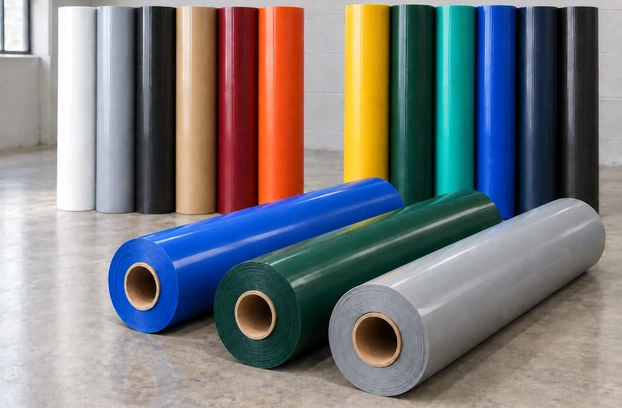
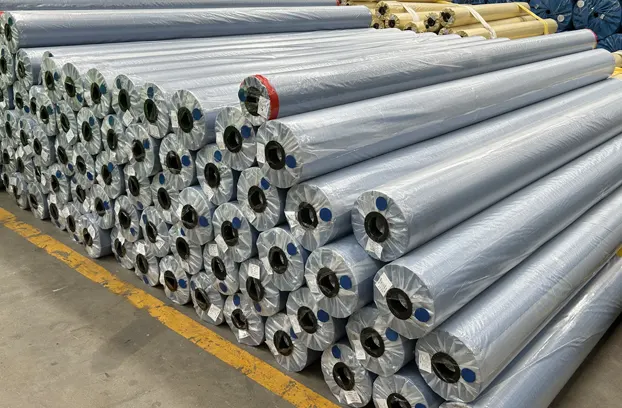
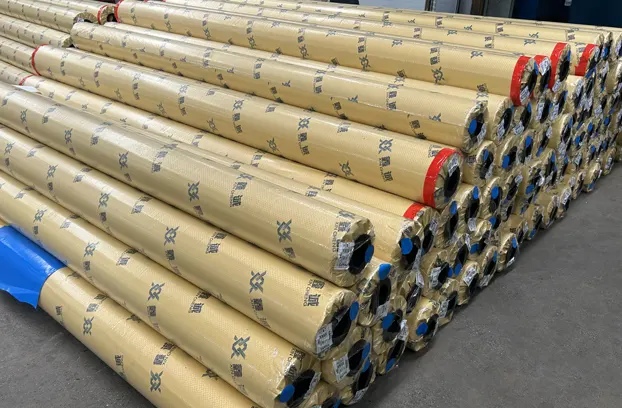
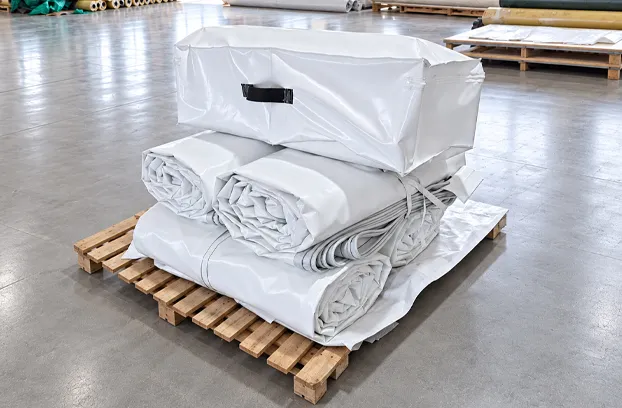
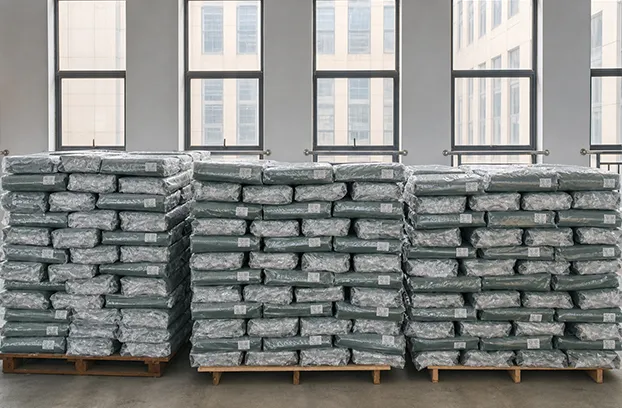
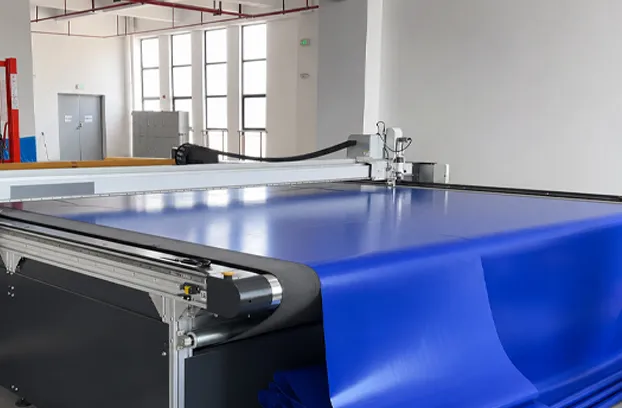
For cover fabricators, usable width, roll length and joint placement are production variables. Start from the repeat panel size and cutting layout: confirm how many complete panels fit across the width, whether a joint can enter a critical cover area, how many usable panels one roll should yield, and whether the finished roll can be handled by the buyer's equipment. Packing requirements can then be agreed around that production plan. We confirm the actual arrangement project by project rather than publishing one fixed roll or packing promise for every construction.
Production variableCover-fabrication questionWhat to lock on the order
Usable widthHow many complete panels fit across the width, and how many seams or offcuts remain?Usable width, tolerance and cutting drawing
Roll lengthHow many complete panel sets should one roll yield without an unplanned line change?Target length, permitted tolerance and expected usable yield
Joint placementCan a material joint enter a critical panel, seam or tension area?Permitted joint count, marking and prohibited locations
Core, diameter and roll weightCan the buyer's unloading and converting equipment handle the roll safely?Equipment limits and agreed roll presentation
Roll identificationCan production distinguish construction, color, lot and length before cutting?Product code, color/lot label and length record
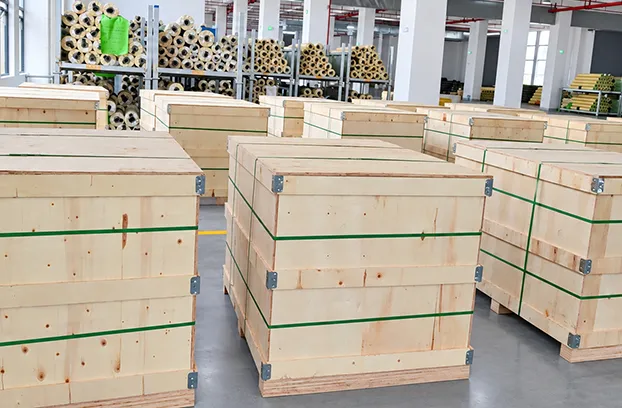
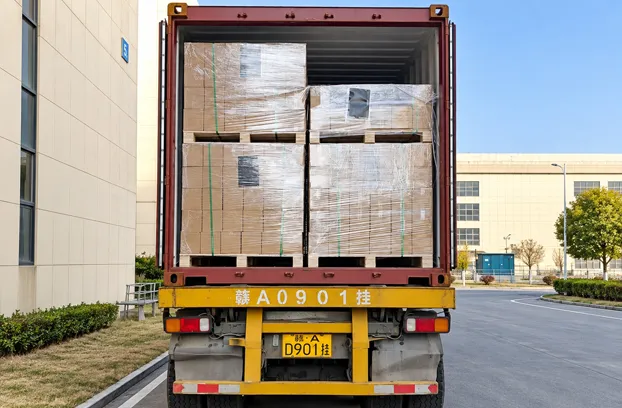
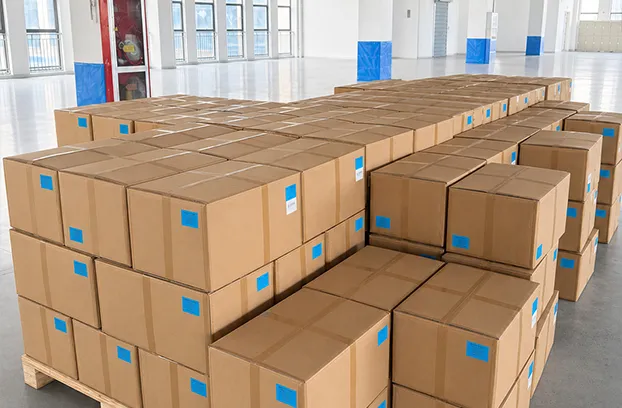
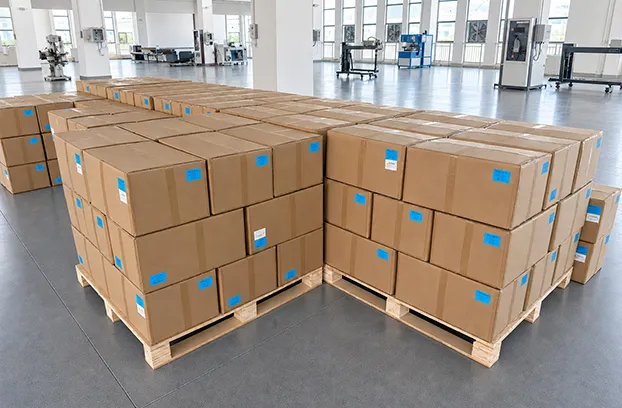
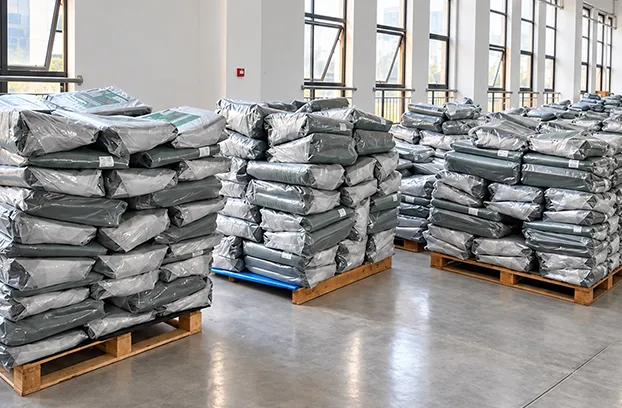
Protection and container planWill the rolls remain protected and practical to unload?Wrapping, pallet preference, quantity, destination and unloading limits

If any field is unknown, provide a current roll photo, label or packing specification. Our production and export teams can identify which details need confirmation before the quote is finalized.

Information We Need for a Bulk Roll Quote

We manufacture to order for B2B roll programs. Roll Materials: MOQ 5,000 m². A typical lead time is about 15 days after the specification and order are confirmed, subject to the construction, quantity and production schedule.

Send the following information so we can separate what is ready to quote from what should be sampled or tested first:

RFQ inputWhy we need it
Company and cover being manufacturedConfirms the B2B purchase object and application
Operating environment and failure riskSets priorities such as tear, abrasion, folding, weather or seam performance
Current sample, drawing or specificationGives both teams a comparable starting point
Target GSM/denier/thickness or strength directionDefines the initial material range without treating one number as the whole quality grade
Reinforcement/PVC construction if knownPrevents unlike materials from being quoted as equivalents
Usable width, roll length, quantity, color and surfaceDefines production, cutting, appearance and MOQ fit
Welding, sewing or printing routeDetermines trial and surface requirements
Target function, standard, test method and marketEstablishes the evidence and compliance boundary
Packing, destination and required dateSupports handling, container and schedule review

If your team does not yet know every parameter, begin with the cover type, operating conditions, current sample and converting equipment. We will identify which items can be recommended from experience and which must be confirmed by sample, test or project documentation.

Ready to prepare a bulk roll RFQ?Send the application, construction, usable width, converting method, test requirement, quantity, packing and delivery details. Roll Materials: MOQ 5,000 m². Send Your PVC Tarpaulin Roll Requirement
Read More

PVC Tarpaulin for Sale as Made-to-Order B2B Covers

When buyers ask for PVC tarpaulin for sale, the fastest path is not a retail stock list. For LonaTarp, the practical route is a production-ready B2B quote request with enough project detail. We focus on custom and bulk production instead of shopping-cart sizes. 

For a useful quotation, send the application, finished size, quantity, material expectation, GSM or thickness target, color, edge design, grommet or accessory layout, welding or sewing route, packaging requirement, destination market and any test or certificate requirement. If you are not sure which specification to choose, send the use scene and failure concern first.

Work With a PVC Tarpaulin Manufacturer for Custom B2B Orders

A PVC tarpaulin manufacturer should help the buyer define the specification before production, not only accept a product name and quote a square-meter price. For custom orders, LonaTarp can review material direction, coating, color, size, cutting, welding, sewing, grommets, printing, labels, packing and sample confirmation. 

Many sourcing teams compare more than one PVC tarpaulin supplier before they approve a custom PVC tarpaulin program. A useful comparison starts with the same application, size, sample reference and expected duty level. 

If your RFQ is being sent to several PVC tarpaulin suppliers, use the same drawing and application notes for every quote. This makes it easier to compare material, processing, packing and sample requirements instead of comparing only the square-meter price.
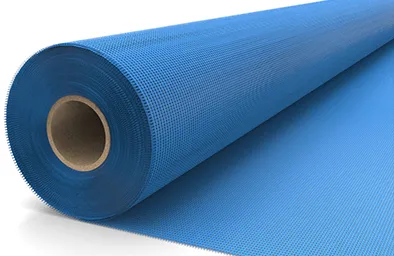
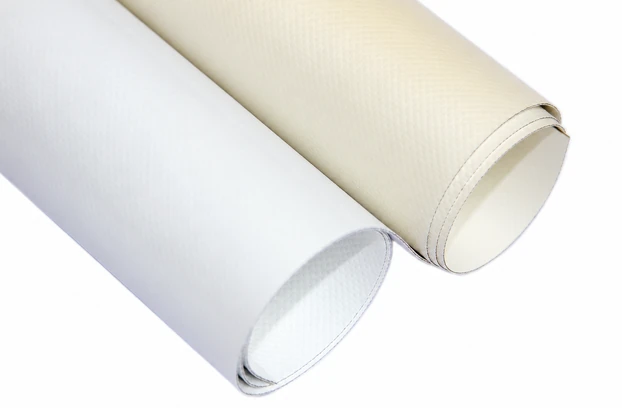
For buyers looking for PVC tarpaulin material suppliers, it also helps to clarify whether the material will be converted locally or made into finished covers by LonaTarp. The answer changes roll width, packing, surface finish, welding requirements and the way samples should be checked.
Read More

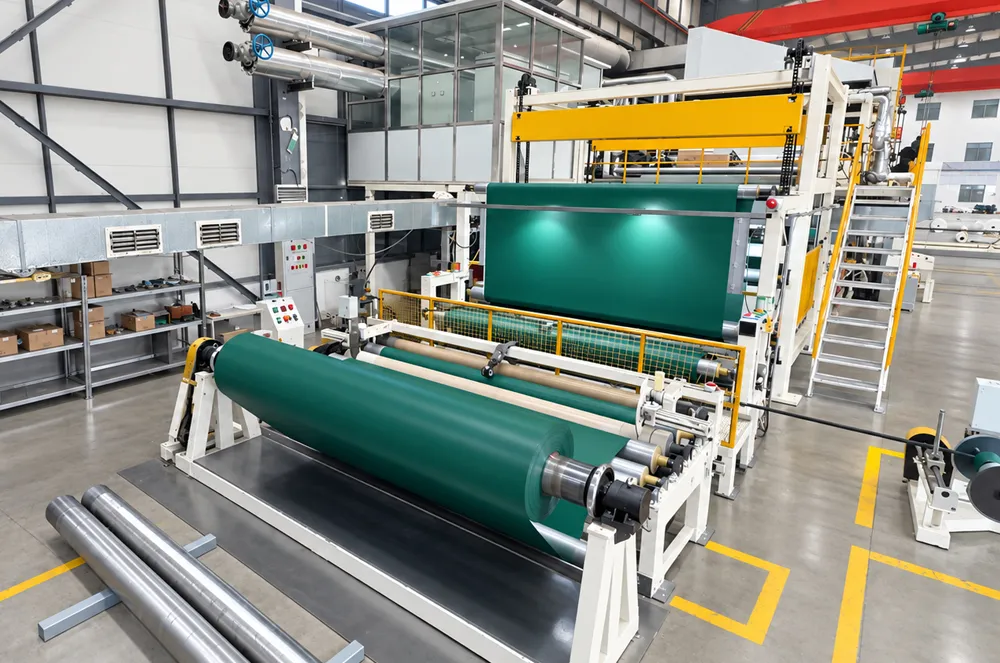
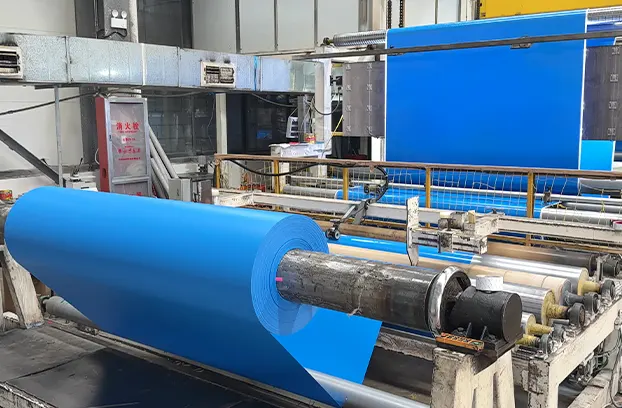
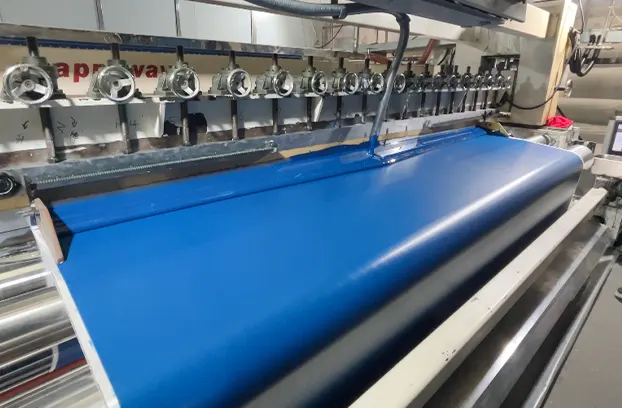
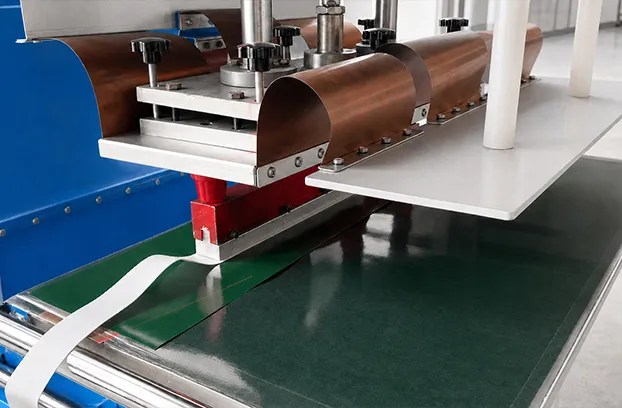
No.1 Knife Coating Production Line

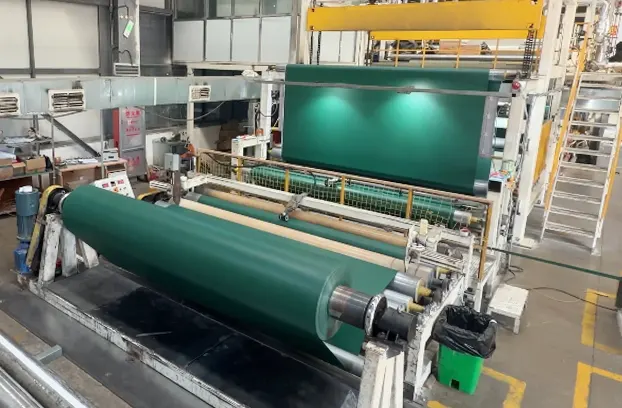
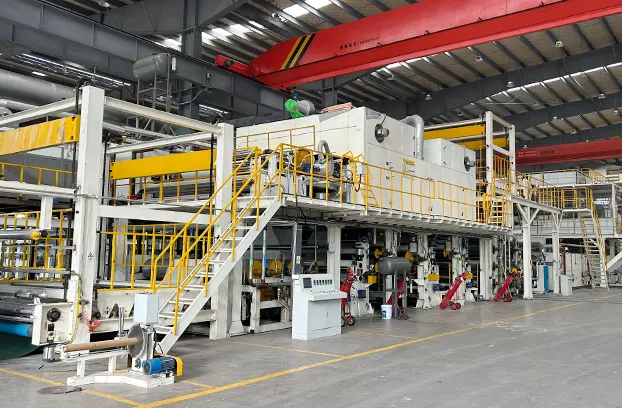
No.2 Hot Lamination Production Line

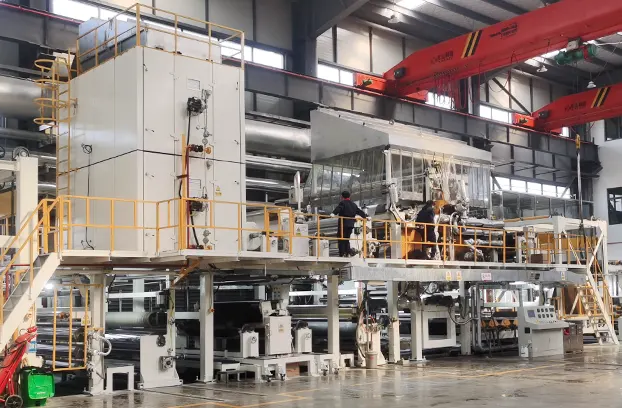
No.3 Hot Lamination Production Line

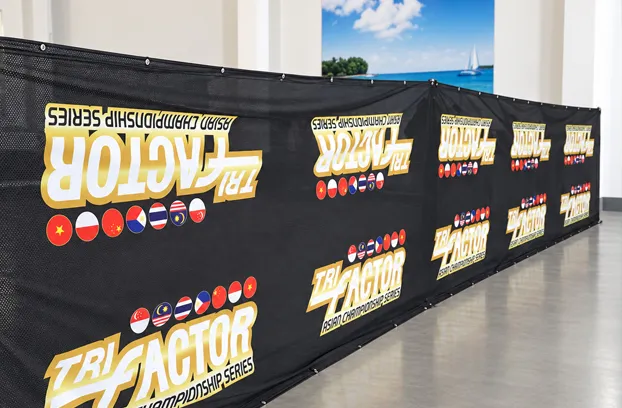
No.4 Finished Tarps Production Line

You May Also Like