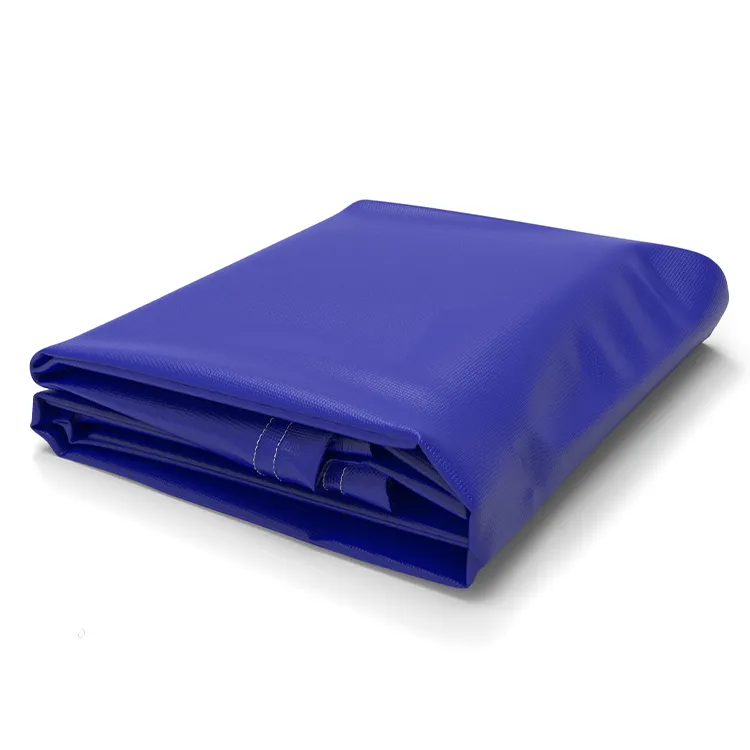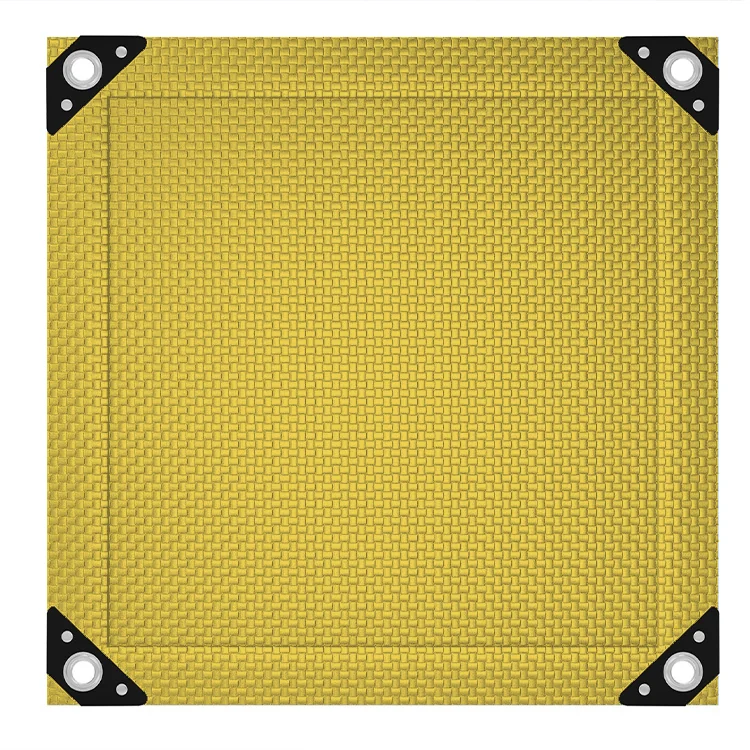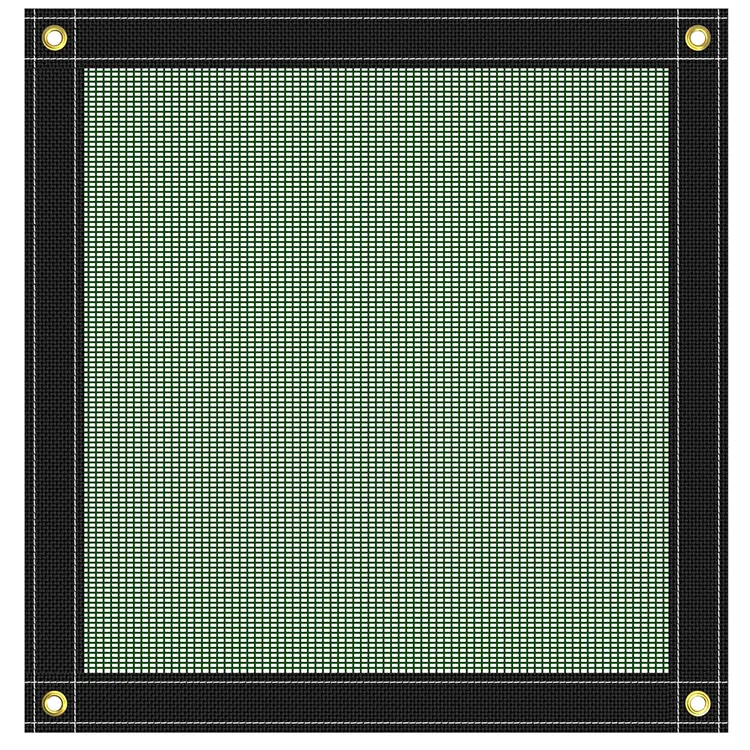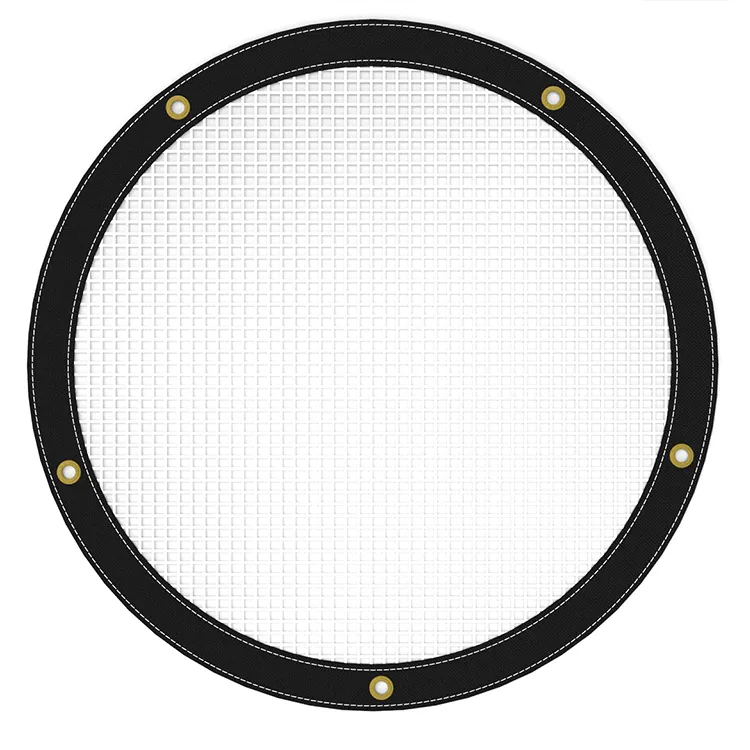


A transparent plastic tarp sounds simple until the buyer asks it to stay clear, block rain, hold grommets and survive repeated installation. The word plastic does not tell the factory whether the project needs clear vinyl film, transparent reinforced PVC fabric, or a lighter clear plastic sales option.
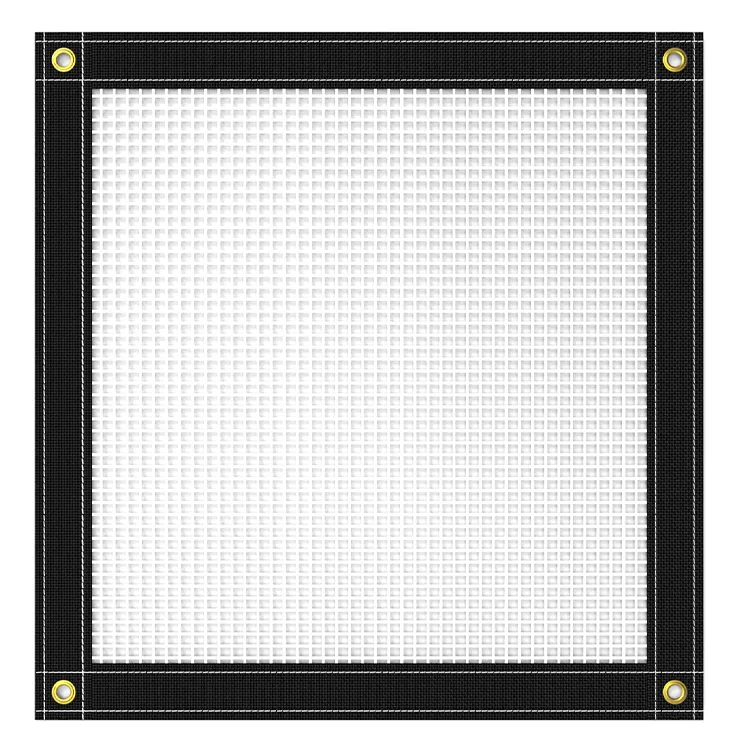
LonaTarp supplies custom transparent plastic tarp solutions for B2B buyers who need visibility and weather protection in one finished cover. Typical projects include enclosure panels, industrial partitions, greenhouse side covers, equipment viewing windows, loading-zone screens and transparent curtains. If the buyer only needs a broad clear tarp range, that should stay with the parent clear tarps page.
Before asking for price, confirm the view area, material direction, thickness or GSM, edge design, grommet spacing, accessory layout, quantity and packing. LonaTarp's core manufacturing direction is PVC coated tarpaulin and PVC composite fabric; PE clear tarp options should only be discussed as a sales option when they match the buyer's budget and duty level.
Do Not Choose a Transparent Tarp by Clarity Alone
The first decision is not only how clear the tarp looks. A transparent tarp used as a fixed panel, a hanging curtain or a removable cover needs different material behavior. A clean clear view is important, but the buyer should also check stiffness, folding marks, scratch risk, edge stress and fixing method.
For a B2B project, split the tarp into three working zones before quoting:
Working zone | What the buyer should confirm | Why it changes the tarp |
|---|---|---|
Viewing zone | Required clarity, light transmission, haze tolerance and scratch concern | Decides whether the project needs high-clarity PVC/vinyl or reinforced transparent fabric |
Stress zone | Hem width, welded edge, sewn edge, webbing and corner patches | Prevents the edge from becoming the first failure point |
Fixing zone | Grommet spacing, edge distance, D-rings, Velcro, zipper or rope pocket | Controls how the tarp is installed, removed or repeatedly opened |
If the project only needs light but not full visibility, a translucent tarp may be enough. If the project needs airflow, a clear mesh tarp may be a better direction. If the project needs a clean view and weather barrier, keep the discussion on clear PVC/vinyl tarp material.
Transparent Plastic Tarp, Clear Plastic Tarp and Clear PVC Material
Buyers may use transparent plastic tarp, clear plastic tarp, transparent tarp or transparent tarpaulin for similar needs. These phrases are useful for search, but they are not enough for production. The material still needs to be confirmed.
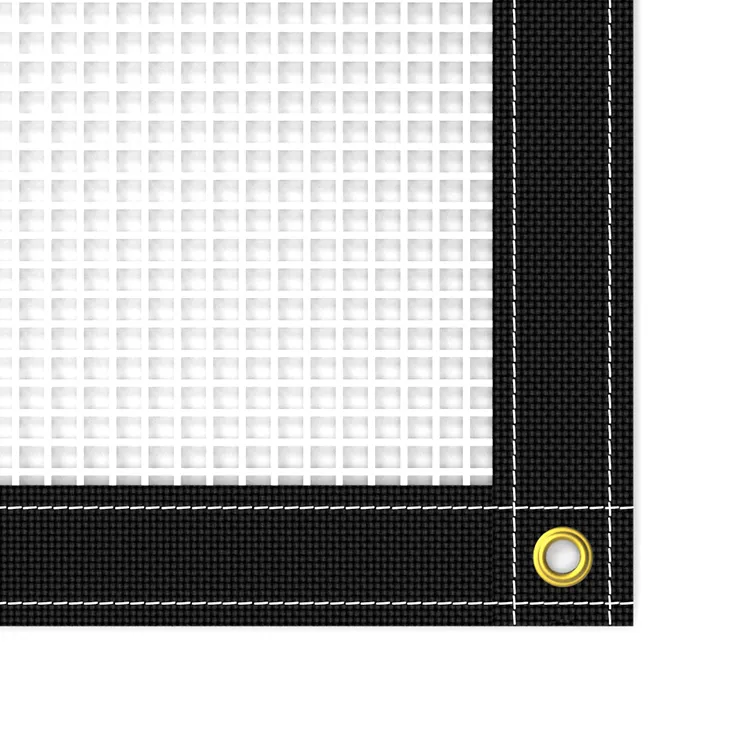
For industrial B2B projects, clear PVC/vinyl material is usually a stronger direction than light clear plastic sheeting when the tarp needs welded edges, grommets, reinforcement or repeated handling. Transparent reinforced PVC fabric adds a polyester grid to improve tear resistance and dimensional stability, but the grid will reduce the glass-clear feeling.
Use this simple material route:
Buyer wording | Better specification question | LonaTarp handling |
|---|---|---|
Transparent plastic tarp | Do you need clear PVC/vinyl or a lighter sales-option plastic cover? | Convert the wording into a real material spec |
Clear plastic tarp | Is the tarp for temporary cover, enclosure panel or repeated fixing? | Confirm duty level before quoting |
Transparent tarpaulin | Should it be reinforced, welded, hemmed or fitted with grommets? | Treat as a finished tarp specification |
Clear PVC tarp | What clarity, flexibility, thickness and edge details are required? | Suitable for PVC composite discussion |
When a Clear Plastic Tarp With Grommets Needs Reinforcement
A clear plastic tarp with grommets should not be specified by grommet spacing alone. If the tarp is pulled tightly, the stress moves from the fixing hardware into the hem and clear sheet. Without the right edge structure, the tarp may wrinkle, stretch locally or tear around the grommet line.
Confirm these fixing details before production:
Finished panel size and tolerance
Vertical, horizontal, roll-up or removable installation
Grommet material, spacing and edge distance
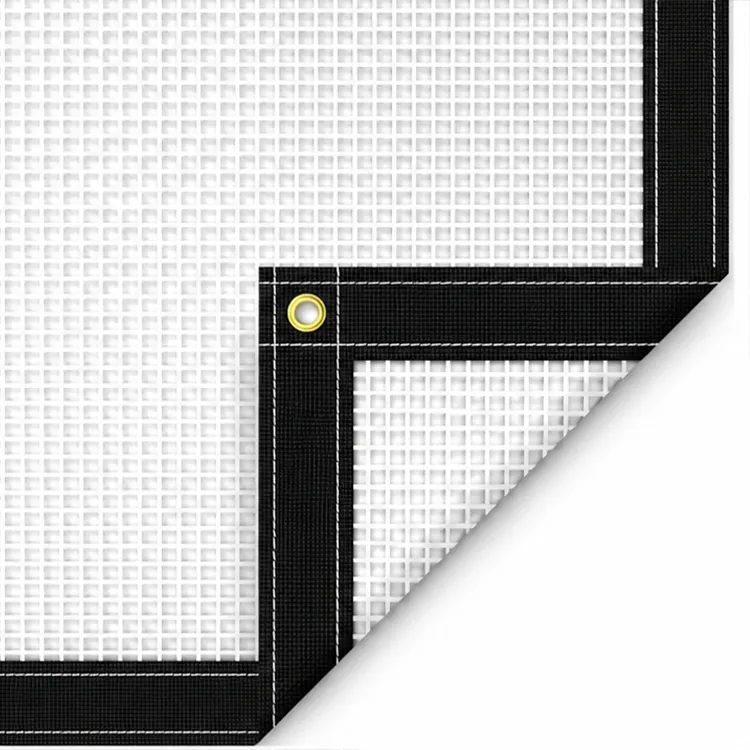
Welded hem, sewn hem, webbing, rope edge or reinforced corner
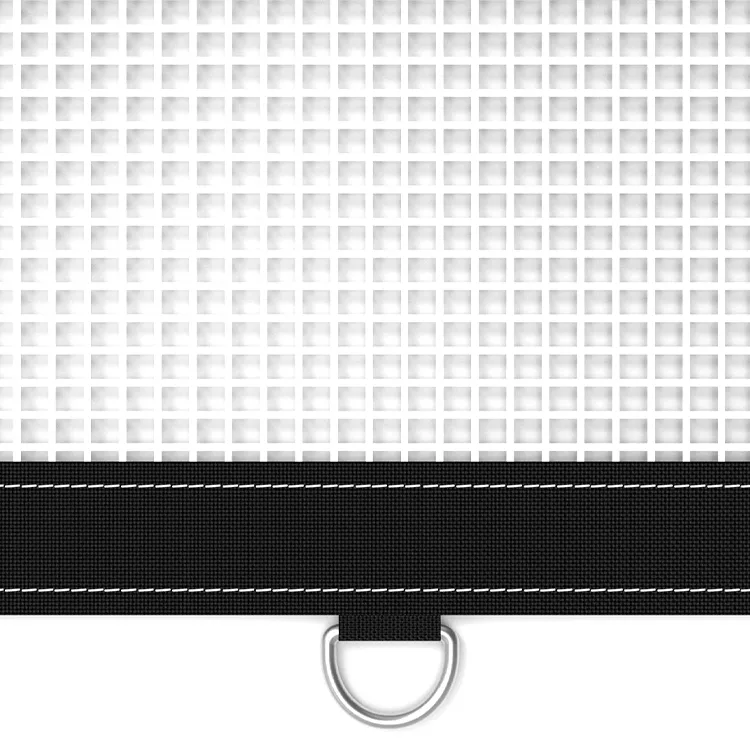
D-rings, Velcro, zipper, straps or rope pockets
Whether the tarp will be folded, rolled, shipped flat or packed with protective film
For larger panels, do not rely on thicker material alone. A thinner panel with a better edge plan can perform more predictably than a thicker clear sheet with weak fixing points.
Transparent Plastic Tarp Applications for B2B Buyers
The best use for a transparent plastic tarp is not every outdoor cover. It works best where the buyer needs a barrier and a line of sight at the same time.
Common B2B applications include:
Industrial partitions where supervisors still need to see through the work zone
Warehouse door curtains or loading-zone screens that block wind and rain
Greenhouse or agricultural side panels where light and inspection visibility matter
Equipment covers with viewing windows for status checks
Temporary construction screens where dust or rain must be controlled without creating a blind wall
OEM enclosure programs that need repeatable size, labels, cartons and export packing
Horizontal use should be reviewed carefully. If water can pool on the panel, the buyer should provide slope, support points and fixing method. A transparent sheet may show deformation more clearly than an opaque tarp, so installation planning matters.
What LonaTarp Needs Before Quoting
Because LonaTarp works on a made-to-order B2B model, a transparent plastic tarp quote should start from the finished use, not from a stock size list. The clearer the specification, the easier it is to confirm material, sample, production method and packing.
Please send:
Finished size: length, width, drawing, tolerance and quantity.
Visibility need: fully clear view, light transmission, transparent reinforced structure or viewing window only.
Material direction: clear PVC/vinyl, transparent reinforced PVC fabric, or PE clear tarp sales option if requested.
Duty level: thickness, GSM, handling frequency, outdoor exposure and folding method.
Edge design: welded hem, sewn hem, webbing, corner patches, rope pocket or zipper.
Fixing hardware: grommet type, spacing, edge distance, D-rings, Velcro or straps.
Branding and packing: logo printing, labels, folding direction, cartons, pallets and OEM packaging.
Documents: CE/SGS/ISO files can be discussed when they apply to the confirmed product and order.
MOQ is 5,000 sqm. Production is made to order, with sample confirmation available before bulk production. Typical lead time is about 15 days after specifications are confirmed.