
Tennis Court Windscreen
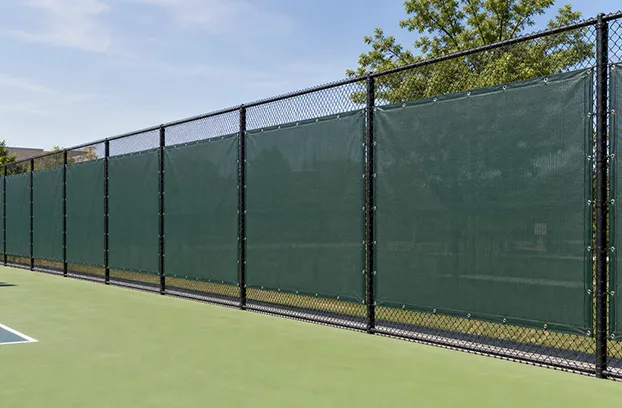
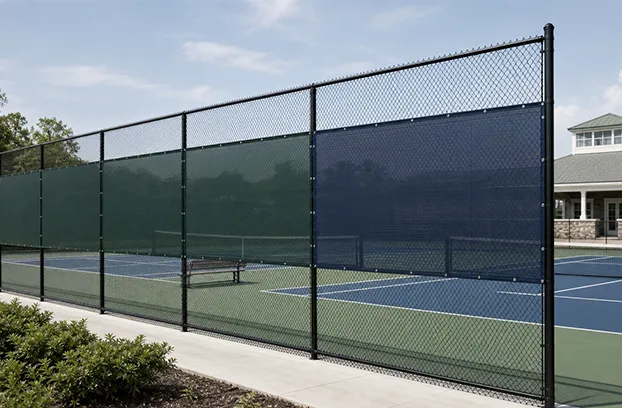
Custom Tennis Court Windscreen Panels for Commercial Facilities
B2B Only, No Retail Sales
5000 ㎡ MOQ | OEM/ODM Available

Requirement & Quote

Tarps Approval

Roll Production

10-Day Processing

Global Shipping
Get a Quote
Get a quote for your exactspecification. Simply enter the detailsof what you’d like, shape, size &colour.
- Completely Bespoke
- Made to Measure
- Hassle Free
Custom Tennis Court Windscreen Panels for Commercial Facilities
A tennis court windscreen should be specified from the fence layout, not from a generic court size. For clubs, schools, contractors and distributors, the screen has to manage airflow, privacy, visual background, fence load, edge strength and branding at the same time. LonaTarp supplies PVC-coated mesh and finished tennis windscreens for made-to-order B2B projects.
We do not sell single retail panels from stock. Orders are produced after the mesh, color, panel size, edge finish, eyelet spacing, logo position and packing method are confirmed. The material-basis MOQ is 5,000 m², and sample approval can be arranged before bulk production.
Measure Each Tennis Court Fence Screen Bay Before Production
A tennis court fence screen is normally divided by fence bays. The buyer should measure from post to post, then mark gates, corners, wind-exposed sides, height changes and any obstruction that may affect attachment. This prevents a supplier from cutting one long panel that is difficult to install or replace.
For tennis court screens, we usually ask for a panel schedule before quoting. A useful schedule includes clear width, clear height, quantity, top and bottom clearance, viewing side, edge finish, attachment method and panel number. If the court has sponsor graphics, the schedule should also mark where each logo begins and ends.
Long perimeter runs can be split at terminal posts so each panel is easier to pack, handle and repair. Final segmentation should still follow the fence structure and local wind review.
Balance Airflow and Privacy in Tennis Court Screen Mesh
Before choosing a tennis court windscreen, buyers should compare airflow, privacy, visibility and fence load instead of judging the mesh only by how solid it looks in a photo.
Tennis court screen mesh can be supplied with different mesh openings, colors and surface treatments. A tighter mesh gives stronger visual screening, while a more open structure allows more air to pass through and may reduce stress on the fence. Buyers needing tennis court privacy screens should confirm how much viewing control is required, whether the court needs a clean ball background, and whether the fence can handle the selected screen density.
In some markets, these products are also called tennis court windbreaks. The wording changes, but the material decision is the same: balance airflow, shade, visibility, privacy and fence load before confirming the final mesh specification.
Match the Edge Finish to the Attachment Method
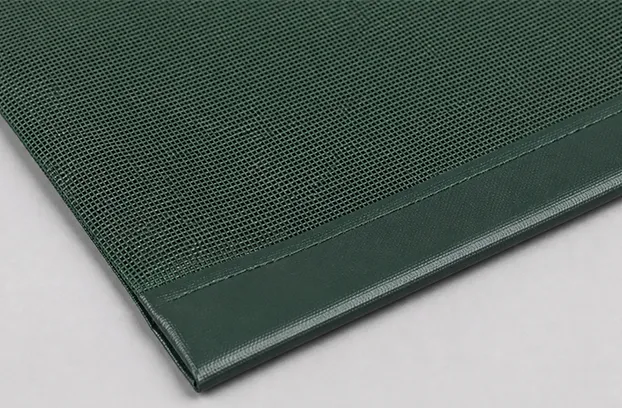
Sewn or welded hem close-up
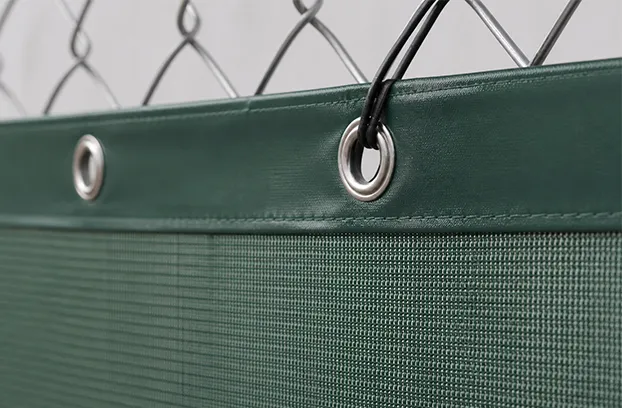
Eyelets / grommets spacing detail
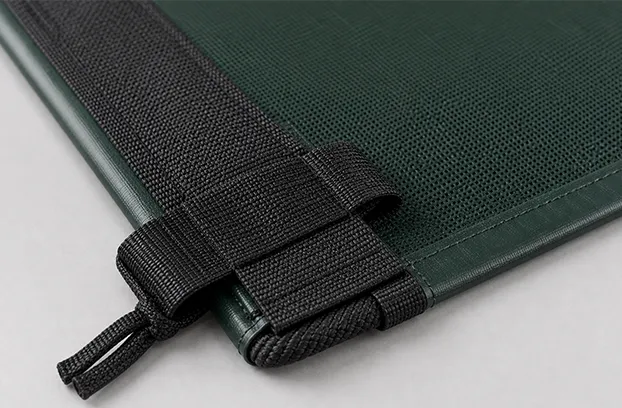
Reinforced webbing or rope edge detail
The edge is often the first part to fail when a screen moves in wind. Before production, confirm whether the project needs sewn hems, welded hems, reinforced webbing, rope edges, eyelets or other attachment details.
The right finish depends on mesh weight, fence height, exposure, tie spacing and how often panels may be removed. For repeat orders, we recommend fixing the edge specification in writing, including hem width, reinforcement layer, eyelet material, eyelet spacing, corner treatment and packing direction. This makes future replacement panels easier to match with the original batch.
What Changes the Project Cost?
Tennis court windscreen cost changes with mesh type, panel size, total area, edge reinforcement, eyelet layout, printing method, packing requirement, sample approval and inspection requirement.
| Cost Factor | Why It Matters | What the Buyer Should Provide |
|---|---|---|
| Mesh type | Affects airflow, privacy, visibility and fence load. | Mesh preference, privacy level or site photos. |
| Panel size and total area | Determines material use, cutting, packing and installation planning. | Panel width, height, quantity and court layout. |
| Edge and eyelet design | Changes fabrication cost, attachment strength and replacement consistency. | Hem type, reinforcement, eyelet spacing and corner details. |
| Printing requirement | Adds artwork review, color control and production steps. | Logo file, viewing side, size and color reference. |
| Packing, testing and inspection | Affects lead time, documents and final delivery cost. | Packing method, target market, certificates or inspection needs. |
Not sure what you need? Please send your fence layout, panel size, mesh preference, edge finish, eyelet spacing and branding requirements. We will help you select the right tennis court windscreen solution for your project.
Send Your Court Schedule for a Project Quote
o quote a tennis court windscreen project, send the fence elevation, panel width and height, quantity, mesh preference, color, edge finish, eyelet spacing, logo artwork, packing requirement and target market.
If you are not sure which mesh works best, send photos of the fence and tell us whether privacy, airflow or printed branding is the first priority. LonaTarp will review the project as a made-to-order B2B supply request and help confirm the PVC-coated mesh route, fabrication details and sample approval steps before bulk production.
A short note for related courts: if your project also includes pickleball facilities, keep those requirements in a separate panel schedule so the court layout, fence height and branding can be checked independently.
Tennis Windscreens FAQ
What information do you need to quote a tennis court windscreen project?
Please send the fence layout, panel width and height, quantity, mesh preference, color, edge finish, eyelet spacing, logo artwork if required, packing method and target market. Photos of the fence are also helpful.
Do you sell tennis windscreens from stock?
No. LonaTarp supplies made-to-order tennis windscreens for B2B projects. We do not sell single retail panels from stock. Production starts after the mesh, size, color, edge finish and packing details are confirmed.
How should we measure a tennis court fence screen?
Measure each fence bay from post to post, and mark gates, corners, height changes and wind-exposed sides. A clear tennis court fence screen schedule helps avoid oversized panels that are difficult to install or replace.
Which tennis court screen mesh should we choose?
The right tennis court screen mesh depends on airflow, privacy, visibility and fence load. A tighter mesh gives stronger screening, while a more open mesh allows better airflow and may reduce pressure on the fence.
Can we add school names, club colors or sponsor logos?
Yes. We can support logo, color and panel customization based on confirmed artwork. Large letters and simple graphics usually perform better on mesh than small text or fine details.
Are tennis court privacy screens suitable for windy locations?
Yes, but the mesh density and attachment method must be reviewed carefully. For exposed courts, tennis court privacy screens should balance visual blocking with enough airflow to avoid excessive fence load.
What affects tennis court windscreen cost?
Tennis court windscreen cost is mainly affected by mesh type, panel size, total area, edge reinforcement, eyelet layout, printing requirements, packing method, sample approval and inspection needs.
Can tennis court screens be split into smaller panels?
Yes. Tennis court screens are usually split by fence bays or terminal posts. This makes the panels easier to pack, install, remove and replace during future maintenance.
Are tennis court windbreaks the same as windscreens?
In many markets, buyers use tennis court windbreaks and tennis court windscreens to describe similar products. The key decision is still the same: choose the right mesh opening, edge finish and attachment layout for the court conditions.