What Is PVC Coated Polyester Mesh?
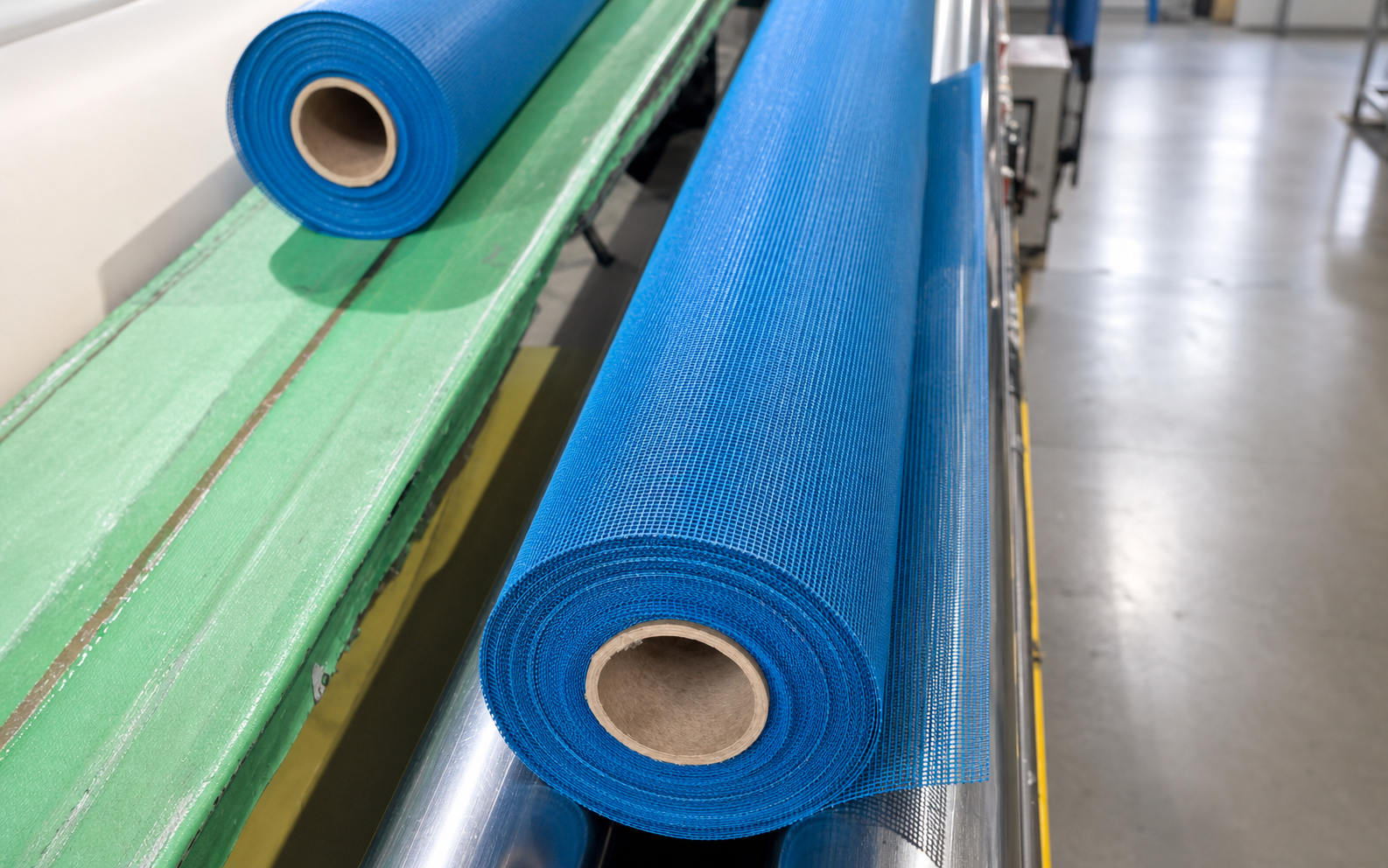
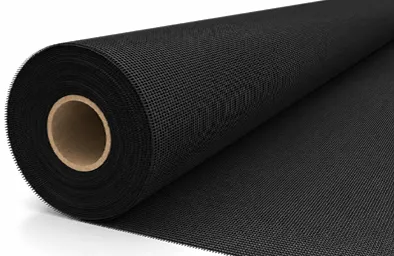
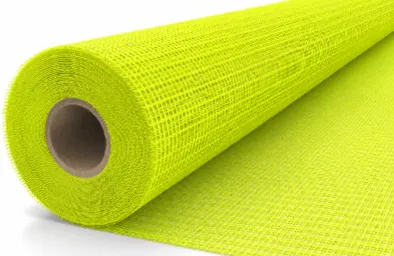
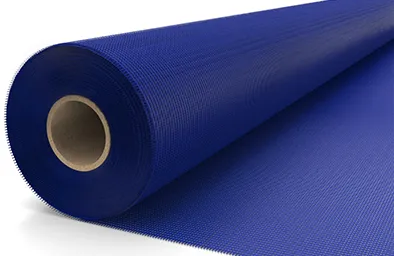
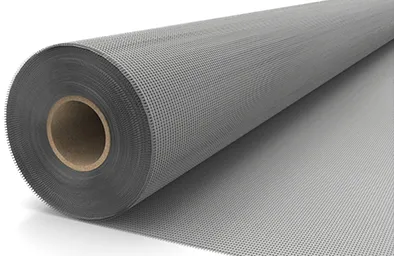
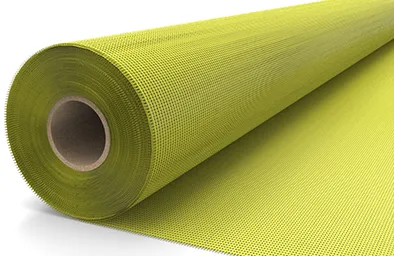
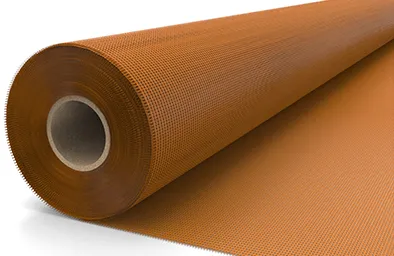
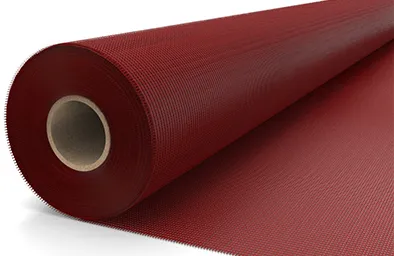
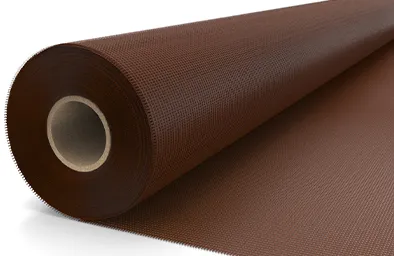
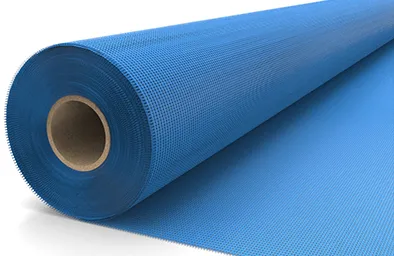
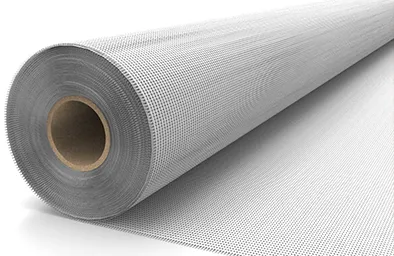
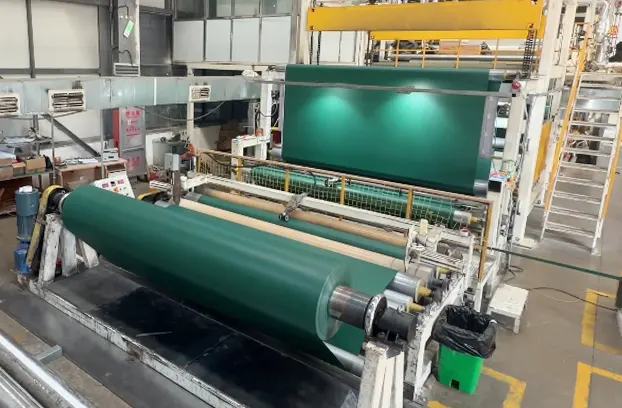
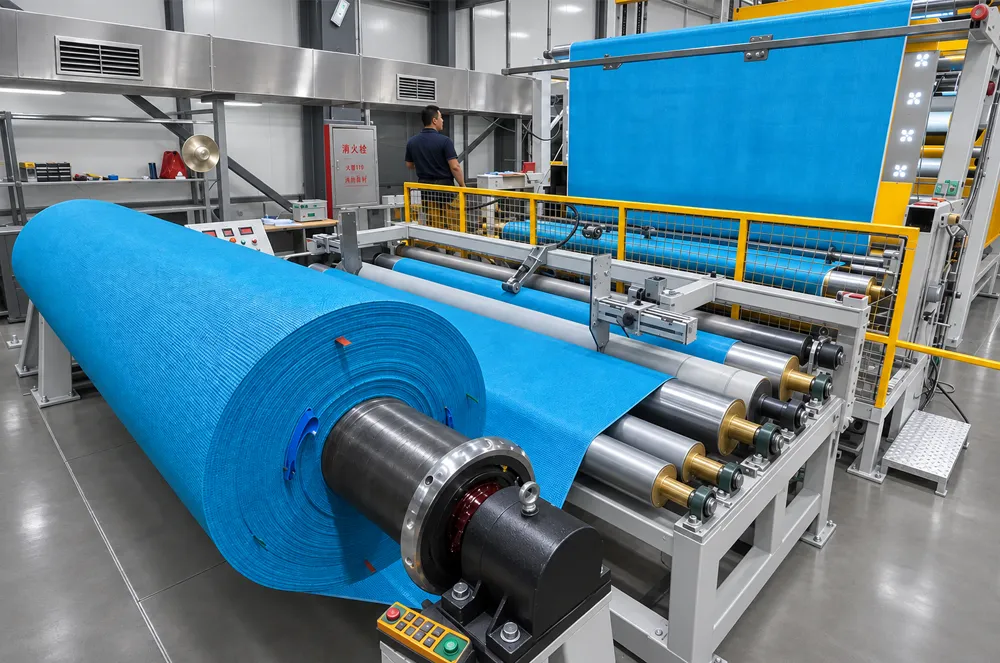
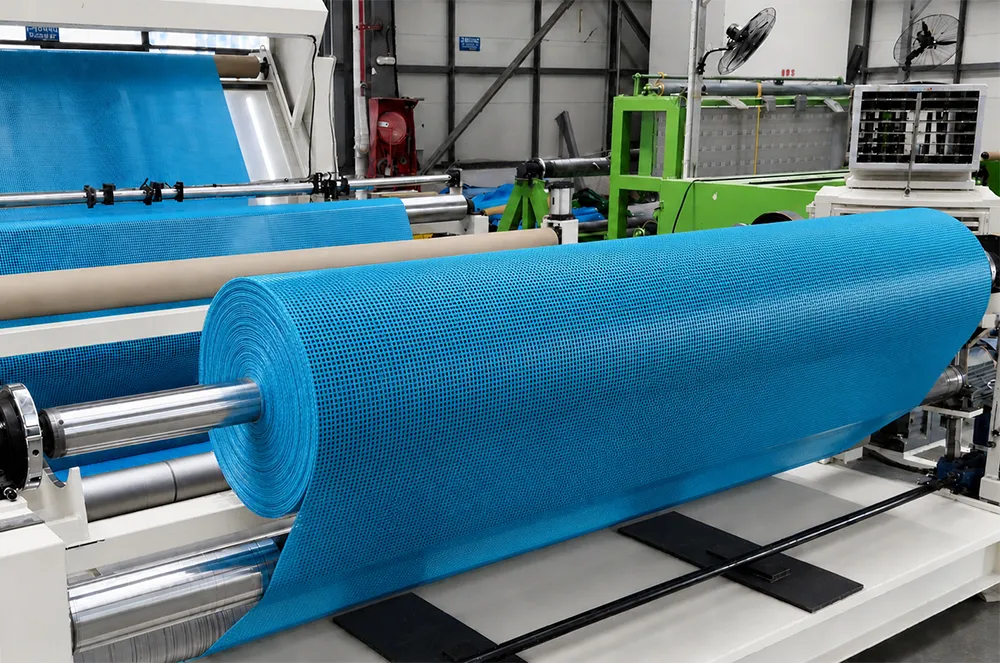
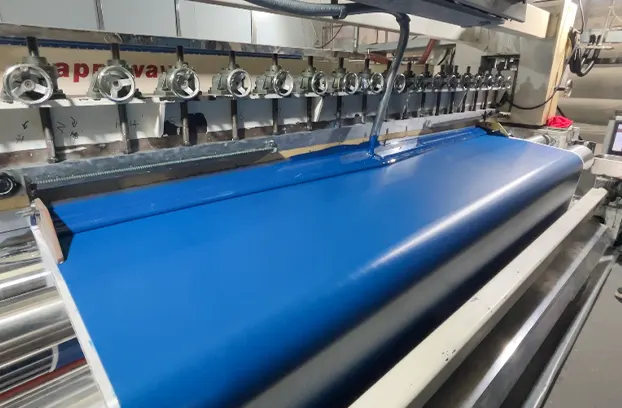
PVC coated polyester mesh is a polyester mesh base fabric coated with PVC. The coating wraps each yarn and locks the points where yarns cross, while the openings stay clear. The result is a flexible, open sheet that lets wind, air, light and rain pass through.
Three elements define how it performs:
- Base fabric: woven or warp-knitted polyester, which sets strength, stability and the shape of the openings.
- PVC coating: protects the yarns, fixes the structure and carries color and functional additives.
- Opening: controls airflow, wind release, shade and visibility.
Because it is open, the mesh reduces wind load, keeps air moving and drains rain. For the same reason it is not waterproof and does not stop fine dust. When a product must keep water or dust out, a solid PVC coated tarpaulin is the right material.
Buyers search for this material under several names, including vinyl coated mesh, PVC polyester mesh fabric, PVC polyester coated mesh fabric, coated mesh fabric, vinyl coated synthetic fiber mesh fabric and plastic coated mesh fabric. These names usually describe the same product type, but a name does not define a specification. It also differs from the other meshes we make: Textilene is woven from PVC coated yarns, and clear reinforced PVC is a solid, non-breathable sheet. See all three on our PVC mesh fabric page.
Woven or Warp-Knitted: Choosing the Base
We produce vinyl coated polyester mesh fabric on two base constructions. Both are coated after the base is formed, but they behave differently in use:
| Base | Structure | What it means in use |
|---|
| Woven | Warp and weft yarns interlaced in a regular grid | Even, square openings, a flat surface and good stability in both length and width |
| Warp-knitted | Yarns looped along the length to form the mesh | More freedom in opening shape and size, with a looped structure that holds together at cut edges |
A vinyl coated woven polyester mesh fabric suits panels that need a flat, uniform face, such as printed screens and tensioned fence wraps. A warp-knitted base is worth sampling when the design calls for a particular opening shape or when panels are cut into many pieces. Tell us the finished product and how it is fixed, and we will recommend the base to sample first.
How Opening, Weight and Coating Work Together
GSM shows total mass, not performance. Two vinyl coated polyester mesh rolls with the same GSM can perform very differently once the opening and coating change. Set the opening first, because it decides what the mesh actually does:
| Priority | Opening direction | Trade-off |
|---|
| Wind release | More open | Less shade and privacy |
| Shade and privacy | Tighter | Lower airflow, higher wind load |
| Visibility | More open | Less shade |
| Print quality | Tighter, flatter surface | Less wind release |
| Debris containment | Tighter | Higher wind load |
Then define the rest of the vinyl coated mesh material around that opening:
| Selection point | Why it matters | What to include in the RFQ |
|---|
| Opening | Airflow, visibility, drainage and wind pressure | Target opening, shade or visibility need, or an approved sample |
| Base yarn and construction | Load capacity, dimensional stability and tear behavior | Woven or warp-knitted, or a measurable performance target |
| PVC coating | Protects and bonds the yarns, sets color and surface, affects handling | Surface finish, flexibility and processing needs |
| GSM | Total mass, not overall quality | Target GSM and tolerance for a defined construction |
| Color and surface | Appearance, heat absorption, printing and reorders | Color reference, face/back requirement, printable side |
A heavier coating usually gives a smoother surface for printing and welding and a stiffer hand. A lighter coating keeps the mesh softer and more open. US suppliers often state weight in oz/yd² and openings in holes per inch. As a reference, 1 oz/yd² ≈ 33.9 g/m². Send a US-style spec and we will match it against a physical sample.
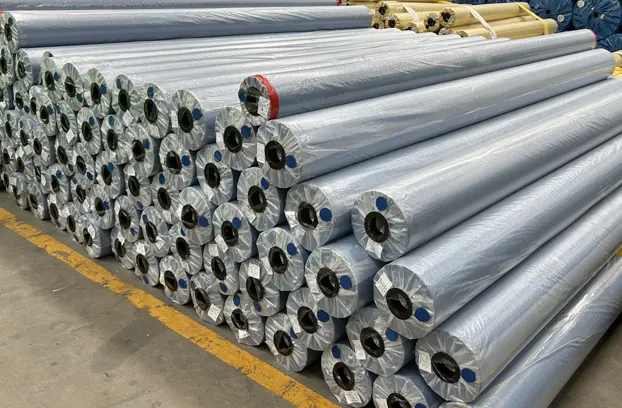
Width and Roll Format Up to 3.2 m
We produce PVC coated polyester mesh in widths up to 3.2 m, and roll length is made to order. Roll format affects cost as much as fabric price does:
- Width: a width that matches your panel size reduces the number of seams and welds, and with them the labor and the weak points in the finished product.
- Cutting yield: choose a width that nests your cutting pattern with minimal offcuts.
- Roll length: longer rolls mean fewer changeovers on cutting and welding lines; shorter rolls are easier to handle and store.
- Joints: agree whether joints are allowed within a roll and how they are marked.
State usable width, roll length, core and packing in your RFQ so every roll arrives ready for your production line.
What Each Finished Product Needs From the Mesh
Start from the finished product, then confirm the material properties it depends on:
| Finished product | What it needs from the mesh |
|---|
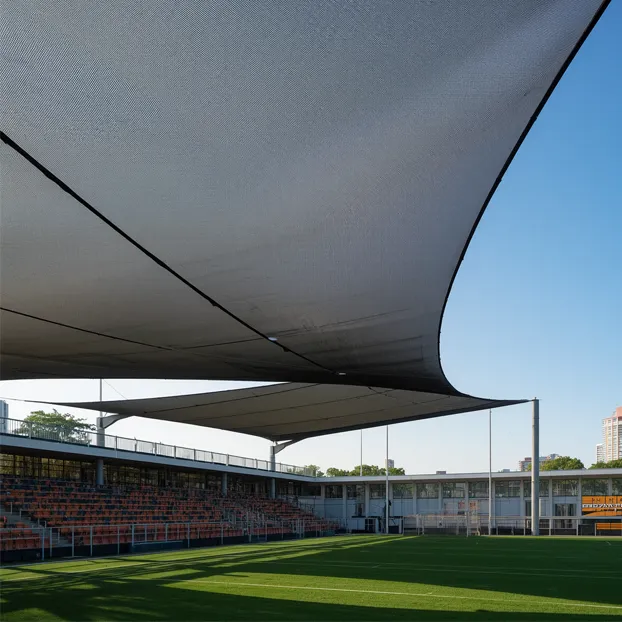
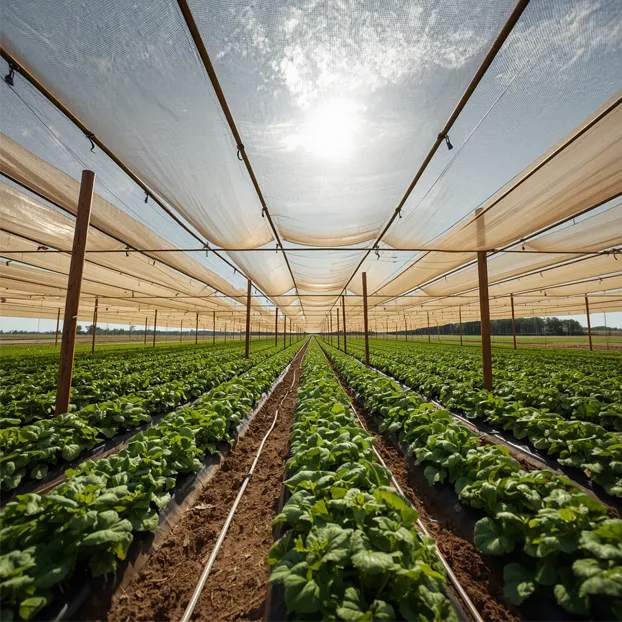
| Shade and ventilation products | An opening and color that balance shade, airflow and visibility; UV stabilization for long outdoor exposure |
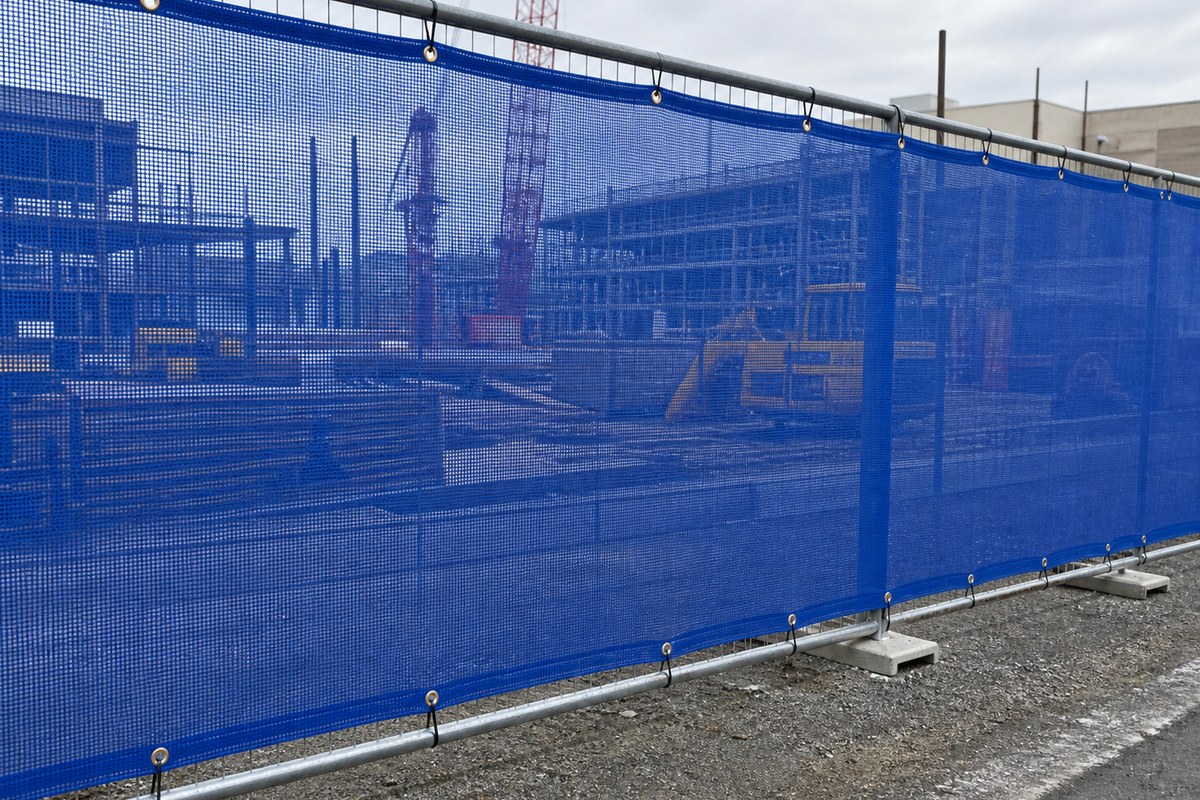
| Fence screens and windscreens | Dimensional stability under constant tension and wind; a surface that holds print if the screen is branded |
| Mesh tarps for transport | Tear and abrasion resistance against flapping and contact with loads; a coating that bonds well at welded edges |
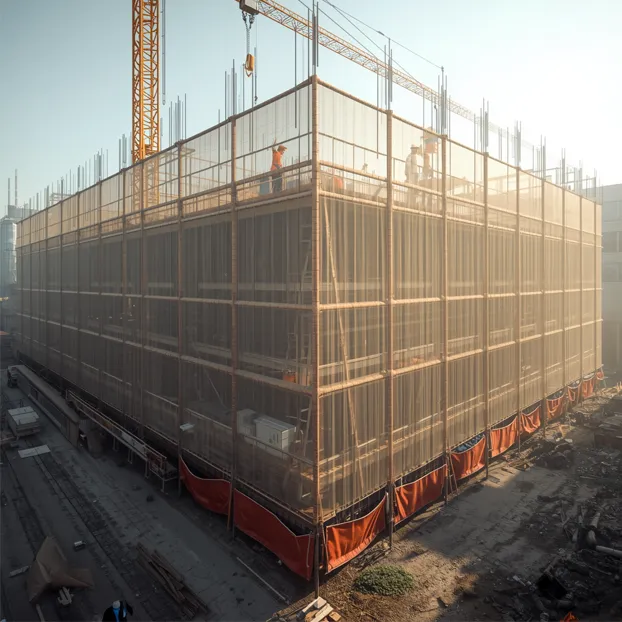
| Printed banners and building wraps | A flat, tight surface for sharp print, with enough opening to release wind |
| Outdoor furniture and sewn products | A suitable hand and flexibility, an even opening and stable seams |
For vinyl mesh shade fabric, confirm shade, airflow and see-through on a sample panel in the intended color before you approve bulk.
Welding, Sewing and Printing Coated Mesh
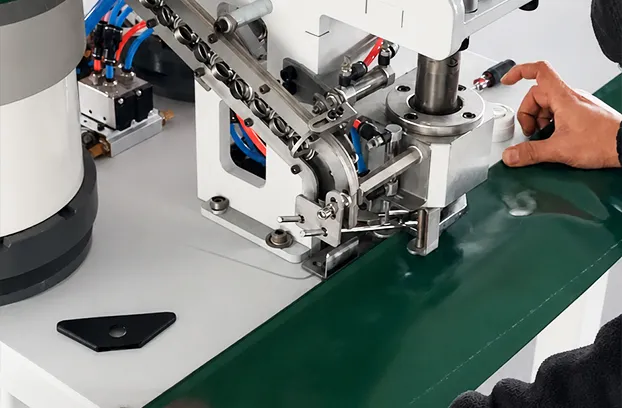
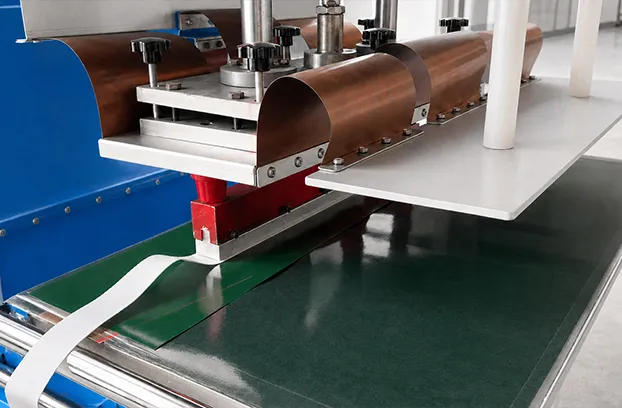
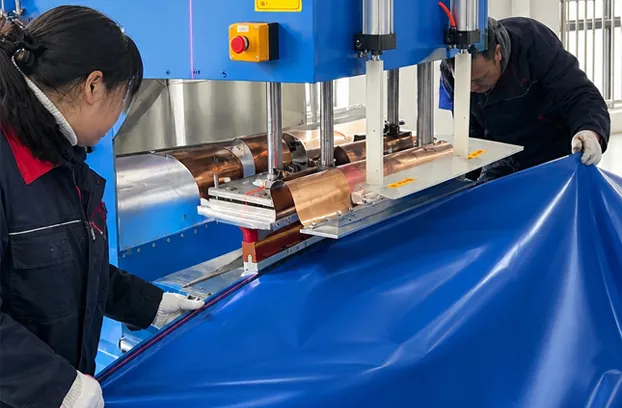
Our PVC coated mesh can be high-frequency welded, heat sealed and printed. The open structure changes how each process behaves, so run a trial on the construction you plan to order:
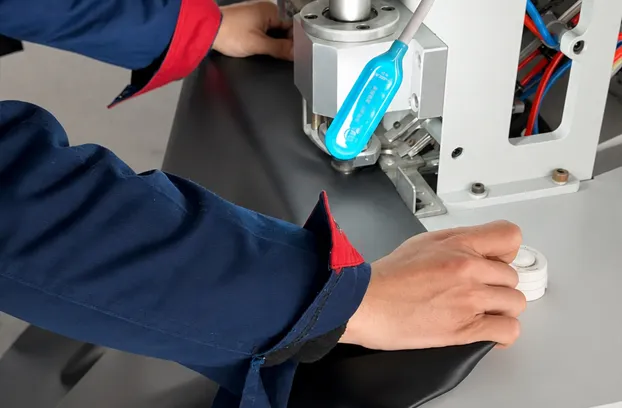
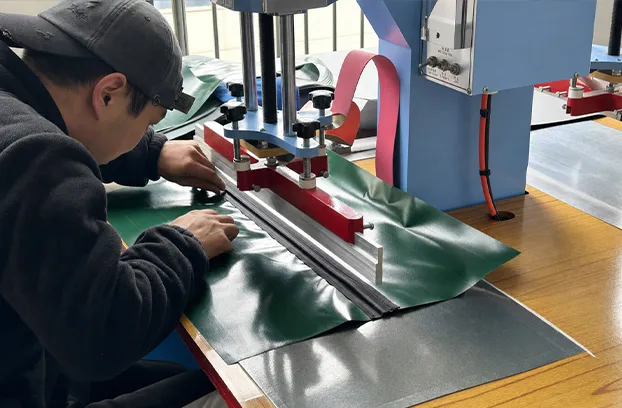
- High-frequency welding and heat sealing: the open structure leaves less coated surface to bond than solid fabric, so confirm weld width, temperature and pressure on the actual mesh.
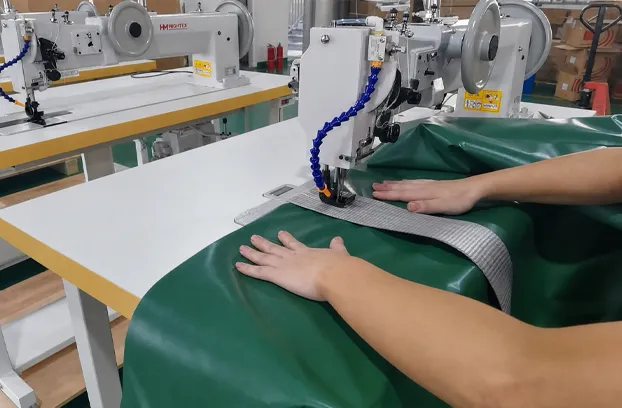
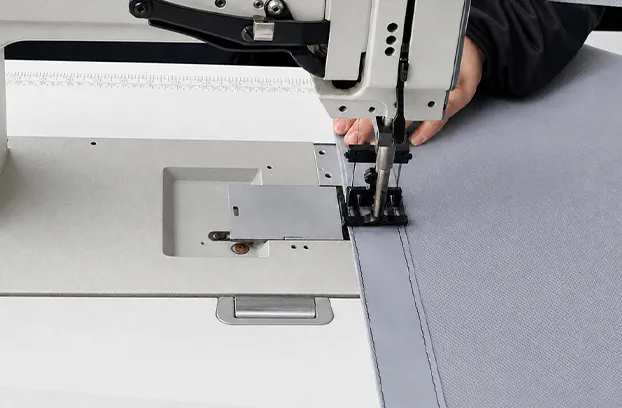
- Sewing: check needle holes and seam slippage. Heavy-duty needles, polyester thread and a walking-foot machine help feed the coated surface evenly.
- Printing: ink sits on the coated yarns, not in the openings. Test adhesion, sharpness and color with your own inks and settings.
- Cut edges: check whether edges stay stable or need hemming, binding or welding.
Once the trial is approved, that construction is locked for bulk production.
Functional Finishes in the Coating
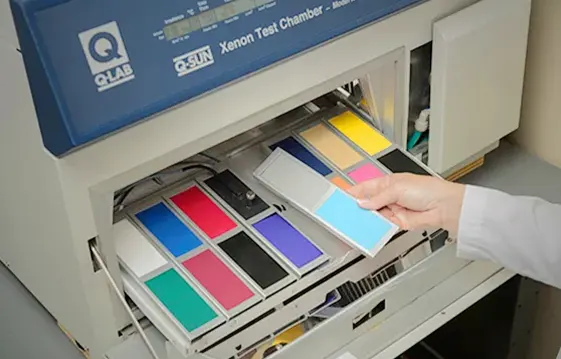
Functional performance is built into the PVC coating compound to match each order. Options include UV stabilizers, flame retardant formulations, anti-mildew treatment and cold-resistant formulations. A vinyl coated polyester mesh material for UV exposure, for example, is formulated differently from one for an indoor or cold-climate use.
Because finishes are selected per order, state the end market, the standard or test method your customer uses, and the acceptance level in your RFQ. We match the formulation to that requirement and confirm it on a sample. For an overview of performance options across all our meshes, see the PVC mesh fabric page.
Keeping Bulk Rolls Consistent With the Sample
Most problems in mesh orders appear between the approved sample and the delivered rolls. Agree on these points in the purchase order:
| Control point | What to confirm |
|---|
| Material identity | Base type and construction, PVC coating, color, face/back and approved reference |
| Dimensions | Usable width, GSM tolerance, roll length and joint rules |
| Appearance | Consistent openings, even coating, color match and no surface defects |
| Mechanical needs | Agreed tensile, tear or other tests, with the specified method |
| Converting | Trial seam, weld, print or edge assembly where relevant |
| Color consistency | Approved color reference kept by both sides for bulk and repeat orders |
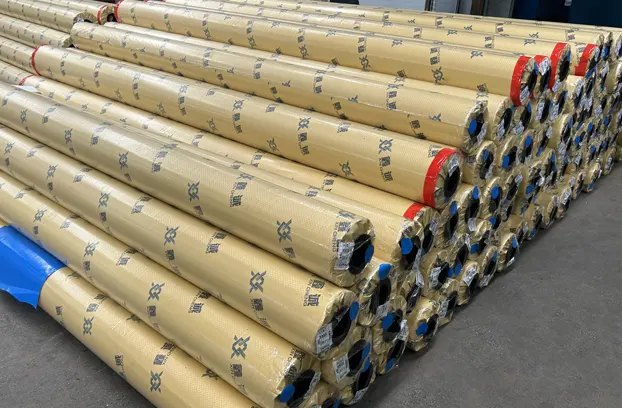
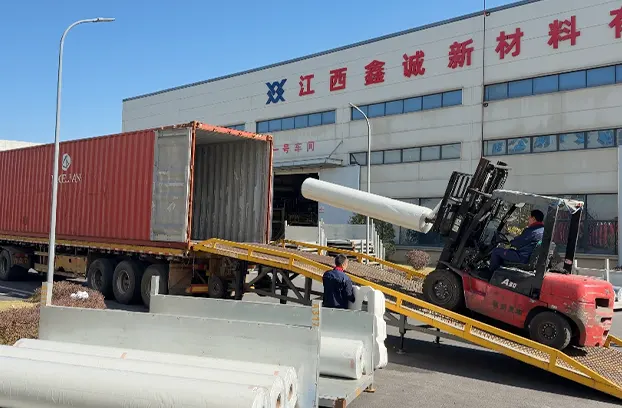
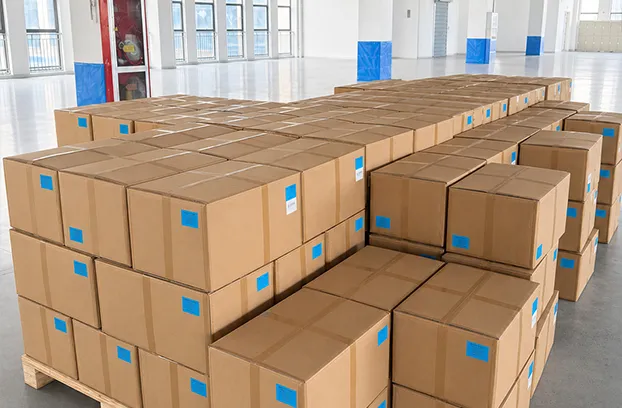
| Packing | Core, wrapping, edge protection, labeling, pallet or container loading |
| Repeat orders | Approved specification, color reference and documented change control |
Ordering PVC Coated Mesh Rolls
Every order is produced to your specification, with no stock rolls. MOQ is 5,000 m². Lead time is typically 15 days and is confirmed per order. Send these details for a quote:
- Finished product and end use
- Base type (woven or warp-knitted), if known
- Opening, weight and color, or a sample to match
- Width (up to 3.2 m) and roll length
- Functional requirements and the standard to meet
- Processing method: sewing, welding or printing
- Quantity in m² and delivery market
- Packing requirements