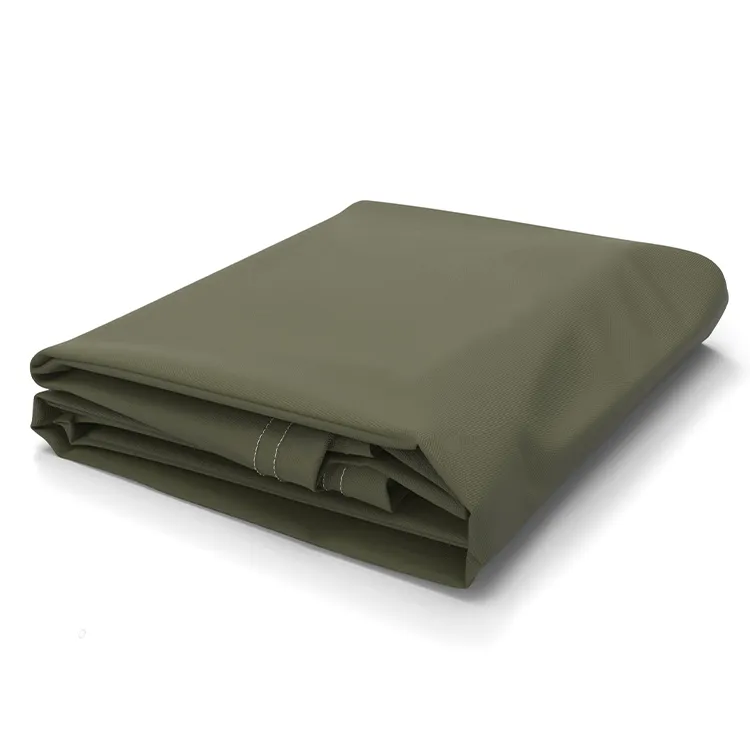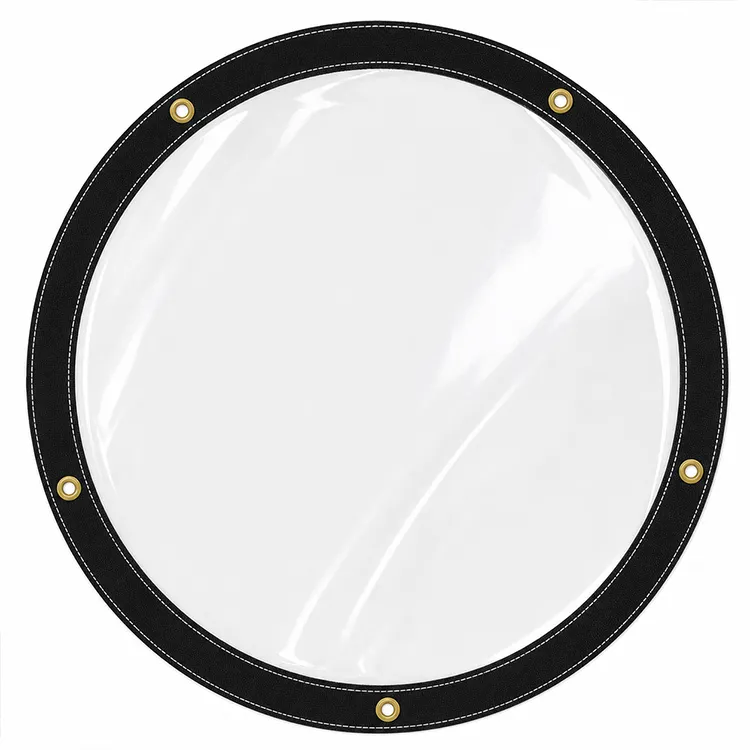




Vinyl Tarps With Grommets for Secure Fixing
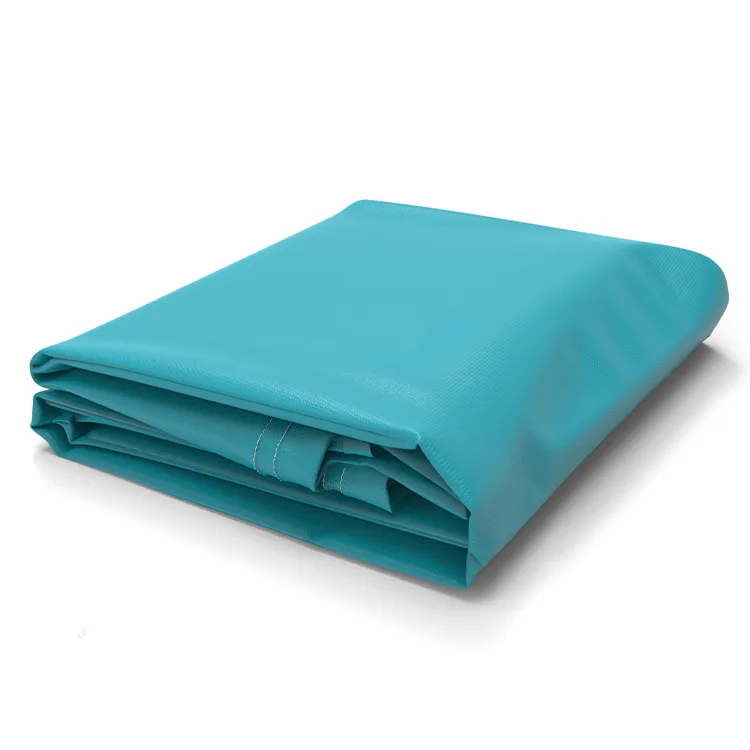
Vinyl tarps with grommets are ordered when the cover must be tied down, hung, pulled across a frame or fixed around equipment. The grommet is not only a metal or plastic ring. It is part of the load path, and the tarp can fail at the edge even when the PVC coated fabric panel is still strong.
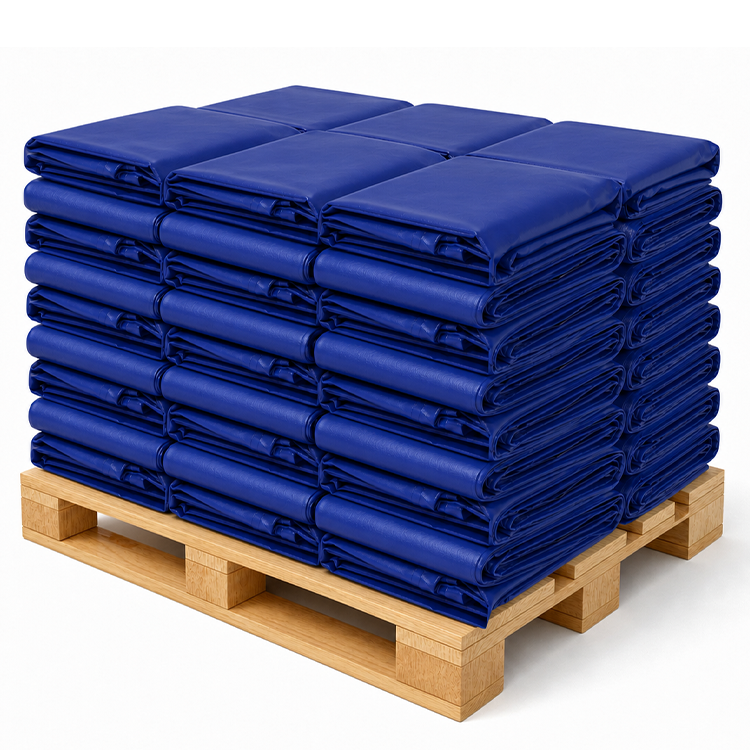
For B2B custom production, LonaTarp reviews grommet spacing, edge distance, hem width, welded seams, corner patches, webbing, rope edge, D-rings if required and the real fixing method before bulk production. The standard MOQ is 5,000 sqm of material, and samples can be checked before the full order is made.
Start With the Fixing Method, Then Choose the Grommet Layout
The correct layout depends on how the vinyl tarp will be fixed. A cover tied to a truck frame, hung as a curtain, stretched over equipment or used as a temporary barrier may need different spacing, edge reinforcement and corner treatment.
| Fixing method | Grommet design question | Why it matters |
|---|---|---|
| Tie-down cover | How far apart are the tie points and what direction is the pull? | Spacing and edge distance affect tear-out risk. |
| Hanging panel | Is the tarp hanging by all grommets or a few main points? | Load may concentrate at the top row. |
| Frame cover | Does the cover wrap around corners or sharp edges? | Corners may need larger patches or webbing. |
| Equipment cover | Are cutouts, openings or access flaps needed? | Grommets near openings need extra reinforcement. |
| Temporary barrier | Will workers remove and reinstall the tarp often? | Repeated handling changes hardware and edge requirements. |
If the buyer only needs to compare material families, the vinyl tarps collection is the parent page. This page is for projects where the fixing line decides success.
A Vinyl Tarp With Grommets Needs a Reinforced Edge
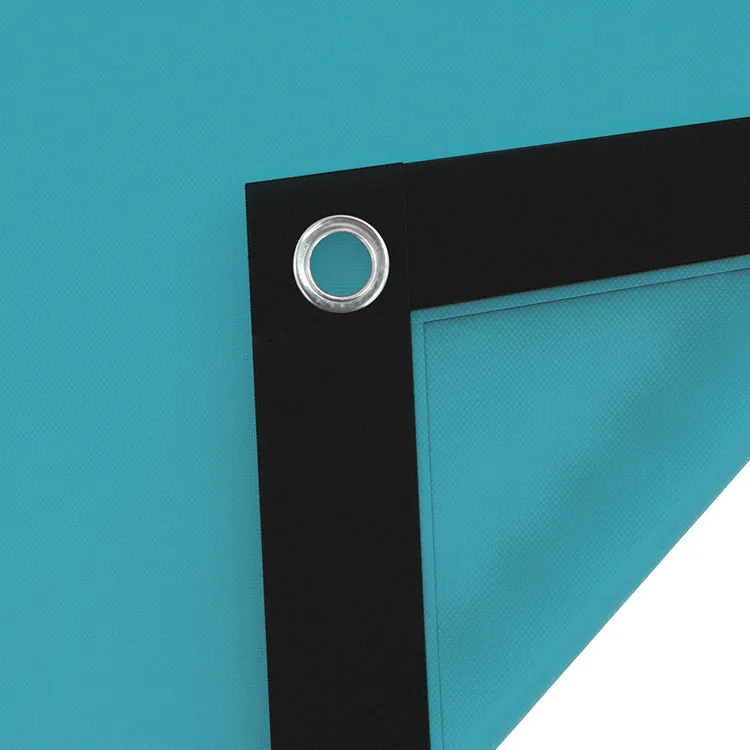
A vinyl tarp with grommets should be designed so the pull is shared by the hem, reinforcement and corner structure. If a grommet is placed too close to the edge, too far from the next fixing point or beside a weak seam, the tarp may tear at the hole before the main panel wears out.
| Edge detail | What to confirm | Failure it helps prevent |
|---|---|---|
| Hem width | Width after folding or welding | Pulling force too close to the cut edge. |
| Edge distance | Distance from grommet center to finished edge | Hole tear-out and wrinkled fixing line. |
| Grommet spacing | Equal spacing or custom spacing by drawing | Uneven load and loose sections. |
| Corner patch | Patch size, layer direction and shape | Corner tear under diagonal pulling. |
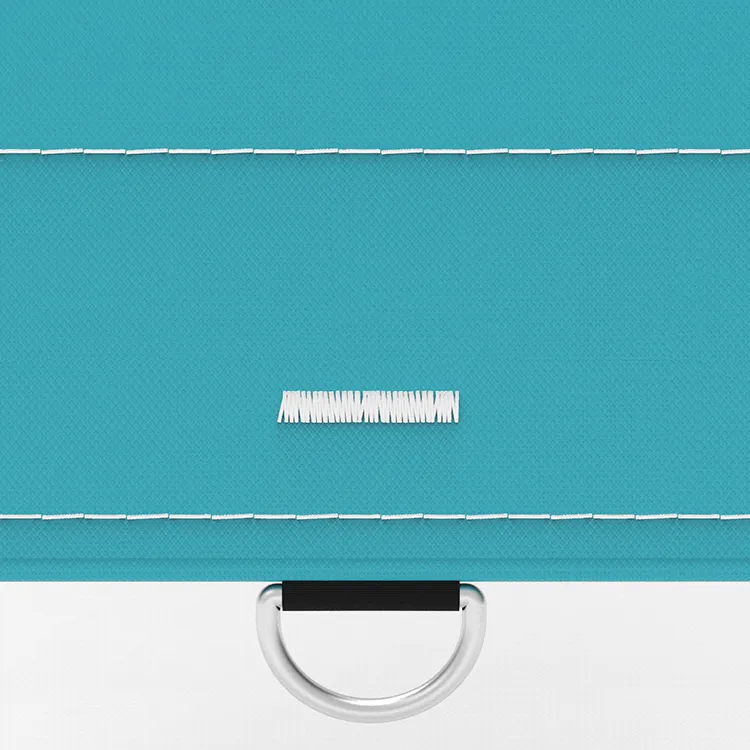
| Webbing / rope edge | Continuous reinforcement along high-load sides | Repeated tie-down damage. |
For heavy duty vinyl tarps with grommets, the edge package is often more important than adding fabric weight alone. A heavier panel with weak hardware planning can still fail early.
Match Grommet Material to Use, Handling and Appearance
Grommets can be metal or plastic depending on the project. Metal hardware may be preferred for stronger tie-down use, while plastic hardware may be considered when corrosion appearance, color matching or softer handling matters. The final choice should be confirmed with the tarp use, expected load, exposure, packing and buyer approval.
The hardware should also match the surface. For white vinyl tarps, washer color and clean punching are more visible. For black vinyl tarps, scratches or gloss change around the hole may need checking. For clear vinyl tarp projects, visibility and edge clarity create a different buyer task, so that page should be reviewed separately.
Welding, Sewing and Hardware Should Be Planned Together
High-frequency welding and hot-air welding can be used for PVC tarp fabrication when the material and seam requirement fit the process. Sewing may still be useful for webbing, accessories or special edge assemblies. The important point is to plan the seam, hem and grommet line together before production.
For large covers, send a drawing that shows finished size, grommet spacing, corner loads, seam position, cutouts and the direction of pull. A drawing reduces misunderstanding and helps the production team review whether the fixing line is realistic.
Quote Custom Vinyl Tarps With Grommets
For an accurate quotation, send finished size, drawing, application, quantity, PVC material expectation, color, hem type, grommet material, spacing, edge distance, corner reinforcement, D-ring or webbing requirement, printing, packing and sample approval needs. If the tarp will be tied under wind or transport movement, include the tie-down method and expected load direction.
FAQs About Vinyl Tarps With Grommets
What grommet spacing should I choose?
There is no single spacing for every tarp. Spacing depends on cover size, pull direction, wind exposure, tie-down method, edge reinforcement and how often the tarp will be removed.
Can LonaTarp make custom vinyl tarps with grommets?
Yes. Send the drawing, finished size, grommet layout, edge design, material expectation and sample requirement before quotation.
Are metal grommets always better than plastic grommets?
Not always. Metal may fit stronger tie-down use, while plastic may fit projects where appearance, corrosion concern or softer handling matters. The choice should follow the application.
Can grommets be added after production?
They can be added in some cases, but planning them before production is better because hem width, reinforcement and hole position should match the load path.
Does LonaTarp sell retail tarps with grommets?
No. LonaTarp works with B2B custom production and a standard MOQ of 5,000 sqm.