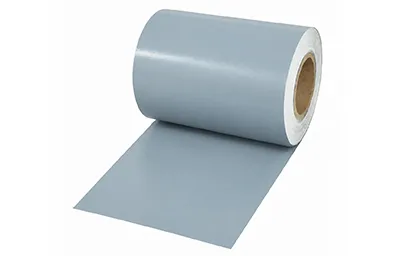
Air Barrier Construction of PVC Airtight Fabric
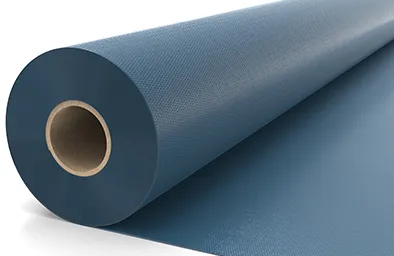
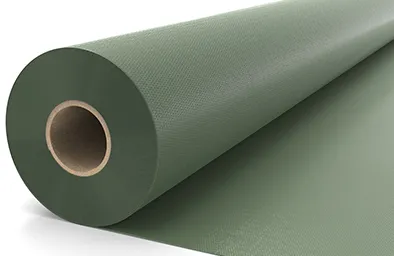
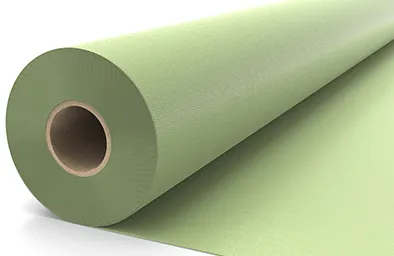
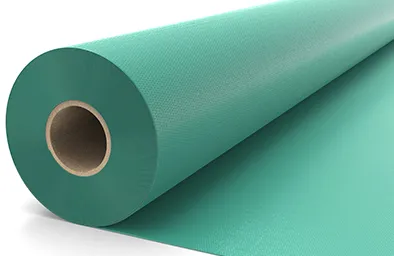
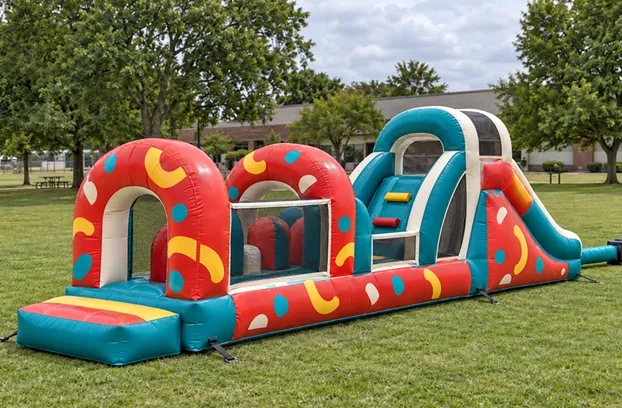
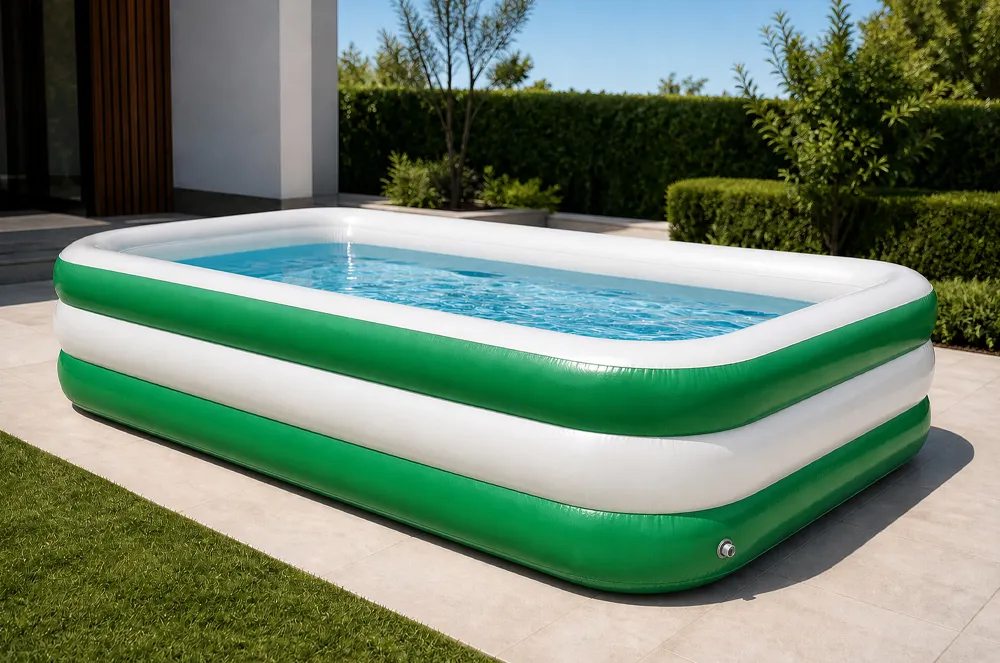
PVC tarpaulin airtight material is a reinforced, low-permeability PVC composite fabric developed for sealed inflatable structures. Unlike conventional waterproof tarpaulin, which is designed primarily to prevent water penetration, airtight PVC fabric must restrict air transmission while maintaining its flexibility and mechanical strength under internal pressure.
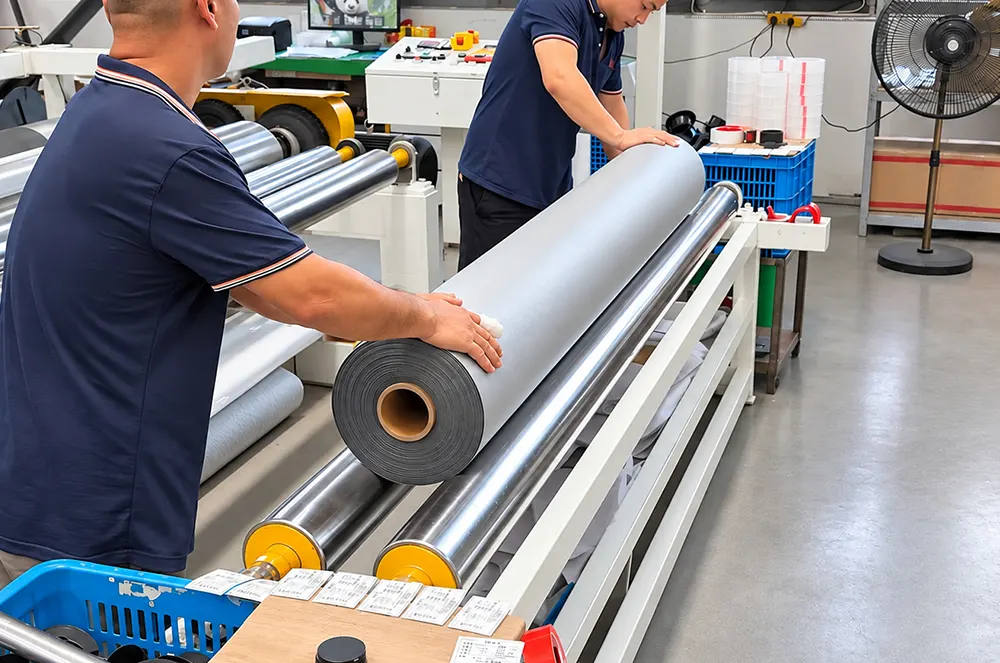
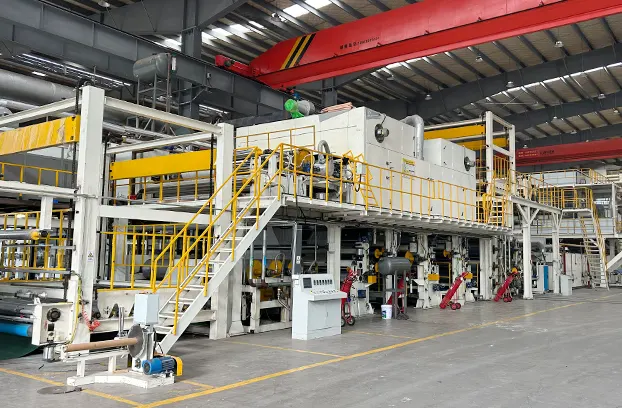
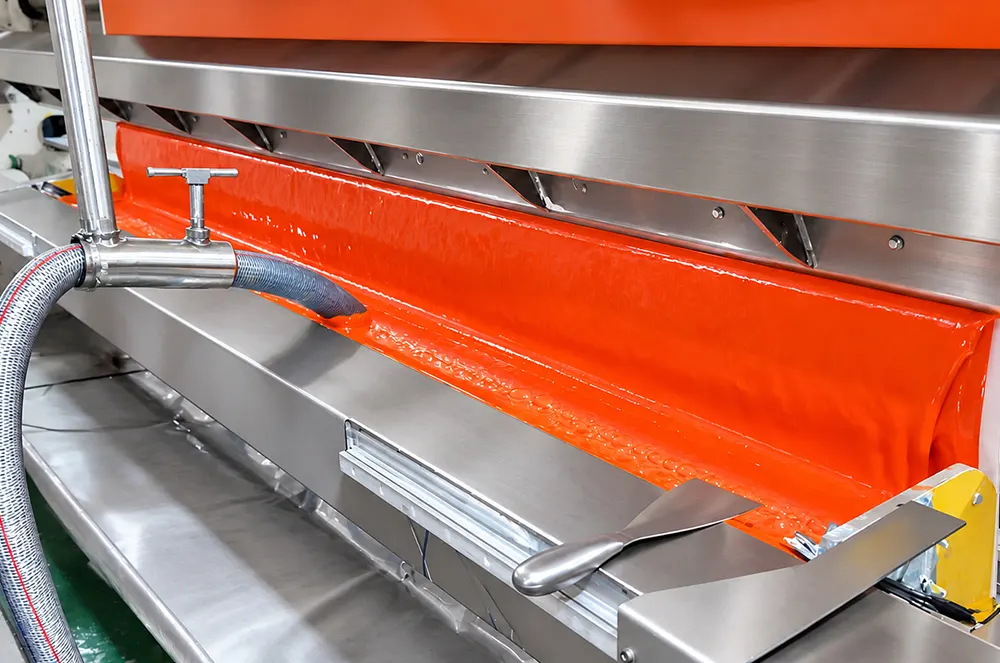
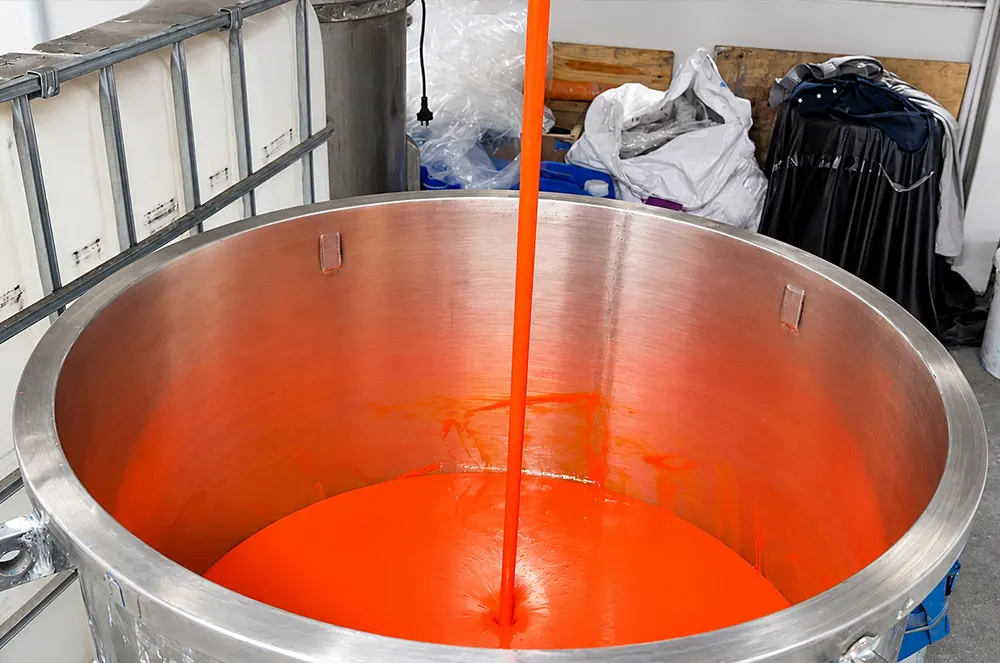
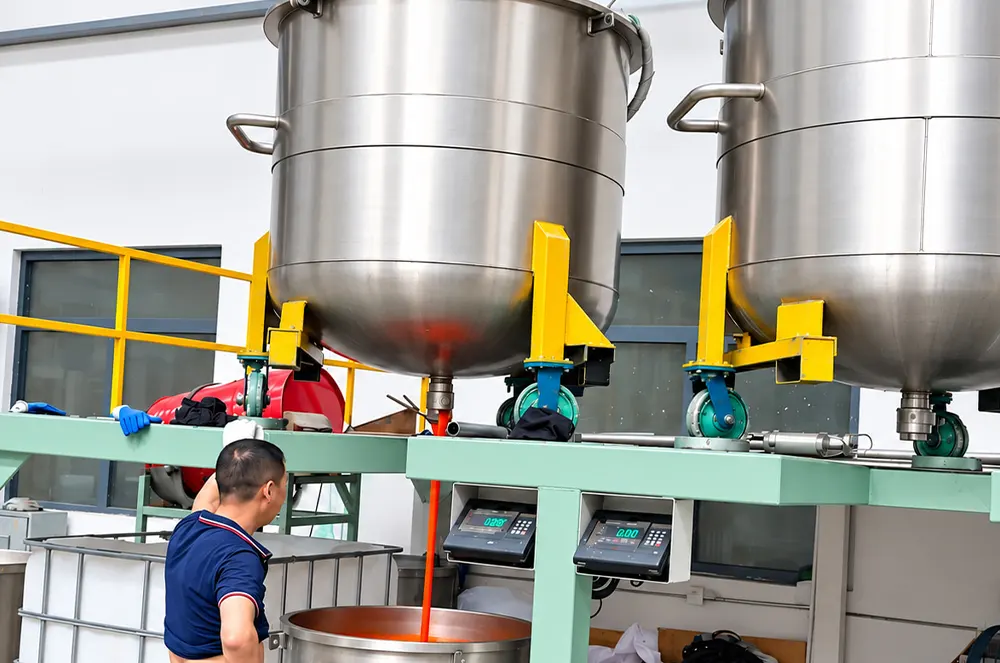
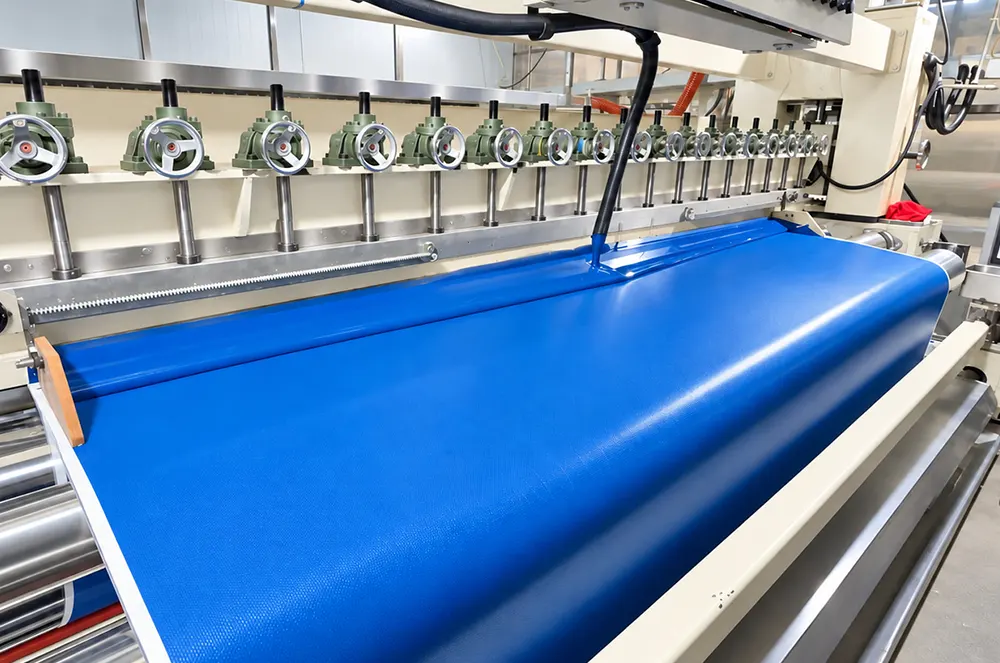
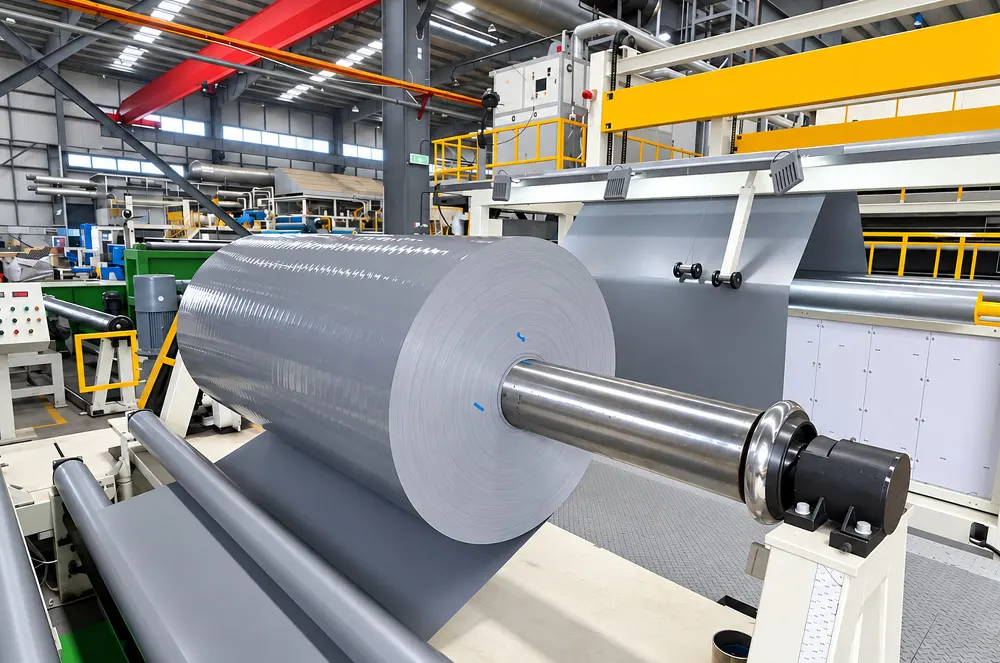
LonaTarp produces airtight PVC tarpaulin through a lamination and impregnation process. During manufacturing, PVC is integrated with the polyester reinforcement, while continuous PVC layers form the primary air barrier. The reinforced fabric carries mechanical loads, and the PVC layers limit the movement of air through the textile structure.
Effective airtightness depends on the integrity of the entire composite construction. Uniform PVC coverage, continuous barrier layers, and strong lamination adhesion help prevent defects that could increase air permeability. The material must also maintain these properties during inflation, bending, and repeated handling.
This combination of low air permeability and reinforced construction allows PVC airtight fabric to be used in inflatable products that require both air retention and structural durability.
Air Retention Performance in Inflatable Products
LonaTarp airtight PVC tarpaulin provides excellent air retention by substantially reducing the rate at which air passes through the material. Its laminated PVC structure creates a reliable barrier, helping sealed inflatable chambers remain inflated for extended periods.
Based on our practical application experience, finished inflatable products made with LonaTarp airtight PVC material can retain air for approximately 30–45 days after inflation. This demonstrates the long-term air-retention capability of the material in actual inflatable products.
Airtight PVC fabric is not completely impermeable to air. A small amount of air gradually passes through PVC composite materials over time. However, the low air permeability significantly slows this process, allowing inflatable products to retain air for much longer than materials without an effective air barrier.
Two factors determine the overall performance of an inflatable structure: the air permeability of the fabric itself and the sealing integrity of the finished product. Properly welded seams, secure valve connections, and suitable product construction work together with the airtight material to support reliable air retention.
The 30–45-day period reflects finished-product application experience rather than a fixed pressure-retention specification for every material grade. Actual pressure retention depends on the inflatable structure and its operating conditions.
Material Performance Under Inflation and Mechanical Stress
Airtightness is the primary requirement of sealed inflatable fabric, but the material must also withstand the forces generated during inflation and use. Internal air pressure places tension on the fabric, while bending, surface friction, and repeated handling create additional mechanical stress.
The polyester reinforcement and PVC composite construction must therefore be selected together to balance air retention, strength, dimensional stability, and flexibility.
| Key Performance | Technical Importance for Airtight PVC Fabric |
|---|
| Tensile Strength | Helps the reinforced fabric withstand tension generated by internal pressure and external loading. |
| Tear Resistance | Limits tear propagation around localized damage and concentrated stress areas. |
| Lamination Adhesion | Maintains bonding between PVC layers and polyester reinforcement during mechanical deformation. |
| Flex Fatigue Resistance | Helps the material withstand repeated folding, bending, inflation, and deflation. |
| Dimensional Stability | Helps control stretching and deformation under sustained tension. |
| Abrasion & Weather Resistance | Protects the material surface against friction, outdoor exposure, and environmental wear. |
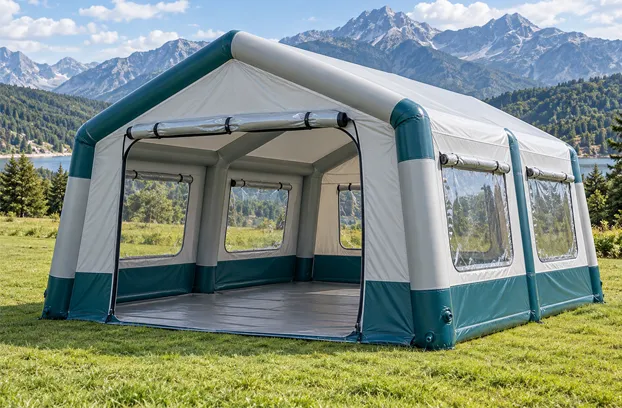
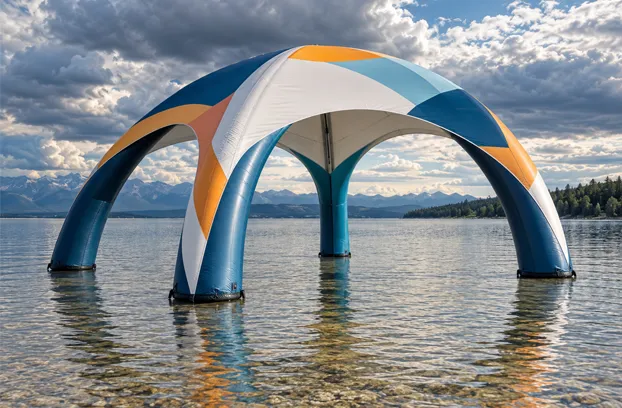
Material selection should reflect the actual inflatable construction. For example, inflatable boat tubes require strong reinforcement and abrasion resistance, while sealed inflatable tent beams benefit from a balance of air retention, flexibility, and repeated folding performance. Industrial inflatable chambers may require additional attention to working pressure, structural loads, and seam strength.
GSM and thickness alone do not determine airtightness or pressure resistance. Polyester denier, weave density, PVC film integrity, lamination adhesion, and the finished product's geometry all influence performance. A heavier material is not necessarily the most suitable choice for every inflatable product.
For specialized flat inflatable panels, such as selected paddle boards and floating platforms, PVC drop stitch fabric provides a different reinforced construction and should be selected according to the required panel structure.
Fabrication Reliability and Airtight PVC Roll Specifications
Airtight PVC tarpaulin must retain its material properties throughout cutting, welding, and assembly. LonaTarp's laminated PVC fabrics can be processed using compatible high-frequency welding and hot-air welding methods, depending on the selected material construction and production equipment.
The strength and sealing quality of welded joints are particularly important for inflatable products. Even when the fabric has low air permeability, unsuitable welding conditions or poorly sealed connections can affect the air retention of the finished structure.
Fabrication and Quality Verification
The following properties should be evaluated when approving airtight PVC material for bulk production:
Lamination Adhesion: Confirm strong bonding between the PVC layers and polyester reinforcement to maintain composite integrity during processing and use.
Welded Seam Strength: Evaluate joint strength, welding compatibility, and sealing performance using representative material samples.
Air-Retention Performance: Verify finished inflatable chambers under agreed inflation pressure, observation duration, and operating conditions.
Custom Airtight PVC Fabric Rolls
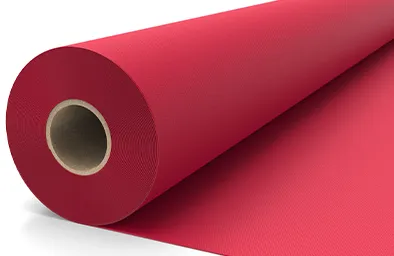
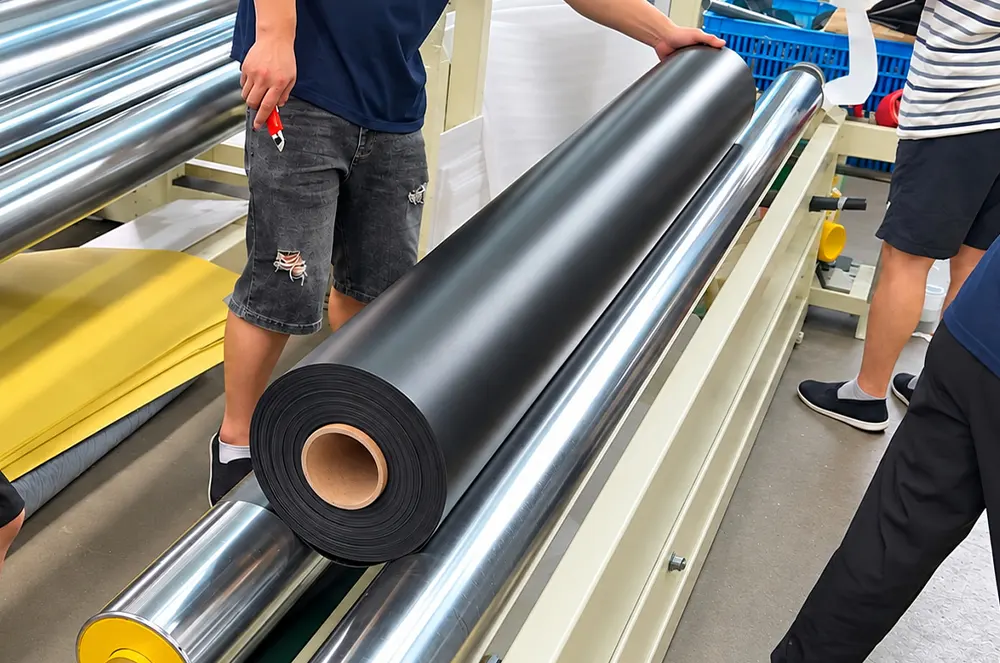
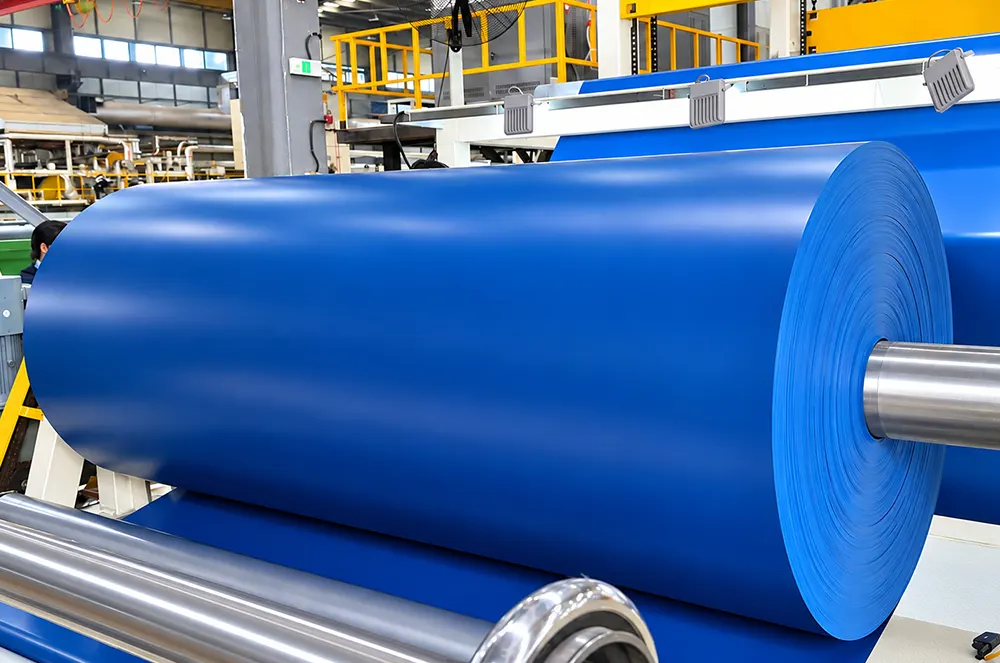
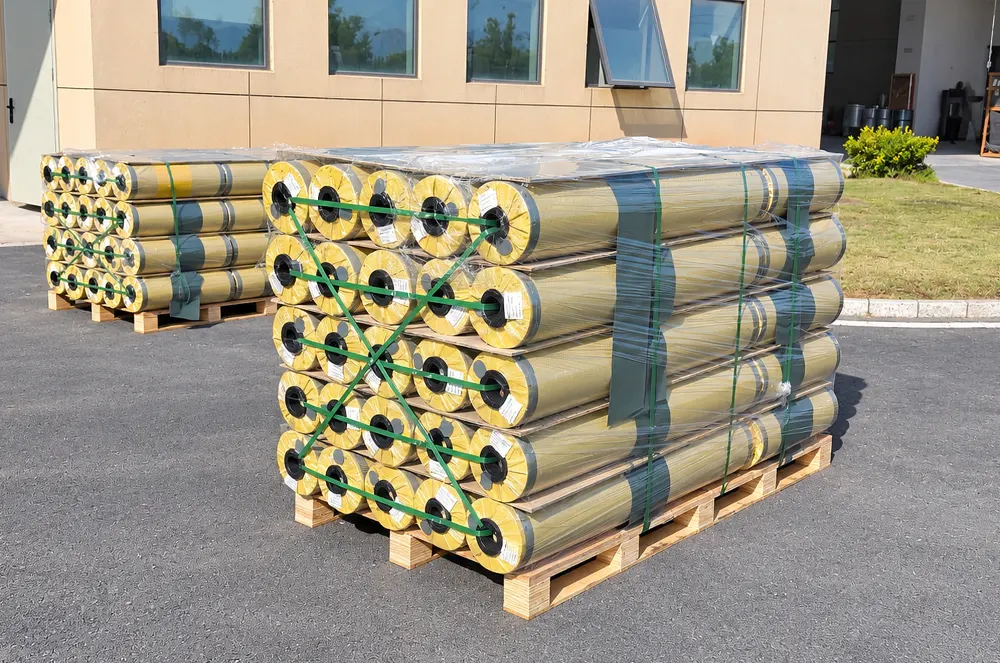
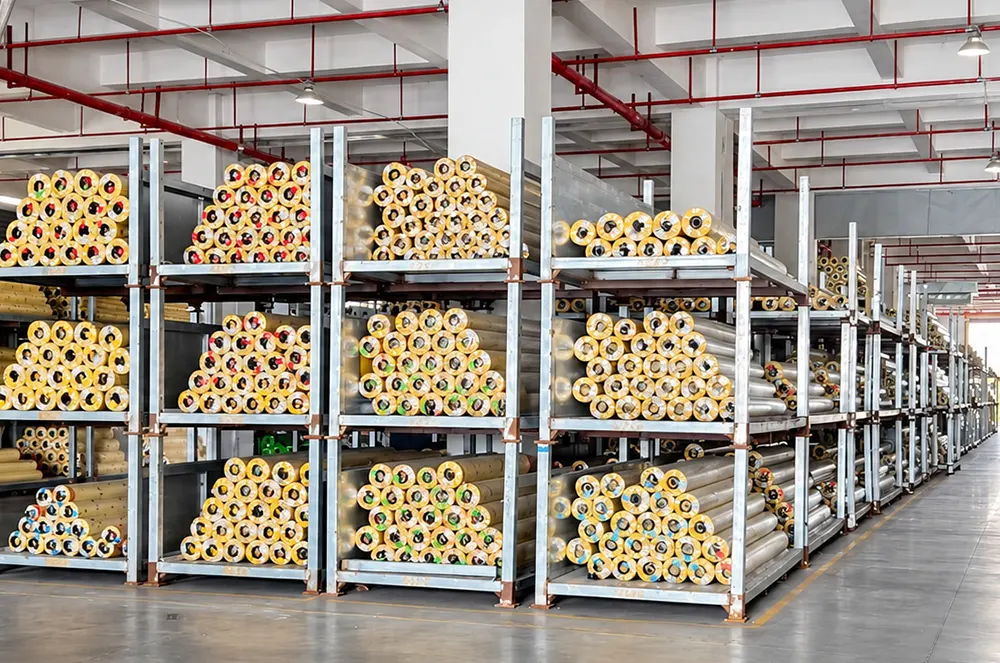
LonaTarp supplies airtight PVC tarpaulin rolls for inflatable product manufacturers, industrial fabricators, importers, and wholesale buyers. Material specifications can be customized to suit different manufacturing and performance requirements.
Material Construction: PVC lamination and impregnation with polyester reinforcement selected for the required strength and flexibility.
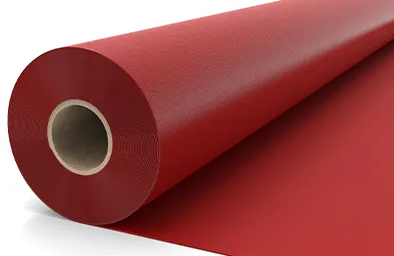
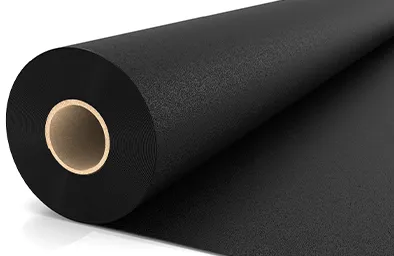
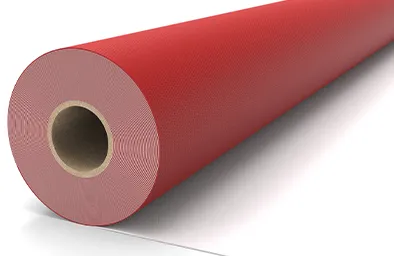
Fabric Specifications: Custom GSM, thickness, polyester denier, weave density, colors, and protective surface finishes.
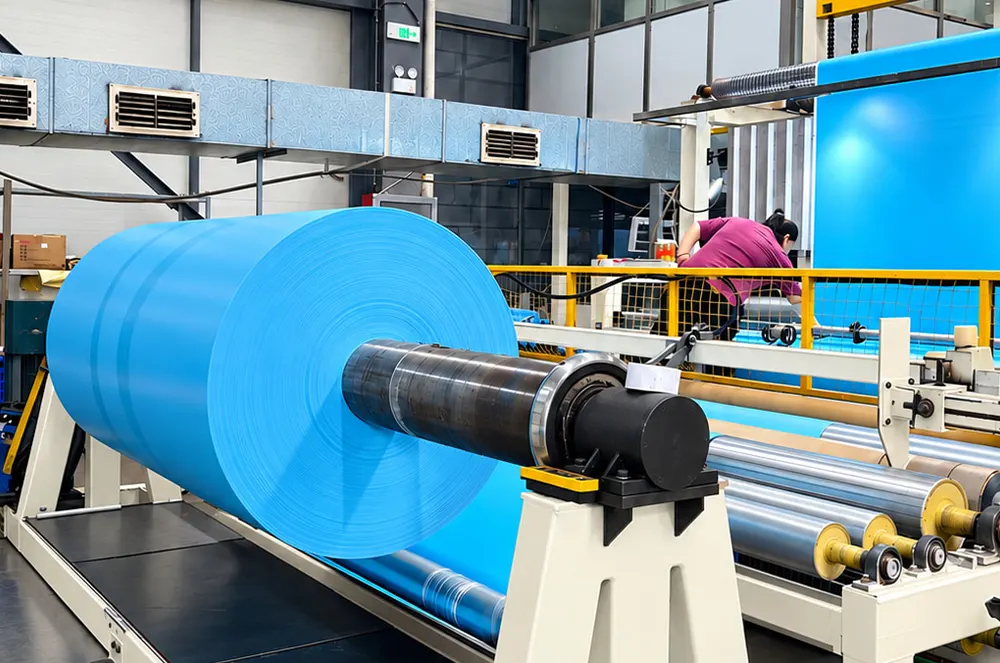
Roll Dimensions: Customized roll lengths and production widths up to 3.2 meters.
For material selection and quotation, provide your intended inflatable product, expected working pressure, preferred material weight or thickness, welding method, and order quantity. LonaTarp can help determine suitable airtight PVC fabric specifications for your manufacturing requirements.