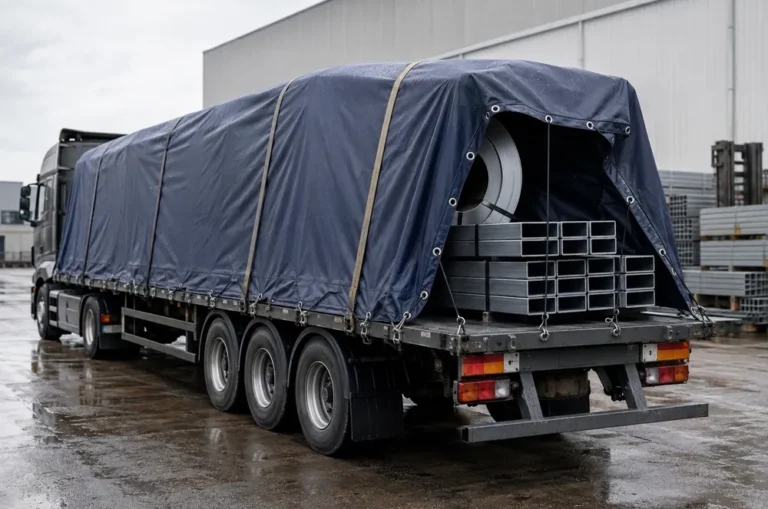
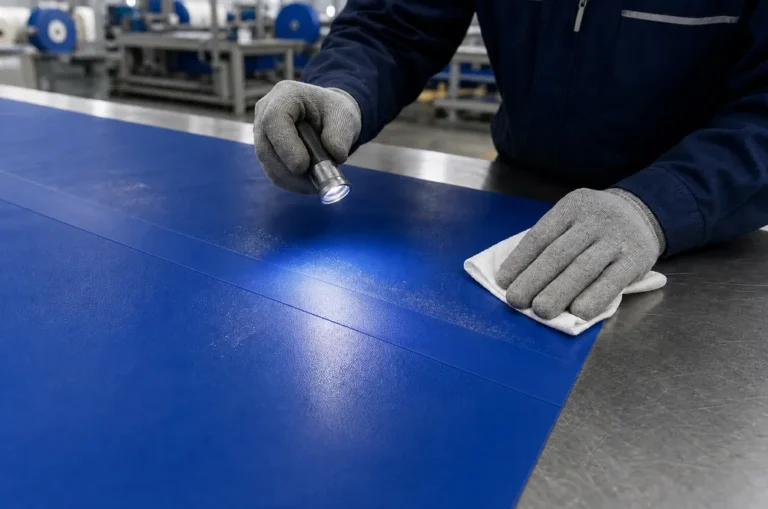
A drop stitch pool and a traditional PVC inflatable pool may both hold air and water, but they do not solve the same OEM problem. A drop stitch pool uses an internal textile structure to create a flatter, more rigid inflated wall or panel, while a traditional PVC inflatable pool usually relies on round air chambers, reinforced PVC fabric, and welded seams. For an OEM buyer, the better choice depends on target use, wall stiffness, packing size, pressure control, sample testing, and whether the product must become a repeatable bulk program.
The Real Difference Is Wall Structure, Not the Pool Name
The first mistake is comparing only the catalog name. A supplier may call many products an inflatable swimming pool, but the structure can be very different once the sample is inflated and filled. The buyer should ask how the wall holds its shape, where the air chambers sit, what material forms the water-contacting body, and which welded seams carry stress during filling, draining, folding, and packing.
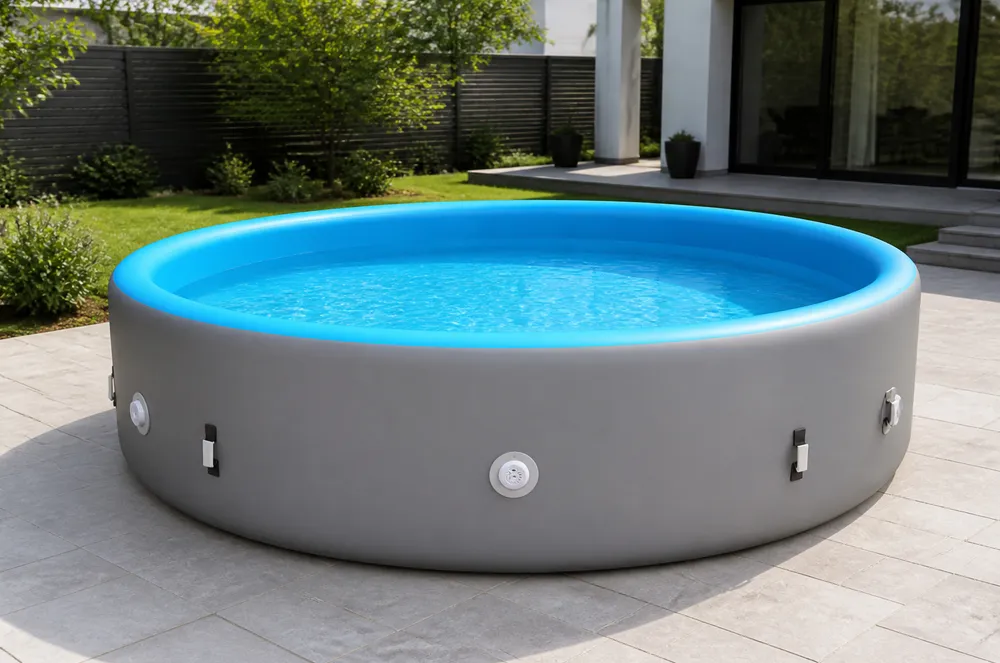
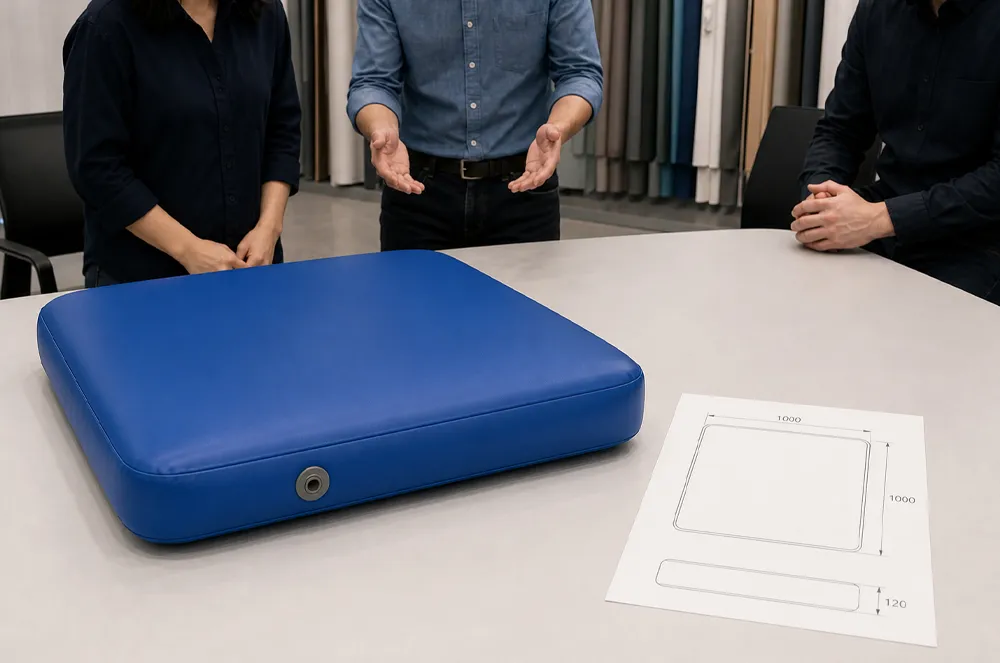
In a traditional PVC inflatable pool, the wall is often formed by one or more air rings or tube-like chambers. The round geometry gives enough shape for seasonal products and compact packing, but the wall can flex more under load. In a drop stitch pool, two coated textile faces are connected by many internal yarns. When inflated, those yarns limit the distance between the faces and help the wall or panel stay flatter.
That structural difference matters more than a simple good-or-better label. It changes tooling, fabric choice, sidewall sealing, valve layout, pressure checks, folding behavior, shipping volume, and the way a buyer should approve samples before bulk production.
Product photos can hide this difference. A soft round chamber may look neat before water is added, and a drop-stitch wall may look strong before the sidewall seam is stressed. For an OEM program, the useful comparison is a controlled sample review: inflate both structures to the agreed condition, add water where appropriate, check wall movement, inspect the folded seam area, and then compare carton size and handling. That is the point where the real cost of each structure becomes clearer.
When a Drop Stitch Pool Makes Sense for OEM Programs
A drop stitch pool is worth considering when the OEM concept needs a straighter wall, a premium feel, or a panel-like structure that does not behave like a soft air ring. Some buyers use drop-stitch construction for inflatable spa walls, compact demonstration pools, portable water products, or higher-end seasonal programs where the inflated body should look controlled rather than toy-like.
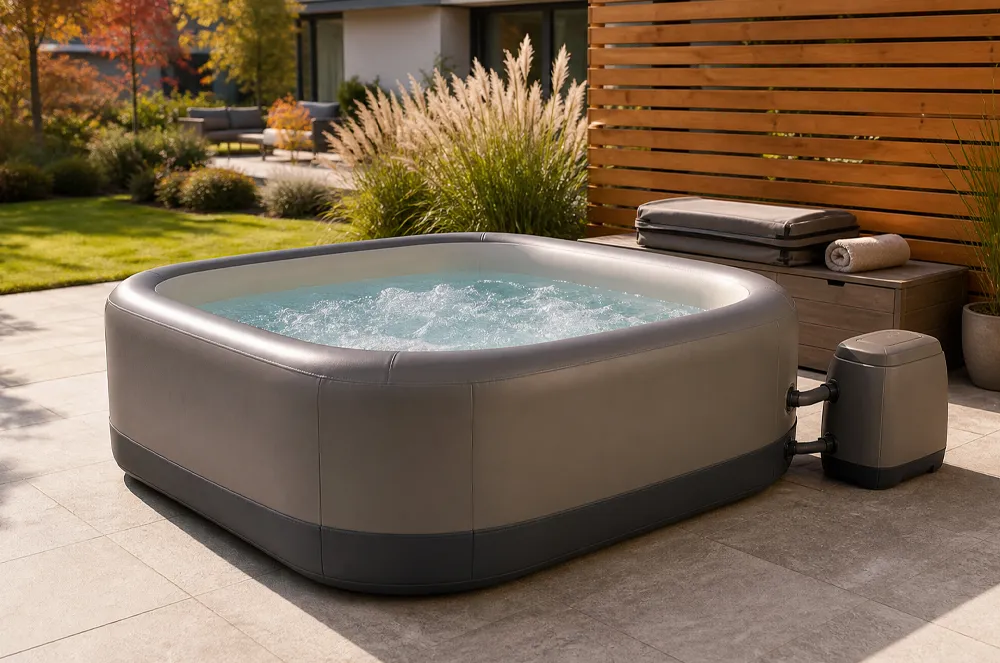
The main benefit is dimensional control after inflation. A drop stitch swimming pool wall can keep a flatter face because the internal yarns share the load between the two coated surfaces. That can help the sample look more stable in product photos, retail display, or commercial project use.
The trade-off is that the buyer must approve more details. Drop-stitch height, sidewall material, seam sealing route, target pressure, valve position, and edge reinforcement all affect the finished result. A low-price quotation that only says “drop stitch” is not enough for an OEM order. The buyer needs a physical sample, pressure-retention check, filled-water observation, and packing review before the structure is approved.
A buyer should also separate material supply from finished product responsibility. Drop-stitch fabric can be suitable for a pool wall concept, but the final product still depends on cutting accuracy, sidewall joining, valve installation, floor connection and the way the inflated body is used. If those responsibilities are split between different suppliers, the approval standard must be written clearly so later quality disputes do not sit in the gap between material and fabrication.
When a Traditional PVC Inflatable Pool Is Still the Better Build
A traditional pvc inflatable pool can still be the better choice when the buyer needs compact packing, flexible walls, simpler structure, lower product weight, or a seasonal retail SKU where extreme wall flatness is not the main selling point. For many importers and distributors, the practical question is not “which structure is strongest,” but “which structure matches the selling channel and repeat-order cost.”
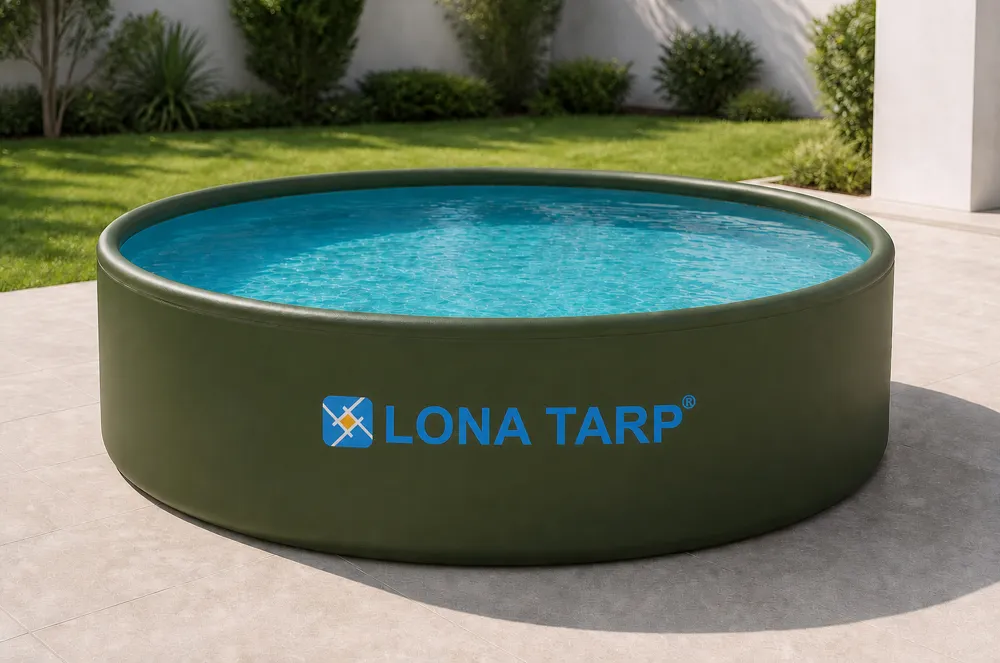
Traditional PVC structures are easier to scale for many family-size and promotional pool programs. The buyer can focus on PVC coated fabric grade, chamber layout, welding width, valve and drain positions, print method, color consistency, and packing size. If the pool is intended for supervised light use or seasonal retail, this route may be more commercially balanced than a heavier or more complex drop-stitch design.
However, a traditional structure should not be treated as casual. The pool still needs air retention, water-holding observation, seam appearance checks, corner review, and folding tests. Waterproof fabric alone does not prove the finished pool will hold shape or survive repeated packing.
This route is often easier to adapt across sizes, but it still needs a disciplined specification. If the buyer plans a family of SKUs, the factory should know which details stay common across the line and which details change by size. Keeping valve type, print position, packing style and inspection method consistent can reduce repeat-order confusion, even when the pool diameter, height or color changes.
Compare Material, Welding, Pressure, and Packing Before Sampling
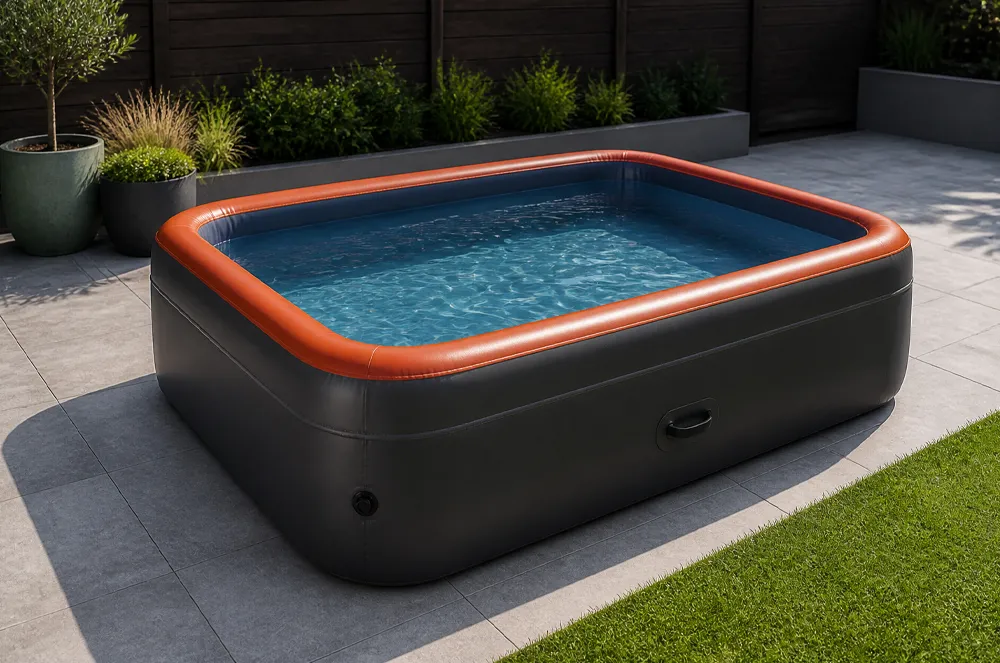
Before an OEM buyer asks for a prototype, the comparison should be made under the same use condition. A drop-stitch wall and a traditional air-ring wall can both fail if the material, welding window, pressure target, or packing method is wrong. The decision should connect structure with manufacturing controls.
| Decision point | Drop stitch pool route | Traditional PVC inflatable pool route | What OEM buyers should verify |
|---|---|---|---|
| Wall behavior | Flatter and more rigid when pressure is correct | Softer and more rounded under load | Inflated dimensions, wall deflection, sample appearance |
| Material structure | Drop-stitch core plus airtight coated faces and sidewall sealing | Reinforced PVC coated fabric or PVC film/fabric structure | Fabric weight, base fabric, coating adhesion, flexibility |
| Welding risk | Sidewall and panel joints become critical | Chamber seams, corners, valves and floor seams carry most risk | Seam width, heat setting, peel behavior, visual uniformity |
| Pressure control | Usually needs tighter pressure target and valve review | Often more forgiving but still needs air-retention checks | Inflation pressure, retention time, safety notes |
| Packing | Can be bulkier or more sensitive at folded edges | Often more compact for retail cartons | Fold pattern, carton size, stress on seams |
| Best use | Premium wall stability or project-specific structure | Seasonal SKU, distributor program, compact OEM pool | Sample test plan and target market fit |
This is why the sample approval should include both an inflated check and a filled-water check. Air pressure can make a pool look acceptable at first, while water weight exposes floor seams, wall deflection, drain areas, and corner stress.
The same sample should be reviewed after deflation and folding. Some structures pass the first inflation check but create hard fold lines, pressure marks or stress near the welded overlap after packing. That matters for importers and distributors because the product may sit in a carton, warehouse or container before the end user opens it. A sample that is easy to inflate but difficult to repack can still create after-sales problems.
What Evidence Should OEM Buyers Ask From the Supplier?
The evidence package should be practical. For an OEM buyer, the goal is not to collect impressive words; it is to reduce the risk that the approved sample and bulk production behave differently.
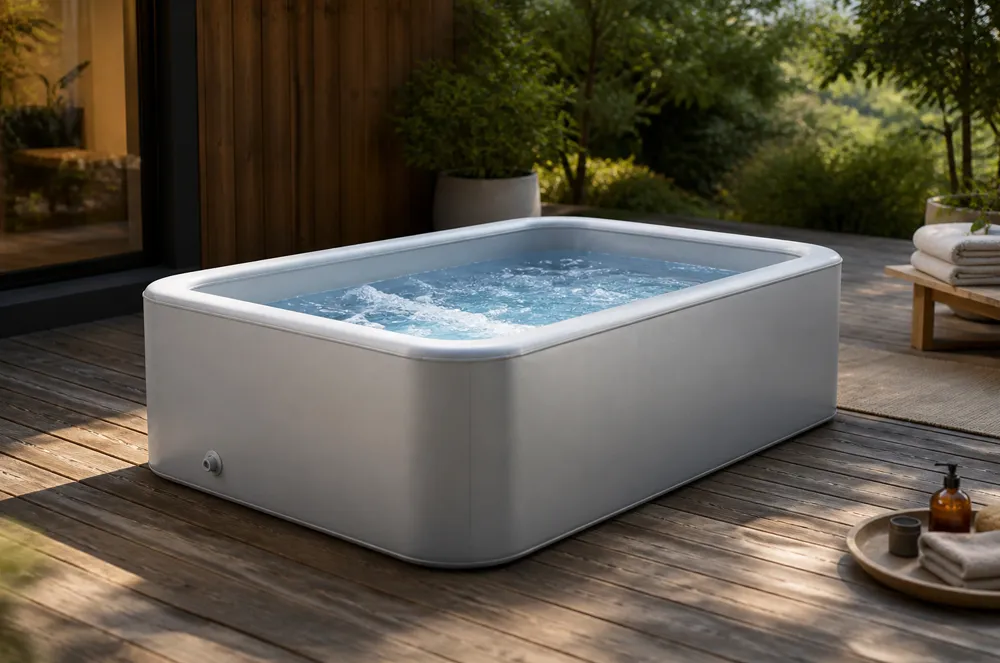
Ask the supplier to confirm the material route, welded structure, valve and drain plan, sample size, target pressure, water-holding observation, packing method, and expected inspection points. If printing or private-label packaging is involved, approve color and artwork together with the actual folded product, not only from a flat artwork file.
For drop-stitch construction, ask how the sidewall is connected to the panel and whether the sample will be checked after inflation, water filling, deflation, folding, and re-inflation. For a traditional PVC structure, ask how the chamber seams, corners, floor joint, valve area, and drain area are controlled during production.
LonaTarp’s relevant value is the ability to discuss PVC coated fabric and drop-stitch material, welding, cutting, printing, accessory installation, samples, and batch inspection as one production chain. Certification documents or test reports should always be matched to the actual product structure, material, target market, and agreed test method before a buyer treats them as purchase evidence.
For a serious OEM program, keep one approved reference set: material sample, finished pool sample, photos of critical seams, packing method, and the inspection notes used for approval. That reference set is more useful than a long list of general claims because it gives the buyer and factory the same standard when bulk production starts.
How to Choose the Direction for a Custom Inflatable Pool Program
Choose a drop-stitch route if the product promise depends on a rigid-looking wall, flatter inflated surfaces, premium positioning, or a project-specific structure where a round air chamber would look too soft. Keep it as a future product/material decision if the buyer is mainly searching for drop stitch pool specifications rather than a general comparison.
Choose a traditional PVC route if the selling program needs lighter packing, simpler handling, multiple seasonal SKUs, or a cost structure that works better for wholesale distribution. In that case, spend more attention on fabric quality, welding, valve layout, print durability, color consistency, and packing control.
If the buyer has not decided yet, the best next step is to prepare the intended use, size range, water depth, target users, pressure expectations, quantity, logo/packing needs, and any reference sample. Those details help the supplier judge whether the project should move toward a drop-stitch structure, a reinforced PVC inflatable body, or the broader custom inflatable pool development route.
For LonaTarp projects, this discussion is meant for OEM, wholesale, and commercial buyers planning repeatable custom production. The practical RFQ should include material area, quantity, structure drawings, sample requirements, packing targets, and any inspection method; bulk material planning normally starts from a 5,000 square meter MOQ rather than one-off retail orders.
For buyers planning a future product line, it may be useful to test one structure first instead of launching every size at once. A pilot SKU can reveal whether the wall stiffness, folding method, carton size and sample approval routine are practical. Once that baseline is stable, the same logic can be extended to additional sizes, colors or private-label requirements with less production risk.