



White Vinyl Tarp Specifications and Custom Options
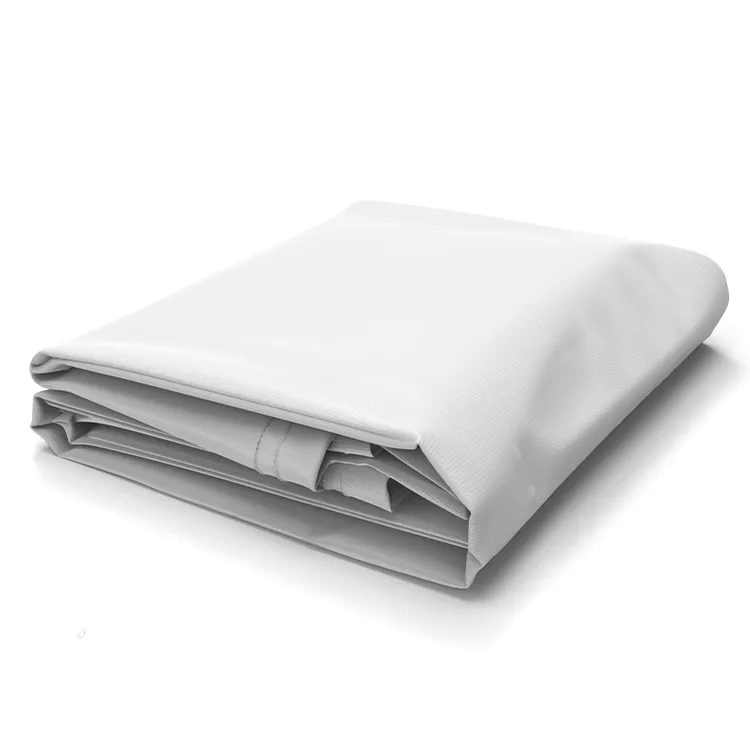
LonaTarp manufactures finished white vinyl tarps from PVC-coated polyester fabric for commercial, industrial, wholesale, and OEM orders. The finished size, fabric selection, edge construction, reinforcement, grommet layout, fastening hardware, printing, and packaging can be configured around the required cover.
For an established SKU, production can follow a drawing, specification sheet, approved sample, or agreed product requirements. For a new white PVC tarp, the construction is reviewed around the covered object, handling conditions, outdoor exposure, and fastening method.
| Specification | Available Options |
|---|---|
| Material | PVC-coated polyester fabric |
| Color | White, confirmed against the agreed reference where required |
| Fabric Weight | Selected according to the required finished-tarp construction; no fixed white-tarp GSM is assumed |
| Thickness | Confirmed with the selected fabric specification |
| Finished Size | Custom finished dimensions based on the agreed drawing, size sheet, sample, or product requirement |
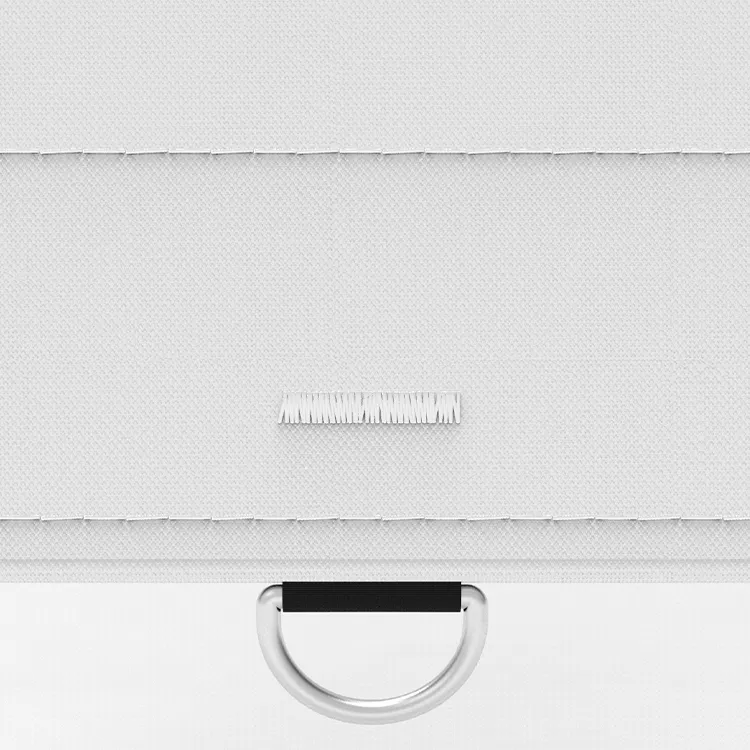
| Seam Construction | High-frequency welding, hot-air welding, industrial sewing, or combined construction as required |
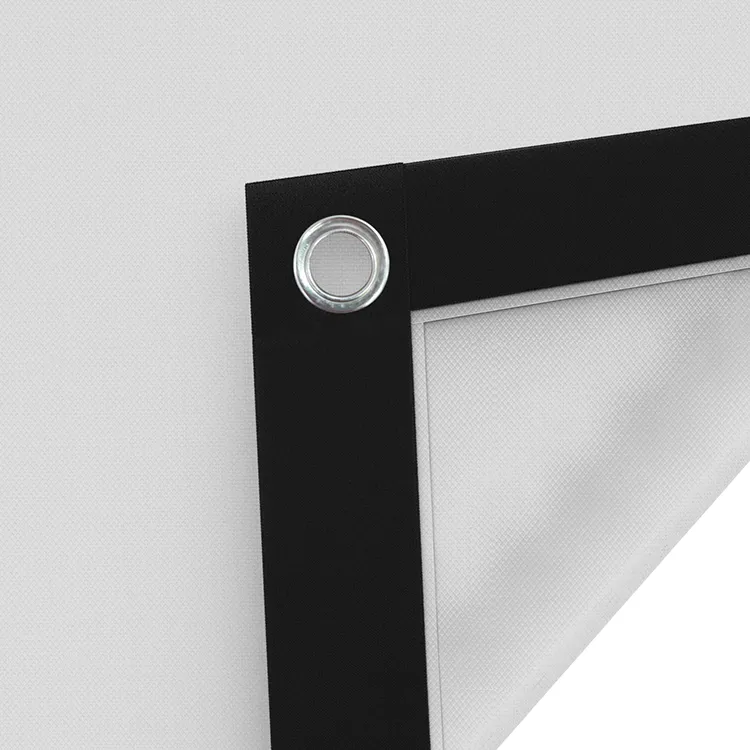
| Edges and Reinforcement | Hemmed edges, rope or webbing reinforcement, reinforced corners, and application-specific stress-point construction |
| Grommets and Fastening | Metal or plastic grommets, with agreed spacing and placement; D-rings, webbing, straps, buckles, or other specified attachment components |
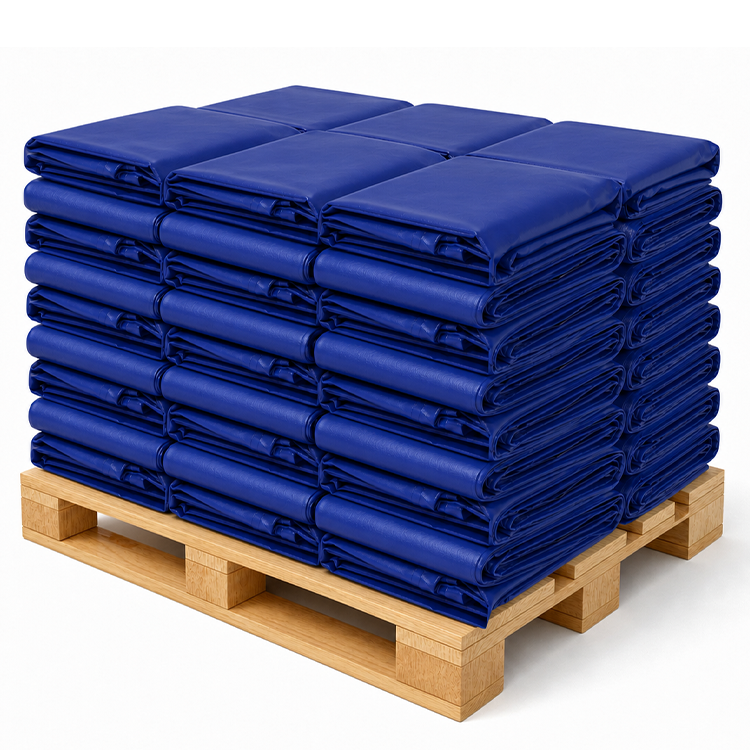
| Printing and Packaging | Logo printing, product identification, labels, and bulk, individual, export, or private-label packaging |
| Finished Product MOQ | 30 pieces |
| Typical Production Lead Time | Approximately 15 days after final specification and sample approval, subject to order requirements |
Why Choose a White Vinyl Tarp?
White can be a functional and commercial part of the finished-tarp specification, not simply a color preference. Buyers may select it when a lighter exposed surface, a clean appearance, or a repeatable white SKU is required for equipment covers, storage covers, or a private-label product range.
White for Exposed Covers
Compared with darker surfaces under similar conditions, white generally absorbs less solar energy. This can make a white surface useful where a lighter exposed cover is preferred. Conditions beneath a cover still depend on the complete installation, including fabric construction, ventilation, ambient temperature, cover geometry, and the object being protected.
White for a Consistent Commercial Appearance
A clean white surface can suit equipment protection, temporary work areas, branded covers, and facilities where appearance is part of the requirement. For distributors and brands, white can also be maintained as part of a repeatable SKU together with the selected surface finish, dimensions, reinforcement, printing, and packaging.
When Do You Need a Heavy Duty White Vinyl Tarp?
A heavy duty white vinyl tarp is usually considered when the finished cover will face demanding handling, fastening, abrasion, or outdoor exposure. Large dimensions, frequent installation and removal, stronger tie-down loads, repeated outdoor use, contact with equipment or cargo, and reinforced fixing points are all reasons to review a heavier finished construction.
Fabric Selection for Demanding Use
Heavy duty is not defined by color or by one weight alone. The selected PVC-coated polyester fabric, its thickness, the base fabric, seam construction, edge reinforcement, fastening layout, and service conditions work together. If an existing product has an approved material specification or sample, the finished white tarp can be made around that requirement.
Reinforced Edges, Corners and Stress Points
Large covers and frequently handled tarps can place concentrated loads around hems, corners, grommets, and attachment points. Reinforced hems, webbing, additional material layers, reinforced corners, and application-specific stress-point construction can be incorporated where support is required.
Fastening Layout for the Finished Cover
Grommet spacing and fastening positions can be made around the way the tarp will be secured. A custom layout is useful when a cover must match an existing frame, equipment layout, tie-down system, or defined anchoring position.
For applications where fabric selection, reinforcement, and fastening construction are the primary purchasing factors, see our heavy duty vinyl tarps.
Custom Sizes, Hems, Grommets and Reinforcement
White PVC tarps can be made as finished products from drawings, dimensions, existing samples, or equipment requirements. The construction can combine custom dimensions with welded or sewn panels, reinforced edges, grommets, D-rings, webbing, straps, and other agreed attachment details.
Custom Finished Sizes
Custom dimensions are available for machinery, equipment, cargo, storage areas, building materials, and other defined covering requirements. Large-format covers can be fabricated from multiple PVC-coated fabric panels using a suitable panel and seam layout. When dimensional accuracy is important, the finished dimensions and required tolerances should be agreed in the specification.
Hems and Edge Construction
Available edge constructions include hemmed edges, rope reinforcement, webbing reinforcement, and additional support for demanding sections of the tarp. The edge construction is matched to the way the cover will be installed and handled, rather than relying on the base fabric alone at the perimeter.
Grommets and Fastening Options
Metal or plastic grommets can be installed at specified intervals or custom positions. D-rings, straps, buckles, webbing, and other attachment components can be added when required by the finished-cover design. For replacement covers, the fastening layout can be reviewed from a drawing or approved sample.
Reinforced Corners and High-Stress Areas
Additional PVC fabric or webbing can be added around corners, fixing points, and other areas exposed to concentrated pulling or repeated handling. This is particularly useful for large tarps, transport-related covers, and products with defined anchoring positions.
Where White Vinyl Tarps Are Used
White vinyl tarps can be configured for commercial and industrial covering applications. The selected fabric, reinforcement, seams, and fastening layout should match the stresses the finished cover will face in service.
Industrial Equipment and Machinery
White vinyl tarps can be produced as equipment and machinery covers for storage, transport, maintenance periods, and temporary protection. Custom dimensions, shaped sections, fastening positions, and reinforced contact areas can be incorporated when a simple rectangular cover is not sufficient.
Construction Materials and Temporary Protection
Construction applications may need covers for building materials, machinery, work areas, temporary structures, or exposed equipment. White PVC tarp configurations can combine large finished dimensions with welded panels, reinforced edges, and application-specific fixing points. Where outdoor exposure, abrasion, repeated handling, or flame-retardant performance matters, those requirements should be specified for review before production.
Outdoor Inventory and Storage
For outdoor inventory, palletized goods, and storage areas, the finished tarp can be configured around the size and shape of the load, the intended tie-down method, and the expected handling cycle. The cover design should also account for water-shedding, contact points, and the need to remove or reinstall the tarp.
Transport and Cargo Covering
Transport covers may experience vibration, wind, abrasion, and repeated fastening. A finished specification can therefore include the required panel layout, edge reinforcement, grommet or attachment positions, and protection at contact or load points. The tarp and its attachment method should be reviewed together.
Distributor and Private-Label Programs
Importers, distributors, and brands can develop white vinyl tarp SKUs around an agreed finished size, construction, logo treatment, label format, and packaging requirement. Keeping an approved specification and reference sample helps provide a repeatable basis for subsequent orders.
White Color, Surface Finish and Batch Consistency
For a repeat-order white tarp program, color should be confirmed with the surface finish rather than treated as an isolated requirement. Gloss, texture, embossing, printing, and the approved white reference can all affect how the finished cover appears.
Confirm White Against an Approved Reference
When a specific shade of white matters, buyers can provide an approved sample, color reference, or existing SKU for review. This gives the production specification a clear point of reference before bulk manufacturing.
Keep the Surface Requirement with the Color Requirement
A white tarp may require a particular surface feel or appearance as well as a white shade. Recording the agreed surface finish, printing position, labels, and packaging with the color reference helps avoid treating a repeat order as a new, undefined product.
Use Approved References for Repeat Orders
For distributor, brand, and OEM programs, the approved finished specification and sample provide the practical basis for checking repeat-order consistency. Any change to the material, finish, construction, print, or packaging should be reviewed against that agreed reference.
OEM White Vinyl Tarps for Bulk Orders
LonaTarp supplies made-to-order finished white vinyl tarps for B2B bulk, wholesale, and OEM requirements. Finished Products: MOQ 30 pieces. The typical production lead time is approximately 15 days after final specification and sample approval, subject to order requirements.
Product, Logo, Label, and Packaging Requirements
OEM requirements can cover the finished dimensions, fabric selection, edge and fastening construction, logo printing, product identification, label format, and packaging. Production details are confirmed before bulk manufacturing so the finished tarp matches the approved product requirement.
Sample and Pre-Production Confirmation
For a new SKU or a product with important fitting, color, construction, or packaging requirements, an approved sample or agreed reference helps establish the production basis. It is particularly useful when the tarp must match an existing cover, private-label program, or installation layout.