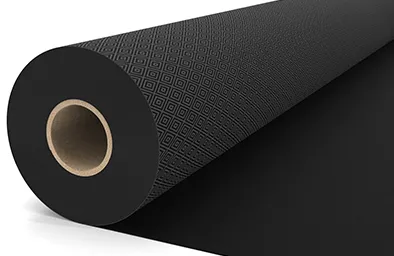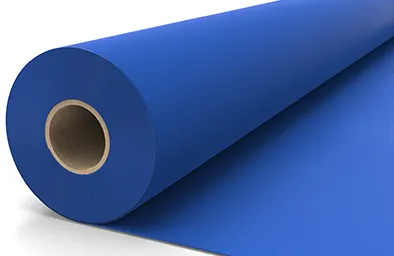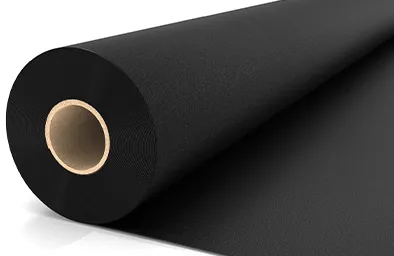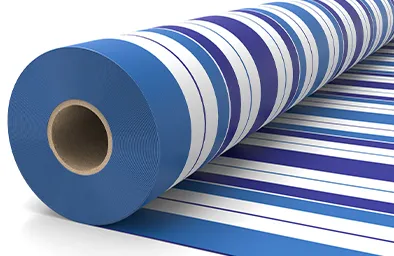









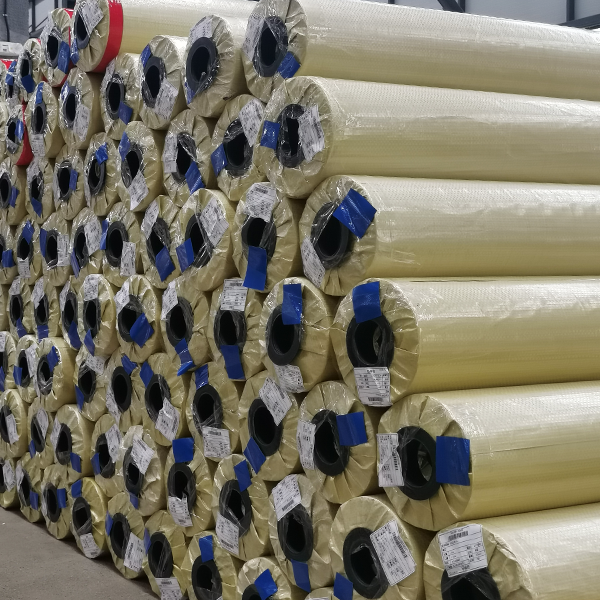
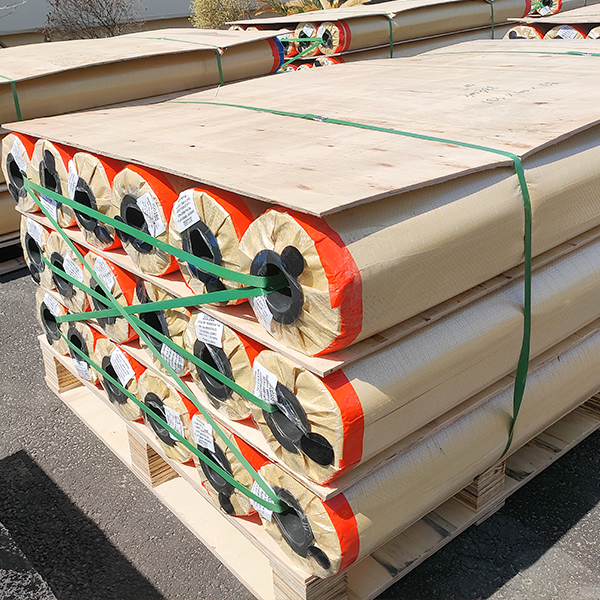
TPU vinyl fabric is a term sometimes used by buyers comparing flexible sheet materials for waterproof applications. It's important to clarify: TPU (Thermoplastic Polyurethane) and vinyl (Polyvinyl Chloride/PVC) are distinct materials with different performance profiles.
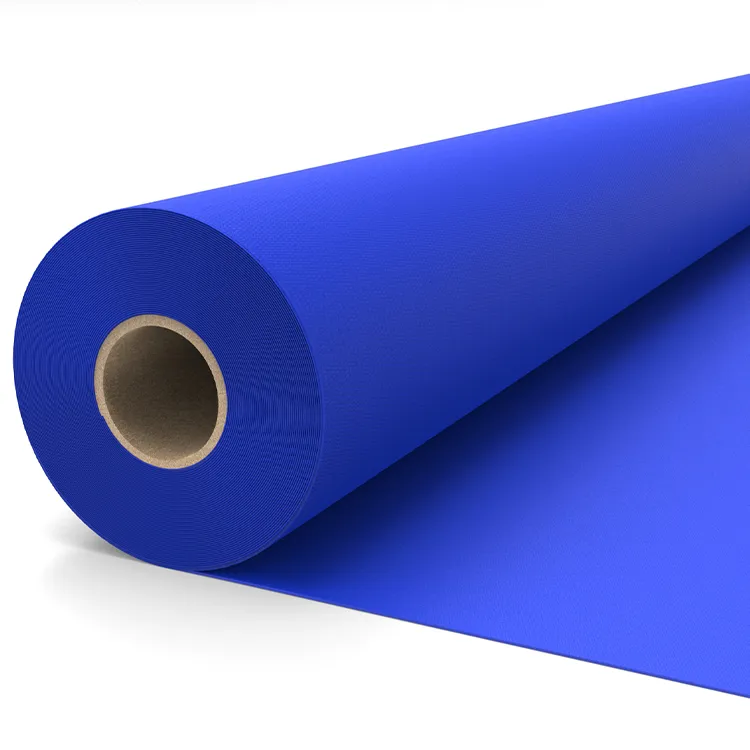
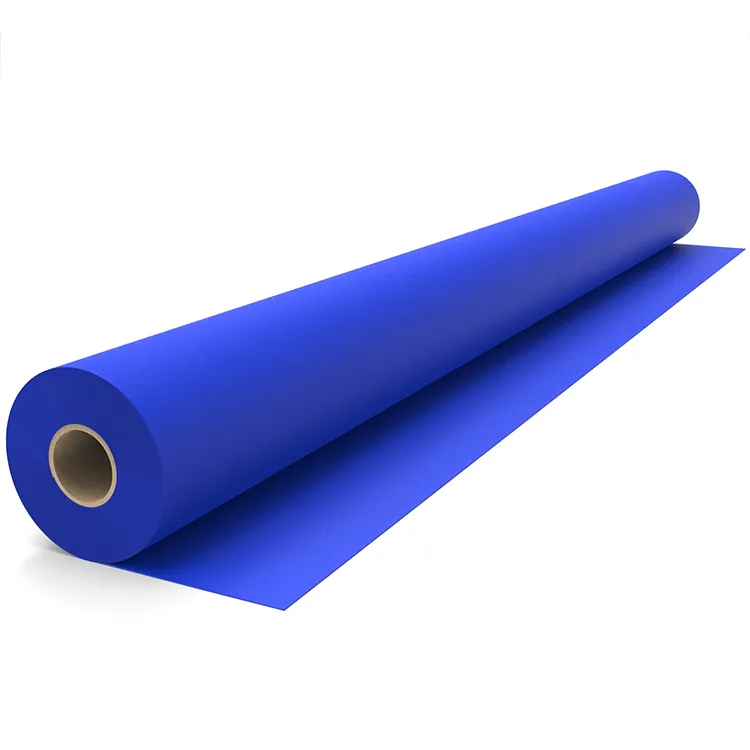
Our TPU vinyl fabric — meaning our TPU-based flexible sheet product — offers a smoother, more surface-finished alternative to standard PVC vinyl fabrics. TPU naturally produces a cleaner, more consistent surface without the plasticizer migration that can cause vinyl to stiffen over time. The result is a material with a vinyl-like smooth finish but better cold-temperature flexibility and a significantly lower environmental footprint.
Property | Value |
|---|---|
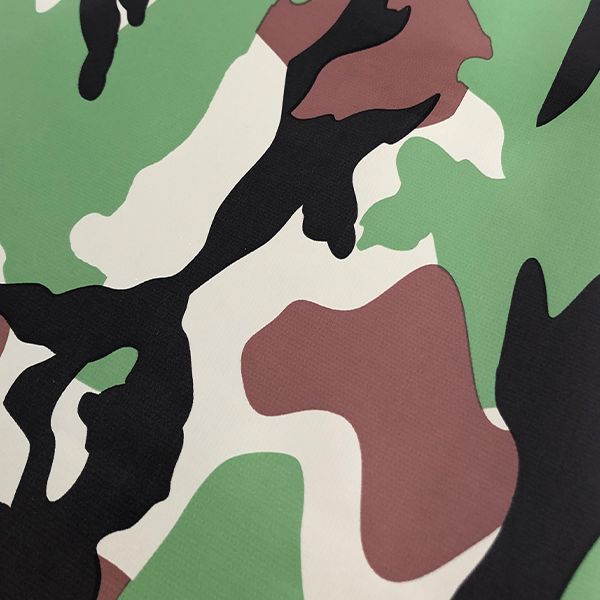
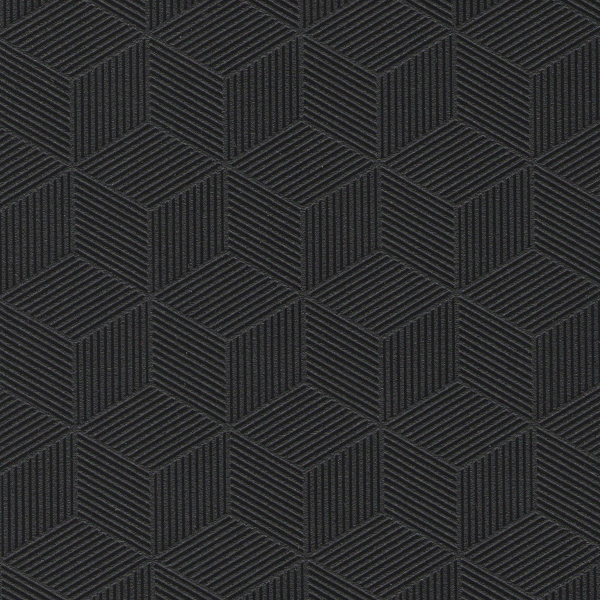
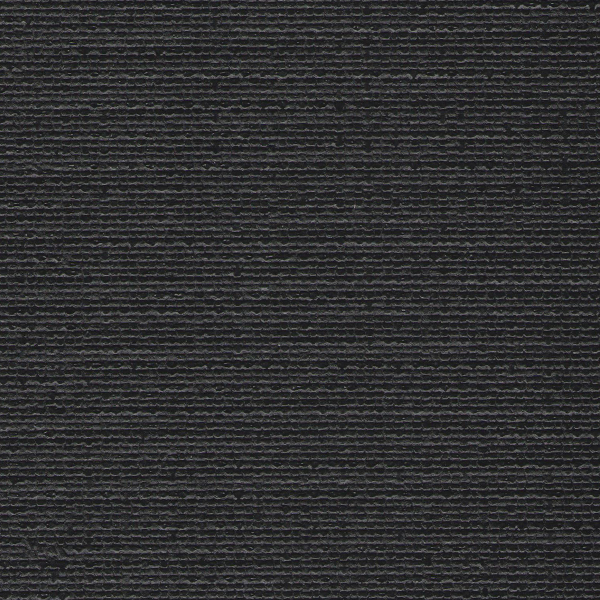
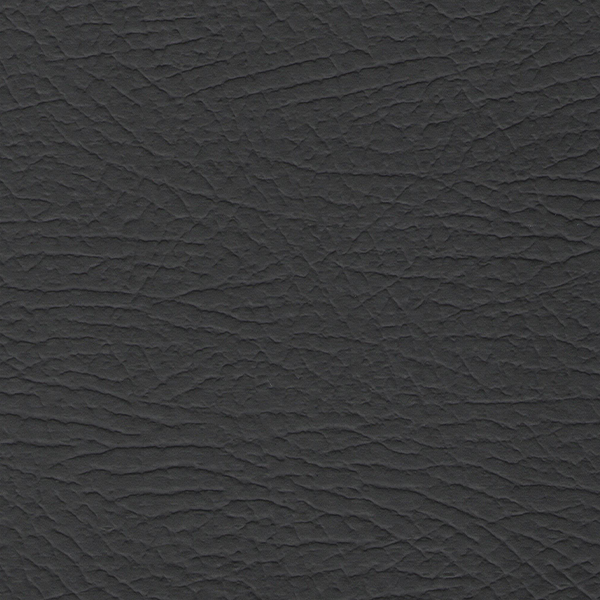
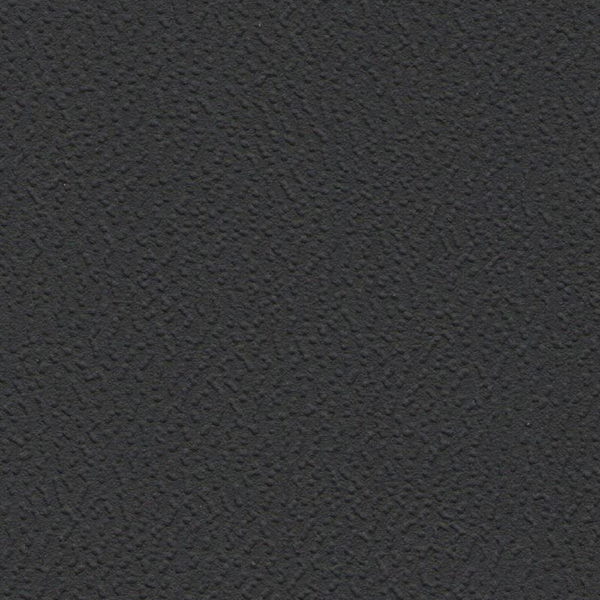
Surface finish | Smooth / Glossy / Embossed |
Texture | Vinyl-like hand feel |
Weight | 400–1200 gsm |
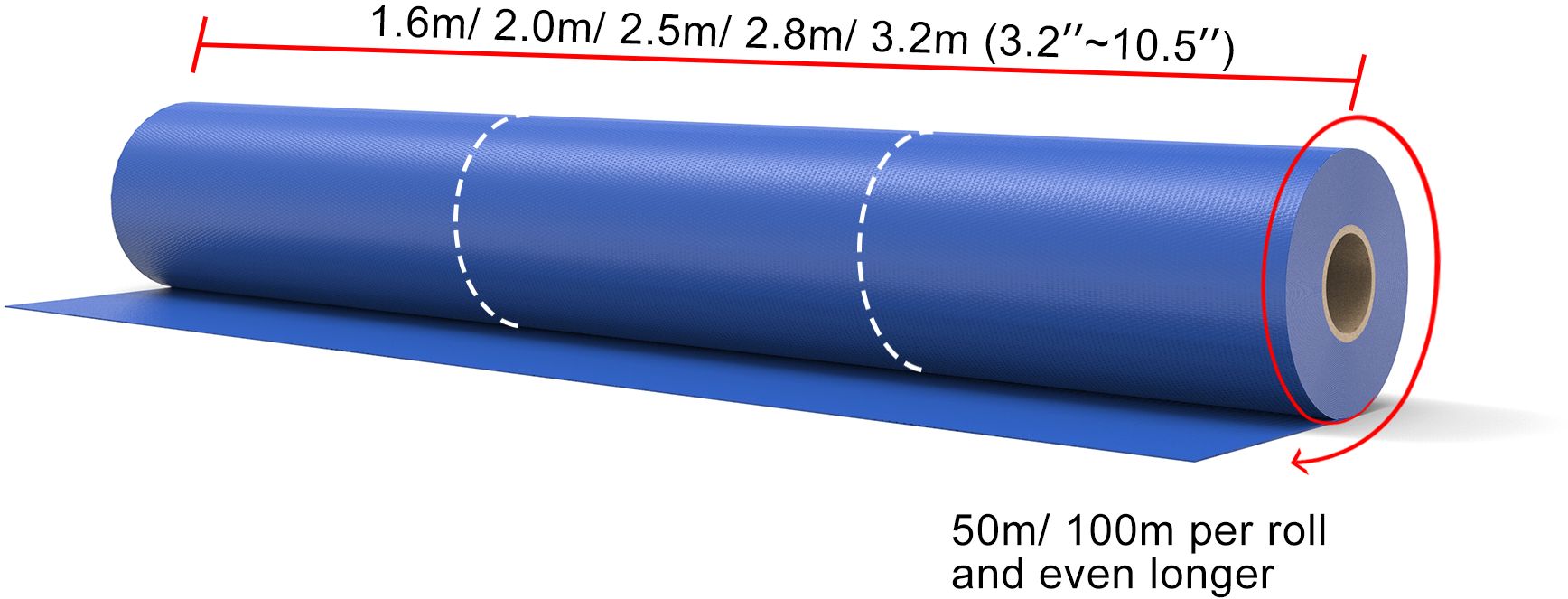
Width | Up to 3.2m |
Temperature range | -30°C to 70°C |
Chemical resistance | Good (acids, alkalis, oils) |
MOQ | 5,000 ㎡ |
Lead time | 15 days |
Certification | CE / SGS / ISO |
If you originally searched for TPU vinyl fabric hoping to find a PVC vinyl alternative, you'll find TPU gives you better low-temperature performance, cleaner production, and full recyclability — with a comparable price point for most industrial applications.
Common Applications
Upholstery and furniture covers — Medical, laboratory, and food-service environments where a cleanable, waterproof surface with vinyl-like aesthetics is needed.
Vehicle seat and interior trim — Bus, train, and marine seating where UV resistance and water resistance matter.
Banner and signage substrates — Print-receptive flexible signage with good UV stability and long outdoor life.
Dock and pier piling wraps — Waterproof protection for wooden and steel pilings in marine environments.
Inflatable structure fabric — Air-supported structures, inflatable tents, and promotional balloons where smooth surface aesthetics and strong air retention are both required.
FAQ
Is TPU the same as vinyl? No. TPU (Thermoplastic Polyurethane) and PVC/vinyl are different polymers. TPU offers better cold flexibility, is recyclable, and doesn't use plasticizers. Vinyl is cheaper but becomes brittle over time.
Does TPU vinyl fabric look like vinyl? Yes. The surface finish is comparable — smooth, clean, and consistent. TPU doesn't have plasticizer migration, so it stays flexible and clean longer than vinyl.
Can TPU vinyl fabric be printed? Yes. It accepts solvent, eco-solvent, and UV-curable inks. Surface pre-treatment may be needed depending on the print technology.
Is TPU vinyl fabric suitable for outdoor use? Yes. TPU resists UV, moisture, and temperature cycling well. For extended outdoor exposure (2+ years), UV-stabilised grades are recommended.