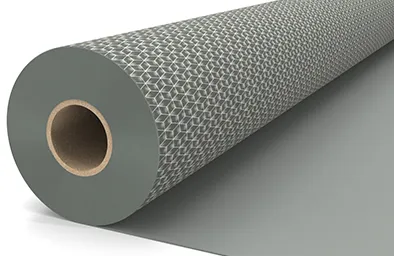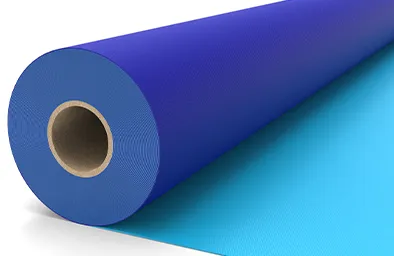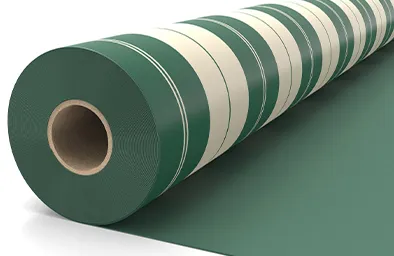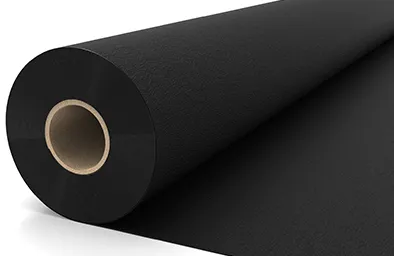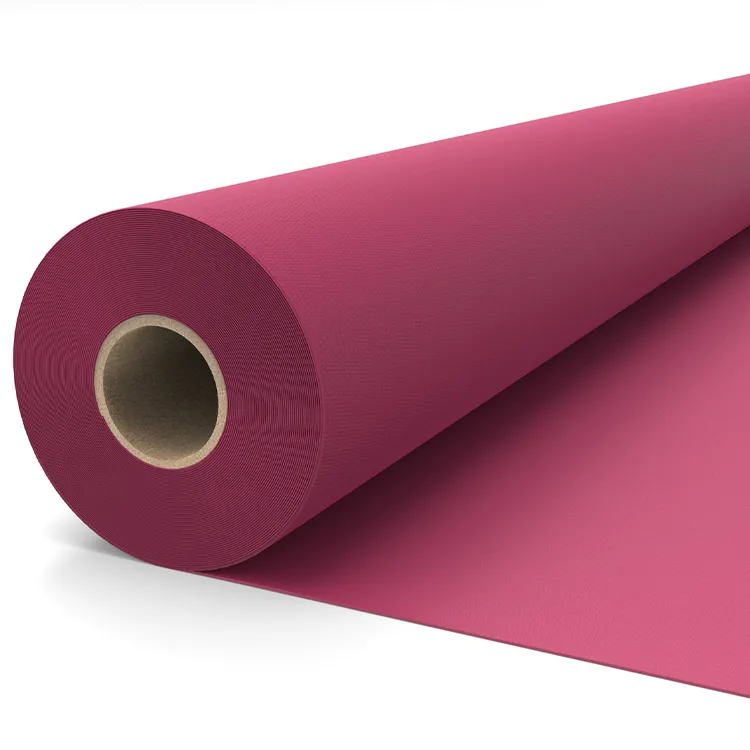
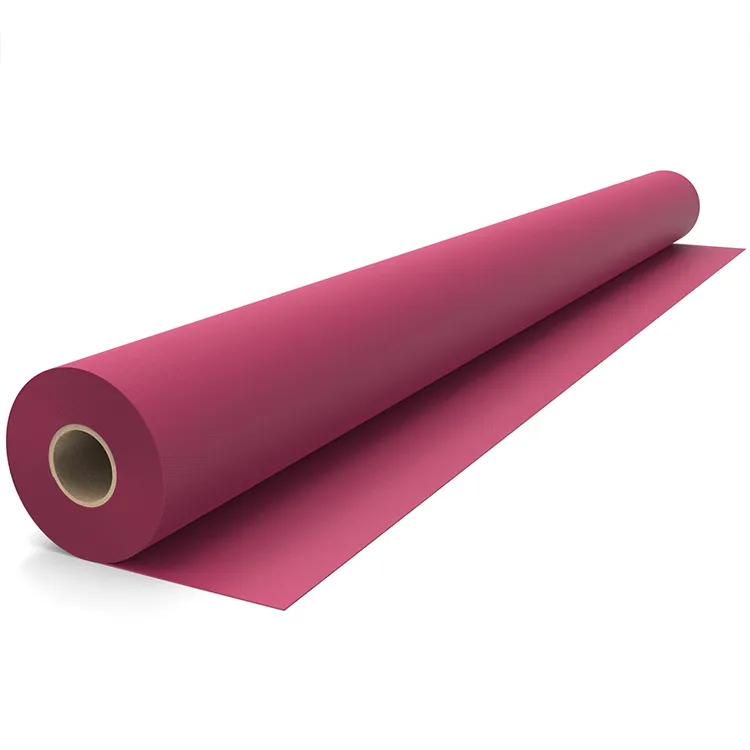








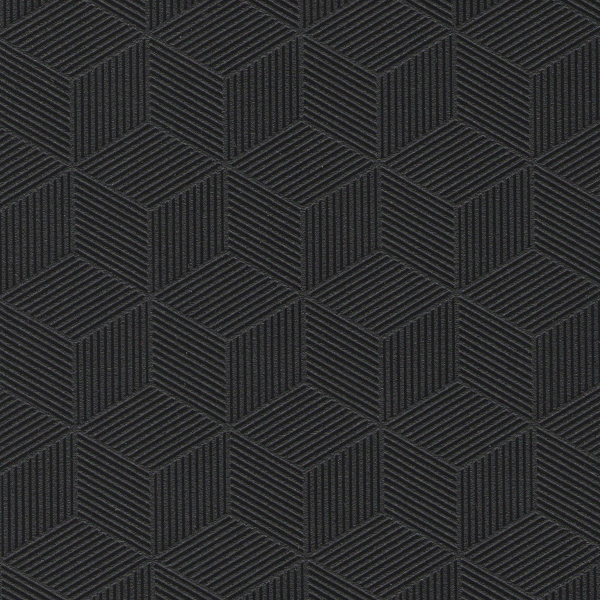

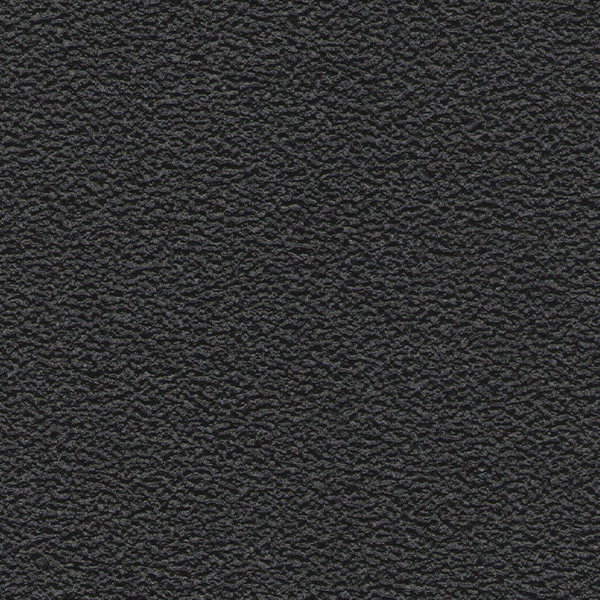


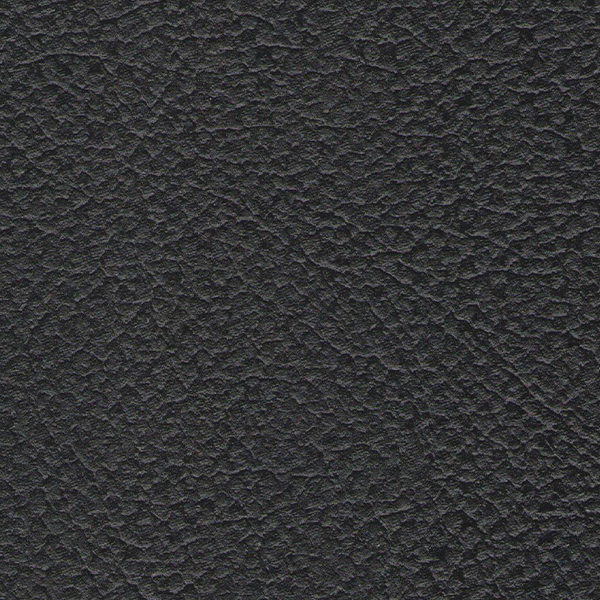
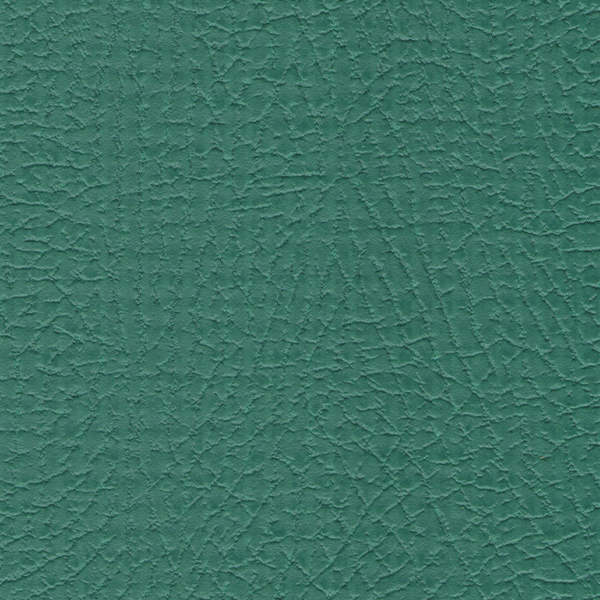
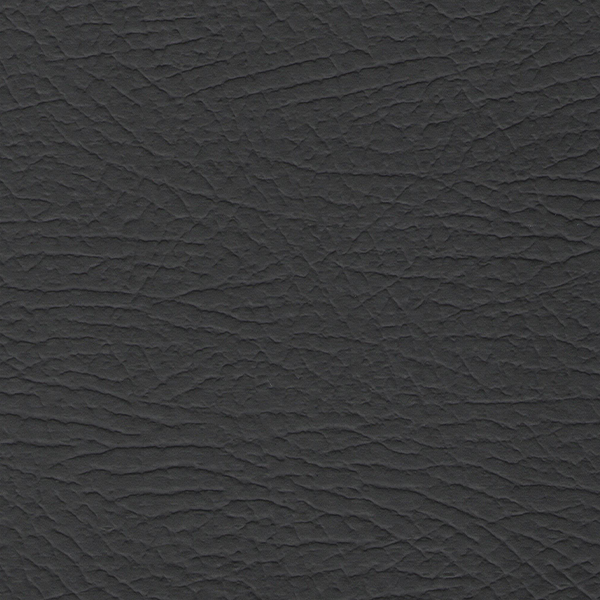



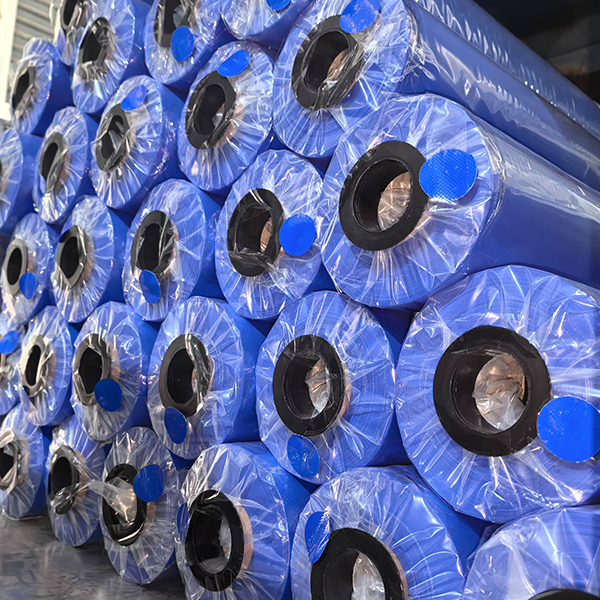
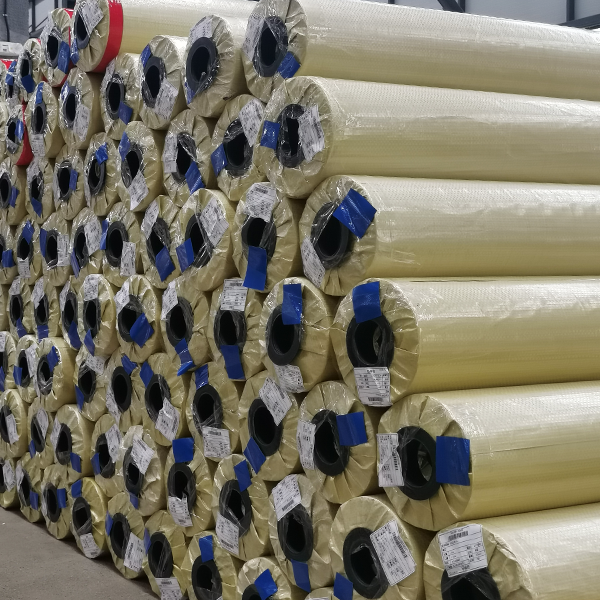
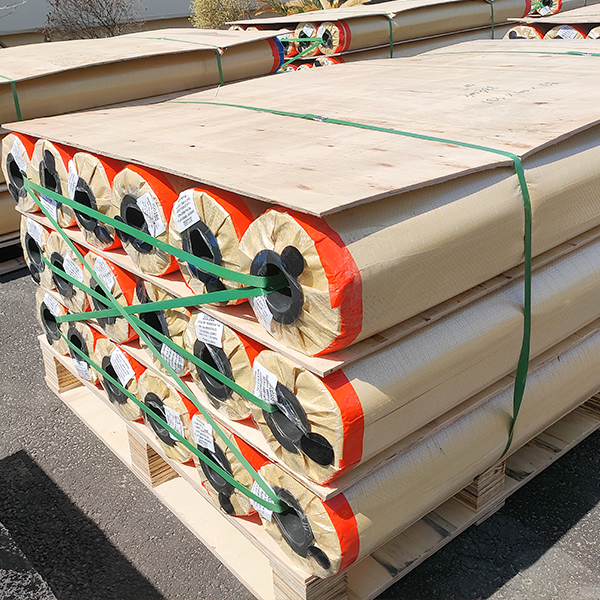
Recycled TPU fabric uses Thermoplastic Polyurethane material derived from post-industrial or post-consumer TPU waste — pellets re-extruded from manufacturing offcuts, start-up waste, and end-of-life material that would otherwise go to landfill. The recycled TPU is then applied to textile bases using the same coating or lamination processes as virgin TPU, producing fabrics with equivalent performance.
The environmental case for recycled TPU fabric is straightforward: TPU production is energy-intensive, and diverting industrial waste from landfill reduces both carbon footprint and virgin material consumption. Recycled TPU also qualifies for LEED credits in construction and architectural projects, and for REACH/RoHS compliance documentation in European markets.
Property | Value |
|---|---|
TPU source | Post-industrial recycled |
Recycled content | 30%–100% (customisable) |
Base fabric | Recycled polyester available |
Weight | 300–1200 gsm |
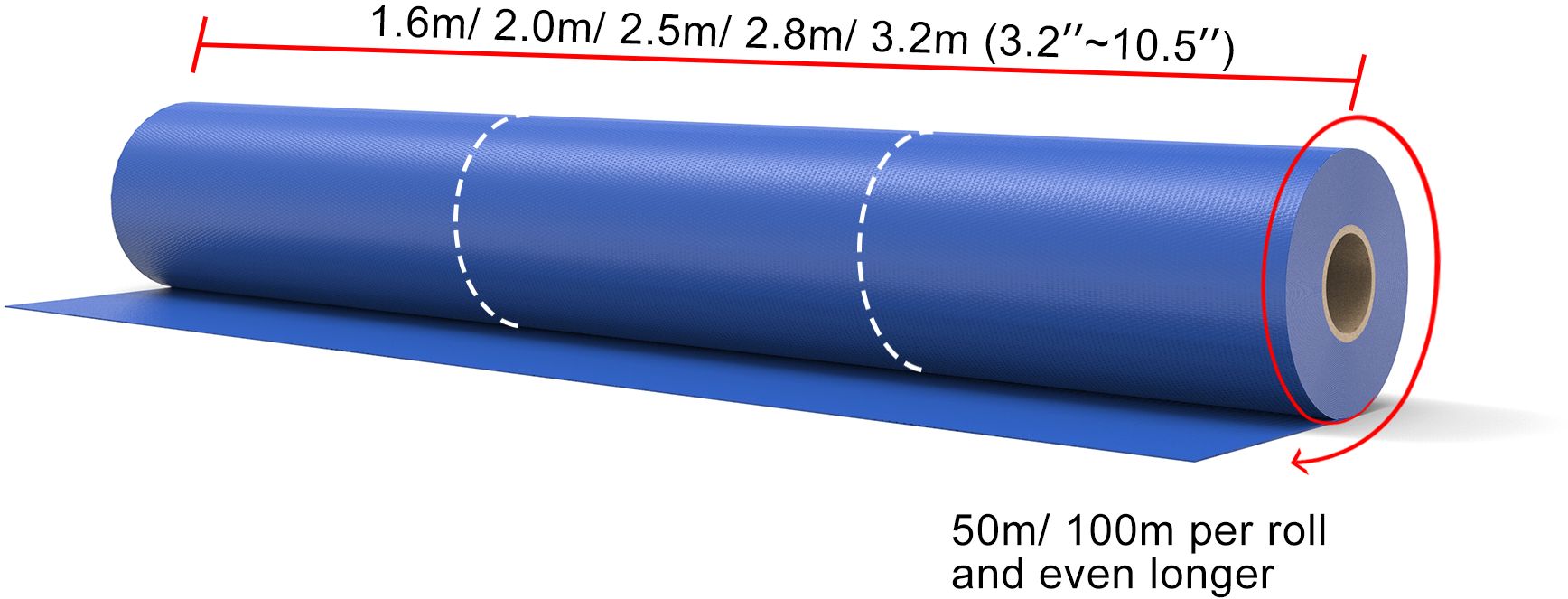
Width | Up to 3.2m |
Performance | Equivalent to virgin TPU |
Certification | GRS / GOTS / RCS available |
MOQ | 5,000 ㎡ |
Lead time | 15–20 days |
Recycled TPU fabric is available with Global Recycled Standard (GRS) certification, giving B2B buyers documentation they can present to end customers or use in sustainability reporting.
Common Applications
Sustainable packaging — Bulk bags, wine bladders, and reusable flexible containers for brands and retailers with ESG commitments.
Circular economy products — Manufacturers designing for recyclability use recycled TPU fabric as part of a closed-loop material strategy.
Eco-conscious outdoor gear — Outdoor brands producing waterproof jackets, hiking gear, and adventure equipment with lower environmental impact.
Automotive interiors — Car floor liners, trunk covers, and seat covers where recycled content supports OEM sustainability targets.
Construction and architecture — Facades, awnings, and tensile structures where recycled content contributes to LEED or BREEAM certification points.
FAQ
Is recycled TPU fabric the same quality as virgin TPU? Yes. The re-extrusion process doesn't degrade TPU's chemical structure — recycled TPU pellets meet the same performance specifications as virgin material. Physical properties (tensile strength, elongation, temperature resistance) are equivalent.
What recycled content percentages can you offer? We can specify 30%, 50%, 80%, or 100% recycled TPU content depending on your requirements and cost targets. Higher recycled content may affect availability and lead time.
Do you have GRS certification? Yes. Our recycled TPU fabrics can be certified under the Global Recycled Standard (GRS). We provide transaction certificates to match your production batches.
Can recycled TPU fabric be recycled again at end of life? Yes. TPU is thermoplastic — it can be re-melted and reprocessed. This makes it compatible with take-back schemes and closed-loop recycling programmes.