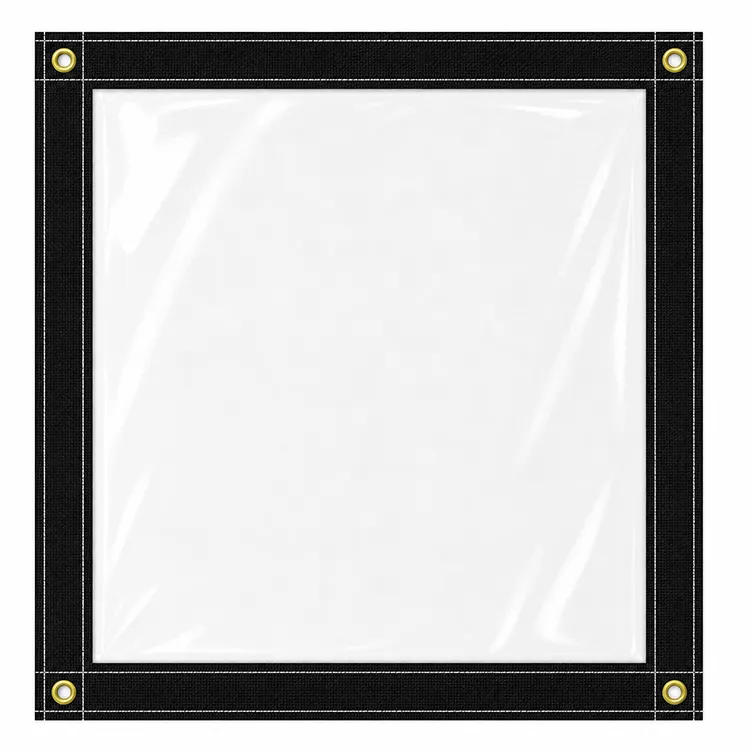
Clear Vinyl Fabric and Clear PVC Roll Materials
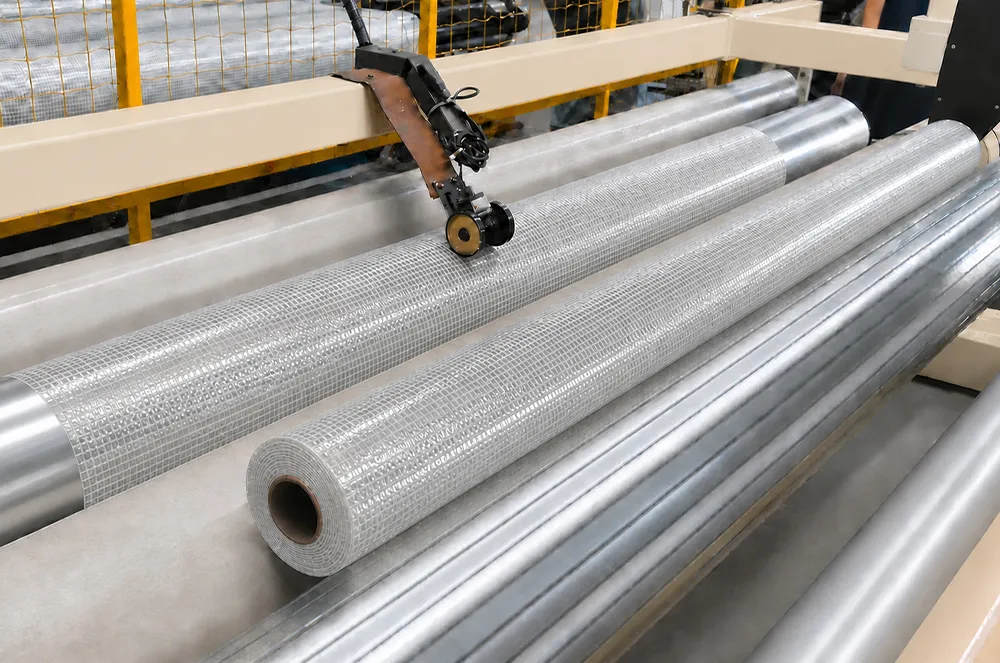
Clear vinyl fabric is a flexible transparent PVC roll material used for clear curtains, enclosures, visibility panels, tarp windows and other fabricated products. It may be supplied as unsupported clear vinyl material or as transparent PVC reinforced with a polyester grid. These structures do not behave the same in cutting, welding, sewing or load-bearing use. LonaTarp works with B2B converters, importers and distributors to confirm the structure, clarity, thickness, width, processing method and test requirements before sampling or quotation. Roll Materials: MOQ 5,000 m².
Need help choosing the clear vinyl structure? Send the finished product, unsupported or reinforced direction, thickness or sample, usable width and quantity.
Start a clear-material review. What Does Clear Vinyl Fabric Mean?
In industrial material purchasing, clear vinyl fabric, clear vinyl material and clear PVC fabric often describe flexible transparent PVC-based roll goods. The word “fabric” is used broadly in the market, even when a product is a clear unsupported sheet rather than a textile-backed material. That is why the name alone is not enough for a purchase specification.
The first question should be: does the material contain reinforcement?
| Material direction | Structure | What it is usually selected for | Main point to verify |
|---|
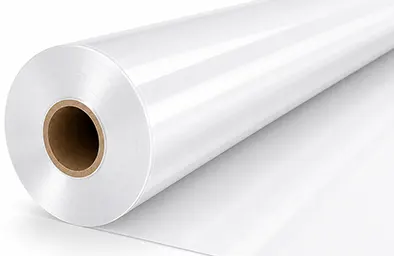
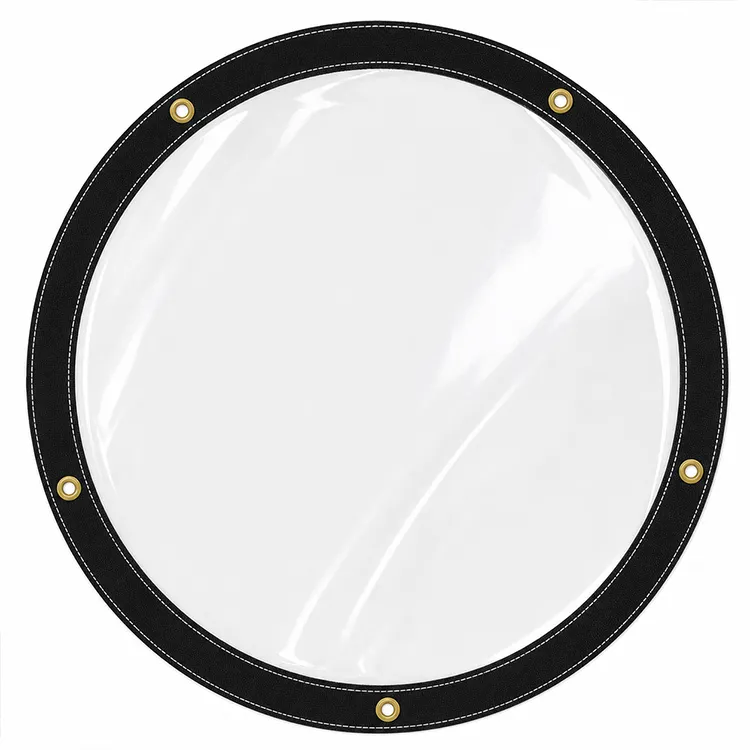
| Unsupported clear PVC/vinyl | Flexible transparent PVC without a textile grid | Curtains, partitions, visibility windows and flexible clear panels where high visual openness is important | Thickness, clarity, softness, width, surface and processing behavior |
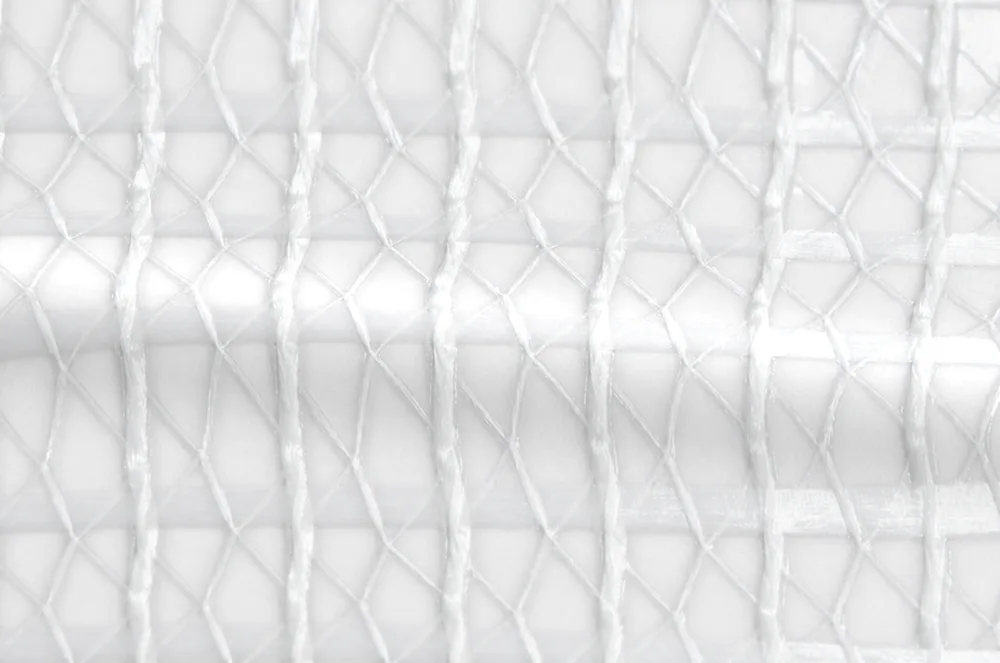
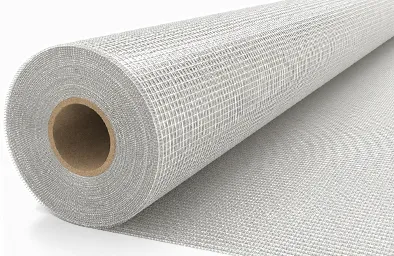
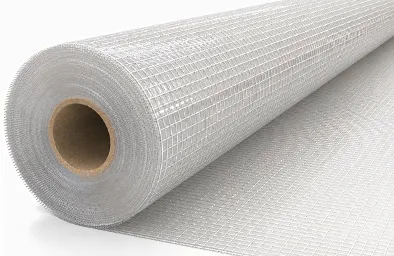
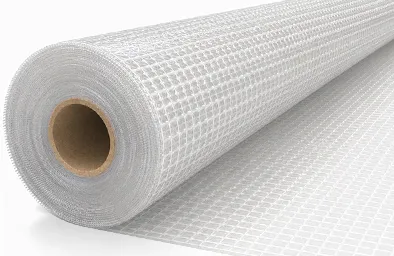
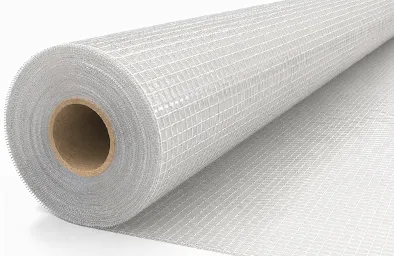
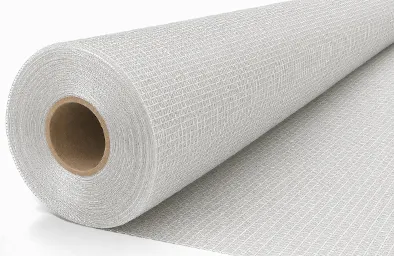
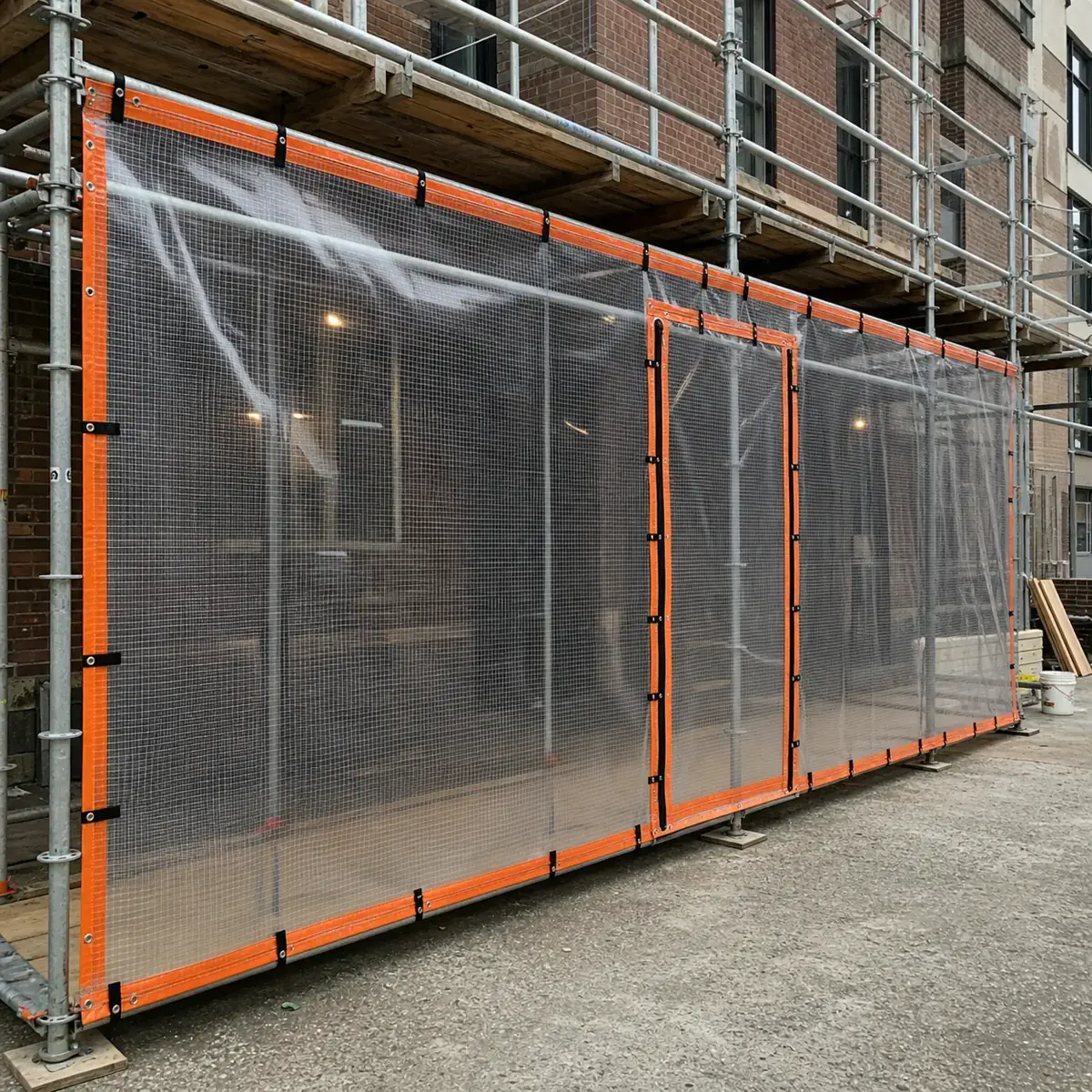
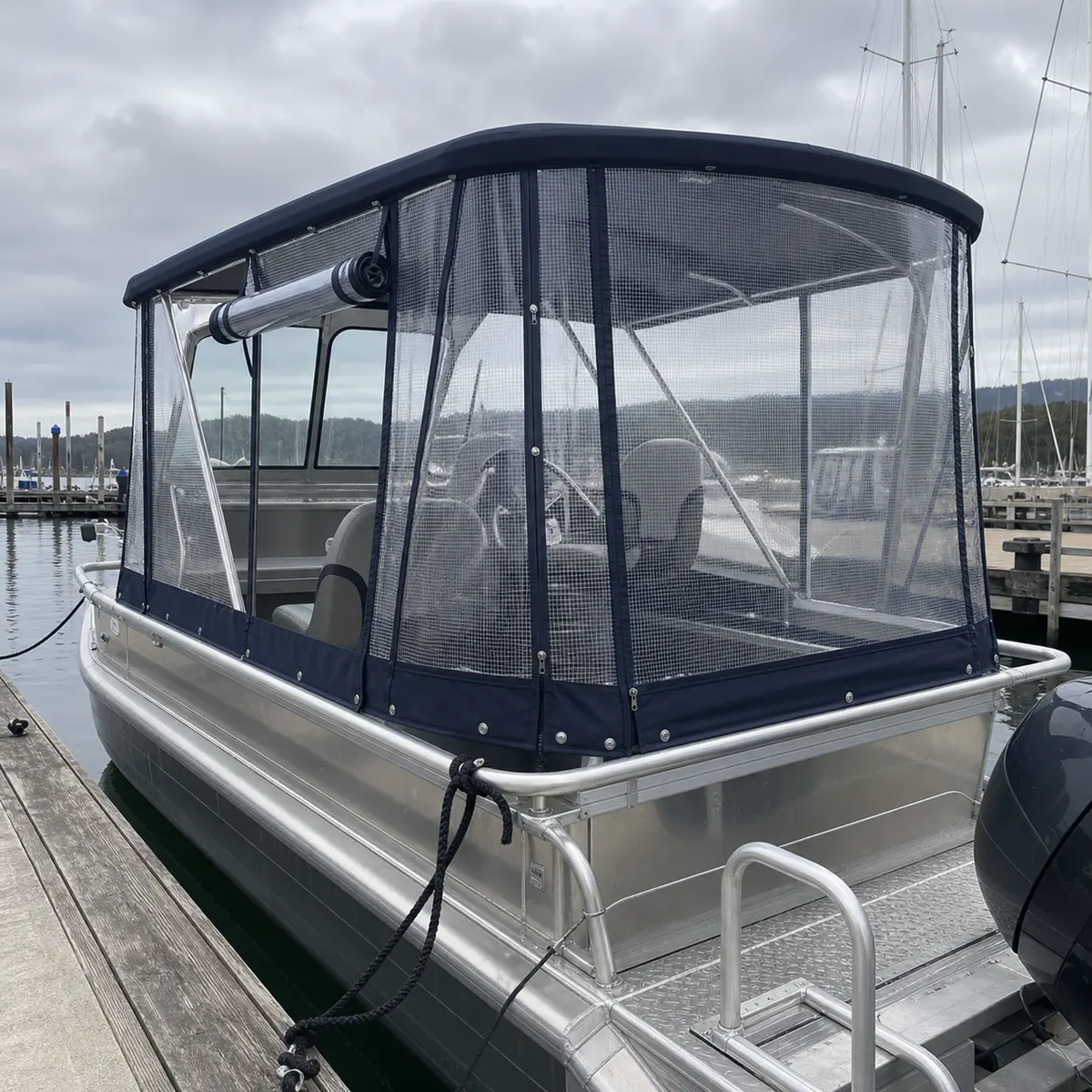
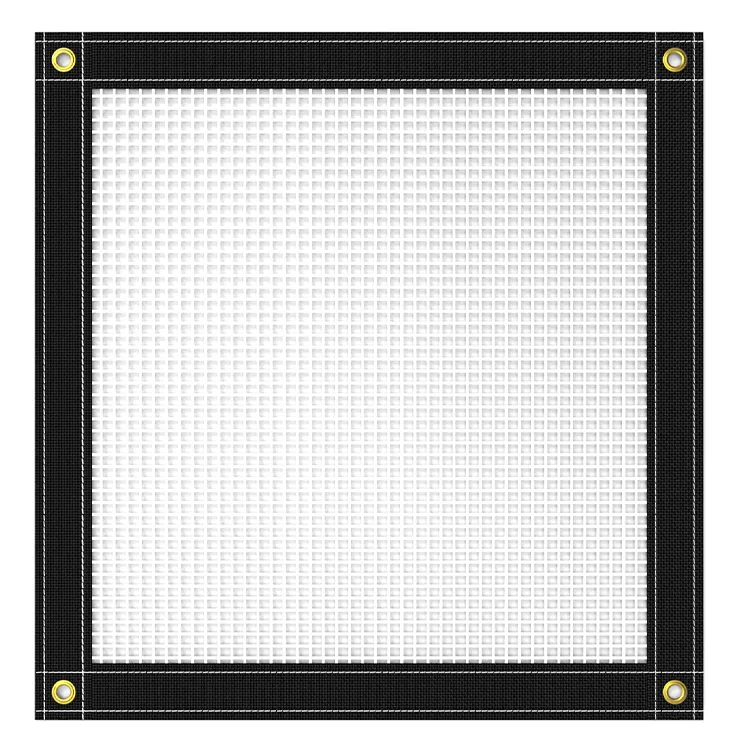
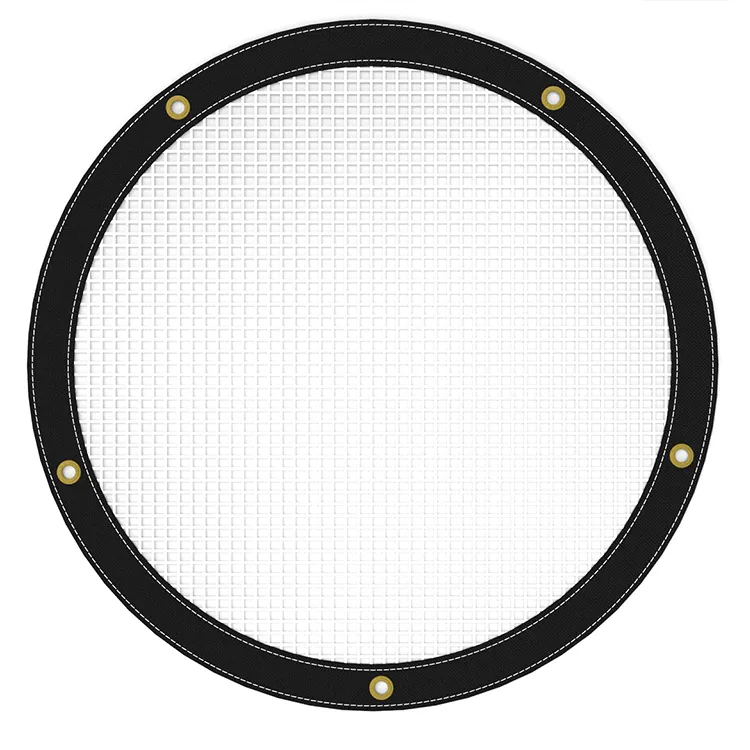
| Transparent reinforced PVC fabric | Clear PVC combined with a polyester reinforcement grid | Panels, enclosures, tarp windows and products that need added tear support or dimensional stability | Grid construction, visibility, thickness, strength direction, seam method and appearance |
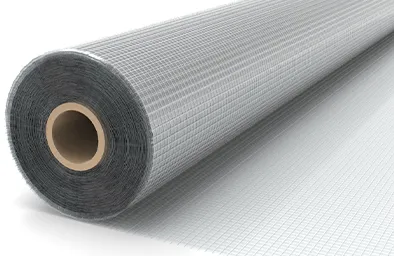
| Open PVC coated mesh | Polyester mesh with visible openings and PVC coating | Shade, airflow, screening and debris control | This is not solid transparent vinyl and should be sourced on a separate mesh page |
The phrase clear PVC vinyl fabric can appear in buyer enquiries as a mixed market name. Instead of treating it as a separate product, confirm whether the buyer needs an unsupported clear sheet, a reinforced transparent composite or an open mesh. Otherwise, the buyer may approve the wrong roll construction before the sample stage.
Not sure which clear PVC construction to sample? Send a product photo, current sample or cross-section requirement, plus the visual and load requirements.
Review the material structure. Select Clear Vinyl Material by Seven Buying Decisions
A useful specification should describe how the roll will become a finished product. Thickness matters, but it cannot replace the other decisions below.
| Buying decision | What to confirm | Why it affects the finished product |
|---|
| Visual requirement | Clear view, light transmission, acceptable haze, tint and surface marks | A warehouse partition and a display window may tolerate different visual defects |
| Structure | Unsupported or polyester-reinforced | Reinforcement changes tear support, dimensional stability, appearance and processing choices |
| Thickness or construction | Target thickness, tolerance or an approved reference sample | Changes stiffness, folding behavior, handling, seam design and material cost |
| Width and roll format | Usable width, roll length, core, winding and packing | Affects cutting yield, seam count, machine handling and freight planning |
| Surface and flexibility | Gloss or other agreed finish, hand feel, blocking risk and cold-use target | Influences appearance, unrolling, folding, cleaning and processing |
| Fabrication method | Cutting, high-frequency welding, hot-air welding, sewing or combined processing | The chosen construction must work with the buyer's machine and seam requirement |
| Use environment | Indoor/outdoor, temperature, sunlight, chemicals, repeated movement and target standard | Functional requirements must be tied to a use condition and verification method |
For transparent vinyl fabric, higher clarity does not automatically mean better fitness. A product that gives an unobstructed view may not provide the same tear support as a reinforced construction. A stronger reinforced panel may show a visible grid. The correct choice depends on what the finished product must do and what visual result the buyer can accept.
Match the Structure to the Finished Product
The same clear roll should not be specified for every application. Start with the finished product and its load path.
Clear Industrial Curtains and Partitions
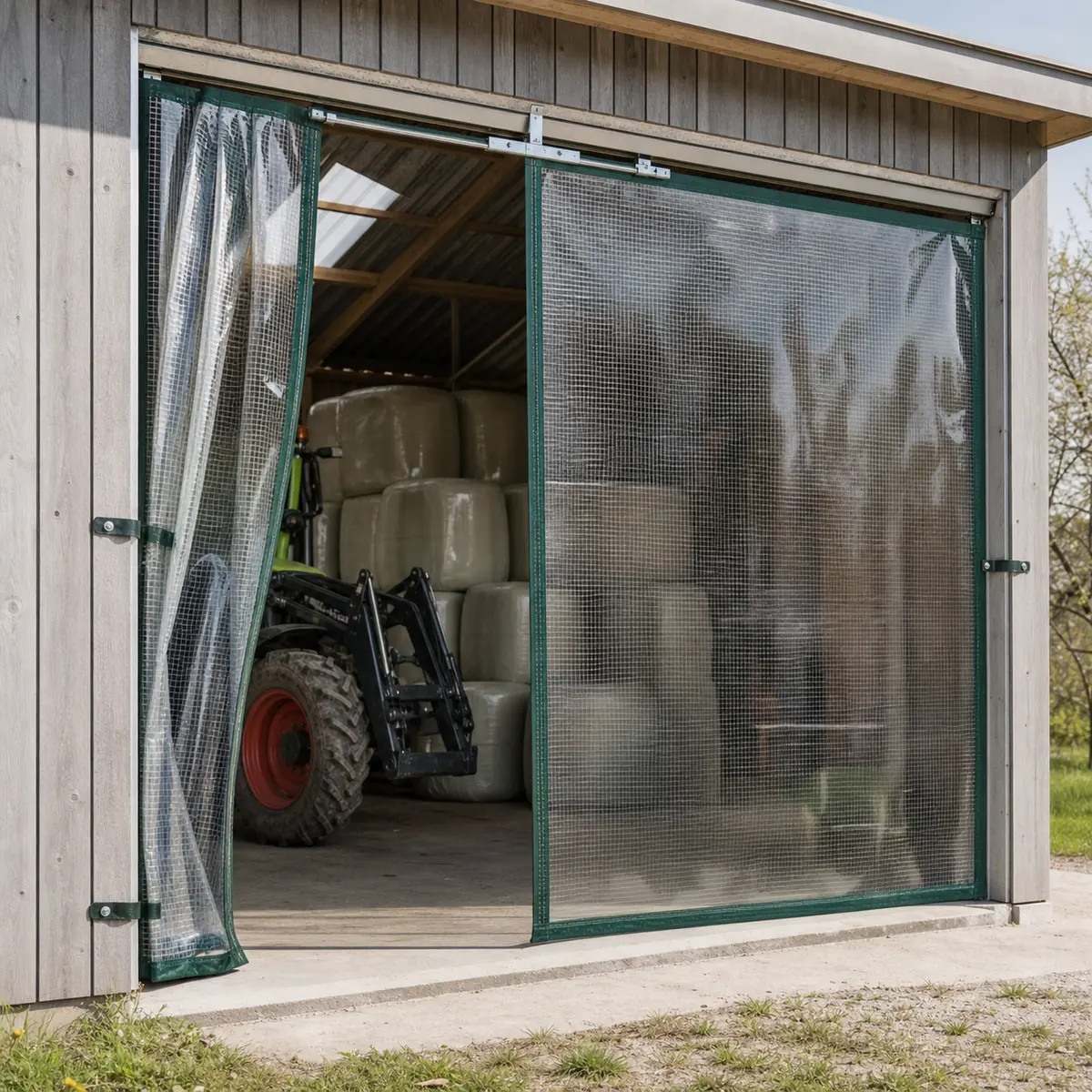
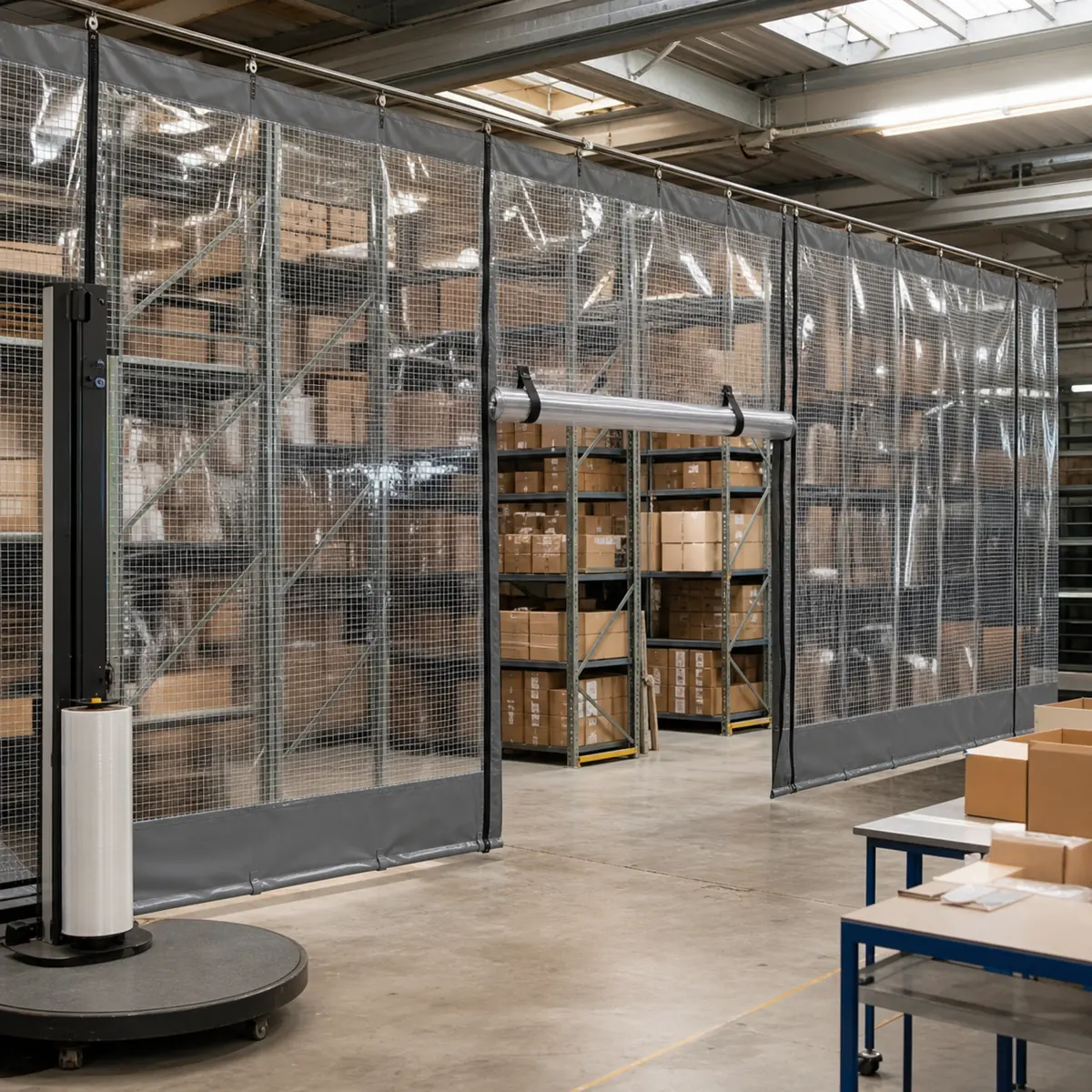
Unsupported clear vinyl may suit partitions and curtains where visibility, flexibility and routine opening are the main needs. The buyer should confirm panel height, edge support, folding frequency, cleaning method and how the material will be attached. Tall panels or frequently moved curtains may need a different thickness or reinforcement direction from a small observation window.
Patio, Greenhouse and Outdoor Enclosures
Outdoor exposure adds temperature change, sunlight, wind movement, moisture and cleaning. Do not request “outdoor grade” without a target. State the location, expected exposure, installation tension, service season and any required test method. If the panel carries edge load or repeated wind movement, a reinforced structure may be more appropriate, subject to project validation.
Transparent Tarp Windows and Visibility Panels
A clear window in a finished tarp must be evaluated as part of the full panel. The transparent insert, surrounding PVC fabric, weld or seam, edge reinforcement and fixing method work together. A clear roll that looks acceptable by itself can still fail if the joining method distorts the material or the load is transferred into an unsupported edge.
Flexible Bags, Pockets and Industrial Components
For document pockets, transparent covers, bags or flexible components, buyers may care about surface marks, folding, repeated flexing, sealing and contact requirements. Send the finished-product drawing and intended contact environment. Food-contact, medical, skin-contact or restricted-substance claims cannot be inferred from the material name and require an exact grade plus relevant documentation.
If you already need cut, welded and fitted products rather than roll stock, review LonaTarp's custom finished covers route. Buyers comparing several roll-material families can also use the tarpaulin roll collection before fixing the material direction.
Confirm Cutting, Welding and Sewing Before Bulk Production
Processing trials are important because two clear materials with a similar appearance may behave differently on the same production line.
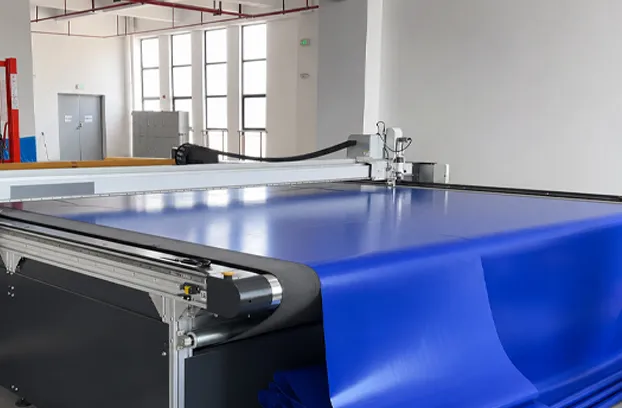
- Check cutting and handling. Review edge curl, surface marking, blocking between layers, protective-film requirements and usable yield after trimming.
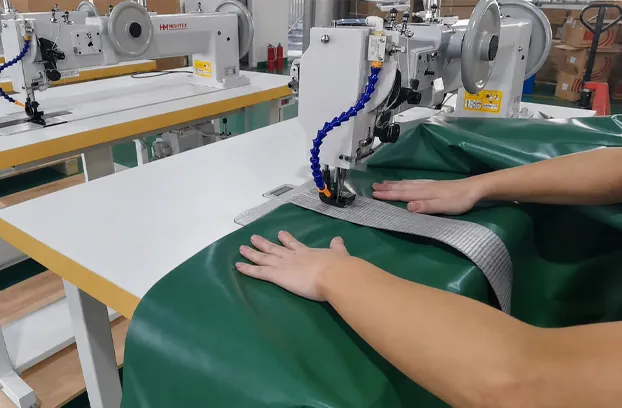
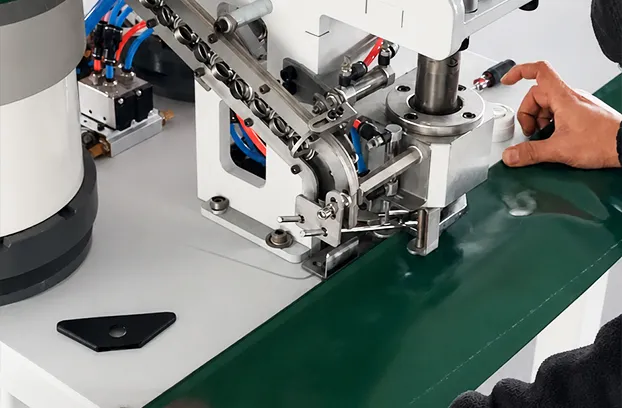
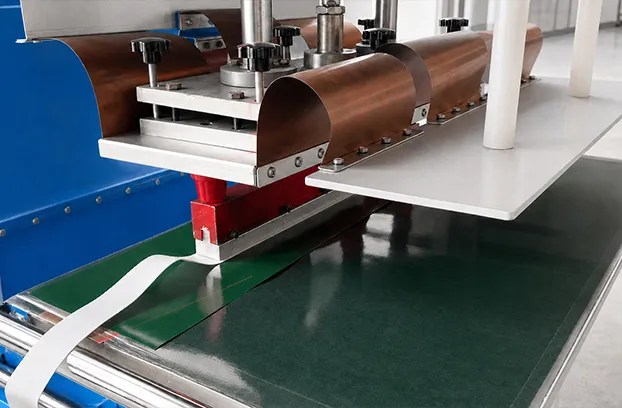
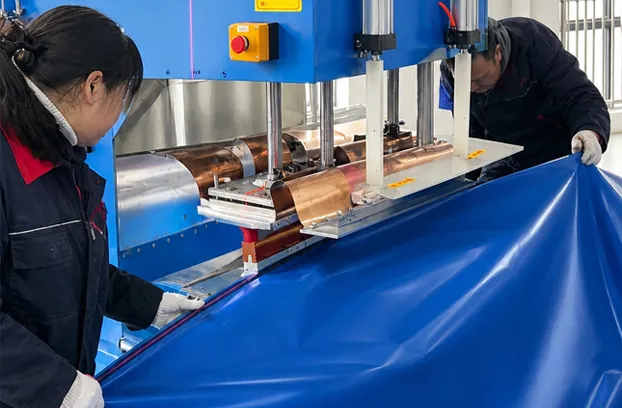
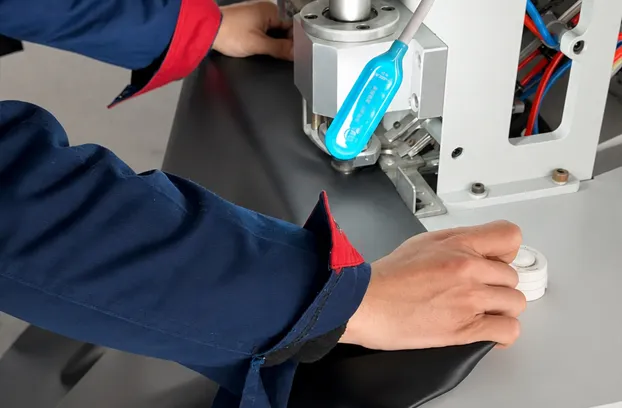
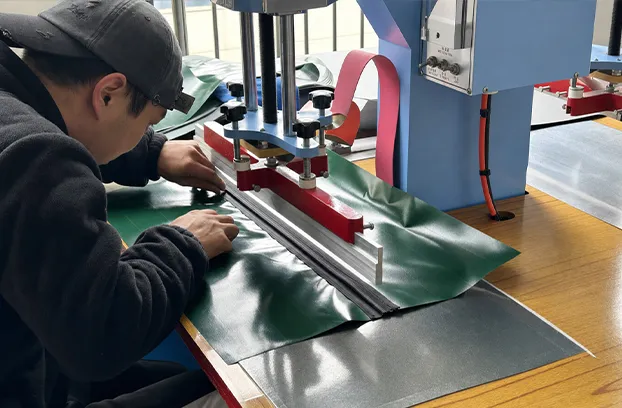
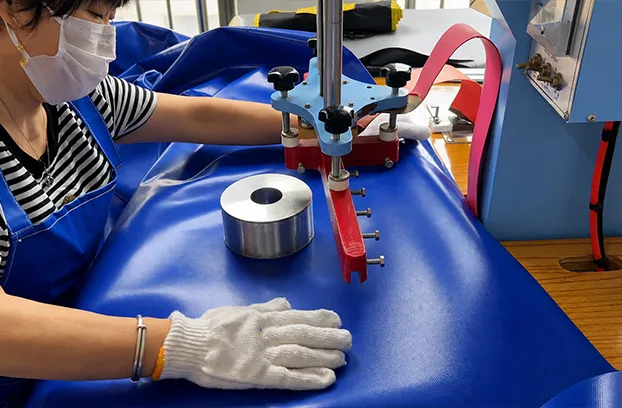
- Match the welding method. High-frequency or hot-air welding may be possible for suitable PVC constructions, but settings, dwell time, pressure and seam design must be tested on the selected material and the buyer's equipment.
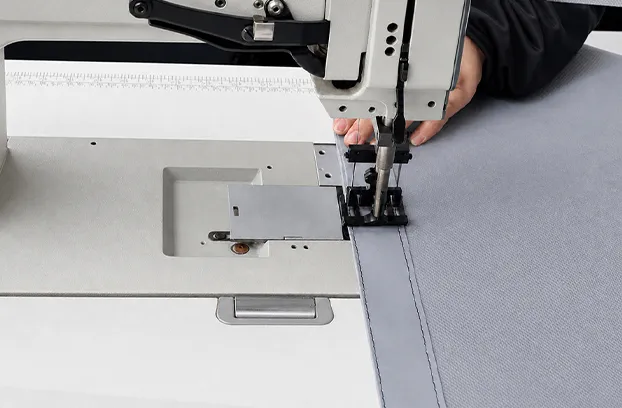
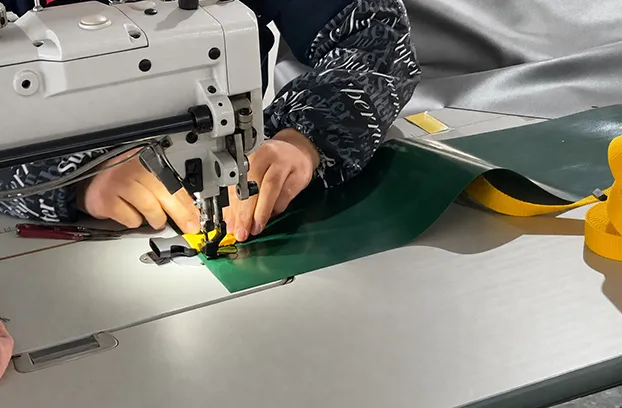
- Do not assume sewing is suitable for every clear sheet. Needle holes concentrate stress. Reinforced constructions may offer better support, while unsupported material may need welded or specially reinforced edges.
- Test the full joint, not only the center material. A seam can look clean but still distort the window, peel under load or fail at the transition between clear and opaque material.
- Record the approved setup. Keep the selected construction, equipment, seam dimensions, processing settings and acceptance result with the order specification.
When the buyer's factory will convert the roll locally, send the machine type and a current seam sample if possible. This gives the material review a real production reference instead of relying on the word “weldable.”
Need to confirm cutting, welding or sewing? Send the machine type, joining method and a current seam sample so the selected material can be reviewed on the intended process.
Request a processing review. Use a Sample-to-Bulk Acceptance Plan
Clear materials expose visual and processing inconsistency more readily than opaque products. An approved sample should therefore define more than color.
| Acceptance item | Suggested evidence | Bulk-order risk controlled |
|---|
| Structure identity | Product description, sample and reinforcement detail | Prevents unsupported and reinforced materials being confused |
| Clarity and surface | Agreed viewing condition, reference sample and defect limit | Reduces disputes over haze, scratches, marks or appearance |
| Thickness and width | Agreed measuring method and tolerance | Controls fit, yield, stiffness and machine handling |
| Reinforcement | Grid direction, alignment and visible construction | Controls appearance and mechanical consistency |
| Processing trial | Weld, seam or cut sample made on the intended method | Confirms actual conversion suitability before bulk use |
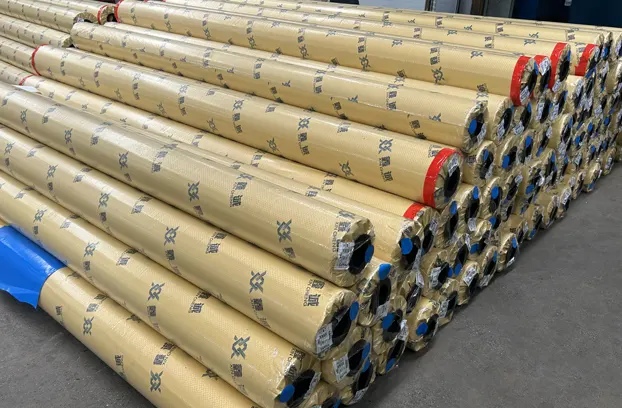
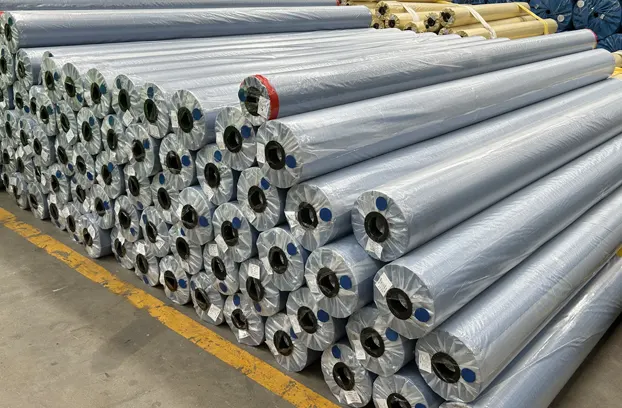
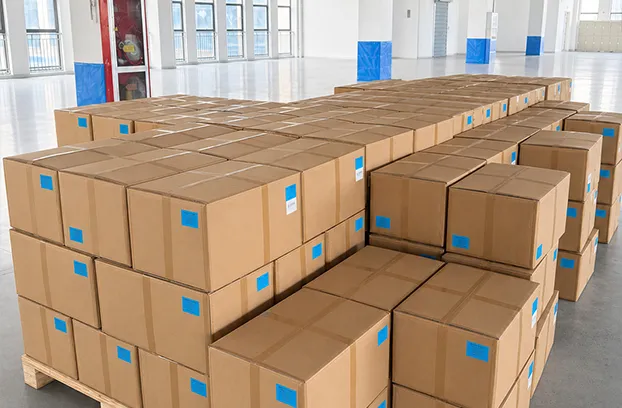
| Roll quality | Winding, blocking, joints, roll length and packing requirements | Reduces downtime and unusable material during conversion |
| Repeat-order reference | Approved specification, sample record and change-control note | Helps the next batch follow the same accepted construction |
If a compliance or functional document is required, identify the target market, standard, test method and exact report scope before the material is approved. CE, SGS, ISO or other documents should be discussed against the actual product and project; a general logo is not a substitute for applicable evidence.
Custom Clear Vinyl Fabric Supply for B2B Roll Programs
LonaTarp supports made-to-order B2B material programs. The specification is reviewed from the finished product backward, then confirmed through the available material route, sample, processing method and purchase terms.
Before requesting a quotation, send:
- finished product and application;
- unsupported or reinforced material direction, if known;
- target thickness or an existing sample/data sheet;
- usable width, roll length and total square meters;
- required clarity, tint, surface and flexibility;
- cutting, welding, sewing or other conversion method;
- indoor/outdoor conditions and target tests or standards;
- roll core, protective film, labels, pallet or other packing needs;
- destination and required delivery date.
Roll Materials: MOQ 5,000 m². Samples can be reviewed before bulk production when the specification or processing behavior needs confirmation. A typical lead time is 15 days after the material construction, quantity and order details are confirmed; the final schedule depends on the actual specification and production plan.
When a requirement is not yet complete, send the finished product first. We can separate what can be quoted immediately from what must be confirmed by a sample, process trial or project-specific document.
Need a workable clear-material specification? Send the product use, preferred structure, thickness or reference sample, roll width, processing method and quantity. Roll Materials: MOQ 5,000 m².
Request a clear vinyl fabric quote.