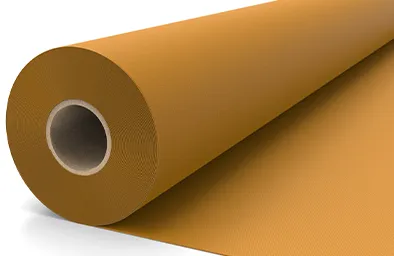
What Makes PVC Tarpaulin Waterproof?
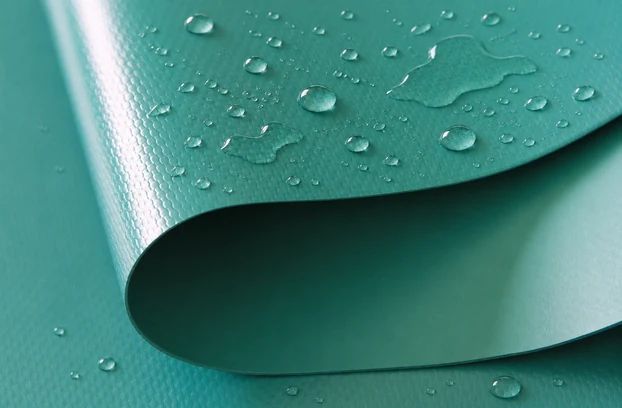
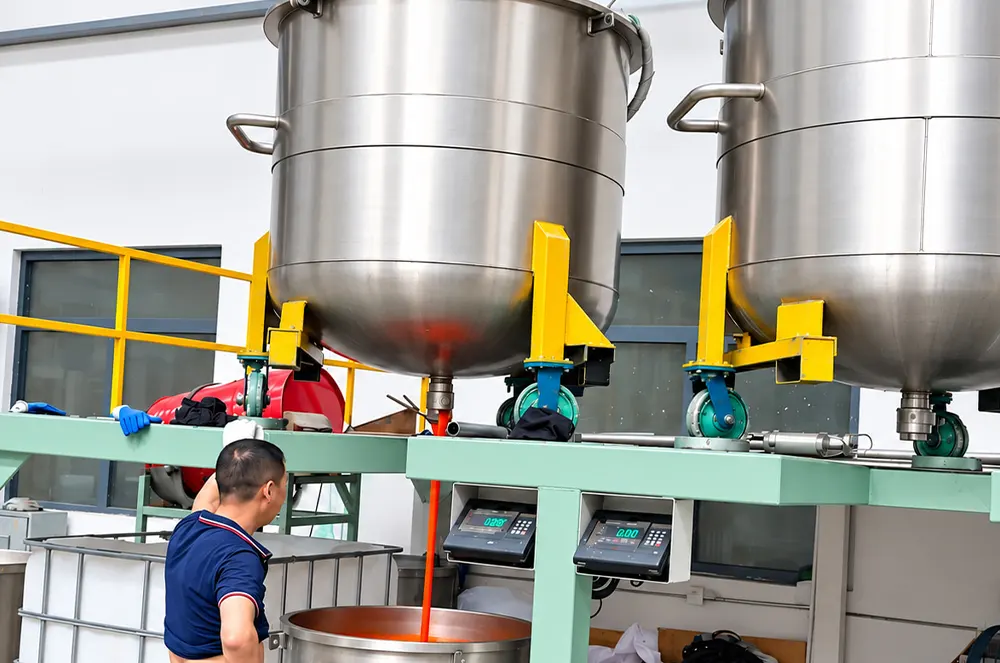
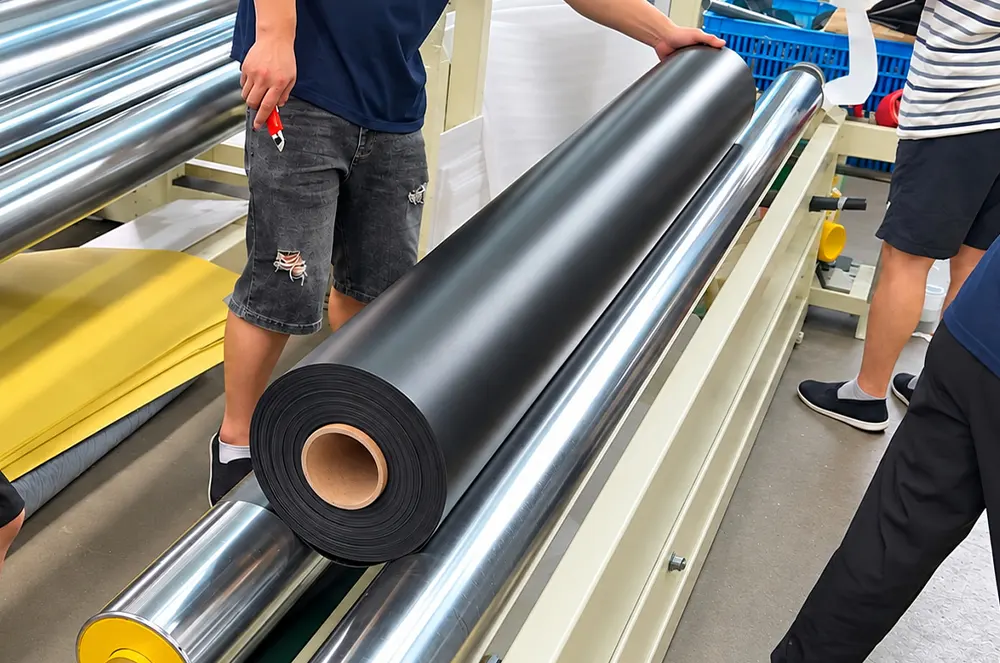
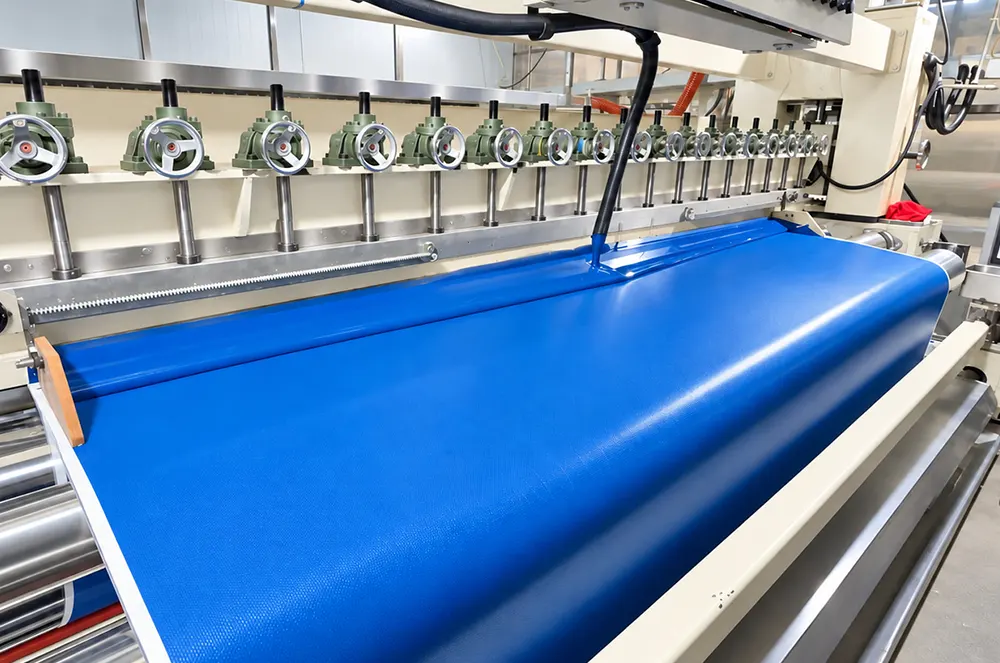
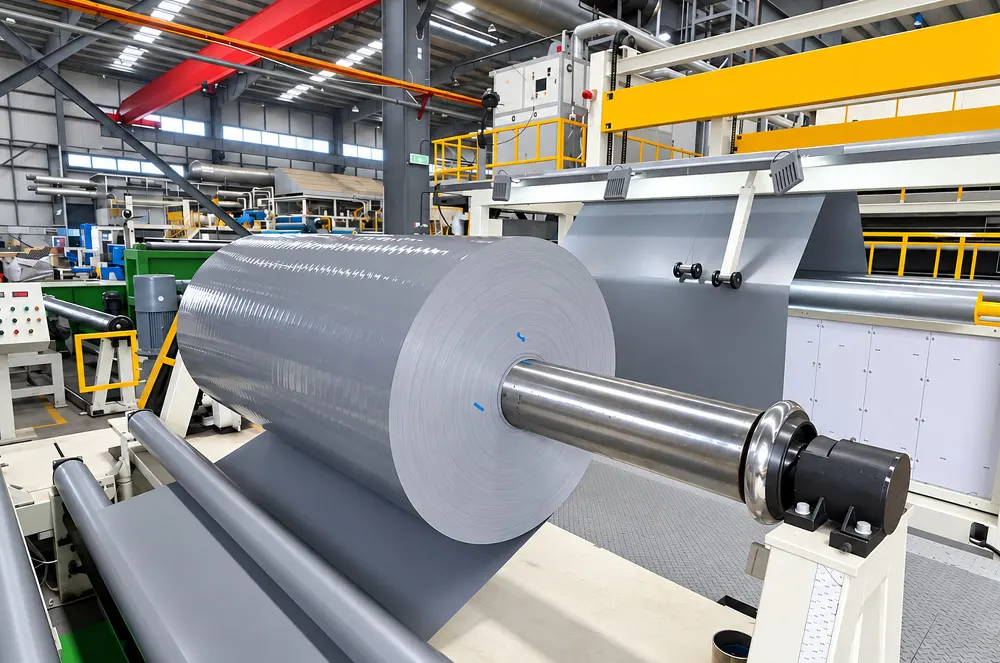
PVC waterproof fabric uses a continuous solid PVC barrier to prevent liquid water from penetrating the intact fabric surface. It is manufactured for industrial covers, outdoor protection, and specialized applications such as flexible water-storage products. The PVC layer provides the waterproof barrier, while the reinforcing polyester fabric supplies tensile strength, tear resistance, and dimensional stability.
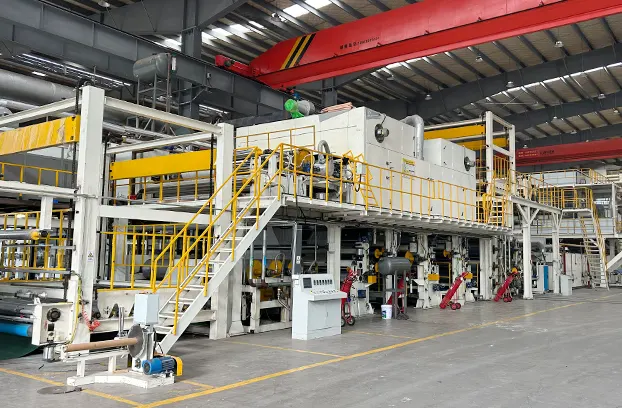
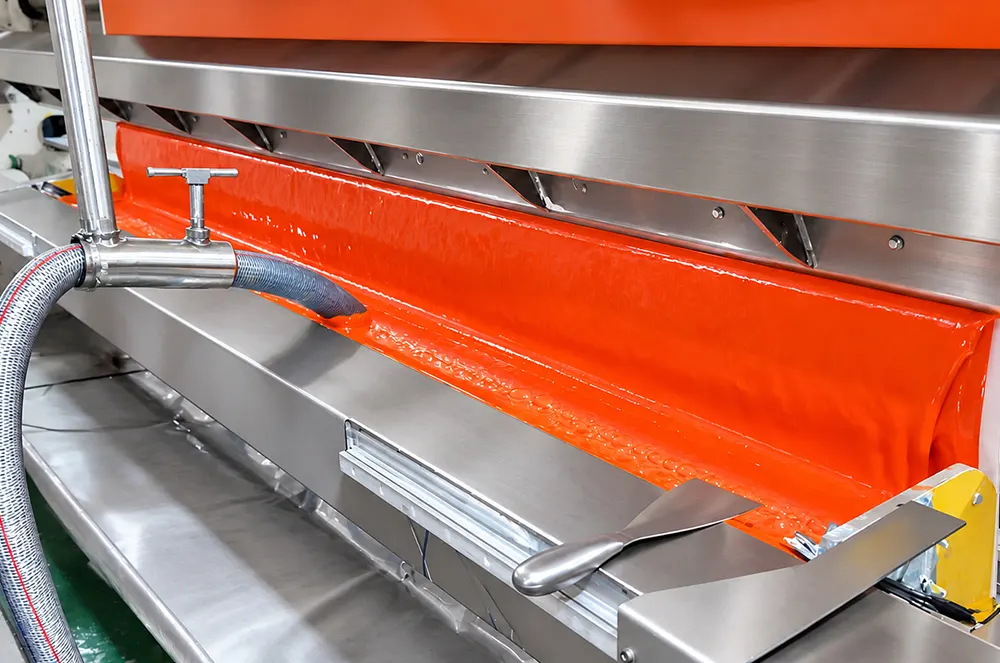
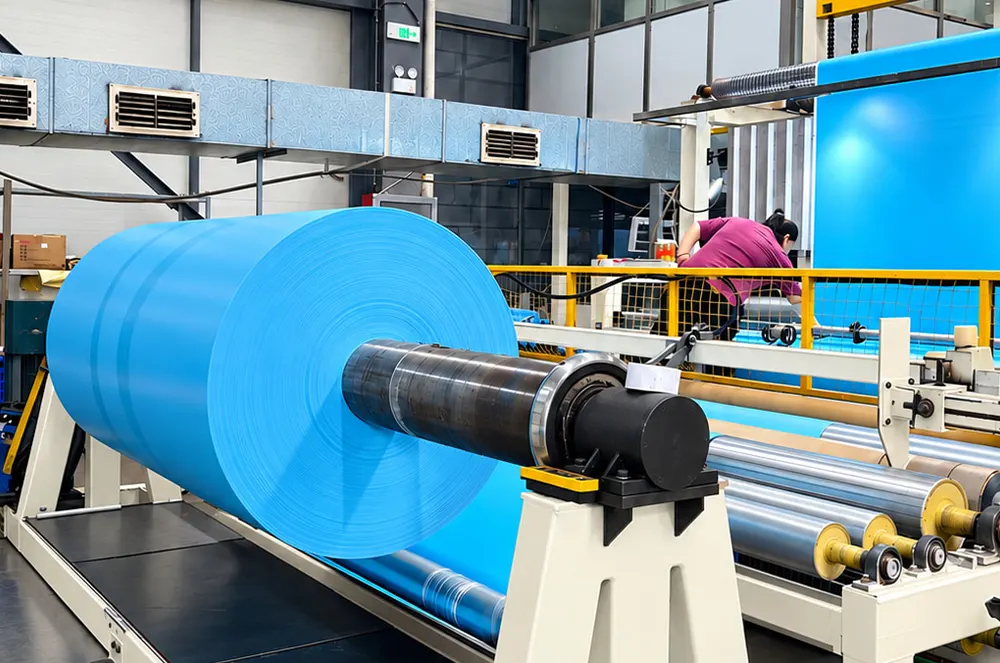
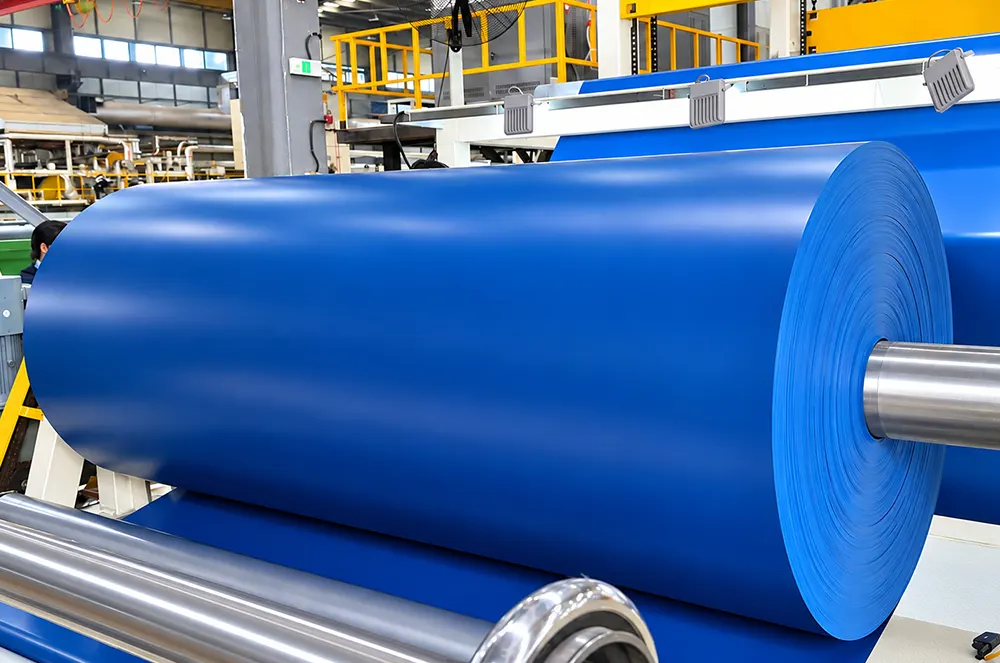
Both PVC coated and PVC laminated tarpaulin fabrics can provide waterproof performance. In coated fabric, PVC compound is applied directly to the base textile. In laminated fabric, PVC films are bonded to the polyester reinforcement. Neither method is automatically more waterproof: the choice depends on the finished construction, flexibility, coating or film integrity, processing needs, and verified performance.
A continuous PVC layer blocks liquid water under the material's specified conditions. Excessively thin or damaged layers, cracks, pinholes, abrasion, or poor coating adhesion can create water-entry paths. This is why the waterproof material should be assessed alongside its intended handling and fabrication conditions.
For manufacturing-process details, compare our PVC coated tarpaulin rolls and PVC laminated tarpaulin rolls. For more details on how PVC fabric prevents water penetration and why cut edges or damaged areas may still cause problems, read our Is PVC Fabric Waterproof? guide.
Waterproof Performance and Hydrostatic Resistance
Hydrostatic resistance measures whether water penetrates a fabric when a specified pressure is applied under defined laboratory conditions. Test pressures are commonly expressed in kilopascals (kPa). For example, 50 kPa equals 50,000 Pa or 0.05 MPa.
For selected waterproof PVC tarpaulin constructions, LonaTarp uses 50 kPa as a reference hydrostatic-resistance target. This is a material-development target, not a universal rating for every PVC fabric or an internationally fixed pass level. The result for a particular GSM, thickness, coating, and base-fabric construction must be confirmed by testing that material under agreed conditions.
Greater PVC-layer thickness can support the development of constructions for more demanding water-pressure requirements, but GSM or thickness alone does not establish a hydrostatic-resistance value. Coating continuity, formulation, adhesion, flexibility, and testing conditions also matter. The polyester base helps the material withstand mechanical tension; it does not replace the waterproof function of the PVC barrier.
A laboratory hydrostatic test is not a direct approval of the operating pressure or capacity of a finished water bladder. Tank geometry, fill height, tensile load, seams, and supports must be evaluated separately.
Choosing PVC Vinyl Fabric Waterproof Materials for Different Applications
Buyers who need ordinary rain protection and buyers developing a liquid-storage bladder are solving different problems. The correct material starts with the actual water exposure and the mechanical loads that the finished product will experience.
| Working Condition | What Matters Most | Material Direction |
|---|
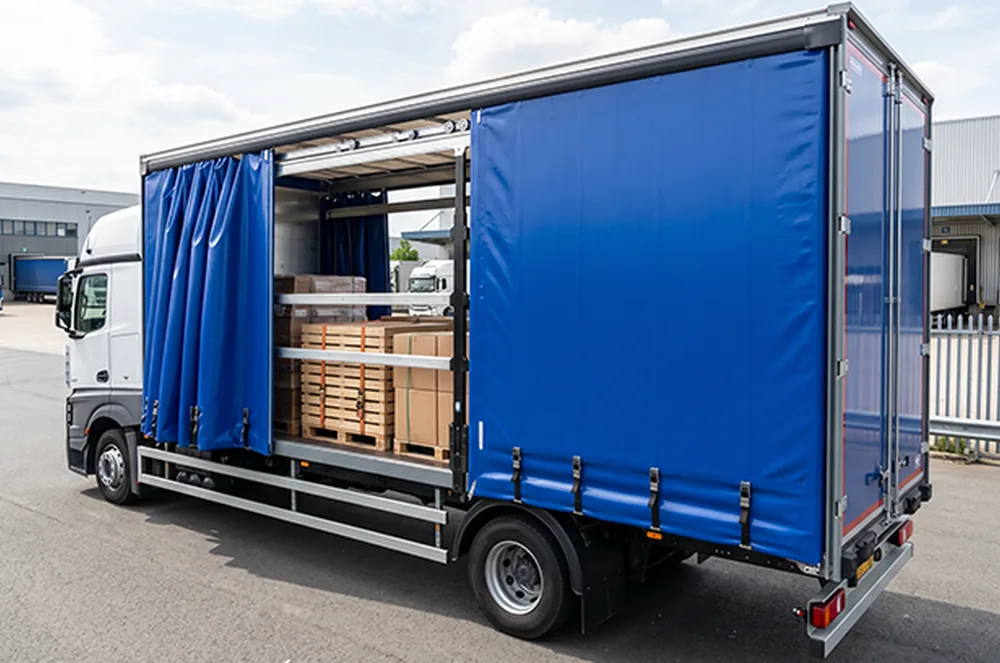
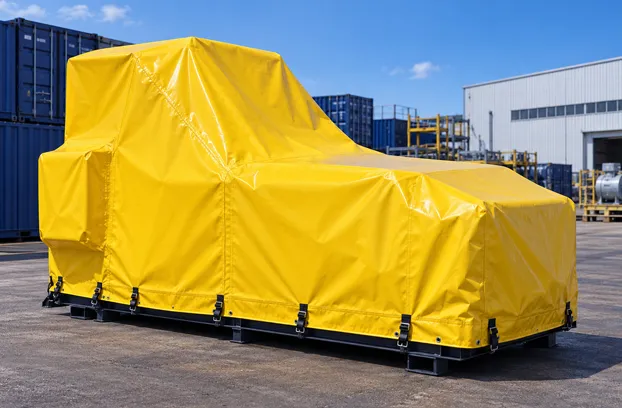
| Truck covers, tent roofs and outdoor equipment covers | Continuous waterproof surface, tensile strength, flexibility, UV exposure and drainage | PVC coated or laminated fabric selected for outdoor use and the intended fabrication process |
| Prolonged wetting or occasional water accumulation | Barrier integrity, defined hydrostatic resistance, coating durability and seam design | Material with an agreed pressure target and suitable mechanical properties |
| Flexible water tanks and large storage bladders | Sustained water pressure, tensile loading, weld strength and load distribution | Reinforced PVC construction developed around the tank geometry, pressure and welding requirements |
Reinforcement for Flexible Water Storage
Large flexible water-storage systems experience sustained tensile loading as they fill. We select PVC-layer construction, polyester yarn specifications, fabric density and mechanical strength together for these projects. Where the finished assembly requires additional support, reinforcing webbing can be incorporated at selected positions to distribute loads and strengthen high-stress areas.
Webbing helps manage structural forces; it does not directly raise the hydrostatic resistance of the base fabric. Because these reinforced strips remain visible, we review their placement with customers who also have appearance requirements. Liquid-contact compatibility, including any drinking-water requirements, must be verified separately for the intended liquid.
Leak-Prevention Solutions for Seams and Fixing Points
A waterproof PVC vinyl fabric can still become a leaking finished product if fabrication creates openings. We therefore review seams, stitching, zippers, hems, and attachment points together with the material specification.
Hot-Air and High-Frequency Welding
Hot-air welding and high-frequency welding join compatible PVC surfaces to form continuous bonded seams. The appropriate method depends on the PVC construction, joint layout, overlap, production equipment and required joint strength. Welding quality is checked on the selected material and representative joint design.
High-Frequency Sealing Around Stitched Areas
Industrial sewing creates needle holes that can allow water to enter, especially around zippers and other attachments. For compatible sewn assemblies, LonaTarp applies localized high-frequency heat sealing to soften and bond PVC around the stitched area, closing potential leakage paths while preserving the mechanical attachment. The sealing method must be validated for the actual fabric, thread and accessory combination.
Fixing Without Puncturing the Main Panel
Conventional grommets require holes through the fabric. Where water tightness is critical, we can recommend welded straps, reinforced pulling tabs or other suitable fixing structures that do not unnecessarily penetrate the main waterproof panel. The fixing arrangement is selected for the required pulling force and finished-product design.
For a fuller explanation of why completed covers can leak even when their base fabric is waterproof, see Are Vinyl Tarps Waterproof?
Waterproof Testing and International Standards
Waterproof performance should be supported by a defined test method, a target pressure and acceptance criteria. International references relevant to PVC tarpaulin include:
| Standard | What It Covers |
|---|
| ISO 1420:2016 | Hydrostatic-resistance testing of rubber- or plastics-coated fabrics at specified pressure and duration. |
| ASTM D751-26 | Coated-fabric test methods, including hydrostatic resistance, coating adhesion and seam strength. |
| ISO 8095:1990 | A product specification for PVC-coated fabrics intended for tarpaulin manufacture. |
These standards do not all serve the same purpose: a test method explains how to evaluate a property, while a product specification defines requirements for its applicable material category. LonaTarp can develop materials toward agreed waterproof requirements and arrange relevant testing. We confirm the material construction, hydrostatic pressure, test duration, specimen conditions and pass criteria before testing. A result obtained on one construction is not automatically applied to every thickness or formulation.
PVC Waterproof Fabric Specifications and Bulk Supply
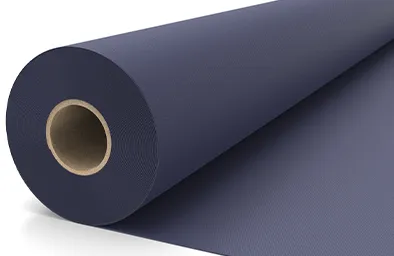
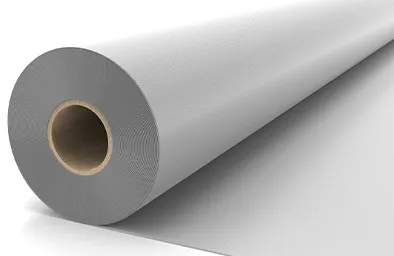
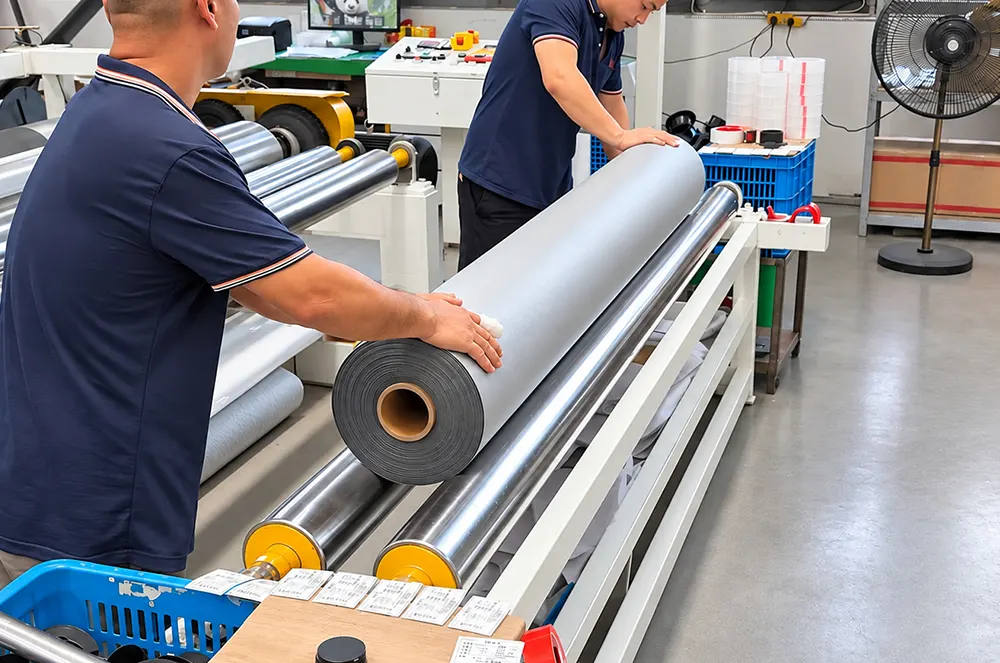
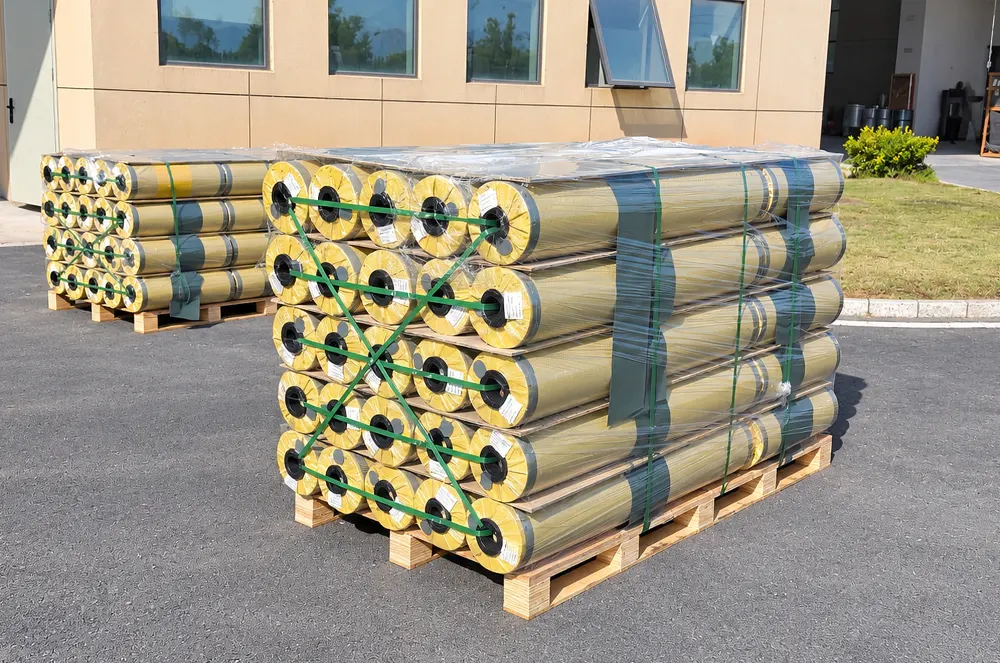
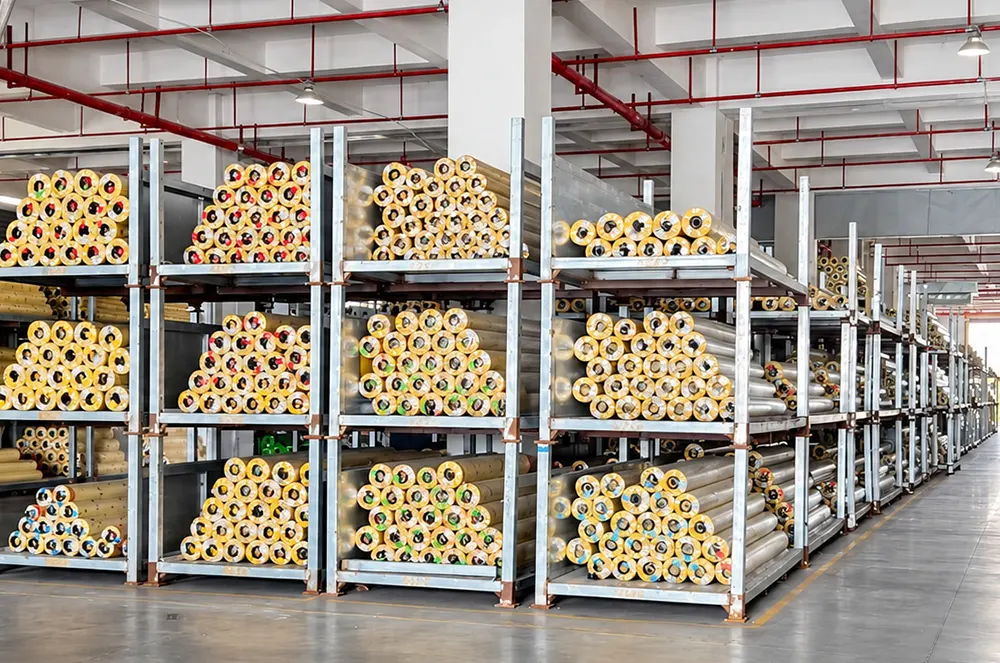
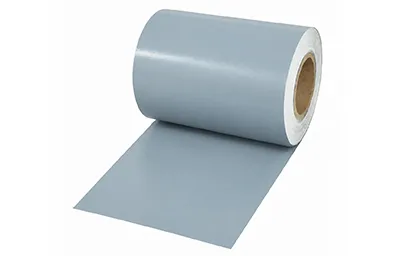
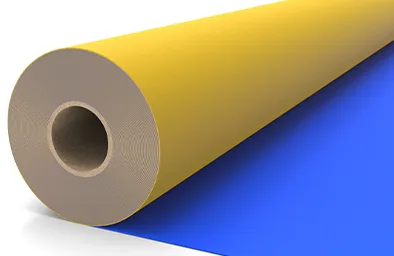
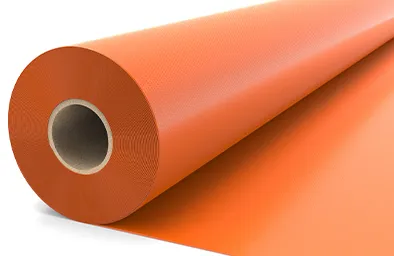
LonaTarp suppliers waterproof PVC tarpaulin fabric rolls for importers, wholesalers, fabricators and OEM manufacturers. Available customization includes PVC coated or PVC laminated constructions, polyester reinforcement, GSM, thickness, color, surface finish, and application-specific material performance.
Roll widths are available up to 3.2 meters, with customizable roll lengths. The minimum order quantity for PVC tarpaulin roll material is 5,000 m² per color and specification.
For a suitable material recommendation and quotation, tell us the intended application, desired GSM or thickness, roll width, order quantity and processing method. For pressure-bearing or water-storage projects, also provide the required operating conditions and target hydrostatic resistance. Our team will review the material configuration and confirm the applicable testing arrangements before bulk production.