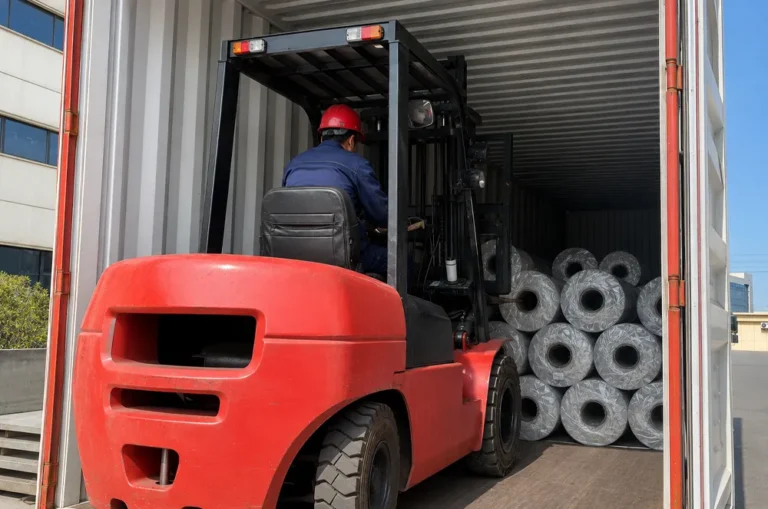
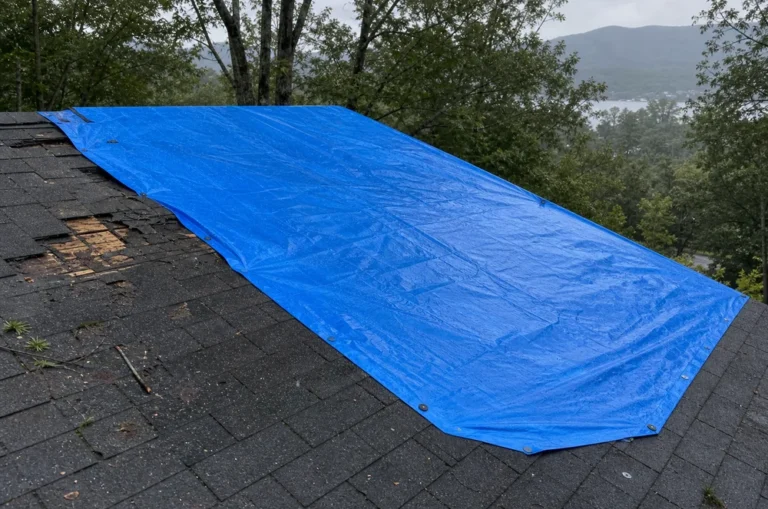
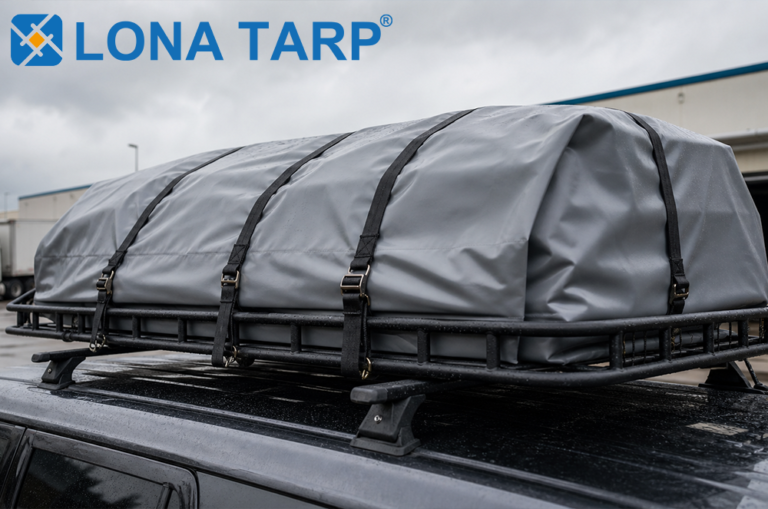
The TPU fabric full form is thermoplastic polyurethane fabric. In industrial use, this usually does not mean a textile woven entirely from TPU. It normally refers to a textile substrate combined with a thermoplastic polyurethane coating or film. The textile supplies reinforcement and dimensional support, while the TPU layer can provide flexibility, abrasion resistance, liquid- or air-barrier potential and compatibility with selected joining processes. Actual performance is not defined by the letters “TPU” alone. It depends on the TPU grade, base fabric, layer construction, thickness, bonding quality, fabrication method and finished-product test conditions.
I. TPU Full Form: What Each Word Means
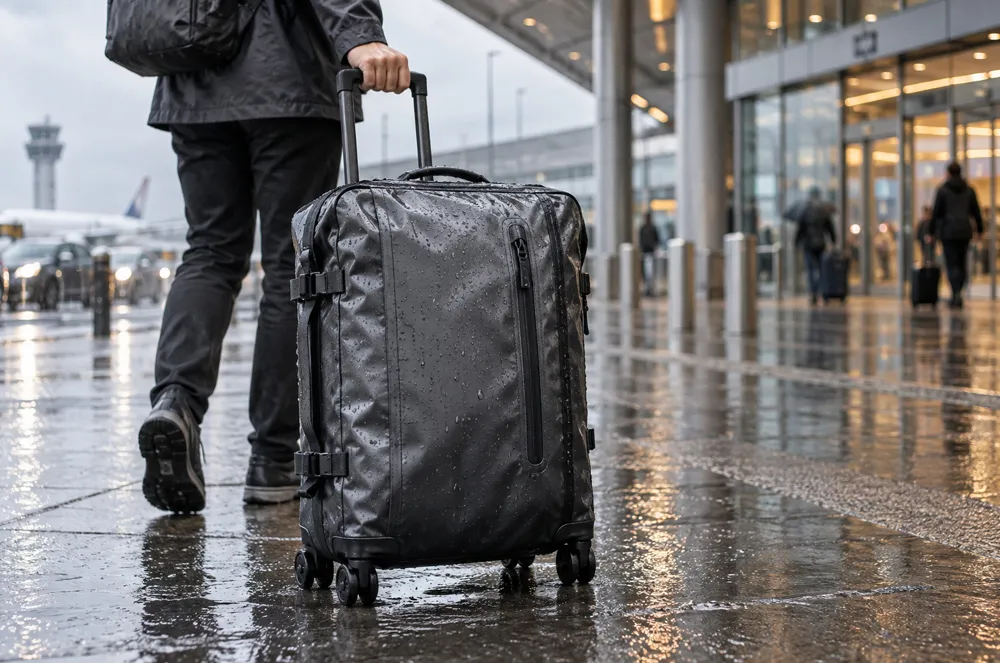
is a family of polyurethane elastomers that can be processed into forms such as film, sheet, coating and molded components.
The name gives industrial buyers three useful clues:
- Thermoplastic describes how the material can soften when heated and solidify again as it cools. This matters during film production and some heat-based joining processes.
- Polyurethane identifies the polymer family, but not one fixed formulation. Different TPU grades can behave differently.
- Fabric means that the polymer is being combined with a textile structure. The finished material must therefore be evaluated as a composite—not as TPU resin alone.
For a sourcing team, the full form is only the starting point. The next question should be: What TPU-and-textile construction is being offered for our product?
II. TPU Is Usually One Part of a Composite Fabric
A practical TPU fabric specification describes the complete material system. Three elements matter most.
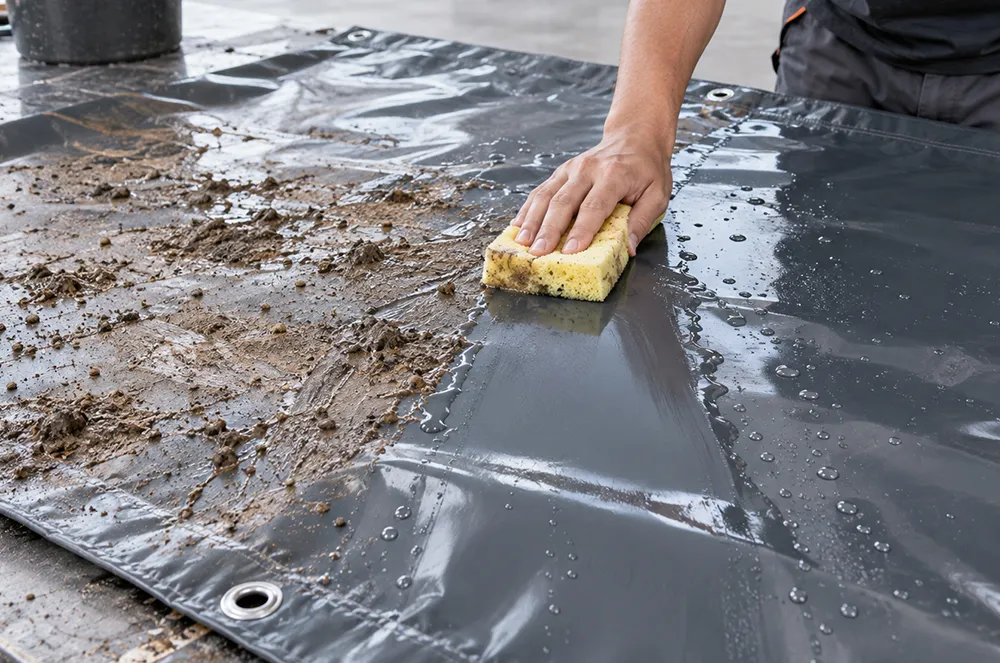
Textile Substrate
The substrate provides the load-bearing framework. Its fiber type, yarn structure, density and weight influence tensile strength, tear behavior, flexibility, dimensional stability and performance during cutting or joining.
“TPU fabric” does not identify the substrate automatically. Buyers should ask the supplier to state it instead of assuming that every product uses the same textile.
TPU Functional Layer
The TPU coating or film provides a functional layer or surface. Depending on the grade and construction, it may contribute flexibility, abrasion behavior, cleanability, liquid-barrier potential, air-retention potential or processability.
These are design possibilities, not universal guarantees. A lightweight laminate for a bag and a reinforced material for an inflatable structure may both be called TPU fabric while requiring very different tests.
Coated and Laminated Constructions
In a TPU coated fabric, a TPU formulation is applied to a textile surface through a controlled coating process. In a TPU laminated fabric, a separately formed TPU film is bonded to the textile. A construction may place the functional layer on one side or both sides, depending on the product design.
“Coated” and “laminated” are not simply cosmetic descriptions. The construction affects bond evaluation, surface behavior, joining trials and how the converter should specify the material.
III. What Properties Can TPU Add to a Fabric?
Manufacturers often investigate TPU textiles when a product requires a flexible functional surface instead of a rigid plastic component. Depending on the selected grade and fabric construction, TPU fabric may offer:
- flexibility during folding or repeated movement;
- resistance to abrasion or surface wear;
- a barrier against water or air;
- compatibility with selected heat-sealing or welding processes;
- lower weight than some heavier reinforced constructions;
- a surface suitable for specific cleaning or handling requirements.
The important word is may. Waterproofness, airtightness, weld strength, flex life, chemical resistance and low-temperature behavior must be tied to a defined construction and test method. If moisture-vapor transfer is part of the requirement, our guide to TPU fabric breathability explains why air permeability and water-vapor transmission need separate tests.
Passing a roll-material test also does not prove that the finished product will pass. Seams, corners, valves, fittings and fabrication settings can become the actual failure points.
IV. What Is TPU Fabric Used For?
TPU composite textiles are considered for products that need textile reinforcement together with a flexible film or coating. Common application directions include:
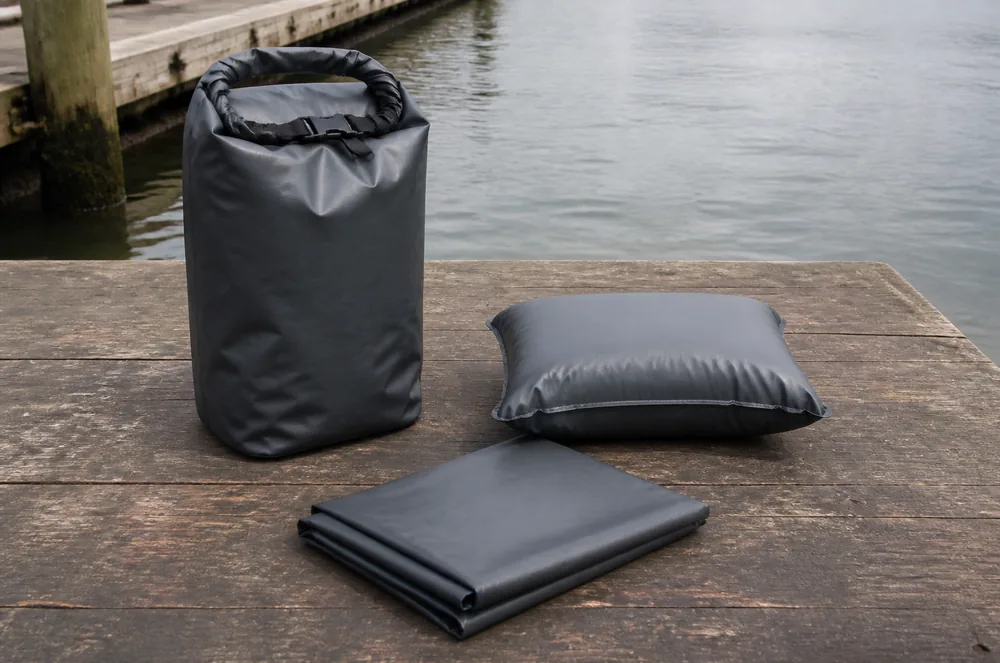
- dry bags and waterproof luggage;
- inflatable products and air-holding structures;
- flexible bladders and liquid-containment products;
- protective covers and technical textile components;
- care-related inflatable products;
- outdoor equipment and wear-exposed soft goods.
An application name alone is not enough to approve a material. A dry bag may prioritize folding, abrasion, seam construction and resistance to water ingress. An inflatable product may place greater emphasis on air retention, weld geometry, cyclic loading and valve integration.
A liquid-contact product may introduce additional chemical compatibility, hygiene, migration or regulatory requirements. The correct process is to define the finished product first and then select the TPU grade, substrate, construction and verification plan.
V. TPU, PU, PVC and Polyester Are Not Interchangeable Terms
| Term | What it identifies | What buyers still need to confirm |
|---|---|---|
| TPU | A thermoplastic polyurethane family | Grade, hardness, layer thickness, substrate, construction and test conditions |
| PU | A broad polyurethane category | Whether it is thermoplastic, thermoset, coating, foam, adhesive or another form |
| PVC | A different polymer family commonly used in coated industrial fabrics | Formulation, substrate, coating structure, welding route and required functions |
| Polyester | Often a textile fiber or substrate; it may also describe part of a polymer chemistry | Whether it refers to the base fabric, TPU chemistry or another material component |
This is why “Is TPU better than polyester?” is usually the wrong starting question. TPU may be the functional polymer layer while polyester is the reinforcing textile beneath it. They can be components of the same composite instead of direct alternatives.
The same principle applies to PU versus TPU or TPU versus PVC. The suitable option depends on service conditions, processing equipment, target cost, compliance requirements, expected service life and the tests used to approve the finished product.
VI. Does “TPU” Prove Safety or Environmental Compliance?
No. The material name alone does not prove that a TPU fabric is non-toxic, food-contact compliant, suitable for drinking water, medical grade, recyclable or approved for a particular market.
Compliance can depend on:
- the specific TPU grade;
- pigments and additives;
- adhesives;
- the textile substrate;
- the manufacturing process;
- the intended contact medium;
- contact temperature and duration;
- the target country and applicable standard.
Buyers should request documentation for the exact construction under evaluation. If the finished product will contact food, drinking water, fuel, skin, medical equipment or regulated chemicals, define that use before sampling. Testing or certification should be confirmed for the specific product and project rather than inferred from a generic TPU description.
VII. How Should a Manufacturer Specify TPU Fabric?
Before requesting a sample or quotation, convert the application into a short technical brief.
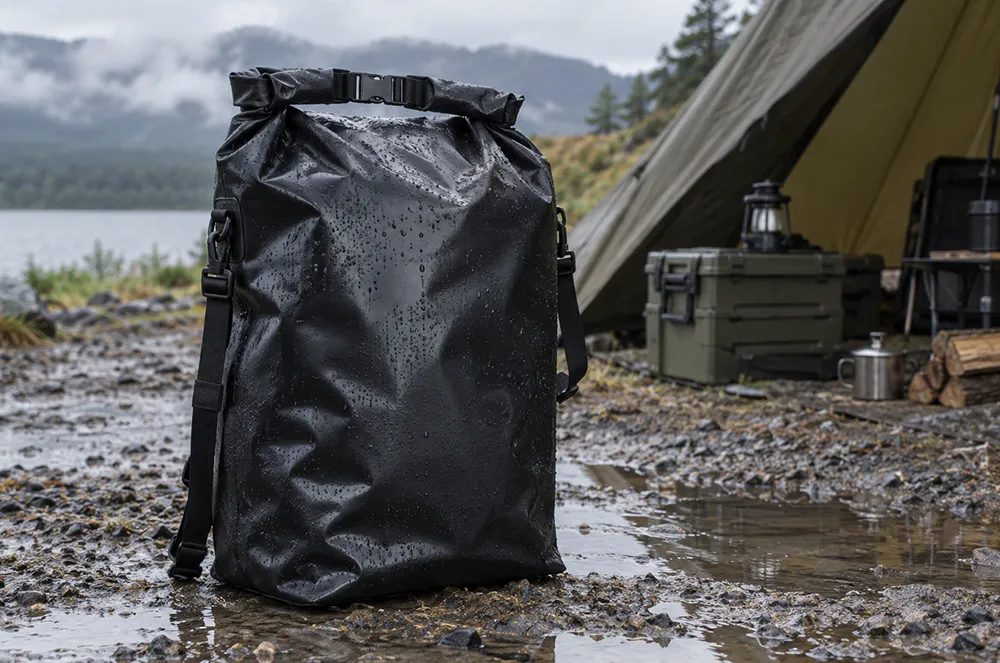
- Finished product and environment. Explain what you manufacture and whether the material will be folded, inflated, dragged, washed, exposed outdoors or placed in contact with a liquid.
- Required barrier function. State whether the product must resist rain, hydrostatic pressure, liquid leakage or air loss. These are different approval tasks.
- Material construction. Provide any known requirement for the textile substrate, one- or two-sided TPU layer, weight, thickness, width, color and surface finish.
- Fabrication method. Identify whether your production line uses heat sealing, RF welding, hot-air welding, ultrasonic joining, sewing, adhesive bonding or a combination.
- Performance and compliance tests. List the relevant test method, target value, conditioning temperature, contact medium and target-market standard.
- Commercial requirements. Include the trial quantity, estimated annual demand, packaging requirements, target delivery date and repeat-order expectations.
This information allows the supplier to recommend a testable material direction. Without it, two products described as “TPU fabric” may look similar on a quotation but perform differently during manufacturing.
VIII. Validate the Material Before a Bulk Order
A sample should prove more than color and hand feel. A practical approval process is:
- Confirm the sample against the agreed construction or specification.
- Process it using the actual cutting and joining equipment.
- Produce a representative assembly, including seams, corners, valves or fittings.
- Test it under the intended pressure, liquid, temperature, movement and aging conditions.
- Record the approved material and processing conditions as the reference for bulk production.
For repeat orders, use the approved specification and sample record to check consistency. This reduces the risk of approving one construction and receiving another material carrying the same generic TPU description.
IX. From Material Question to Supply Review
LonaTarp supplies made-to-order TPU roll materials for B2B manufacturing projects. The standard minimum order for roll materials is 5,000 m². Samples can be reviewed before bulk production. Delivery timing is confirmed against the approved construction and order requirements, with standard orders generally planned around a 15-day lead time.
If you have moved beyond the acronym and need to compare commercial material directions, visit our TPU Fabric collection. The collection page continues the buying task with material selection, project validation and specification-review information.
X. Frequently Asked Questions
What is the TPU fabric full form?
TPU stands for thermoplastic polyurethane. In fabric products, TPU is normally used as a coating or film combined with a textile substrate. The complete specification should identify both the TPU layer and the supporting fabric construction.
What is TPU fabric used for?
It is considered for dry bags, inflatables, flexible bladders, technical covers, outdoor equipment and other products requiring a reinforced flexible barrier. Suitability depends on the exact grade, construction, joining process and finished-product tests.
Which is better, PU or TPU?
There is no universal winner. TPU is a thermoplastic polyurethane family, while PU is a broader category containing different material systems. Selection depends on processing, performance, compliance and cost requirements.
What are the disadvantages of TPU fabric?
Trade-offs can include higher material cost, sensitivity to the selected grade and processing conditions, the need for controlled bonding or welding trials and performance differences between formulations. A generic TPU label is not enough to predict field performance.
Is TPU better than polyester?
The two terms may identify different parts of one composite. Polyester can be the reinforcing textile, while TPU forms the functional coating or film. They should be evaluated as a material system rather than assumed to be direct substitutes.
Is TPU fabric waterproof?
A TPU layer can provide a water barrier, but finished waterproof performance depends on layer continuity, bonding, seams, fittings, fabrication and the test method. Waterproof roll material does not automatically make every completed product waterproof.
Can TPU fabric be heat sealed or welded?
Many TPU constructions are developed for thermal joining, but compatibility depends on the TPU grade, material structure, equipment and processing settings. Production-line trials are required before bulk approval.