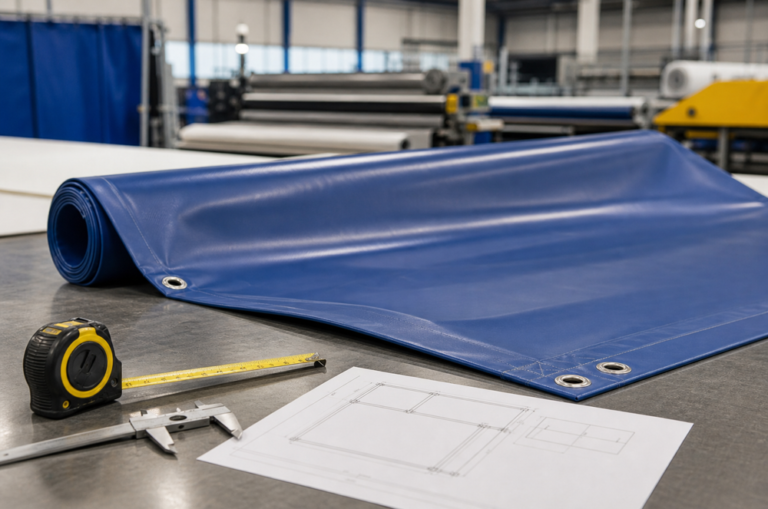
TPU fabric is a composite technical textile made by combining a woven or knitted base fabric with thermoplastic polyurethane film or coating. It is not normally a fabric made entirely from TPU. The textile supplies reinforcement and dimensional stability, while the TPU layer provides flexibility, abrasion resistance and the potential for waterproof, airtight or liquid-tight fabrication. TPU fabric is used in waterproof bags, inflatable products and liquid bladders, but potable-water or fuel contact requires the correct formulation, compatibility testing and market-specific compliance—not the material name alone.
I. What Is TPU Fabric Made Of?
TPU is the abbreviation for thermoplastic polyurethane, a family of elastic polymers whose properties can be adjusted through formulation and processing.
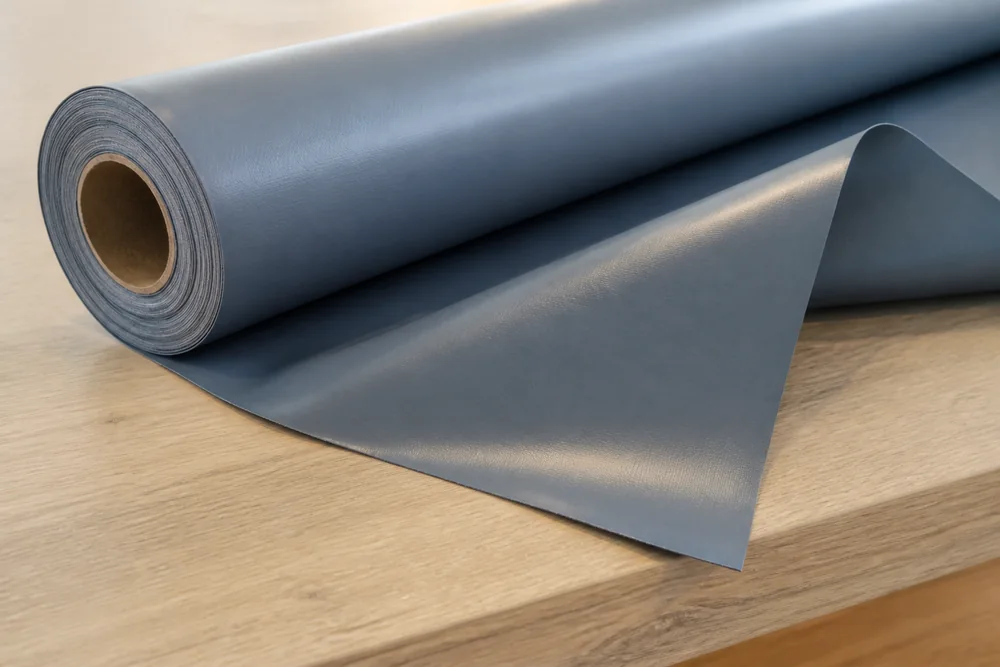
In a typical thermoplastic polyurethane fabric, the TPU is combined with a textile substrate. The two components perform different jobs:
- The textile carries tensile and tear loads
- The TPU layer provides the functional surface or barrier
- The bond between them helps the composite withstand folding and fabrication
- The finished seams determine whether the manufactured product can retain water, liquid or air
This is why two materials sold under the same broad name can perform very differently. Base fabric, TPU chemistry, layer thickness, bonding method and surface finish all influence the final result.
TPU Film or Coating Layer
The functional TPU layer may be applied as a coating or introduced as a preformed film during lamination.
A TPU coating is formed directly on the textile through a controlled coating process. A laminated construction bonds TPU film to the selected substrate. Neither route is automatically better. The correct method depends on the required surface, barrier performance, weight, flexibility, bond strength and subsequent fabrication process.
Buyers should confirm whether the quotation refers to:
- TPU-coated fabric
- TPU-laminated fabric
- a one-sided TPU construction
- a double-sided TPU construction
- or unsupported TPU film
These are different purchasing objects.
Nylon or Polyester Base Fabric
Nylon and polyester are common substrate directions, although the final option depends on the product specification.
Nylon TPU fabric may be considered where low weight, flexibility and a softer hand are important. Polyester TPU fabric is often evaluated where dimensional stability, controlled stretch and processing consistency matter.
The decision should not be reduced to “nylon is better” or “polyester is stronger.” A useful comparison also considers yarn specification, weave or knit, fabric density, coating weight, required width, seam design and exposure conditions.
Ripstop, Oxford and other specialized textile structures may also be used when the finished product requires a particular balance of weight, tear behavior and appearance. Availability must be confirmed against the intended construction.
TPU Fabric vs. TPU Film
TPU film contains no textile reinforcement. It can provide a flexible functional layer, but its mechanical behavior is determined primarily by the polymer, thickness and processing direction.
TPU fabric combines that film or coating with a textile substrate. The reinforcement improves load distribution and dimensional control, making the material more suitable for fabricated panels, bags, bladders and other products exposed to handling or internal pressure.
For industrial purchasing, “TPU film” and “TPU cloth” should therefore not be treated as interchangeable terms.
II. How Is TPU Fabric Manufactured?
TPU fabric manufacturing begins with the required finished-product performance, not simply a target color or weight.
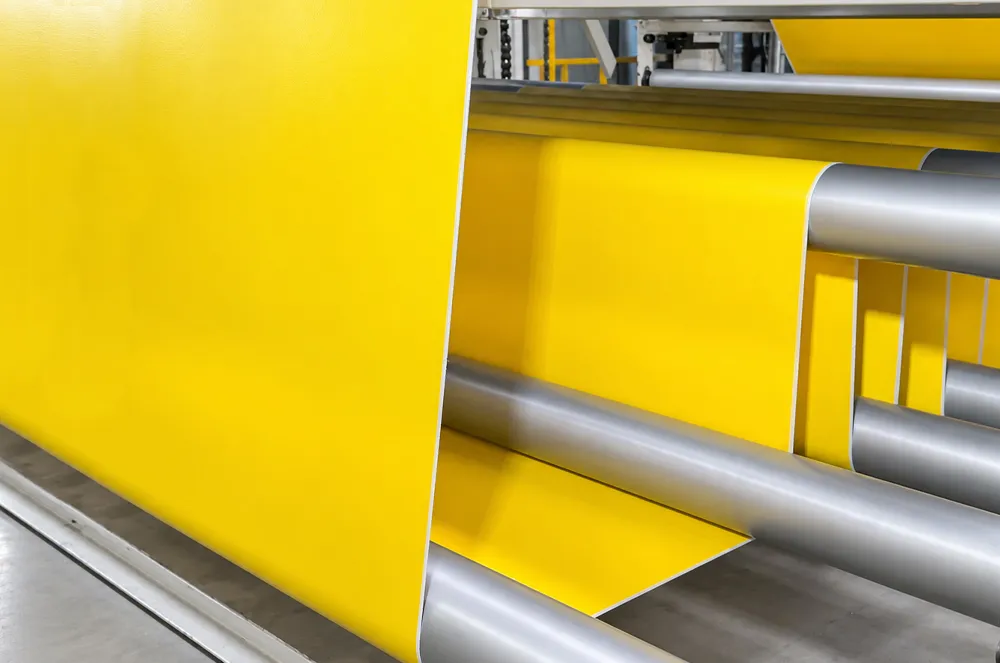
The producer must match the textile, TPU system and bonding process. Surface preparation and process control matter because weak or inconsistent bonding can lead to peeling, blistering or localized failure during folding and welding.
A typical project may involve:
- Selecting and inspecting the base textile
- Choosing a compatible TPU grade or film
- Applying the coating or laminating the layers
- Controlling heat, pressure, line speed and bonding conditions
- Adding the required color, texture or surface finish
- Inspecting appearance, construction and bond consistency
- Testing representative material and trial seams before bulk production
The approved sample should identify the complete construction. Total GSM alone does not describe how much weight comes from the textile, TPU layer or other components.
TPU Coating vs. TPU Lamination
Coating applies the TPU system to the substrate and forms the functional layer during production. Lamination bonds a preformed TPU film to the textile.
Coating can provide controlled integration with the substrate, while lamination can offer defined film characteristics. However, actual performance depends on process quality. A laminated structure with poor bonding is not superior to a well-controlled coating simply because it uses a film.
The buyer should evaluate:
- layer continuity
- coating or film thickness
- bond or peel behavior
- surface consistency
- pinholes or localized defects
- flexibility after conditioning
- and response to the intended welding method
Single-Sided vs. Double-Sided TPU Fabric
A single-sided construction has TPU on one primary surface. It may be suitable when only the inner or outer face requires the functional layer.
Double-sided TPU fabric places a TPU layer on both sides of the textile. This may be useful when both faces require protection, sealing, easier cleaning or controlled surface behavior.
More TPU is not automatically better. A double-sided construction can change weight, stiffness, folding behavior, cost and welding response. The decision should reflect the product cross-section and which surfaces are exposed.
Heat Sealing and RF Welding
Many TPU structures can be joined through processes such as heat sealing, hot-air welding, impulse sealing, ultrasonic welding or radio-frequency welding. Compatibility is grade- and construction-specific.
A material described as heat-sealable should still be tested on the buyer’s equipment. Welding temperature, dwell time, pressure, cooling and seam geometry influence the result. Surface contamination and decorative treatments in the weld zone can also reduce consistency.
For waterproof bags, inflatable panels and liquid bladders, material performance and seam performance must be approved separately.
III. What Are the Key Properties of TPU Fabric?
TPU fabric is often selected for its balance of flexibility, barrier potential, abrasion behavior and weldability. These are useful material directions, not universal guarantees.
Waterproof and Airtight Performance
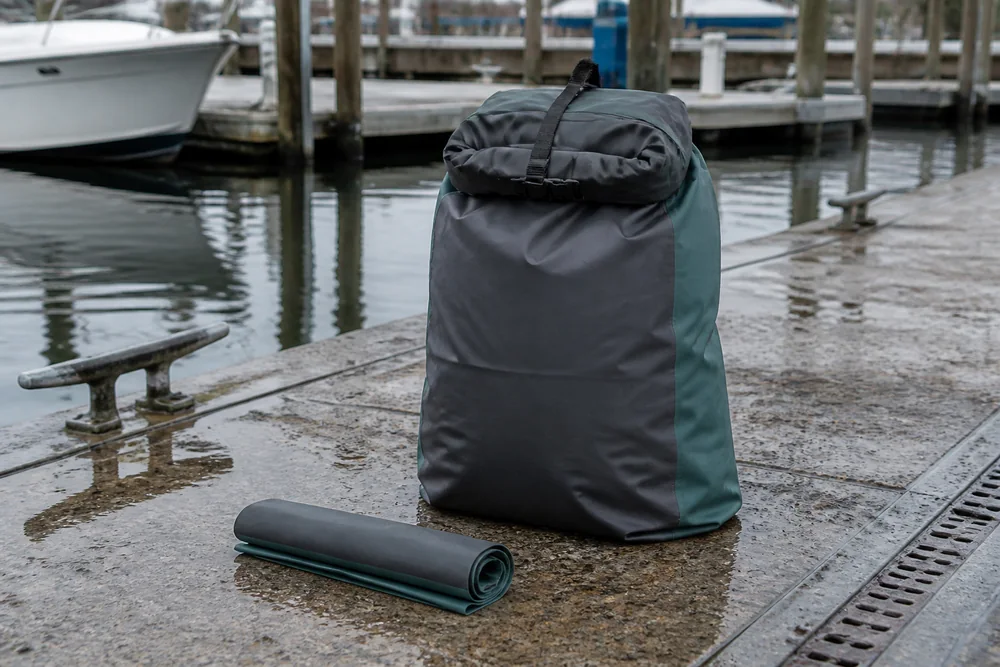
A continuous TPU layer can create a water barrier in the material panel. This makes waterproof TPU fabric relevant to bags, protective products, inflatable components and flexible containers.
However, waterproof material does not automatically create a waterproof finished product. Leakage can occur through:
- welds or sewn seams
- valves and fittings
- cut edges
- closures
- attachment points
- pinholes
- or damage during fabrication
Airtight TPU fabric requires additional verification. Our guide to TPU fabric breathability explains why material air permeability and water-vapor transmission are separate checks. Seam integrity, pressure, holding time and test temperature should also be specified. A successful water check is not necessarily evidence that a pressurized product will retain air.
Flexibility and Elasticity
TPU is valued where the material must bend, fold or flex repeatedly. It can be suitable for products that are rolled for transport or regularly inflated and deflated.
Flexibility depends on TPU chemistry, hardness, layer thickness, base fabric and ambient temperature. A soft polymer bonded to a stiff or heavy substrate will not necessarily produce a soft finished fabric.
Abrasion and Tear Resistance
The TPU surface can offer useful abrasion behavior, but tear resistance comes largely from the reinforced composite structure.
When comparing materials, buyers should examine:
- yarn type and denier
- woven or knitted construction
- fabric density
- load direction
- TPU layer build
- fold and edge design
- and the applicable test method
A high coating weight cannot compensate for an unsuitable reinforcement at a heavily loaded seam or attachment point.
Low-Temperature Flexibility
TPU materials are frequently considered for products that must remain flexible in cold conditions. Some TPU constructions are developed for demanding cold conditions, but the applicable temperature must be verified for the selected grade and construction.
That value must not be applied to every TPU fabric. The actual result depends on polymer grade, hardness, substrate, conditioning, aging and the test method used.
For a North American or European cold-weather project, buyers should specify:
- the lowest expected service temperature
- whether the material will be folded or impacted while cold
- the required test standard
- sample conditioning time
- and the acceptance criterion
The agreed construction should then be tested rather than approved from a generic TPU data sheet.
Oil and Chemical Resistance
Selected TPU systems may resist certain oils, greases and chemicals, but chemical compatibility varies substantially between TPU chemistries.
A buyer considering a fuel bladder or flexible fuel-storage component should provide:
- the exact fuel or chemical
- blend and additive information
- operating temperature
- continuous or intermittent contact time
- expected flexing and pressure
- seam construction
- and the required compatibility test
“Oil resistant” is not enough evidence for gasoline, diesel, aviation fuel or blended fuels. Swelling, hardness change, loss of bond strength and permeation must be evaluated using the proposed material and finished joint.
Weldability and Seam Sealing
TPU’s thermoplastic behavior makes it suitable for several joining methods. This is one reason it is considered for waterproof, airtight and liquid-tight products.
The important buyer question is not merely “Can TPU be welded?” It is:
Can this exact TPU grade, layer construction and textile substrate be welded consistently on the intended equipment and pass the finished-product test?
Trial weld strips and prototype seams should be approved before bulk production.
IV. What Types of TPU Fabric Are Available?
TPU fabric can be classified by substrate, TPU chemistry, layer arrangement and surface finish.
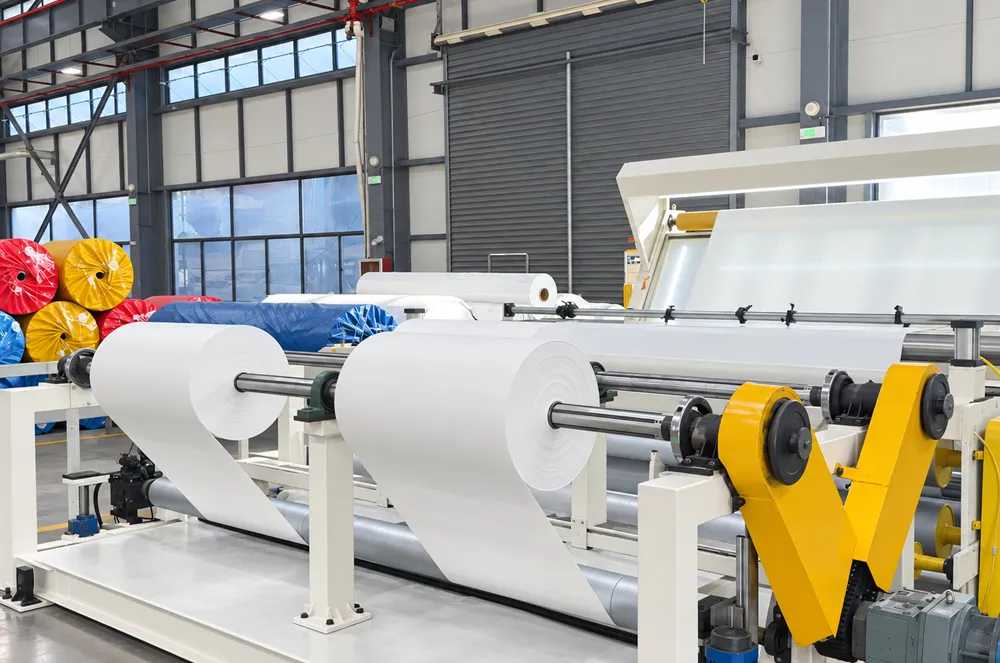
By Base Fabric
Common directions include:
- TPU-coated nylon
- TPU-coated polyester
- ripstop TPU fabric
- Oxford TPU fabric
- knitted TPU composites
- and other project-specific textiles
The base should be selected according to load, weight, stretch, folding, dimensional stability and processing requirements.
By TPU Material System
Common TPU chemistry directions include polyester-based and polyether-based grades.
Polyether-based grades are often evaluated for hydrolysis-sensitive or prolonged wet-service applications. Polyester-based grades may be considered where abrasion behavior, mechanical performance or cost balance is important. The correct selection still depends on the specific grade and exposure conditions.
Neither description proves suitability for drinking water, fuel, medical products or outdoor service.
By Construction and Finish
Available development directions may include:
- single-sided or double-sided TPU
- coated or laminated construction
- transparent, translucent or colored material
- matte, gloss or embossed surfaces
- customized total weight or thickness
- different roll widths
- and substrate-specific yarn or denier options
Not every combination is available as a standard specification. For made-to-order production, the buyer should submit the product application and required validation before requesting a firm quotation.
V. What Is TPU Fabric Used For?
TPU fabric is used where an ordinary textile does not provide the required barrier, surface or joining performance.
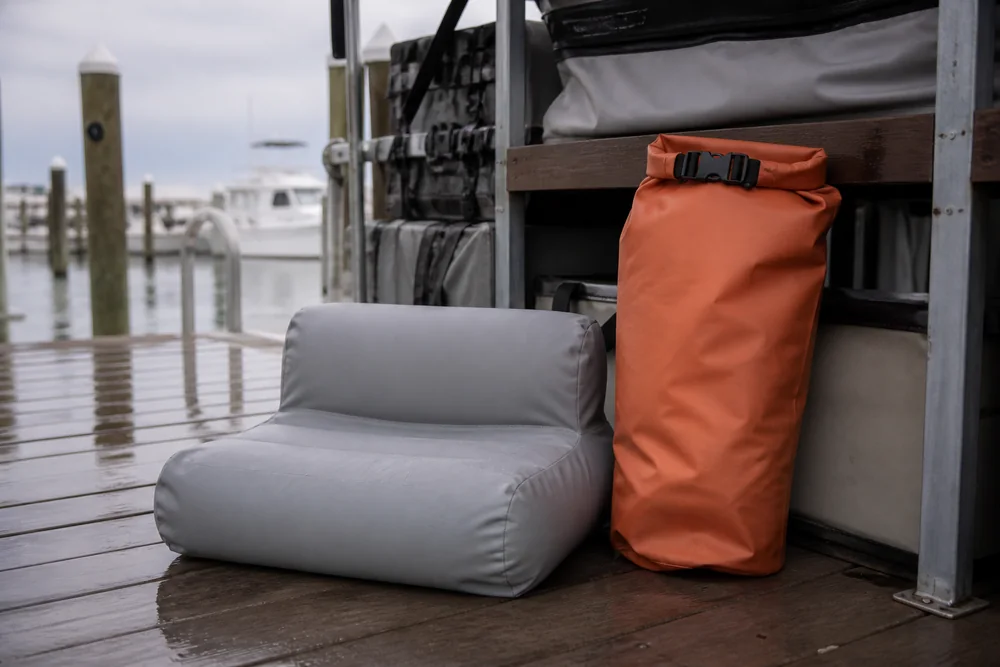
Waterproof Bags and Dry Bags
Dry-bag and waterproof-bag manufacturers may use TPU fabric because it can combine a flexible reinforced panel with welded seams.
Important approval points include fold abrasion, closure design, seam strength, repeated opening, surface wear and the completed bag’s water-entry test.
Inflatable Products
Possible applications include inflatable boats, air bladders, inflatable mattresses and outdoor inflatable equipment.
The material must be selected according to working pressure, cycle frequency, temperature, panel geometry and welding process. Air retention depends on valves and finished seams as well as the fabric.
Water and Liquid Bladders
TPU composites can be considered for flexible water bags, liquid bladders and collapsible containers where the construction must be folded, transported and sealed.
A potable-water bladder requires more than a general claim that TPU is safe. The exact formulation, colorants, additives, adhesive or bonding system, fittings and finished product must satisfy the applicable drinking-water-contact requirements of the destination market.
Materials intended for Europe or North America should be evaluated against the specific regulation, standard and testing scope requested by the buyer. “Suitable for the European and North American markets” is only defensible after the relevant documentation has been confirmed.
Fuel Bladders and Flexible Fuel Containers
TPU fabric may be evaluated for certain fuel-storage or fuel-transfer products, but it is not automatically compatible with every fuel.
Fuel type, temperature, permeation, swelling, seam construction, fittings, pressure and service duration must be included in the test plan. Buyers should approve a representative finished assembly rather than relying only on a TPU resin description.
Outdoor and Sports Equipment
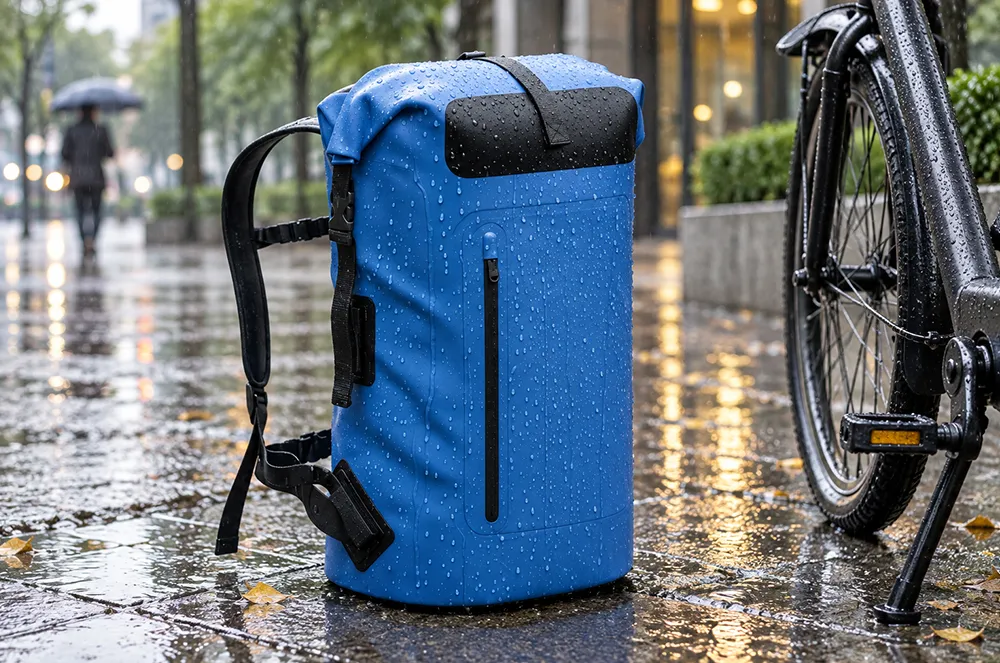
TPU fabric can be used in waterproof backpacks, outdoor protective components, inflatable recreation products and lightweight technical equipment.
The construction should be selected around actual exposure: cold folding, sunlight, abrasion, mud, cleaning chemicals, repeated packing or contact with sharp surfaces.
Medical and Technical Products
TPU materials are used across various technical and medical-related fields, but a generic industrial TPU fabric should not be described as medical grade.
Medical, skin-contact or other sensitive applications require a product-specific grade, controlled formulation, traceable manufacturing and the necessary test documentation.
VI. TPU Fabric vs. PVC and PU-Coated Fabric: What’s the Difference?
TPU is not automatically better than PVC or PU-coated fabric. Each material system solves a different combination of performance, processing and cost requirements.
| Selection factor | TPU fabric | PVC-coated fabric | PU-coated fabric |
|---|---|---|---|
| Flexibility | Often suitable for flexible and repeatedly folded products | Depends on formulation and thickness | Often used for soft, lightweight textiles |
| Low-temperature performance | Cold-flexible grades are available | Depends heavily on the plasticizer and formulation | Depends on the PU chemistry |
| Waterproof or airtight fabrication | Suitable for compatible welded structures | Widely used for heavy-duty waterproof welded products | Commonly used for lightweight waterproofing; airtight capability is construction-specific |
| Abrasion behavior | Can perform well in repeated handling applications | Heavy constructions can provide strong surface protection | Depends on coating type and thickness |
| Weight | Can support relatively lightweight composite structures | Heavy-duty grades are often heavier | Commonly selected for lightweight products |
| Cost | Usually higher | Often more cost-effective for large industrial applications | Varies by specification |
| Typical direction | Bladders, inflatables, dry bags and technical equipment | Tarpaulins, truck covers and industrial covers | Apparel, lightweight covers and outdoor textiles |
TPU may deserve priority when the project needs low weight, repeated folding, elastic behavior or a compatible thermoplastic seam.
PVC tarpaulin may be the more practical choice for heavy outdoor covers, large quantities, mature fabrication routes and tighter cost control.
PU-coated fabric may fit lightweight waterproof products that do not require the same barrier or welding structure as an inflatable bladder.
VII. How Should B2B Buyers Select TPU Fabric?
Begin with the finished product, not a generic request for “the best TPU fabric.”
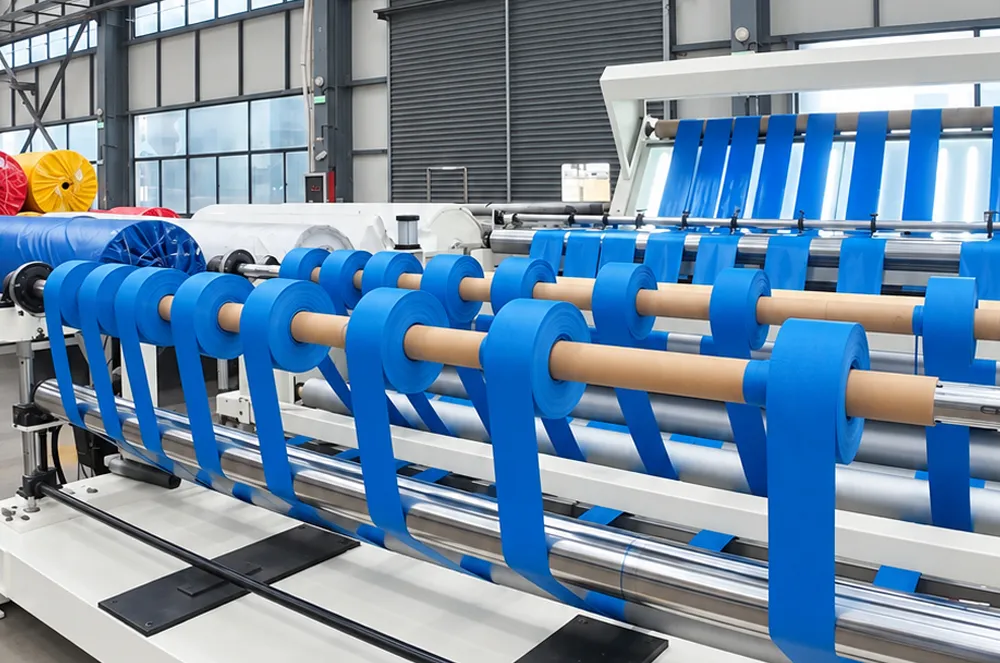
Before asking for a sample or quotation, define:
- Finished-product application
- Base textile or reference material
- Target thickness or total weight
- Required roll width and quantity
- One-sided or double-sided construction
- Coated or laminated preference, if known
- Joining equipment and seam design
- Lowest and highest service temperature
- Contact with water, fuel, oil or chemicals
- Required market, regulation and test method
- Acceptance test for the completed product
- Expected annual or repeat-order volume
For low-temperature projects, distinguish the required service condition from the laboratory test point. For potable-water or fuel applications, identify the exact contact medium and required compliance before material development begins.
LonaTarp TPU roll materials are made to order. Roll Materials: MOQ 5,000 m².
VIII. Is TPU Fabric Environmentally Friendly?
TPU is sometimes presented as a more environmentally preferable alternative to flexible PVC because certain TPU systems can avoid PVC and conventional PVC plasticizers. That does not make TPU fabric completely environmentally harmless.

Its environmental profile depends on:
- raw-material chemistry
- additives and colorants
- substrate composition
- solvent and adhesive use
- manufacturing energy
- product lifespan
- ability to separate the layers
- recycling infrastructure
- and disposal route
For European and North American buyers, an environmental claim should be tied to an identifiable requirement such as REACH, RoHS when the product is within its electrical and electronic equipment scope, or a customer restricted-substance list. A supplier should not replace test evidence with the words “eco-friendly.”