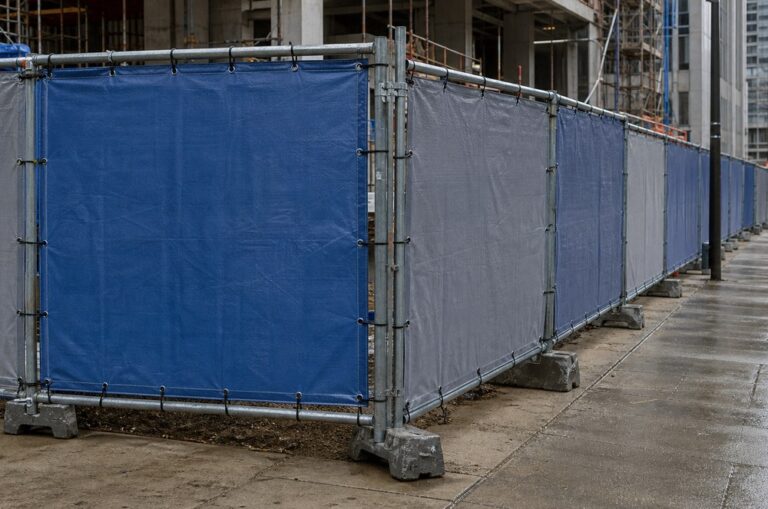
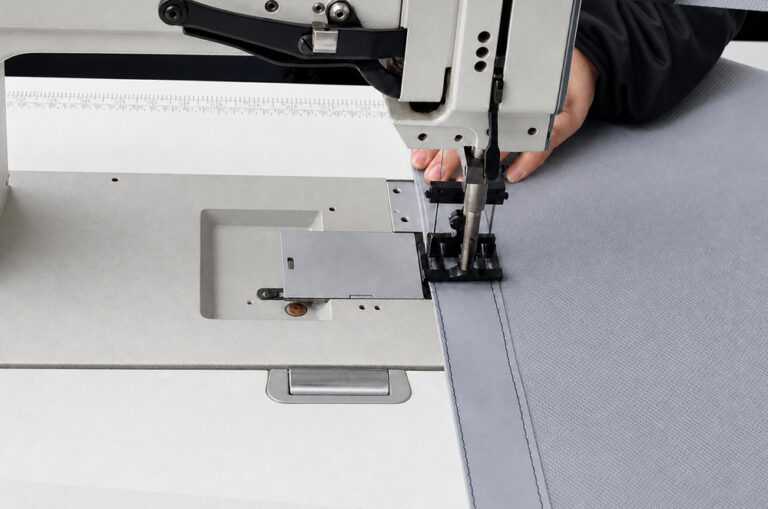
The best tarp for slip and slide products is usually not a generic camping tarp or a thin plastic sheet. For private-label brands, distributors and retail buyers, the better choice is a PVC coated tarpaulin that can stay smooth when wet, fold for carton packing, accept printing, and return to the same specification in repeat production. The material must be judged as part of a finished product program, not as a one-time backyard DIY purchase.
That distinction matters. A tarp can look smooth in a photo and still create problems after the first sample: deep fold lines, edge curl, weak print adhesion, stiff seams, inconsistent color, or a surface that feels different after packing. When we review a flat PVC slip and slide project in production, I look at the full chain: base fabric, coating, surface finish, finished size, edge design, artwork, packing method and the buyer’s inspection standard.
This article is written for buyers developing private-label or wholesale slip-and-slide products. If you need one piece for a weekend, a retail guide will serve you better. If you are building a repeatable SKU for a brand, distributor, seasonal promotion or activity supplier, the following points will help you prepare a much clearer quotation request.
I. Start With the Finished Product, Not Only the Fabric Roll
A slip and slide tarp is a flat recreational sliding lane. It is laid on prepared ground, wetted during use, then folded, packed and sold or reused according to the buyer’s program. Because the product is long, narrow and handled repeatedly, a small material weakness can become very visible in bulk production.
For B2B buyers, “best” should mean three things at the same time:
| Decision point | What buyers should check | Why it affects a bulk program |
|---|---|---|
| Wet surface behavior | Smooth feel under water, but not uncontrolled slickness | Impacts user experience, complaint risk and product positioning |
| Dimensional stability | Length, width and flatness after unfolding | Impacts SKU consistency, packaging and visual inspection |
| Processing suitability | Cutting, welding or sewing, printing and edge finishing | Impacts sampling, repeat orders and factory yield |
| Packing recovery | Fold marks, carton size and first-use appearance | Impacts retail presentation and customer returns |
| Batch consistency | Color, coating feel, weight and print result | Impacts distributor trust and reorder control |
This is why I do not recommend approving a bulk order from a small dry swatch alone. A swatch is useful for color and hand feel, but the real approval should include a finished sample or a representative trial piece. The sample should be unfolded, wetted, checked for surface feel, refolded and inspected again before the material is locked.
II. Choosing the Best Size Tarp for Slip and Slide SKUs
The
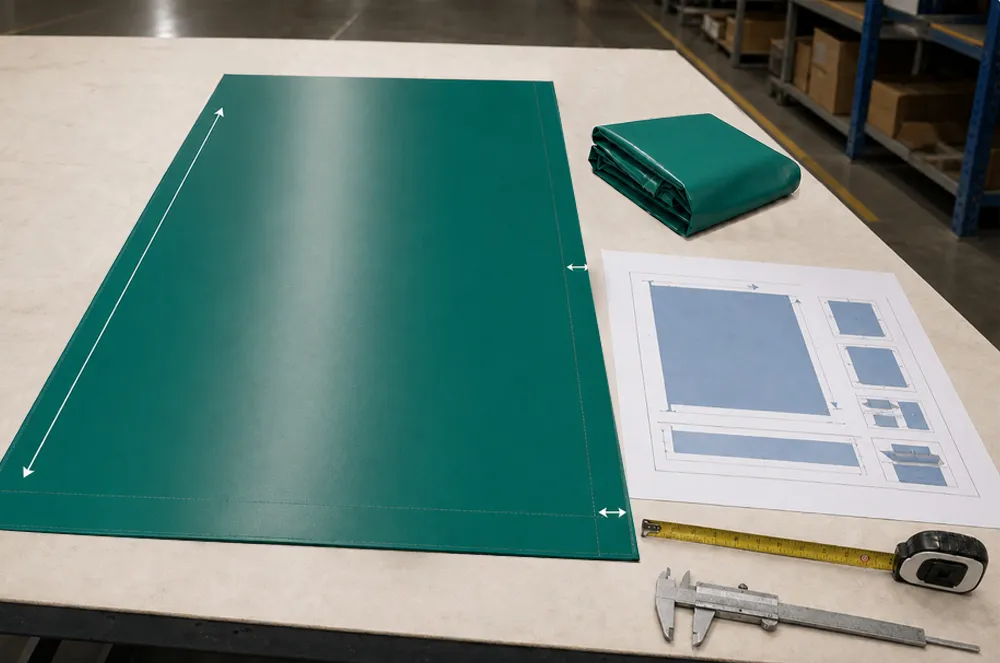
best size tarp for slip and slide products depends on the buyer’s channel, carton limit, target user group and operating surface. Length attracts attention, but width, edge layout and fold pattern often decide whether the SKU can be packed and repeated efficiently.
For example, a very long lane may look attractive in marketing photos, but it can create heavier cartons, stronger fold memory and higher dimensional tolerance pressure. A wider lane may improve clearance, but it also changes material yield and carton size. If the product includes printed graphics, water-feed details or reinforced edges, those features must be included in the drawing before sampling.
For private-label development, I suggest buyers define these points before asking for a price:
- finished length and width for each SKU
- intended ground surface and whether the product is for grass, prepared lawn or a controlled event area
- single-lane or multi-lane concept, if this has already been validated
- clear sliding path, edge width and any no-step or warning area
- fold direction, carton size, label position and packing method
- expected order quantity in pieces and estimated material square meters
- destination market and any buyer-required testing or warning documentation
This turns a vague “long blue tarp” request into a controlled product brief. It also helps the manufacturer estimate material use, cutting loss, packing cost and sample time more accurately.
III. What Is the Best Tarp to Use for Slip and Slide Programs?
The
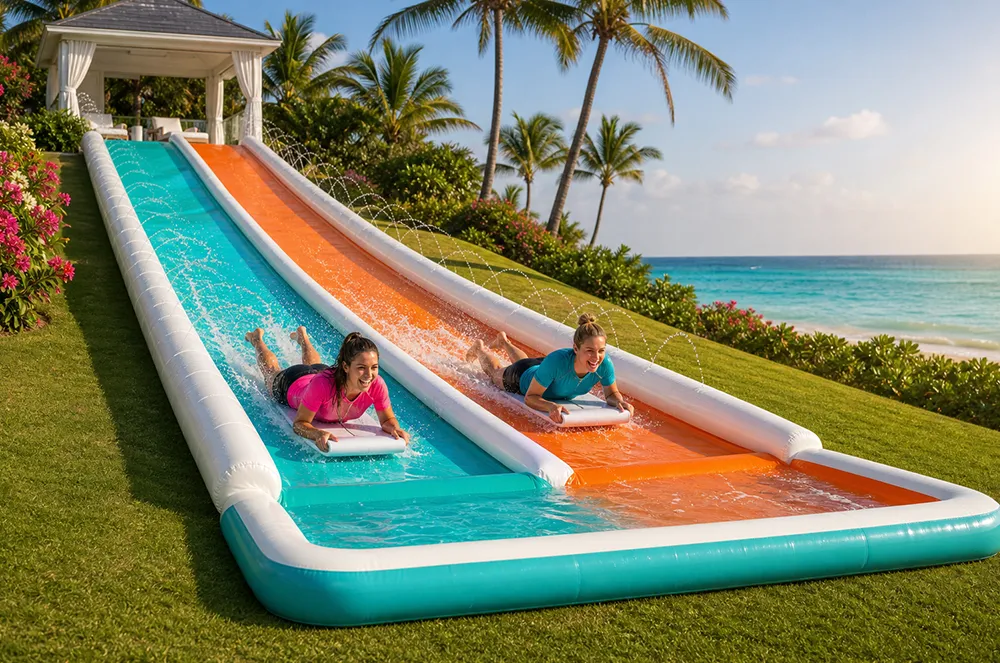
best tarp to use for slip and slide programs is usually a PVC coated tarpaulin built on a polyester base fabric, with a coating and surface finish selected for wet recreational use. The exact GSM is project-specific. Heavier material is not automatically better, and lighter material is not automatically cheaper once folding, carton size, flatness and durability are considered.
In our factory, I normally ask buyers to compare material options through five practical questions:
- Does the surface feel suitable after water is applied?
- Does the material lie flat enough after packing and unfolding?
- Can the edge, water-feed detail or fixing feature be processed cleanly?
- Can the artwork or logo printing pass the buyer’s appearance standard?
- Can the same material and finish be repeated in the next batch?
PVC coated tarpaulin is useful here because it can be made with different weights, colors, surface finishes and processing options. It can also support welding, sewing, cutting and printing when the specification is matched correctly. But the buyer should still confirm the finished use. A material that works for a plain cover may not be suitable for a long wet sliding lane. A material that feels good before printing may feel different after ink, coating treatment or folding.
For this reason, I prefer to approve the material together with the finished design. The buyer’s drawing, artwork and packing request should arrive before the final sample is made. Otherwise the project may pass material approval and then fail during product development.
IV. PVC, PE or Vinyl: Which Direction Makes Sense?
Many searchers compare plastic sheets, PE tarps, vinyl tarps and PVC tarpaulin. For a consumer DIY activity, people may choose whatever is available locally. For a branded product, that approach creates risk because the buyer needs repeatable material, stable color, controlled packing and a supplier who can reproduce the same SKU later.
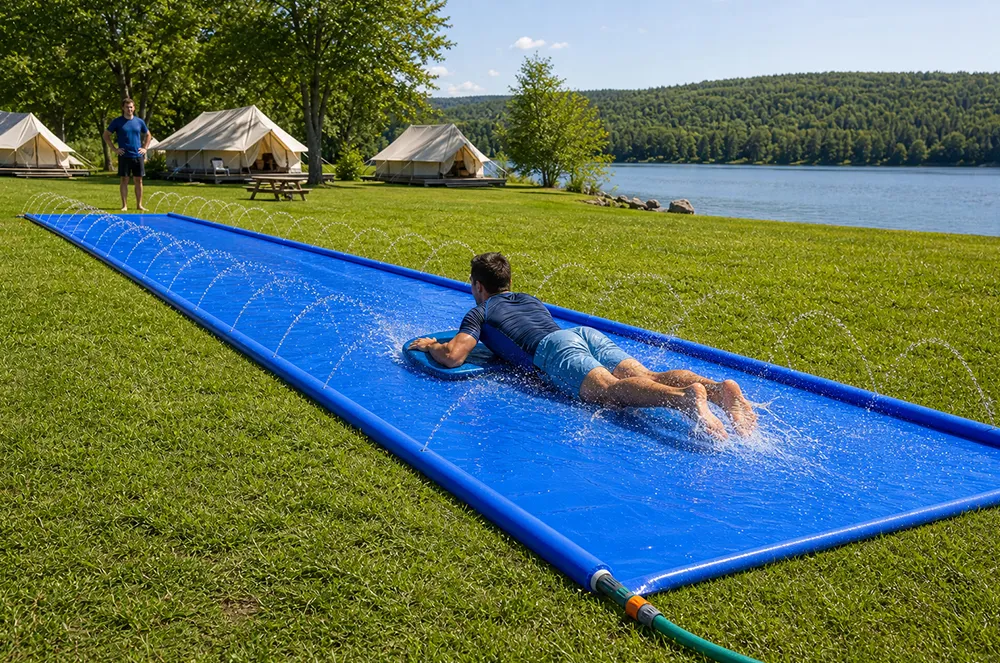
For a private-label slip and slide product, PVC coated tarpaulin is usually the more controllable route. It allows the buyer and factory to discuss:
- material weight and base fabric
- surface finish and wet-use feel
- color matching and print position
- edge construction and reinforcement
- folding method and carton specification
- sample approval and batch inspection standard
PE tarps can be useful for some covering applications, but I would not treat a generic PE tarp as the first choice for a repeatable wet sliding product unless the buyer has already validated the design and accepts its limitations. Thin plastic sheet can be even harder to control for B2B repeat orders because it is usually selected for temporary DIY use rather than branded product consistency.
The safest decision is not to ask, “Which material is cheapest?” A better question is, “Which material can meet our target product feel, packaging, inspection and reorder requirement?”
V. Surface, Printing and Edge Details Must Be Tested Together
For slip-and-slide products, the surface is the part customers notice first, but it cannot be approved alone. Printing, coating treatment, edge design and packing can all change how the finished item performs or looks.
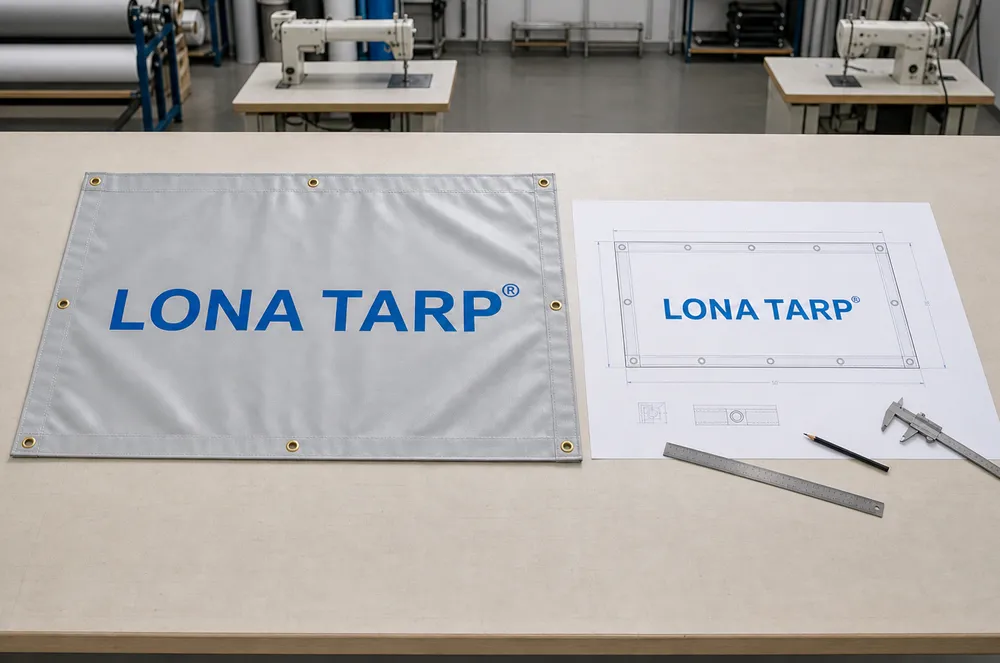
I have seen buyers focus heavily on the blue surface color and forget about the edge. That is risky. A stiff edge may not lie flat. A reinforced zone can change the sliding path. A water-feed part, if used, changes cutting and packing. A printed area can affect appearance inspection and may need a separate approval standard.
Before moving from sample to bulk order, it is better to test these items together:
| Item | What to approve | Practical reason |
|---|---|---|
| Surface | Wet feel, visual finish, color and cleaning expectation | This is the main user-contact area |
| Edge | Width, construction, transition and any fixing detail | Edges affect flatness and product appearance |
| Printing | Artwork file, position, color tolerance and adhesion expectation | Printing must match both brand and production limits |
| Folding | Fold direction, carton size and first-unfolding appearance | Fold marks are common in long flat products |
| Sample record | Approved sample, material code, drawing and packing file | Reorders need a stable reference |
This is also where a B2B supplier should be different from a retail seller. A retail seller ships an existing item. A manufacturer has to help the buyer lock a specification that can be produced again.
VI. How to Prepare a Quotation Request for a Bulk Program
If you want a useful quotation, do not begin with only “What is your price for a water slide tarp?” That phrase is too broad. It may point to a flat ground product, an inflatable slide component, a pool-side mat or a general tarp.
For a custom program, send a short but complete brief:
- buyer type: brand, wholesaler, distributor, retailer, project buyer or event supplier
- product type: flat non-inflatable ground sliding tarp
- target size range and number of SKUs
- required color, logo or full-surface artwork
- expected quantity or material square meters
- destination market and any required test document
- target packing style, carton size or label requirement
- whether you need a finished sample before bulk approval
For LonaTarp projects, we work on a made-to-order basis and do not sell single retail pieces. Each confirmed material specification normally starts from a 5,000 m² MOQ. That MOQ should be considered during SKU planning: if one order uses several colors, weights or surface finishes, each specification must be reviewed separately.
If your team is already developing this category, you can review our custom PVC slip and slide tarp program for the finished application page. It explains the B2B product scope, custom options, sample process and project information needed for quotation.
VII. A Practical Selection Rule for Private-Label Buyers
Here is the simplest rule I use: choose the material only after you know the product route.
If the product is a low-cost seasonal promotion, the buyer may care most about packing cost, easy unfolding and acceptable short-term use. If it is a reusable event or camp product, the buyer may care more about surface durability, edge handling and storage. If it is a retail-channel SKU, the buyer must also control artwork, carton size, warnings, labels and repeat-order consistency.
For that reason, the “best tarp” is not one fixed GSM or one universal blue fabric. It is the PVC coated tarpaulin specification that matches the buyer’s finished size, market, packaging and inspection plan. A good supplier should be able to discuss the material and finished product together, then turn the approved sample into a repeatable bulk order.
Before confirming production, ask your supplier for these three things:
- a material recommendation tied to your finished product drawing
- a finished sample or representative sample section tested under wet-use and packing conditions
- a written approval record covering material code, size, artwork, edge details, packing and inspection points
That is the difference between buying a tarp and building a product. For distributors, brands and retailers, that difference is where most quality problems are prevented before they become claims.