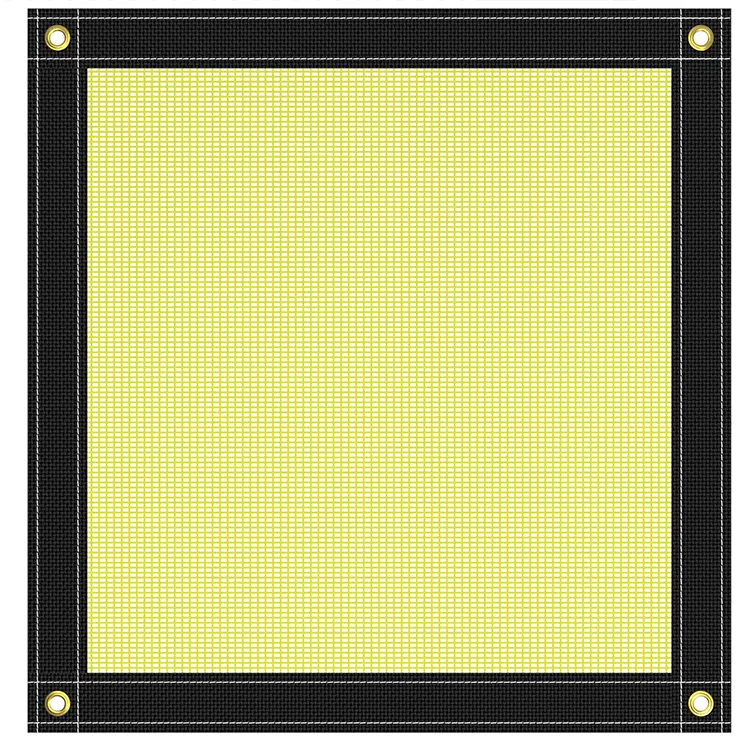
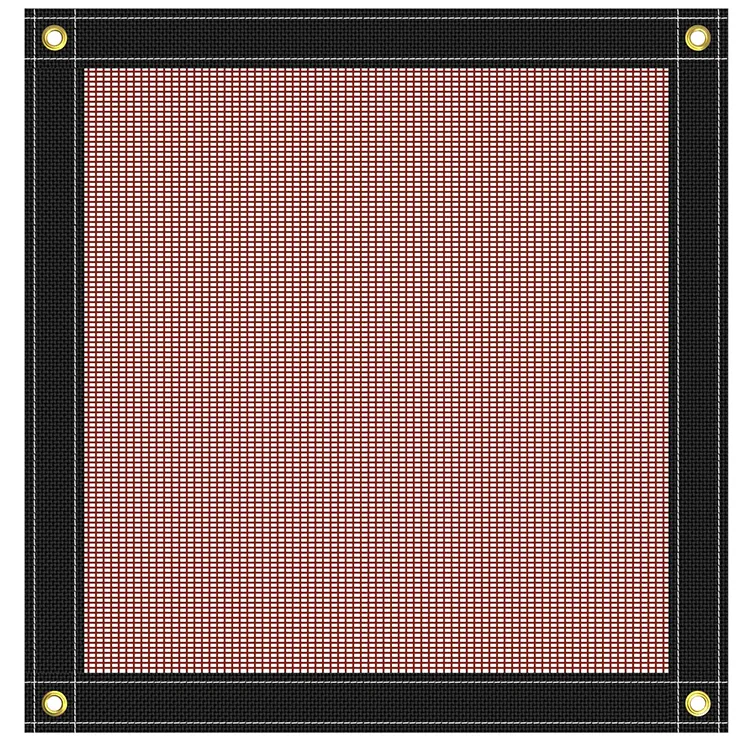
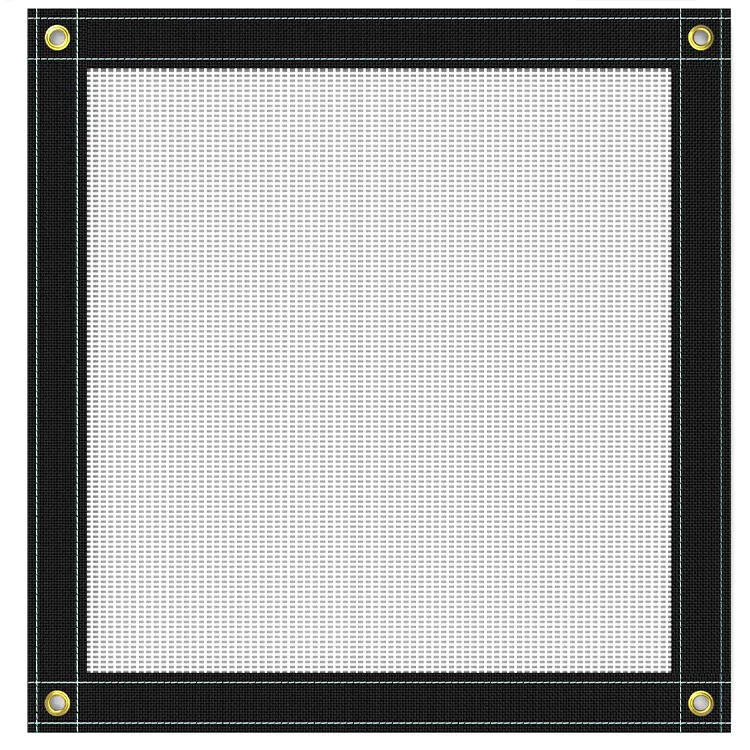
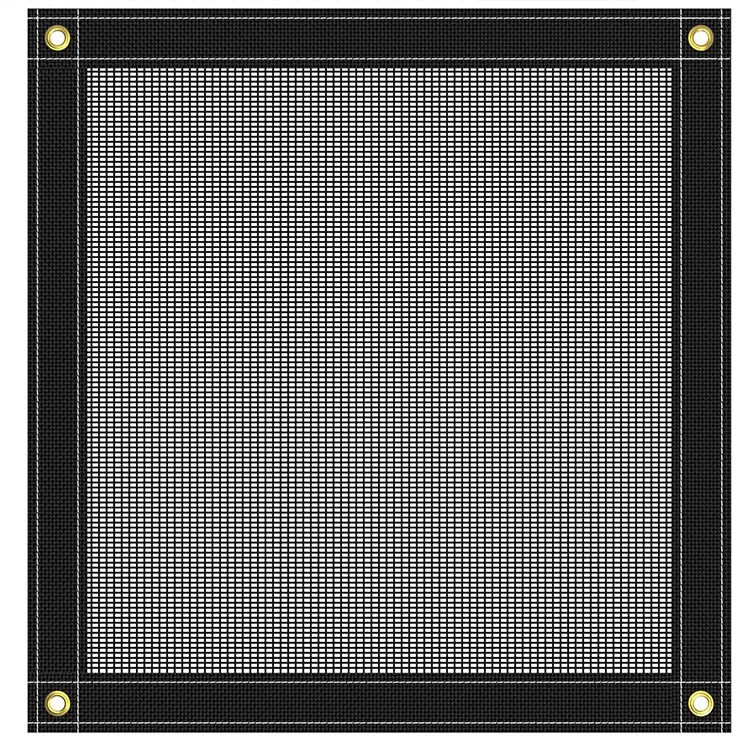
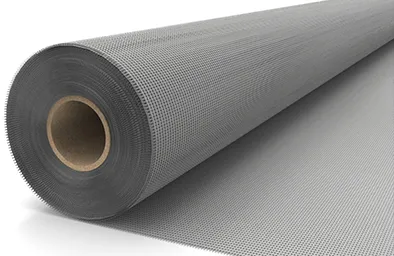
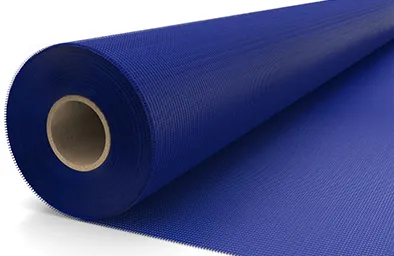
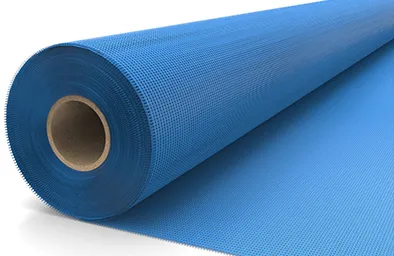
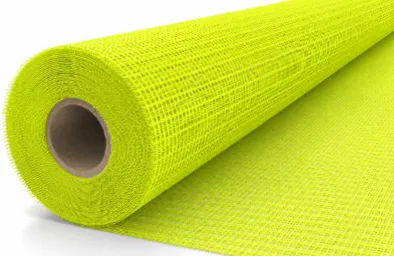
Mesh Tarps for Airflow, Shade and Debris Control
Mesh tarps are usually chosen when a solid waterproof tarp would trap too much wind, heat or moisture. For truck loads, scaffold screens, yard storage, shade structures and debris control, the right mesh tarp should let air pass while still blocking the material or visibility problem your project needs to solve.
LonaTarp makes mesh tarps and PVC coated mesh options for B2B buyers who need bulk production, repeatable specifications and project-specific finishing. Before we quote, we usually check the airflow target, shade factor, mesh opening, edge load, grommet spacing, finished size or roll width, and whether the order needs samples, labels or test documents.
Start With What the Mesh Must Let Through
A mesh tarp is not only a lighter tarp with holes. The opening pattern decides how much wind, light, dust, water spray or loose debris can pass through. If the opening is too large, small particles may escape. If it is too tight, the cover may catch more wind and pull harder on the edge line.
For B2B projects, we recommend describing the job before choosing the fabric. A nursery shade cover, a dump trailer load cover and a construction screen can all use mesh, but they do not fail in the same way. One may need shade and UV exposure control, another may need a strong tie-down line, and another may need visibility reduction without closing the airflow completely.
For large repeat programs, industrial mesh tarps should be treated as engineered components rather than simple covers. The same mesh surface can perform very differently after the edge, grommet row, roll width, packing method and installation tension are changed.
Choose Tarpaulin Mesh by Airflow, Shade and Blocking Target
| Buyer question | What to confirm before quoting | Why it changes the specification |
|---|
| Do you need airflow or shade first? | Approximate shade factor, ventilation target and color | A darker or tighter mesh may improve shade, but it can also change wind load and heat buildup. |
| What must the tarp block? | Leaves, gravel, sand, dust, tools, visibility or sunlight | Mesh opening should match the smallest material or visual-control problem. |
| How will the tarp be fixed? | Frame, rope, bungee, rail, truck system, scaffold or fence line | Edge reinforcement and grommet spacing matter more when the tarp is repeatedly pulled. |
| Will it stay outdoors? | UV exposure, heat, humidity, cleaning and expected replacement cycle | Outdoor use may require UV stabilizer, color review and sample checking. |
| Do you need rolls or finished tarps? | Roll width, finished size, carton packing, labels and quantity | Roll material suits local fabrication; finished tarps need edge and accessory details. |
This table also helps prevent a common quoting mistake. A buyer may ask for heavy tarpaulin mesh, but the real risk may be torn grommet rows, poor edge reinforcement or a mesh opening that does not stop the target debris. Weight alone is not a reliable way to judge performance.
Custom Net Tarps Need Edge and Fixing Details
Custom mesh tarps should be specified from the stress points outward. The center panel may still look usable after months of service, while the grommet row, corner patch or rope edge fails first. This is why our team asks about the fixing method before finalizing the edge design.
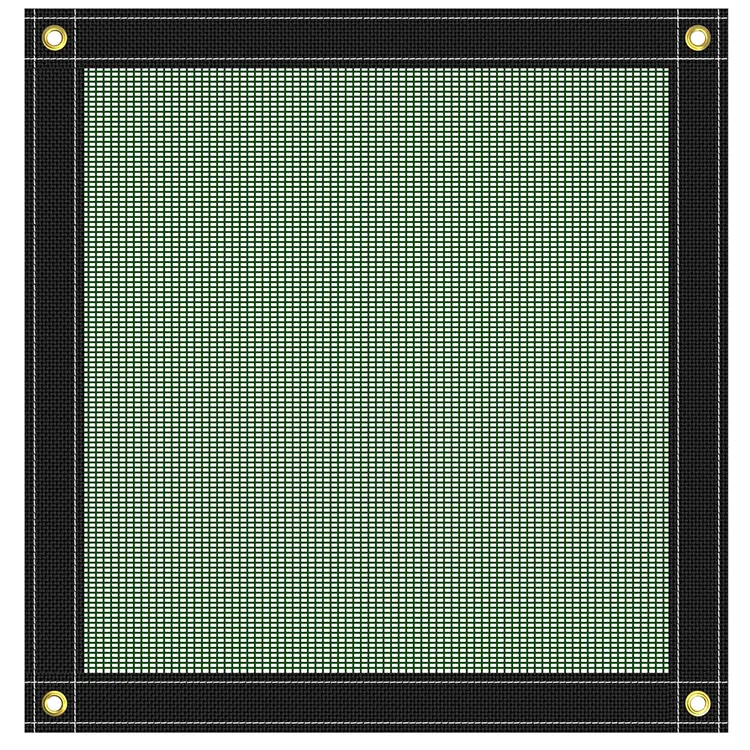
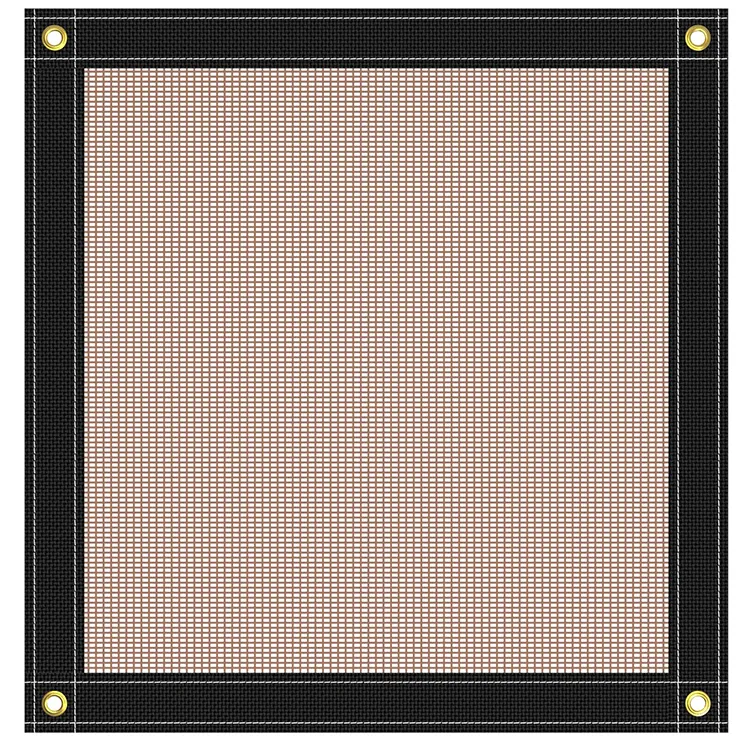
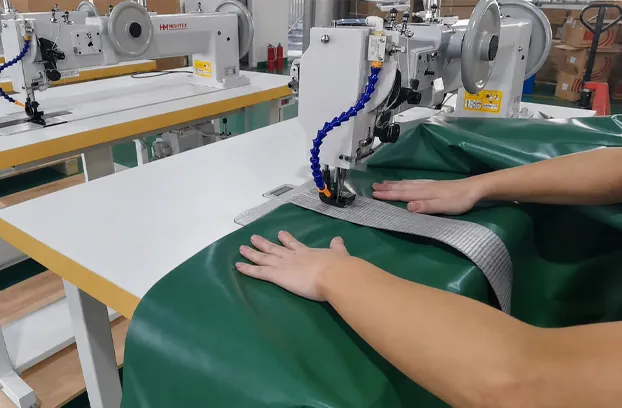
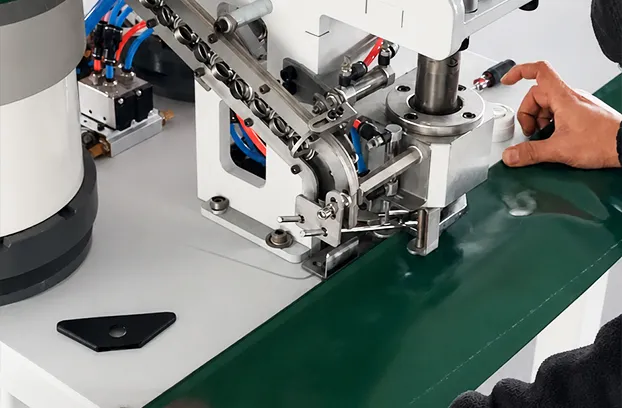
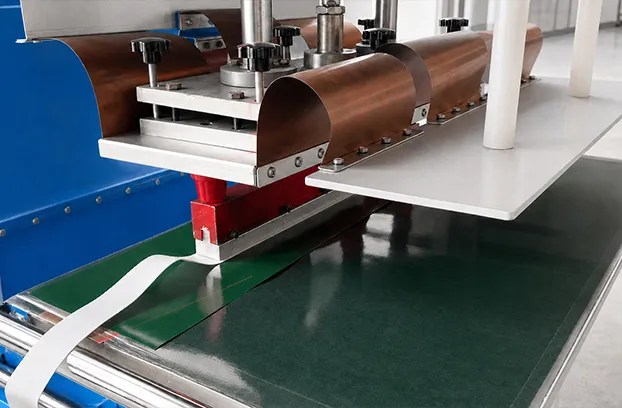
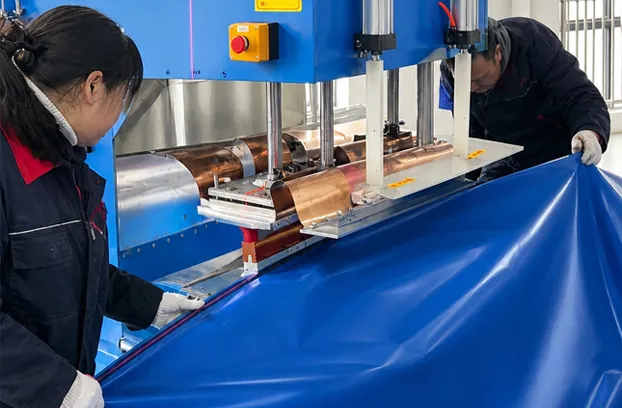
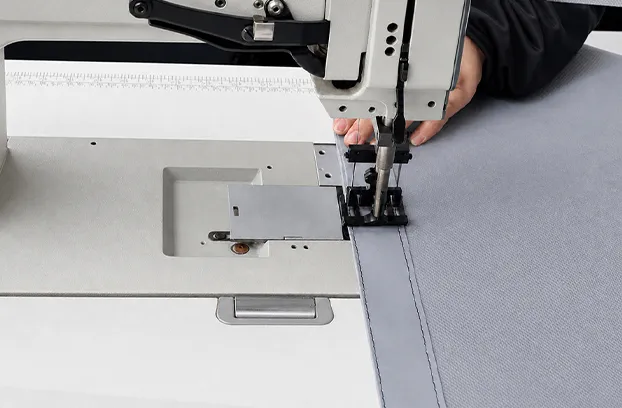
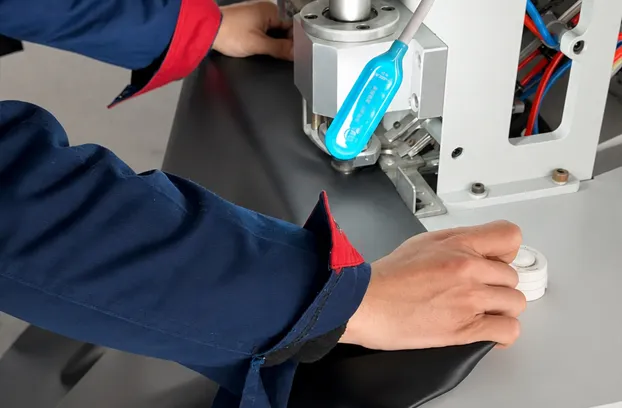
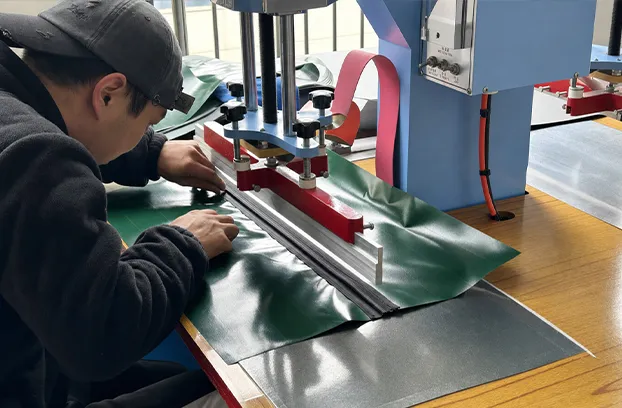
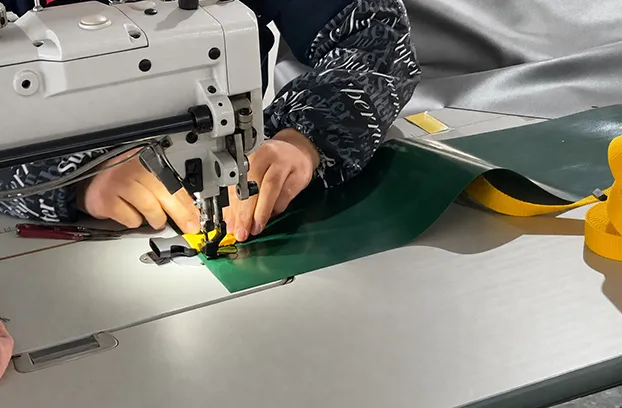
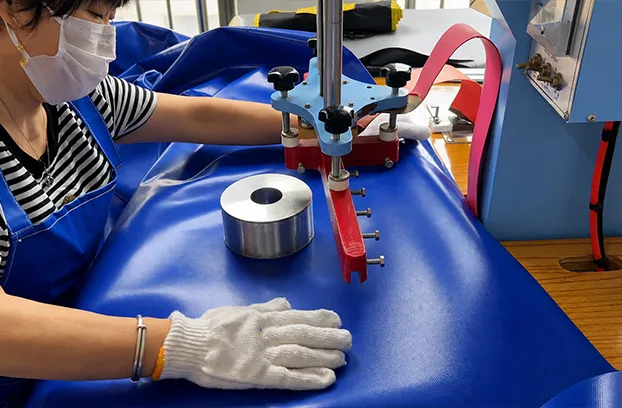
Common finishing options include sewn hems, welded hems, webbing reinforcement, rope-reinforced edges, corner patches, metal or plastic grommets, pockets, labels and packing marks. If the tarp will be removed often, pulled over cargo or tensioned on a frame, the sample should be checked by hand at the edge, not only by looking at the mesh surface.
For OEM or distributor orders, send the finished size, quantity, color, expected pulling direction, fixing interval and packaging requirement. For made-to-order production, plan around a 5,000 sqm MOQ; standard lead time is usually about 15 days after the specification is locked.
PVC Mesh Tarp, PE Mesh or Roll Material?
A PVC mesh tarp is often selected when the buyer wants stronger coating control, color options, weldability and repeatable outdoor performance. PVC coated mesh is an open-structure polyester fabric coated with PVC; it balances mechanical strength with reduced weight and controlled airflow.
PE or PP mesh may be considered for some budget-sensitive or lighter-duty programs. LonaTarp can discuss these as supply options when the project fits, but our core factory strength is PVC coated mesh and related PVC coated tarpaulin production. If the buyer needs local cutting or sewing, roll material may be better than finished tarps. If the buyer needs ready-to-install covers, finished tarp covers should include edge, grommet and packing drawings.
Mesh Cover Tarp with Grommets: What to Confirm
A mesh cover tarp with grommets should not be quoted only by overall size. Grommet spacing, edge fold, corner reinforcement, grommet material and the distance from the edge all affect how the tarp behaves when wind or load movement pulls on it.
For repeat orders, we recommend keeping a small approval sample or drawing record for the grommet layout. This helps the next batch match the same fixing points and reduces installation surprises for contractors, trailer system suppliers and distributors.
Where Industrial Mesh Tarps Fit in B2B Projects
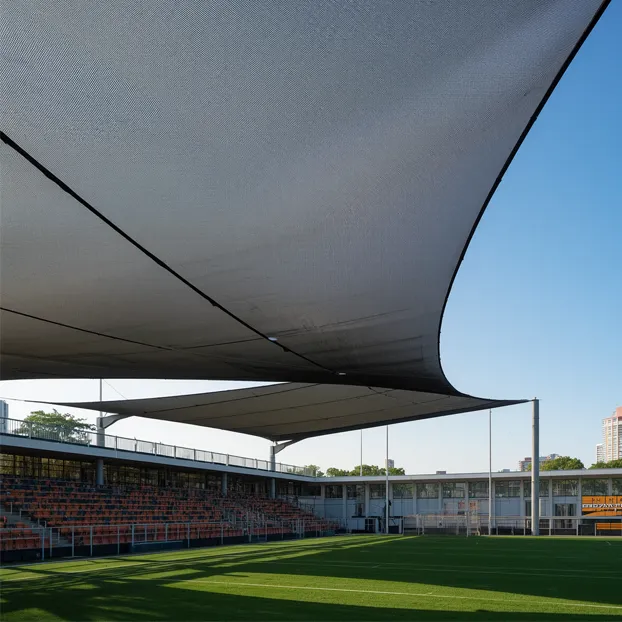
Industrial mesh tarps can be used across transport, construction, agriculture, sports venues and outdoor storage, but each use needs a different question:
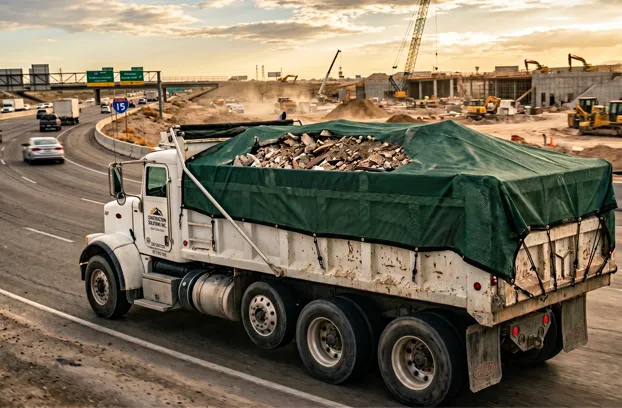
- For trucks and trailers, ask about load movement, tie-down direction and debris size.
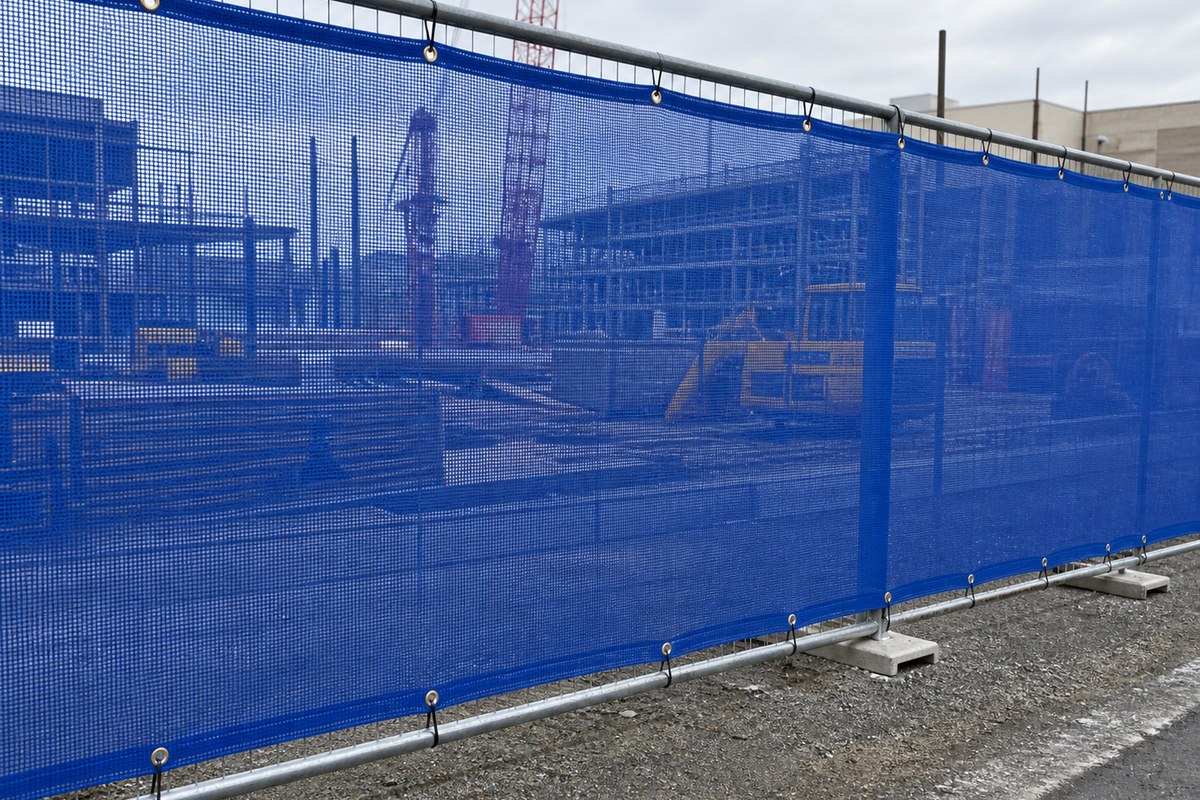
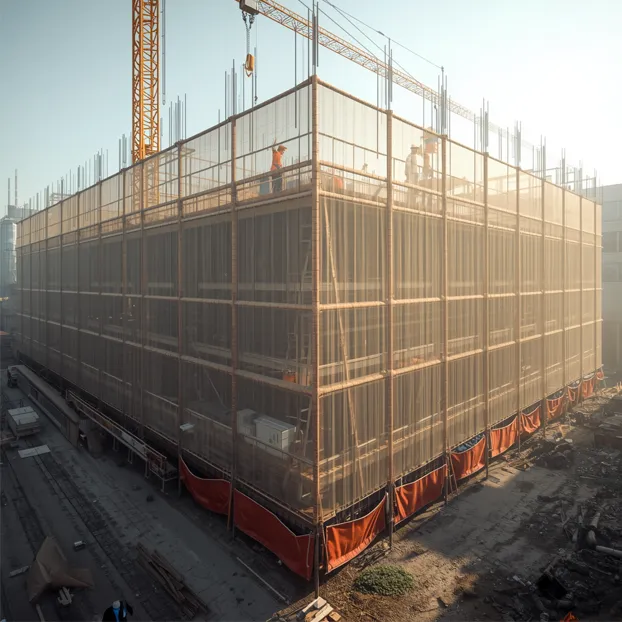
- For scaffold or construction screens, ask about wind load, visibility, fastening distance and any document requirement.
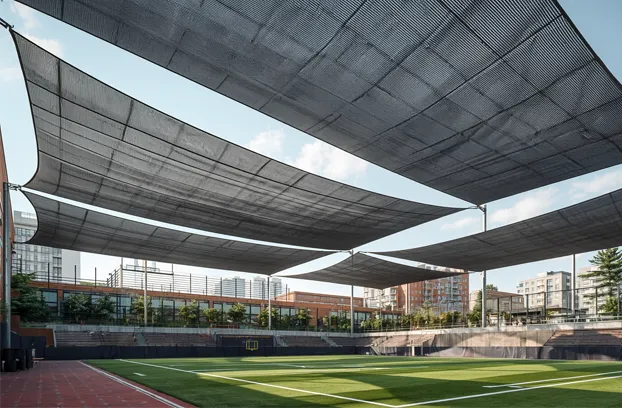
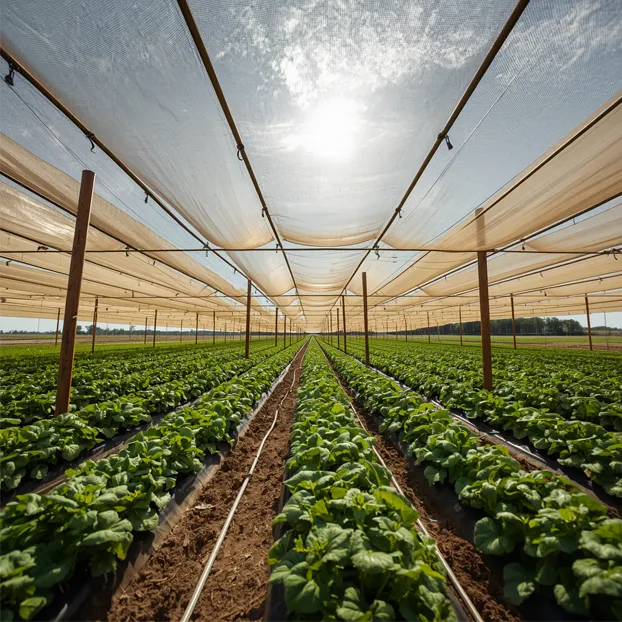
- For shade projects, ask about shade factor, color, heat exposure and whether the buyer needs the dedicated mesh shade tarps direction.
- For privacy or fence screens, ask about viewing distance, color, fixing method and roll width.
- For material distributors, ask whether the order should be shipped as rolls, panels or finished tarps with OEM packing.
If the project needs full rain sealing, a solid PVC coated tarpaulin is usually the better direction. Industrial mesh tarp can slow wind and shade sunlight, but it should not be sold as a sealed waterproof cover unless a specific laminated or combined structure is agreed.
Quality Checks Before Bulk Production
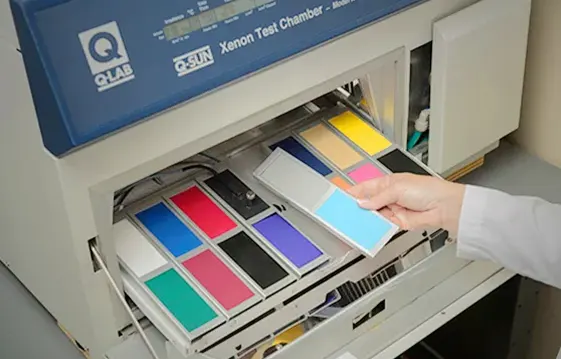
For mesh tarps, quality control should focus on the details that affect real use: mesh opening consistency, coating condition, color, roll width, edge thickness, grommet layout, seam or weld strength, packing method and sample consistency. If UV resistance, flame-retardant behavior or restricted-substance compliance is required, the buyer should confirm the test method and report expectation before the order is released.
We avoid promising one fixed outdoor life for every mesh tarp because exposure conditions change by country, color, installation tension, wind, humidity and cleaning. A better procurement habit is to confirm the agreed specification, approve a sample, and keep the inspection points clear for repeat orders.