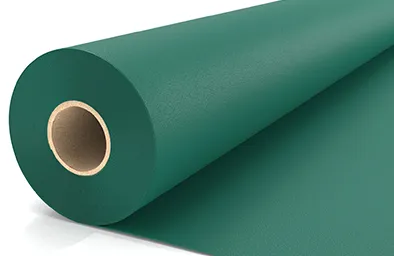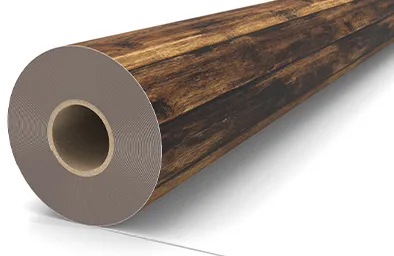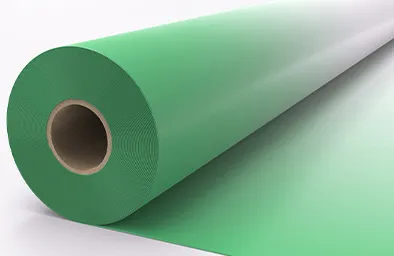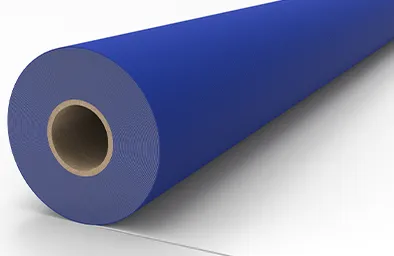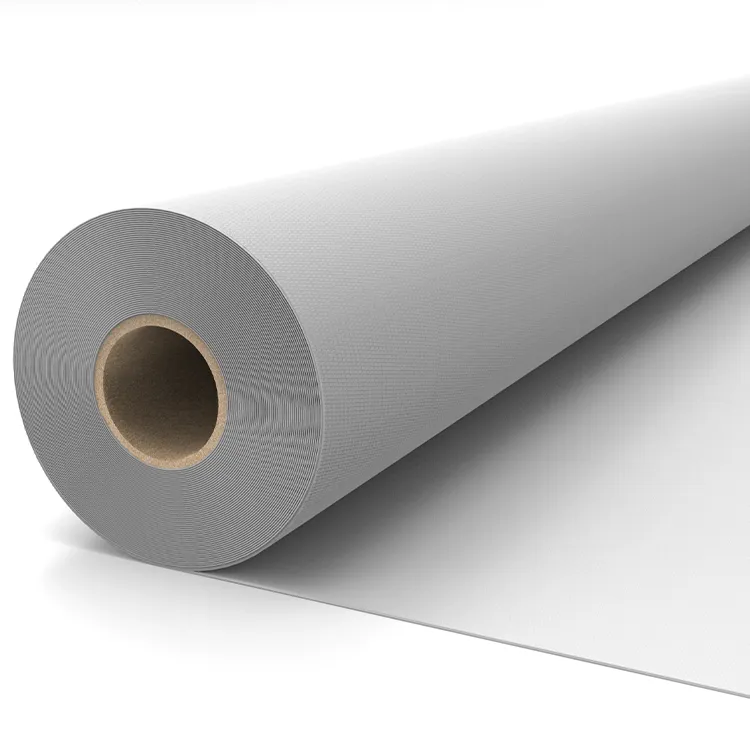
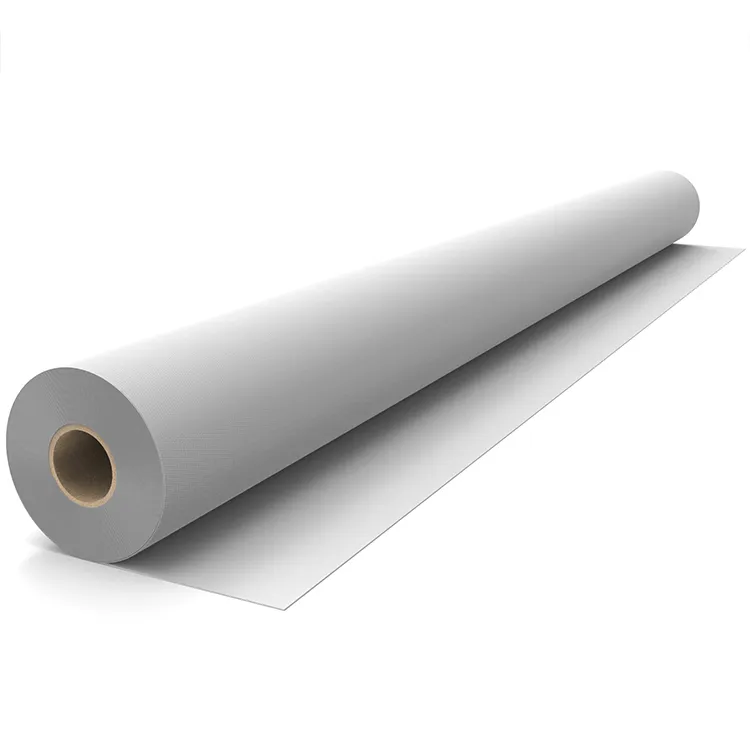

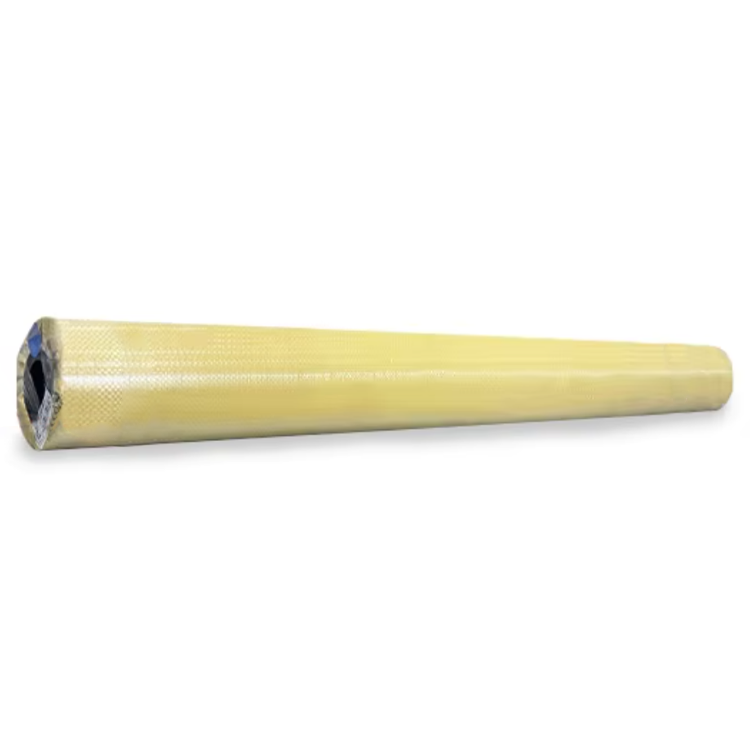


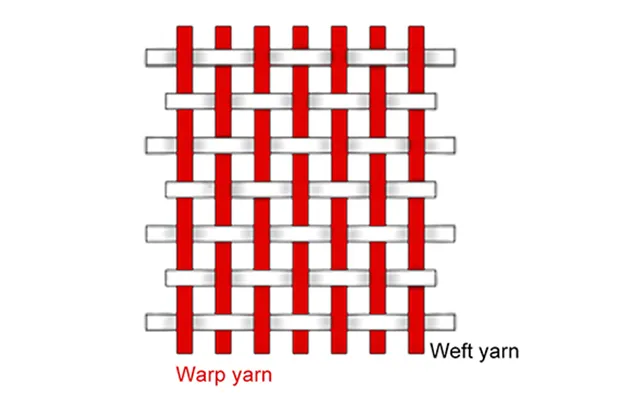
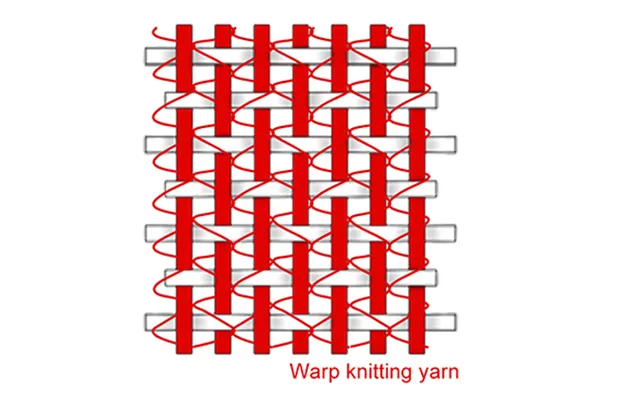
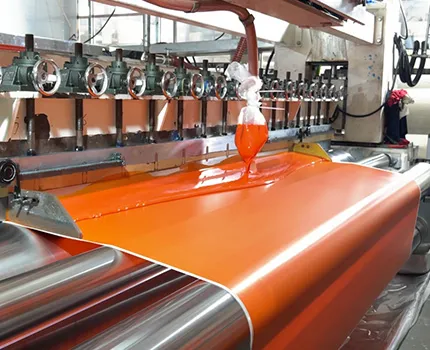
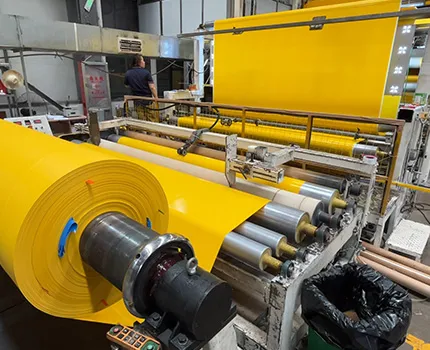




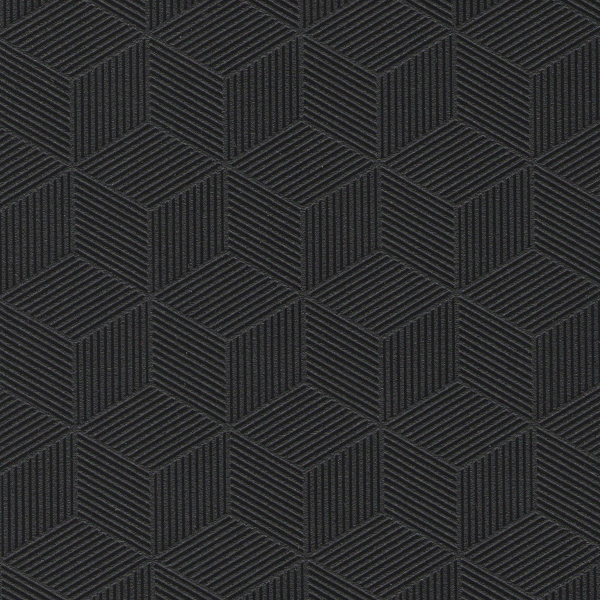
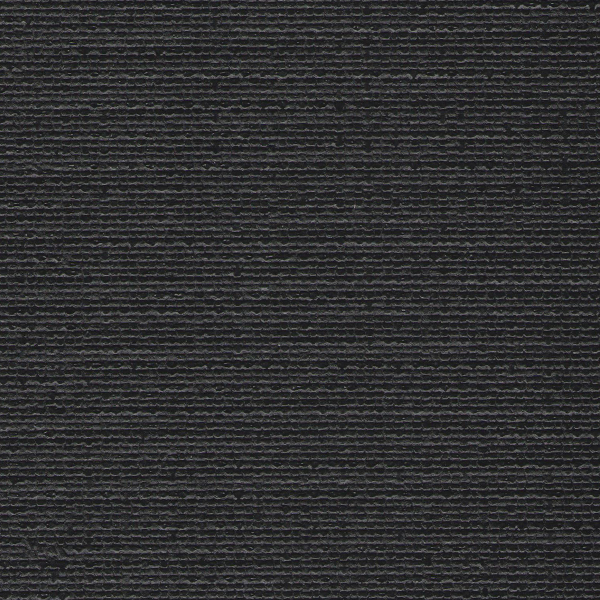
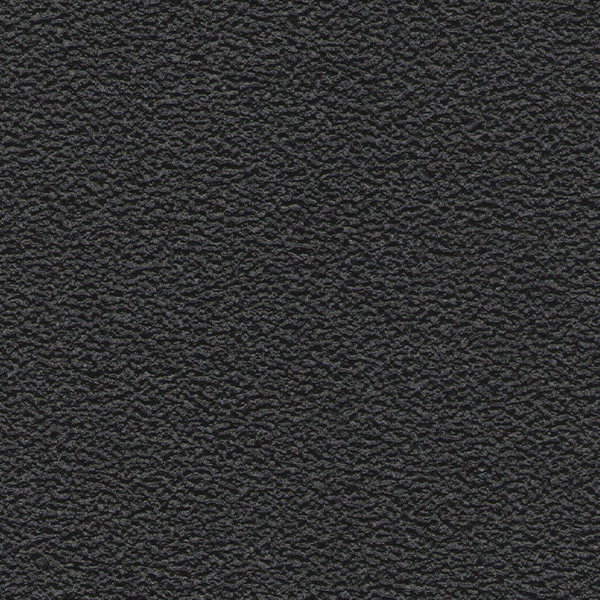



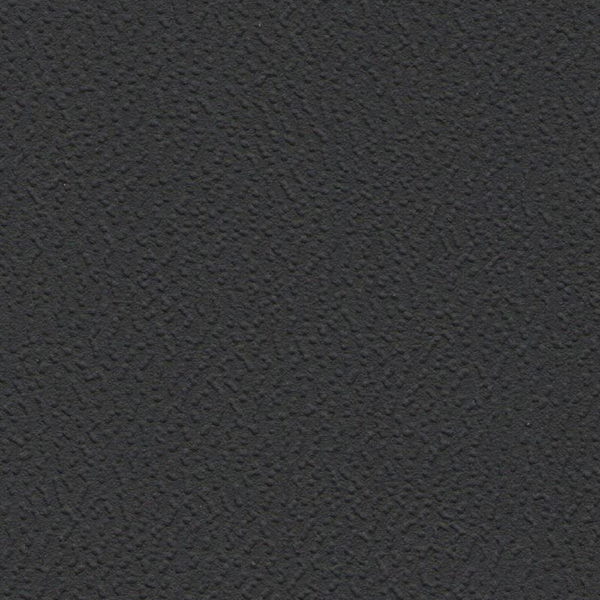
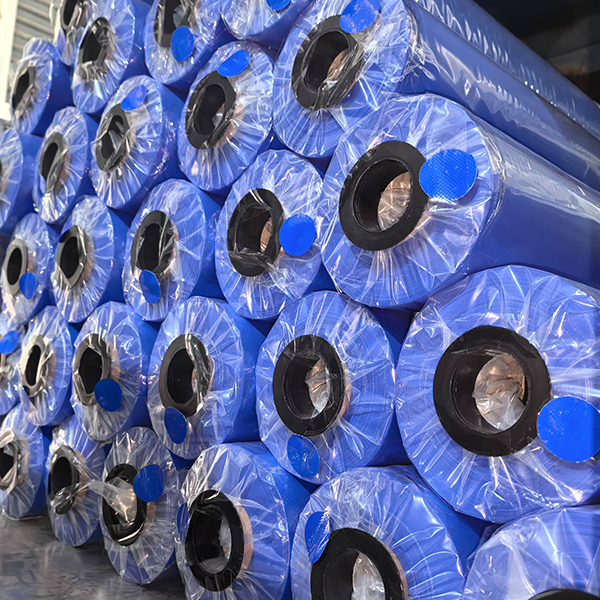
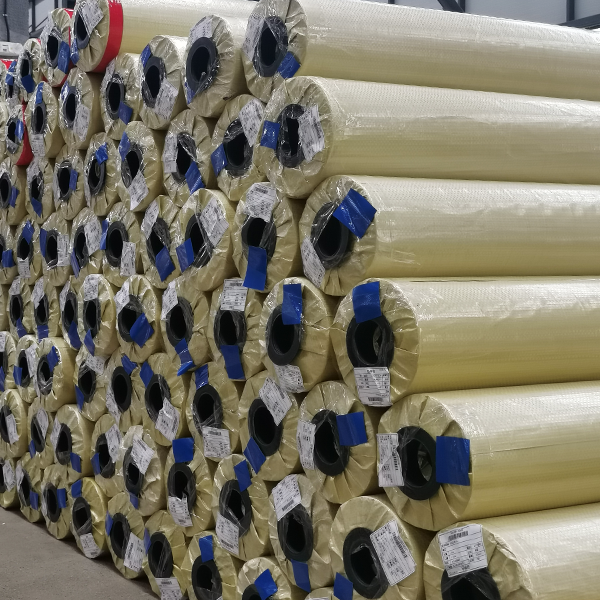
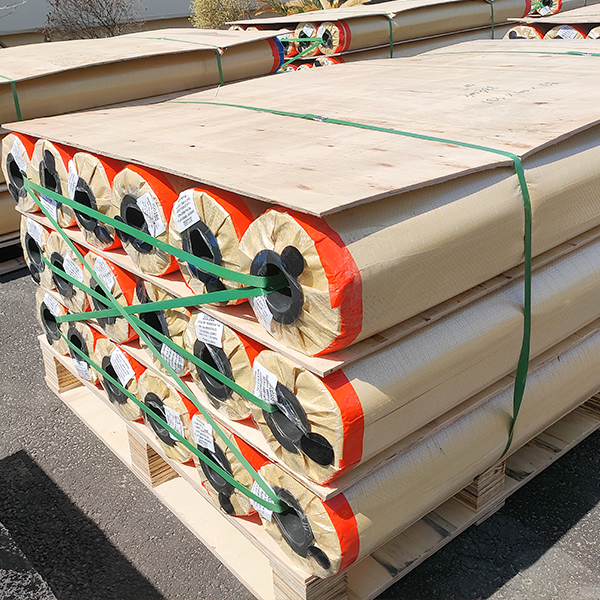
TPU laminated fabric is constructed by bonding a pre-formed TPU film to a textile substrate using heat and pressure (or adhesive lamination). The process allows tight control over film thickness and results in a clean, consistent layer on one or both sides of the fabric.
The key advantage of TPU laminated fabric is versatility: different base fabrics — woven polyester, knit nylon, non-woven, or even jersey — can be laminated with different TPU film grades to hit specific performance targets. It also allows multi-layer constructions (TPU-fabric-TPU) for maximum waterproofing and barrier protection.
Property | Value |
|---|---|
Base fabric | Woven / Knit / Non-woven / Jersey |
Lamination | Single or double-sided |
TPU film thickness | 0.1–1.5 mm |
Total weight | 150–1200 gsm |
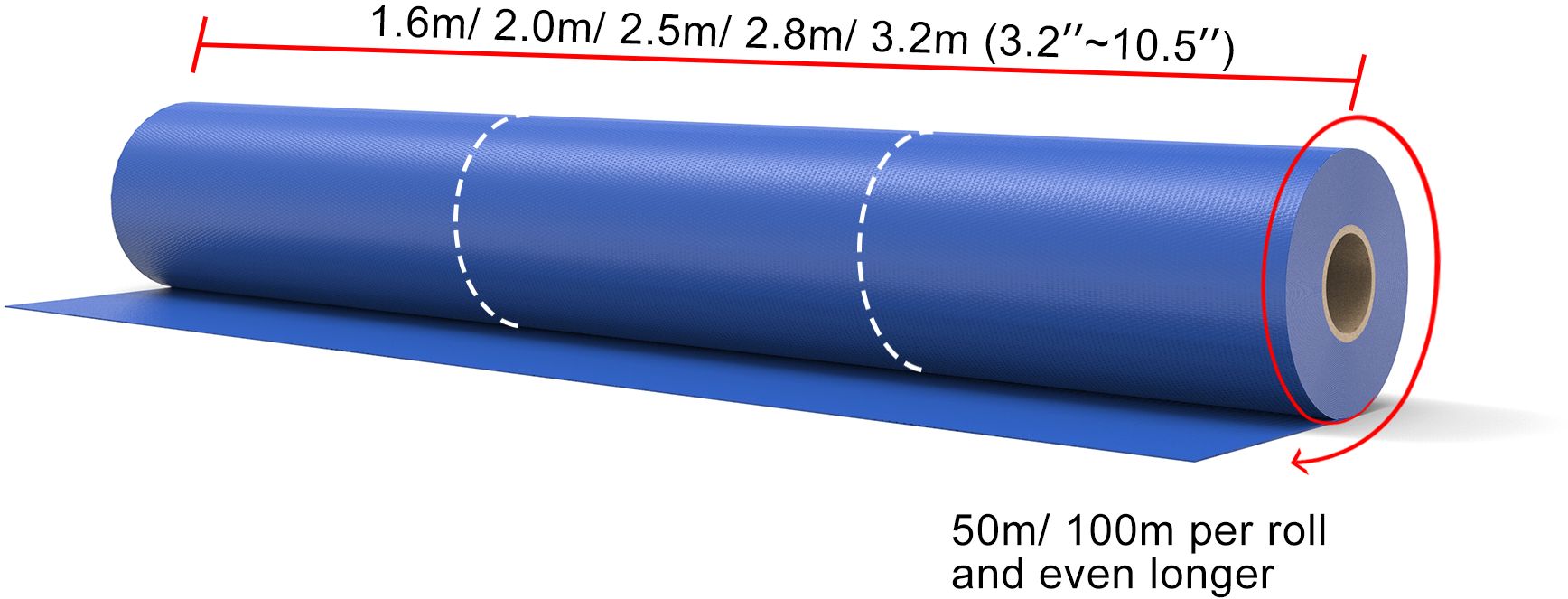
Width | Up to 3.4m |
Peel strength | ≥12 N/5cm |
Temperature range | -30°C to 70°C |
MOQ | 5,000 ㎡ |
Lead time | 15 days |
Certification | CE / SGS / ISO / RoHS / REACH |
TPU laminated fabric is available in food-contact grades for lining tanks and containers, as well as antibacterial-treated variants for medical and hygiene products.
Common Applications
Flexible packaging and containers — Bulk bags, wine bladders, and fuel tank liners where a clean, food-safe inner surface is required.
Hydraulic bladder and fuel cell membranes — Pressurised fluid containment in automotive, aerospace, and industrial equipment.
Swimming pool liners and water tanks — Large-area waterproofing where TPU film continuity and weld strength are essential.
Thermal insulation covers — Reflective insulation blankets and cold-chain covers for logistics and construction.
Protective Cushioning — Moulded padding, impact guards, and Helmets using TPU laminated foam composites.
FAQ
Can TPU laminated fabric be vacuum-formed or compression-moulded? Yes. TPU laminated fabrics with knit or non-woven bases are commonly vacuum-formed into 3D shapes for automotive and protective equipment applications.
Is your TPU laminated fabric food-grade certified? Yes. We have food-contact formulations that meet EU and FDA food-contact material standards. Certificates provided on request.
What base fabrics work best for lamination? Woven polyester for high strength, knit nylon for stretch and flexibility, non-woven for cost-effective barrier applications.
What is the typical shelf life of TPU laminated fabric? Stored properly (cool, dry, away from UV), TPU laminated fabric maintains performance for 12–18 months. UV-stable grades available for outdoor storage.