

Custom Waterproof PVC Tarpaulin for Industrial Covers
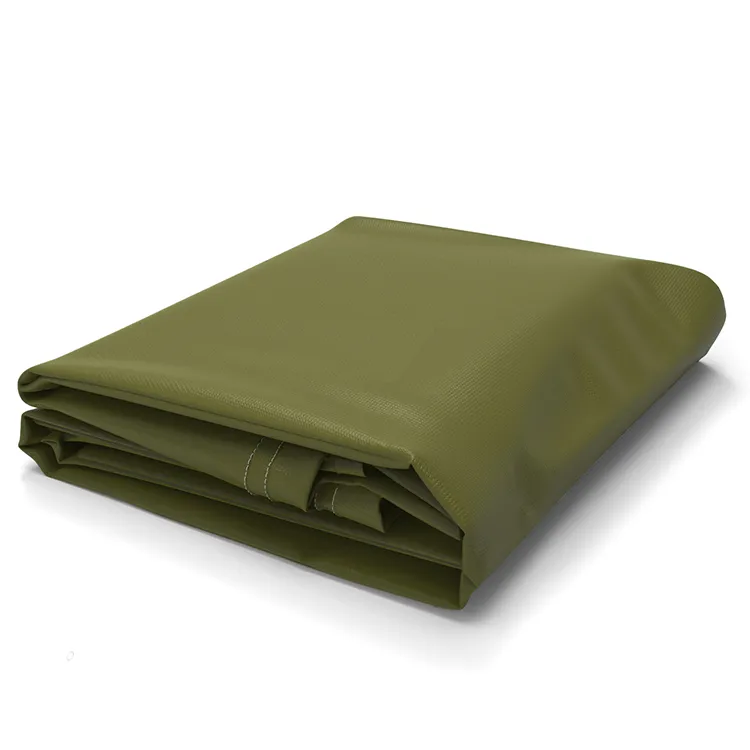
A waterproof PVC tarpaulin is a fabricated cover made from reinforced PVC-coated material, with its panels, seams, edges, openings and fixing points configured for a defined exposure. The material can form the main water barrier, but the completed tarp still has to manage runoff, joint lines, hardware penetrations and local wear. LonaTarp makes these finished covers to order for importers, wholesalers, brands and industrial project buyers.
Before production, we review the finished dimensions, installation shape, joining method, edge reinforcement, hardware layout and acceptance requirements. Finished Products: MOQ 30 units. Normal production is about 15 days after the specification and order details are confirmed.
Send Your Cover Drawing
Share the application, finished dimensions, quantity and fixing method so our production team can review the water-control details before quoting.
Start With Water Paths, Not a “Waterproof” Label
The first procurement question is not simply whether PVC-coated material repels water. It is whether water can reach the protected item through any part of the completed cover.
Water-control zone | Typical risk | What the finished specification should define |
|---|---|---|
Main panel | Cuts, abrasion, pinholes or an unsuitable material build | Material construction, surface condition and inspection method |
Panel joint | Incomplete fusion, heat damage, contamination or a poorly positioned seam | Joining method, overlap, seam position and representative-detail approval |
Hardware opening | Water follows a grommet hole, cutout or stressed attachment | Hole position, local patch, edge distance and protected-zone boundary |
Perimeter | Runoff passes behind an open edge or through a sewn section | Hem construction, orientation, overlap and any required sealing detail |
Installed shape | Ponding, reverse slope or unsupported spans increase load and leakage risk | Finished geometry, support, slope, drainage and tie-down arrangement |
This is why a flat material swatch cannot prove the performance of every finished tarp. A sloped equipment cover, a hanging curtain and a tightly restrained cargo cover interrupt the water barrier in different ways. The drawing and representative sample should reflect the actual installation.
Build Drainage Into the Finished Shape
Finished dimensions affect more than coverage area. They determine panel layout, seam location, side drop, overlap, tension and whether rain can leave the surface instead of collecting in a low point.
For a new project, confirm the length, width and drop at the installed position—not only the nominal size of the item being covered. Add allowances for corners, frames, access openings and the fixing method. If the tarp spans an open area, identify the support points and the expected direction of tension. If the cover sits over equipment, mark protrusions or sharp contact zones that may concentrate wear.
A larger cover is not automatically more protective. Extra unsupported material can sag, hold water and pull on seams or grommet rows. The better design uses the required coverage with a deliberate slope, controlled overlap and fixing points that keep the intended shape.
Review a Water-Control Detail
For orders of 30 or more finished units, send the installed shape or drawing together with the expected rain, splash or washdown exposure. We can identify the detail that should be sampled before bulk production.
Specify Seams, Edges and Openings as One Barrier
PVC-coated polyester materials can support compatible welding processes, while some finished designs also require industrial sewing. The correct method depends on the selected material, joint geometry, equipment and acceptance requirement. It should be trialed on the actual construction rather than assumed from the material name.
High-frequency or hot-air welding can create continuous joined sections when the material and process window are compatible. Sewing may be useful for selected hems, straps or assembled details, but a needle line interrupts the surface and may need a separate water-management design. Combining processes without defining their roles can leave an avoidable path behind an otherwise sound panel.
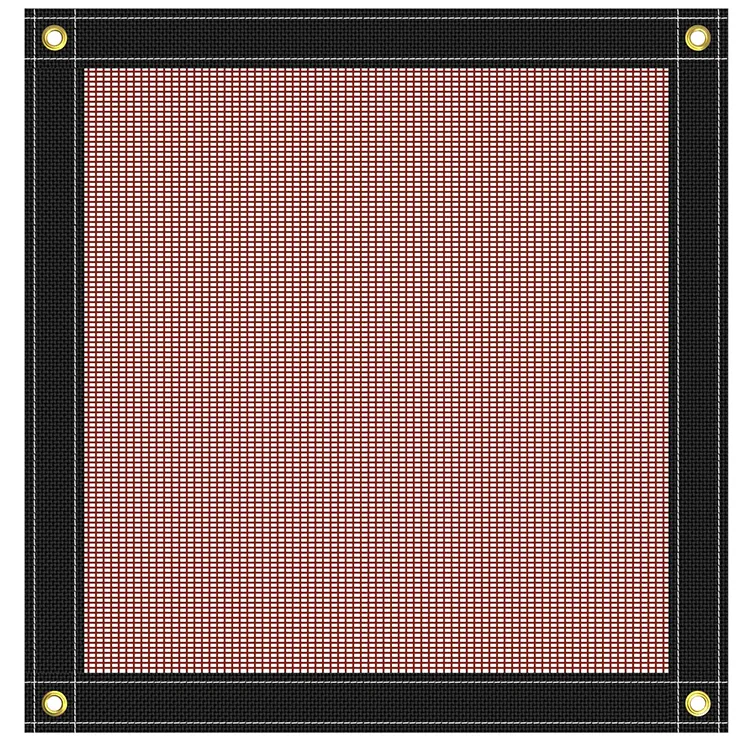
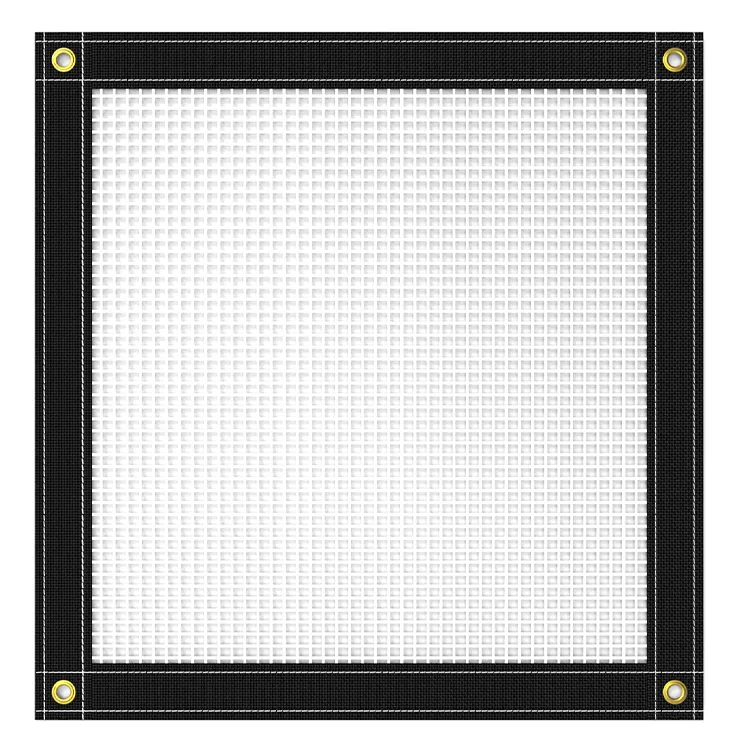
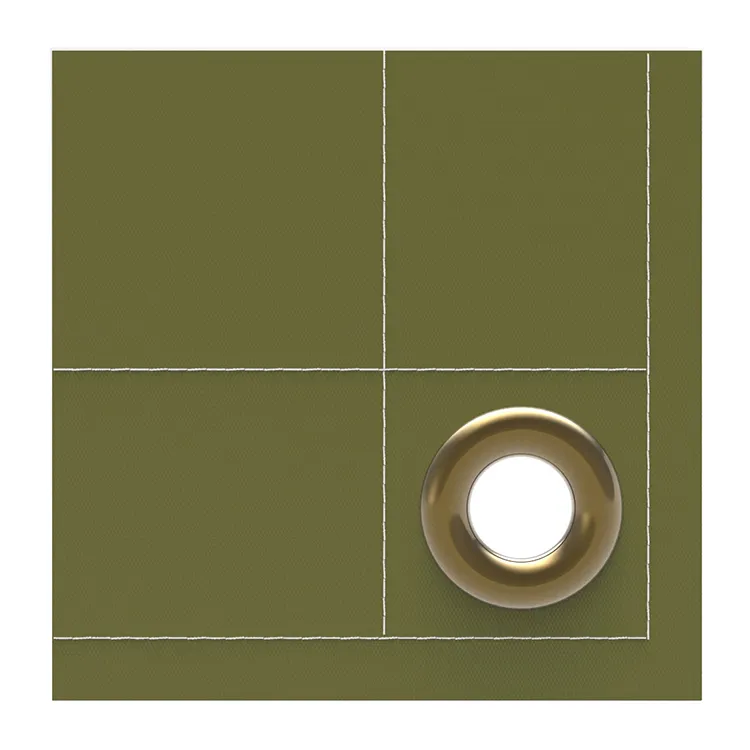
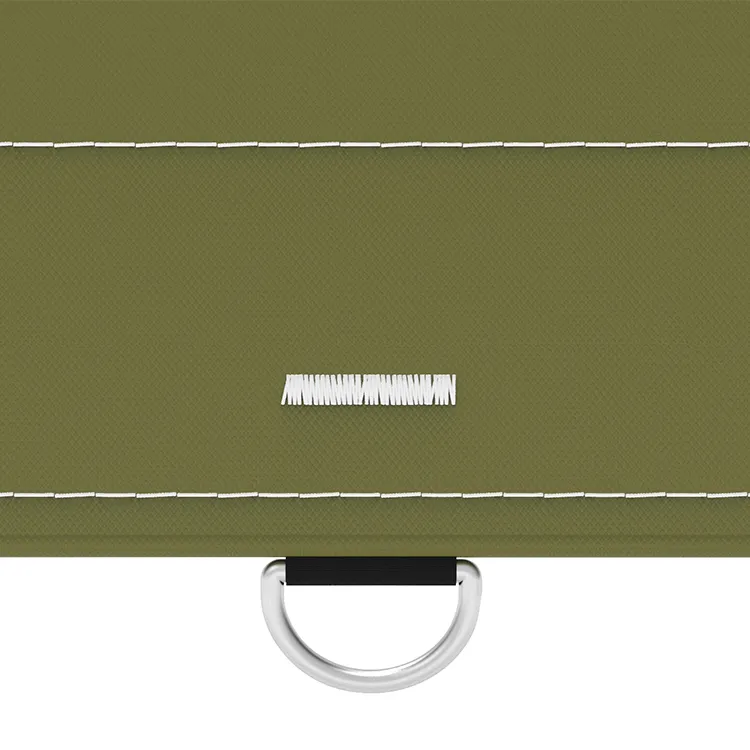
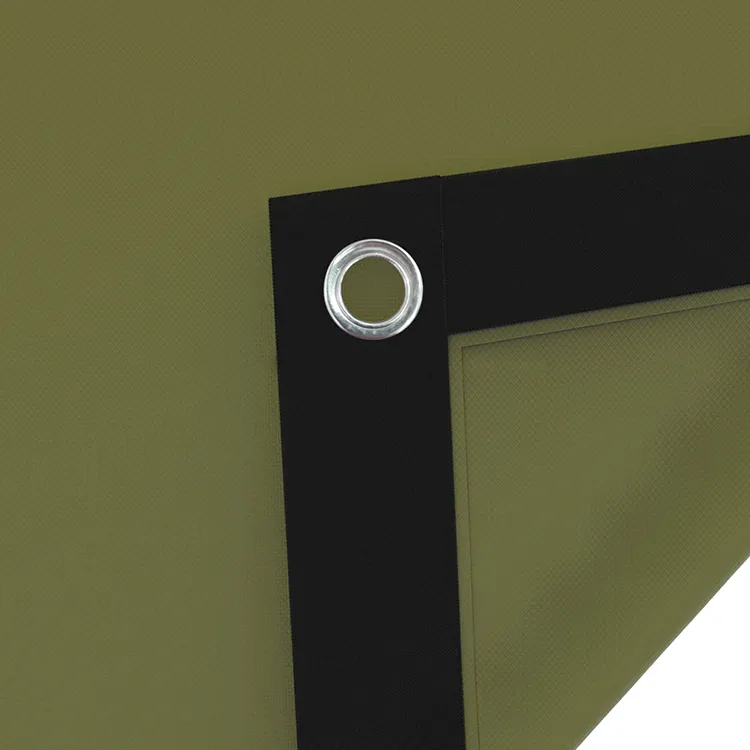
Grommets, D-rings, webbing and other attachment points also carry load. Their spacing should follow the tie direction, edge construction and expected movement—not a decorative interval. A hole placed inside the protected zone needs different treatment from hardware located outside the runoff path. Corners and transitions often need more attention than the center of the cover because several forces meet there.
Choose Weight, Color and Surface by Exposure and Handling
Material weight, color and surface finish can differentiate one finished tarp from another, but none of them proves quality by itself. The selection should start from the operating conditions and the way the cover is handled.
Selection variable | What it can influence | What the buyer should provide |
|---|---|---|
Material weight and base textile | Handling, strength direction, flexibility, fold behavior and finished weight | Load, abrasion, handling frequency and any existing material reference |
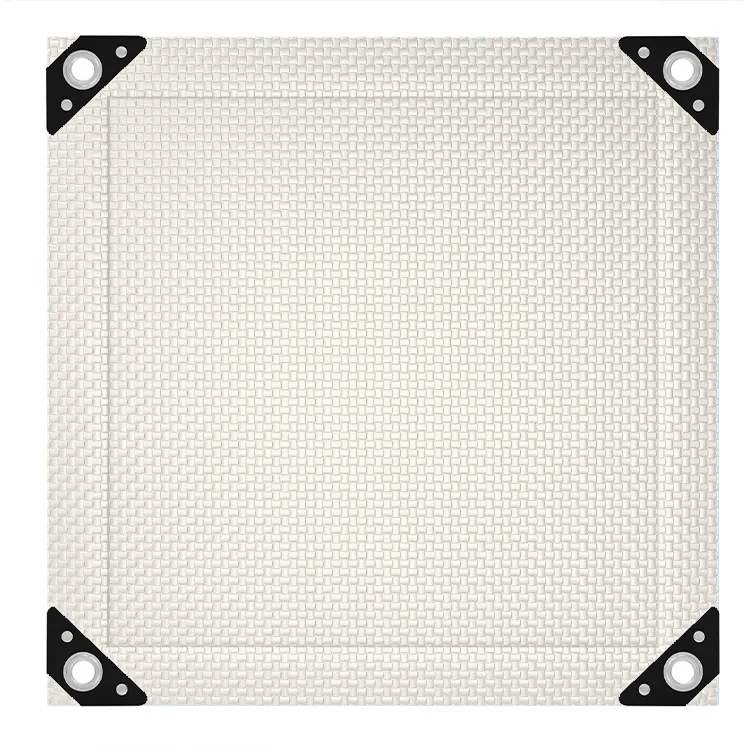
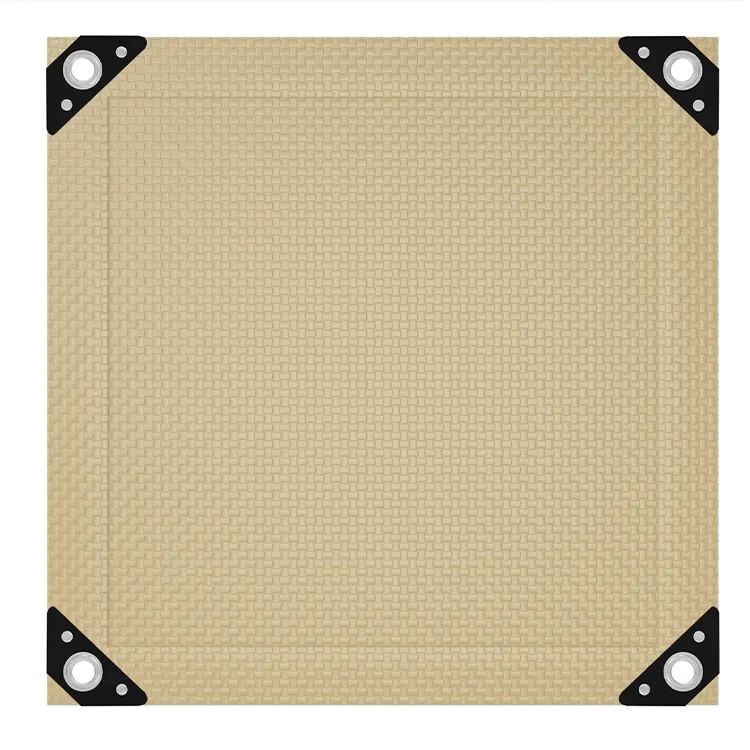
Color | Visibility, branding, appearance, heat response and repeat-order shade control | Target color, approved sample and tolerance expectation |
Surface treatment | Cleanability, abrasion behavior, print compatibility and weathering direction | Cleaning method, printing process, exposure and required test |
Finished size | Panel layout, seam count, support, overlap and drainage | Installed dimensions, drops, openings and drawing |
Two PVC-coated fabrics with the same GSM can use different base textiles, coating ratios and formulations. Their tear behavior, hand, weldability and price may therefore differ. Likewise, a heavy tarpaulin PVC cover is not a complete specification: “heavy” must be converted into a defined material construction, finished size, reinforcement plan, hardware arrangement and acceptance method.
Color also needs approval in the selected material and surface—not only on a screen. For repeat programs, an approved physical reference and agreed tolerance give buyers a clearer control point than a color name alone.
Where a Finished Waterproof Cover Fits—and Where It Does Not
This product route is suitable when a buyer needs a fabricated PVC cover with controlled dimensions, joined panels, finished edges and planned attachment points. Typical project directions include equipment covers, outdoor storage covers, transport or cargo protection, construction-site covers, industrial partitions and other made-to-order protective shapes. Buyers still comparing finished-cover families can review the broader vinyl tarps range before fixing one configuration.
Application names do not replace the engineering inputs. Flatbed truck tarps may need frequent handling, cargo-contact and abrasion review. A stationary equipment cover may place more emphasis on shape, access openings and runoff. A construction cover may need a different fixing plan and project-specific fire or weather requirement. Any special function must be tied to the target standard, test method and approved sample.
This page is not the right purchasing route for customers who need unfinished rolls for local fabrication. It also does not claim that a general cover is suitable for liquid containment, permanent roofing, life-safety use or every chemical environment. Those tasks require their own product structure, validation and page route.
Approve a Representative Water-Control Detail Before Production
For a waterproof-cover program, the most useful sample is not always a small flat swatch. It is often a representative finished detail that includes the selected material, actual joint, edge build and one critical attachment or opening.
A practical approval path is:
Confirm the drawing, exposure, material direction and acceptance method.
Make or select the critical finished detail and inspect its dimensions, joint, edge and hardware placement.
Record the approved specification and use it as the production and pre-shipment reference.
Batch inspection can then focus on the items that matter to the approved design: finished dimensions, visible material condition, seam consistency, edge construction, hardware placement, quantity and packing. If a test or certificate is required, the document scope must be checked against the exact product and project; a general material document does not automatically certify every finished cover.
Prepare a Quote-Ready Finished-Cover Specification
An accurate quotation depends on the finished product, not only the words “PVC tarp.” Please provide:
company name, buyer type and destination market;
protected item and operating environment;
installed dimensions, side drops, drawing or reference sample;
quantity by size and color, beginning from 30 finished units;
rain, splash, temporary ponding or cleaning exposure;
preferred material weight or an existing material reference, if available;
panel joints, hems, reinforcement and critical openings;
grommet, D-ring, webbing, zipper or other accessory requirements;
installation and tie-down method;
target standard, test or acceptance requirement;
logo, marking, packing and delivery requirement.
Our team can review missing specification points and recommend the next sample or production step. Samples may be confirmed before bulk manufacturing. Lead time is normally about 15 days after the final specification and order conditions are agreed.
Request a Waterproof PVC Tarpaulin Production Quote
Send the application, installed drawing, quantity and water-exposure conditions. Minimum order: 30 finished units.
Waterproof PVC Tarpaulin FAQs
Is PVC tarpaulin waterproof?
PVC-coated material can provide the main water barrier, but a finished tarp must also control seams, holes, edges, damage, slope and drainage. Define the exposure and agree on the representative finished-detail check before treating the result as accepted.
What type of tarp is most waterproof?
There is no universal answer based on material name alone. For an industrial cover, compare the continuous panel, compatible joining method, penetration design, installed slope and agreed test. The best route is the one that fits the actual water path and handling risk.
What is the difference between PVC and vinyl tarps?
In this market, “vinyl tarp” commonly refers to a flexible PVC-coated tarp, but suppliers may use the terms differently. Confirm the base textile, coating structure and finished construction instead of relying on the label alone.
Is HDPE better than PVC for a waterproof cover?
Neither material is universally better. The decision depends on service duration, fabrication, repeated handling, abrasion, weight, cost and replacement strategy. This page is for custom fabricated PVC covers; an HDPE/PE project should be assessed as a separate product route.
What does “heavy tarpaulin PVC cover” mean in an RFQ?
A heavy tarpaulin PVC cover is incomplete purchasing language. Add the material construction, finished dimensions, expected load, reinforced zones, hardware, handling frequency and acceptance method before comparing suppliers.
What determines the service life of a finished PVC cover?
No fixed lifespan follows from the product name. Formulation, construction, UV and climate exposure, abrasion, installation, cleaning, maintenance, storage and accidental damage all affect service life. Confirm the use conditions and required validation instead of converting an aging-test value directly into outdoor years.