Yes. PVC fabric is waterproof: the continuous PVC layer on each face blocks water, and PVC itself absorbs almost none. The weak point is inside. The polyester yarns in the base fabric can draw water in from a cut edge or a damaged spot and carry it along the fabric, a process called wicking.
This guide explains why PVC-coated fabric keeps water out, where wicking comes from and what it damages, how impregnation stops it, and how to specify and test waterproofing when you buy PVC fabric in bulk.
I. Is PVC Fabric Waterproof?
PVC-coated and PVC-laminated fabrics are waterproof, not just water-resistant. A water-resistant fabric slows water down and eventually lets it through under rain or pressure. A waterproof fabric stops liquid water at its surface, which is why PVC fabric is used for truck covers, building membranes, pool liners and water storage tanks.
Two conditions apply. The PVC layer must be continuous, with no pinholes or open mesh. And the fabric must be kept from wicking water at its edges, which the rest of this guide explains.
II. Why PVC-Coated Fabric Keeps Water Out
The polyester base fabric gives the material its strength; the PVC gives it its waterproofing.
Polyester Alone vs PVC-Coated Polyester
Uncoated woven polyester is not waterproof. Water passes through the gaps between the yarns, so liquid soaks through it quickly. Coating or laminating it with PVC fills and covers those gaps with a solid layer of plastic on both faces. Liquid cannot pass through that layer, so it does not soak through PVC polyester fabric. Our guide to how PVC coated fabric is made shows how the layers are built.
PVC vs PU Coatings and DWR Finishes
Not every coated fabric is waterproof to the same degree:
- PVC coating: a thick, continuous layer on both faces; waterproof and weldable.
- PU coating: usually a thin layer on one face, common on lighter fabrics such as bags and outdoor gear.
- DWR finish: a water-repellent treatment that makes water bead on the surface. It is not a waterproof barrier and wears off with use.
For covers, membranes and tanks, the PVC layer is what makes the difference.
III. Does PVC Fabric Absorb Water?
The PVC coating absorbs almost no water, but the fabric inside it can, through wicking.
PVC Itself
PVC is a dense plastic with very low water absorption. Water on the surface stays on the surface and runs off or dries, so the coating does not swell or soften when wet.
Wicking Through the Base Fabric
Each polyester yarn is made of many fine filaments with tiny channels between them. Where a yarn is exposed, at a cut edge, a punched hole or a damaged spot, water enters those channels and is drawn along the yarn by capillary action. It can travel a long way inside the fabric, under an intact PVC surface, where it cannot dry out.
What Wicking Damages
Buyers usually notice wicking only when it shows up in the finished product:
- Building membranes: rainwater drawn in at edges and fixings spreads inside the membrane and stains its appearance.
- Printed covers: water traveling under the surface spoils the look of a design on printed PVC tarpaulin.
- Fish ponds and aquaculture tanks: water held inside the fabric, especially water carrying fish waste, speeds up mold growth inside the material, which can lead to cracking.
All three problems start inside the yarn, so they are solved at the fabric stage, not by the fabricator.
IV. How Impregnation Stops Wicking
Wicking is stopped by sealing the channels inside the yarn before the fabric is finished. We do this by impregnation, and we can apply it to every PVC fabric we make.
In impregnation, the base fabric runs through a bath of PVC paste before coating or lamination. The paste soaks into each yarn and fills the gaps between its filaments. When it is cured, the filaments are locked in solid PVC, so there are no open channels left for water to travel along. A cut edge or a punched hole still exposes the yarn, but water can no longer be drawn into it.
Impregnation also helps in other ways. It improves the bond between the base fabric and the PVC layers, and it makes the fabric more tolerant of small coating defects, because air or water that gets past the surface meets yarns already filled with PVC. See our 600D anti-wicking PVC coated polyester for one example.
If your product will be cut, punched or printed and then used outdoors or in standing water, ask for anti-wicking construction when you order the fabric.
V. When PVC Fabric Is Not Waterproof
PVC fabric stops being waterproof when the PVC layer is open, too thin or damaged:
- PVC mesh: PVC-coated mesh has open holes by design. It sheds some rain but lets water and air through, so it is used for shade and wind screens, not for waterproof covers.
- Pinholes and thin coatings: a very light coating on an open base fabric can leave pinholes where water passes under pressure. Coating weight should match the water pressure the product will see.
- Damage and aging: cuts, abrasion and long UV exposure can open the surface and expose the yarn to wicking.
A waterproof fabric can still make a leaking product if seams, grommets or drainage are wrong. Our guide are vinyl tarps waterproof covers leaks in finished covers.
VI. How to Specify and Verify Waterproofing
“Waterproof” on a quote is not a specification. Name the test method and the result you need, and test the fabric as it will be used.
| What to check | Test method | What it tells you |
|---|---|---|
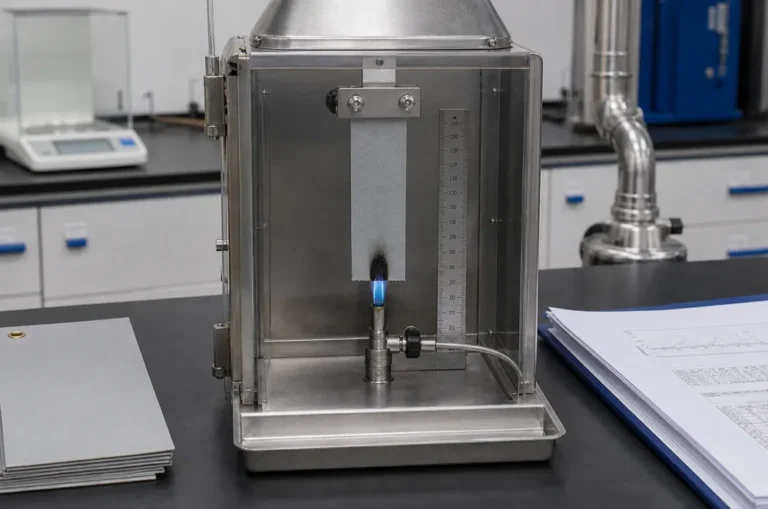
| Resistance to water penetration | ISO 1420: hydrostatic pressure on one face of the coated fabric, low or high pressure range | Whether water passes through the fabric at the pressure your product will see |
| Hydrostatic resistance | ASTM D751: Mullen tester or rising water column | The same question under the common US method for coated fabrics |
| Wicking | ASTM D751, wicking of coated cloth | Whether water travels into the fabric from a cut edge |
| Finished seams and fittings | Water or air test on a fabricated sample | Whether the product, not just the fabric, stays watertight |
When you ask for a quote, tell us:
- The end product and whether it holds water, sheds rain or stays submerged
- Whether edges will be cut, punched or printed
- The water pressure or depth it must resist
- Whether you need anti-wicking construction
- The test method and pass level your market or customer requires
For roll options, see our waterproof PVC tarpaulin range.
VII. FAQ
Is PVC coated fabric waterproof?
Yes. The PVC layer on both faces is continuous, so liquid water cannot pass through. Waterproofing is lost only where the layer is open, as in mesh, or damaged.
Does liquid soak through PVC polyester fabric?
No, not through the face. Polyester on its own lets water through, but the PVC coating seals it. Water can only enter at exposed yarn, such as a cut edge, unless the fabric is impregnated against wicking.
Can PVC fabric stay in water for long periods?
Yes. PVC fabric is used for pool liners, water storage tanks and fish ponds. For long contact with water, especially dirty or biologically active water, specify anti-wicking construction so the cut edges cannot draw water into the fabric.
Is PVC fabric breathable?
No. The same continuous layer that keeps water out also blocks air and vapor. Where airflow matters more than waterproofing, use PVC mesh or add ventilation to the finished product.