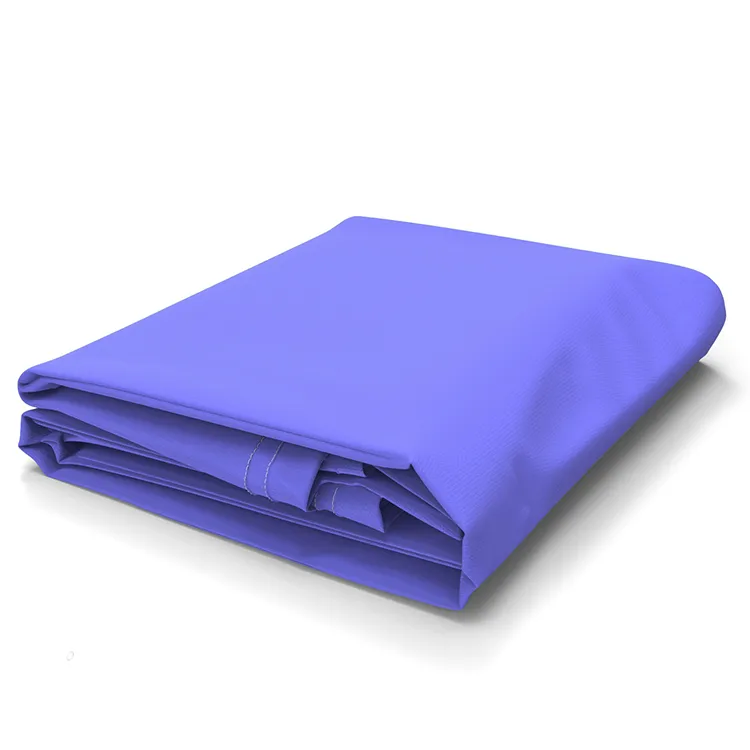
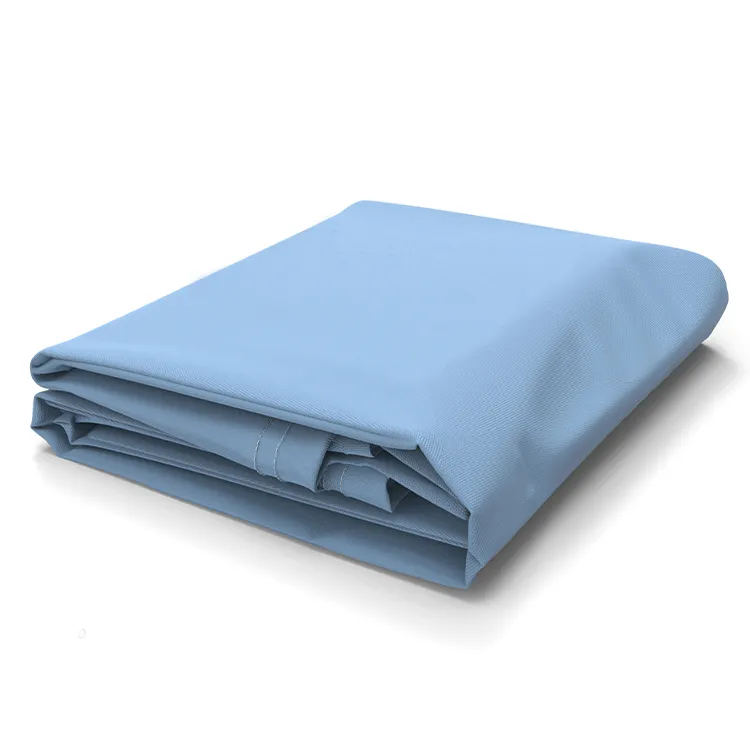
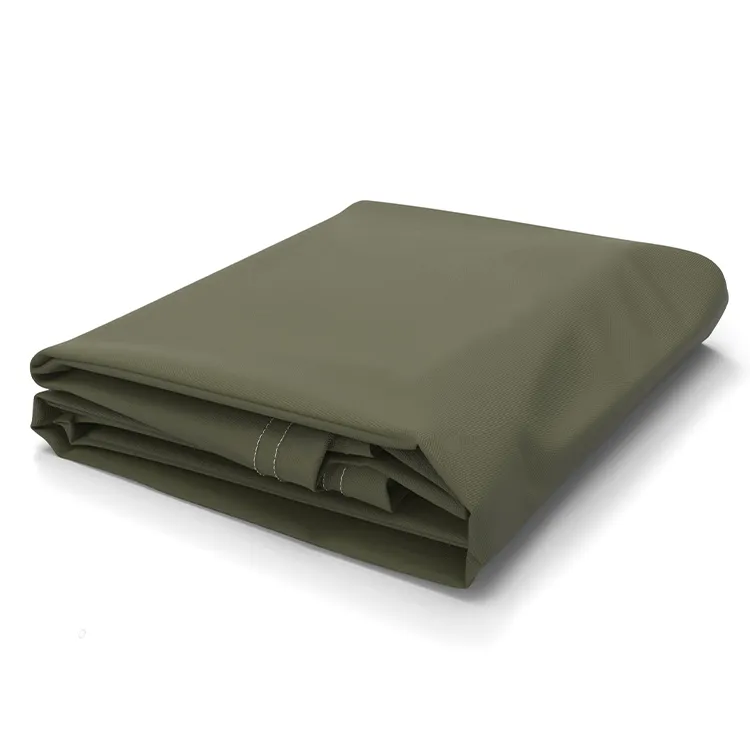
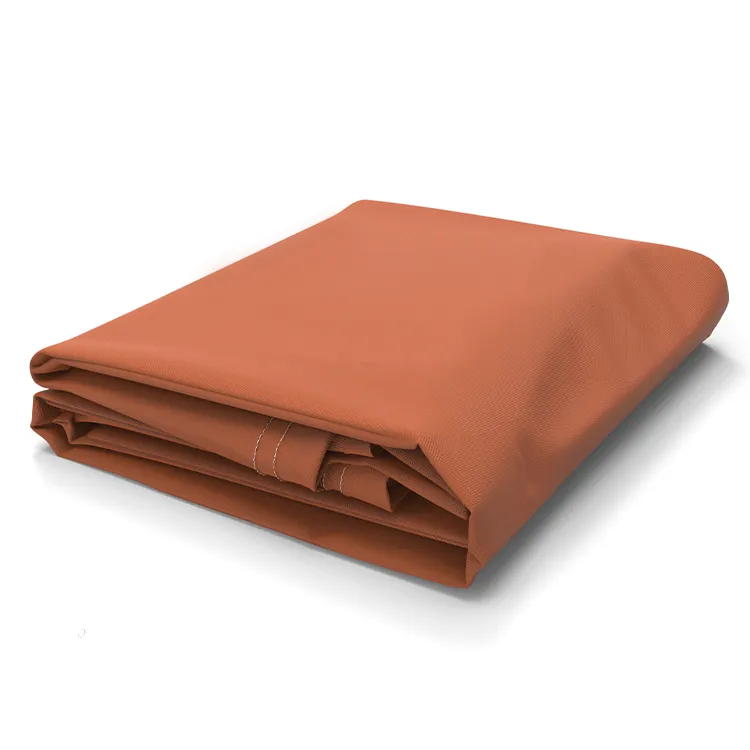
What Is a PVC Vinyl Tarp?
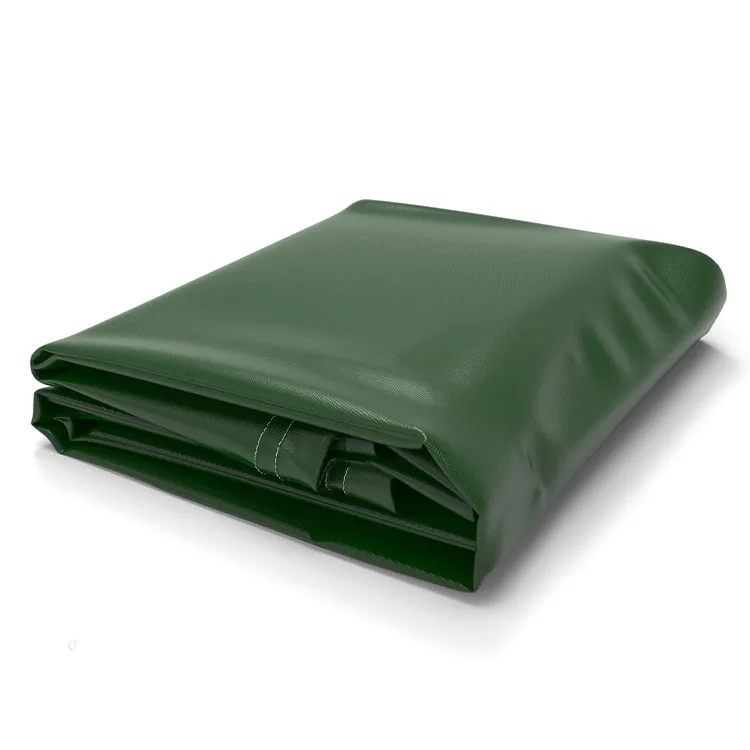
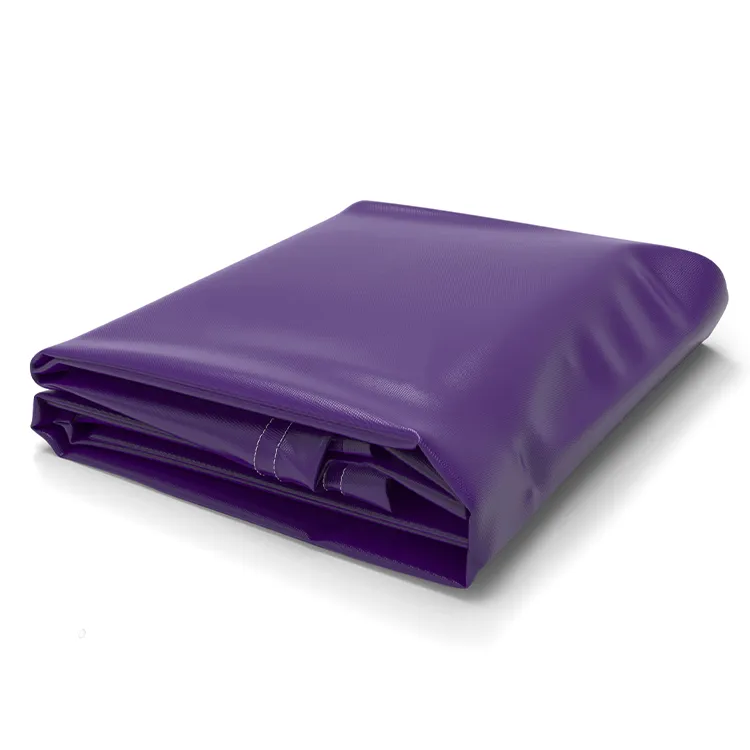
A PVC vinyl tarp is a finished cover made from polyester fabric combined with PVC, or vinyl, to create a waterproof and durable surface. In the tarp industry, vinyl tarp and PVC tarp are often used to describe the same general product category.
Unlike a simple plastic sheet, the polyester fabric inside the tarp provides structural strength, while the PVC layer provides waterproofing, weather protection and a surface that can be welded or processed into finished covers.
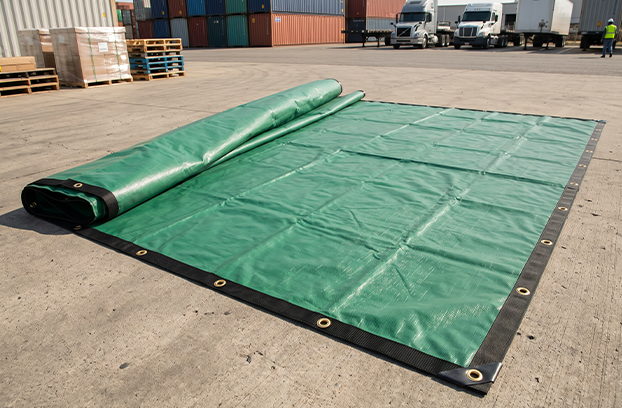
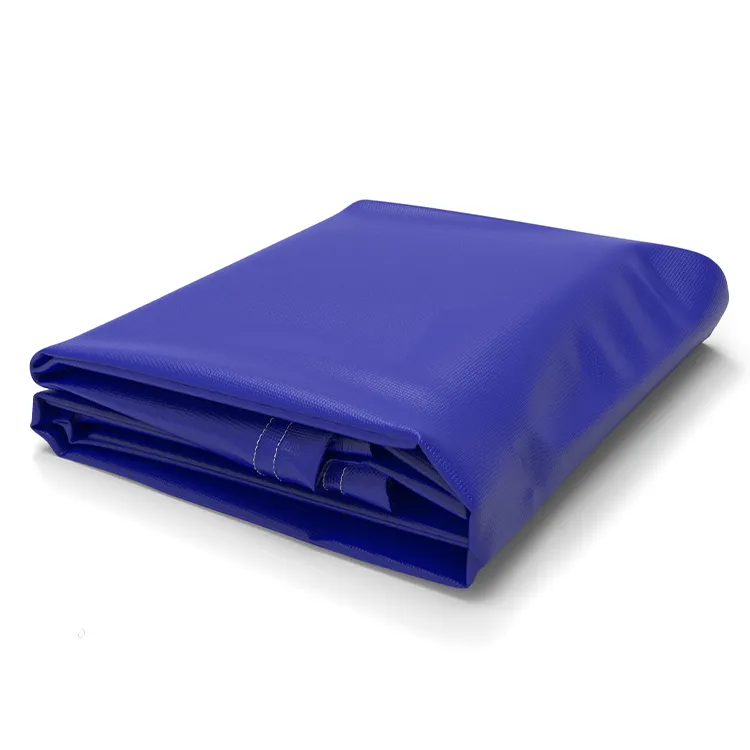
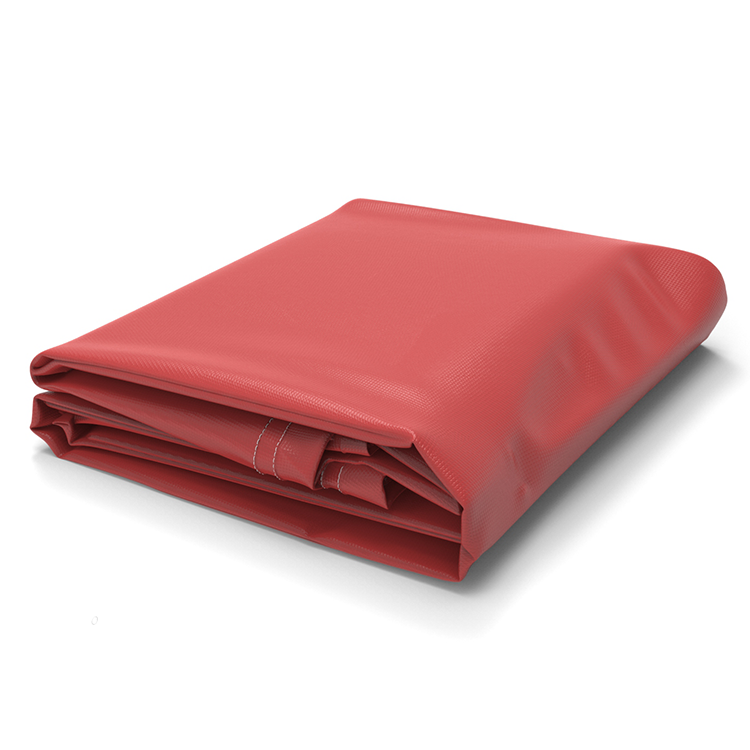
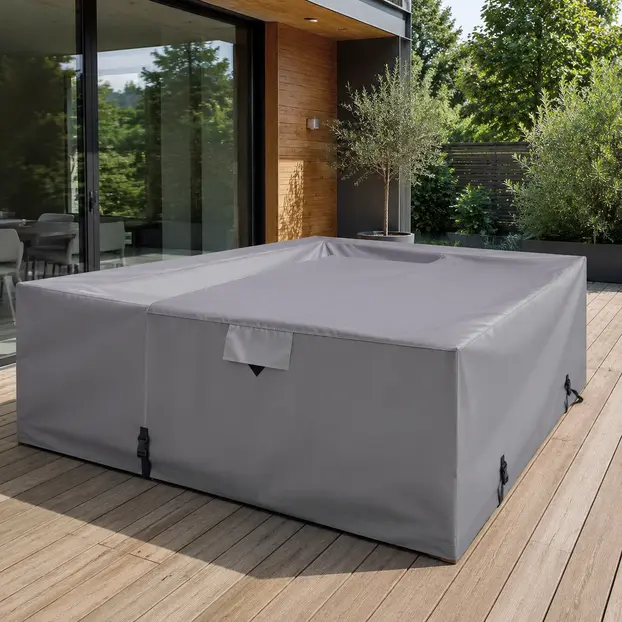
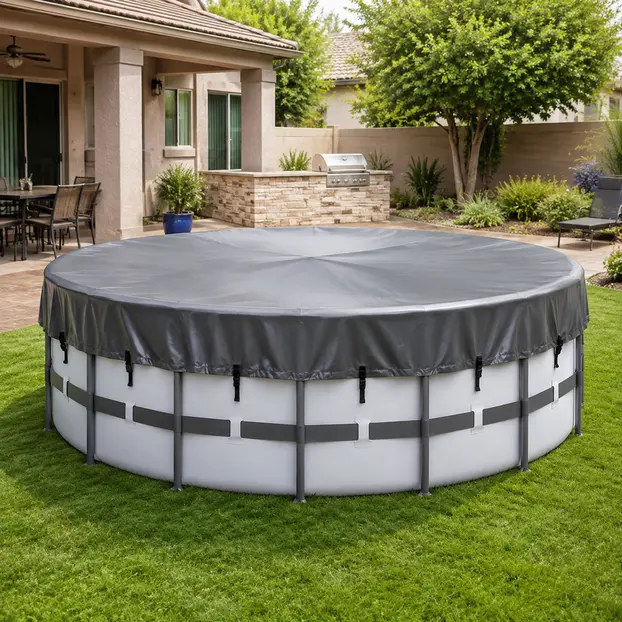
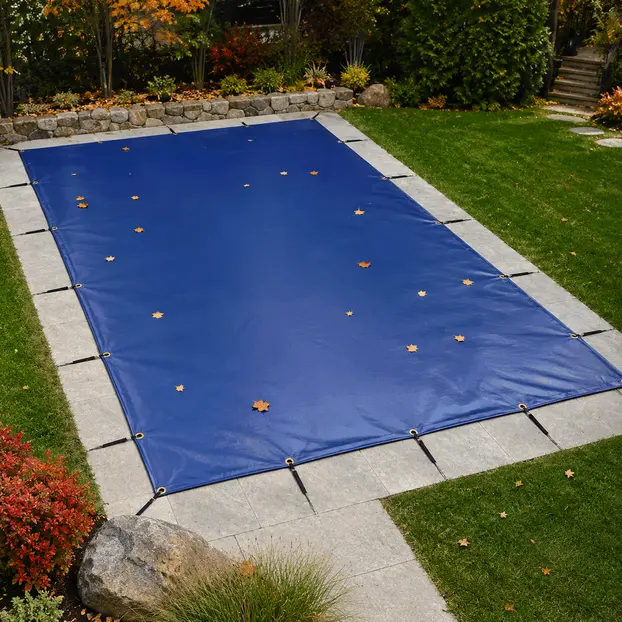
Finished waterproof PVC tarps can be produced in different weights, colors and sizes, then fitted with hems, grommets, D-rings or other hardware depending on the application.
Vinyl Coated Polyester Tarp Construction
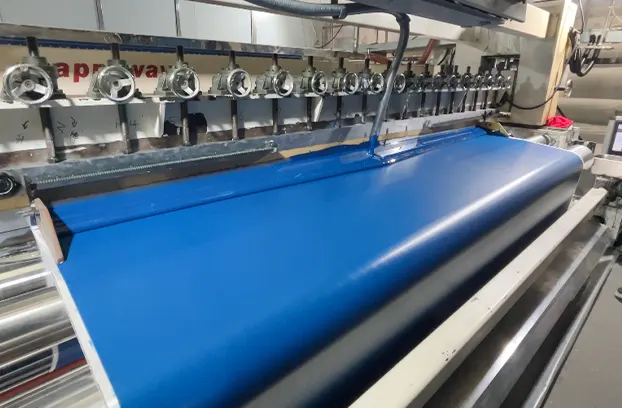
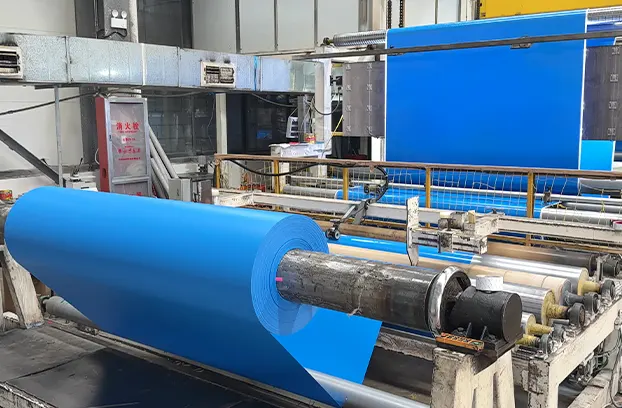
Most industrial vinyl polyester tarps are based on vinyl coated polyester fabric. A woven polyester base fabric provides the reinforcing structure, while PVC is applied to the surface to provide waterproofing, abrasion resistance and outdoor protection. As a custom PVC tarpaulin cover manufacturer, LonaTarp can produce PVC coated tarps in a wide range of weights to meet different application requirements.
The final performance depends on more than the PVC coating alone. Fabric construction, total material weight, coating formulation and finished-tarp processing all affect how the tarp performs in use.
For this reason, two PVC coated tarps with a similar weight can still perform differently when exposed to repeated handling, abrasion or outdoor conditions.
Vinyl Coated Tarps and Vinyl Laminate Tarps
Vinyl tarps can be manufactured using different PVC construction methods, including coated and laminated structures.
A vinyl coated tarpaulin uses PVC applied directly onto the reinforcing polyester fabric. A vinyl laminate tarpaulin uses PVC film layers bonded to the reinforcing fabric.
Both constructions can be made into waterproof finished vinyl tarps, but they may differ in flexibility, surface finish, durability and cost.
For B2B orders, the construction should be selected according to the application and required product specification rather than by the term “coated” or “laminated” alone.
Finished Vinyl Tarps vs. Vinyl Tarp Material Rolls
Finished vinyl tarps and vinyl tarp rolls are made for different buyers.
- A finished vinyl tarp has already been converted into a usable cover. Depending on the specification, this can include cutting, welding or sewing, reinforced edges, grommets, D-rings, webbing and other finished components.
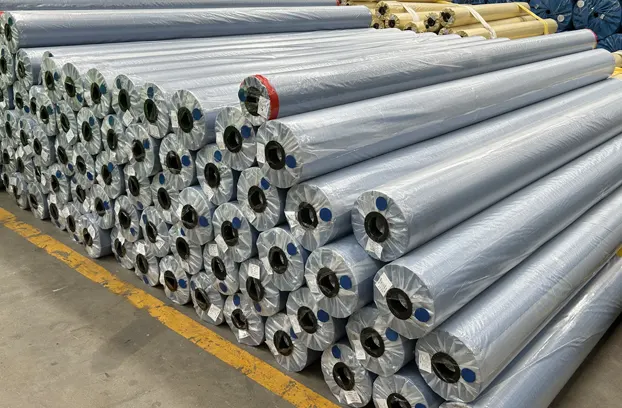
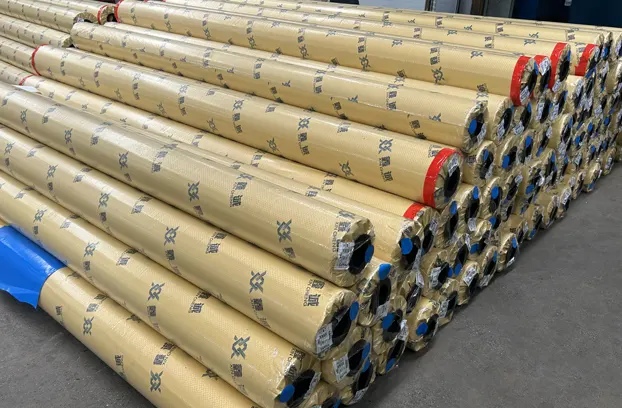
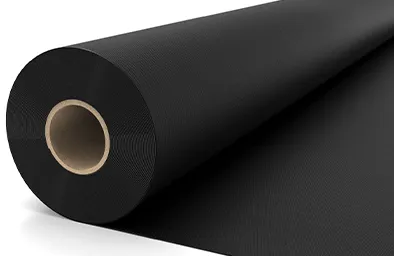
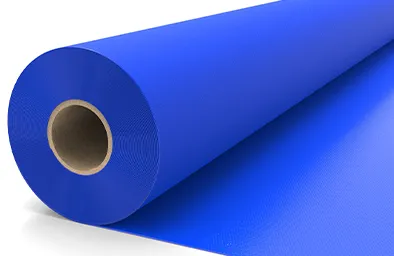
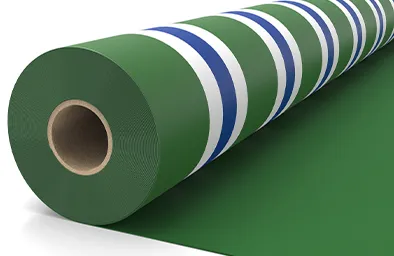
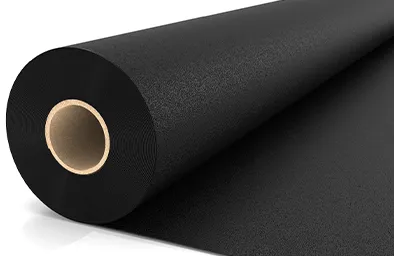
- A vinyl tarp material roll is supplied as raw PVC-coated fabric for fabricators, converters and manufacturers that want to cut, weld or sew the material themselves.
If you need ready-to-use covers for bulk purchasing, finished vinyl tarps are the appropriate product form. If your factory or workshop performs its own tarp fabrication, roll material is usually the better purchasing route.
Which PVC Tarpaulin Cover Is Right for Your Application?
The right vinyl tarp cover depends on what you are covering, how often the tarp will be handled, and the conditions it will face during use.
For B2B buyers, application is usually the best starting point. Once the working environment is clear, it becomes easier to decide whether you need a general waterproof tarp, a heavier-duty specification, a specific weight grade, or a custom finished product.
Transport and Cargo Protection
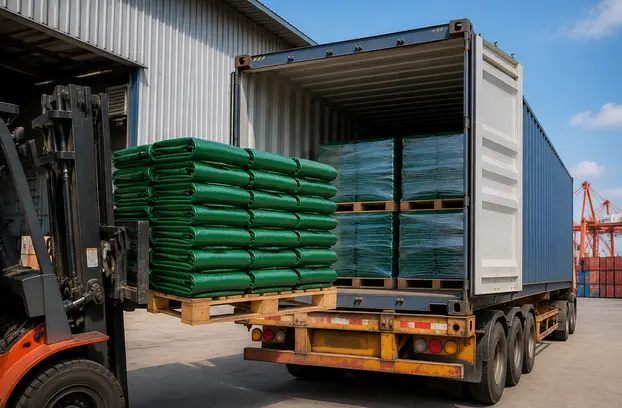
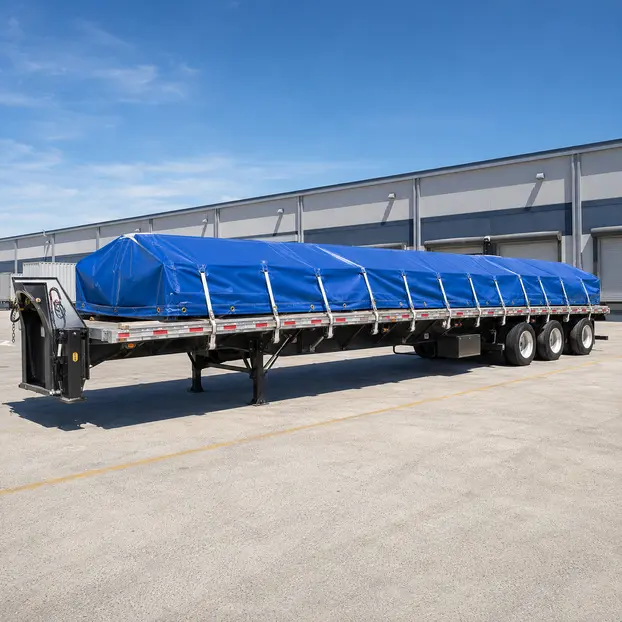
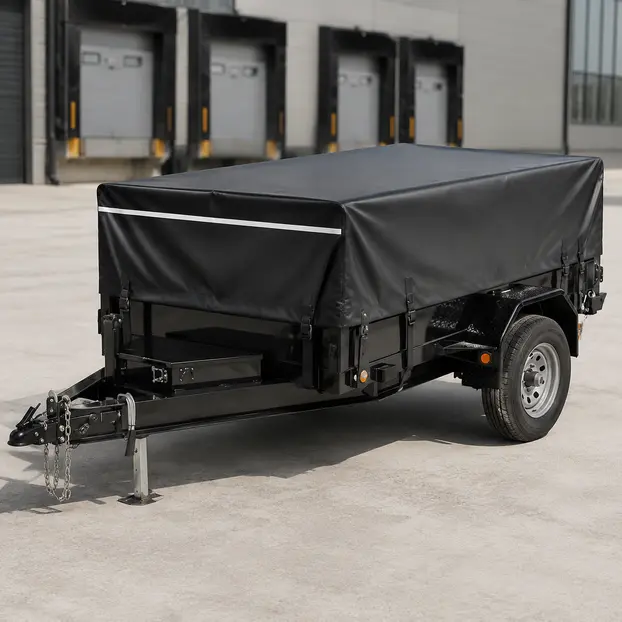
For cargo, trailers and general transport protection, heavy duty vinyl tarps are usually the more suitable choice because the tarp may face repeated handling, wind, movement and abrasion.
Buyers can then select the required weight, finished size and fixing configuration according to the type of cargo and transportation method. Grommets, D-rings, reinforced edges and webbing can also be added where stronger attachment is required.
For repeated commercial transport or more demanding hauling conditions, heavier grades such as 18 oz, 22 oz or other reinforced constructions may be considered.
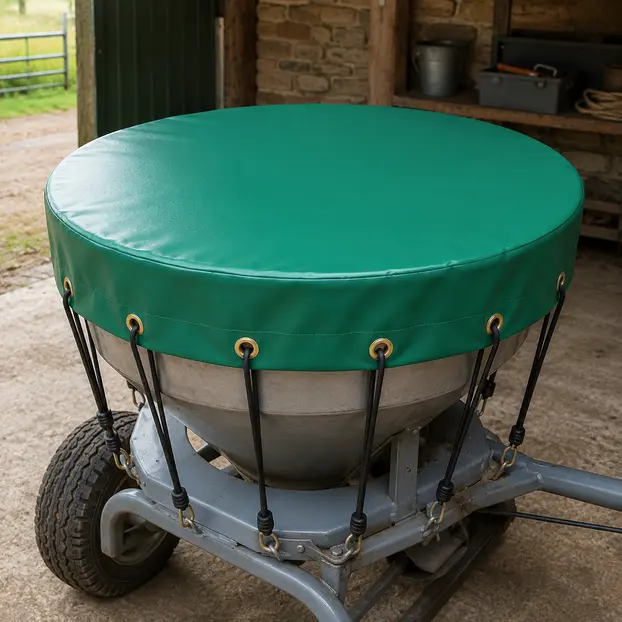
Equipment and Machinery Covers
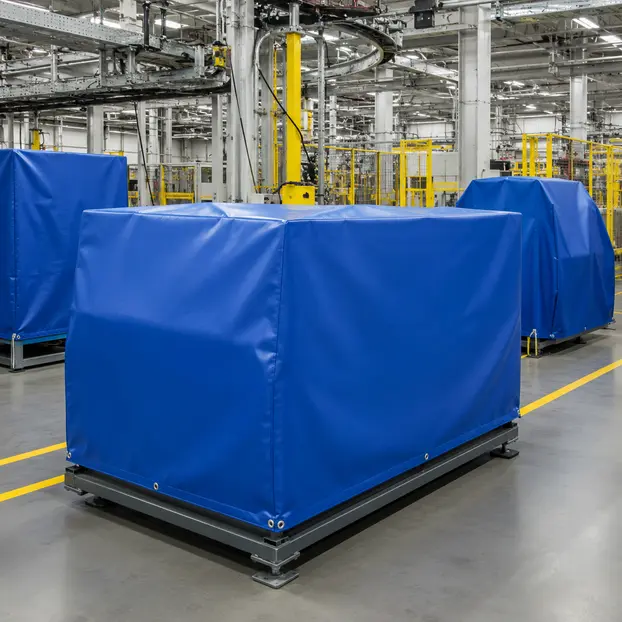
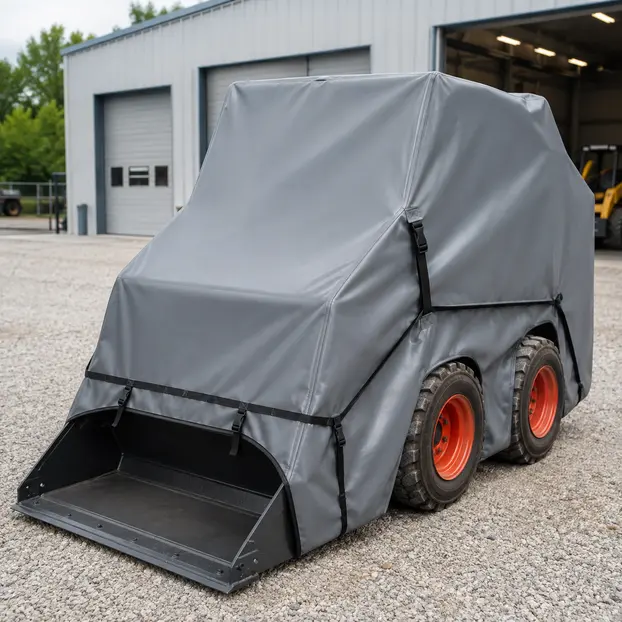
For machinery, industrial equipment and stored equipment, the first requirement is often reliable waterproof and dust protection.
A standard PVC tarpaulin vinyl may be suitable for general indoor or temporary outdoor protection. If the equipment remains outdoors for long periods, is frequently covered and uncovered, or has sharp edges and high-wear contact points, a heavier-duty vinyl tarp is usually more appropriate.
Custom finished sizes can also help reduce excess material and improve the fit around larger or irregular equipment.
Construction and Industrial Sites
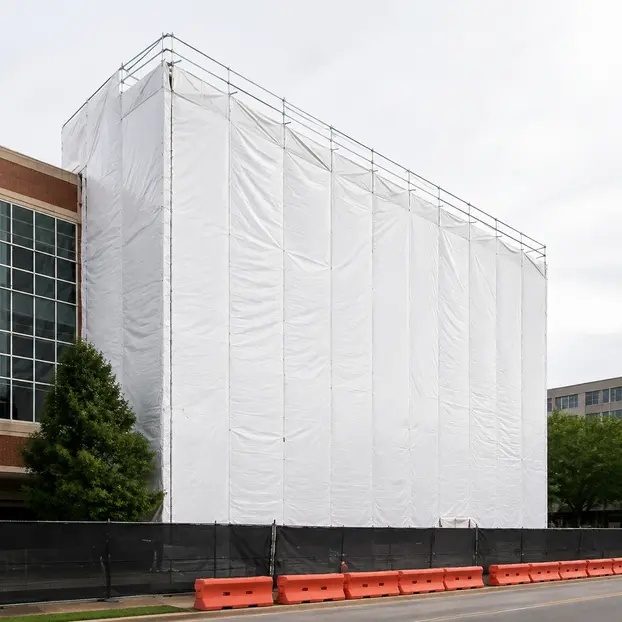
Construction and industrial sites usually place more stress on a tarp because of frequent movement, rough surfaces, dust and changing weather conditions.
For these applications, 18 oz, 22 oz and other heavy duty vinyl tarps are commonly considered when greater durability is required.
The final specification should be selected according to how the tarp will be installed, how often it will be moved, and whether it will be exposed to long-term outdoor weather or repeated abrasion.
Warehouse and Agricultural Storage
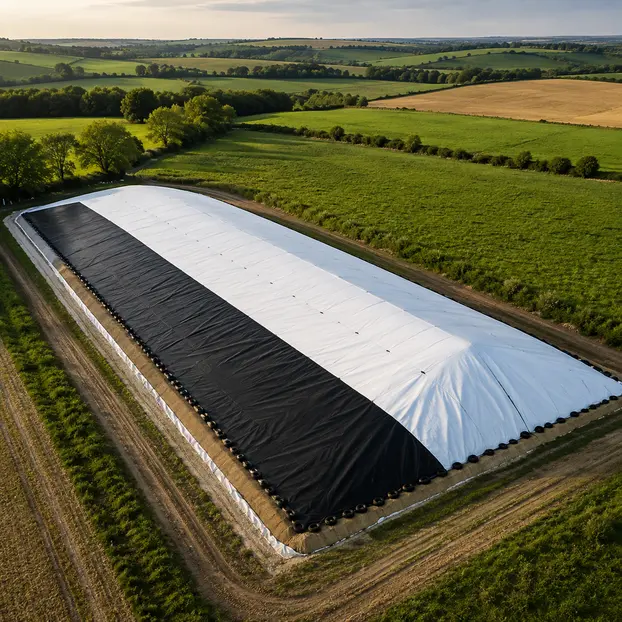
For warehouse goods, building materials, agricultural products and general bulk storage, a waterproof vinyl tarp can provide practical protection against rain, dust and moisture.
Where the tarp is mainly used for routine covering and does not experience heavy abrasion or high fastening loads, a general-purpose vinyl tarp may be sufficient.
For larger storage areas or non-standard stacks, custom sizes can be produced to match the required coverage more closely.
Custom and Specialist Applications
Some projects cannot be handled by a standard rectangular waterproof tarp.
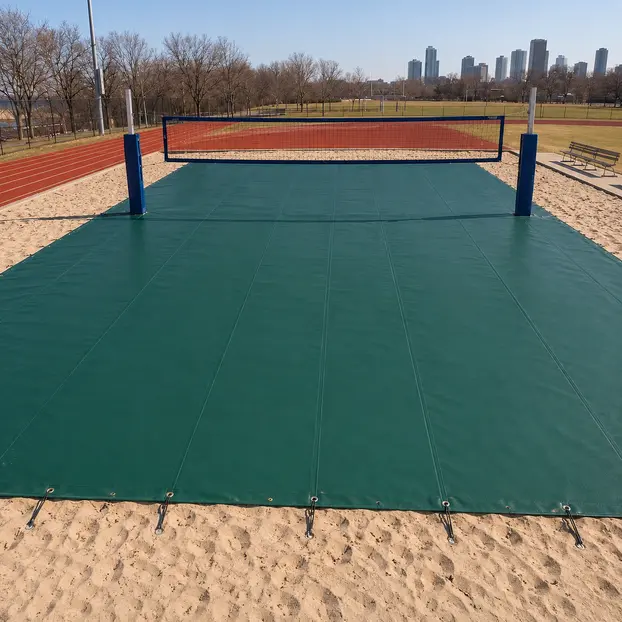
For these requirements, vinyl tarps can be manufactured with custom dimensions, colors, grommet spacing, D-rings, reinforced edges, webbing and other finished configurations.
Specialist options may also include flame-retardant tarps, clear vinyl tarps, insulated tarps, truck tarps and other application-specific PVC tarp products.
If a project has a defined size, installation method, performance requirement or branded appearance, it is usually better to confirm these details before selecting the final tarp specification.
What Should B2B Buyers Confirm Before Ordering Vinyl Tarpaulins?
Before requesting a quotation, B2B buyers should confirm the basic product and order requirements as clearly as possible. The more complete the information is, the easier it is to recommend the right vinyl tarp specification, calculate the production cost and prepare an accurate quotation.
For importers, distributors, brands and project buyers, the key information usually includes the application, finished size, order quantity, material grade, color, finishing details, branding and delivery requirements.
Application and Working Environment
Start with the actual use of the vinyl tarpaulin.
The supplier should know what needs to be covered, whether the product will be used indoors or outdoors, how frequently it will be handled, and whether it will face rain, sunlight, wind, abrasion or other demanding conditions.
This information helps determine whether a general waterproof vinyl tarp is suitable or whether a heavier-duty or specialist product should be considered.
Finished Size and Order Quantity
Provide the required finished width and length for each waterproof PVC tarp size, together with the quantity required for each specification.
If the project includes several sizes, list them separately so the total production area can be calculated correctly.
For custom finished vinyl tarps, LonaTarp normally evaluates the order based on the total finished area, with a minimum total order area of 5,000 m².
For finished tarps in a standard size of 40' × 45', the minimum order quantity is 30 pieces.
Weight, Color and Required Function
If you already know the required material weight or thickness, include it in the RFQ, such as 18 oz, 22 oz or another specified grade.
Also confirm the required color and any functional requirements, such as waterproofing, flame retardancy, UV resistance, insulation or other project-specific performance.
If the exact specification has not yet been decided, the application and working conditions can be used as the starting point for recommendation.
Edge Finishing and Hardware
Finished PVC tarp construction should also be confirmed before production.
Common options include reinforced hems, grommets, D-rings, webbing, rope edges, reinforced corners, zippers, Velcro and other attachment hardware.
For custom orders, buyers should indicate the required hardware type, position and spacing where possible.
Logo Printing, OEM and Private Label Requirements
Vinyl tarps can also be customized for branding.
Company logos, brand marks, product information or other printed graphics can be added according to the buyer’s design requirements.
Importers, distributors and private-label brands should provide the artwork, preferred printing position, print size, colors and any label or packaging requirements before production.
OEM and private-label orders can also include customized product labels, cartons, packaging marks and other brand-specific details.
Packaging and Delivery Requirements
Packaging and delivery requirements should be confirmed together with the product specification.
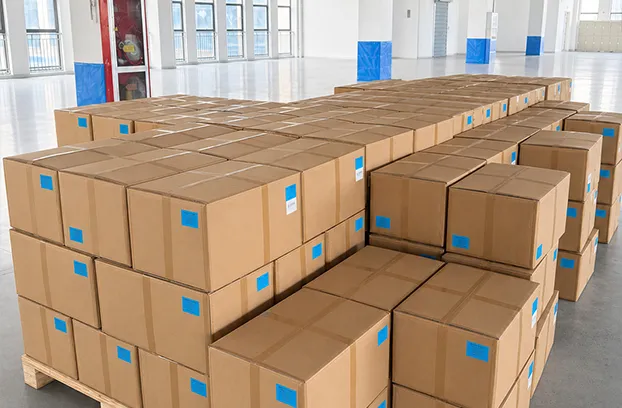
Buyers can specify preferred packing methods, carton or bale requirements, palletization, product labels, shipping marks and destination information.
For export orders, it is also useful to confirm the destination country or market, expected delivery schedule and any documentation requirements in advance.
Providing these details at the RFQ stage helps reduce repeated specification changes and makes the quotation, sampling and production process more efficient.
How Does a Bulk Vinyl Tarp Order Move into Production?
For bulk vinyl tarp orders, production usually does not start from a product name alone.
Two buyers may both ask for an 18 oz vinyl tarp, but the finished products can be very different once size, edge reinforcement, grommet spacing, color, logo, packaging and application are taken into account.
That is why we normally confirm the full specification first, then move into sampling and mass production.
Requirement and Specification Confirmation
The first step is to make sure both sides are talking about the same product.
A buyer may already have a specification sheet, drawing or existing sample. In other cases, the request may start with something simple, such as:
“18 oz blue vinyl tarp, 20' × 30', with grommets.”
From there, we still need to confirm details such as finished size, quantity, material weight, color, edge construction, grommet spacing, accessories, logo and packaging.
For projects with special working conditions, we also check how the tarp will be used. A tarp for warehouse covering does not need to be built in exactly the same way as one that will be repeatedly handled outdoors or used for cargo transport.
Once these details are clear, we can prepare the final production specification and quotation.
Sample Approval Before Production
For new products or new specifications, a sample is often the easiest way to avoid misunderstandings before a bulk order starts.
The buyer can check the material, color, finished dimensions, welding or sewing, edge treatment, grommets, printed logo and other important details.
If something needs to be adjusted, it is much easier to correct it at the sample stage than after thousands of square meters have already been produced.
After the sample and specification are approved, the same confirmed requirements are used for mass production.
Mass Production, Inspection and Shipment
Mass production begins according to the approved specification.
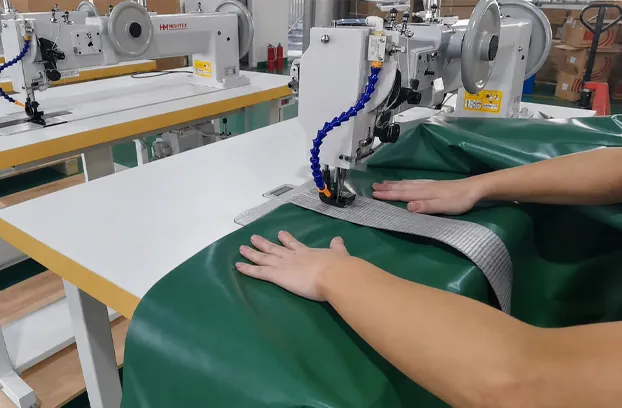
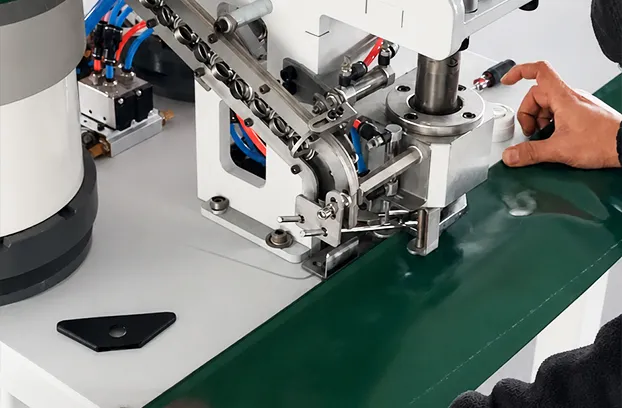
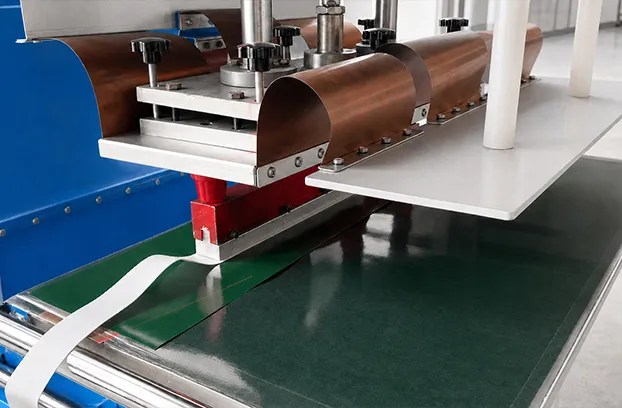
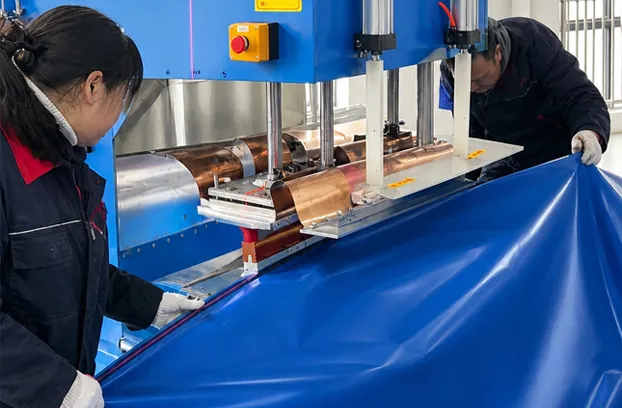
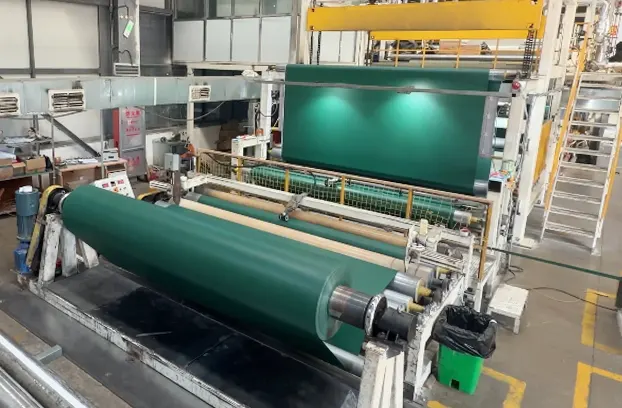
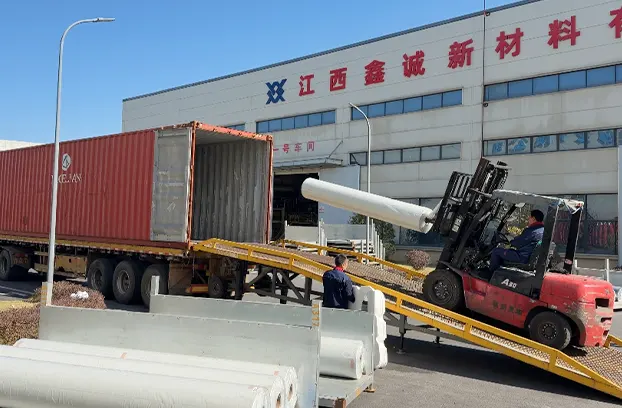
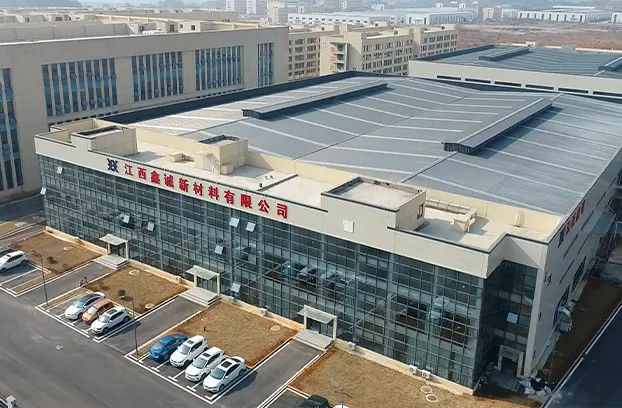
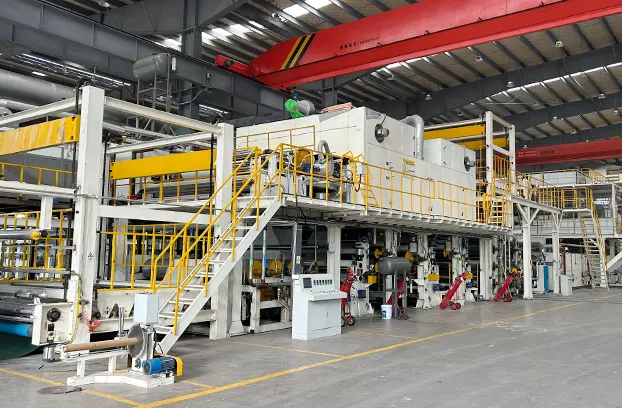
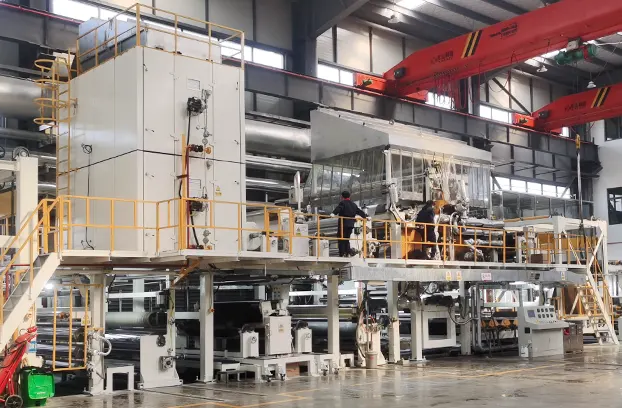
Because we produce PVC-coated fabric and also process finished tarps, material production and finished-tarp fabrication can be coordinated within the same supply chain.
During production, we check the items that matter to the finished order, such as material specification, dimensions, workmanship, hardware placement, printing and packaging.
After inspection, the tarps are packed according to the confirmed shipping requirements and prepared for export.
For repeat orders, the approved specification can also be used as the reference for future production, which helps reduce unnecessary changes between batches.
Why Source PVC Tarps from LonaTarp?
For importers and distributors, the question is not only whether a supplier can make a tarp.
The bigger issue is whether the supplier can control the material, finished-product processing, cost and repeat-order consistency at the same time.
That is where working directly with a manufacturer becomes more useful.
PVC-Coated Fabric Production and Finished Tarp Fabrication
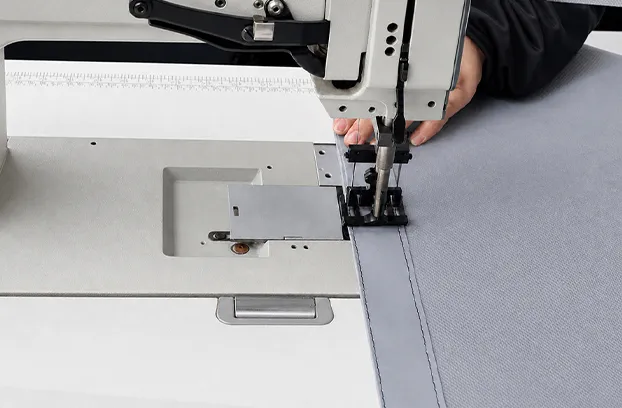
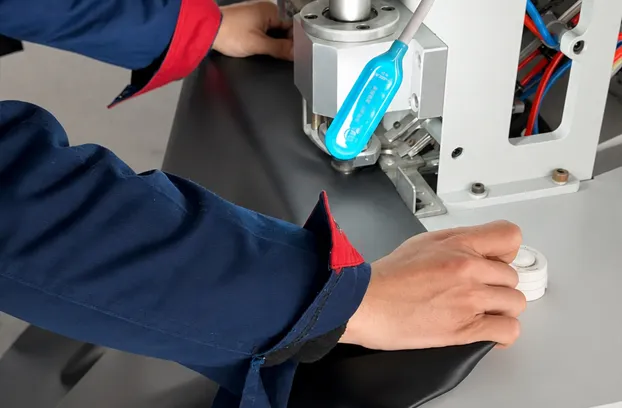
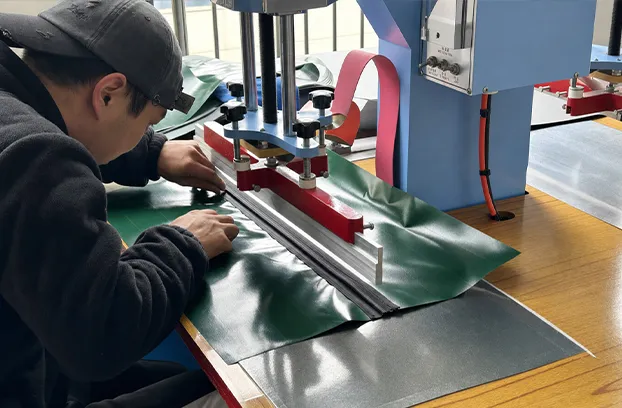
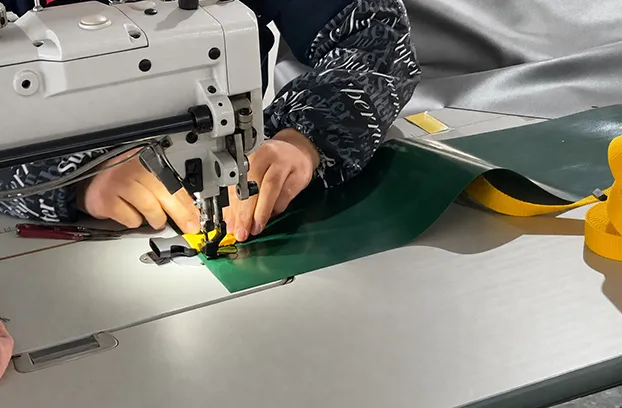
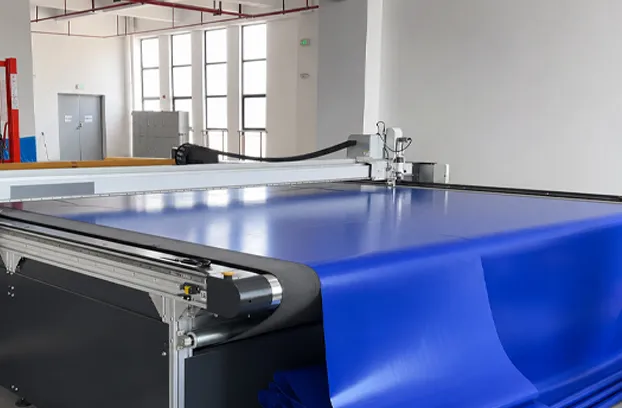
LonaTarp produces the PVC-coated fabric used for tarp manufacturing and also processes that material into finished vinyl tarps.
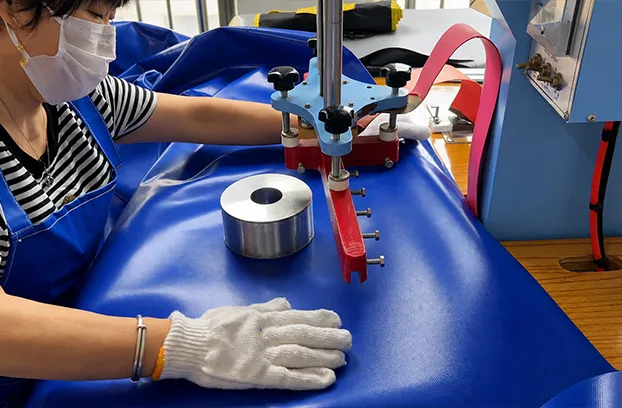
This means the material does not need to be purchased from one supplier and then sent to another company for cutting, welding, sewing and hardware installation.
For buyers, this makes it easier to keep the material specification and finished-product requirements connected.
If a project requires a different weight, color or material performance, the change can be handled from the fabric stage instead of only changing the finished tarp after the material has already been purchased.
The same production chain can then continue into cutting, welding, sewing, edge reinforcement, grommet installation, logo printing and packaging.
Lower Factory Cost for Bulk Vinyl Tarp Orders
Retail vinyl tarp pricing and factory bulk pricing are built very differently.
A retail price usually includes more than the tarp itself. Distribution, warehousing, small-order handling, retail margins, marketplace fees and other selling costs can all be added before the product reaches the final buyer.
For a bulk B2B order, the calculation starts much closer to the actual material and manufacturing cost.
In one like-for-like comparison we made using the same product specification, the U.S. retail unit price was about five times our factory reference price.
That does not mean every retail tarp will always cost five times more. Size, material weight, accessories, packaging, order quantity and seller margin can all change the final number.
But it does show why importers, distributors and project buyers should compare prices using the same specification, rather than comparing only the product name.
For a detailed example of how factory pricing differs from retail pricing and what information should be included in a quotation, see our vinyl tarp price guide.